


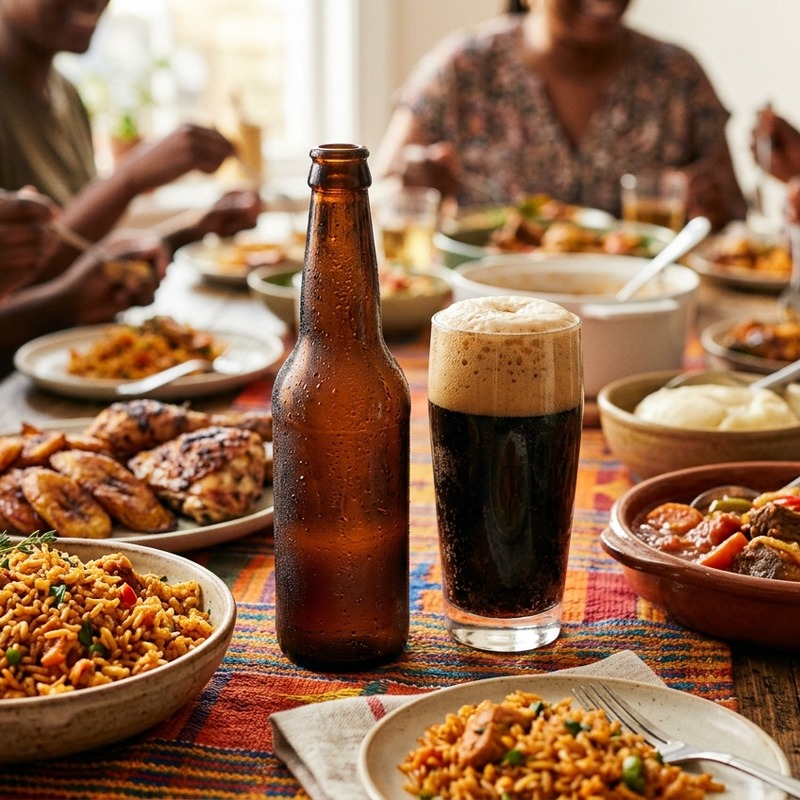
Mauby is one of the Caribbean's most distinctive traditional drinks. It starts sweet and warmly spiced, then finishes with a woody bitterness that can stay on the tongue. That contrast is the point, not a flaw.
Most mauby is made by simmering dried bark from a Colubrina tree with spices such as cinnamon, cloves, and star anise. The liquid is strained, sweetened, chilled, and served cold. Some Caribbean versions are lightly fermented, while many modern products come as syrup, concentrate, or bottled soda.
Quick Answer: What Is Mauby?
Mauby is a traditional Caribbean bark drink made by simmering dried Colubrina bark with spices, then straining, sweetening, chilling, and serving it cold. It is celebrated for its unique bittersweet flavor profile and can be enjoyed fresh, lightly fermented, or prepared from concentrated syrup.
Editorial and botanical note: Botanical research focuses on Colubrina elliptica, a tree in the Rhamnaceae family native from Mexico to Venezuela and across the Caribbean. Regional names include mauby, mabi, mabi, mavi, maubi, soldierwood, and snakewood. Health sections in this guide separate traditional folklore from clinical human trials. This article is for general information and is not medical advice.
This comprehensive guide covers what mauby is, what it tastes like, Colubrina bark botany, bitter saponin chemistry, Caribbean cultural history and regional names, an authentic non-fermented bark recipe, fermentation differences, nutrition data, health evidence, and buying tips for the USA.
What Does Mauby Taste Like?
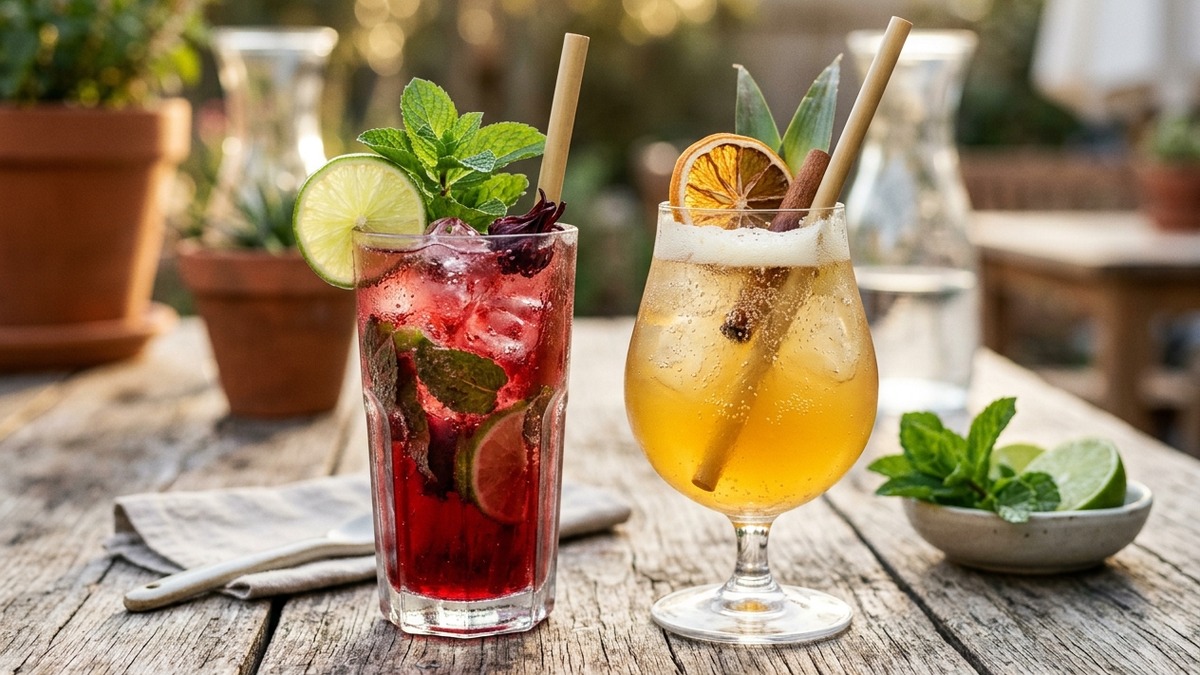
Mauby delivers a dramatic flavor progression: it tastes sweet, floral, and warmly spiced at first sip, followed by a persistent woody, herbal bitterness that lingers pleasantly on the palate.
Cinnamon adds sweet warmth, whole star anise brings a delicate licorice aroma, and cloves introduce deep spice complexity. Dried orange peel brightens the brew with citrus oils, preventing the bark from tasting heavy. As the initial sweetness recedes, the authentic botanical bitterness of the bark emerges.
Warm mauby can taste significantly harsher and more astringent than cold mauby. Serving the drink chilled over ice smooths the bitter edge and creates a crisp, refreshing balance.
Is Mauby Supposed to Be Bitter?
Yes. Bitterness is the defining hallmark of authentic Caribbean mauby. A well-crafted glass balances natural bark astringency with warming spice aromatics and cane sugar sweetness. If a homemade batch tastes overly bitter, dilute it with chilled water or stir in additional brown sugar.
What Is Mauby Bark? Botany and Species
Mauby bark consists of dried tree bark harvested primarily from Colubrina elliptica (commonly known as soldierwood or snakewood), a small tree or shrub belonging to the buckthorn family (Rhamnaceae). Kew Science records its native range extending from South Florida through the Greater and Lesser Antilles to Central America and Venezuela.
| Plant Species | Botanical & Research Confirmation | Why It Matters |
|---|---|---|
| Colubrina elliptica | Accepted Rhamnaceae species; primary botanical source across Caribbean culinary recipes; contains triterpenoid saponins named mabiosides. | Standard botanical base for commercial and home-brewed mauby bark. |
| Colubrina arborescens | Related species identified in a 2005 human blood-pressure trial in the West Indies. | Clinical trial results should not be automatically assumed for all retail mauby products. |
Why Does Mauby Taste Bitter? Saponin Chemistry
The characteristic bitterness of mauby stems from complex secondary plant metabolites known as triterpenoid saponins. Phytochemical studies on Colubrina elliptica bark have isolated and characterized several unique saponins, including mabiosides A, B, C, D, and E.
Saponins possess surfactant properties and bind to human bitter taste receptors (the TAS2R receptor family on the tongue). This explains why the bitterness has a distinct, mouth-coating quality that differs from the bitterness of coffee (caffeine) or dark chocolate (theobromine).
Caribbean History and the Names Mauby, Mabi and Mavi
Mauby holds a revered place in Caribbean cultural heritage. Linguistic research from The University of the West Indies (UWI) links the word mauby to Indigenous Carib-origin tree names in Trinidad and Tobago.
Over centuries of regional and transatlantic trade, Indigenous botanical knowledge merged with African brewing traditions and European spice trade routes. Ingredients like Indonesian cloves, Sri Lankan cinnamon, and Chinese star anise were integrated into the traditional bark decoction, transforming mauby into a pan-Caribbean symbol of culinary resilience.
Mauby Sellers and Market Street Culture
Throughout the 19th and 20th centuries, itinerant vendors known affectionately as mauby women or mauby ladies walked Caribbean market streets, carrying large enamel or earthenware vessels balanced gracefully on their heads or carts. They dispensed ice-cold, frothy cups of fresh mauby to workers, market shoppers, and schoolchildren.
Fresh, Fermented and Commercial Mauby Styles
Across different Caribbean islands, mauby is prepared in three distinct styles:
| Style | Basic Method | Carbonation | Typical Flavor Profile |
|---|---|---|---|
| Fresh bark mauby | Bark and spices are simmered, strained, sweetened, and chilled | Still (flat) | Spice-forward, clean, bittersweet, and refreshing |
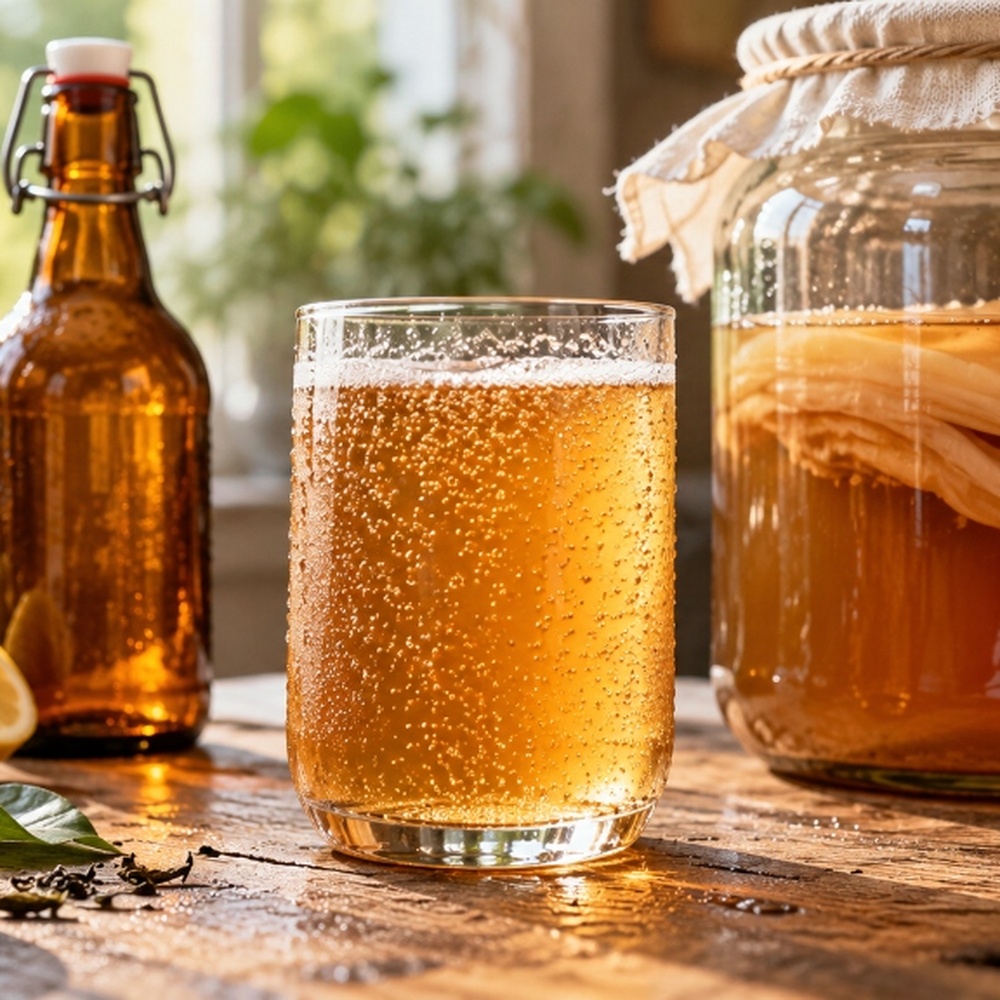
| Fermented mauby (Mabi / Mavi) | Sweetened bark decoction is pitched with starter and allowed to ferment | Natural gentle fizz | Tangy, tart, complex, and effervescent |
| Commercial mauby (Soda / Syrup) | Bark extract, concentrate, or bottled carbonated formula | Still or force-carbonated | Sweeter, milder bitterness, and highly consistent |
Is Fermented Mauby Alcoholic?
Fresh, non-fermented mauby is completely alcohol-free (0.0% ABV). In contrast, traditional fermented mavi undergoes wild or cultured yeast fermentation that converts cane sugars into organic acids, natural carbonation, and trace ethanol. Because temperature and fermentation duration vary in home brewing, fermented batches cannot be guaranteed 0.0% ABV without laboratory testing.
Traditional Non-Fermented Mauby Recipe From Bark
This authentic home recipe brews 2 to 2.5 litres of rich, refreshing Caribbean mauby.
Yield: 2 to 2.5 Litres | Prep time: 5 minutes | Simmer time: 25 minutes | Chilling: 4 hours
| Ingredient | Quantity | Role in the Drink |
|---|---|---|
| Dried mauby bark (Colubrina elliptica) | 50 g (about 1.75 oz) | Primary woody and bitter botanical base |
| Cinnamon sticks | 2 large sticks | Warm, sweet spice aroma |
| Whole star anise | 2 pods | Light licorice-like floral aroma |
| Whole cloves | 6 whole cloves | Deep, pungent spice note |
| Dried orange peel | Peel of 1/2 orange (white pith removed) | Citrus balance and essential oils |
| Water | 2 litres for simmering + up to 500 ml for dilution | Brewing base and strength control |
| Dark brown cane sugar | 200 to 300 g (to taste) | Balances bark bitterness and adds caramel depth |
Step-by-Step Brewing Method
- Combine botanicals: In a large stainless-steel pot, combine 50 g of dried mauby bark, cinnamon sticks, star anise, cloves, and dried orange peel.
- Add water and boil: Pour in 2 litres of filtered water and bring to a rolling boil over high heat.
- Simmer uncovered: Reduce heat to medium-low and simmer gently for 20 to 25 minutes. The liquid will turn a rich, dark amber-brown color.
- Strain thoroughly: Remove the pot from the heat. Pour the hot liquid through a fine-mesh sieve or cheesecloth into a heatproof pitcher to remove all bark and spice fragments.
- Sweeten while warm: Stir in 200 to 300 g of dark brown cane sugar while the brew is warm, stirring until completely dissolved.
- Taste and adjust: Taste the brew. If the bitterness is too intense, dilute with up to 500 ml of cold filtered water.
- Chill thoroughly: Refrigerate for at least 4 hours (or overnight) until ice-cold.
- Serve over ice: Pour into tall glasses over generous crushed ice and garnish with a cinnamon stick.
How to Balance and Soften Mauby Bitterness
Do not attempt to eliminate all bitterness, as it is the core identity of mauby. Instead, achieve balance using these culinary techniques:
1. Dilute with cold water: Add extra cold water in 100 ml increments after straining until the strength matches your palate.
2. Taste warm before sweetening: Brown cane sugar provides molasses undertones that soften the astringent finish.
3. Enhance citrus and spices: Increasing orange peel and sweet cinnamon masks harsh tannin edges without adding excess sugar.
4. Always serve ice-cold: Cold temperatures numb bitter taste receptors slightly, making the drink far smoother.
What Is Mauby Syrup or Concentrate?
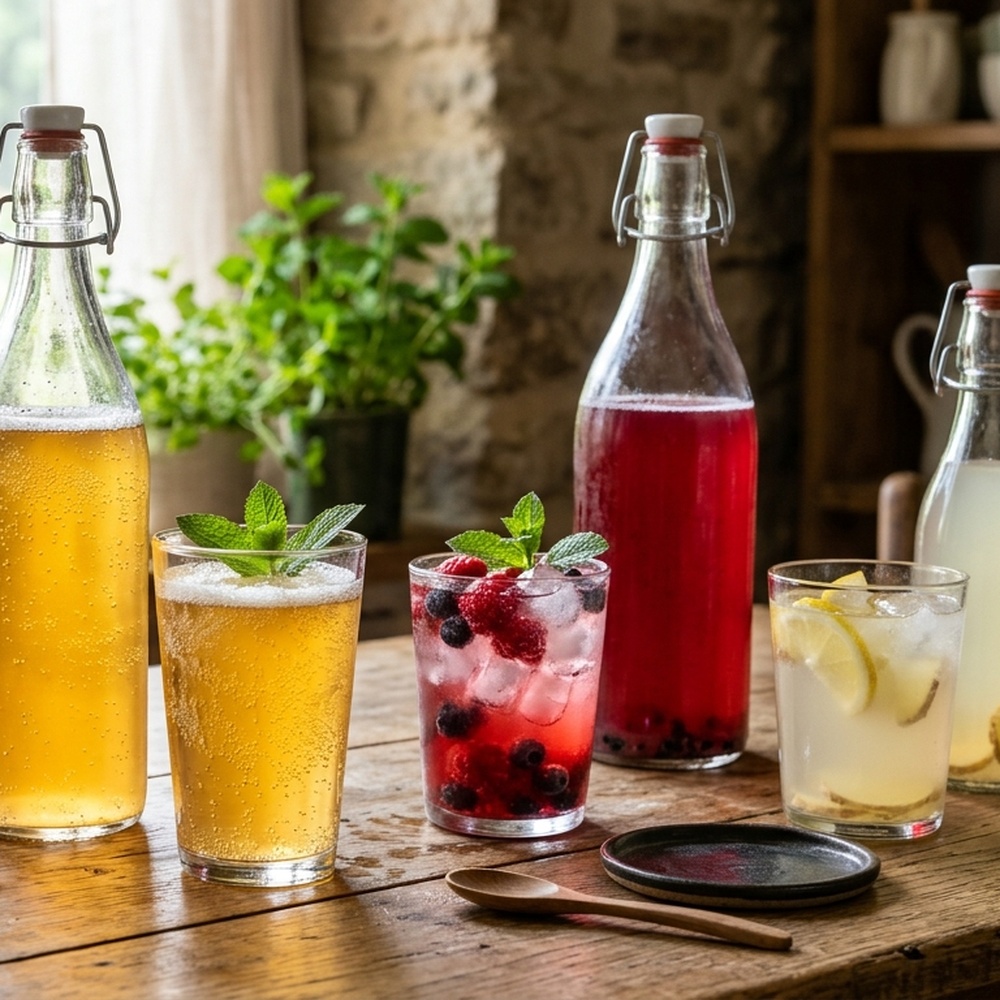
Mauby syrup is a concentrated, heavily sweetened liquid extract produced by commercial Caribbean beverage makers. It allows consumers to prepare fresh mauby instantly by mixing 1 part syrup with 4 to 5 parts chilled water or club soda. Commercial syrups offer shelf stability and consistent flavor, though home-brewed bark decoctions deliver superior botanical complexity.
How Mauby Changes Across the Caribbean
Mauby preparations reflect distinct island preferences across seven major Caribbean territories:
| Territory | Local Name | Signature Regional Style |
|---|---|---|
| Trinidad & Tobago | Mauby | Cinnamon, cloves, and star anise are standard; home brews and bottled Mauby Fizzz soda are widely enjoyed. |
| Barbados | Mauby / Bajan Mauby | Sweetened commercial syrups and iced home brews are popular cultural staples. |
| Grenada | Mauby | Strong folk-use tradition, occasionally brewed with local wild botanicals and bay leaf. |
| St. Lucia | Mauby | Dried orange peel, cinnamon, and local spice blends are commonly featured. |
| The Bahamas | Maubi | Nutmeg is frequently added; served extra cold over crushed ice. |
| Puerto Rico | Mavi | Naturally fermented variations (Mavi Taino) form a revered artisanal tradition. |
| Dominican Republic | Mabi | Fermented artisanal mabi and commercial sodas (like Mabi Seibano) are widespread. |
Mauby vs. Root Beer: What Is the Difference?
While both drinks are dark, spiced, botanical beverages, their botanical foundations and flavor profiles are fundamentally different:
| Feature | Caribbean Mauby | North American Root Beer |
|---|---|---|
| Main Botanical | Colubrina tree bark (snakewood / soldierwood) | Historically sassafras root and sarsaparilla; modern artificial aromatics |
| Regional Tradition | Caribbean Islands (West Indies) | North America |
| Typical Taste | Woody, astringent, bittersweet, and warm spice | Sweet, creamy, wintergreen, and vanilla notes |
| Fermentation | Traditional decoction or wild yeast fermentation | Historically fermented; modern soft drink is force-carbonated |
Mauby Nutrition Facts: Sugar and Calories
Because dried mauby bark contains negligible calories, virtually all calories in finished mauby derive from added cane sugar:
For a standard batch made with 250 g of dark brown sugar diluted to 2.5 litres total volume, a standard 240 ml (8 oz) serving provides approximately 25 g of carbohydrates (sugar) and 100 calories.
If the batch is brewed stronger (diluted to only 2 litres), a 240 ml serving contains about 30 g of sugar and 120 calories. Adjusting the sugar level allows home brewers to control caloric density precisely.
Mauby Benefits: What Does the Scientific Evidence Show?
In Caribbean folk medicine, mauby has traditionally been consumed to support vitality, cooling, and circulatory wellness. Modern pharmacological research provides interesting preliminary insights while clarifying evidence boundaries:
Antioxidant and saponin content: Colubrina elliptica bark contains natural polyphenols, tannins, and triterpenoid saponins (mabiosides) that exhibit antioxidant activity in laboratory assays.
Blood pressure research: A landmark 2005 human clinical trial conducted in Trinidad and published in the West Indian Medical Journal evaluated 28 hypertensive participants over a two-week intervention. In the mauby group, 40% of participants demonstrated significant reductions in mean systolic blood pressure and 40% showed significant reductions in mean diastolic blood pressure (the effect was even more pronounced when combined with coconut water).
Evidence boundaries: While these findings are promising, the trial was small and utilized Colubrina arborescens bark. Mauby should be enjoyed as a wholesome cultural beverage and must never replace prescribed antihypertensive medications or physician care.
Where to Buy Mauby Bark in the USA
You can purchase dried mauby bark across the United States at:
1. West Indian and Caribbean grocers: Specialty markets in New York (Brooklyn, Queens), South Florida (Miami, Fort Lauderdale), Atlanta, Boston, and Toronto carry dried bark bundles year-round.
2. Online Caribbean retailers: Specialty online Caribbean grocers and botanical merchants ship whole bark strips directly to consumers.
When purchasing, ensure the packaging lists 100% dried mauby bark (Colubrina species) without artificial colorings or fillers.
How Mauby Compares to Other Traditional Heritage Beverages
Mauby is part of a rich global tapestry of botanical wellness drinks and traditional heritage elixirs:
- Indian Chaas: While Caribbean mauby is a bittersweet tree-bark decoction, Indian chaas is a chilled savory buttermilk seasoned with roasted cumin and fresh herbs.
- Golden Milk (Haldi Doodh): Traditional golden milk pairs soothing turmeric curcuminoids with warm dairy or coconut milk for evening relaxation.
- Japanese Amazake: Japan's fermented sweet rice elixir derives natural glucose through koji enzymes, contrasting with the woody bitterness of mauby.
- Peruvian Chicha Morada: Peru's iconic purple corn brew provides rich berry anthocyanins and fruit spices for deep, non-alcoholic refreshment.
- Colombian Aguapanela & Guarapo: Latin American sugarcane infusions celebrate unrefined cane sweetness, offering clean caramel notes compared to bitter bark.
- Traditional Malt Drinks: Caribbean and African brewed malts supply nourishing B vitamins and roasted grain body for alcohol-free vitality.
- Fermented Tepache & Ginger Beer: For lovers of effervescent spice, fermented pineapple tepache and craft ginger beer deliver sparkling botanical zest.
- Botanical Sparkling Teas: Cold-brewed sparkling teas offer delicate tannins and floral aromatics for sophisticated zero-proof dining.
- Plant-Based Drinks & Non-Alcoholic Drinks: Explore our comprehensive guide to functional botanical tonics, dairy-free alternatives, and modern zero-proof beverages.
Frequently Asked Questions About Mauby
What is mauby?
Mauby is a traditional Caribbean bark drink made by simmering dried Colubrina bark with spices like cinnamon, cloves, star anise, and orange peel, then straining, sweetening, and serving it ice-cold.
What does mauby taste like?
Mauby starts sweet and warmly spiced with notes of cinnamon, anise, and citrus, followed by a distinctive, lingering woody bitterness.
Is mauby alcoholic?
Fresh, non-fermented mauby is alcohol-free (0.0% ABV). Fermented mauby (mabi or mavi) undergoes natural fermentation that may develop trace amounts of alcohol.
Does mauby lower blood pressure?
A small 2005 clinical trial in the Caribbean observed blood pressure reductions in hypertensive participants drinking mauby. However, it is not an approved medical treatment and should not replace clinical medication.
What tree does mauby bark come from?
Mauby bark is harvested primarily from Colubrina elliptica (soldierwood / snakewood), a small tree native to the Caribbean, Florida, and Central America.
Is mauby the same as mabi or mavi?
Yes. Mabi and mavi are Spanish and regional Caribbean variations of the same traditional bark beverage, often referring to lightly fermented preparations in Puerto Rico and the Dominican Republic.
Can you make mauby without fermentation?
Yes. Traditional non-fermented mauby is a simple decoction brewed by simmering bark and spices, sweetening with cane sugar, and chilling without adding yeast.
Can you make mauby from syrup?
Yes. Commercial mauby syrup or concentrate can be diluted with chilled water or sparkling club soda for quick, consistent preparation.
Why does mauby taste bitter?
Mauby bark contains naturally occurring triterpenoid saponins called mabiosides that stimulate human bitter taste receptors on the tongue.
Is mauby the same as root beer?
No. While both are dark, spiced botanical drinks, mauby is made from Caribbean Colubrina bark and has a pronounced bittersweet finish, whereas root beer is sweeter and flavored with wintergreen and vanilla.
Sources and References
- Kew Science / Plants of the World Online: Colubrina elliptica Species Profile
- Oulad-Ali et al. / Phytochemistry / PubMed: Mabiosides C-E - Triterpenoid Saponins from the Bark of Colubrina elliptica
- Tetrahedron Letters / ScienceDirect: Mabioside A, a New Bitter Saponin from Colubrina elliptica
- Alleyne T. et al. / West Indian Medical Journal / PubMed: The Control of Hypertension by Use of Coconut Water and Mauby
- The University of the West Indies (UWI), St. Augustine: Indigenous Language Legacy in Trinidad and Tobago
- Forbes: Mauby - No Longer The Caribbean's Bitter Sweet Secret
- Rhamnaceae Botanical Research: Traditional Colubrina Decoctions and Ethnobotanical Uses in the West Indies


Comments and reviews (0)