


Many people drink kombucha to support their gut health. Still, reading standard nutrition labels can surprise you: a single 16-ounce bottle often packs 12 to 18 grams of sugar.
What Is Low Sugar Kombucha and How Is It Made?
Low sugar kombucha is an authentic fermented tea beverage that contains 0 to 5 grams of sugar per bottle, compared to 12 to 18 grams in traditional supermarket brands. Brewers achieve this either by extending the fermentation cycle up to 30 days so the living cultures consume virtually all the brewing sugar, or by sweetening the finished tart brew with natural plant extracts like monk fruit, stevia, or allulose. Low sugar kombucha retains full probiotic viability and fits ketogenic and low-carb lifestyles.
Digestive & Dental Boundary: All kombucha is naturally acidic (pH 2.5 to 3.2) and contains trace amounts of alcohol from yeast fermentation (under 0.5% ABV). People with acid reflux or tooth sensitivity should take care. Drink kombucha with meals or rinse your mouth with water afterward.
This guide explains how brewers remove sugar, reviews sweetener options, compares top American brands, outlines keto rules, and provides homebrew tips.
What Is Low Sugar Kombucha?
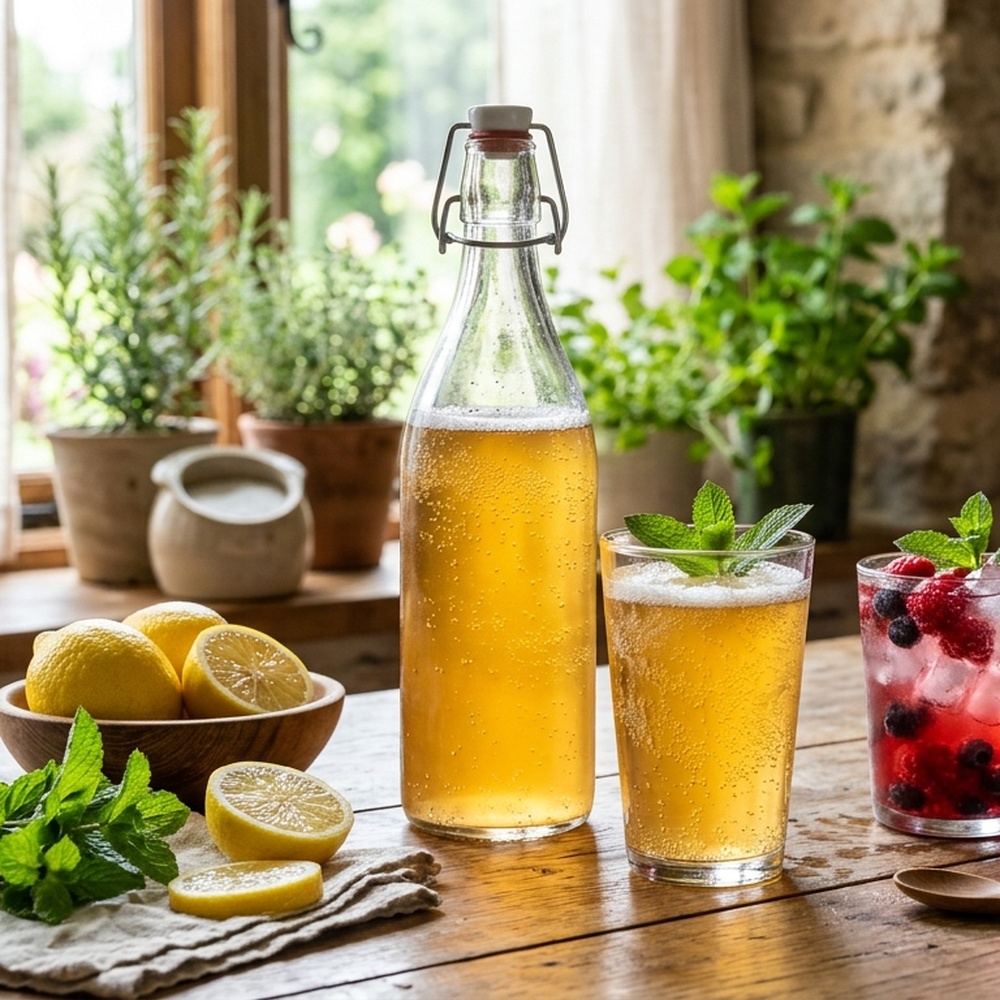
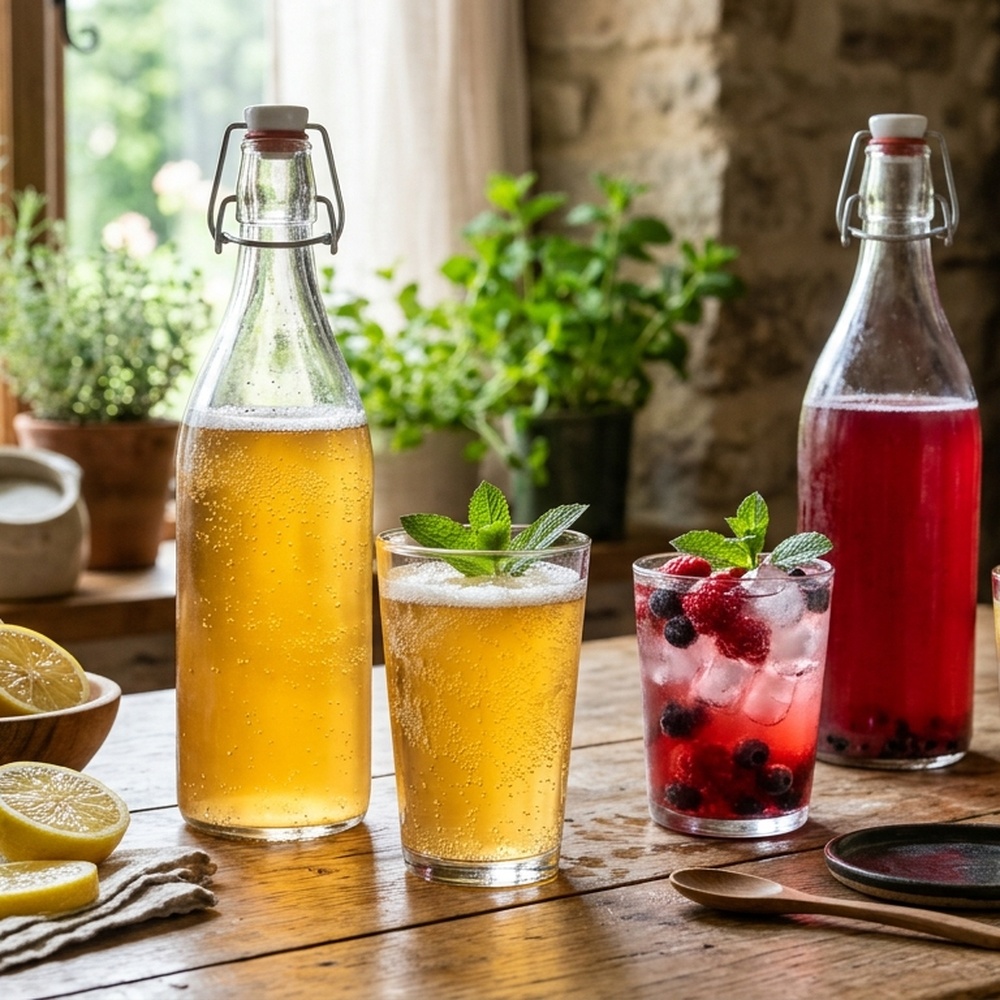
Low sugar kombucha is real fermented tea with minimal residual sugar. It delivers the same organic acids and live cultures as traditional brews. Standard commercial brands stop fermentation around day 7 to 10. This leaves 12 to 16 grams of sugar so the drink tastes sweet. Low sugar versions extend the brew duration, removing nearly all carbohydrates while preserving natural carbonation fizz.
Why Kombucha Needs Sugar to Brew
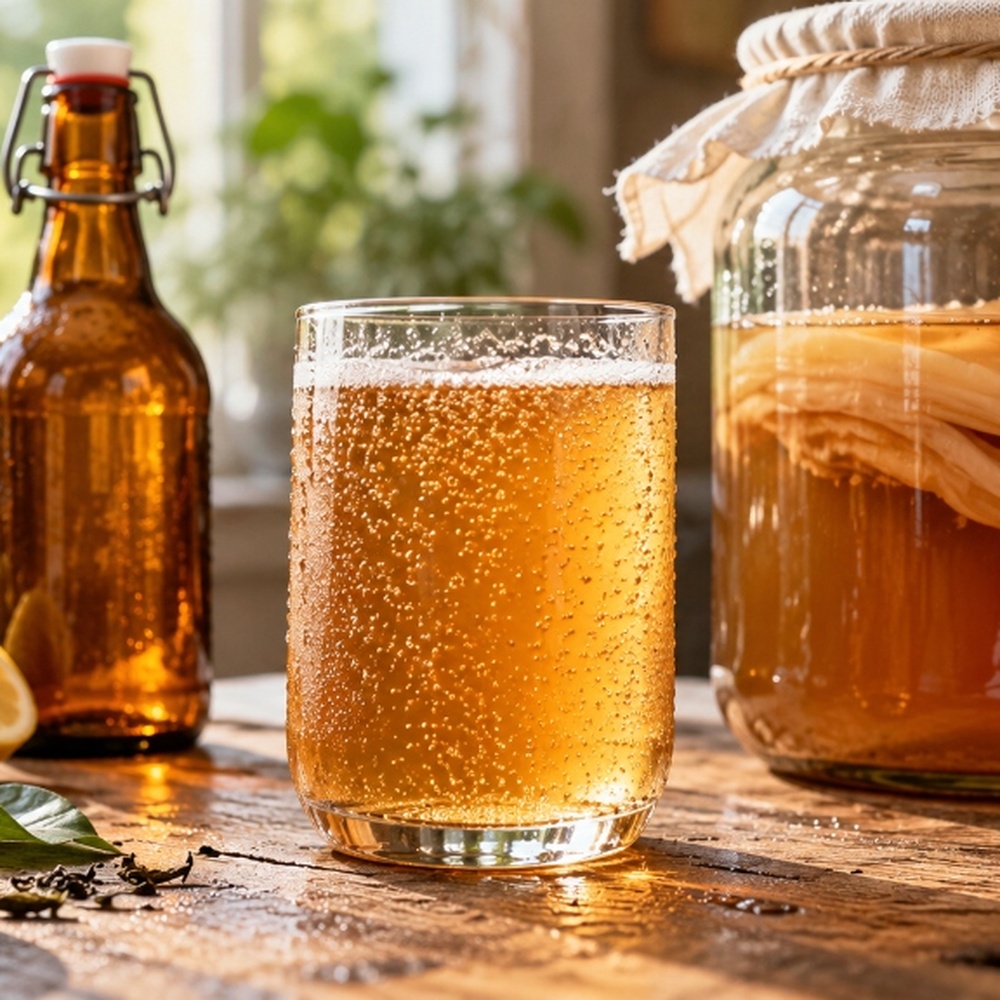
You cannot brew kombucha from scratch without sugar. The symbiotic culture of bacteria and yeast (SCOBY) requires sucrose as initial fuel. First, yeast cells split sucrose into glucose and fructose. Next, good bacteria feed on those simple sugars, producing beneficial organic acids. Microbes cannot digest stevia or erythritol, meaning sugar must always be present at the start of brewing. To understand how ethanol develops alongside organic acids, read our guide on how much alcohol is in kombucha.
How Commercial Brewers Eliminate Residual Sugar
Makers of low sugar and zero sugar kombuchas take two main production paths:
- 1. Extended Complete Fermentation: Brewers let fermentation run for 25 to 30 days. During this time, living cultures consume almost all available sugar.
- 2. Post-Fermentation Balancing: Dry kombucha tastes sharply sour. Brewers soften this bite with plant sweeteners like stevia, monk fruit, or allulose that do not raise blood sugar.
Does Low Sugar Kombucha Still Have Live Probiotics?
Shoppers often worry that removing sugar starves or kills beneficial bacteria. Laboratory testing shows this concern is unfounded. Living probiotic bacteria do not require constant sugar once fermentation stabilizes. The high concentration of organic acids creates a protective low-pH environment (between 2.5 and 3.2). In this range, beneficial probiotic strains thrive while harmful pathogens cannot survive. Low sugar kombucha supplies 1 to 2 billion live cultures per can, supporting your gut microbiome without liquid sugars. For broader fermented options, see our guide to fermented drinks.
Understanding Alternative Sweeteners in Kombucha
Different commercial brands rely on different sweetening systems. Checking the ingredient label helps you choose a sweetener that matches your digestion.
| Sweetener Name | Botanical Origin | Glycemic Index | Digestive Tolerability |
|---|---|---|---|
| Allulose | Rare simple sugar found naturally in figs and raisins | 0 (Zero insulin spike) | Very well tolerated; absorbed in small intestine and excreted in urine. |
| Monk Fruit (Mogrosides) | Subtropical Luo Han Guo melon fruit extract | 0 (Zero glycemic impact) | Clean digestion with zero abdominal bloating or gas. |
| Stevia Leaf (Reb A) | Stevia rebaudiana botanical leaf extract | 0 (Zero glycemic impact) | Safe and non-glycemic with a minor natural herbal aftertaste. |
| Erythritol | Fermented plant-based non-caloric sugar alcohol | 0 (Zero glycemic impact) | Can cause mild gas or rumbling in sensitive digestive systems. |
Top Low-Sugar and Zero-Sugar Kombucha Brands Compared
The American market offers several established brands that produce low-sugar profiles. Here is how leading market options compare in sugar levels and sweetening methods.
| Brand Name | Sugar per Serving | Calories | Formulation & Sweetening Method |
|---|---|---|---|
| Remedy Kombucha | 0 g (per 8.5 oz can) | 5 kcal | 30-day extended fermentation, balanced with organic stevia and erythritol. |
| Humm Zero Sugar | 0 g (per 12 oz can) | 10 kcal | Patented culture system sweetened with allulose and organic monk fruit extract. |
| Better Booch | 5 g (per 16 oz can) | 25 kcal | 100% tea-forward botanical brew with no stevia, erythritol, or allulose added. |
| GT's Living Foods (Raw) | 4 to 6 g (per 8 oz cup) | 30 kcal | Raw unpasteurized brew flavored with cold-pressed ginger and kiwi juice. |
To explore how these brands compare in sensory acidity and mouthfeel, read our guide on what kombucha tastes like.
Is Low Sugar Kombucha Keto and Fasting Friendly?
Standard kombucha with 16 grams of carbohydrates can kick your body out of ketosis by prompting an insulin response. Zero-sugar brands like Remedy and Humm contain only 0 to 2 grams of net carbohydrates per serving. The allulose, stevia, or erythritol they contain pass through your system without entering glycemic pathways. You can enjoy a can while maintaining nutritional ketosis.
Does Low Sugar Kombucha Break an Intermittent Fast?
For weight loss and insulin control, a zero-sugar kombucha containing under 10 calories does not trigger an insulin surge. It is acceptable for standard fasting windows. However, for strict water fasting focused on cellular autophagy, plant botanicals and flavor essences stimulate digestive enzyme release in the liver. If your goal is pure autophagy, drink plain water during your fast and enjoy kombucha with your first meal.
For clean everyday hydration alternatives, explore our guide to homemade electrolyte drinks and healthy soda alternatives.
How to Brew Low Sugar Kombucha at Home
Homebrewers do not need industrial gear to reduce sugar in their homemade batches. Follow these two simple adjustments:
- Step 1: Extend Primary Fermentation: Standard homebrews are ready in 7 to 9 days. To cut sugar, let your primary fermentation run for 14 to 21 days. The yeast will consume up to 85% of the starting cane sugar, leaving a dry, tart tea.
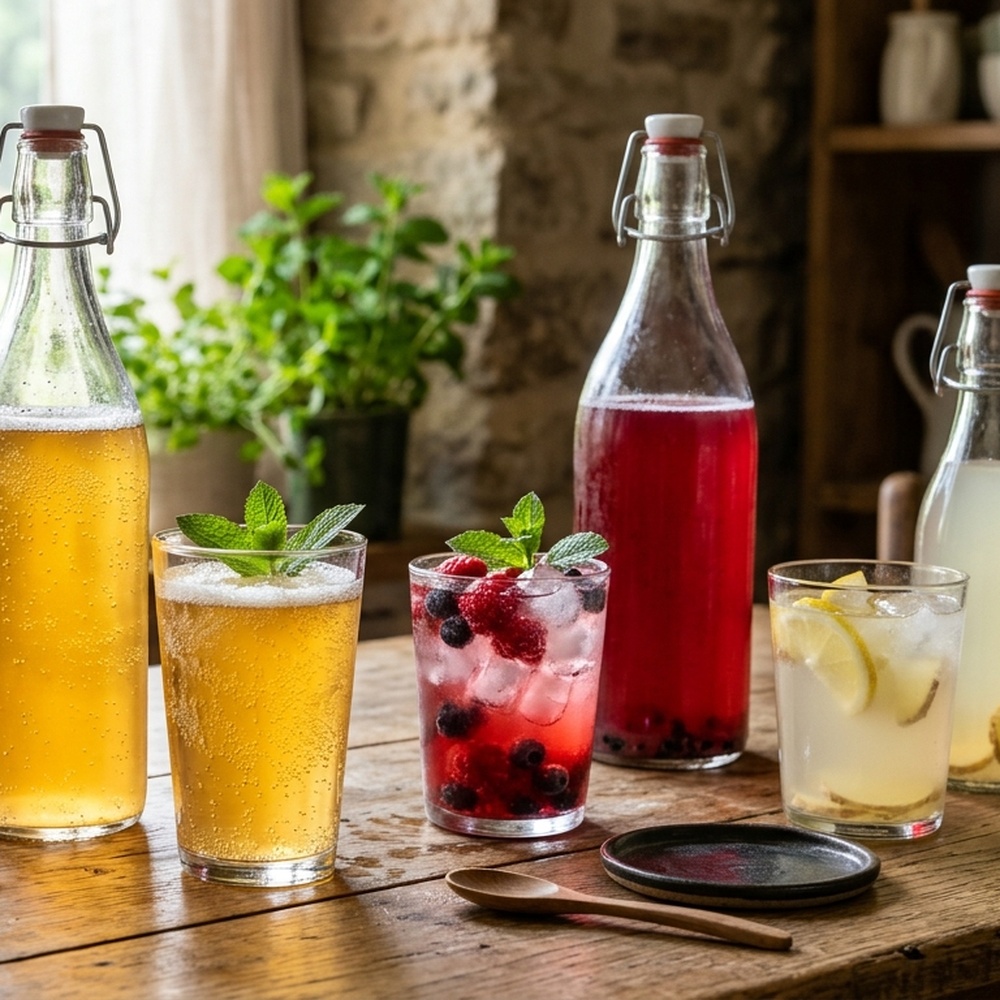
- Step 2: Flavor with Botanicals Instead of Sweet Fruit: Instead of adding apple or grape juice during bottling, use fresh grated ginger root, lemon peel, dried lavender, crushed mint leaves, or Citra hops. These additions provide bold aromatics with zero added sugars.
Frequently Asked Questions About Low Sugar Kombucha
Q. How is low sugar kombucha made?
Q. Does low sugar kombucha have live probiotics?
Q. Is low sugar kombucha keto friendly?
Q. Will low sugar kombucha break a fast?
Q. Does low sugar kombucha taste like real kombucha?
Q. How much alcohol is in low sugar kombucha?
Q. Does low sugar kombucha cause tooth enamel erosion?
Q. Can diabetics drink low sugar kombucha?
For specialty grocers, fitness clubs, and cafes seeking low-calorie probiotic beverages, zero-sugar fermented teas, and canned functional waters, partner with our team as a wholesale exotic drinks supplier to stock verified cold-chain wellness lines.
Editorial Fact-Checking and Evidence Standards
- Clinical Carbohydrate & Glycemic Literature: Peer-reviewed studies on non-nutritive plant sweeteners, allulose renal excretion kinetics, and glycemic response curves from the Journal of Agricultural and Food Chemistry.
- Microbial Viability & Fermentation Biology: Research on lactic acid and acetic acid bacterial survival in low-pH starved environments published in PubMed and Frontiers in Microbiology.
- Dental Enamel Health Guidelines: Clinical standards on dietary acid exposure and enamel erosion published by the American Dental Association (ADA).
Sources and References
- Metabolism and Safety of Allulose and Rare Sugars - PubMed / Journal of Agricultural and Food Chemistry
- Probiotic Strain Survival and Acidity Dynamics in Fermented Beverages - PubMed / International Journal of Food Microbiology
- American Dental Association Guidance on Acidic Drinks and Enamel Wear - American Dental Association
- ISAPP Consensus Statement on Fermented Foods and Dietary Probiotics - International Scientific Association for Probiotics and Prebiotics
- FDA Generally Recognized as Safe (GRAS) Notices for Monk Fruit and Steviol Glycosides - US Food and Drug Administration


Comments and reviews (0)