


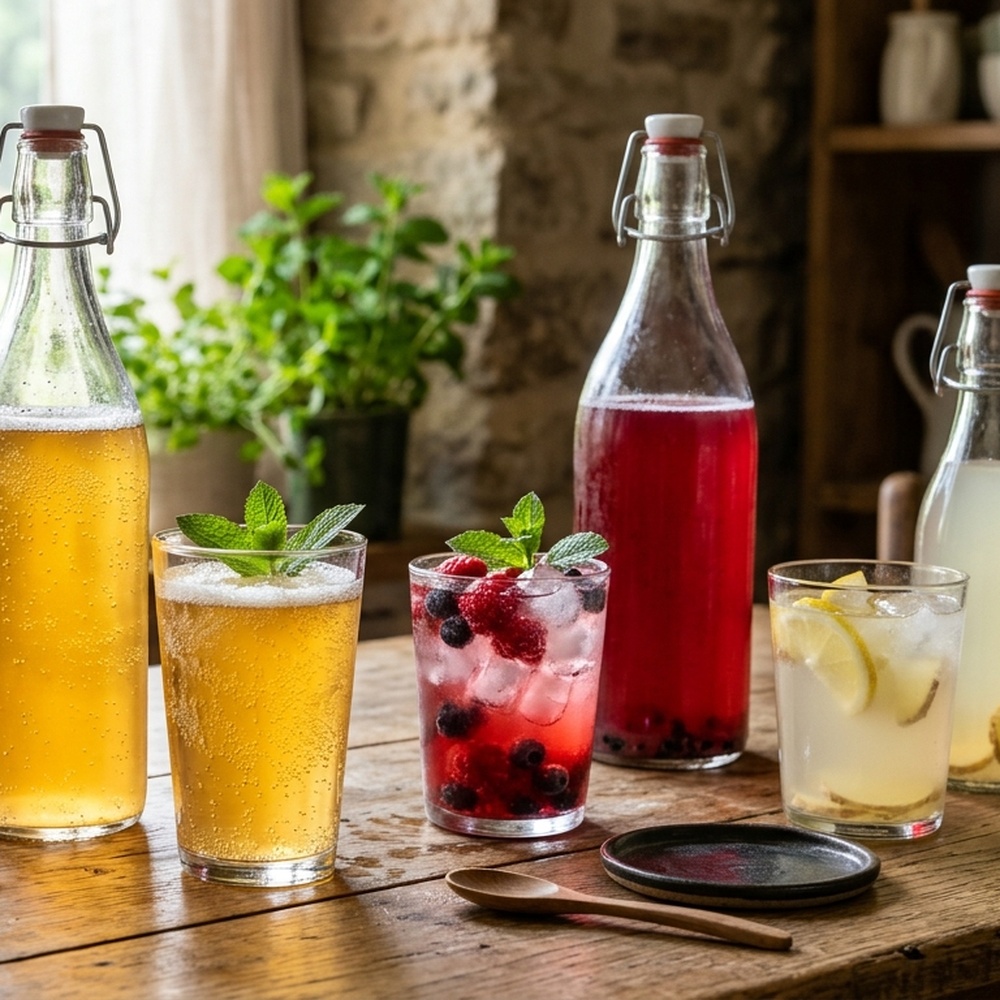
Water kefir is a lightly tangy drink made by fermenting sugar water with water kefir grains, also called tibicos. These soft clusters contain bacteria and yeasts that transform simple liquids into sparkling probiotic tonics.
What Is Water Kefir and How Is It Made?
Water kefir is a lightly tangy, effervescent probiotic beverage made by fermenting cane sugar water with translucent water kefir grains, traditionally known as tibicos. These symbiotic microbial clusters convert sucrose into organic acids, carbon dioxide, and trace alcohol, yielding a mild, dairy-free alternative to milk kefir and kombucha.
Fermentation Safety Notice: Homemade water kefir undergoes active wild yeast fermentation that produces variable trace alcohol levels, occasionally exceeding 0.5% ABV. Individuals who are pregnant, nursing, in alcohol recovery, or managing strict carbohydrate limits should exercise caution with unverified home batches.
This complete guide explores tibicos biology, compares water kefir against milk kefir and kombucha, outlines a verified home brewing recipe, and covers grain maintenance.
What Are Water Kefir Grains?
Water kefir grains look like small, translucent, crystalline gemstones. They feel soft and slightly gelatinous to the touch. Despite their culinary name, they contain no wheat, rye, or barley cereal grains. They are completely grain-free and naturally gluten-free.
How Tibicos Microbial Cultures Work
Each grain is a physical biofilm matrix made of dextran, a complex polysaccharide that beneficial bacteria weave out of sucrose molecules. Nested securely within this polysaccharide structure lives a diverse microbial community:
- Lactic Acid Bacteria: Species including Lactobacillus hilgardii, Lactobacillus casei, and Leuconostoc produce smooth lactic acid, which drops the liquid pH and provides clean tartness.
- Beneficial Yeasts: Strains such as Saccharomyces cerevisiae digest simple sugars, releasing natural carbon dioxide gas and trace ethanol.
- Acetic Acid Bacteria: Small colonies of Acetobacter contribute mild organic acids that aid microbial preservation.
Origins and Cultural History
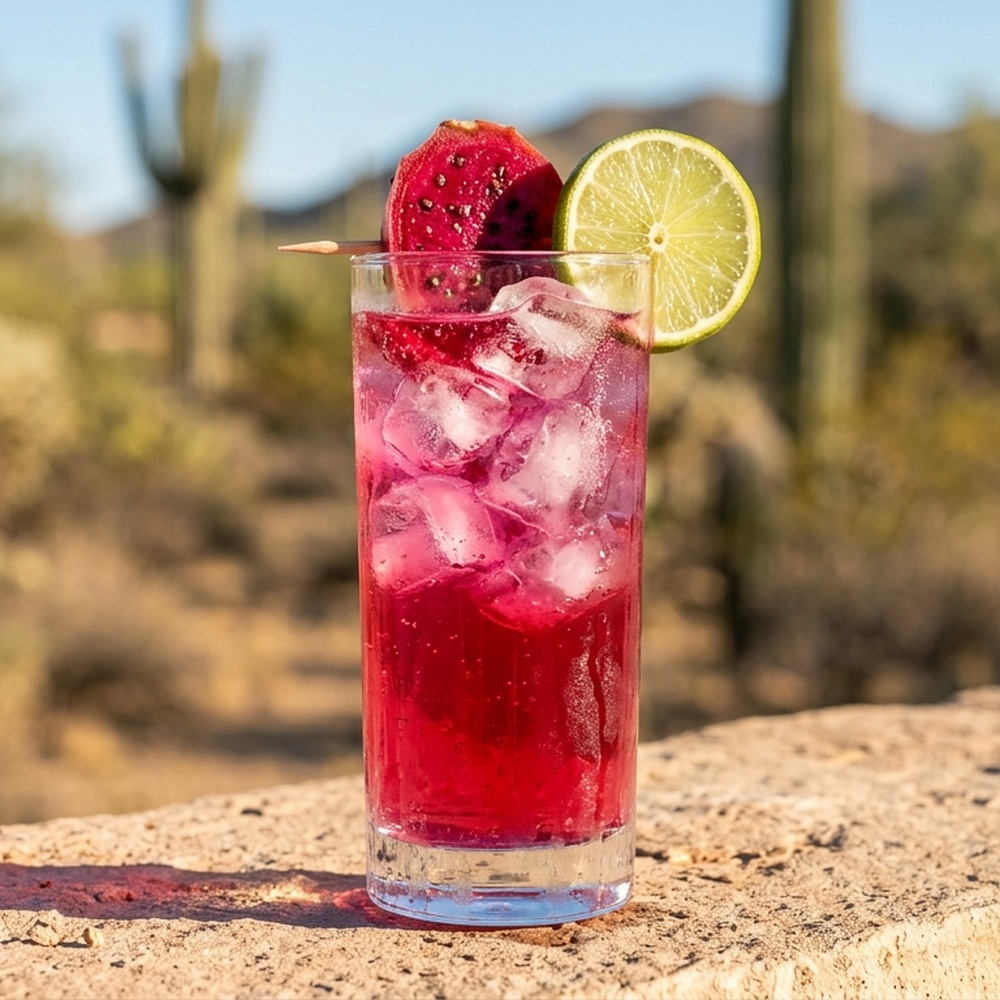
The traditional name tibicos traces its origins to central Mexico, where rural communities harvested wild microbial biofilms from the pads of Opuntia cactus plants. Over centuries, these cultures traveled worldwide under regional names like California bees and Japanese beer seeds. To explore broader fermented heritage, read our comprehensive guide to fermented drinks.
What Does Water Kefir Taste Like?
Plain water kefir tastes remarkably light, clean, and mildly sweet-tart with subtle yeast notes. Unlike dairy kefir, it has a completely watery, thin body rather than a creamy yogurt mouthfeel. Unlike kombucha, it lacks strong vinegary pungency because lactic acid dominates its flavor profile rather than sharp acetic acid. To compare sensory notes directly, see our breakdown of what kombucha tastes like.
Water Kefir vs. Kombucha vs. Milk Kefir: Head-to-Head Comparison
Choosing among probiotic drinks depends on whether you seek dairy-free hydration, creamy protein, or bold tea tannins. Here is how the three dominant fermented beverages compare.
| Feature | Water Kefir (Tibicos) | Kombucha | Milk Kefir |
|---|---|---|---|
| Starting Liquid Base | Filtered water and pure cane sugar | Sweetened black, green, or oolong tea | Cow, goat, sheep, or coconut milk |
| Living Culture Matrix | Translucent gelatinous tibicos grains | Cellulose floating SCOBY pellicle | Cauliflower-like milk kefir grains |
| Dominant Flavor Profile | Light, fruity, sweet-tart, and fizzy | Sharp, vinegary, cider-like, and dry | Creamy, tangy, tart, drinkable yogurt |
| Caffeine Content | 100% naturally caffeine-free | Contains 10mg to 25mg per cup from tea | 100% naturally caffeine-free |
| Dairy & Lactose | 100% dairy-free and vegan friendly | 100% dairy-free and vegan friendly | Contains dairy; 99% lactose-reduced |
| Liquid Mouthfeel | Thin, crisp, like sparkling fruit water | Light and brisk with tea astringency | Thick, smooth, and coating consistency |
| Alcohol Regulations | Trace ethanol (0.2% to 0.8% ABV at home) | Under 0.5% ABV commercially regulated | Trace ethanol (0.1% to 0.5% ABV) |
Water Kefir Health Benefits: What Can It Offer?
Water kefir offers functional advantages for everyday dietary routines when evaluated with scientific balance.
1. A Dairy-Free Probiotic Alternative
Because authentic water kefir is cultured in sugar water rather than cow milk, it supplies a rich spectrum of lactic acid bacteria to individuals living with lactose intolerance or milk protein allergies. It allows vegan consumers to enjoy live cultured drinks without consuming animal byproducts.
2. Live Cultures and Microbiome Balance
Unpasteurized water kefir delivers billions of viable CFUs belonging to diverse bacterial and wild yeast taxa. While home brews vary in exact strain counts, consuming living cultures introduces transient microbes that support healthy digestion and gut barrier integrity. For gentle non-fermented options, consider our hydrating drinks guide.
3. Clean Soda Replacement
With natural carbonation and pleasant sweet-tart flavors, water kefir acts as an effective swap for high-fructose commercial sodas. Choosing water kefir eliminates artificial colorings, synthetic preservatives, and phosphoric acid from your beverage routine.
Sugar, Calories, and Alcohol in Water Kefir
Understanding the chemistry of sugar consumption prevents common misconceptions regarding home fermentation.
Residual Sugar and Calorie Dynamics
During a 24 to 48-hour fermentation cycle, tibicos microbes consume roughly 70% to 80% of the starting sucrose. However, water kefir is never completely sugar-free. A finished 8 fl oz serving typically contains 4 to 8 grams of residual carbohydrates and 20 to 35 calories. If secondary fruit juices or syrups are added, sugar content increases accordingly.
Trace Alcohol Production
Because yeasts produce carbon dioxide and ethanol in equal measure during sugar metabolism, all authentic raw water kefir contains trace alcohol. While commercial bottles are regulated below 0.5% ABV, home ferments sealed in airtight bottles can reach 0.8% to 1.5% ABV. For a detailed review of ethanol in botanical drinks, read our guide on whether is ginger beer alcoholic.
How to Make Water Kefir at Home: Step-by-Step Recipe
Brewing water kefir requires minimal equipment and just 48 hours of fermentation time. Follow this clean kitchen protocol for consistent results.
Traditional First-Ferment Water Kefir
Key Ingredients
- ✓4 cups drinking water (chlorine-free, filtered mineral water)
- ✓1/4 cup pure cane sugar (organic raw or granulated cane sugar)
- ✓3 to 4 tbsp active hydrated water kefir grains (tibicos)
- ✓1 thin slice organic lemon (washed, optional for mineral balance)
Preparation Steps
Avoid using pure distilled or reverse-osmosis water without adding trace minerals, as tibicos grains require calcium, magnesium, and potassium to maintain their structural polysaccharide matrix.
Flavoring and the Optional Second Fermentation
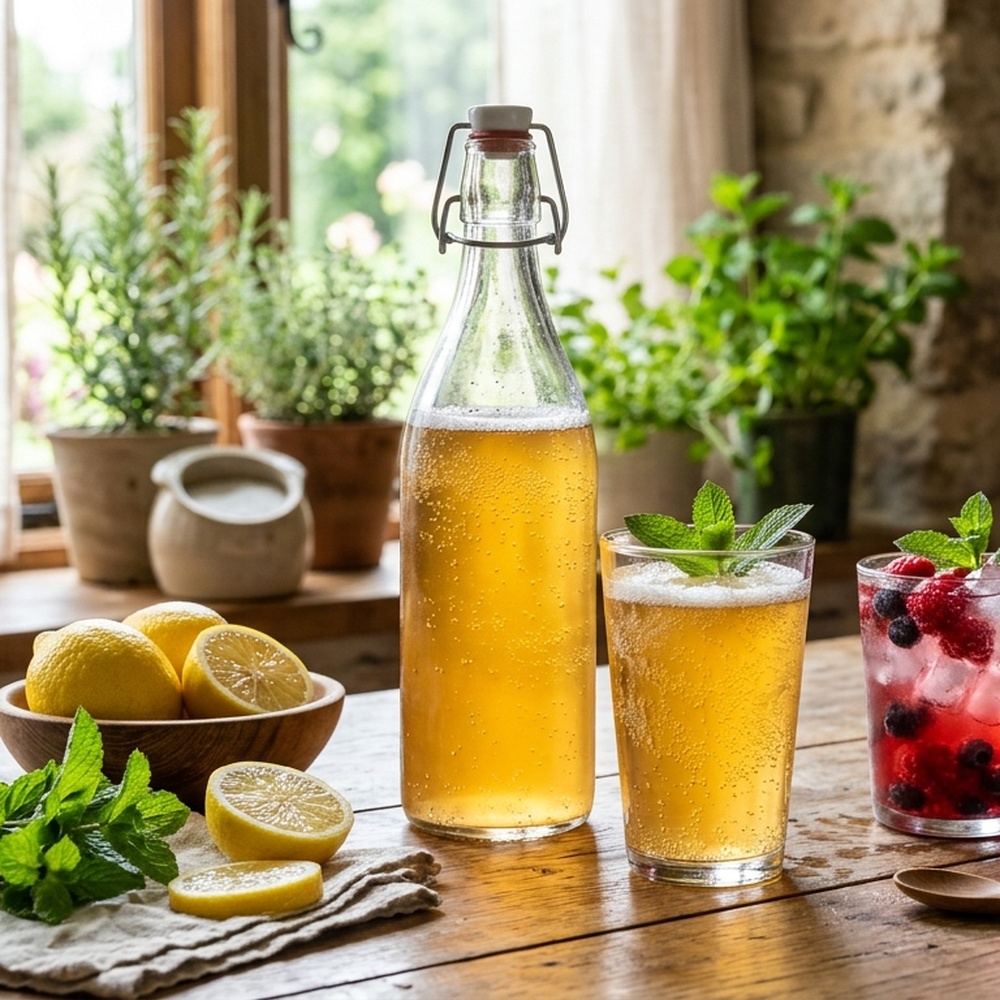
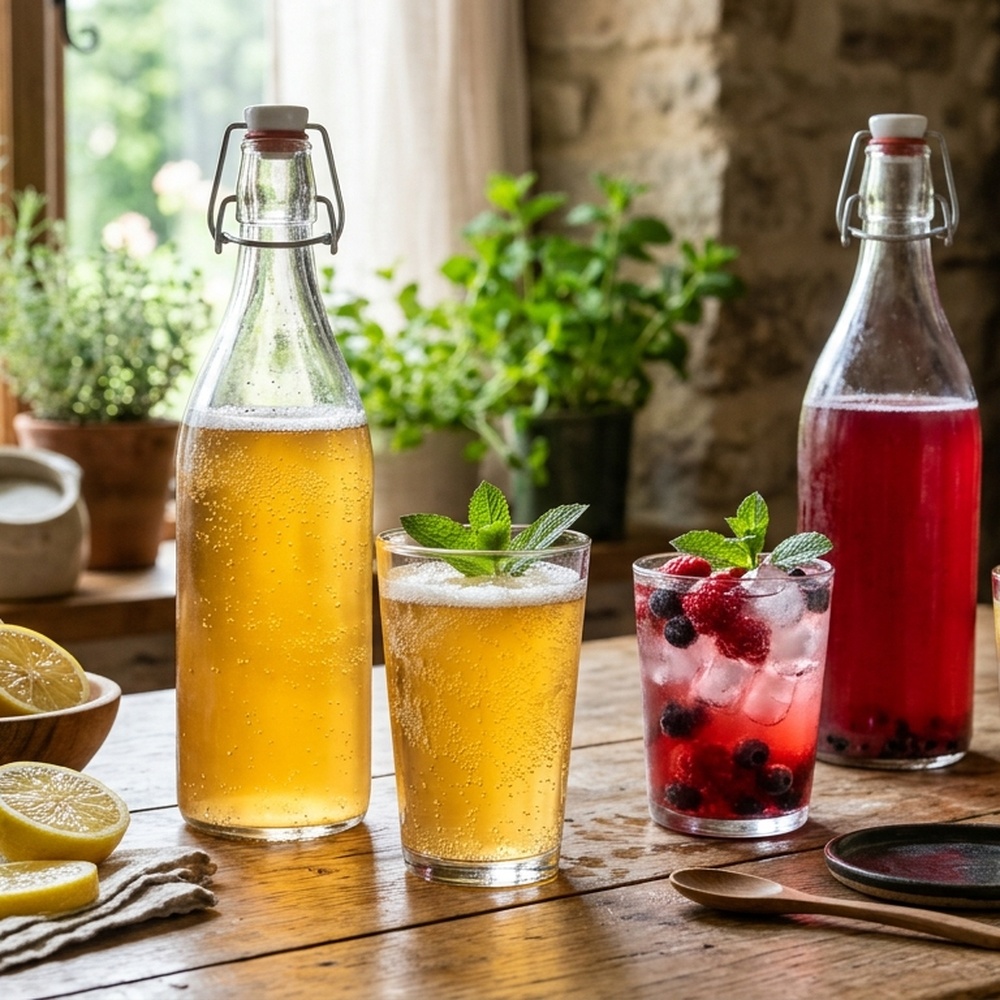
After straining out the grains, you can drink the water kefir plain or conduct an optional second fermentation to build lively effervescence. Stir in 2 ounces of pure fruit juice, such as pure coconut water, pomegranate, or cold-pressed ginger juice, then seal the liquid inside pressure-rated swing-top glass bottles.
Allow the sealed bottles to sit at room temperature for 12 to 24 hours. The wild yeasts consume the newly added fruit sugars and trap carbon dioxide gas within the liquid. Always chill the bottles thoroughly in the refrigerator before opening, and slowly open them over a kitchen sink to avoid sudden foaming.
Tibicos Grain Care and Fermentation Troubleshooting
Water kefir grains are living microbial organisms. With regular feeding every 48 hours, a single tablespoon of starter grains can reproduce and last indefinitely.
| Observation | Underlying Cause | Corrective Action |
|---|---|---|
| Little or No Fizz | First fermentation jar was loosely covered | Normal for first stage; conduct sealed second fermentation for strong bubbles. |
| Liquid Remains Overly Sweet | Low room temperature or sluggish grains | Move jar to warmer spot (72°F to 76°F) and extend ferment time to 48 hours. |
| Liquid Tastes Overly Sour | Fermentation proceeded too long | Shorten brew cycle to 24 hours and ensure grains are transferred on time. |
| Grains Fail to Multiply | Mineral deficiency in reverse-osmosis water | Switch to mineral spring water or add a pinch of unsulfured blackstrap molasses. |
| Slimy or Viscous Liquid | Excess dextran synthesis from high sucrose | Rinse grains in filtered water and reduce sugar ratio slightly on next batch. |
| Fuzzy Colored Mold on Surface | Airborne fungal contamination | Unsafe. Discard the entire liquid batch and grains; sanitize all glassware. |
Who Should Be Cautious with Water Kefir?
While water kefir is safe for most healthy adults, specific clinical populations should exercise caution before consuming unpasteurized ferments.
- Immunocompromised Individuals: Patients undergoing chemotherapy or taking immunosuppressive medications should consult their clinical care team before consuming beverages with live wild microbes.
- Pregnancy and Nursing: Because wild yeast fermentation generates variable trace alcohol and live organisms, pregnant women should consult their obstetrician before consuming raw home ferments.
- Diabetes Management: Unstrained residual sucrose, fructose, and glucose can affect blood sugar levels. Individuals with diabetes should verify carbohydrate content with commercial nutrition panels.
Frequently Asked Questions About Water Kefir
Q. What is water kefir made of?
Q. Is water kefir dairy-free and vegan?
Q. Is water kefir gluten-free?
Q. Does water kefir contain caffeine?
Q. Does water kefir contain alcohol?
Q. Is water kefir the same as kombucha?
Q. How long does water kefir take to ferment?
Q. What do water kefir grains look like?
Q. Can you eat water kefir grains?
Q. How do you store water kefir grains between batches?
Q. Why is my water kefir not fizzy?
Q. What kind of sugar is best for water kefir?
Q. Can you use tap water to make water kefir?
Q. Does water kefir help with gut health?
Q. Can water kefir cause bloating or gas?
Q. What is the difference between water kefir and milk kefir?
Q. How long does finished water kefir last in the fridge?
Q. How do you know if water kefir grains are dead?
Q. Is fuzzy mold normal on water kefir?
Q. Where can you buy water kefir grains?
For health clubs, artisan juice bars, and wellness retailers looking to supply raw live-culture beverages and botanical drink lines, connect with our commercial team as a wholesale exotic drinks supplier to explore our bulk and packaged options.
Editorial Fact-Checking and Evidence Standards
- Microbial Composition & Dynamics: Taxonomic identification of lactic acid bacteria, yeasts, and dextran biofilms in tibicos cultures published in PubMed and Frontiers in Microbiology.
- Probiotic & Fermented Food Criteria: Scientific consensus definitions for live dietary cultures established by the International Scientific Association for Probiotics and Prebiotics (ISAPP).
- Food Safety & Ethanol Verification: Fermentation safety, pH acidification benchmarks, and unintentional ethanol production guidelines from the British Columbia Centre for Disease Control (BCCDC).
Sources and References
- Microbial Species Identification and Fermentation Dynamics of Water Kefir - PubMed / Journal of Applied Microbiology
- ISAPP Consensus Statement on the Scope and Appropriate Use of Probiotics - International Scientific Association for Probiotics and Prebiotics
- Water Kefir Food Safety and Ethanol Production Guidelines - British Columbia Centre for Disease Control
- NCCIH Safety Overview: Probiotics and Fermented Foods - National Center for Complementary and Integrative Health
- Water Kefir Grain Care and Brewing Standards - Cultures for Health Editorial Team


Comments and reviews (0)