


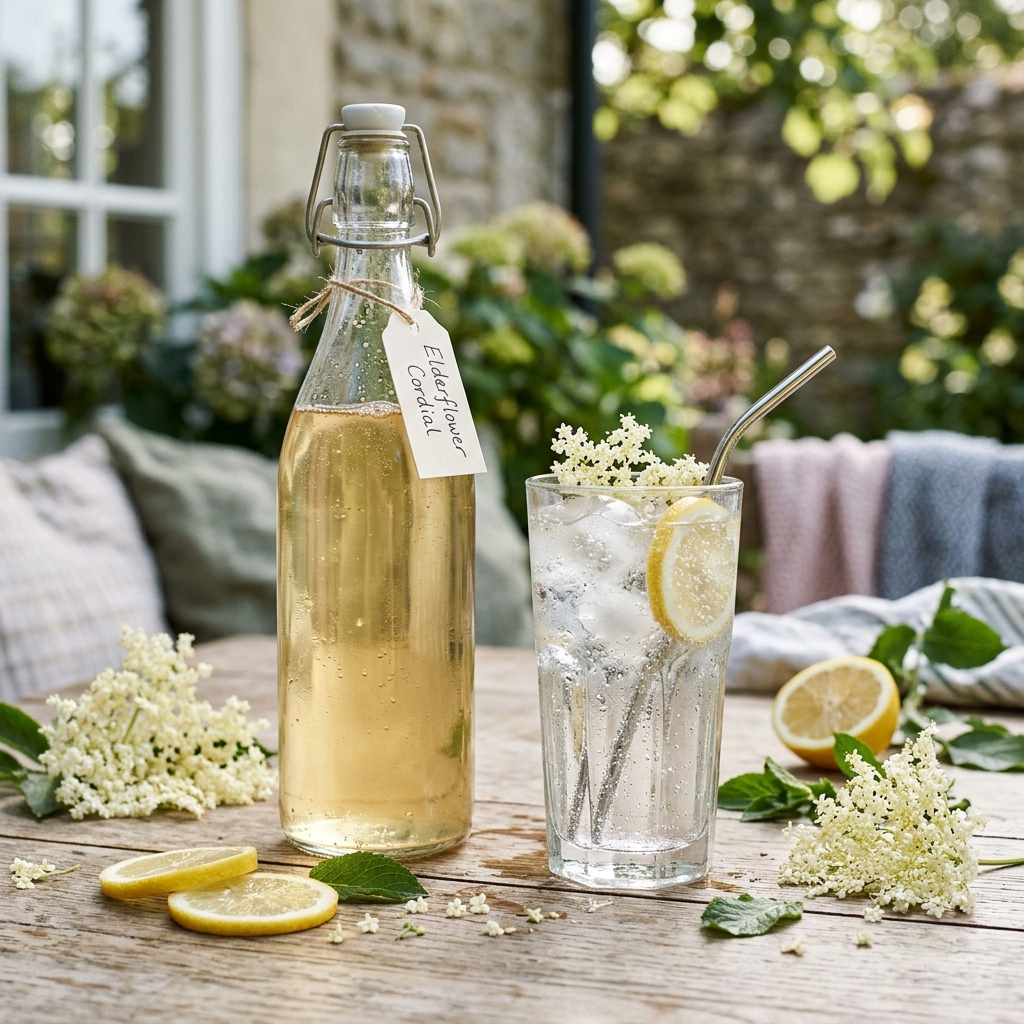
A cordial drink can mean two very different things depending on where you are. In everyday UK use, cordial is usually a non-alcoholic fruit or botanical concentrate that you mix with water. In the United States, cordial is also used for a sweetened alcoholic liqueur. That language gap is the main reason this topic causes confusion.
In British households, opening a bottle of elderflower or lime cordial means preparing a refreshing soft drink with still or sparkling water. In American bar terminology, reaching for a cordial means pouring a spirit-based liqueur like Cointreau, Grand Marnier, or St-Germain.
Quick Answer: What Is a Cordial Drink?
A cordial drink has two common meanings: in the UK and Commonwealth, it is a concentrated, non-alcoholic fruit, flower, herb, or spice drink diluted with still or sparkling water. In the US spirits market, cordial refers to a sweetened, flavored distilled spirit (classified under TTB rules alongside liqueurs with at least 2.5% sugar by weight).
Context note: Whether a cordial contains alcohol depends entirely on product formulation and regional usage. Always check the bottle ABV and ingredient label if you are avoiding alcohol or mixing cocktails.
This guide explains both meanings. It covers cordial vs liqueur, alcohol content, lime and elderflower cordial, the history of Rose's Lime Cordial, two homemade recipes, classic cocktails, current brand examples, and related drink terms.
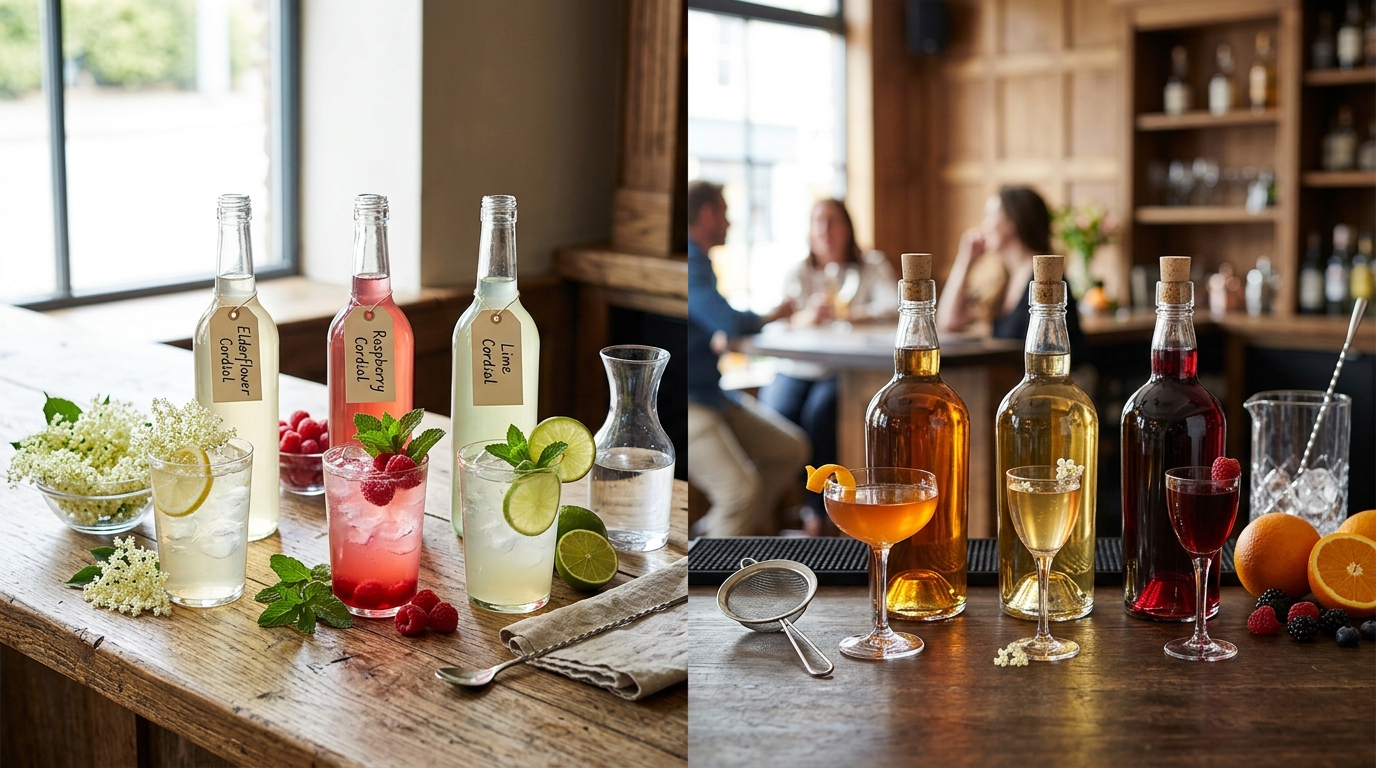
Cordial Drink UK vs USA
The same label can send a shopper to two completely different aisles in a supermarket or bottle shop.
What Cordial Means in the UK
In British shops, cordial usually means a dilutable soft-drink concentrate. Common flavours include elderflower, lime, blackcurrant, raspberry, and ginger.
The amount of water varies by product. Ribena recommends 1 part concentrate to 4 parts water for its squash. Belvoir Farm says some of its cordials can be diluted up to 1:10. This is why one fixed dilution ratio does not fit every cordial.
UK-style cordial may also be described as a concentrated fruit drink, dilutable squash, fruit cordial syrup, or non-alcoholic mixer concentrate.
What Cordial Means in the USA
In US distilled-spirits rules, the Alcohol and Tobacco Tax and Trade Bureau (TTB) groups cordials and liqueurs together. The legal definition covers distilled spirits mixed or redistilled with fruits, flowers, plants, juices, extracts, or other natural flavouring materials, containing at least 2.5% sugar by weight in the finished product.
So an American bar may use cordial for an elderflower liqueur, orange liqueur, berry liqueur, coffee liqueur, or another sweetened flavoured spirit.
Why the Difference Matters
Searches such as is cordial alcoholic or cordial vs liqueur cannot be answered accurately without knowing geographical location. For a UK fruit cordial, the answer is usually no alcohol. For a US spirits cordial, the answer is yes. Always check the product label if alcohol matters to you.
Is Cordial Alcoholic?
Sometimes. A bottle of UK elderflower cordial or lime cordial is normally sold as a non-alcoholic concentrate. A US cordial sold as a liqueur contains alcohol. The word alone is not enough, so checking the ABV and product description is essential.
Rose's Lime Cordial sold in Great Britain is presented by Coca-Cola as a concentrated lime-flavoured fruit drink. Its current ingredient list contains water, lime juice from concentrate, sugar, citric acid, flavourings, preservative, and colours. No alcoholic ingredient is listed.
By contrast, St-Germain is an elderflower liqueur at 20% ABV, Cointreau is an orange liqueur at 40% ABV, and Chambord is sold in a 16.5% ABV version.
Cordial vs Liqueur vs Simple Syrup
These drinks can overlap in sweetness, but they perform different culinary and mixology functions.
| Feature | UK-Style Cordial | US Cordial / Liqueur | Simple Syrup |
|---|---|---|---|
| Alcohol | Usually none (0% ABV) | Alcoholic (15% to 40%+ ABV) | None (0% ABV) |
| Main Base | Fruit or botanical ingredients, water, sweetener | Distilled spirit, sweetener, natural flavouring | Sugar and water |
| Main Use | Dilute with still or sparkling water | Sip neat or mix into cocktails | Sweeten drinks, coffee, and desserts |
| Flavour | Pronounced fruit, flower, herb, or spice | Fruit, flower, herb, nut, coffee, or cream | Neutral clean sweetness |
| Storage | Follow product label; homemade batches require refrigeration | Varies by product and ABV; store cool | Homemade syrup needs refrigeration |
Current commercial formulas vary too much for broad sugar or shelf-life ranges to work as universal rules. Some modern cordials use less sugar or alternative sweeteners, and liqueur storage guidance differs by brand. For example, St-Germain recommends using an opened bottle within six months, while Cointreau notes that its opened bottle retains flavour much longer and suggests use within two years for best quality.
Cordial vs Liqueur
In US spirits terminology, the terms overlap directly because TTB classifies them together. In everyday UK usage, cordial designates a non-alcoholic dilutable concentrate, while liqueur explicitly refers to an alcoholic spirit.
Cordial vs Simple Syrup
Simple syrup is primarily sugar and water designed for neutral sweetening. Cordial delivers an assertive fruit, botanical, or citrus flavor alongside sweetness. Lime cordial adds tart lime juice, while elderflower cordial contributes floral aromatics, making cordials far more flavor-specific than plain sugar syrup.
Main Types of Non-Alcoholic Cordial
Non-alcoholic cordials offer diverse fruit and botanical profiles for everyday refreshing drinks:
Elderflower Cordial
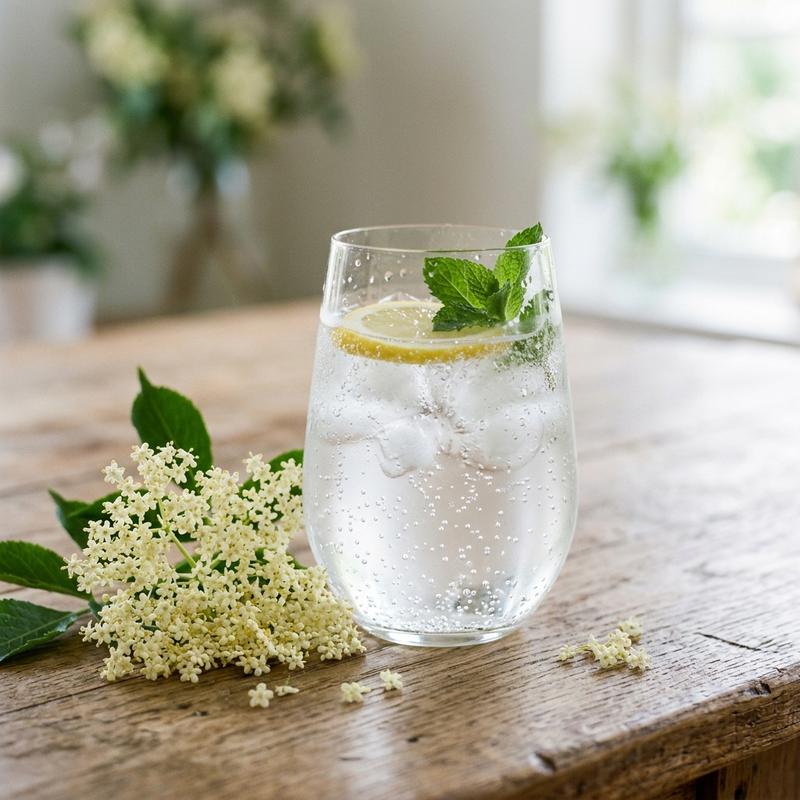
Elderflower cordial is one of the most celebrated British drink styles. Common elder is Sambucus nigra, a flowering shrub native across Britain and Europe. Royal Botanic Gardens, Kew notes that its blossoms are widely gathered for cordials, teas, and summer refreshments. The flavour is delicate, floral, and citrus-friendly.
Lime Cordial
Lime cordial is sweet, sharp, and citrus-led. Rose's Lime Cordial is the central historical touchstone because it connects preserved citrus with naval history and the classic Gimlet cocktail.
Blackcurrant Cordial and Squash
Blackcurrant concentrates have long been a British household staple. Ribena is now marketed primarily as squash rather than cordial, but it fulfills the same dilutable fruit concentrate role, with recommended mixing ratios around 1 part concentrate to 4 parts water.
Raspberry and Ginger Cordials
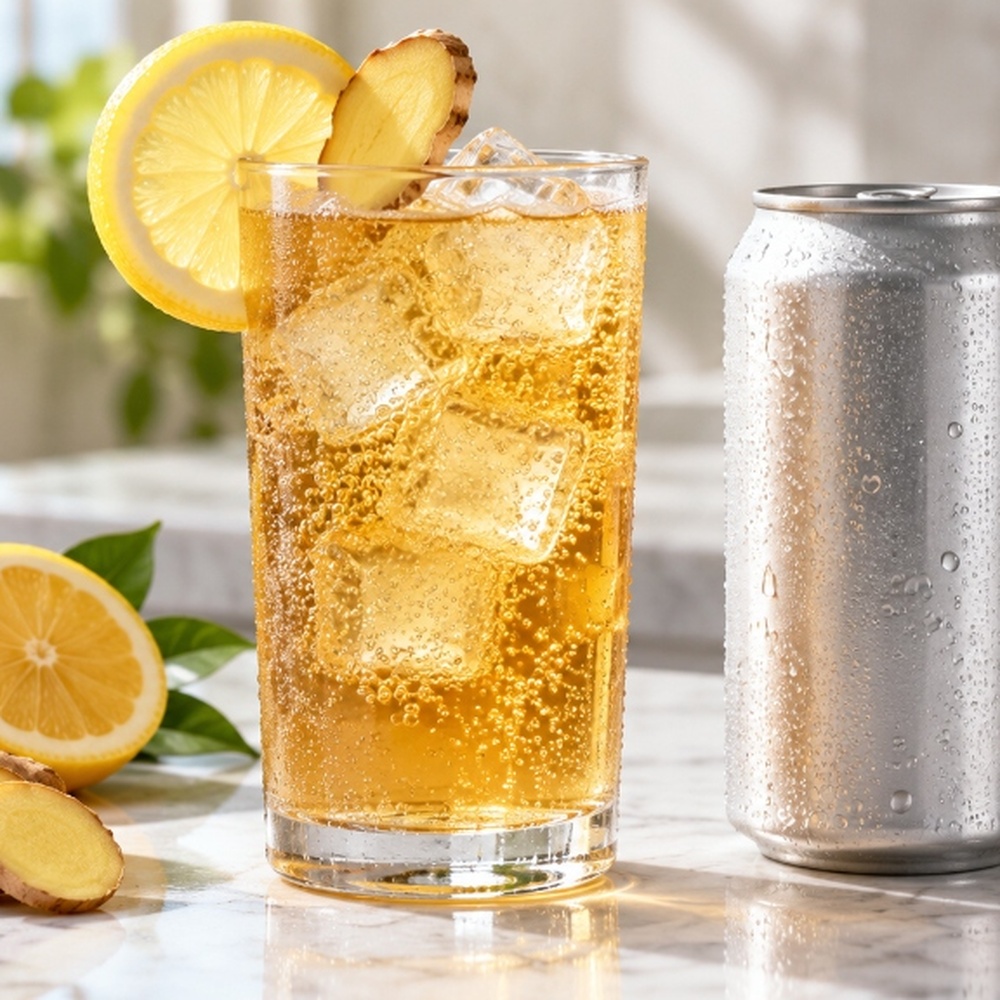
Raspberry cordial delivers vibrant summer berry flavour with sparkling water. Ginger cordial provides a warming, spicy kick that pairs naturally with sparkling water, fresh lemon, or mixed with other carbonated mixers such as club soda.
Main Types of Alcoholic Cordial
In the spirits world, cordials fall into distinct flavor categories:
• Citrus Liqueurs: Cointreau and Grand Garnier are premier orange-peel examples, with Cointreau bottled at 40% ABV.
• Floral Liqueurs: St-Germain is a French artisanal elderflower liqueur bottled at 20% ABV.
• Berry Liqueurs: Chambord is a French black raspberry liqueur (16.5% ABV), while Crème de Cassis is blackcurrant-based and used in classic Kir cocktails.
• Coffee & Nut Liqueurs: Kahlúa represents coffee-based liqueurs, while Amaretto delivers classic sweet almond aromatics.
Where Did the Word Cordial Come From?
The history of the word is much older than modern soft drinks or cocktail lounges. Merriam-Webster traces cordial to the Medieval Latin cordialis, derived from the Latin root cor, meaning heart. In medieval medicine, a cordial referred to a medicinal preparation, tonic, or stimulating potion believed to invigorate the heart and revive spirits.
This medicinal origin explains why historical cordials were deeply rooted in botanical extracts, herbs, and spices before transitioning into culinary and cocktail traditions.
Lauchlin Rose, 1867, and Preserved Lime Juice
Rose's Lime Cordial is the cornerstone of the modern non-alcoholic cordial industry. Coca-Cola Great Britain records that Rose's was established in 1867 as the world's first commercial concentrated fruit drink. Scottish merchant Lauchlin Rose patented an innovative method in 1867 for preserving citrus juice with sugar rather than alcohol.
The maritime context was decisive: the British Merchant Shipping Act 1867 mandated that foreign-going merchant vessels carry lime or lemon juice as an anti-scorbutic to protect sailors against scurvy. While the Act historically required rum or spirits to fortify naval juice casks, Rose's alcohol-free preservation method created immense civilian and maritime demand for shelf-stable lime cordial.
What Does Citric Acid Do in Cordial?
Citric acid performs two vital roles: it provides a clean, sharp tartness that balances rich sweetness, and it lowers liquid pH to assist preservation. However, citric acid alone does not make home-brewed cordial indefinitely shelf-stable.
General food safety guidance recommends storing homemade cordials in the refrigerator and consuming them within about one month. For extended preservation, freezing cordial in airtight containers or ice cube trays is the safest method.
How to Make Elderflower Cordial at Home
This traditional British recipe produces a fragrant, pale-golden botanical concentrate perfect for warm weather.
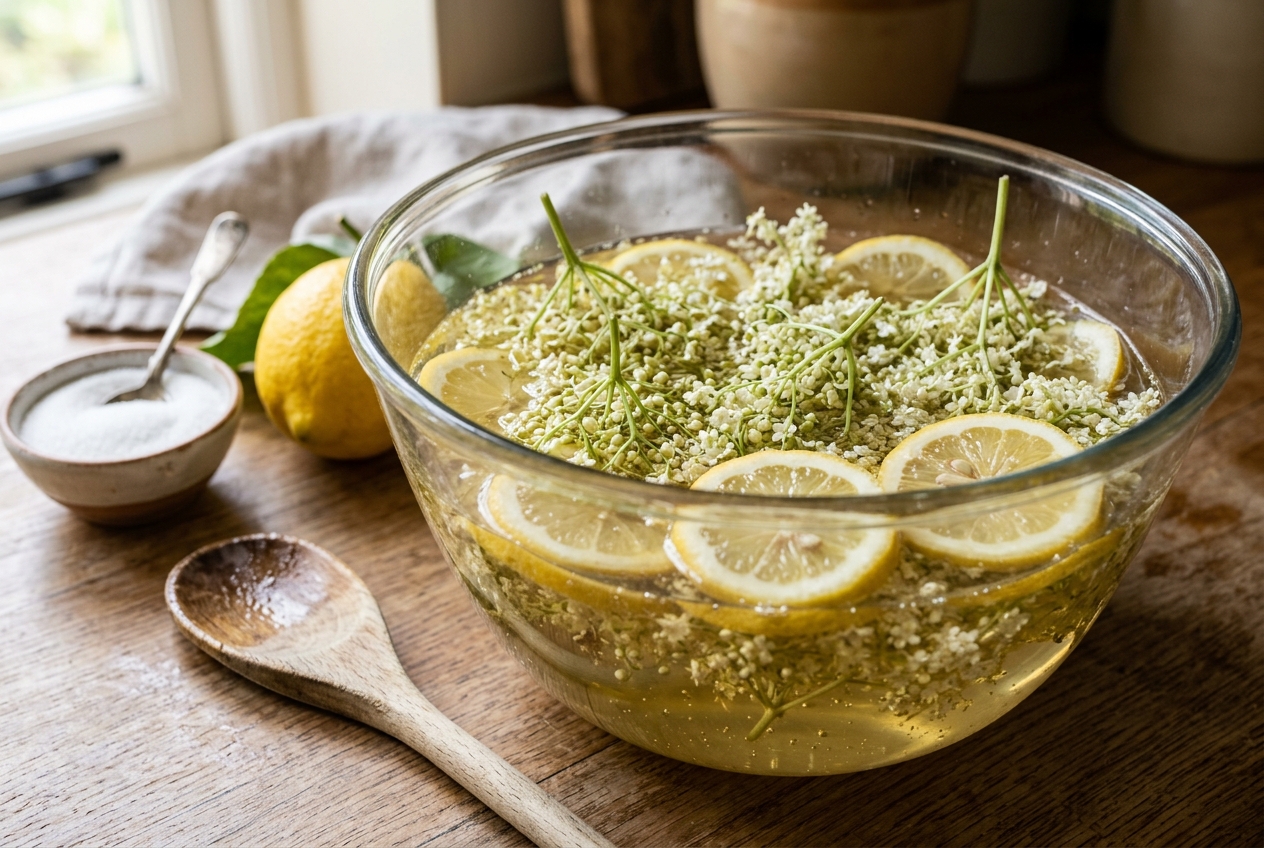
Elderflower Ingredients & Safety
• 1 kg white granulated sugar
• 1.5 litres boiling filtered water
• Zest and juice of 3 unwaxed lemons
• 1 teaspoon citric acid (food grade)
• 25 to 30 freshly picked elderflower heads (Sambucus nigra)
Foraging safety: Only forage blossoms you can identify with complete certainty. Harvest from areas away from roadside traffic and agricultural spraying. Shake heads gently to remove small insects, and trim away thick woody green stems, which can impart unpleasant bitterness.
Step-by-Step Elderflower Cordial Method
Step 1: Dissolve Sugar , Place 1 kg sugar into a large heatproof bowl. Pour in 1.5 litres boiling water and stir until sugar is completely dissolved.
Step 2: Add Citrus & Acid , Stir in lemon zest, freshly squeezed lemon juice, and 1 tsp citric acid.
Step 3: Prepare Blossoms , Inspect elderflower heads, shake off dirt, and trim main stalks.
Step 4: Steep , Submerge flower heads blossom-side down into the warm syrup. Cover bowl with a clean cloth and leave to steep at room temperature for 24 hours.
Step 5: Strain & Bottle , Pour syrup through a clean muslin cloth or fine sieve into sterilised glass bottles.
Step 6: Chill & Store , Seal tightly and refrigerate immediately. Enjoy within 4 to 6 weeks, or freeze for up to 6 months.
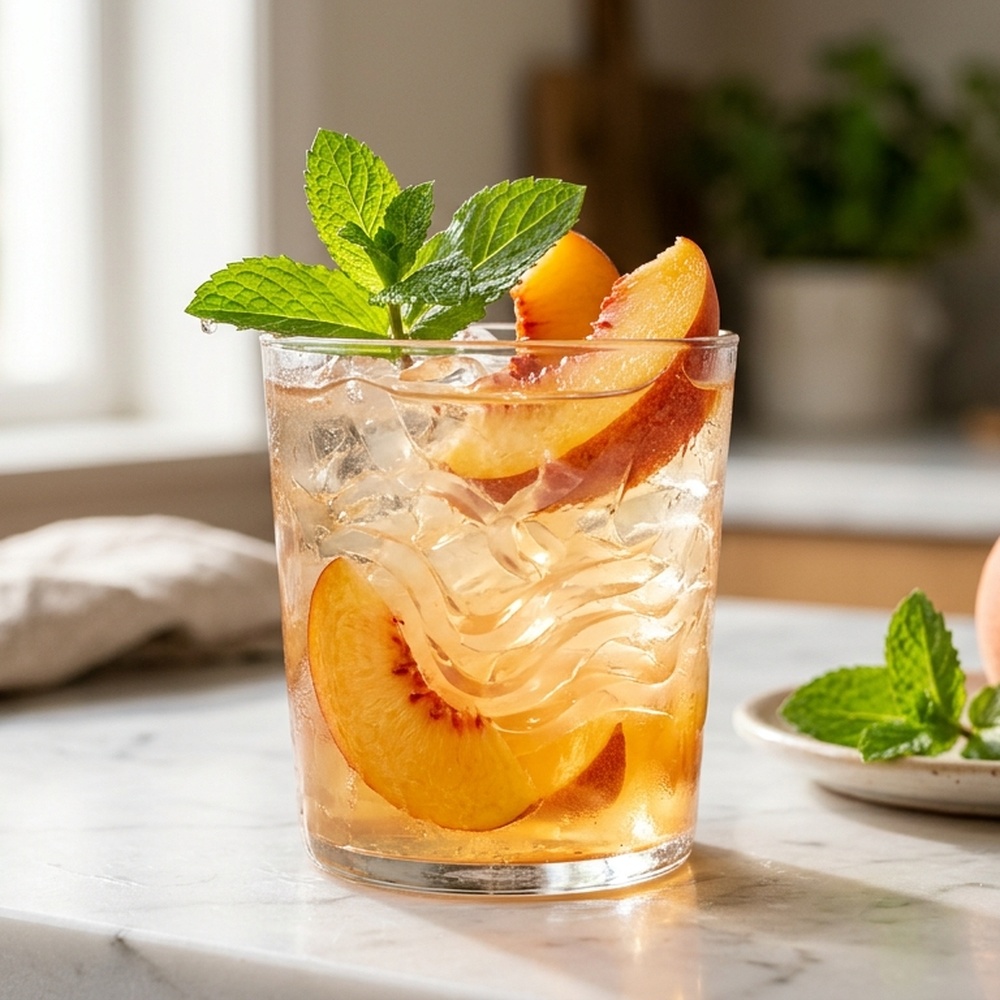
Step 7: Dilute to Taste , Mix 1 part cordial with 5 to 7 parts chilled still or sparkling water, garnished with lemon and mint.
Homemade Fresh Lime Cordial Recipe
A bright, zesty citrus cordial that elevates sodas and classic cocktails like the Gimlet.
Ingredients:
• 1 cup fresh strained lime juice (about 6 to 8 juicy limes)
• 1 cup granulated sugar
• 1/2 teaspoon citric acid
• Fine zest of 4 washed limes
• Pinch of fine sea salt
Method:
1. Combine lime juice, sugar, citric acid, and salt in a saucepan over low heat. Warm gently until sugar dissolves without boiling.
2. Remove from heat and stir in fresh lime zest. Allow to steep for 30 minutes to extract aromatic citrus oils.
3. Fine-strain through cheesecloth to remove solids. Bottle in a sterilised glass jar and refrigerate. Use within 1 month.
Classic Cocktails That Use Cordial or Liqueur
The following classic recipes demonstrate how both non-alcoholic cordials and sweetened liqueurs are deployed across mixology:
| Cocktail | Cordial / Liqueur Used | Standard Formula | Preparation Method |
|---|---|---|---|
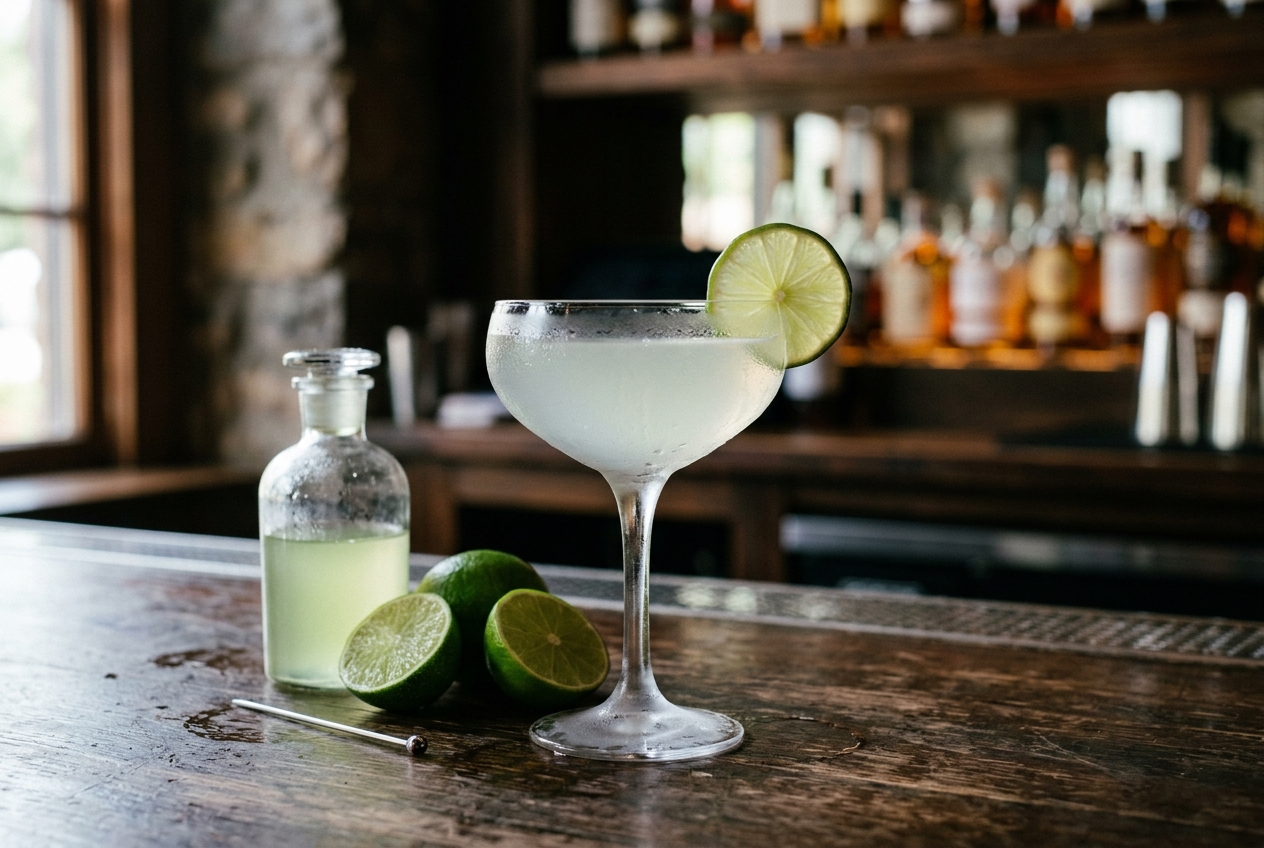
| Gimlet | Rose's Lime Cordial (or homemade) | 60ml Gin + 20ml Lime Cordial | Stir with ice until well chilled, strain into a coupe glass, garnish with a lime wheel. |
| Kir Royale | Crème de Cassis (Berry Liqueur) | 15ml Cassis + 120ml Champagne | Pour crème de cassis into a champagne flute and top gently with chilled Champagne. |
| Elderflower Spritz | Elderflower Cordial (or St-Germain) | 30ml Cordial + 60ml Prosecco + Soda | Build over ice in a wine glass with fresh mint and a lemon slice. |
| Cosmopolitan | Cointreau (Orange Liqueur) | 45ml Vodka + 30ml Cointreau + 15ml Lime + 30ml Cranberry | Shake vigorously with ice and fine-strain into a chilled martini glass. |
Cordial Drink Brand Guide
A quick reference guide to leading non-alcoholic cordials and famous spirit-based cordials on the global market:
| Brand | Category | Alcohol Level | Core Flavour | Popular Uses |
|---|---|---|---|---|
| Rose's Lime Cordial | Concentrated fruit drink | Non-alcoholic (0% ABV) | Lime citrus | Gimlets, lime & soda, lager tops |
| Belvoir Farm | Dilutable botanical cordial | Non-alcoholic (0% ABV) | Elderflower, Ginger, Raspberry | Sparkling botanical spritzers |
| Ribena | Dilutable fruit squash | Non-alcoholic (0% ABV) | Blackcurrant | Everyday diluted fruit drink |
| St-Germain | French floral liqueur | 20% ABV | Elderflower blossom | Spritzes, French 77, Hugo Spritz |
| Cointreau | Triple sec orange liqueur | 40% ABV | Sweet & bitter orange peel | Margarita, Cosmopolitan, Sidecar |
| Chambord | Black raspberry liqueur | 16.5% ABV | Black raspberry & vanilla | French Martini, Chambord Royale |
Frequently Asked Questions
What is a cordial drink?
In everyday UK and Commonwealth usage, cordial is a non-alcoholic fruit or botanical concentrate diluted with still or sparkling water. In US spirits regulations, cordial refers to a sweetened, flavored liqueur containing distilled spirits and at least 2.5% sugar.
Is cordial alcoholic?
It depends on the product and region. Traditional UK fruit and flower cordials are non-alcoholic. In the US, bottled cordials sold in liquor stores are alcoholic liqueurs. Check the ABV label on the bottle to verify.
What is the difference between cordial and liqueur?
Under US TTB alcohol definitions, cordial and liqueur are synonymous terms for sweetened distilled spirits. In UK terminology, cordial is a dilutable soft drink concentrate, whereas liqueur is always an alcoholic spirit.
Is Rose's Lime Cordial alcoholic?
No. The commercial Rose's Lime Cordial sold in Great Britain and international retail markets is a concentrated non-alcoholic fruit drink (0.0% ABV), though it is frequently mixed with gin or vodka in cocktails.
How long does homemade cordial last?
Refrigerated homemade cordial made with fresh fruit and citric acid lasts approximately 4 to 6 weeks. For longer preservation, freeze cordial in airtight containers for up to 6 months.
What is the best dilution ratio for cordial?
Commercial cordial labels typically recommend 1 part cordial to 4 or 5 parts water (Belvoir suggests up to 1:10 for intense florals). For homemade recipes, start at a 1:5 ratio and adjust to your taste preference.
Editorial Fact-Checking and Evidence Standards
- US cordial ABV: Removed the broad 15% to 55% range as a strict legal definition. TTB mandates at least 2.5% sugar by weight but does not specify a universal legal ABV range in its glossary.
- Cordial sugar ranges: Omitted fixed sugar percentages because modern commercial formulations and no-added-sugar variants vary substantially.
- Shelf life: Corrected refrigerated storage guidance for homemade elderflower cordial to 4 to 6 weeks rather than 6 months, recommending freezing for extended storage.
- Rose's & Merchant Shipping Act: Clarified that while the 1867 Act mandated anti-scorbutics for sailors, Rose patented an independent alcohol-free preservation method in the same year that drove commercial demand.
- Ribena categorization: Clarified that Ribena is now marketed primarily as squash rather than cordial, while fulfilling the same dilutable fruit drink intent.
- Liqueur ABV verification: Verified current brand ABVs directly against official brand specifications (St-Germain at 20%, Cointreau at 40%, Chambord at 16.5%).
- Elderflower taxonomy: Confirmed Sambucus nigra botanical profile with Royal Botanic Gardens, Kew.
Sources and References
- Alcohol and Tobacco Tax and Trade Bureau (TTB): Cordials and Liqueurs Category Glossary
- Merriam-Webster: History and Meaning of Cordial
- Coca-Cola Great Britain: Rose's Lime Cordial Brand History
- Merchant Shipping Act 1867 (UK Parliament Archives / Wikisource)
- Difford's Guide: History of Gin Cocktails and Rose's Lime Cordial
- BBC Good Food: How to Make and Store Fruit Cordial
- BBC Good Food: Homemade Elderflower Cordial Recipe
- Royal Botanic Gardens, Kew: Sambucus nigra Species Profile
- Belvoir Farm: Elderflower Cordial Botanical Ingredients
- Ribena UK: Official Dilution and Usage FAQ
- St-Germain: Official Liqueur Production and FAQ
- Cointreau: Official Liqueur Distillation and FAQ
- Chambord: Official Black Raspberry Liqueur Nutrition


Comments and reviews (0)