


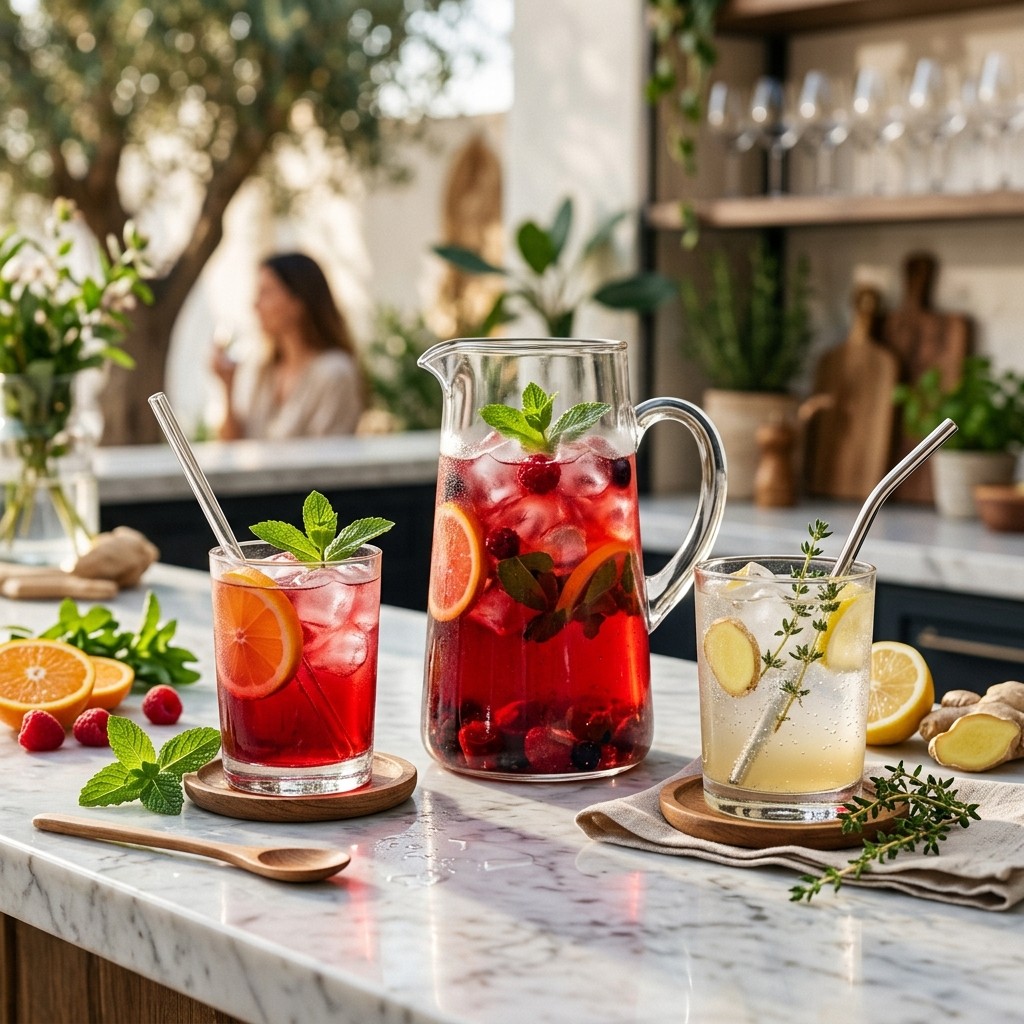
Non-alcoholic drinks include craft beer, botanical spirits, bitter aperitifs, dealcoholized wine, hop water, canned spritzes, and functional drinks. They give adults complex flavor and a social ritual with little or no alcohol.
The best choice depends on your taste, budget, and reason for avoiding alcohol. Beer drinkers often choose a crisp 0.0% IPA. Cocktail drinkers look to botanical spirit alternatives. Spritz fans gravitate toward bitter gentian aperitifs, while wine lovers explore dealcoholized sparkling wines and proxies crafted with tea tannins and verjus.
What Are Non-Alcoholic Drinks?
The best non-alcoholic drinks for adults fall into five groups: craft NA beer and hop water, zero-proof spirits, bitter aperitifs, dealcoholized wine, and functional drinks. In the United States and UK, “non-alcoholic” denotes beverages with less than 0.5% ABV, whereas “alcohol-free” strictly requires 0.0% ABV. Choose your drink based on flavor profile, sugar content, ABV threshold, and serving occasion.
Why the Category Is Growing
People choose zero-proof drinks for Dry January, fitness goals, pregnancy, recovery, religious observance, or a sober-curious lifestyle. Others want to reduce alcohol while keeping the routine of ordering, pouring, and sipping a special drink at dinner or social gatherings.
Modern non-alcoholic beverages for adults use bitter roots, botanical distillates, tea tannins, citrus oils, spices, verjus, drinking shrubs, smoke, and fine carbonation. These ingredients create a longer, drier finish than sugary soft drinks or commercial fruit punch. Ready-to-drink canned mocktails make the same complex flavors accessible at parties, catered events, and restaurants.
Alcohol naturally provides warmth, dryness, and palate weight. Quality zero-proof drinks rebuild those sensations with ginger, capsaicin, black pepper, gentian root, black tea, citrus peel, aquafaba, glycerite extracts, and carefully measured syrups.
Non-Alcoholic vs. Alcohol-Free
In both the United States and the United Kingdom, labeling terms carry precise regulatory definitions. In the United States, “non-alcoholic” denotes beverages with less than 0.5% alcohol by volume (ABV). “Alcohol-free” strictly designates 0.0% ABV. The Alcohol and Tobacco Tax and Trade Bureau (TTB) sets key labeling rules for malt beverages, while the Food and Drug Administration (FDA) oversees non-malt beverages and general food safety.
Label Boundary: Trace alcohol occurs naturally in ripe bananas, orange juice, sourdough bread, and traditionally fermented foods. However, individuals requiring complete alcohol avoidance for medical, recovery, or religious reasons must verify that carton or bottle packaging explicitly states “0.0% ABV” or “Alcohol-Free”.
The 5 Main Types of Non-Alcoholic Drinks
To navigate the adult zero-proof market effectively, beverages are categorized by their production method, mouthfeel, and culinary use:
| Category | Typical Flavor Profile | Best Use Case | Notable Market Examples |
|---|---|---|---|
| NA Beer and Hop Water | Hoppy, malty, crisp, refreshing bitterness | Cookouts, sports events, pub socialising | Athletic Brewing, Heineken 0.0, Hoplark |
| Zero-Proof Spirits | Herbal, spiced, smoky, aromatic botanical heat | Mixed drinks, mocktail cocktails, highballs | Seedlip, Ritual Zero Proof, CleanCo |
| Bitter Aperitifs and Spritzes | Citrus peel, gentian root, wormwood, tart fruit | Pre-dinner aperitifs, celebratory spritzes | Ghia, De Soi, Wilfred’s |
| Dealcoholized Wine and Proxies | Fruity, acidic, tannic, crisp effervescence | Fine dining food pairing, formal toasts | French Bloom, Proxies, Leitz Eins Zwei Zero |
| Functional Beverages | Botanical tea, earthy herbs, light berry notes | Evening relaxation, daytime calm or focus | Kin Euphorics, Hiyo, Three Spirit |
1. Non-Alcoholic Craft Beer and Sparkling Hop Water
Non-alcoholic craft beer spans lagers, pilsners, hazy IPAs, stouts, sours, and wheat beers. Premium producers retain hop aroma, malt structure, bitterness, and natural carbonation. Athletic Brewing and Heineken 0.0 represent leading styles. In parallel, sparkling hop water delivers pure hop aromatic oils and brisk fizz with zero malt, zero carbohydrates, and zero alcohol.
Modern brewing facilities employ vacuum distillation, membrane filtration, reverse osmosis, spinning cone columns, and arrested fermentation. Always check back-panel declarations for ABV, calories, carbohydrate levels, and gluten status.
2. Zero-Proof Distilled Spirits
Zero-proof spirits leverage botanicals, roots, citrus peel, warming peppers, and herbal macerations to emulate gin, whiskey, tequila, or spiced rum profiles. Seedlip pioneered herbal distillates, while Ritual Zero Proof designs alternatives engineered for familiar cocktail substitution.
Because ethanol delivers distinctive viscosity and evaporation sensations, non-alcoholic spirits shine brightest when combined with high-quality mixers such as premium tonic water, club soda, fresh lime juice, or fiery ginger beer.
3. Bittersweet Aperitifs and Canned Spritzes
European-style bitter aperitifs utilize gentian root, Seville orange peel, wormwood, rhubarb root, and quinine. Ghia, De Soi, and Wilfred’s provide dry, complex bitterness that stimulates digestive enzymes before meals without requiring alcohol.
For a low-sugar serve, pour an aperitif over large ice cubes, top with club soda, and express a swath of fresh ruby grapefruit or blood orange peel over the glass.
4. Dealcoholized Wine and Wine Proxies
Dealcoholized wine begins as fully fermented traditional wine before ethanol is gently extracted through vacuum distillation or reverse osmosis under low temperatures. French Bloom and Leitz Eins Zwei Zero represent standout sparkling and still expressions.
Wine proxies take an artisanal approach: rather than dealcoholizing grape wine, they blend varietal grape juices, verjus, specialty tea tannins, and fruit acids to engineer structure and mouthfeel suited for fine dining pairings.
5. Functional Drinks for Relaxation and Focus
Functional zero-proof beverages incorporate nootropics, adaptogens, and botanical extracts such as L-theanine, ashwagandha, lion’s mane mushroom, and magnesium glycinate. Brands like Kin Euphorics create social tonics designed to foster relaxation.
These drinks do not cause ethanol intoxication. Responses vary widely based on individual body chemistry and active ingredient dosages. Consumers who are pregnant or taking prescription medications should consult a physician before consuming adaptogenic or nootropic formulas.
How to Choose the Best Non-Alcoholic Drinks
Choosing the right zero-proof drink requires looking past marketing claims to evaluate flavor balance, ABV thresholds, sugar levels, and ingredient quality. A higher price tag does not necessarily guarantee a superior sensory profile.
The 6-Point Zero-Proof Label Checklist
- ABV Verification: Distinguish between
- Sugar and Caloric Density: Inspect total and added sugars. Standard mocktails often mask low alcohol with heavy syrups (30g+ sugar per serve).
- Functional and Herbal Additives: Check active dosages of ashwagandha, caffeine, 5-HTP, or adaptogens for potential medication interactions.
- Preservatives and Emulsifiers: Without alcohol acting as a preservative, check for natural potassium sorbate, citric acid, or sterile pasteurisation.
- Allergen and Gluten Declarations: Review barley, wheat, or tree-nut botanical extracts for celiac disease or nut sensitivities.
- Serving and Mixer Instructions: Note whether the product is a ready-to-drink canned beverage or a concentrated spirit alternative requiring dilution.
Health Effects of Switching from Alcohol
Replacing alcoholic beverages with zero-proof alternatives offers immediate and measurable physiological benefits. Alcohol contains 7 empty calories per gram and directly disrupts restorative sleep patterns.
Research from the National Institute on Alcohol Abuse and Alcoholism (NIAAA) demonstrates that alcohol impairs rapid eye movement (REM) sleep and triggers night-time awakenings. Transitioning to zero-proof drinks supports deeper sleep architecture, enhanced next-day cognitive performance, and reduced liver enzyme strain.
Medical Notice: Individuals with severe physical alcohol dependency must never discontinue alcohol abruptly without medical supervision, as acute alcohol withdrawal can induce life-threatening complications. Furthermore, those in substance recovery should assess whether the aroma, appearance, and ritual of NA beers could trigger psychological cravings.
Three Rules for Adult Zero-Proof Mixology
Crafting exceptional non-alcoholic cocktails requires balancing sensory elements that recreate the weight, burn, and dryness of ethanol:
What to Drink for Different Occasions
Tailoring your beverage selection to the social setting ensures you feel fully engaged without compromising your lifestyle preferences:
- • Weeknight Family Dinners: Dealcoholized dry riesling, sparkling blanc de blancs, or sparkling hop water pair cleanly with grilled poultry, seafood, and pasta.
- • Parties and Pub Socialising: Cold craft NA IPAs or crisp canned bitter spritzes provide a familiar holding ritual and crisp refreshment without cognitive impairment.
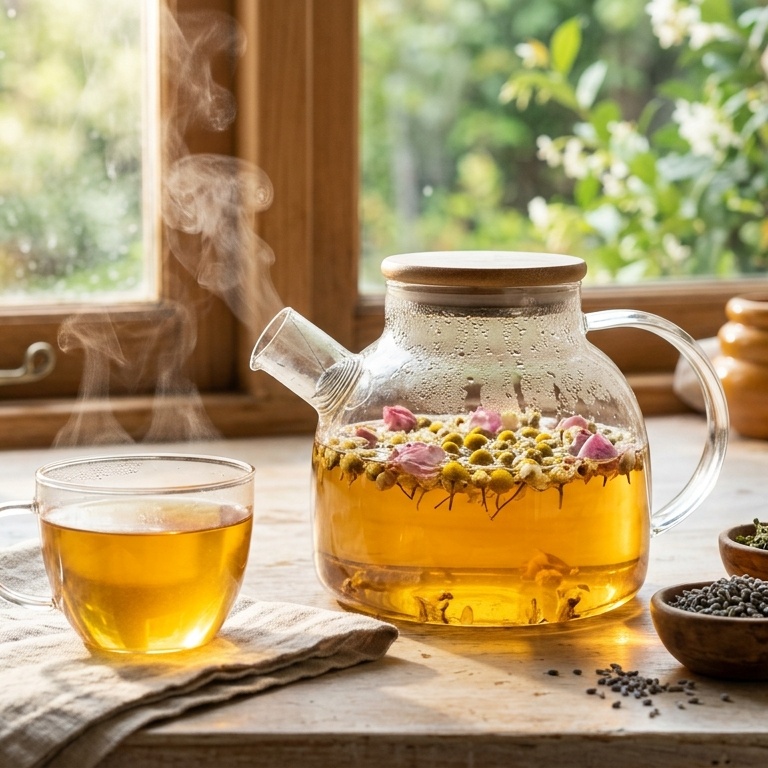
- • Evening Relaxation: Caffeine-free chamomile botanical teas, tart Montmorency cherry juice with seltzer, or warm spiced plant-milk nightcaps foster restful sleep.
- • Dry January Celebrations: Rotate diverse options—from botanical highballs to barrel-aged proxy wines—to sustain excitement throughout the month.
Three Mocktail Recipes for Adults
These three bartender-designed recipes showcase sophisticated botanical balance, minimal added sugars, and bar-quality presentation:
Smoked Rosemary Grapefruit Spritz
Ingredients
- • 2 oz non-alcoholic bitter aperitif (e.g. Ghia or Wilfred’s)
- • 1 oz fresh ruby red grapefruit juice (strained)
- • ½ oz fresh lime juice
- • ½ oz rosemary simple syrup (or agave nectar)
- • 3 oz unflavored chilled sparkling water
- • 1 sprig fresh organic rosemary (for smoking)
Bar Equipment
- – Cocktail shaker and Hawthorne strainer
- – Tall highball or Collins glass
- – Culinary torch or match for flame garnish
Preparation Method
Charring the rosemary sprig releases essential pinene and camphene terpenes. This smoke tricks the olfactory senses into perceiving complex spirit warmth while keeping sugar levels under 5 grams.
Crisp Botanical Garden Tonic
Ingredients
- • 2 oz botanical zero-proof spirit (e.g. Seedlip Garden 108 or Clean G)
- • 4 oz premium dry low-sugar Indian tonic water
- • 2 thin ribbons fresh English cucumber
- • 2 cracked black peppercorns
- • 1 broad strip fresh lime peel
Glassware
- – Spanish copa or large stemless wine glass
- – Long bar spoon
Preparation Method
Cracked black peppercorns release piperine upon contact with quinine in tonic water. This creates an authentic peppery warmth on the back of the palate that mirrors London dry gin.
Spiced Adaptogenic Nightcap
Ingredients
- • 4 oz unsweetened oat, almond, or pistachio milk
- • 2 oz 100% pure tart Montmorency cherry juice
- • ½ tsp high-grade organic ashwagandha root powder
- • ¼ tsp ground Ceylon cinnamon
- • 1 tsp raw wildflower honey or pure grade-A maple syrup
- • Pinch freshly grated nutmeg
Equipment
- – Small stainless steel saucepan or milk frother
- – Small hand whisk or battery matcha frother
Preparation Method
Tart Montmorency cherries naturally provide exogenous melatonin and anthocyanin antioxidants. Combined with warm plant lipids, this nightcap offers a soothing bedtime ritual that replaces wine.
How to Order Non-Alcoholic Drinks at a Bar
Ordering zero-proof drinks at a busy cocktail lounge or restaurant bar is seamless when you understand how to navigate bar inventories and terminology:
Pro Ordering Strategies for Any Bar
- • Inquire About Zero-Proof Spirits: Ask: “Do you stock Seedlip, Ritual, or any non-alcoholic botanical spirits?”
- • Request a Low-Sugar Highball: Order: “Club soda with a splash of fiery ginger beer, fresh muddled cucumber, and extra lime wedges.”
- • Check the Bitters Policy: Note that standard Angostura cocktail bitters contain 44.7% ABV. If you require strict 0.0% avoidance, specify: “Please make that without alcoholic cocktail bitters.”
- • Ask for Packaged Cans: Ask: “Do you have packaged non-alcoholic craft IPAs or canned bittersweet spritzes in the cooler?”
Frequently Asked Questions
Q. What is the best non-alcoholic drink for adults?
Q. What should you drink when you stop drinking alcohol?
Q. What is the difference between non-alcoholic and alcohol-free?
Q. Does non-alcoholic beer still contain alcohol?
Q. What non-alcoholic drinks taste most like real alcohol?
Q. Can non-alcoholic drinks give you a buzz?
Q. Is non-alcoholic beer safe for people in recovery?
Q. Are non-alcoholic drinks safe during pregnancy?
Q. Do non-alcoholic drinks improve sleep?
Q. Are non-alcoholic drinks low in sugar and calories?
Q. Why are zero-proof spirits as expensive as alcoholic spirits?
Q. What can I drink at night instead of wine or beer?
Q. Can you freeze non-alcoholic drinks?
The Bottom Line
Summary and Key Takeaways
The adult zero-proof landscape has transformed from sugary soda substitutions into a sophisticated culinary category encompassing craft beer, distilled botanicals, bitter aperitifs, and dealcoholized wine. Navigating the sector effectively involves reading labels for ABV thresholds (
Sources and Review Standards
- Alcohol and Tobacco Tax and Trade Bureau (TTB): Malt Beverage Alcohol Labeling Standards
- National Institute on Alcohol Abuse and Alcoholism (NIAAA): Alcohol and Health Research
- U.S. Food and Drug Administration (FDA): Food and Beverage Safety Standards
- Centers for Disease Control and Prevention (CDC): Alcohol Use and Health Guidelines


Comments and reviews (0)