


Many people want to support their gut health with daily probiotics, but traditional choices bring drawbacks: dairy yogurt causes discomfort for lactose-intolerant adults, while kombucha packs vinegar acidity and sugar.
What Is Probiotic Water and Does It Work?
Probiotic water is a functional hydration beverage made by infusing purified or spring water with clinically studied, shelf-stable probiotic bacteria (primarily spore-forming Bacillus coagulans) and essential vitamins. It tastes like clean, crisp, fruit-flavored water with zero vinegary funk, delivers 1 to 2 billion live colony-forming units (CFUs) directly to your intestines, and contains zero sugar and zero calories. It provides gut-health support for keto dieters and anyone seeking clean hydration.
Clinical Safety Warning: People with compromised immune systems or central venous catheters must consult their physician before consuming live bacterial cultures. While spore probiotics are safe for healthy adults, high-risk clinical populations require medical guidance.
This guide explains bacterial survival in water, covers the biology of spore-forming endospores, compares probiotic water to kombucha and prebiotic sodas, and reviews top brands.
What Is Probiotic Water?
Probiotic water blends purified spring or mineral water with live, beneficial microbes and subtle fruit essences. Unlike traditional ferments such as kefir or kombucha, probiotic water undergoes no sugar fermentation. That means it contains no sour acetic acid, no live yeast sediment, and no fermented aftertaste. It functions as clean, crisp hydration that delivers digestive bacteria directly to the lower gastrointestinal tract.
The Skeptic's Question: Does Probiotic Water Actually Work?
Consumers often wonder how living bacteria can survive submerged in bottled water on ambient supermarket shelves for months. Standard dairy probiotic strains like Lactobacillus and Bifidobacterium die rapidly in plain water: over 90% perish within three weeks at room temperature, and remaining cells are destroyed by harsh stomach acid. Probiotic water works because beverage innovators bypass fragile dairy cultures entirely, relying instead on resilient spore-forming endospores or protective push-cap packaging.
What Does Probiotic Water Taste Like?
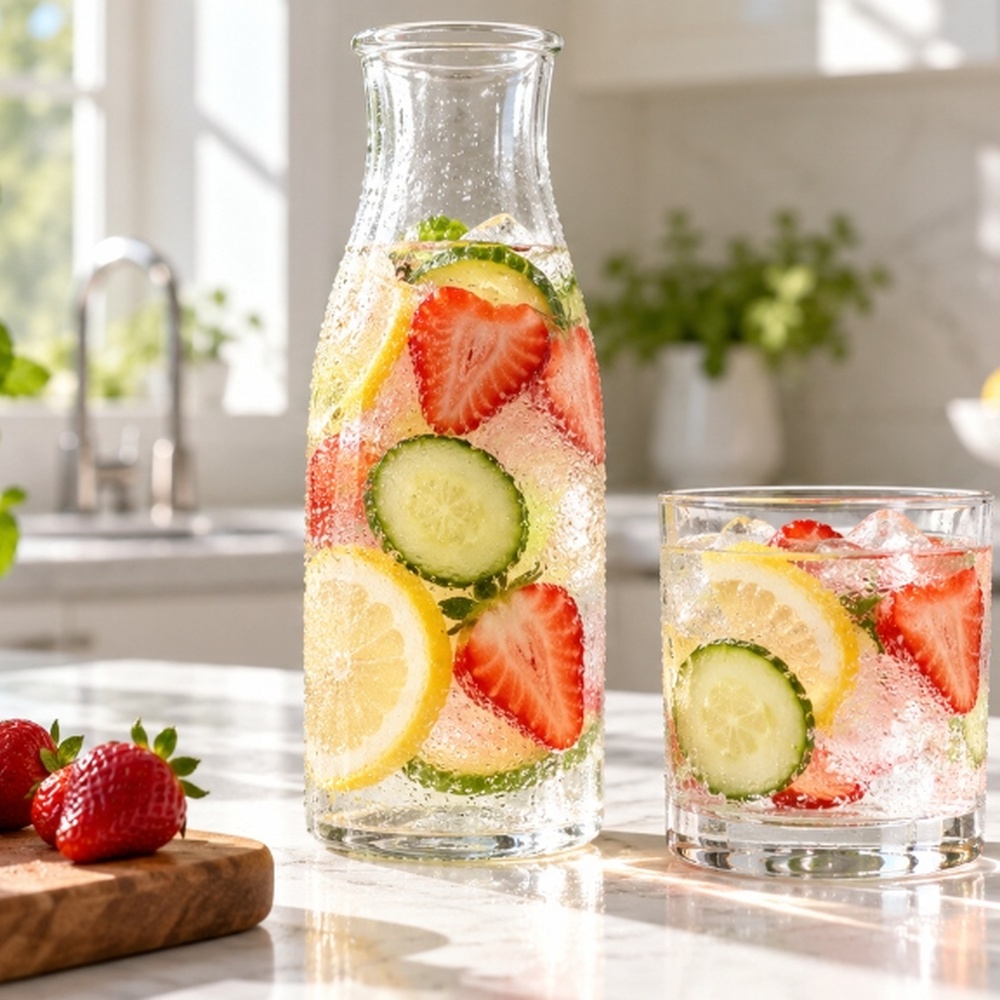
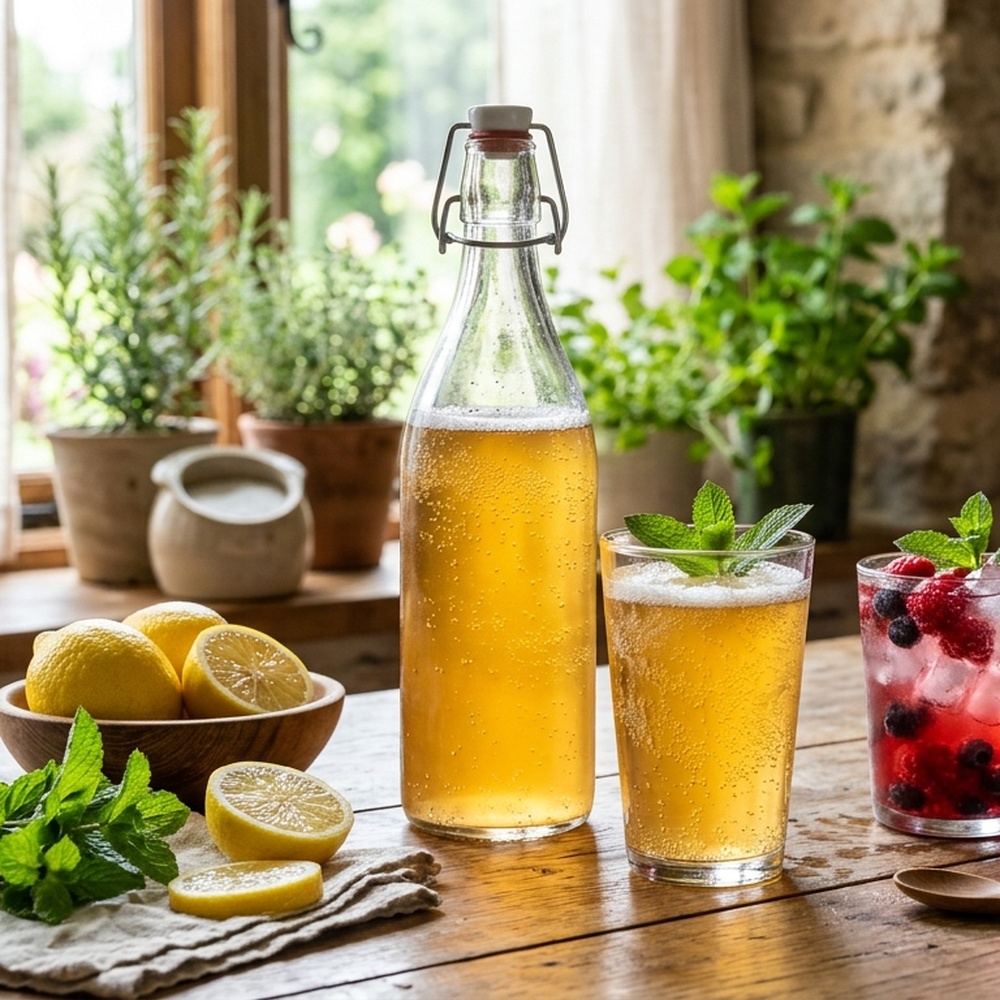
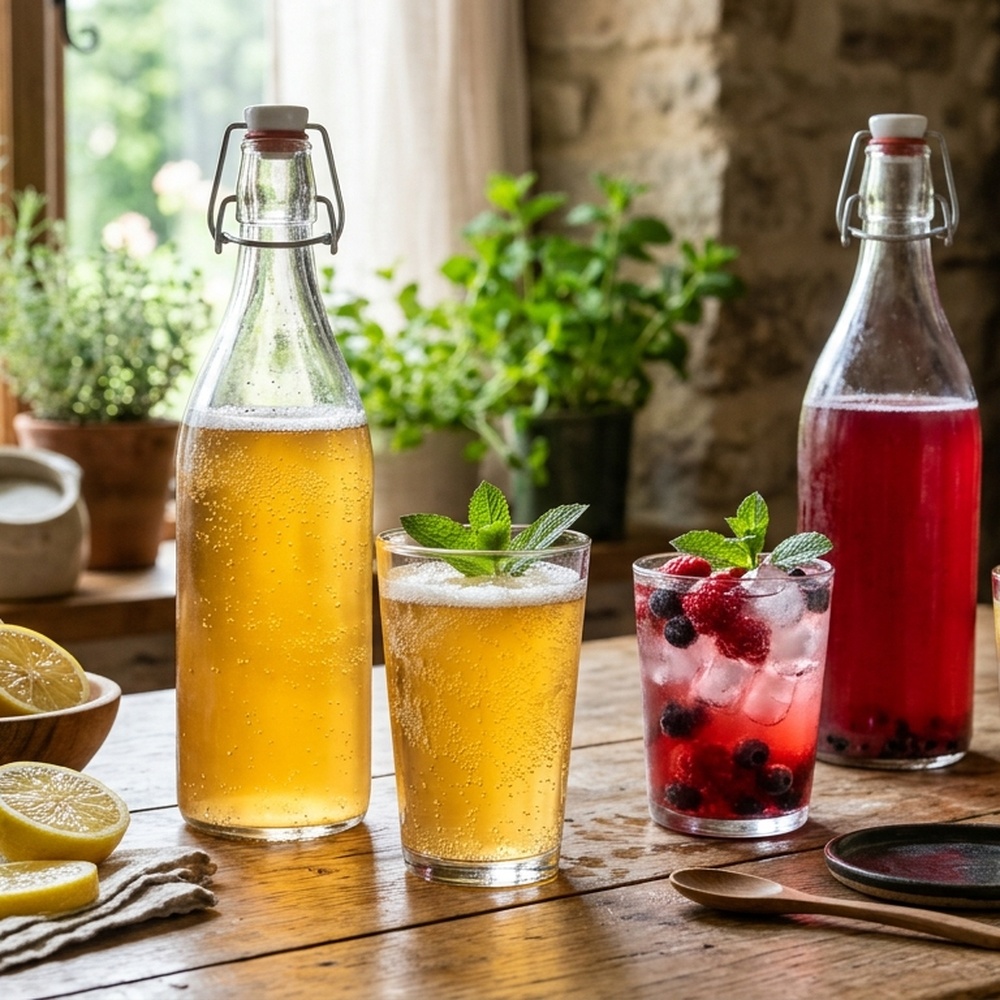
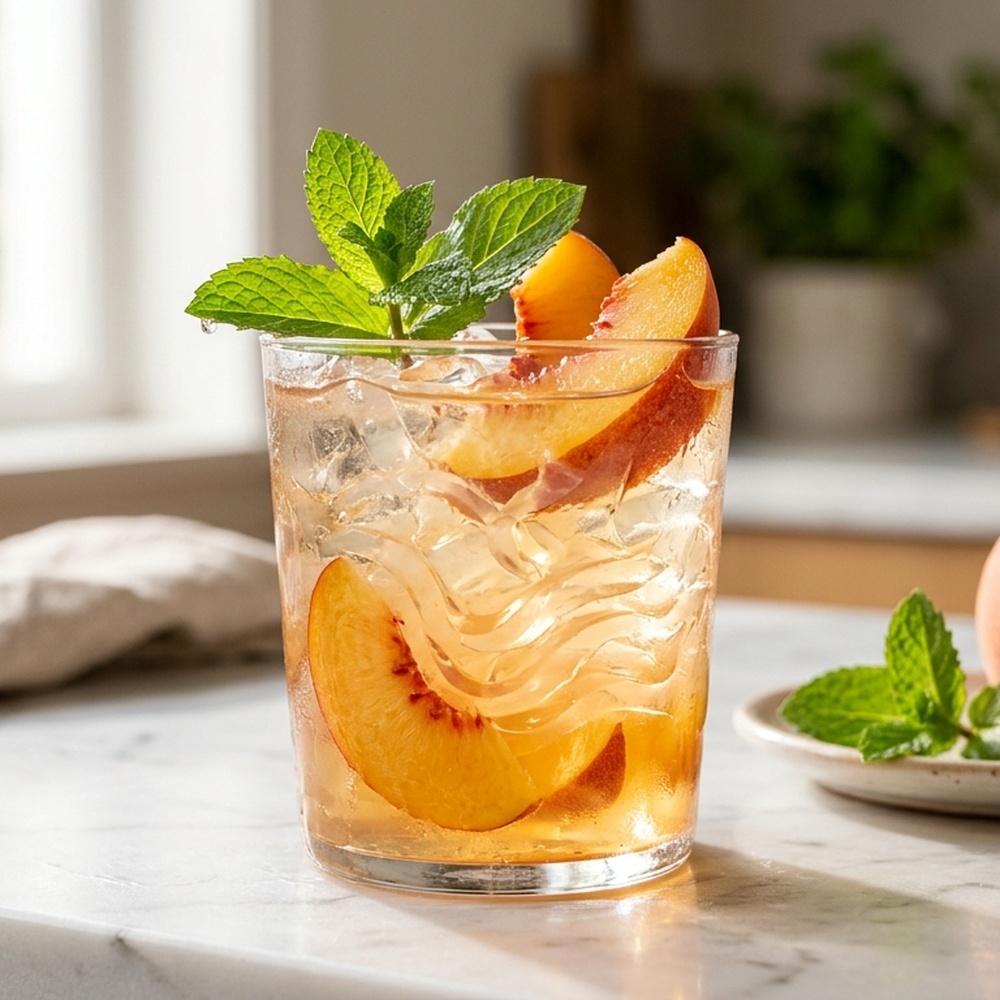
If you dislike the sour vinegar tang of fermented drinks, probiotic water provides a welcoming alternative. It tastes identical to premium fruit-infused water, offering delicate hints of lemon, berries, peach, or cucumber. It finishes completely clean with zero syrupiness and zero chalky residue. For those who enjoy bubbly ferments, read what water kefir is.
How Probiotics Survive in Bottled Water: The Spore Advantage
To ensure living bacteria reach your intestines intact, beverage scientists utilize advanced bacterial survival systems.
| Probiotic Delivery System | Physical Structure | Gastric Acid Survival Rate | Shelf Stability Standard |
|---|---|---|---|
| Spore-Forming (Bacillus coagulans) | Natural multilayered protein endospore shell | Over 90% survive stomach acid intact | Completely shelf-stable at room temperature. |
| Standard Dairy (Lactobacillus) | Fragile, unshielded vegetative cell wall | Under 10% survive harsh gastric acidity | Requires uninterrupted cold refrigeration. |
| Protective Push Cap (Karma Water) | Dry freeze-dried cultures sealed in airtight cap | Over 90% viable when freshly reconstituted | Shelf-stable until consumer depresses cap. |
Spore-Forming Armor: Bacillus Coagulans Explained
The primary organism powering modern functional waters is Bacillus coagulans, particularly the patented strain GanedenBC30. Bacillus coagulans forms an endospore, a tough protective keratin-like protein shell that encloses the bacterial DNA in biological stasis. This natural armor withstands hot bottling processes, pressure, and strong stomach acid (pH 1.5 to 2.0). Once the spore reaches the warm, nutrient-rich small intestine, it sheds its shell, germinates into active vegetative cells, and produces lactic acid to support digestion.
Delivery Innovations: The Protective Push Cap
Brands like Karma Water solve microbial degradation through packaging engineering. Karma isolates active probiotic cultures and vitamins as a dry powder inside a sealed blister cap. The powder remains hermetically sealed and moisture-free on store shelves. When you press the cap, it releases the dry probiotics directly into the pristine water below, creating a freshly activated probiotic drink.
Science-Backed Health Benefits of Probiotic Water
Drinking functional probiotic water delivers targeted digestive benefits alongside everyday fluid hydration.
1. Targeted Digestive Balance and Reduced Bloating
Human clinical trials indicate that regular consumption of Bacillus coagulans significantly reduces everyday abdominal discomfort, gas, and bloating in adults with irregular bowel patterns. As the bacteria colonize the intestinal lumen, they produce L-lactic acid, lowering localized pH and preventing opportunistic microbes from multiplying.
2. Gut-Mediated Immune Support
Over 70% of the human immune system is housed within the gut-associated lymphoid tissue (GALT). The cell walls of Bacillus coagulans interact directly with intestinal mucosal cells, stimulating the secretion of Secretory Immunoglobulin A (sIgA), the body's first-line mucosal antibody against environmental pathogens.
3. Zero Calories, Zero Sugar, and Keto Compatibility
Traditional probiotic dairy yogurts often contain up to 20 grams of sugar, while standard bottled kombucha carries 12 to 16 grams of carbohydrates. Probiotic water delivers 1 to 2 billion live CFUs with zero sugar, zero carbohydrates, and under 10 calories. It is completely compatible with ketogenic, diabetic, and low-carb meal plans. For natural electrolyte hydration, see our guide to daily hydrating drinks and pure coconut water.
Probiotic Water vs. Kombucha vs. Prebiotic Soda: Head-to-Head Comparison
The functional beverage aisle features distinct categories with differing ingredients, caloric loads, and microbial mechanisms.
| Feature | Probiotic Water | Traditional Kombucha | Prebiotic Soda (Poppi / Olipop) |
|---|---|---|---|
| What It Supplies | Purified water + isolated live cultures | Fermented sweet tea microbial ecosystem | Carbonated fruit juice + plant fiber |
| Active Component | 1 to 2 Billion CFUs Bacillus coagulans | Living bacteria, wild yeasts, and acids | Inulin chicory root fiber (zero live bacteria) |
| Dominant Flavor | Clean, crisp, subtle fruit-flavored water | Tangy, vinegary, sharp cider finish | Sweet, familiar craft fruit soda profile |
| Sugar per Serving | 0 grams (Sugar-free) | 10 to 16 grams per bottle | 4 to 5 grams per can |
| Calories per Can | 0 to 20 kcal | 40 to 70 kcal | 25 to 35 kcal |
| Caffeine Content | 0 mg (Naturally caffeine-free) | 10 to 25 mg from tea leaves | 0 to 32 mg (varies by flavor) |
| Primary Usage | Clean hydration, keto, athletic fuel | Broad artisanal digestive tonic | Healthier low-sugar craft soda swap |
For sugar-free fermented options, explore our low-sugar kombucha guide and our comprehensive guide to fermented drinks.
Top Store-Bought Probiotic Water Brands and Shopping Guidelines
When selecting probiotic water at the grocery store, check for three essential quality markers:
- Karma Water Probiotic Line: National category leader featuring 2 billion CFUs of GanedenBC30 paired with essential vitamins A, E, and B-complex stored inside its protective push cap.
- Bu Sparkling Probiotic Water: Lightly effervescent canned waters infused with Bacillus subtilis, offering zero calories, zero sweeteners, and zero artificial flavorings.
- Strain Specificity on Labels: Quality producers always list the full clinical strain code, such as Bacillus coagulans GBI-30, 6086, rather than generic 'probiotic culture'.
Frequently Asked Questions About Probiotic Water
Q. Does probiotic water actually work?
Q. What does probiotic water taste like?
Q. Does probiotic water need to be refrigerated?
Q. Will probiotic water break a fast?
Q. When is the best time to drink probiotic water?
Q. Can kids drink probiotic water?
Q. Does boiling or freezing probiotic water kill the bacteria?
Q. What is the difference between probiotic water and kombucha?
For specialty retailers, corporate health pantries, and hospitality venues looking to stock shelf-stable functional waters, clean hydration lines, and wellness beverages, connect with our dedicated team as a wholesale exotic drinks supplier to access wholesale distribution.
Editorial Fact-Checking and Evidence Standards
- Clinical Spore Probiotic Literature: Peer-reviewed clinical studies on Bacillus coagulans GBI-30, 6086 survival kinetics, gastric transit, and gut barrier modulation published in PubMed and BMC Gastroenterology.
- Microbiome Scientific Consensus: Definitions and clinical verification criteria for dietary probiotics established by the International Scientific Association for Probiotics and Prebiotics (ISAPP).
- Food & Beverage Safety Frameworks: GRAS safety determinations and labeling guidelines for spore-forming organisms established by the US Food and Drug Administration (FDA).
Sources and References
- Clinical Efficacy of Bacillus coagulans in Gastrointestinal Disorders - PubMed / BMC Gastroenterology
- ISAPP Consensus Statement on the Scope and Appropriate Use of Probiotics - International Scientific Association for Probiotics and Prebiotics
- Gastric Acid Survival and Intestinal Colonization of Spore-Forming Probiotics - PubMed / Frontiers in Microbiology
- FDA Generally Recognized as Safe (GRAS) Notice for Bacillus coagulans - US Food and Drug Administration
- NIH Office of Dietary Supplements: Probiotic Health Professional Fact Sheet - National Institutes of Health


Comments and reviews (0)