


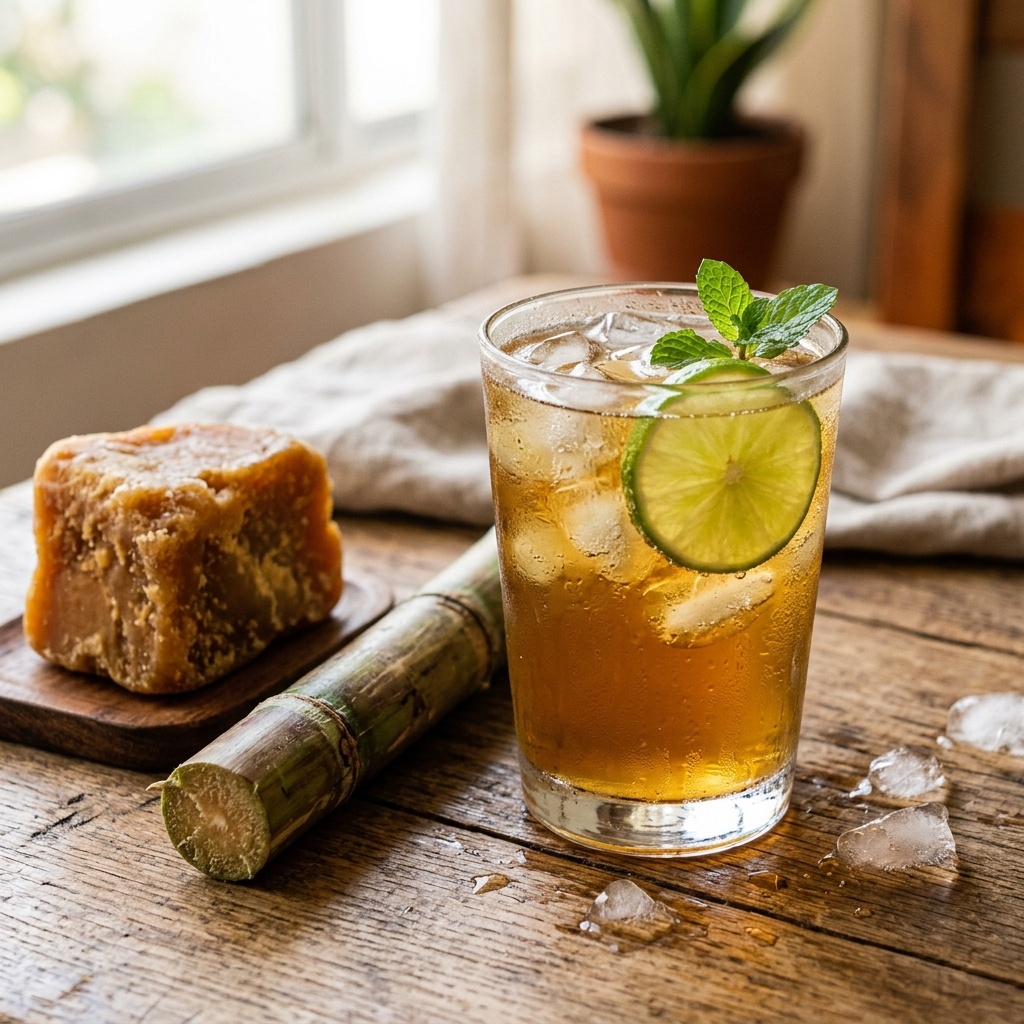
Aguapanela is one of Colombia's simplest drinks, yet it carries a lot of history. At its core, it is water sweetened with panela, a non-centrifugal cane sugar. Colombians drink it hot or cold, and lemon or lime is a common addition. It is also served with foods such as cheese, arepa, and almojabana.
This guide explains what aguapanela is, what panela is made from, how the drink tastes, how to make three common versions, how it differs from guarapo, and what the nutrition claims really mean. It also covers US sourcing, Colombian cycling culture, and close cane-sugar relatives such as piloncillo, jaggery, chancaca, and rapadura.
Quick Answer: What Is Aguapanela?
Aguapanela, also written as agua de panela, is a traditional Colombian drink made by dissolving panela in water. Standard aguapanela is caffeine-free and non-alcoholic. It can be served hot or chilled, plain or with citrus. In Colombia, it is part of everyday food culture across the country.
What Does Aguapanela Taste Like?
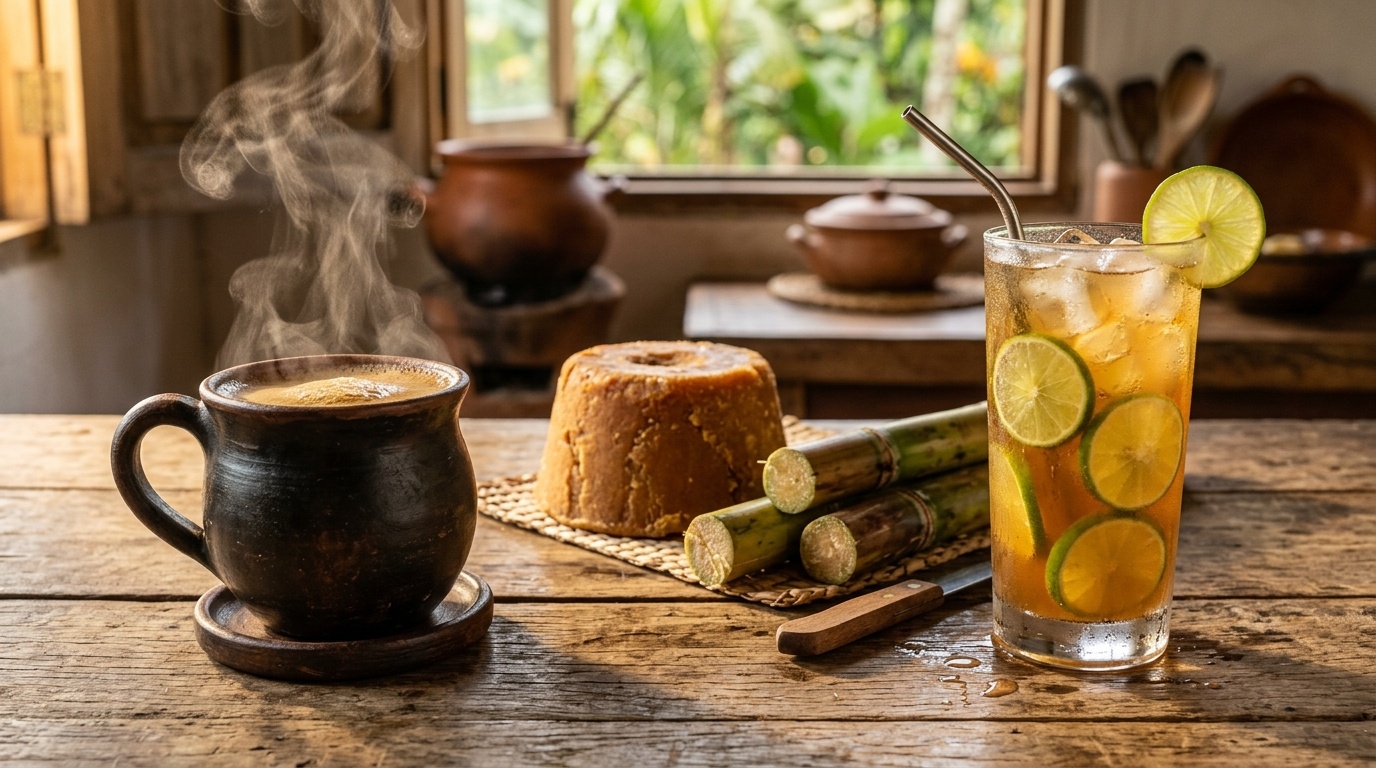
Aguapanela tastes sweet, but it is not the same as plain white-sugar water. Panela brings cooked-cane, caramel, toffee, and molasses-like notes. Food-science research shows that heat and processing can change the color and aroma profile of non-centrifugal cane sugar, so one panela can taste different from another.
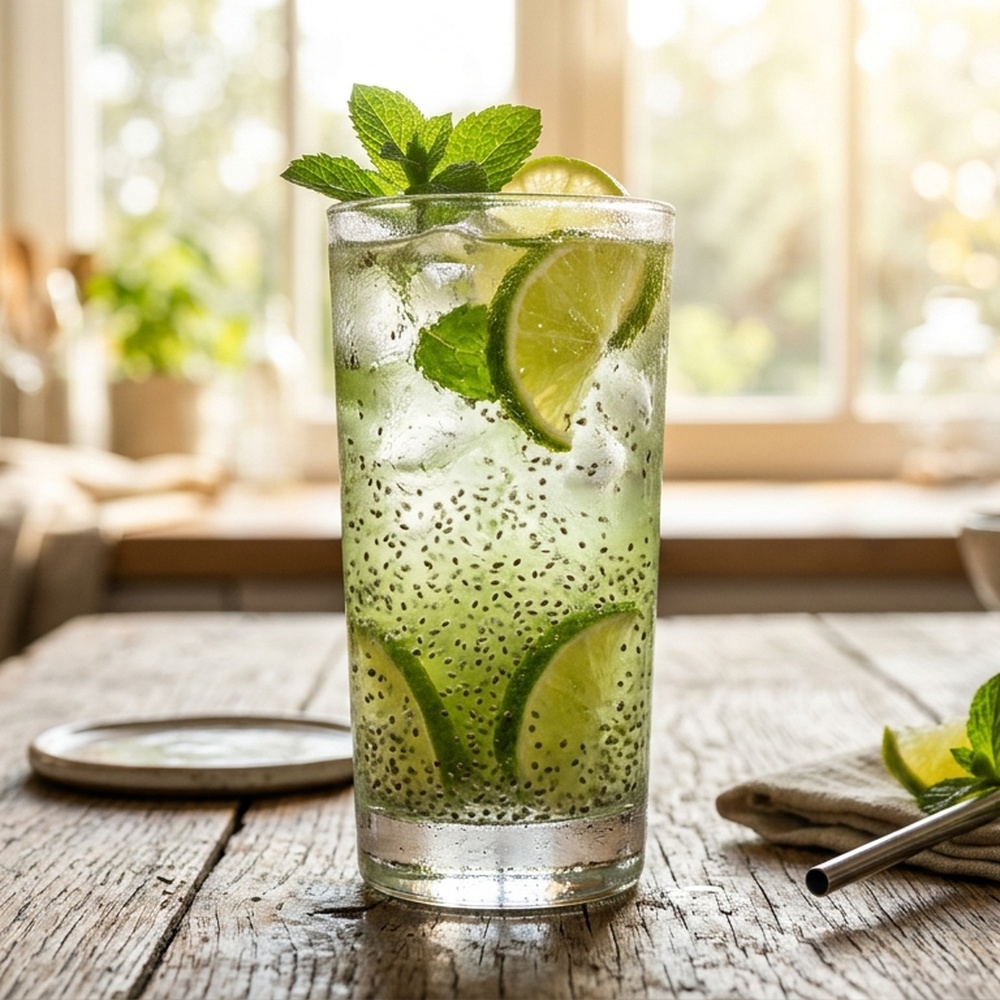
Temperature changes the drink too. Hot aguapanela feels fuller and works well with cheese, milk, cinnamon, or ginger. Cold aguapanela con limon tastes brighter because the citrus cuts through the sweetness.
What Is Panela?
Panela is a solid or granulated non-centrifugal cane sugar made by concentrating sugarcane juice. It is known by several local names around the globe. These include piloncillo in Mexico, jaggery or gur in South Asia, chancaca in parts of South America, and rapadura in Brazil and other markets.
Research on panela shows that sucrose is the main sugar. In one Colombian study of non-centrifugal cane sugar, sucrose made up 91.9% to 95.5% of the samples. Smaller amounts of glucose and fructose were also present, along with phenolic compounds.
That chemistry helps explain why panela has more flavor than refined white sugar. It also means panela is still mainly sugar. The presence of minerals or plant compounds does not turn it into a low-sugar food.
How Panela Is Made at a Trapiche
Traditional panela production starts at a trapiche, the mill used to press sugarcane and collect the juice. Colombia's National Library shows the basic sequence: cane is crushed, the juice is heated, water evaporates, the liquid thickens into a syrup, and the hot mass is worked and cooled in molds.
- Crush the sugarcane to release its juice.
- Filter or clarify the juice to remove plant matter and other solids.
- Heat the juice so water evaporates and the sugar concentration rises.
- Cook it until it reaches a thick syrup stage.
- Work the syrup as it cools, then pour or press it into molds.
- Let the panela cool and harden before packing it.
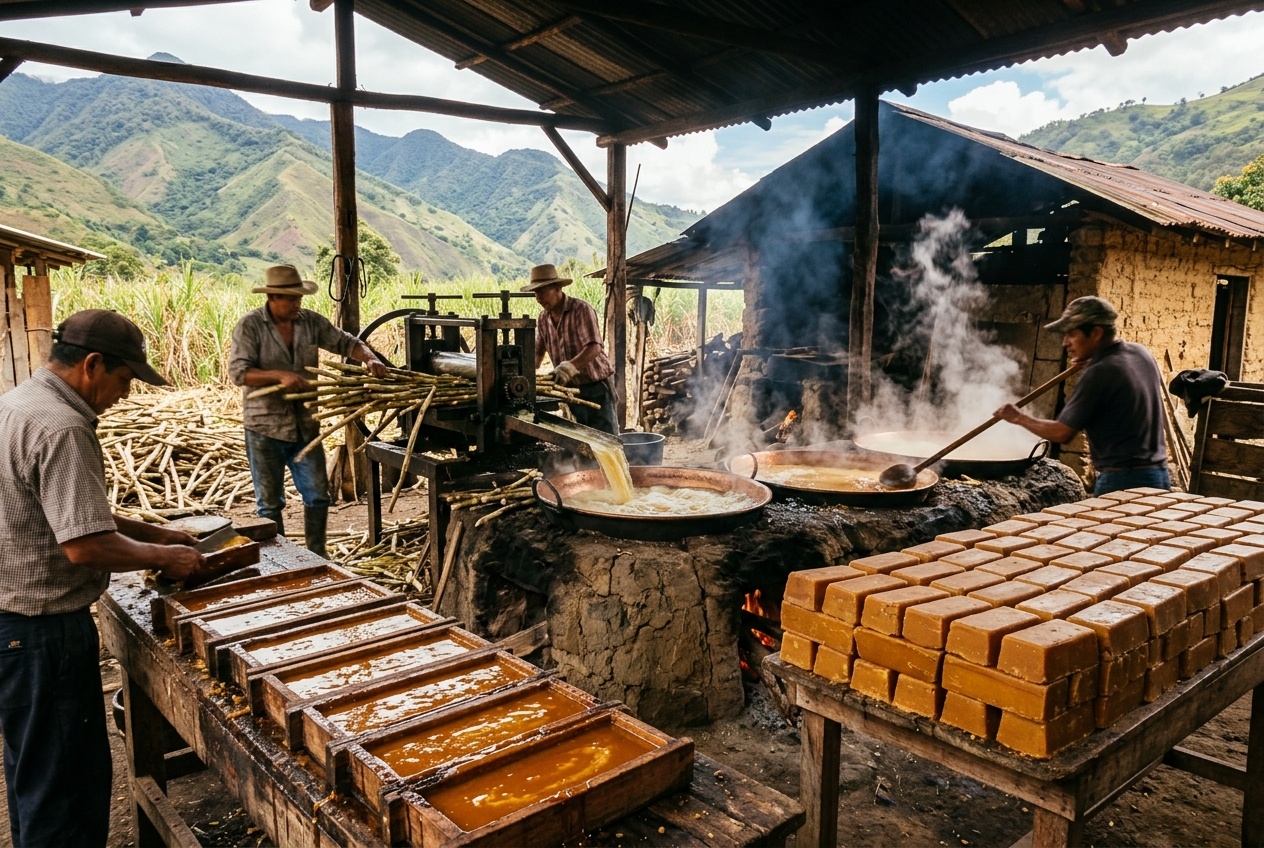
The exact method changes by producer. Studies also show that heating conditions can affect color, phenolic content, and flavor compounds.
Panela vs. White Sugar vs. Brown Sugar
The key point is processing, not a claim that panela is sugar-free or medically better. Non-centrifugal cane sugars can contain minerals and phenolic compounds, but their composition varies across products and regions.
The Chemistry of Aguapanela con Limon
Lime or lemon changes the flavor first. It adds acidity, so the drink tastes less heavy and more refreshing. There is also a small chemistry story behind it. Sucrose can break into glucose and fructose through acid hydrolysis. Chemists call the resulting mixture invert sugar.
You do not need to control this reaction at home. The rate depends on acidity, heat, and time. For a normal glass of aguapanela, citrus matters most because of taste.
A Short History of Cane Sugar and Panela in Colombia
The wider history of cane sugar begins in Asia. Historical reviews place early sugarcane use and sugar-making in India many centuries ago. A modern review notes that boiling cane juice to make sugar was known in India during the first millennium BC.
Sugarcane later moved through the Mediterranean and Atlantic islands. USDA records that Christopher Columbus carried sugarcane from the Canary Islands to Hispaniola in 1493 during his second voyage.
In Colombia, panela became a major rural product. The Ministry of Agriculture reported that in 2022 panela was produced in 29 departments. It recorded 1,053,674 tonnes of panela, about 350,000 producer families, and 18,473 trapiches. These are dated 2022 figures, not current-year estimates.
Hot Aguapanela and Cold Aguapanela
Colombia's official country brand says aguapanela is consumed across the country, hot or cold, and is made with panela, water, and sometimes lemon juice. It is often served with cheese, almojabana, or arepa.
That makes the drink easy to fit around the weather. A hot mug suits a cold highland morning. A chilled glass with citrus and ice works well in warm weather. The basic drink stays the same; the serving style changes.
How to Make Aguapanela: 3 Core Recipes
There is no single sweetness level used by every Colombian household. The ratios below follow the research brief and work as practical starting points. Adjust the panela, water, and citrus to your taste.
1. Classic Hot Aguapanela
Yield: About 4 cups
Ingredients: 100 g panela, 1 liter water, 1 cinnamon stick (optional)
- Bring the water to a boil in a pot.
- Break or chop the panela into smaller pieces for faster dissolving.
- Add the panela and lower the heat to a gentle simmer.
- Simmer for about 10 minutes, stirring occasionally until completely dissolved.
- Add a cinnamon stick if you want a spiced version.
- Serve hot in ceramic mugs.
How to dissolve a hard panela block: A large panela block dissolves faster when you create more surface area. Chop it carefully, grate it, or let smaller pieces soften in hot water before stirring. Do not force a hard block with an unsafe knife angle.
2. Aguapanela con Limon
Yield: About 4 small glasses
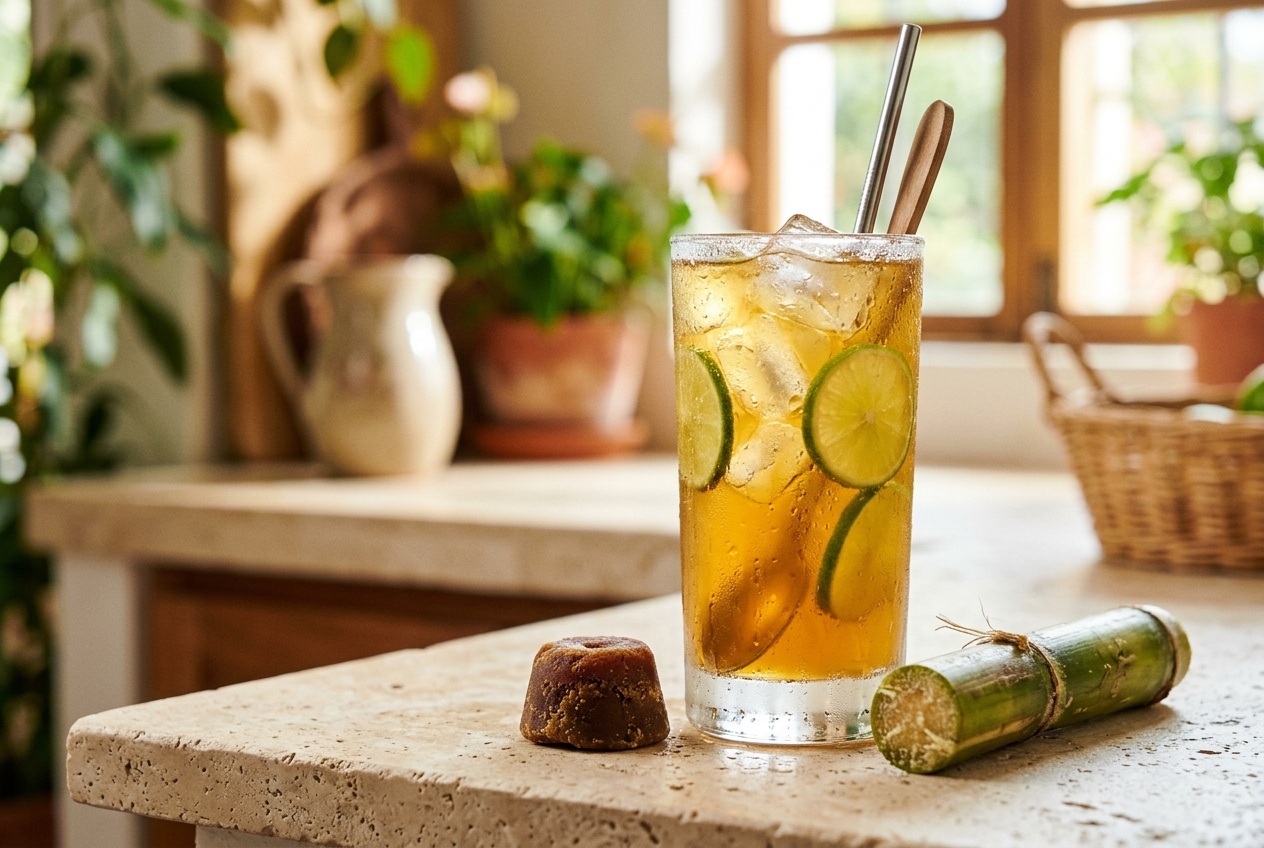
Ingredients: 100 g panela, 800 ml water, juice of 3 fresh limes, ice cubes
- Heat about 300 ml of the water in a small saucepan.
- Add the panela and stir until completely dissolved into a light syrup.
- Remove from the heat and stir in the remaining 500 ml of cold filtered water.
- Let the mixture cool to room temperature or chill in the refrigerator.
- Stir in freshly squeezed lime juice right before serving.
- Pour over tall glasses filled with ice.
3. Aguapanela con Queso or Leche
Ingredients: 100 g panela, 1 liter water, queso campesino (or mild fresh cheese) for the cheese version, warm milk for the milk version
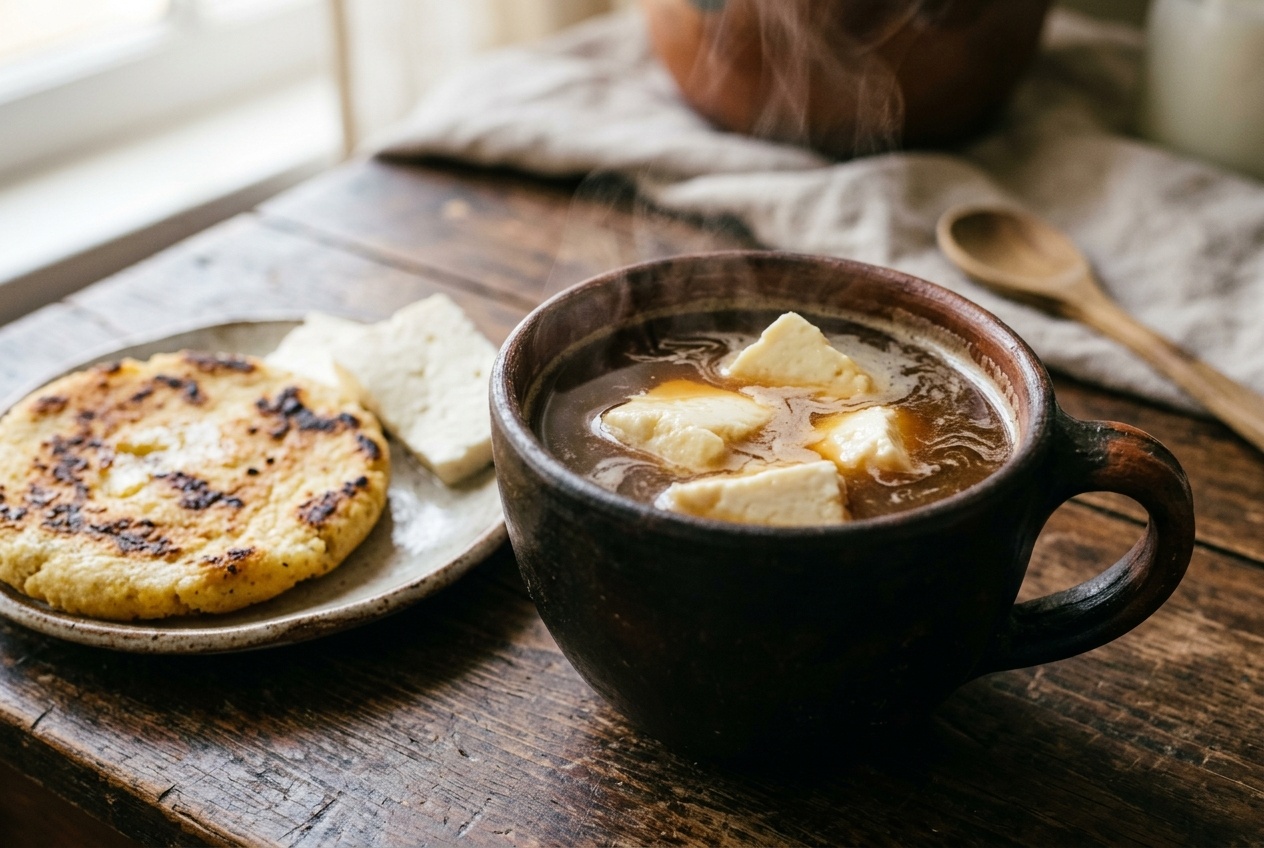
- Prepare the classic hot aguapanela as your base.
- For aguapanela con queso, drop thick cubes of mild fresh cheese directly into the piping hot drink. Let the cheese soften and melt slightly, eating it with a spoon as you sip the sweet liquid.
- For aguapanela con leche, stir warm whole milk into the finished hot drink to taste for a rich, comforting beverage.
Common Aguapanela Mistakes
Aguapanela is easy to make, but a few small choices can change the result:
- Using too much panela at the start: The drink can become heavy and hard to balance with citrus. Start with less and sweeten to taste.
- Adding lime while the drink is boiling hot: Fresh citrus flavor flattens under high heat. Add lime juice after cooling for cold drinks.
- Leaving large panela blocks whole: Chopping or grating panela dramatically speeds up dissolving time.
- Treating recipe ratios as rigid rules: Panela brands vary in moisture and caramelization, so always taste before serving.
- Confusing aguapanela with guarapo: In Colombia, guarapo can refer to fresh cane juice or fermented drinks, while aguapanela specifically means dissolved panela.
Can You Make Aguapanela With Piloncillo?
Yes. Piloncillo is the Mexican form of non-centrifugal cane sugar and is made by evaporating sugarcane juice. Scientific and food references group piloncillo and panela in the same broad non-centrifugal cane sugar (NCS) family.
For a home recipe, a 1:1 swap by weight is a sensible starting point: use 100 g piloncillo where the recipe calls for 100 g panela. Then adjust to taste. Flavor nuances vary slightly because cane variety and cooking temperature influence final aroma and mineral concentration.
Aguapanela vs. Guarapo: Why the Terms Can Be Confusing
While both drinks come from sugarcane, understanding the distinction between aguapanela and fresh sugarcane guarapo is essential in Latin American food culture:
In similar regional traditions, drinks like Mexican pineapple tepache and fresh fruit agua fresca use unrefined cane sugar to balance tart fruit notes.
Aguapanela Nutrition: What the Numbers Mean
A standard 240 ml serving made with about 25 g panela provides roughly 95 to 100 kcal, with almost all energy coming from carbohydrates (sucrose, glucose, and fructose).
Panela retains trace minerals such as potassium, calcium, and magnesium, along with antioxidant phenolic compounds. However, mineral levels vary significantly across producers and soil conditions.
Health context: Panela keeps more cane-derived nutrients than refined white sugar, but it remains predominantly sugar. The World Health Organization (WHO) recommends keeping free sugars below 10% of total daily energy intake, with a target under 5% for added benefits.
Is Aguapanela Healthy?
Aguapanela can fit comfortably into an active lifestyle, providing rapid carbohydrate replenishment and hydration. However, it should not be treated as a health supplement. Moderation and overall daily sugar intake remain key.
Does Aguapanela Help With a Cold?
In Colombia, hot aguapanela with fresh lime juice is widely cherished as a traditional comfort drink during colds. While warm fluids provide soothing hydration and throat comfort, the CDC confirms that the common cold has no medical cure. Aguapanela offers symptom relief, not medical treatment.
Why Aguapanela Is Linked With Colombian Cycling
Aguapanela occupies a legendary place in Colombian sports history. Acclaimed cyclists such as Nairo Quintana grew up drinking homemade agua de panela during grueling Andean training climbs. Historical records from the 1984 Dauphiné Libéré race document Colombian riders bringing aguapanela to Europe as their core endurance beverage.
While modern endurance athletes often balance panela water with electrolyte drinks, energy-rich malt drinks, or antioxidant sparkling teas, aguapanela remains a beloved national symbol of stamina.
Is Aguapanela Alcoholic?
Standard aguapanela is 100% non-alcoholic. It is simply panela dissolved in hot or cold water.
It should not be confused with canelazo (a traditional hot Andean cocktail made by spiking spiced aguapanela with anise-flavored aguardiente liquor) or with fermented cane drinks like guarapo agrio or alcoholic ginger beer.
How to Choose and Where to Buy Panela in the USA
When buying panela, look for 100% concentrated sugarcane juice without added preservatives or refined sugar blends.
In the US, panela is widely available at Colombian bakeries, Hispanic grocery stores, international food markets, and online retailers. You will find it labeled as panela colombiana, chancaca, rapadura, or Mexican piloncillo.
Frequently Asked Questions About Aguapanela
What is aguapanela?
Aguapanela is a traditional Colombian beverage made by dissolving unrefined panela cane sugar in hot or cold water, often garnished with fresh lime or paired with cheese.
Is aguapanela alcoholic?
No. Standard aguapanela is completely non-alcoholic. Alcoholic variations like canelazo add aguardiente, while fermented guarapo is a separate beverage.
What does aguapanela taste like?
It has a rich, caramel-like sweetness with notes of cooked cane, toffee, and molasses. Adding fresh lime juice makes it bright, crisp, and refreshing.
Is aguapanela the same as guarapo?
No. Aguapanela is panela dissolved in water, whereas guarapo refers to fresh-pressed sugarcane juice or fermented cane drinks.
Can I use piloncillo instead of panela?
Yes. Mexican piloncillo and Colombian panela are both non-centrifugal cane sugars and can be substituted at a 1:1 ratio by weight.
How do you dissolve a hard panela block?
Chop or grate the panela into smaller chunks, or allow small pieces to soften in simmering water before stirring.
Is aguapanela healthier than white sugar?
Panela retains trace minerals and plant polyphenols that refined white sugar lacks, but it is still primarily sucrose and should be enjoyed in balanced portions.
Why is aguapanela linked with Colombian cyclists?
Panela water provided natural carbohydrate energy and hydration for generations of Colombian cyclists training in the high Andes, including champion Nairo Quintana.
Sources and References
- Colombia Country Brand: Traditional Colombian drinks and culinary heritage
- Food Chemistry: Chemical characteristics and colorimetric properties of non-centrifugal cane sugar (panela)
- Journal of Food Composition and Analysis: Nutritional and functional components of non-centrifugal cane sugar
- PubMed: Composition of minerals and volatile organic components of non-centrifugal cane sugars
- Ministry of Agriculture and Rural Development, Colombia: Panela sector statistics and trapiche census
- USDA National Agricultural Statistics Service: Agricultural history of sugar cane
- PMC: Review of Indian sugar-industry history and non-centrifugal sugar processing
- Government of Quindío: Traditional cooking, panela culture and regional guarapo definitions
- U.S. Centers for Disease Control and Prevention (CDC): Common cold symptom management
- El Espectador: Nairo Quintana early Andean training and agua de panela accounts
- El Tiempo: Historical accounts of Colombia's 1984 cycling team and aguapanela culture
- World Health Organization (WHO): Guideline on sugars intake for adults and children
- SciELO Mexico / Acta Universitaria: Study of artisanal piloncillo and non-centrifugal sugar production
- Chemistry LibreTexts: Sucrose acid hydrolysis and invert sugar chemistry


Comments and reviews (0)