


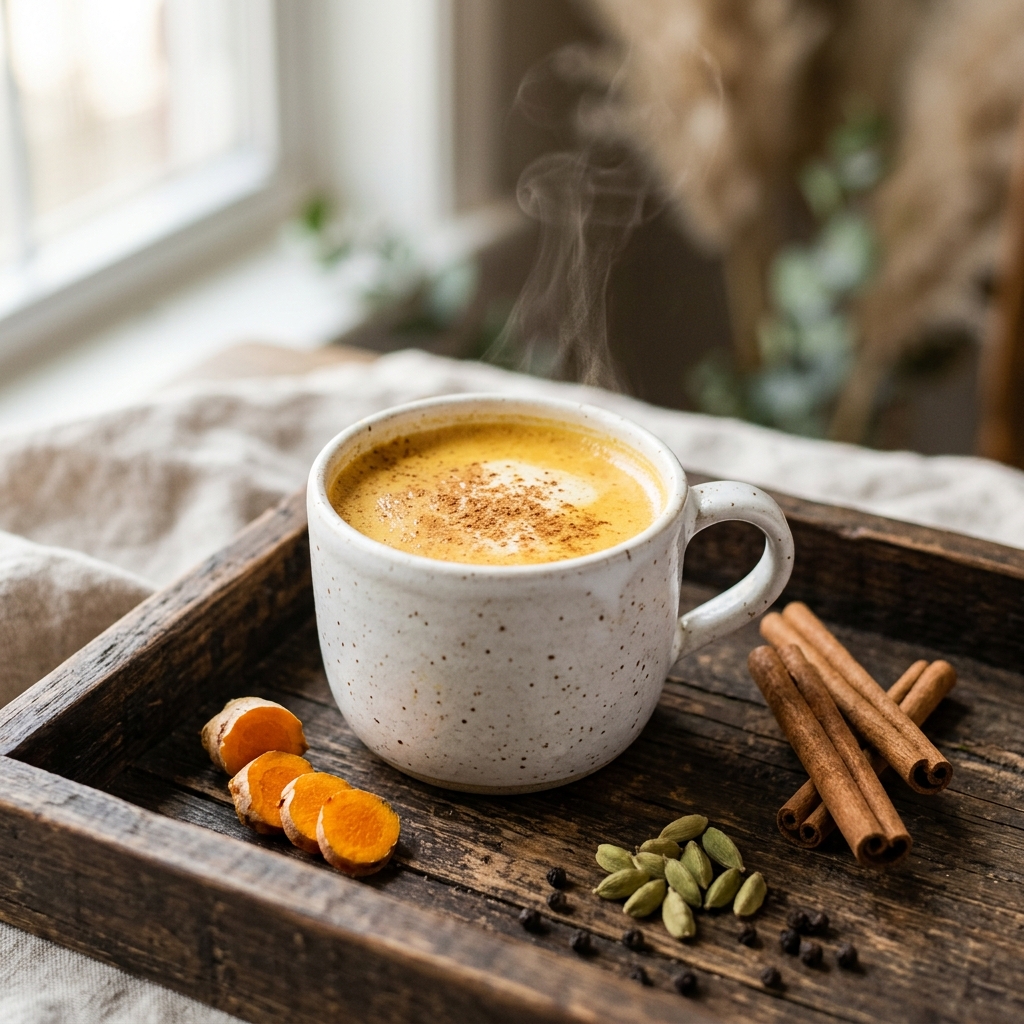
Golden milk is a warm drink made with milk, turmeric, and spices. In India, a closely related home drink is widely known as haldi doodh, or turmeric milk. You may also see cafe versions called turmeric latte and Spanish-language recipes called leche dorada.
Some versions use only milk and turmeric. Others add black pepper, ginger, cinnamon, cardamom, ghee, coconut oil, honey, jaggery, or maple syrup.
Much of the modern health interest comes from curcumin, one of the best-known compounds in turmeric. Curcumin has been studied widely, but research on concentrated curcumin products cannot be treated as proof that one cup of golden milk will have the same effect. NCCIH says the evidence is still not strong enough to reach firm conclusions about turmeric or curcumin for most health uses.
Quick Answer: What Is Golden Milk?
Golden milk is a warm turmeric drink made with dairy milk or plant milk. Most recipes add warming spices such as ginger, cinnamon, cardamom, or black pepper. A basic recipe contains no coffee or tea, so it is caffeine-free unless a caffeinated ingredient is added.
Editorial and health note: This guide separates supplement research from claims about homemade golden milk. Health sections use the supplied research report, NCCIH, peer-reviewed papers, and archaeological research. This article is for general information and is not medical advice.
This comprehensive guide covers what golden milk is, what it tastes like, traditional haldi doodh history and Ayurvedic roots, curcumin absorption science, why black pepper is added, traditional and vegan coconut recipes, plant milk comparisons, nutrition data, and evidence-backed safety guidelines.
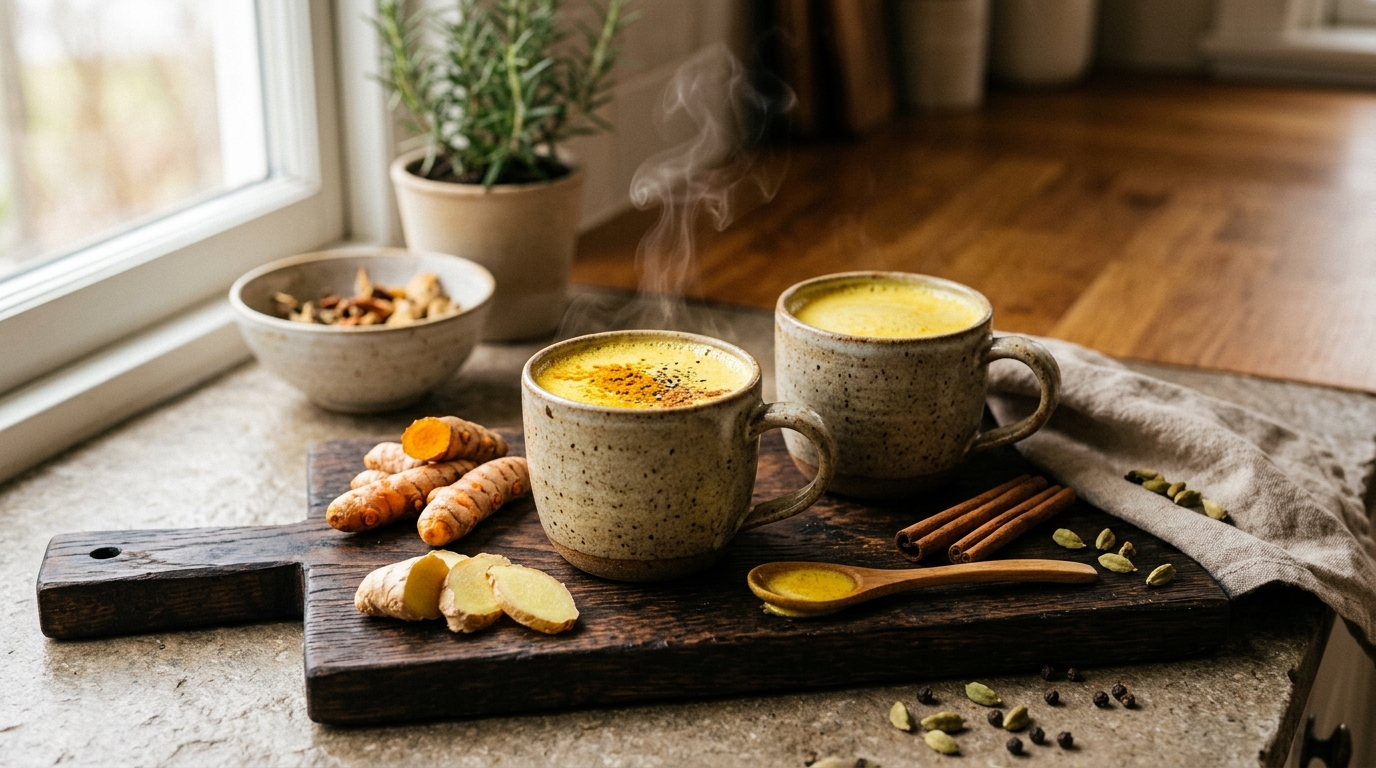
Golden Milk, Turmeric Latte and Traditional Haldi Doodh
The names overlap, but the style changes by cultural and culinary setting. Haldi doodh is usually a simple home drink in South Asia. Golden milk is a wider English term and often includes more spices and plant milk bases. A turmeric latte usually uses steamed or frothed milk in cafes and specialty coffee shops.
| Name | Common Setting | What It Usually Means |
|---|---|---|
| Haldi doodh | India | Home-style turmeric milk, often made with a short ingredient list |
| Golden milk | English-language wellness and recipe sites | Turmeric milk with spices, sweetener, or plant milk |
| Turmeric latte | Cafes | A steamed or frothed version, often made with plant milk |
| Leche dorada | Spanish-language recipes | The Spanish name used for golden milk or turmeric milk |
What Does Golden Milk Taste Like?
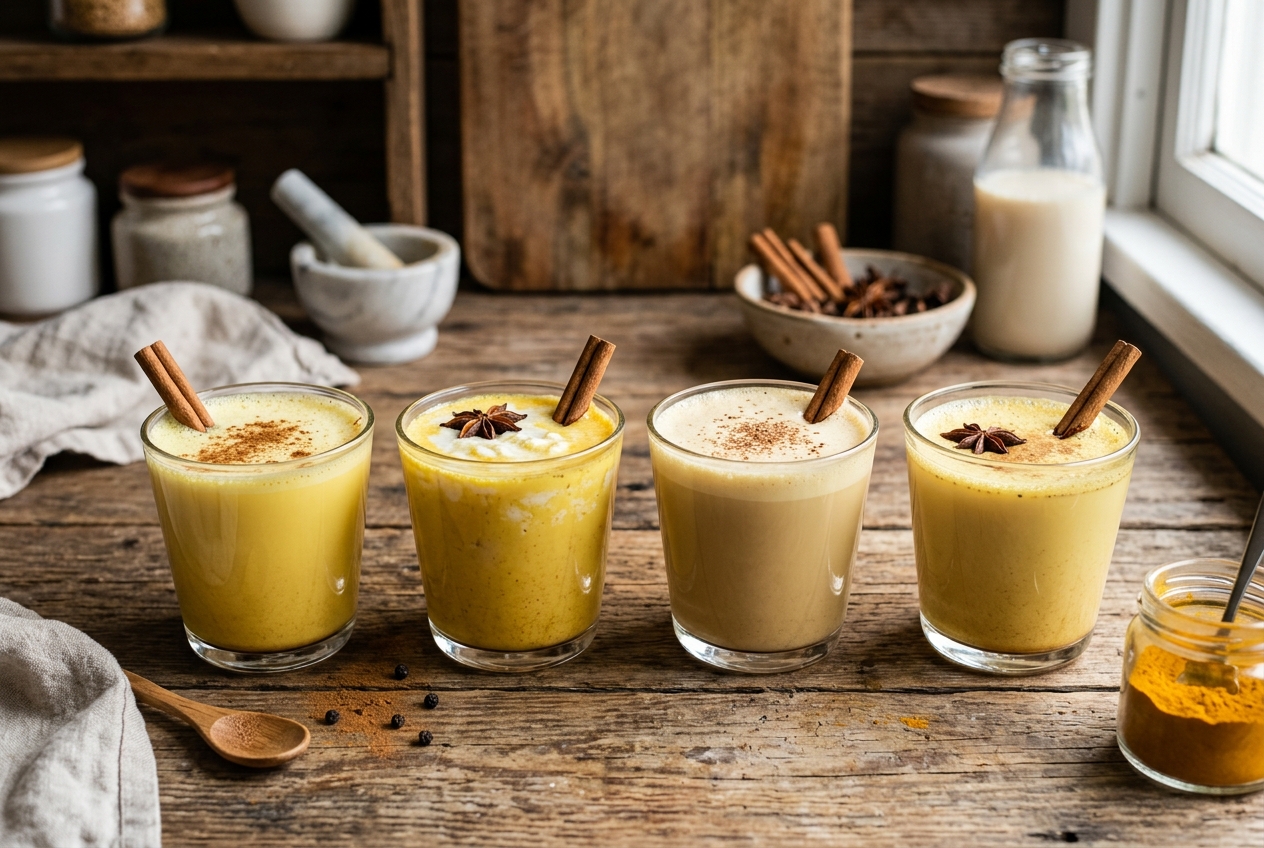
Golden milk usually tastes earthy, creamy, warm, and lightly spicy.
Turmeric gives the drink its earthy base. Too much can make it bitter. Cinnamon adds a sweeter aroma without adding sugar. Ginger brings gentle heat. Cardamom adds a floral note, while black pepper gives a sharper finish.
The milk base changes the drink as well. Whole dairy milk tastes rich and creamy. Coconut milk is thicker and adds a clear coconut note. Oat milk tends to taste smooth and mildly sweet. Almond milk is lighter, so the spices stand out more.
Natural sweeteners like honey, jaggery, or pure maple syrup can soften turmeric's bitter edge and balance the warming spices.
The Indian Roots of Turmeric Milk
Turmeric has a long history in South Asian food, ritual, and traditional medicine. An NCBI Bookshelf chapter on turmeric traces its use in Indian Vedic culture back nearly 4,000 years and describes its place in Ayurvedic practice.
Archaeological evidence also shows very old culinary use. Researchers at the Harappan site of Farmana in Haryana, India, found cooked Curcuma starch in a handi, a deep cooking pot. The site dates to roughly 2600 to 2200 BCE.
The finding proves ancient culinary use of turmeric in the region. It does not prove that people at Farmana drank the exact recipe now called haldi doodh.
Turmeric, Ayurveda and Rasayana Traditions
Turmeric is known as haldi in Hindi and haridra in Sanskrit. In Ayurveda, turmeric is recognized for its balancing properties across doshas and is associated with rasayana (rejuvenating) dietary preparations.
Reliable historical sources confirm turmeric's long place in Ayurvedic practice. Classical texts like the Sushruta Samhita describe traditional applications of turmeric mixed with milk, ghee, or water. Golden milk is therefore best understood as drawing from long Indian culinary and Ayurvedic traditions rather than being a modern cafe invention.
Turmeric in Cultural and Wedding Traditions
Turmeric paste is used in pre-wedding customs across India and neighboring South Asian countries. In the traditional haldi rasam ceremony, aromatic turmeric paste is lovingly applied to the bride and groom before marriage to purify, bless, and impart a radiant glow.
While drinking spiced haldi doodh is a comforting domestic ritual across South Asian homes, the ceremonial focus in weddings remains on the topical application and symbolic purification of turmeric itself.
What Is Curcumin?
Curcumin is a yellow-orange polyphenol found in the rhizomes of turmeric, Curcuma longa. It is one of the principal curcuminoids most widely studied in biochemical and pharmacological research.
The curcumin level in ground turmeric powder typically ranges from about 2% to 5% by weight, depending on plant variety, soil conditions, processing, and storage. This means a homemade drink delivers natural whole-food curcumin rather than the fixed, high-potency dose found in a standardized pharmaceutical extract.
Golden milk uses turmeric as a nourishing culinary ingredient, while clinical trials typically evaluate purified or chemically modified curcumin extracts.
Why Is Curcumin Hard to Absorb?
Curcumin has notoriously low oral bioavailability. In simple terms, only a small fraction of ordinary curcumin reaches systemic blood circulation after ingestion. Pharmacokinetic reviews highlight four primary biological hurdles:
1. Poor water solubility: Curcumin is hydrophobic (lipophilic) and dissolves poorly in aqueous environments like digestive fluids, limiting its initial uptake in the gut.
2. Fast intestinal and hepatic metabolism: Once absorbed into intestinal cells and the liver, curcumin undergoes rapid glucuronidation and sulfation, transforming into water-soluble metabolites that are quickly excreted.
3. Rapid systemic clearance: Any free curcumin in circulation is rapidly cleared by the body, resulting in low peak plasma levels.
4. Limited tissue distribution: Unformulated curcumin tends to break down before reaching target peripheral tissues in substantial concentrations.
Why Is Black Pepper Added to Golden Milk?
Black pepper (Piper nigrum) contains piperine, the alkaloid responsible for its pungent heat. Piperine is widely recognized as a natural bioenhancer.
In a landmark 1998 human clinical study published in Planta Medica, researchers found that combining 20 mg of piperine with a 2 g dose of pure curcumin increased the bioavailability of curcumin in human volunteers by up to 2,000%.
However, it is essential to keep a realistic kitchen perspective: that clinical study evaluated high-dose purified supplements, not a warm cup of spiced milk. Adding a pinch of freshly cracked black pepper to your golden milk is a wonderful, traditional culinary practice that may support absorption, but it cannot be promised to duplicate laboratory pharmacokinetics.
Piperine, CYP3A4 and Medication Interactions
Piperine enhances absorption partly by inhibiting drug-metabolizing enzymes (such as cytochrome P450 CYP3A4) and efflux transporters like P-glycoprotein in the gut wall and liver. While culinary quantities of black pepper in food are generally safe, high-dose piperine supplements can alter the breakdown of prescription medications. Anyone taking regular prescription drugs should consult their doctor before using concentrated bioenhancers.
Does Fat Help with Curcumin Absorption?
Yes. Because curcumin is fat-soluble (lipophilic), consuming turmeric alongside dietary lipids enhances its micellar solubility and uptake in the digestive tract. Traditional haldi doodh recipes naturally achieve this by using whole cow's milk, full-fat coconut milk, or adding a teaspoon of ghee or coconut oil.
Golden Milk Benefits: What Does the Evidence Support?
When evaluating the benefits of golden milk, it is crucial to distinguish between whole-food beverage consumption and high-potency clinical supplement trials.
Inflammation and joint comfort: Curcumin has been shown in laboratory models to modulate inflammatory signaling pathways (such as NF-kB and COX-2). While concentrated extracts have shown modest benefits in clinical osteoarthritis trials, a warm cup of golden milk should be enjoyed as a soothing, antioxidant-rich food rather than an anti-inflammatory drug.
Antioxidant support: Turmeric contains natural polyphenols and flavonoids that scavenge free radicals and support cellular defense against oxidative stress.
Digestive comfort: Warming spices like ginger, cardamom, and cinnamon have long been used in traditional cuisine to support digestion and reduce occasional bloating.
Does Golden Milk Help with Sleep?
Golden milk has become a beloved bedtime ritual for many people. It is naturally caffeine-free, warm, and psychologically comforting.
When prepared with dairy milk, it provides small amounts of tryptophan, an essential amino acid that serves as a biochemical precursor to serotonin and melatonin. However, systematic reviews on sleep quality evaluate higher-dose tryptophan supplementation, not a standard cup of milk. Golden milk supports sleep primarily by creating a relaxing, screen-free evening wind-down routine.
Traditional Golden Milk Recipe: Haldi Doodh
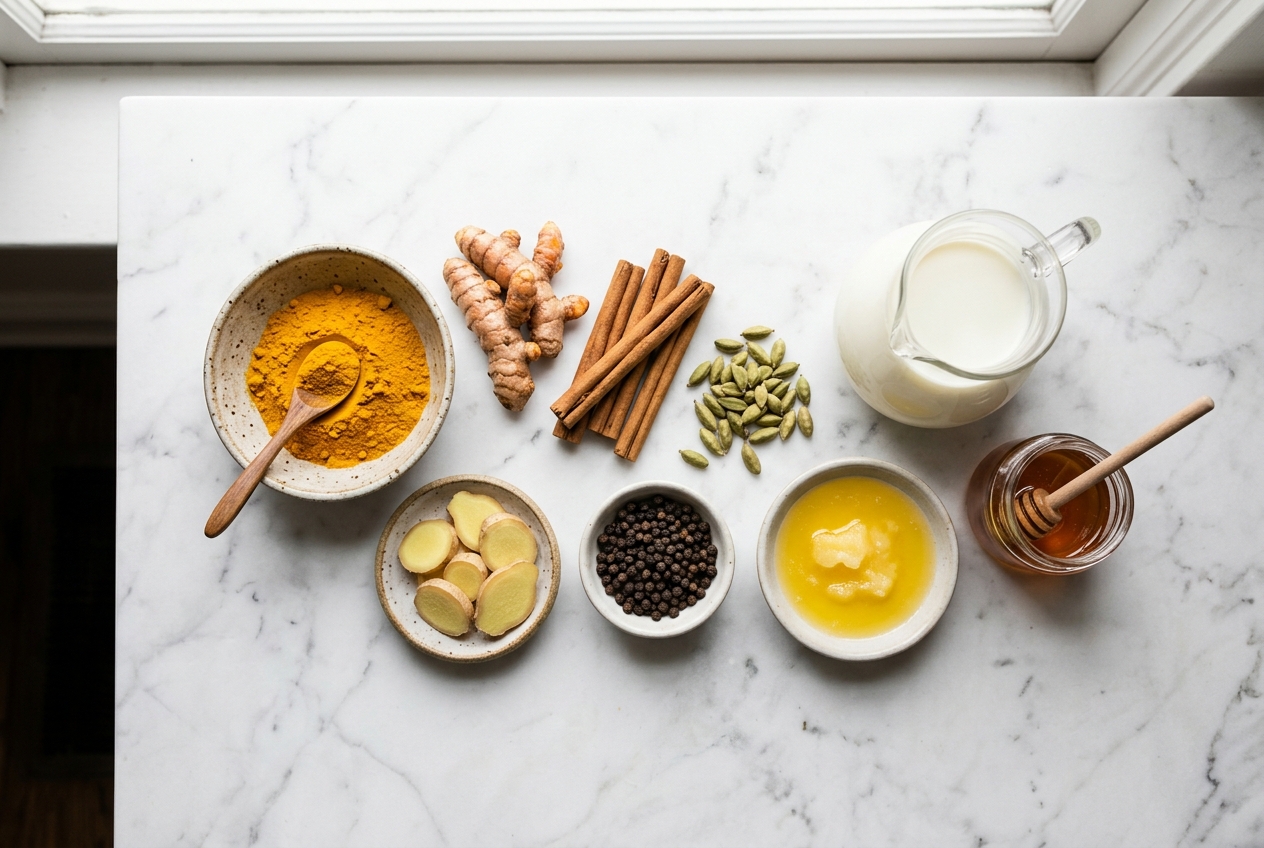
This authentic home-style recipe creates two comforting mugs of spiced golden milk.
Yield: 2 servings | Prep time: 5 minutes | Cooking time: 7 minutes | Caffeine: 0 mg
| Ingredient | Amount | Role in the Drink |
|---|---|---|
| Whole dairy milk (or full-fat coconut milk) | 500 ml (2 cups) | Creamy base and source of healthy dietary fats |
| Ground turmeric | 1/2 tsp | Golden color, earthy flavor, and natural curcuminoids |
| Freshly ground black pepper | 1/4 tsp | Subtle warmth and piperine for absorption synergy |
| Ground ginger (or fresh grated) | 1/4 tsp ground (or 1/2 tsp fresh) | Zesty heat and digestive comfort |
| Ground cinnamon | 1/4 tsp | Sweet, comforting aroma without added sugar |
| Green cardamom | 2 crushed pods (or pinch ground) | Delicate floral aroma and traditional depth |
| Ghee or virgin coconut oil | 1 tsp (optional) | Added healthy fat to assist fat-soluble curcumin uptake |
| Honey, jaggery, or maple syrup | 1 to 2 tsp (to taste) | Natural sweetness to balance earthy turmeric |
Step-by-Step Method
- Combine base and spices: In a small heavy-bottomed saucepan, whisk together the milk, ground turmeric, black pepper, ginger, cinnamon, crushed cardamom pods, and optional ghee or coconut oil.
- Warm gently over medium-low heat: Heat the mixture slowly until it begins to steam gently. Do not bring to a violent, rolling boil.
- Simmer for 5 to 7 minutes: Reduce heat to low and allow the spices to infuse into the warm milk, whisking occasionally so the spices do not scorch at the bottom.
- Remove from heat and strain: Take the saucepan off the stove. Pour the golden milk through a fine-mesh tea strainer into two mugs to catch whole cardamom pods or ginger fibers.
- Sweeten and serve: Stir in your choice of honey, jaggery, or maple syrup to taste. If using raw honey, always add it after the drink has cooled slightly below hot simmering temperature to preserve its delicate flavor.
- Garnish and enjoy: Dust the top with a pinch of extra ground cinnamon or freshly cracked black pepper and serve immediately.
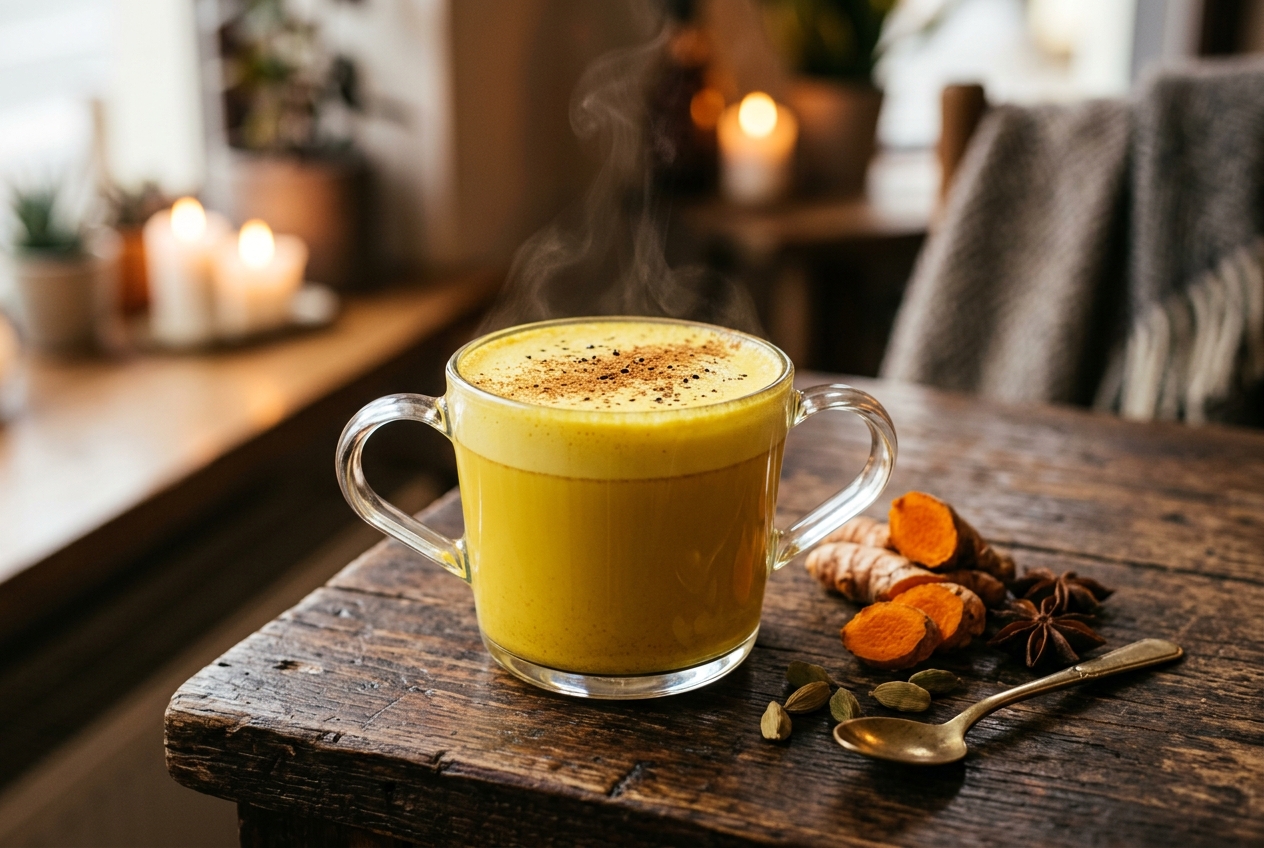
Vegan Golden Milk with Coconut Milk
For a rich, 100% plant-based version, full-fat canned coconut milk provides an exceptional base.
Because canned coconut milk is naturally high in medium-chain triglycerides (MCTs), it delivers ample healthy fats that pair perfectly with fat-soluble turmeric. If full-fat coconut milk feels too rich, mix it 50/50 with filtered water or combine it with smooth oat milk.
Use pure maple syrup, coconut blossom sugar, or agave nectar in place of honey for a completely vegan formulation.
What Is the Best Milk for Golden Milk?
The milk base you choose dictates the texture, caloric density, and mouthfeel of your drink:
| Milk Base | Calories per Cup | Fat per Cup | Taste and Texture Profile |
|---|---|---|---|
| Whole dairy milk | About 150 kcal | 8 g | Rich, creamy, and traditional; contains natural tryptophan and calcium |
| Canned coconut milk | About 230 kcal | 24 g | Exceptionally thick, velvety, and tropical; high in healthy plant fats |
| Oat milk (barista style) | About 120 kcal | 5 g | Naturally sweet, smooth, and foams wonderfully for lattes |
| Almond milk (unsweetened) | About 40 kcal | 2.5 g | Light and nutty; low calorie, allowing spice notes to shine through |
Golden Milk Calories and Nutrition Facts
A comparison of standard single-serving golden milk preparations:
| Nutrient (per 250 ml cup) | Dairy Version (Whole Milk) | Vegan Coconut Version (Diluted Canned) |
|---|---|---|
| Calories | About 150 kcal | About 190 kcal |
| Total Fat | 8 g | 18 g |
| Saturated Fat | 5 g | 16 g |
| Protein | 8 g | 2 g |
| Curcumin Estimate | About 25 to 45 mg | About 25 to 45 mg |
| Calcium | About 300 mg | Trace (unless fortified) |
| Tryptophan | About 100 mg | Low |
Daily Use, Safety and Pregnancy Guidelines
Can you drink golden milk every day? Drinking a cup of homemade golden milk made with culinary amounts of turmeric is generally safe and enjoyable for healthy individuals as part of a varied diet. However, medicinal turmeric supplements and high-dose curcumin extracts can cause gastrointestinal side effects such as nausea, acid reflux, or diarrhea, and have been linked in rare cases to liver stress.
Is golden milk safe during pregnancy? Turmeric consumed in normal culinary amounts in food and drinks is widely considered safe. However, health authorities like the NCCIH caution that concentrated turmeric or curcumin supplements may be unsafe during pregnancy because high doses could potentially stimulate uterine contractions. Pregnant and nursing women should avoid high-potency supplements and consult their maternity care provider.
Golden milk vs. curcumin supplements: Golden milk is a whole-food beverage providing moderate dietary polyphenols alongside wholesome comfort. It should never be treated as a direct substitute for prescribed medications or clinical therapies.
Leche Dorada: Receta Basica y Consejos
La leche dorada es el nombre en espanol para esta reconfortante bebida de curcuma. Para prepararla en casa:
1. Calienta 2 tazas de leche entera o leche vegetal (coco o avena) en una cacerola pequena.
2. Agrega 1/2 cucharadita de curcuma en polvo, 1/4 cucharadita de pimienta negra molida, 1/4 cucharadita de canela y una pizca de jengibre.
3. Cocina a fuego lento durante 5 a 7 minutos sin dejar que hierva fuertemente.
4. Cuela en una taza y endulza al gusto con miel, panela o sirope de arce.
How Golden Milk Compares to Other Traditional Beverages
Golden milk is part of a magnificent global tapestry of heritage wellness beverages and traditional plant elixirs:
- Japanese Amazake: While golden milk achieves sweetness from honey and spices over dairy or coconut, Japanese amazake develops natural glucose through rice koji enzyme saccharification.
- Peruvian Chicha Morada: Peru's iconic purple corn beverage is rich in potent anthocyanin antioxidants, offering a fruit-spiced alternative to turmeric's golden curcuminoids.
- Colombian Aguapanela & Guarapo: Latin American unrefined sugarcane infusions provide comforting, mineral-rich sweetness that pairs beautifully with citrus and spices.
- Traditional Malt Drinks: Malted grain brews offer wholesome B vitamins and roasted caramel notes for drinkers seeking hearty, non-alcoholic sustenance.
- Fermented Tepache & Ginger Beer: For those who love warming ginger heat, wild-fermented pineapple tepache and craft ginger beer deliver sparkling, probiotic refreshment.
- Botanical Sparkling Teas: Elegant, cold-brewed sparkling teas offer complex tannins and floral aromatics for sophisticated, alcohol-free daytime dining.
- Plant-Based Drinks & Non-Alcoholic Drinks: Discover our complete directory of functional tonics, dairy-free milks, and mindful adult beverage alternatives.
Frequently Asked Questions About Golden Milk
What is golden milk or leche dorada?
Golden milk is a warm turmeric drink made with dairy milk or plant milk. Recipes commonly include warming spices such as ginger, cinnamon, cardamom, and black pepper. Haldi doodh is the traditional Hindi name for home-style turmeric milk, while leche dorada is the Spanish term.
Why is black pepper added to turmeric milk?
Black pepper contains piperine, a compound that enhances the bioavailability of curcumin under clinical conditions. While a kitchen pinch cannot reproduce high-dose pharmaceutical studies, it remains an authentic and synergistic culinary addition.
Does golden milk help with sleep?
Golden milk is a caffeine-free, warm evening drink that supports natural relaxation as part of a calming bedtime routine. While dairy milk contains trace tryptophan, golden milk should be viewed as a soothing lifestyle habit rather than a medical insomnia treatment.
Is golden milk safe during pregnancy?
Turmeric consumed in normal culinary amounts in food and beverages is widely considered safe during pregnancy. However, concentrated turmeric or curcumin supplements should be avoided during pregnancy unless approved by a qualified maternity doctor.
What does golden milk taste like?
Golden milk has a rich, earthy, and creamy flavor profile with pleasant sweetness from cinnamon and gentle warming heat from ginger and black pepper.
Can you make golden milk with coconut milk?
Yes. Full-fat canned coconut milk or carton coconut milk makes an exceptionally creamy, dairy-free vegan golden milk with natural plant fats that support fat-soluble curcumin uptake.
What is the best plant milk for golden milk?
Canned coconut milk is best for maximum creaminess, barista-style oat milk is ideal for smooth natural sweetness and latte foam, and unsweetened almond milk works best for a lighter, low-calorie drink.
Can golden milk replace an anti-inflammatory medicine or sleep treatment?
No. Golden milk is a wholesome dietary beverage, not a pharmaceutical medication. It should not be used to replace prescribed anti-inflammatory drugs or clinical medical treatments.
Sources and References
- National Center for Complementary and Integrative Health (NCCIH): Turmeric - Usefulness and Safety
- Planta Medica / PubMed: Influence of Piperine on the Pharmacokinetics of Curcumin in Animals and Human Volunteers
- Antiquity: Harappan Plant Use Revealed by Starch Grains from Farmana, India
- NCBI Bookshelf: Turmeric, the Golden Spice - From Traditional Medicine to Modern Medicine
- PubMed: Curcumin Formulations for Better Bioavailability - What We Learned from Clinical Trials
- Journal of Pharmacology and Experimental Therapeutics / PubMed: Piperine Inhibits Human P-Glycoprotein and CYP3A4
- Biochemical Pharmacology / PubMed: Relationship Between In Vitro Efficacy, Pharmacokinetics and In Vivo Efficacy of Curcumin
- Nutrition Reviews / PubMed: The Impact of Tryptophan Supplementation on Sleep Quality - A Systematic Review and Meta-Analysis







Comments and reviews (0)