


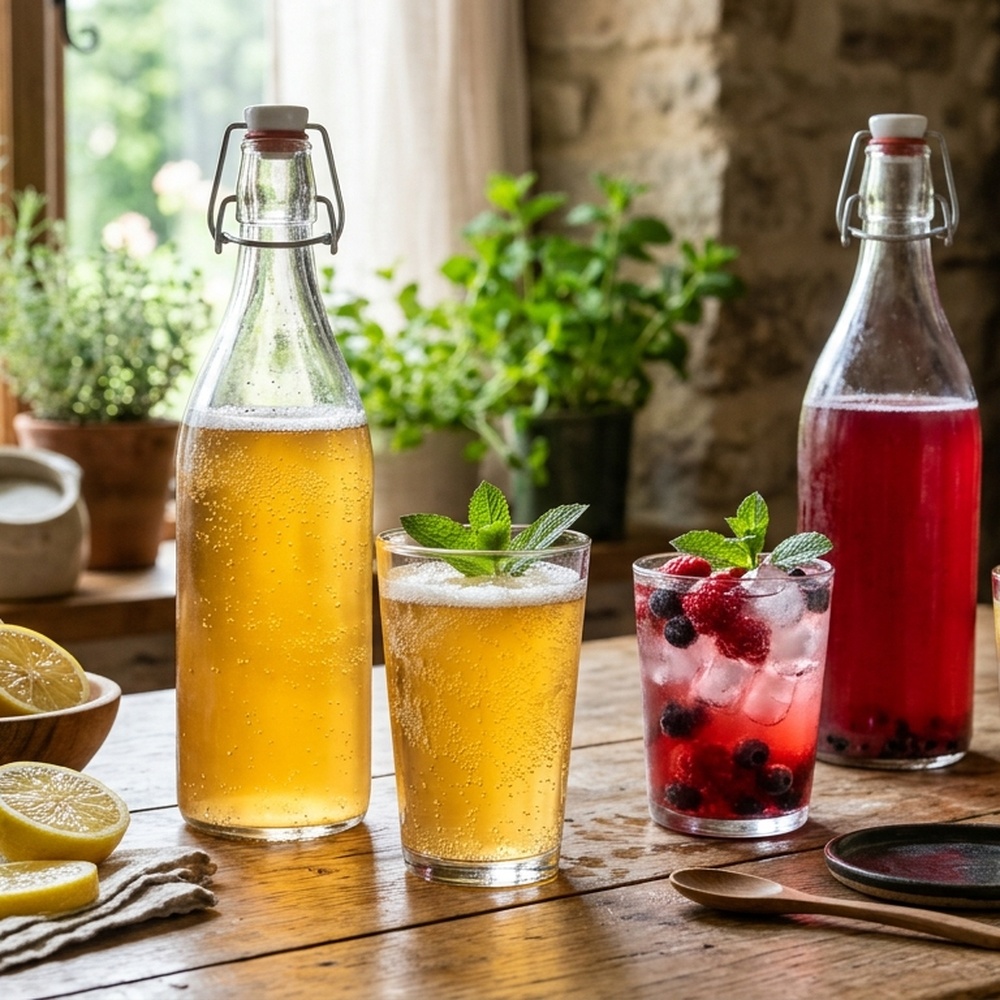
Walking down the grocery aisle brings constant reminders about gut health. Choosing a good drink can feel confusing when facing rows of costly bottles: do they taste like vinegar, and do they really have live bacteria?
What Are Fermented Drinks and Why Drink Them?
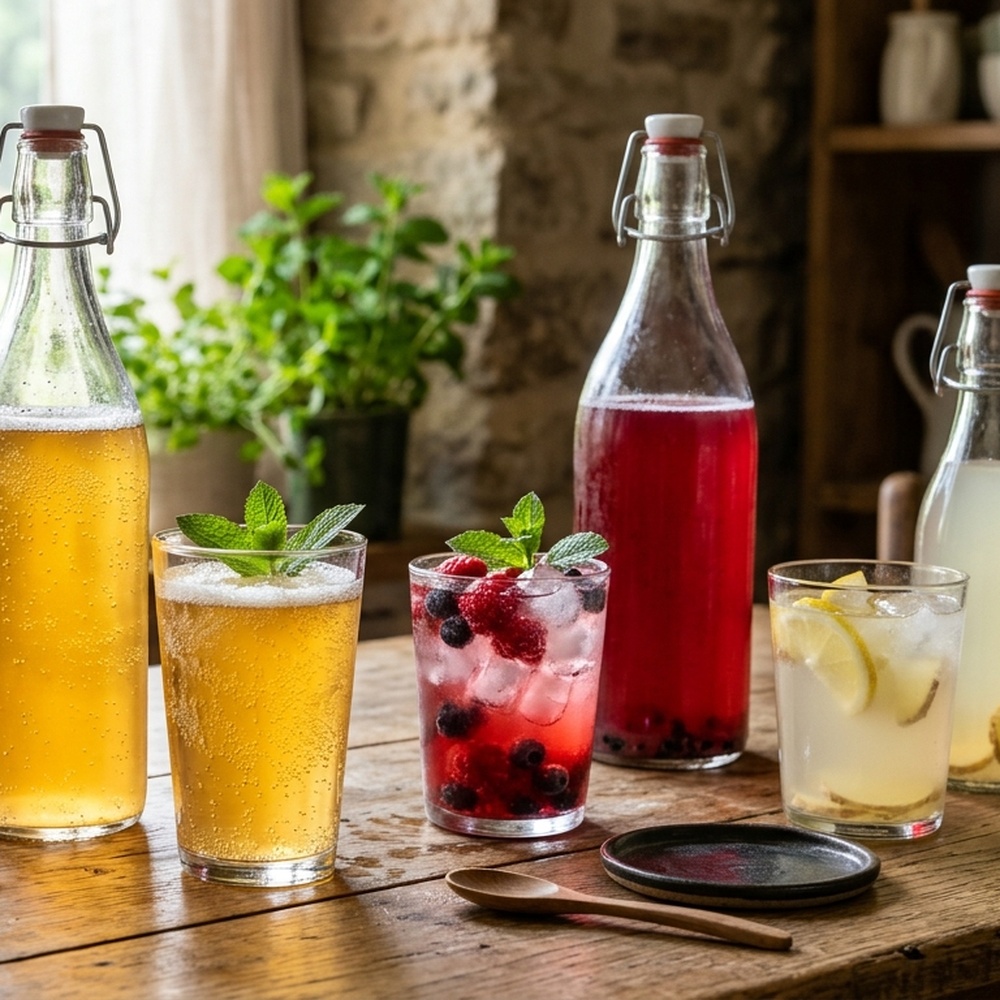
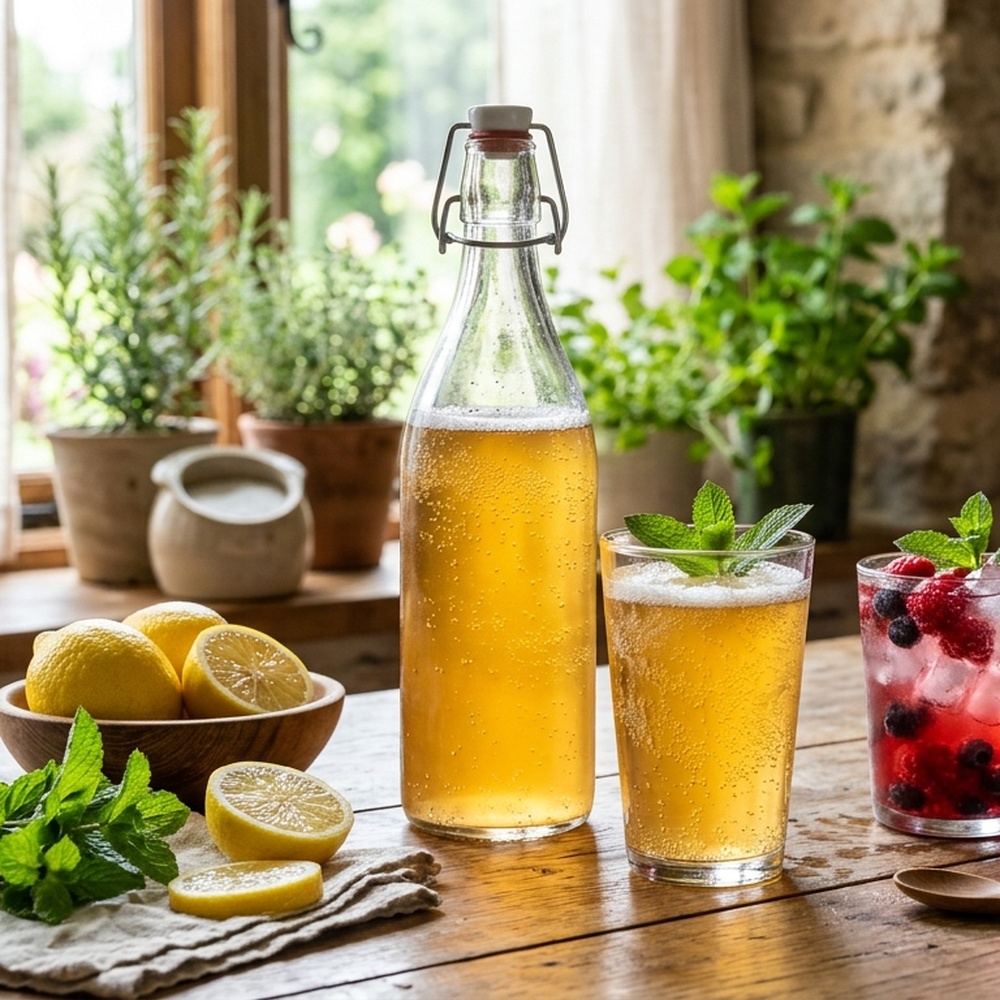
Fermented drinks are naturally fizzy beverages made by beneficial bacteria and wild yeasts. These friendly microbes digest sugars in tea, milk, fruit, or water. This creates live probiotics, active enzymes, and organic acids. From creamy milk kefir to sparkling kombucha and spiced Mexican tepache, authentic fermented drinks introduce diverse strains that help digestion and immunity.
Dietary Caution: If you are new to live fermented drinks, start slowly. Drinking large amounts right away can cause temporary bloating, gas, or mild cramps as your gut microbiome adjusts. Begin with 2 to 4 ounces daily with a meal.
This comprehensive guide explores fermentation biology, compares top drink varieties, provides an easy beginner recipe, and details shopping and safety standards.
What Are Fermented Drinks?
Fermented drinks are living beverages made through ancient microbial fermentation. You mix a base liquid such as sweetened tea, milk, or fruit juice with beneficial microbes. Those microbes feed on natural carbohydrates. As they digest sugars, they release beneficial compounds that transform the liquid:
- Organic Acids (Lactic and Acetic Acid): These acids give fermented drinks their crisp, tart taste. They lower the liquid pH, which naturally stops harmful bacteria from growing.
- Natural Carbonation: Yeasts release carbon dioxide gas as they consume sugar. This creates fine, gentle bubbles without industrial gas injection.
- B Vitamins and Active Enzymes: Fermentation pre-digests nutrients, making vitamins and minerals much easier for your digestive tract to absorb.
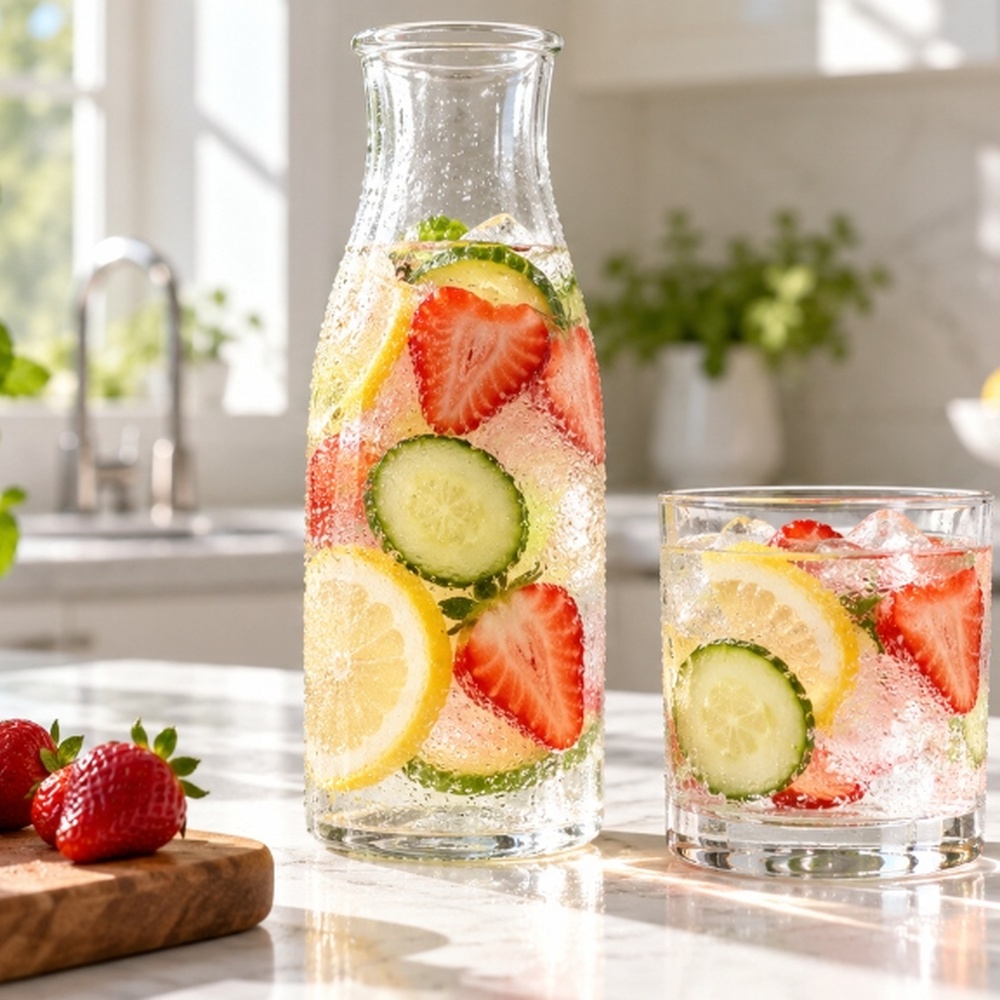
For readers seeking clean daily hydration without fermented acidity, explore our guide to daily hydrating drinks and our review of traditional basil seed drinks.
The 3 Main Types of Fermentation
Different fermented beverages rely on distinct microbial families to transform their starting ingredients:
- 1. Lactic Acid Fermentation: Driven by Lactobacillus and Bifidobacterium bacteria. These microbes convert sugars into smooth, tangy lactic acid. Examples include milk kefir, water kefir, and beet kvass.
- 2. Acetic Acid Fermentation: Driven by Acetobacter bacteria working alongside wild yeasts. They convert trace alcohol into sharp acetic acid. The classic example is kombucha.
- 3. Wild Yeast Fermentation: Driven by natural yeasts living on the skins of fresh fruits and roots. Examples include Mexican pineapple tepache and wild ginger beer.
The 5 Most Popular Fermented Drinks Explained
Not all fermented drinks taste the same or provide the same bacterial strains. Here is how the top five options compare in preparation and character.
1. Kombucha (The Effervescent Fermented Tea)
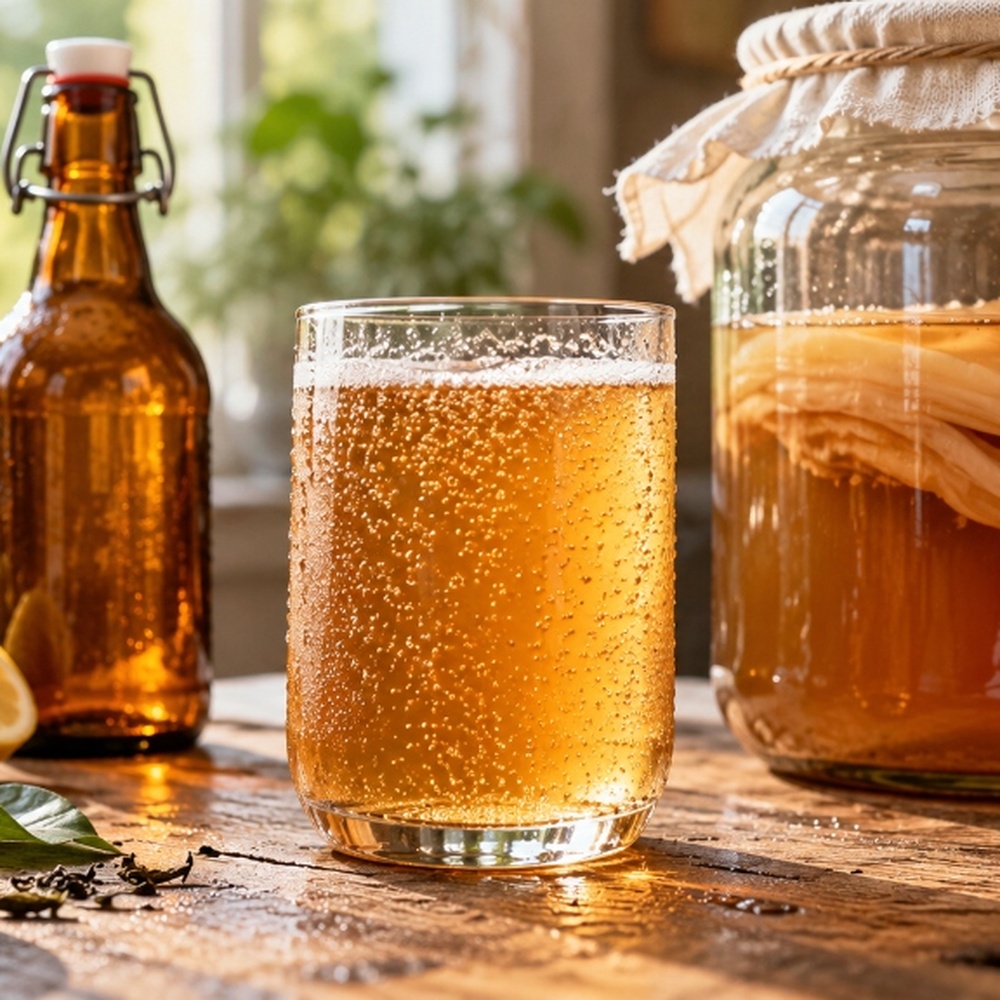
Kombucha is brewed by fermenting sweetened black or green tea with a SCOBY, which stands for Symbiotic Culture of Bacteria and Yeast. Over 7 to 14 days, the culture consumes roughly 90% of the added sugar. It leaves a sparkling, tart, cider-like drink rich in acetic acid, gluconic acid, and B vitamins. To understand its complex acidity, read our detailed guide on what kombucha tastes like.
2. Milk Kefir and Water Kefir (The Probiotic Powerhouses)
Kefir is cultured using gelatinous starter clusters called kefir grains. These grains are living matrices of proteins, lipids, and dozens of bacterial strains:
- Milk Kefir: Made by culturing cow, goat, or sheep milk. It yields a creamy, drinkable yogurt consistency that is tart, lightly effervescent, and 99% lactose-free because the bacteria consume the milk sugars.
- Water Kefir (Tibicos): Made by fermenting sugar water or coconut water with translucent water kefir grains. It creates a light, fruity, sparkling soda alternative packed with lactic acid bacteria. For complete grain care and brewing steps, see what water kefir is.
3. Mexican Tepache (The Spiced Pineapple Refresher)
Tepache is a traditional street beverage from central and western Mexico. It is made by fermenting raw pineapple rinds with unrefined brown cane sugar (piloncillo), cinnamon sticks, and whole cloves. Because fresh pineapples carry wild yeasts on their skins, traditional Mexican tepache ferments in just 2 to 3 days. It tastes sweet, tropical, gently spiced, and lightly fizzy.
4. Traditional Kvass (Beet and Rye Bread Tonics)
Originating in Eastern Europe, kvass comes in two distinct historical styles. Bread kvass is brewed by soaking toasted rye bread in warm water with raisins and yeast, producing a dark, malty, low-alcohol beverage similar to mild beer. Beet kvass is made by lacto-fermenting raw red beets in a simple saltwater brine, creating an earthy, salty, and sour tonic celebrated for supporting digestion.
5. Wild Ginger Beer (The Ginger Bug Soda)
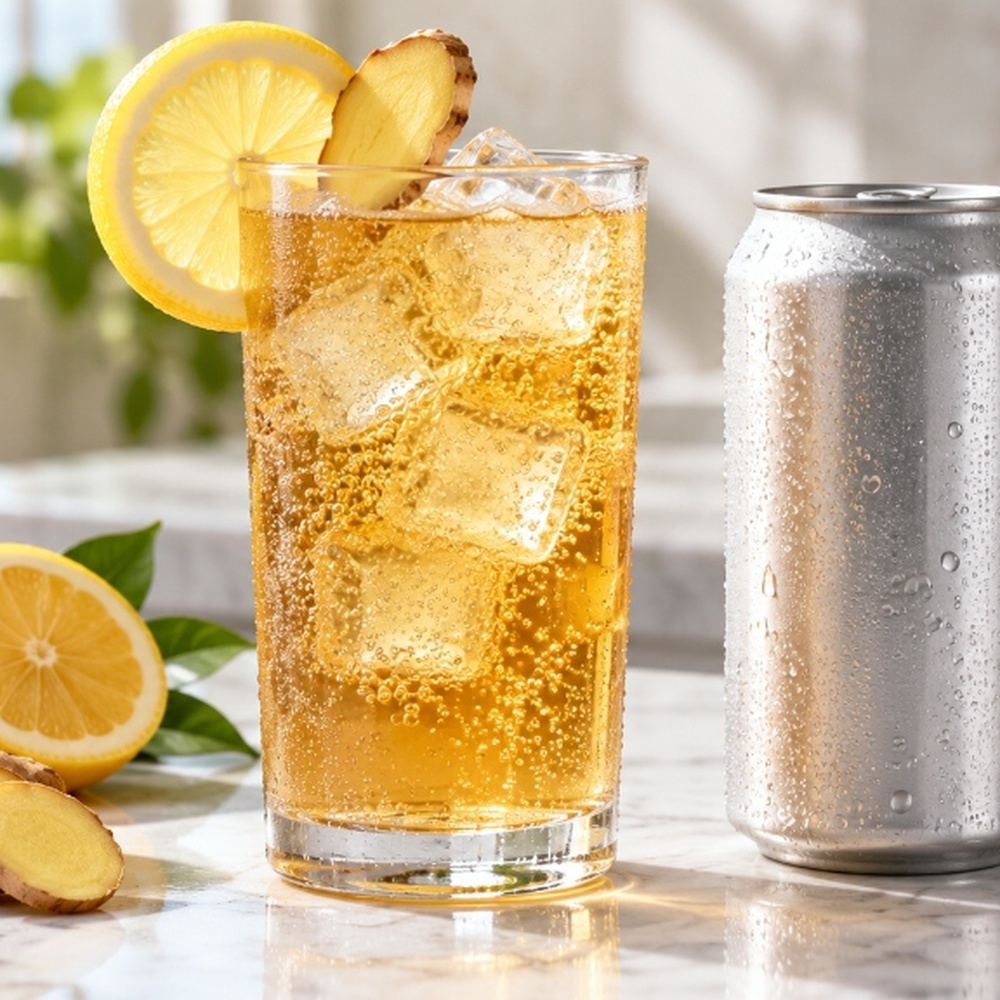
Commercial ginger ales rely on high-fructose corn syrup and artificial flavoring. Traditional fermented ginger beer is cultured using a ginger bug, a wild starter made by feeding fresh grated ginger and sugar over several days. When mixed with herbal tea or fruit juice, it delivers a spicy kick packed with live wild yeasts. Learn more about its fermentation profile in our review on whether is ginger beer alcoholic.
Head-to-Head Comparison: Probiotics, Taste, and Sugar
Choosing the right fermented drink depends on whether you prioritize high probiotic strain diversity, low sugar, or refreshing taste. The following comparison details microbial density and flavor profiles across major categories.
| Fermented Drink | Primary Microorganisms | Flavor Profile | Probiotic Diversity & Density | Average Residual Sugar |
|---|---|---|---|---|
| Milk Kefir | 30 to 50 active strains (Lactobacillus, Leuconostoc) | Creamy, tart, drinkable yogurt | Highest (20 to 50 billion CFUs/cup) | Low (2g to 4g per cup) |
| Water Kefir | 15 to 30 active strains (Lactobacillus, Acetobacter) | Clean, sweet-tart, fizzy soda | Very High (10 to 20 billion CFUs/cup) | Moderate (4g to 8g per cup) |
| Kombucha | 5 to 10 active strains (Acetobacter, Gluconacetobacter) | Sharp, vinegary, crisp cider | Moderate (1 to 5 billion CFUs/cup) | Moderate (6g to 12g per cup) |
| Mexican Tepache | Wild epiphytic yeasts and lactic bacteria | Sweet pineapple, warm cinnamon | Moderate (Wild beneficial yeasts) | Moderate (8g to 12g per cup) |
| Beet Kvass | Wild Lactobacillus plantarum strains | Earthy, salty, pungent, sour | Moderate to High (Lactic cultures) | Lowest (Under 2g per cup) |
Science-Backed Health Benefits of Drinking Live Cultures
Drinking raw fermented beverages regularly offers distinct health benefits that manufactured probiotic pills struggle to match.
1. Restoring Gut Microbiome Diversity
Modern processed diets, antibiotic usage, and chronic stress reduce the natural variety of human gut bacteria. Drinking beverages with living cultures delivers diverse Colony Forming Units (CFUs) directly into your digestive tract. Milk kefir and water kefir contain broad strain profiles that temporarily colonize the gut lining, helping outcompete unwanted microbes like Candida albicans.
2. Postbiotics and Short-Chain Fatty Acids
As beneficial bacteria ferment carbohydrates in your beverage, they produce postbiotics, including short-chain fatty acids (SCFAs) like acetate, propionate, and butyrate. These fatty acids serve as the primary fuel source for the epithelial cells lining your colon, helping maintain tight cell junctions and intestinal barrier strength.
3. The Gut-Brain Axis and Mood Regulation
Scientists now recognize the strong chemical link between the gut and the central nervous system, called the gut-brain axis. Roughly 90% of the body's serotonin is produced in the digestive tract. Clinical studies show that supporting gut microbiome diversity with fermented foods can reduce markers of everyday mental stress and support clear cognitive focus.
Raw Living Drinks vs. Pasteurized Shelf Sodas: How to Shop Smart
The boom in gut health products has led to misleading grocery labels. Use these two rules to select genuine living drinks.
The Refrigeration Rule
Live probiotic bacteria are sensitive living organisms. If a commercial drink sits warm on an ambient center-aisle shelf for months, one of two things occurred:
- The drink was heat-pasteurized: Heat kills 100% of the beneficial living bacteria so the bottle does not explode on warm shelves. Some brands then add synthetic powdered probiotic spores afterwards.
- The drink contains chemical preservatives: Ingredients like sodium benzoate or potassium sorbate halt microbial activity, preventing live probiotic benefits.
Always buy fermented drinks from the refrigerated cooler. Look for the phrase "Raw, Unpasteurized, Live and Active Cultures" on the bottle label.
Spotting Hidden Added Sugars
Because natural fermentation creates sour, acidic liquids, some commercial brands dump fruit juices, syrups, or cane sugar back into the bottle after brewing. Check the nutrition label carefully. Choose bottles that contain under 8 grams of total sugar per serving to protect your blood sugar levels.
Easy Beginner Recipe: 3-Day Homemade Pineapple Tepache
You do not need to buy expensive starter grains or mail-order SCOBYs to brew at home. This traditional Mexican recipe uses wild yeasts naturally living on fresh pineapple skin.
3-Day Homemade Pineapple Tepache
Key Ingredients
- ✓Peel and core of 1 large organic pineapple (reserve fruit for eating)
- ✓1 cup unrefined brown cane sugar (piloncillo or dark brown sugar)
- ✓8 cups filtered chlorine-free water
- ✓1 whole cinnamon stick
- ✓3 whole cloves
Preparation Steps
Use organic pineapples because conventional fruit is often heavily washed and treated, which strips the natural epiphytic wild yeasts needed to initiate spontaneous fermentation.
Safety Guidelines: Starting Slow to Prevent Bloating
Raw fermented drinks are potent biological foods. If your digestive tract is unaccustomed to live cultures, follow these sensible guidelines.
Start with 2 to 4 Ounces
Introducing billions of active probiotic bacteria to an unprepared digestive tract can cause a temporary adjustment reaction. As beneficial bacteria outcompete older gut microbes, you may experience mild gas or stomach rumbling. Start with 2 to 4 ounces daily with a meal and gradually increase over two weeks.
Histamine Sensitivity
Fermentation naturally creates dietary histamines. Individuals diagnosed with Histamine Intolerance or Mast Cell Activation Syndrome (MCAS) may experience headaches, skin flushing, or nasal congestion after drinking kombucha or aged kefir. If you are sensitive to histamines, fresh water kefir or non-fermented options are safer choices.
Trace Alcohol Awareness
Because yeasts produce small amounts of alcohol during fermentation, raw unpasteurized drinks contain between 0.2% and 0.5% alcohol by volume (ABV). While this trace amount is non-intoxicating and complies with food regulations, individuals in strict alcohol recovery should select pasteurized or non-fermented drinks.
Frequently Asked Questions About Fermented Drinks
Q. Which fermented drink has the highest probiotic count?
Q. Do store-bought fermented drinks have live bacteria?
Q. Can fermented drinks cause stomach bloating?
Q. Do fermented drinks contain alcohol?
Q. What is the difference between kombucha and water kefir?
Q. Can you drink fermented drinks every day?
Q. Is mold normal during home fermentation?
Q. Does boiling kombucha or fermented tea destroy its benefits?
Q. Can pregnant women drink raw fermented beverages?
Q. What is the healthiest time of day to drink fermented beverages?
For specialty cafes, health food groceries, and hospitality venues seeking curated bottled probiotic drinks and authentic botanical ingredients, connect with our dedicated team as a wholesale exotic drinks supplier to access premium cold-chain beverages.
Editorial Fact-Checking and Evidence Standards
- Microbiome Clinical Literature: Peer-reviewed studies on gut microbiota diversity and short-chain fatty acid synthesis from PubMed and Nature Microbiology.
- Probiotic Taxonomy Standards: Microbial taxonomy criteria and live culture classifications established by the International Scientific Association for Probiotics and Prebiotics (ISAPP).
- Beverage Safety & Ethanol Regulations: Processing standards and alcohol threshold limits defined by the Alcohol and Tobacco Tax and Trade Bureau (TTB) and the US Food and Drug Administration (FDA).
Sources and References
- ISAPP Consensus Statement on Fermented Foods - International Scientific Association for Probiotics and Prebiotics
- Health Benefits of Fermented Foods and Microbiota Interaction - PubMed / National Institutes of Health
- Gut Microbiota and Short-Chain Fatty Acid Production - Nature Microbiology
- Microbial Diversity and Ecology in Traditional Fermented Drinks - Frontiers in Microbiology
- Acidified Foods and Commercial Beverage Regulations - US Food and Drug Administration



Comments and reviews (0)