


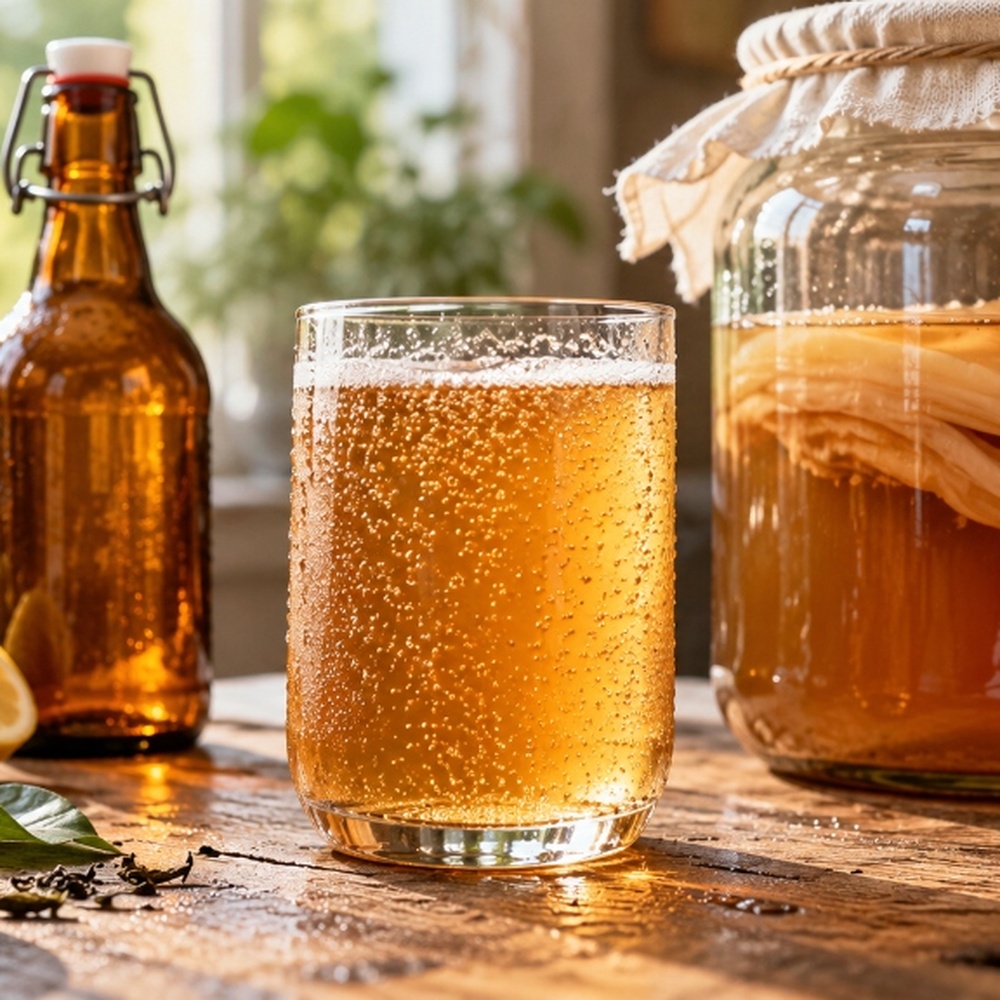
Many people drink kombucha for its refreshing tart flavor and living probiotics. Discovering that this fermented tea contains alcohol raises immediate questions for parents, pregnant women, drivers, and people in alcohol recovery.
How Much Alcohol Does Kombucha Contain?
Commercial kombucha sold in American grocery stores contains less than 0.5% alcohol by volume (ABV), typically testing between 0.1% and 0.4% ABV. Federal law classifies beverages below 0.5% ABV as non-alcoholic. In contrast, unpasteurized homebrew kombucha routinely reaches 1.0% to 3.0% ABV, and intentionally brewed hard kombucha contains 4.0% to 7.2% ABV.
Clinical Safety Notice: Trace alcohol in kombucha interacts dangerously with Disulfiram (Antabuse) by blocking acetaldehyde dehydrogenase, triggering severe nausea, facial flushing, and vomiting. It also reacts with Metronidazole (Flagyl) to trigger acute stomach cramps. Pregnant individuals should avoid unpasteurized ferments.
This guide explains how fermentation creates trace alcohol, compares top commercial brands, breaks down homebrew risks, and outlines critical safety guidelines for sobriety, medications, and pregnancy.
Kombucha Alcohol Content Across Categories
The alcohol content of kombucha varies widely depending on whether it is brewed under commercial vacuum distillation or fermented at home without laboratory controls.
| Category | Typical ABV Range | Legal Classification & Context |
|---|---|---|
| Commercial Grocery Kombucha | 0.1% to 0.49% ABV | Federally classified as non-alcoholic (under the 0.5% ABV statutory limit). |
| Overripe or Warm Store Bottles | 0.5% to 1.5% ABV | Unregulated alcohol creep occurring from improper warm ambient storage. |
| Homebrew Kombucha | 1.0% to 3.0% ABV | Unregulated alcoholic home ferment equivalent to light craft beer. |
| Commercial Hard Kombucha | 4.0% to 7.2% ABV | Formulated alcoholic beverage regulated by TTB for adults aged 21 and older. |
| Ripe Banana (Benchmark) | 0.2% to 0.4% ABV | Standard whole food benchmark for naturally occurring botanical fermentation. |
Why Kombucha Contains Alcohol: The Biological Fermentation Cycle
All authentic kombucha contains trace alcohol because of how microbes digest sweet tea. Kombucha starts as brewed black or green tea sweetened with cane sugar. A brewer adds a SCOBY, which stands for Symbiotic Culture of Bacteria and Yeast. Fermentation functions as a two-stage biological relay race between yeast cells and acetic acid bacteria.
| Fermentation Stage | Primary Microorganism | Biological Mechanism & Metabolic Output |
|---|---|---|
| Stage 1: Yeast Digestion | Saccharomyces cerevisiae & wild yeasts | Yeasts consume sucrose, splitting it into glucose and fructose. The yeast cells metabolize simple sugars into ethanol and carbon dioxide gas. |
| Stage 2: Bacterial Conversion | Acetobacter & Komagataeibacter | Acetic acid bacteria breathe dissolved oxygen and consume the ethanol produced by yeast, converting ethanol into beneficial organic acids like acetic and gluconic acid. |
Bacteria need continuous oxygen and time to process ethanol. In an open brewing jar covered with a breathable cloth, bacteria consume ethanol almost as quickly as yeast produces it. However, a tiny fraction of residual alcohol always remains in the liquid when fermentation concludes. For a broader comparison of microbial drinks, see our guide to fermented drinks.
Commercial Kombucha vs. Homebrew vs. Hard Kombucha
The alcohol content of kombucha changes drastically depending on brewing equipment, temperature control, and packaging methods.
Commercial Kombucha (Under 0.5% ABV)
Commercial beverage makers must obey strict federal standards. To sell kombucha on regular grocery shelves without an alcohol tax stamp, the beverage must stay below 0.5% ABV from the bottling line until a shopper drinks it. Modern commercial breweries use three primary controls:
- Microfiltration: Brewers filter out excess yeast cells before bottling. Fewer yeast cells mean almost no residual fermentation inside the bottle.
- Dealcoholization Technology: Brands run fermented tea through spinning cone vacuum distillation columns. This equipment evaporates ethanol at cool room temperatures (around 85°F to 95°F) without boiling or killing sensitive live bacteria.
- Strict Cold Chain Transit: Keeping bottles refrigerated below 38°F (3°C) forces yeast cells into biological dormancy, stopping alcohol production in transit and on store shelves.
Homebrewed Kombucha (1.0% to 3.0% ABV)
Home kitchens lack sterile cleanrooms, gas chromatography testing tools, and vacuum evaporators. In a typical warm kitchen (75°F to 82°F), wild yeasts thrive and produce ethanol rapidly. The biggest spike in homebrew alcohol happens during secondary fermentation. Homebrewers seal flavored kombucha in airtight glass flip-top bottles for 2 to 4 days to build fizzy carbonation. Sealing the bottle cuts off all oxygen.
Without oxygen, beneficial acetic acid bacteria go dormant and cannot convert alcohol into acid. Meanwhile, yeast cells continue fermenting sugar in the airtight bottle, pumping out ethanol and carbon dioxide. As a result, homebrew kombucha routinely reaches 1.0% to 3.0% ABV, which equals the strength of a light craft beer.
Hard Kombucha (4.0% to 7.2% ABV)
Hard kombucha is an intentional alcoholic beverage formulated for adult consumers. Brewers complete a standard primary fermentation, then transfer the tea into sealed industrial fermentation tanks. Brewers add extra sugar and pitch specialized brewer's yeast strains, such as champagne yeast or Belgian ale yeast. Brands like JuneShine, Flying Embers, and Boochcraft produce hard kombuchas testing between 4.5% and 7.2% ABV. These beverages sell in liquor stores and beer aisles to adults aged 21 and older.
The 2010 Kombucha Recall and Federal TTB Regulations
In the United States, kombucha alcohol limits fall under the jurisdiction of the Alcohol and Tobacco Tax and Trade Bureau (TTB) within the US Department of the Treasury. Under Internal Revenue Code Title 27, any beverage containing 0.5% or more ABV at the time of bottling, or at any point thereafter, is legally classified as beer.
In June 2010, state inspectors in Maine found leaking, bulging kombucha bottles on supermarket shelves where ambient temperatures allowed live yeast to continue fermenting, driving alcohol up to 2.5% ABV. National retailers instituted immediate recalls. To return to retail distribution, commercial brands invested heavily in spinning cone dealcoholizers and certified cold chain logistics. Explore our taste guide to understand what kombucha tastes like.
Top Kombucha Brands and Their Verified ABV Levels
Every major commercial brand sold in American supermarket beverage aisles operates under the federal 0.5% ABV threshold. Here is how leading brands manage their alcohol levels.
| Brand Name | ABV Range | Legal Status | Production & Alcohol Control Method |
|---|---|---|---|
| GT's Living Foods (Classic) | Under 0.5% ABV | Non-Alcoholic (Age 21+ notice in select states) | Small-batch unpasteurized fermentation. Retains living wild cultures and requires continuous refrigeration below 38°F. |
| Health-Ade Kombucha | Under 0.5% ABV (approx 0.2%) | Non-Alcoholic Grocery Shelf | Brewed in small 2.5-gallon glass jars. Strict cold chain management keeps yeast dormant after bottling. |
| Brew Dr. Kombucha | Under 0.1% ABV (Verified 0.0%) | Verified Non-Alcoholic | Uses non-thermal vacuum distillation to gently remove all ethanol while keeping live probiotics viable. |
| Humm Kombucha | Under 0.5% ABV | Non-Alcoholic Grocery Shelf | Uses a specialized symbiotic culture that prevents alcohol from rising above 0.5% ABV even at room temperature. |
| JuneShine (Hard Kombucha) | 6.0% ABV | Alcoholic Beverage (21+ Only) | Secondary anaerobic fermentation with organic honey, green tea, and brewer's yeast for adult craft markets. |
| Flying Embers (Hard Kombucha) | 4.5% to 7.2% ABV | Alcoholic Beverage (21+ Only) | USDA organic hard kombucha brewed with adaptogens and champagne yeast. Fermented to zero residual sugar. |
For zero-sugar and keto-friendly formulations, read our low-sugar kombucha guide.
Can Kombucha Get You Drunk or Cause a Buzz?
Under normal circumstances, drinking commercial grocery store kombucha cannot make you drunk or cause physical intoxication.
The Volume and Acidity Barrier
A standard 12-ounce bottle of commercial kombucha containing 0.3% ABV contains approximately 0.036 ounces of pure ethanol. A typical 12-ounce light beer at 4.2% ABV contains roughly 0.5 ounces of pure ethanol. To consume the alcohol equivalent of a single light beer, you would need to drink 10 to 14 bottles of commercial kombucha in under an hour.
Your stomach prevents this outcome. Authentic kombucha has a sharp, acidic pH between 2.5 and 3.5, which matches the acidity of lemon juice or apple cider vinegar. Drinking 10 bottles of kombucha would deliver massive amounts of organic acids, causing severe stomach cramps, nausea, and vomiting long before your blood alcohol content could rise.
Can Kombucha Trigger a False Positive Breathalyzer Test?
Drinking kombucha can cause a brief false positive on a breathalyzer if tested immediately after a swallow. When you drink raw fermented tea, microscopic alcohol vapors linger in your mouth, gums, and throat. A breathalyzer measures alcohol concentration in your breath. If you blow into the device within 2 minutes of swallowing kombucha, the machine reads the residual mouth alcohol and can register an elevated number.
This reading does not reflect your blood alcohol concentration (BAC). Mouth alcohol dissipates rapidly. Rinsing your mouth thoroughly with clean water or waiting 15 minutes allows all residual vapors to clear. A subsequent breathalyzer test will register 0.00% BAC.
Why Do Some People Feel an Energy Lift?
Many drinkers report feeling an immediate wave of energy or a light buzz after drinking a cold bottle of kombucha. This sensation is not alcohol intoxication. The energetic lift comes from natural tea caffeine (10 to 25mg), metabolic B vitamins (B1, B6, B12), stimulating organic acids, and quick-absorbing simple sugars.
Health, Sobriety, and Pregnancy Considerations
Because kombucha contains trace alcohol and living microorganisms, specific individuals should evaluate their daily consumption carefully.
Pregnancy and Nursing
The American College of Obstetricians and Gynecologists (ACOG) and the Centers for Disease Control and Prevention (CDC) advise against consuming any alcohol during pregnancy. Medical guidelines state that no amount of alcohol consumption during pregnancy is proven safe. In addition to trace alcohol, most commercial kombucha is raw and unpasteurized to keep probiotics alive. Pregnant or nursing mothers should choose pasteurized, dealcoholized beverages or consult their obstetrician before drinking fermented tea.
Alcohol Recovery and Sobriety
For individuals maintaining sobriety from alcohol, deciding whether to drink kombucha involves both medical facts and psychological factors. Drinking a commercial bottle testing under 0.5% ABV will not cause physical intoxication, impairment, or physiological relapse. However, kombucha looks, smells, and feels like alcohol. The fermented yeasty aroma, tart vinegary bite, carbonated mouthfeel, and amber glass bottle can trigger intense psychological cravings. Many addiction specialists suggest sticking to 0.0% sparkling waters to protect recovery boundaries.
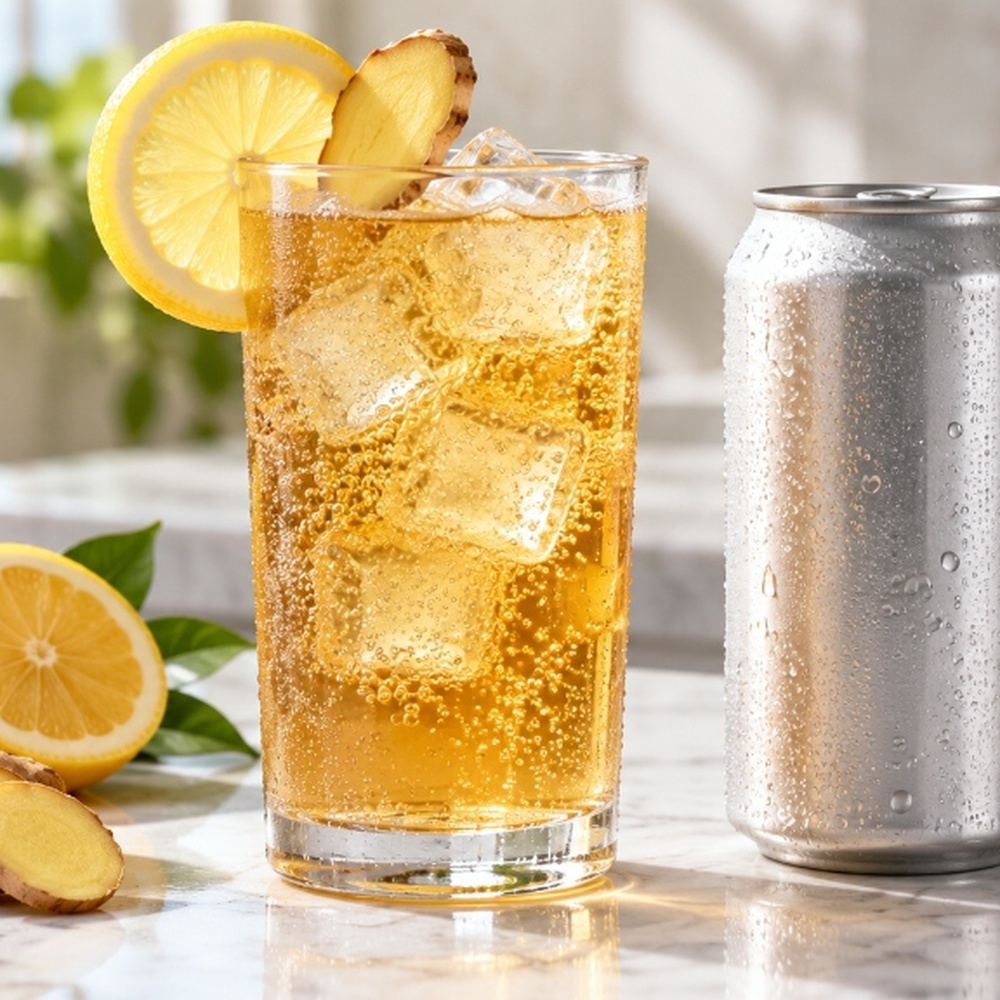
For other traditional fermented beverages with distinct alcohol considerations, explore our review on whether is ginger beer alcoholic and learn what water kefir is.
How to Control and Lower Alcohol in Homebrew Kombucha
Homebrewers can implement practical kitchen techniques to suppress wild yeast ethanol synthesis and encourage acetic acid conversion.
| Brewing Rule | Practical Kitchen Action | Scientific Mechanism |
|---|---|---|
| 1. Maximize Oxygen Exposure | Brew in wide-mouth glass jars covered with tightly woven cotton cloth. | Acetic acid bacteria require free oxygen to metabolize ethanol into acetic acid. Wide surface areas increase oxygen transfer. |
| 2. Maintain Moderate Temperatures | Keep your primary brewing vessel between 68°F and 74°F (20°C to 23°C). | High ambient temperatures above 80°F speed up yeast metabolism, causing rapid ethanol spikes before bacteria can consume it. |
| 3. Limit Secondary Fermentation | Keep sealed anaerobic carbonation under 48 hours, then chill immediately. | Sealing bottles traps yeast in an oxygen-free jar where they make alcohol continuously. Moving bottles to the fridge stops fermentation. |
| 4. Decant From the Top | Draw finished kombucha from the upper two-thirds of your fermentation jar. | Dense yeast cells settle to the bottom of the jar as brown sediment. Decanting from the top leaves the ethanol-producing yeast behind. |
Frequently Asked Questions About Alcohol in Kombucha
Q. How much alcohol is in kombucha?
Q. Can you get drunk from commercial kombucha?
Q. Can kombucha trigger a positive breathalyzer test?
Q. Is kombucha safe during pregnancy?
Q. What is the difference between regular kombucha and hard kombucha?
Q. Can minors buy kombucha in US supermarkets?
Q. Does kombucha continue to ferment in the fridge?
Q. Why do some people feel a buzz from kombucha?
For retailers, health bars, and hospitality venues looking to source fully compliant, verified non-alcoholic functional beverages and organic drinks, partner with our team as a wholesale exotic drinks supplier to access premium cold-chain product lines.
Editorial Fact-Checking and Evidence Standards
- Federal Alcohol Regulatory Codes: Statutory non-alcoholic classification standards and tax regulations under 27 CFR § 7.11 and 26 U.S.C. 5052 defined by the Alcohol and Tobacco Tax and Trade Bureau (TTB).
- Maternal & Clinical Safety Guidelines: Official clinical guidance on alcohol avoidance during pregnancy and lactation from the American College of Obstetricians and Gynecologists (ACOG) and the CDC.
- Fermentation Microbiology & Kinetics: Peer-reviewed research on ethanol synthesis and organic acid metabolism during Symbiotic Culture of Bacteria and Yeast (SCOBY) fermentation from the Journal of Food Protection.
Sources and References
- TTB Kombucha Beverage Alcohol Regulations & Compliance - US Alcohol and Tobacco Tax and Trade Bureau
- ACOG Clinical Guidelines: Alcohol Exposure During Pregnancy - American College of Obstetricians and Gynecologists
- CDC Maternal Health and Alcohol Consumption Facts - Centers for Disease Control and Prevention
- Journal of Food Protection: Ethanol and Acid Dynamics in Kombucha - PubMed / International Association for Food Protection
- FDA Food Safety and Compliance Rules for Acidified Beverages - US Food and Drug Administration


Comments and reviews (0)