


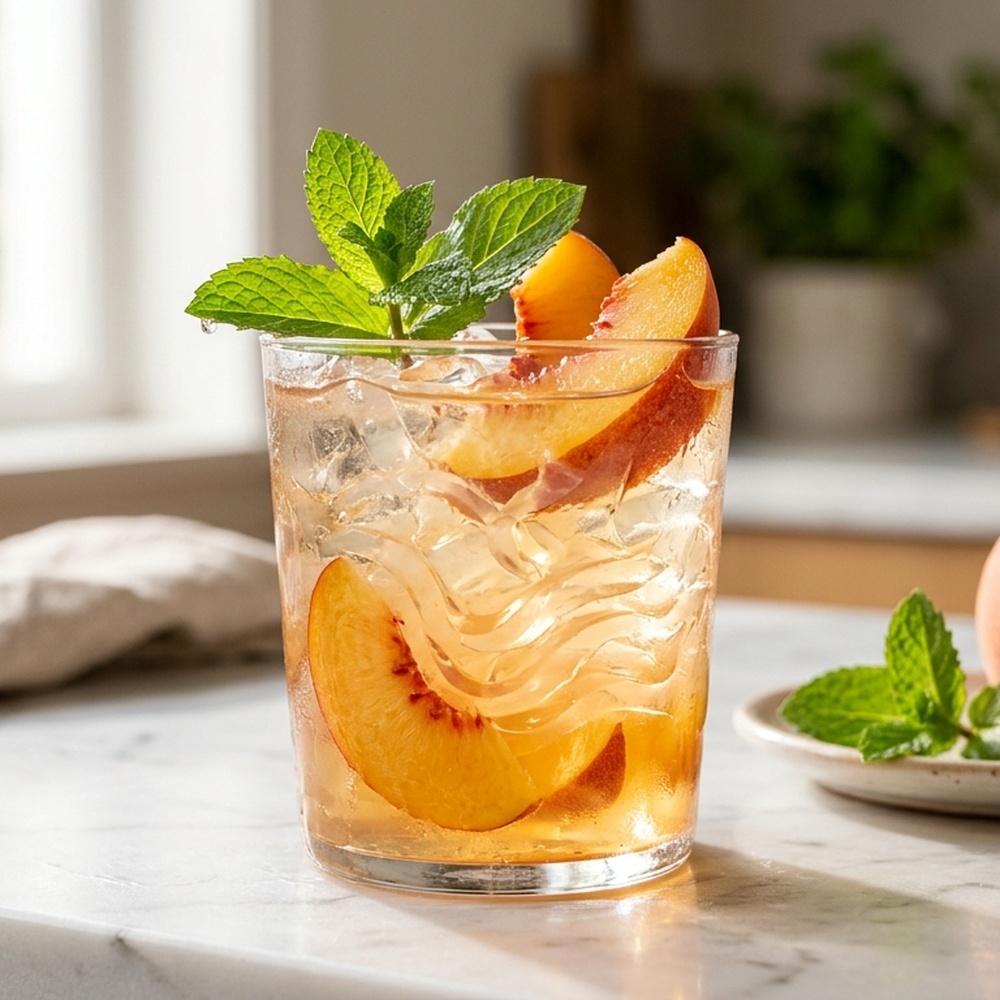
Pastel-colored squeezable pouches of fruit-flavored drinkable jelly have gained widespread attention across social media and Asian convenience markets as an effortless diet hack. That popularity leads many curious snackers to wonder how a sweet, gelatinous fruit treat can claim under 10 calories per pouch, and whether consuming concentrated plant fiber is completely safe.
What Is Drinkable Konjac Jelly?
Drinkable konjac jelly is a squeezable fruit-flavored pouch beverage made from water, fruit extract, zero-calorie plant sweeteners, and glucomannan dietary fiber extracted from the root of the konjac plant (Amorphophallus konjac). Each 150ml pouch contains only 5 to 15 calories and zero sugar. The crushed hydrogel expands gently in the stomach to curb between-meal appetite, delivering sweet fruit flavor and a satisfying chew with virtually zero usable carbohydrates.
Critical Pediatric Safety & Consumption Notice: Supervise young children and never feed drinkable konjac jelly to infants or toddlers under three years of age. While modern squeezable pouches with wide plastic spouts eliminate the choking risks historically associated with banned rigid mini-cup konjac candies, concentrated glucomannan fiber still requires adequate liquid consumption. Always crush the pouch between your hands before sipping to break the gel into manageable ribbons.
This guide details the food science of glucomannan fiber, examines the digestive satiety mechanism, compares drinkable jelly directly to tapioca boba, reviews FDA packaging safety regulations, and provides a homemade recipe.
What Is Konjac Jelly Made Of? The Science of Glucomannan
Drinkable konjac jelly is crafted using the underground corm (tuber) of Amorphophallus konjac, a perennial subtropical plant native to East and Southeast Asia, known colloquially as the elephant yam, voodoo lily, or konnyaku potato. In traditional Japanese and Korean cuisine, dried and milled konjac root has been used for centuries to produce firm, savory blocks of gelatinous konnyaku and zero-calorie shirataki noodles.
The functional magic of the plant resides in glucomannan, a high-molecular-weight water-soluble polysaccharide. Glucomannan consists of repeating D-mannose and D-glucose units linked by beta-1,4-glycosidic bonds. Because of its unusual molecular architecture, konjac glucomannan possesses the highest water-holding capacity of any natural dietary fiber known to food science, capable of absorbing up to 50 times its dry weight in water to create an elastic, heat-stable hydrogel network.
To formulate modern drinkable pouches, beverage formulators combine pureed konjac powder with filtered water, fruit juices (such as white peach, lychee, green grape, or mango), and natural gelling agents like calcium lactate or carrageenan to achieve a tender, crushable consistency that flows smoothly through an oral spout.
Why Konjac Jelly Has Only 5 to 15 Calories
Standard fruit gelatin cups sold in conventional supermarkets pack 80 to 130 calories per small cup, driven almost entirely by high-fructose corn syrup or refined cane sugar. Drinkable konjac jelly achieves its ultralow caloric profile through two distinct biochemical mechanisms:
- Indigestible Beta-Glycosidic Bonds: Human digestive enzymes (specifically salivary and pancreatic amylases) are structurally designed to break alpha-glycosidic bonds found in common starches. The human gastrointestinal tract lacks beta-glucosidase enzymes capable of breaking the beta-1,4-bonds in konjac glucomannan. Consequently, the fiber passes intact through the stomach and small intestine without releasing digestible glucose calories into the bloodstream.
- Non-Nutritive Plant Sweeteners: Commercial Korean and Japanese manufacturers sweeten the jelly base using non-nutritive plant sweeteners, primarily erythritol, allulose, monk fruit, or sucralose. Erythritol is absorbed rapidly in the small intestine but excreted virtually unchanged in urine, delivering zero glycemic impact and zero net carbohydrate calories.
The Fullness Effect: Sensory Chewing & Gastric Satiety
Drinking sweet liquids rarely satisfies genuine appetite because the human brain registers liquid calories with minimal satiety signals, a phenomenon neurobiologists term sensory-specific satiety. Squeezable konjac pouches activate fullness through dual psychological and digestive pathways:
- Sensory Jaw Mastication: Konjac pouches require physical hand squeezing and oral chewing. As teeth crush the soft gel beads, trigeminal sensory nerves in the jaw send fullness signals to the hypothalamus, stimulating the natural release of satiety hormones like peptide YY (PYY) and glucagon-like peptide-1 (GLP-1).
- Delayed Gastric Emptying: In the stomach, soluble glucomannan maintains its hydrated gel structure. Clinical trials demonstrate that viscous soluble fibers slow gastric motility, keeping the stomach gently distended and stabilizing blood glucose curves to prevent midday energy crashes.
Drinkable Konjac Jelly vs. Traditional Tapioca Boba Pearls
Consumers looking for a chewy, satisfying beverage topping frequently compare drinkable konjac jelly directly to traditional tapioca boba pearls. While both provide a pleasant chew, their metabolic footprints represent opposite ends of the nutritional spectrum:
| Nutritional Benchmark | Drinkable Konjac Jelly (150ml) | Tapioca Boba Pearls (1/2 Cup) | Metabolic Impact |
|---|---|---|---|
| Primary Carbohydrate | Water-soluble glucomannan fiber | Refined cassava root starch | Konjac provides non-digestible fiber; boba provides fast starch |
| Caloric Impact | 5 to 15 kcal per serving | 200 to 250 kcal per serving | Konjac delivers over 90% fewer calories than tapioca boba |
| Total Sugar Content | 0 g (Erythritol / Allulose) | 25 to 35 g (Brown sugar syrup) | Konjac avoids postprandial insulin surges entirely |
| Dietary Fiber Yield | 1.5 to 3.0 g soluble fiber | Under 0.5 g dietary fiber | Konjac actively supports intestinal microbiome fermentation |
| Glycemic Index (GI) | GI 0 (Zero glycemic response) | GI 70 to 85 (High glycemic index) | Konjac is fully compatible with keto, diabetic, and low-carb diets |
For comparison with other fermented coconut and boba toppings, read our complete guide on nata de coco coconut jelly benefits and calories.
Form Factor Safety: Squeezable Spout Pouches vs. Banned Mini-Cups
In the early 2000s, rigid bite-sized konjac candy cups were banned in the United States by the FDA, as well as in the European Union, Australia, and Canada, following tragic fatal choking incidents involving children. Consumers must understand how modern squeezable pouches differ completely from those historical products:
| Design Element | Modern Squeezable Drinkable Pouch | Historical Banned Mini-Cup Candy | Safety Mechanism |
|---|---|---|---|
| Packaging Format | Flexible stand-up foil pouch with wide plastic spout | Small rigid plastic single-mouthful cup | Pouch design forces progressive hand crushing |
| Gel Consistency | Soft, semi-liquid, crushable hydrogel ribbons | Dense, firm, elastic gelatinous dome | Soft gel breaks apart instantly under tongue pressure |
| Delivery Mechanism | Controlled progressive sipping through narrow neck | Sucked directly into pharynx via negative oral vacuum | Eliminates projectile swallowing directly into trachea |
| Regulatory Status | Fully FDA compliant and legally sold nationwide | Strictly banned from commercial import by FDA and EU | Modern packaging engineered specifically for safety |
Always massage the flexible pouch with your fingers for a few seconds before opening to crush the internal gel ribbons, ensuring a smooth, effortless sip.
Homemade Low-Calorie Fruit Drinkable Konjac Jelly Recipe
Preparing fresh drinkable konjac jelly at home gives you complete control over sweetness, allowing you to use cold-pressed berry juice, hibiscus tea, or citrus water without artificial additives.
Homemade Low-Calorie Fruit Drinkable Konjac Jelly
Key Ingredients
- ✓1 tsp (3 g) Pure food-grade konjac glucomannan powder (free of fillers)
- ✓2 cups (475 ml) Filtered water or chilled hibiscus fruit tisane
- ✓3 tbsp (45 ml) Fresh lemon juice or pure tart white peach juice
- ✓2 tbsp (25 g) Granular erythritol, allulose, or monk fruit sweetener (to taste)
- ✓1 pinch (0.5 g) Citric acid for crisp fruit tartness (optional)
Preparation Steps
Never dump pure konjac powder directly into hot water. Always dry-blend it with sweetener and whisk into cold liquid before heating to ensure a perfectly smooth, clump-free gel matrix.
Frequently Asked Questions About Drinkable Konjac Jelly
Q. What is drinkable konjac jelly?
Q. Why does drinkable konjac jelly have so few calories?
Q. Is drinkable konjac jelly safe to consume every day?
Q. Why were mini-cup konjac candies banned by the FDA?
Q. Can drinkable konjac jelly help with weight loss?
Q. Does drinkable konjac jelly need to be refrigerated?
Q. Is konjac jelly suitable for a ketogenic or diabetic diet?
Q. Can young children eat drinkable konjac jelly?
Commercial Beverage Formulation & Bulk Konjac Supply
For functional beverage brands, private-label diet food developers, and specialty retailers seeking high-purity konjac glucomannan powders, aseptic fruit bases, or turn-key spouted pouch packaging, verified food safety and consistent viscosity parameters are paramount. Connect directly with our enterprise team as an experienced wholesale exotic drinks supplier to explore certified organic hydrocolloid gums, aseptic fruit purees, and specialized contract manufacturing solutions.
Editorial Fact-Checking and Evidence Standards
- Hydrocolloid Polymer Rheology: Glucomannan polysaccharide structure, viscosity kinetics, and hydration swelling dynamics validated with peer-reviewed food polymer chemistry literature.
- Dietary Satiety & Metabolic Trials: Sensory mastication signaling and gastric emptying deceleration corroborated with European Food Safety Authority (EFSA) scientific opinions and clinical nutrition journals.
- Regulatory Food Safety & Packaging Guidance: Historical choking advisories, modern spouted pouch compliance, and import regulations sourced directly from the U.S. Food and Drug Administration (FDA) and international food safety agencies.
Sources and References
- U.S. FDA: Import Alert and Safety Guidance on Konjac-Containing Confectionery Products - U.S. Food and Drug Administration
- European Food Safety Authority (EFSA): Scientific Opinion on Konjac Glucomannan and Weight Reduction - EFSA Scientific Journal
- PubMed / Clinical Trial: Glucomannan and Satiety Mechanisms in Weight Management - National Library of Medicine
- Carbohydrate Polymers: Physicochemical and Rheological Properties of Konjac Glucomannan - Elsevier BioSciences
- USDA FoodData Central: Botanical Dietary Fibers and Hydrocolloid Composition - U.S. Department of Agriculture


Comments and reviews (0)