


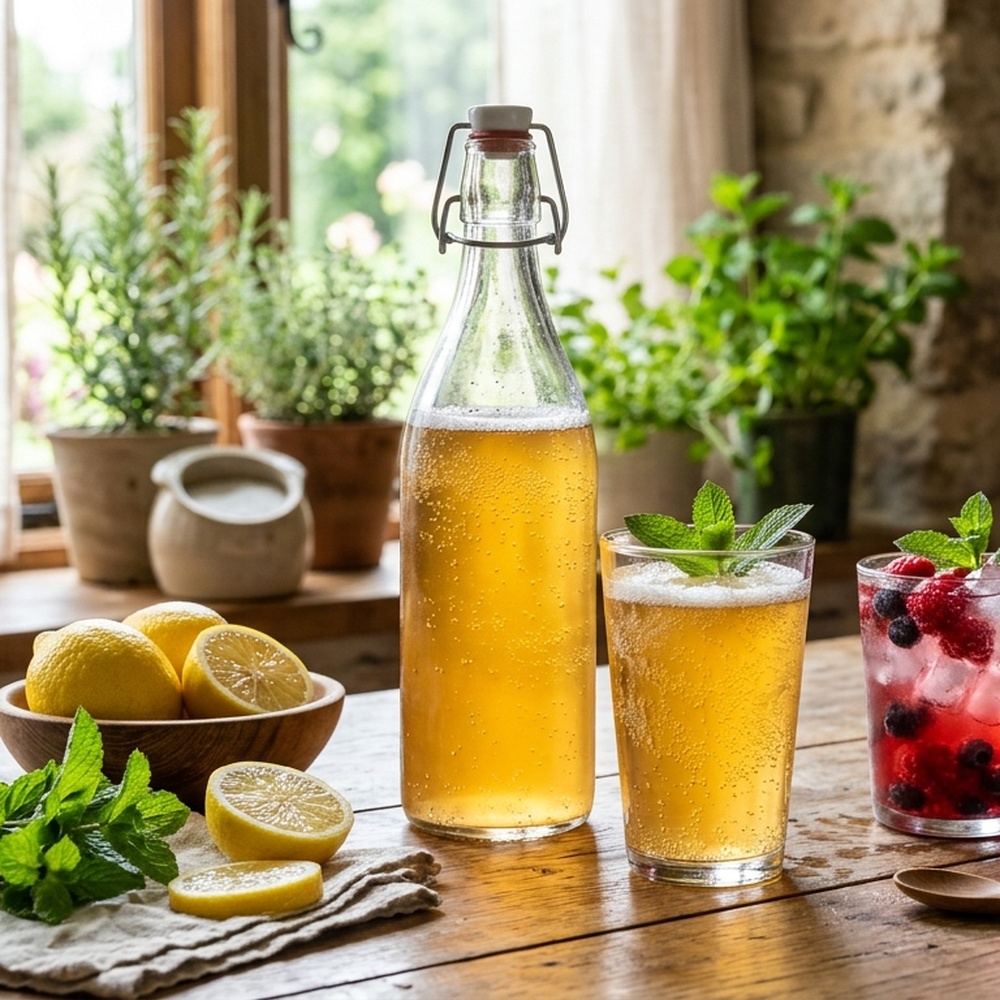
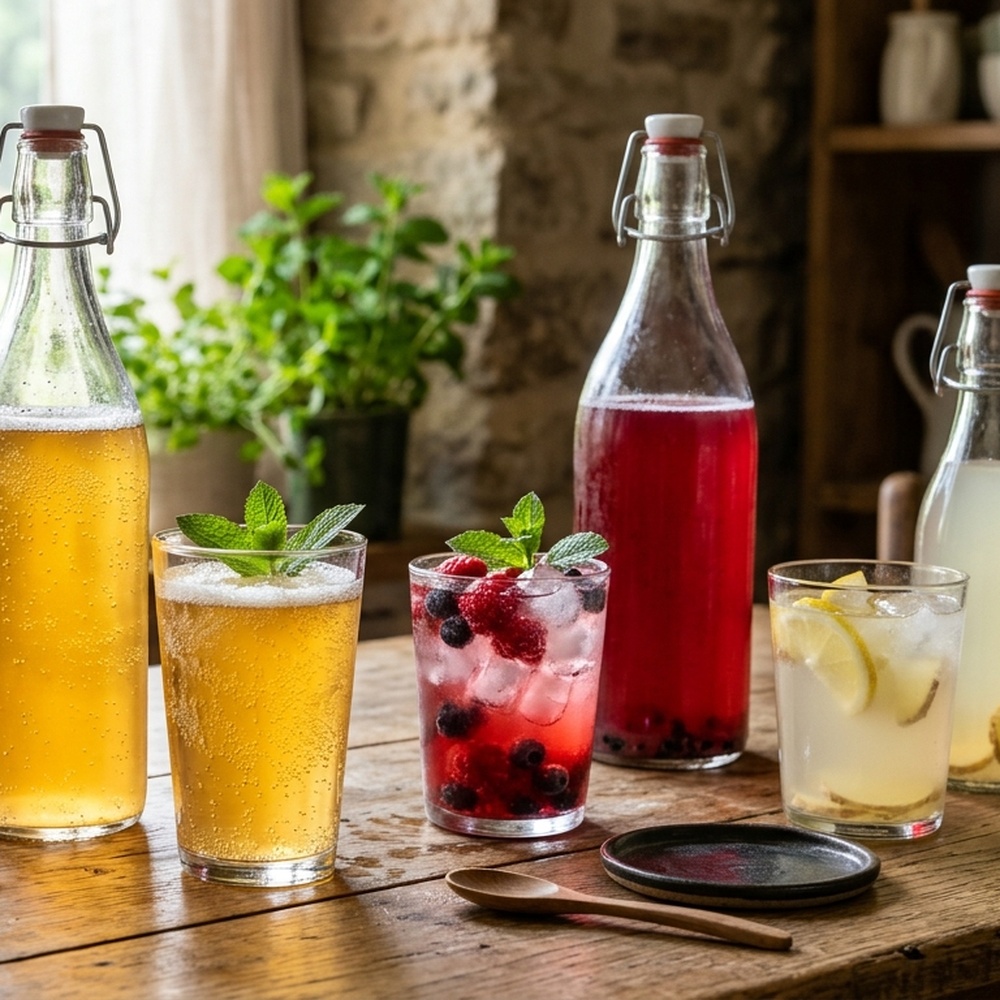
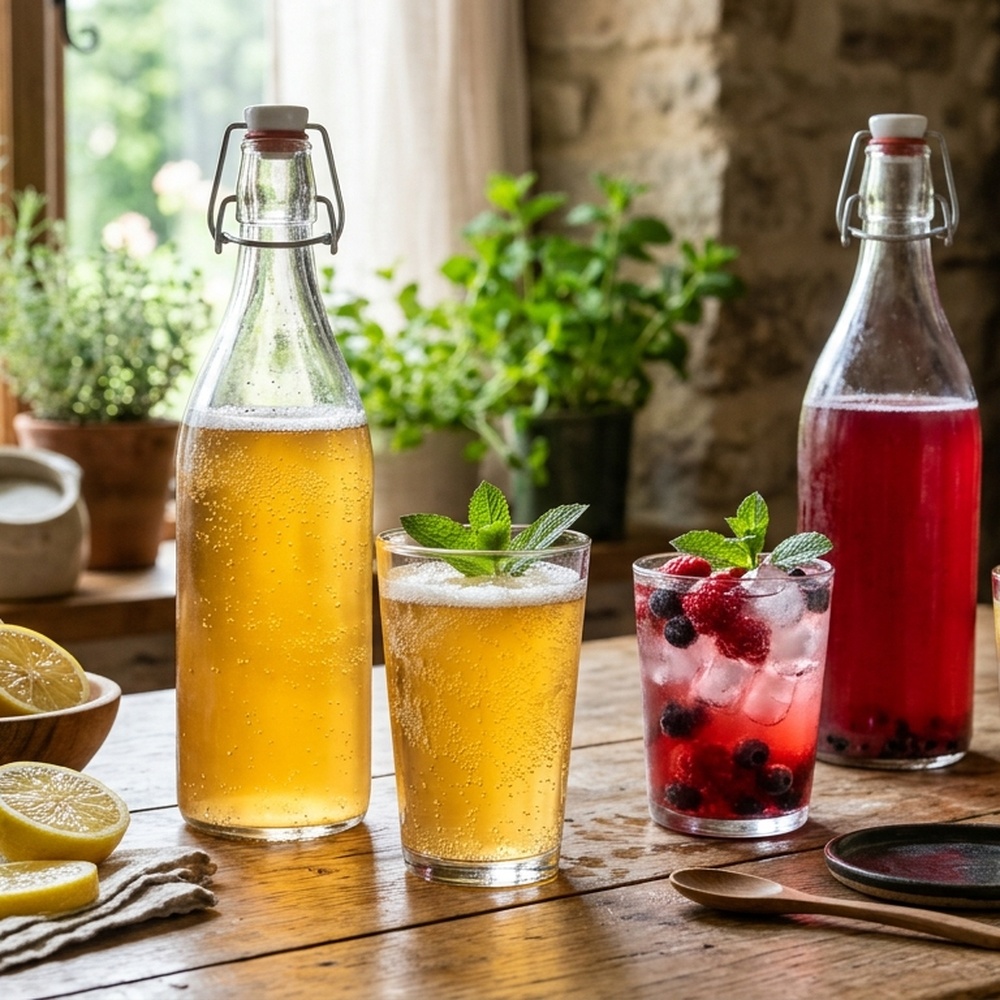
Kombucha usually tastes tart, lightly sweet and fizzy, with a vinegar-like finish and hints of tea. Some bottles resemble a fruity sparkling cider, while others taste drier, more herbal, or more sour.
What Does Kombucha Taste Like on the First Sip?
Kombucha usually tastes tart, lightly sweet and fizzy, with a vinegar-like finish and hints of tea. Some bottles resemble a fruity sparkling cider, while others taste drier, more herbal, or more sour. The tea variety, fermentation duration, and added botanicals all shape the sensory profile.
Fermentation & Acidity Notice: Taste alone cannot determine beverage safety. Genuine unpasteurized kombucha naturally contains acetic acid, dissolved carbon dioxide, and trace alcohol (typically 0.2% to 0.5% ABV). If you are pregnant or immunocompromised, consult your physician before consuming raw ferments.
This beginner flavor guide explains why kombucha tastes tangy, contrasts it with cider and soda, details beginner-friendly flavor profiles, and outlines signs of spoilage.
What Does Kombucha Taste Like on the First Sip?
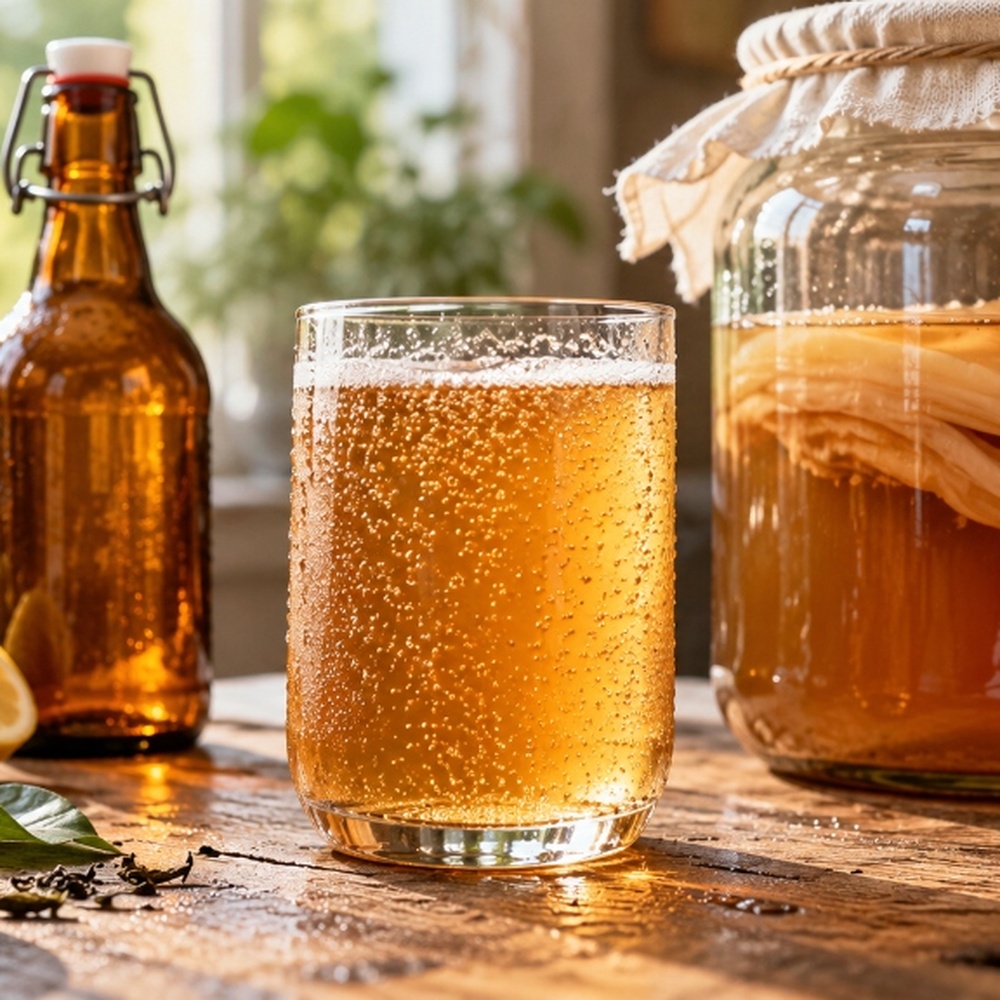
Kombucha starts as sweetened tea. A mixed culture of bacteria and yeasts changes that tea through fermentation. Brewers often call the culture a SCOBY, short for symbiotic culture of bacteria and yeast. The finished drink keeps some tea character while gaining organic acids, dissolved carbon dioxide gas, and complex aroma compounds. Added fruit, ginger, or herbs can become the primary flavor you notice.
A Simple Three-Part Tasting Sequence
Try this sequence when you open a properly stored bottle that shows no warning signs. It helps you describe the beverage systematically:
- 1. First Impression: Notice sweetness, fruit aromas, or the clean scent of acetic acid as you take an initial small sip.
- 2. Mouthfeel: Notice the carbonation bubbles and whether the liquid feels light, sharp, or slightly drying on the sides of your tongue.
- 3. Finish: Notice the lingering tea notes, ginger warmth, pleasant sourness, or dry aftertaste after swallowing.
This is an objective sensory exercise, not a fixed tongue map. If a bottle tastes unpleasant to you, you can stop. You do not need to train yourself to enjoy kombucha or drink it solely for promised health effects. For wider probiotic options, explore our guide to fermented drinks.
Why Does Kombucha Taste Like Vinegar?
Acetic acid supplies much of the familiar vinegar note. It is the exact same organic acid that gives culinary vinegar its sharp aroma and flavor. During fermentation, yeasts consume sucrose and produce trace ethanol and carbon dioxide. Acetic acid bacteria, including organisms in the genus Komagataeibacter, convert that ethanol into acetic acid.
Acetic Acid, Gluconic Acid, and Organic Acid Mixtures
Acetic acid brings the sharpest vinegar aroma. Gluconic acid contributes to the total acidity without that strong pungent smell. Some brews contain small amounts of lactic acid as well. You may see commercial descriptions listing pH values between 2.5 and 3.5. Treat these figures as typical benchmarks rather than a universal safety test. Acidity reflects the balance of multiple acids rather than a single compound.
Why Fermentation Time Matters
Longer fermentation reduces residual sugar while increasing acetic acid concentration. A brew harvested at day 7 remains sweeter and milder, while a batch left fermenting for 14 to 21 days becomes distinctly sharp and vinegary. Temperature, microbial strain composition, and the initial tea blend also shape the final sensory profile.
What Causes the Fizz, Bitterness, and Dry Finish?
Carbon dioxide gives kombucha its sparkling effervescence. Some carbonation develops naturally during fermentation, while some commercial brands inject additional food-grade carbon dioxide during bottling. Cold temperatures help retain dissolved gas, making bubbles feel finer on the palate.
Tea Tannins and Astringency
Black and green tea leaves contribute polyphenols called tannins. Tannins produce astringency, which is a drying sensation across the gums and palate. This is distinct from bitterness, although both can occur together. Green tea kombuchas taste grassier and lighter, while black tea ferments produce deeper, maltier profiles. Read our sparkling tea guide to explore non-fermented fizzy teas.
Does Kombucha Taste Like Cider, Beer, or Soda?
Comparisons help set expectations for first-time drinkers, though kombucha remains a distinct beverage. The following comparison illustrates flavor patterns across popular drinks.
| Familiar Drink | What Feels Similar | What Is Different |
|---|---|---|
| Sparkling Apple Cider | Fruit notes, crispness, and fine carbonation bubbles | Many non-alcoholic apple ciders taste much sweeter and lack kombucha's distinct vinegar finish. |
| Dry Hard Cider | Tartness, dry finish, and fermented fruit aroma | Hard cider is an alcoholic apple beverage, whereas kombucha has a tea base and strict non-alcoholic ethanol rules. |
| Sour Beer | Tartness, wild yeast character, and effervescence | Beers feature cereal grain and hop bitterness, whereas kombucha tastes primarily of tart tea and fruit. |
| Lemon Sparkling Water | Effervescence and a sharp, clean palate sensation | Kombucha delivers noticeable organic acids, subtle tea tannins, and moderate residual carbohydrates. |
| Fruit Soda | Bright fruit flavor and lively carbonation bite | Kombucha has a noticeably more acidic finish and significantly less added refined sugar per cup. |
| Fruit Shrub | Bright fruit notes balanced by an acidic vinegar bite | A shrub is a syrup made with culinary vinegar, whereas kombucha produces its acids through living microbial fermentation. |
Plain Kombucha vs. Flavored Kombucha
Plain unflavored kombucha allows the natural tea base and fermentation character to stand out. You will taste earthy tea notes, mild residual sweetness, gentle bitterness, and a crisp vinegar finish. It provides the purest expression of the SCOBY microbial community.
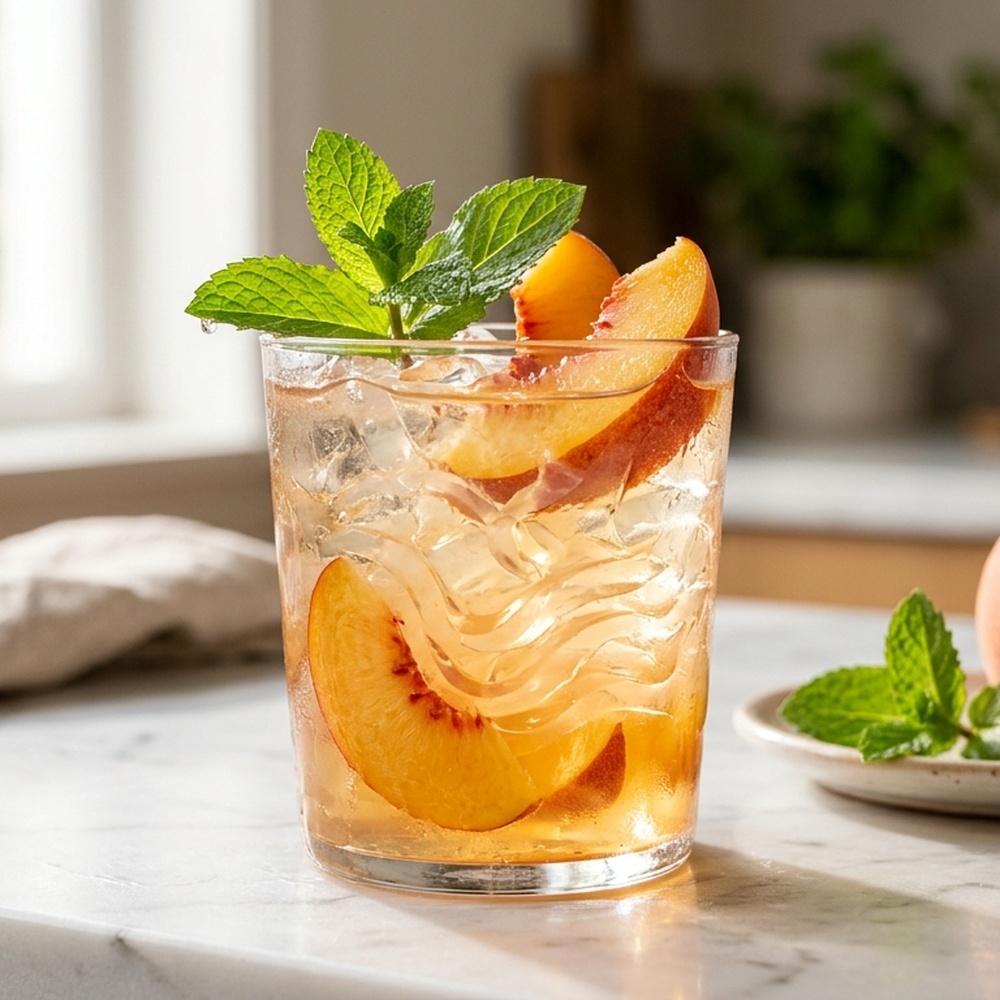
Flavored kombuchas blend fruit juices, purees, or botanical infusions during a secondary fermentation or right before packaging. Fruit additions soften the perceived acidity without removing the underlying organic acids. Ginger adds spicy warmth, while mint or lavender adds a botanical dimension.
Which Kombucha Flavors Should Beginners Try?
If you are trying kombucha for the first time, starting with familiar fruit profiles helps bridge the gap between sweet sodas and tangy fermented beverages.
| If You Enjoy... | Consider Trying... | What to Expect |
|---|---|---|
| Apple Juice or Cider | Pink Lady Apple or Crisp Apple | Familiar orchard fruit sweetness balanced by a mild cider-like tang. |
| Berry Smoothies or Teas | Raspberry, Blueberry, or Mixed Berry | Fresh berry aroma that softens the sharpness of acetic acid. |
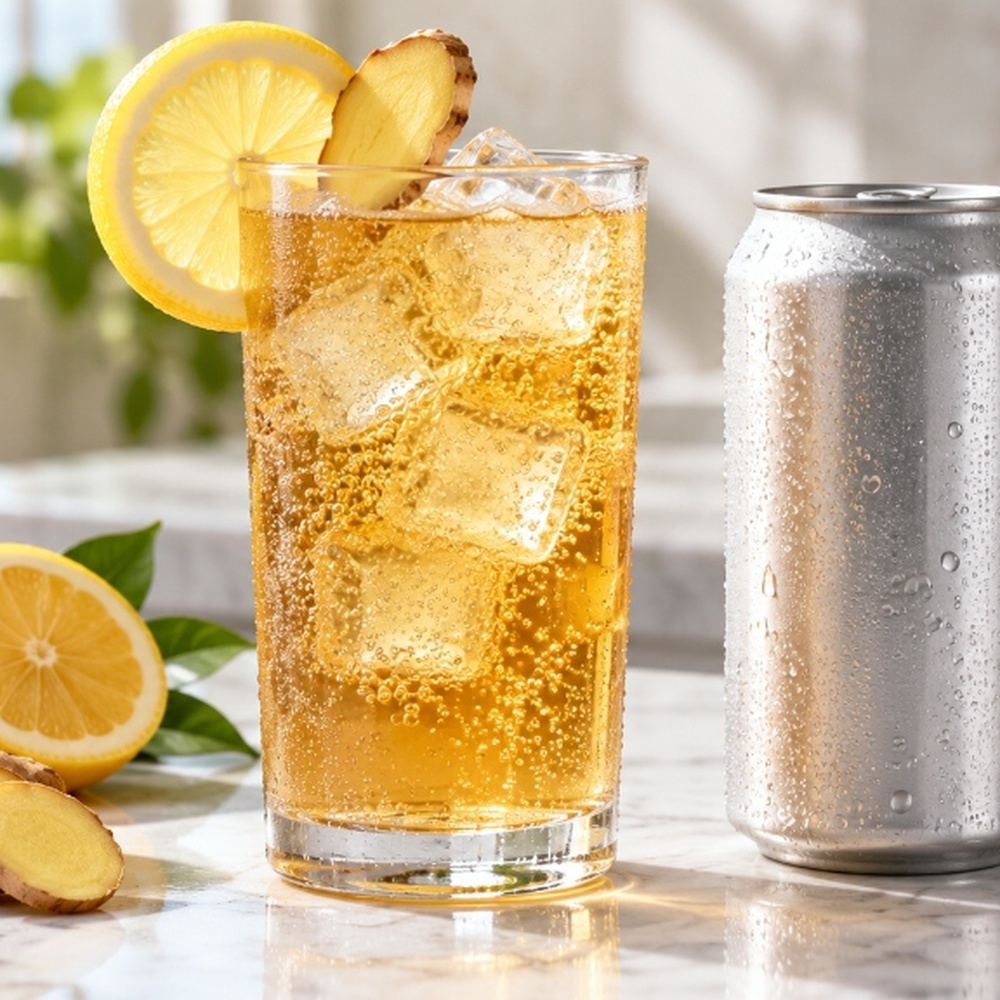
| Ginger Ale or Spicy Sodas | Ginger-Lemon or Fresh Ginger | Zesty ginger heat that complements natural carbonation bubbles. |
| Tart Citrus Drinks | Pomegranate, Grapefruit, or Blood Orange | A brisk, thirst-quenching sour profile with minimal sweetness. |
| Herbal or Mint Teas | Peppermint, Rosemary, or Botanical Blends | Refreshing cooling finish with earthy, aromatic herbal notes. |
Commercial Brand Flavor Profiles Compared
Commercial brewers calibrate fermentation duration and juice blending to target specific acidity levels. Here is how leading market options compare in sensory design.
| Brand & Line | Signature Flavor Example | Sensory Characteristics |
|---|---|---|
| Health-Ade | Pink Lady Apple | Fruit-forward and approachable with balanced sweetness and gentle effervescence, ideal for beginners. |
| GT's SYNERGY | Gingerade / Multi-Green | Traditional and tart with pronounced acidity, active sediment, and noticeable acetic acid tang. |
| Brew Dr. | Clear Mind (Herbal Green Tea) | Botanical and subtle, brewed with whole dried herbs rather than heavy juice purees, offering a drier finish. |
How to Read Kombucha Nutrition Labels Fairly
A sour taste does not guarantee a drink is low in sugar, because strong organic acids can mask sweetness. Always check the Nutrition Facts panel using equal volumes.
| Label Metric | What to Look For | Practical Evaluation Tip |
|---|---|---|
| Serving Size | Check whether the bottle contains 1 or 2 servings | Many 16 fl oz bottles list two 8 fl oz servings on the panel. |
| Total Carbohydrates | Aim for under 8g to 12g per 8 fl oz cup | Compare grams directly rather than relying on marketing claims. |
| Added Sugars | Differentiate cane sugar from organic fruit juice | Some sugar is required to brew, but post-ferment sweetening adds empty calories. |
| Total Calories | Typically 30 to 60 calories per 8 fl oz serving | Pairing kombucha with meals helps prevent rapid glucose absorption. |
| Ingredients List | Look for whole brewed tea and cold-pressed juices | Avoid artificial preservatives like sodium benzoate which halt living cultures. |
| Alcohol & Live Strains | Verify non-alcoholic status (under 0.5% ABV) | Look for 'Raw, Unpasteurized' labels kept strictly in the refrigerator. |
If you want to compare sugar-free and electrolyte alternatives, explore our guide to homemade electrolyte drinks and healthy soda alternatives.
How to Make Kombucha Taste Better at Home
If a sound, properly stored bottle of kombucha tastes overly intense or sour for your palate, you can soften its bite using simple serving techniques.
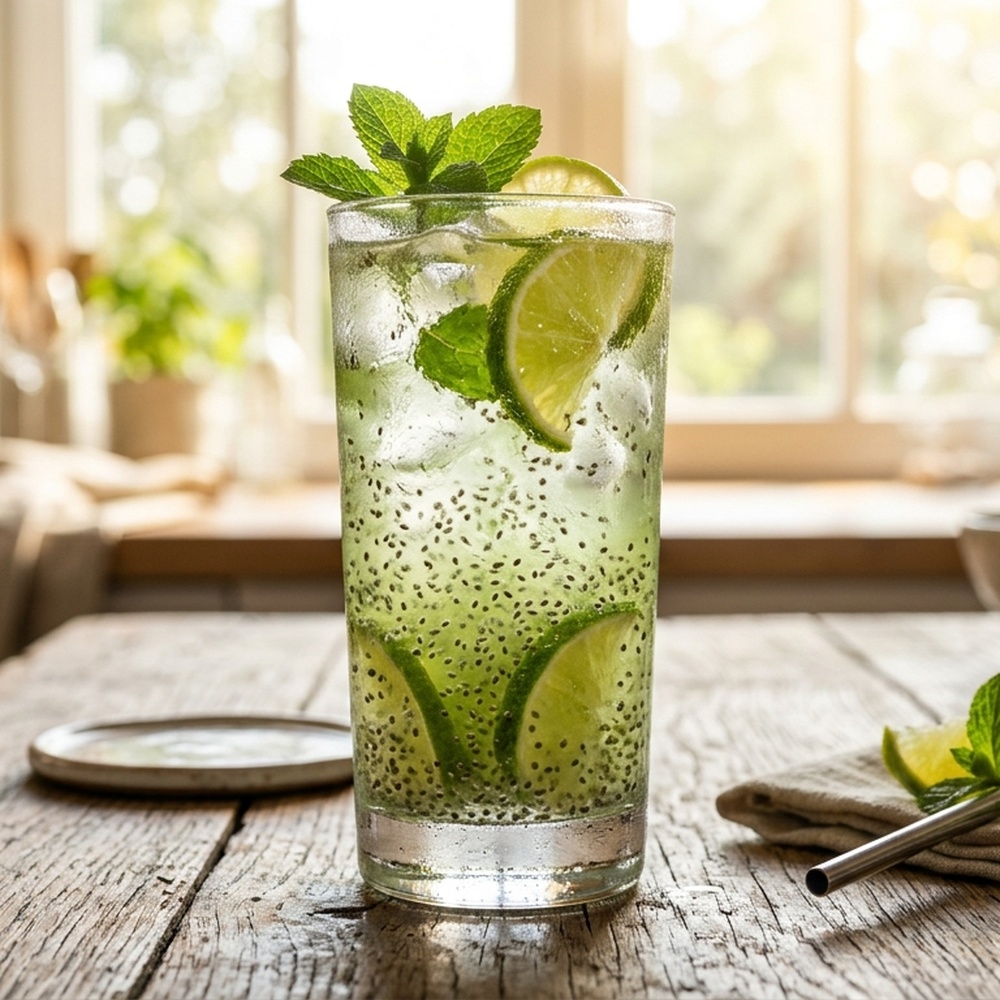
- Chill Thoroughly Before Serving: Cold temperatures smooth out the perceived sharpness of acetic acid and keep carbon dioxide dissolved in the liquid. Serve over clean ice cubes in a tall glass.
- Dilute with Sparkling Mineral Water: Mix equal parts chilled kombucha and plain sparkling water. This softens both sweetness and acidity while preserving effervescence.
- Add a Splash of Fresh Juice: Stir in a tablespoon of pasteurized pomegranate, tart cherry, or apple juice directly into your glass right before drinking.
- Pair with Meals: Sipping kombucha alongside rice bowls, sandwiches, or roasted vegetables makes the acidity feel like a refreshing culinary palate cleanser.
For an even milder, dairy-free probiotic beverage without any tea base, read what water kefir is.
Is the Sour Taste Normal, or Has Kombucha Gone Bad?
Because kombucha naturally tastes sour and acidic, identifying genuine spoilage requires inspecting physical characteristics rather than relying on flavor alone.
| What You Notice | What It Usually Means | Recommended Action |
|---|---|---|
| Vinegar-Like Aroma | Natural byproduct of Acetobacter acetic acid fermentation | Normal and safe if bottle was refrigerated and seal was intact. |
| Brown Floating Strands | Harmless colonies of spent brewing yeasts | Normal feature of raw kombucha; safe to drink or strain out. |
| Translucent Surface Film | Baby cellulose pellicle formed by living bacteria | Normal sign of active live cultures in an unpasteurized bottle. |
| Fuzzy Green, White, or Blue Spots | True mold contamination from airborne spores | Unsafe. Discard the entire bottle immediately; never scrape off mold. |
| Rotten, Putrid, or Solvent Smell | Severe microbial contamination or chemical spoilage | Unsafe. Discard immediately without tasting. |
| Bulging or Leaking Bottle Cap | Excessive gas buildup from warm ambient storage | Caution. Open slowly over a sink wrapped in a towel, or discard. |
| Flat Liquid with No Carbonation | Loss of dissolved gas from micro-leakage in cap | Not necessarily spoiled, but texture and mouthfeel will be flat. |
Alcohol, Caffeine, and Dental Health Considerations
Kombucha contains small amounts of caffeine derived from its black or green tea base, typically 10mg to 25mg per 8 fl oz cup. While this is roughly one-third the caffeine of brewed coffee, individuals sensitive to stimulants should avoid drinking it late in the evening.
Because yeasts generate ethanol during sugar digestion, commercial kombucha in the United States must remain below 0.5% ABV at all times to comply with federal regulations. However, if bottles are left in warm conditions, continued fermentation can cause alcohol levels to rise. Pregnant women and individuals in alcohol recovery should choose pasteurized drinks or non-fermented alternatives.
Because kombucha has an acidic pH between 2.5 and 3.5, frequent sipping throughout the day can soften dental enamel. Dental health guidelines recommend drinking kombucha in a single sitting, rinsing your mouth with plain water afterward, and waiting at least 30 minutes before brushing your teeth.
Frequently Asked Questions About Kombucha Taste
Q. What does kombucha taste like?
Q. Is kombucha sweet or sour?
Q. Why does kombucha taste like vinegar?
Q. What does unflavored kombucha taste like?
Q. Does kombucha taste like beer?
Q. Why does kombucha taste like apple cider?
Q. What does kombucha smell like?
Q. What is the best kombucha flavor for beginners?
Q. Can I make kombucha taste less like vinegar?
Q. Does cold kombucha taste better?
Q. Why does kombucha tingle or burn my throat?
Q. Are the brown floaty bits in kombucha normal?
Q. What does bad kombucha taste like?
Q. Is flat kombucha spoiled?
Q. Does sour kombucha have less sugar?
Q. Is raw kombucha always stronger tasting?
Q. Does kombucha contain alcohol and caffeine?
Q. Should I shake kombucha before opening it?
Q. How long does kombucha keep after opening?
Q. Does kombucha taste good to everyone?
For specialty retailers, artisan cafes, and beverage programs seeking premium fermented teas, organic botanical kombuchas, and cold-chain distribution, partner with our team as a wholesale exotic drinks supplier to stock verified live-culture beverages.
Editorial Fact-Checking and Evidence Standards
- Sensory & Organic Acid Research: Peer-reviewed studies on kombucha microbial ecology, acetic acid kinetics, and sensory profile development from PubMed and the American Chemical Society.
- Food Safety & Spoilage Guidelines: Home fermentation diagnostics, mold prevention protocols, and storage standards published by Colorado State University Extension and the CDC.
- Regulatory & Oral Health Standards: Commercial ethanol threshold rules governed by the Alcohol and Tobacco Tax and Trade Bureau (TTB) and enamel erosion guidelines from the American Dental Association (ADA).
Sources and References
- Chemical and Sensory Properties of Kombucha Fermentation - PubMed / Journal of Food Science
- Understanding and Making Kombucha Safely - Colorado State University Extension
- TTB Kombucha Beverage Alcohol Regulations - US Alcohol and Tobacco Tax and Trade Bureau
- Dental Erosion and Acidic Drinks Clinical Guidance - American Dental Association
- NCCIH Clinical Safety Overview: Probiotics and Live Cultures - National Center for Complementary and Integrative Health


Comments and reviews (0)