


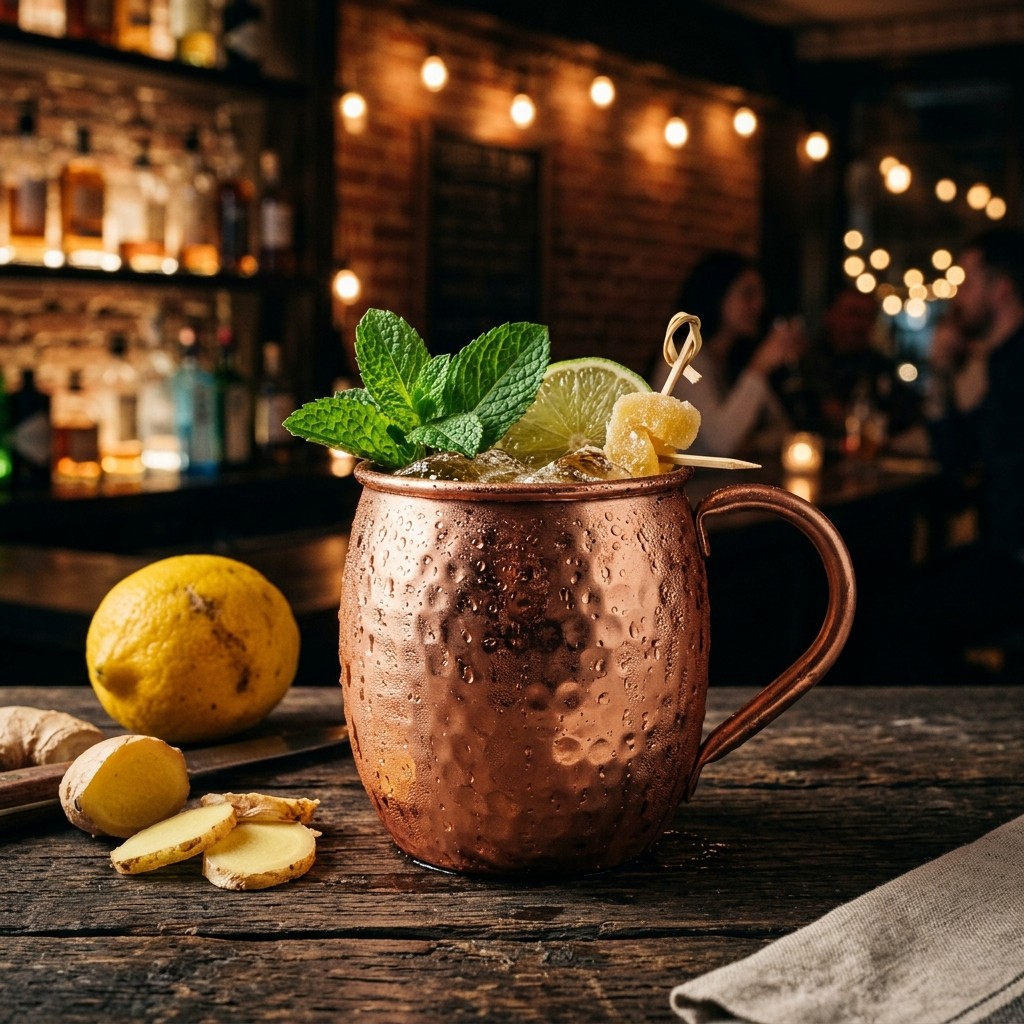
Is ginger beer alcoholic? Most ginger beer sold as a soda or cocktail mixer in US grocery stores is non-alcoholic. Some brewed products can retain less than 0.5% alcohol by volume (ABV), while products labeled hard or alcoholic ginger beer may contain about as much alcohol as beer.
Does Ginger Beer Contain Alcohol?
Check the exact package. Commercial brands like Fever-Tree and Q Mixers sell completely non-alcoholic ginger beer (0.0% ABV). Traditionally brewed brands like Bundaberg contain less than 0.5% residual alcohol from natural brewing. Hard ginger beer is an intoxicating alcoholic beverage displaying a government warning and standard ABV (usually 4% to 5%).
The word "beer" describes the drink's brewing history and strong ginger character. It does not guarantee alcohol content.
Ginger Beer ABV and Alcohol Content at a Glance
| Product Type | Typical Alcohol Level | How to Identify It | Practical Use |
|---|---|---|---|
| Carbonated ginger beer mixer | 0.0% ABV | Sold in soda aisles with no alcohol warning | Drink alone or use in mocktails and mules |
| Brewed non-alcoholic ginger beer | Less than 0.5% ABV | States brewed or traces of alcohol | Rich ginger soda for social drinking |
| Homemade fermented ginger beer | Variable (0.5% to 3%+ ABV) | Made with yeast or wild ginger bug starter | Requires hydrometer testing for ABV certainty |
| Hard ginger beer | 4.0% to 6.0% ABV | ABV percentage, government health warning | Intoxicating alcoholic beverage |
Why Is It Called Ginger Beer?
Ginger beer originated in Yorkshire, England, during the mid-18th century. Traditional brewers fermented crushed ginger root, cane sugar, water, and lemon juice using a symbiotic starter culture called the ginger beer plant (a mix of yeast and Lactobacillus bacteria).
Because historic recipes underwent prolonged fermentation in sealed stoneware bottles, they produced genuine alcohol, often reaching 2% to 4% ABV.
Modern commercial production split this process. Today, most grocery-store ginger beers are non-alcoholic carbonated soft drinks made with natural ginger root extracts, cane sugar, and carbonated spring water. Others briefly ferment the ginger for rich complexity before heat-pasteurizing and removing alcohol to bottle below 0.5% ABV.
Ginger Beer vs. Ginger Ale
| Feature | Ginger Beer | Ginger Ale |
|---|---|---|
| Ginger flavor | Intense, fiery, spicy, and peppery | Mild, sweet, mellow, and soda-like |
| Production method | Brewed, steeped, or carbonated with real ginger pulp | Carbonated water infused with ginger extract syrup |
| Appearance | Cloudy, opalescent amber to pale gold | Crystal-clear golden liquid |
| Carbonation | Dense, tight effervescence | Brisk, standard soft-drink bubbles |
| Best applications | Moscow Mules, Dark 'n Stormy, bold mocktails | Whiskey ginger highballs, stomach-settling sipping |
Popular Ginger Beer Brands Compared
| Brand | Alcohol Level | Production Style | Best Label Check |
|---|---|---|---|
| Fever-Tree Premium | Non-alcoholic (0.0% ABV) | Blend of 3 ginger varieties | Clean mixer without alcohol warning |
| Q Mixers Ginger Beer | Non-alcoholic (0.0% ABV) | Organic agave, chili, ginger extract | Extra carbonated with spicy finish |
| Bundaberg Ginger Beer | Less than 0.5% ABV | Brewed over 3 days, then heat-treated | Choose another if your boundary is 0.0% |
| Goslings Stormy | Non-alcoholic mixer (0.0% ABV) | Sweet, spicy mixer formulated for dark rum | Verify can says ginger beer, not canned cocktail |
| Crabbie's Alcoholic | 4.0% to 4.8% ABV | Fermented ginger beer with malt base | Alcoholic beverage; age-restricted purchase |
How to Identify Hard Ginger Beer
Hard ginger beer is an intoxicating alcoholic beverage. Check for these five clear indicators on the package:
- ABV statement: Alcoholic products display an alcohol percentage (such as 4% or 5% ABV).
- Hard or Alcoholic wording: These descriptors appear prominently beside the product title.
- Government health warning: U.S. law requires the Surgeon General's alcohol warning on intoxicating beverages.
- Class statement: Look for "flavored malt beverage" or "fermented beverage" in small print.
- Age-controlled checkout: Hard ginger beer requires government ID verification at purchase.
Health, Safety, and Dietary Considerations
Designated Drivers: Commercial non-alcoholic ginger beer (0.0% to 0.4% ABV) will not cause impairment. However, drivers who prefer absolute zero should look for explicitly labeled 0.0% products.
Pregnancy: According to the American College of Obstetricians and Gynecologists (ACOG), ginger can provide non-pharmacologic relief for morning sickness. However, because no level of alcohol is considered safe during pregnancy, pregnant individuals should choose verified 0.0% soda products over trace-fermented ginger drinks.
Breathalyzer Tests: While 0.0% ginger beer contains no ethanol, drinking fermented beverages immediately prior to testing can temporarily introduce residual mouth alcohol. NHTSA protocols require a 15 to 20 minute deprivation period before breath testing to eliminate mouth-alcohol interference.
Frequently Asked Questions
Q. Does ginger beer have alcohol?
Most commercial ginger beer sold in grocery soda aisles is non-alcoholic. Some traditionally brewed brands retain less than 0.5% ABV. Products labeled "hard ginger beer" contain standard beer-level alcohol (around 4% to 5% ABV).
Q. Why is it called ginger beer if it has no alcohol?
The name refers to its 18th-century origin when ginger was fermented with sugar and water using a yeast starter culture. The name endured even after modern manufacturing shifted to non-alcoholic formulations.
Q. Is Bundaberg ginger beer alcoholic?
Bundaberg is brewed with real ginger, then heat-treated to halt fermentation and eliminate alcohol before bottling. It is sold as a non-alcoholic soft drink containing less than 0.5% residual alcohol.
Q. Can you get drunk on ginger beer?
You cannot get drunk from ordinary commercial non-alcoholic ginger beer. Hard ginger beer, however, contains standard intoxicating levels of alcohol.
Q. Can minors purchase ginger beer?
Yes. Non-alcoholic ginger beer is a soft drink sold without age restriction in supermarkets. Hard ginger beer requires legal drinking age verification.
The Bottom Line
Summary and Practical Takeaways
Most ginger beer found in grocery beverage aisles is a non-alcoholic soda or mixer. Brewed brands like Bundaberg contain less than 0.5% ABV, while mixer brands like Fever-Tree and Q Mixers are 0.0% alcohol. Always inspect packaging for the word "hard," a stated ABV percentage, or government health warnings to distinguish intoxicating alcoholic ginger beers from virgin mixers.
Sources and Review Standards
- Alcohol and Tobacco Tax and Trade Bureau (TTB): Malt Beverage Alcohol-Content Labeling Regulations
- U.S. Food and Drug Administration (FDA): Carbonated Soft Drinks and Ingredient Labeling Guidance
- Fever-Tree: Premium Ginger Beer Sourcing and Non-Alcoholic Standards
- Q Mixers: Ingredients, Real Agave Formulation, and Zero-Alcohol FAQ
- Bundaberg Brewed Drinks: Brewing Process and Residual Alcohol Specifications
- American College of Obstetricians and Gynecologists (ACOG): Clinical Guidance on Morning Sickness and Alcohol Avoidance


Comments and reviews (0)