


A malt drink is any beverage made with malted grain, usually barley. That simple definition covers several very different drinks across global beverage aisles.
A cold bottle of Malta Goya or Supermalt is a malt drink. So is a soothing cup of Horlicks or Ovaltine. Beer and malt liquor also belong to the wider malt beverage family. The defining difference is what happens after the raw grain becomes malt.
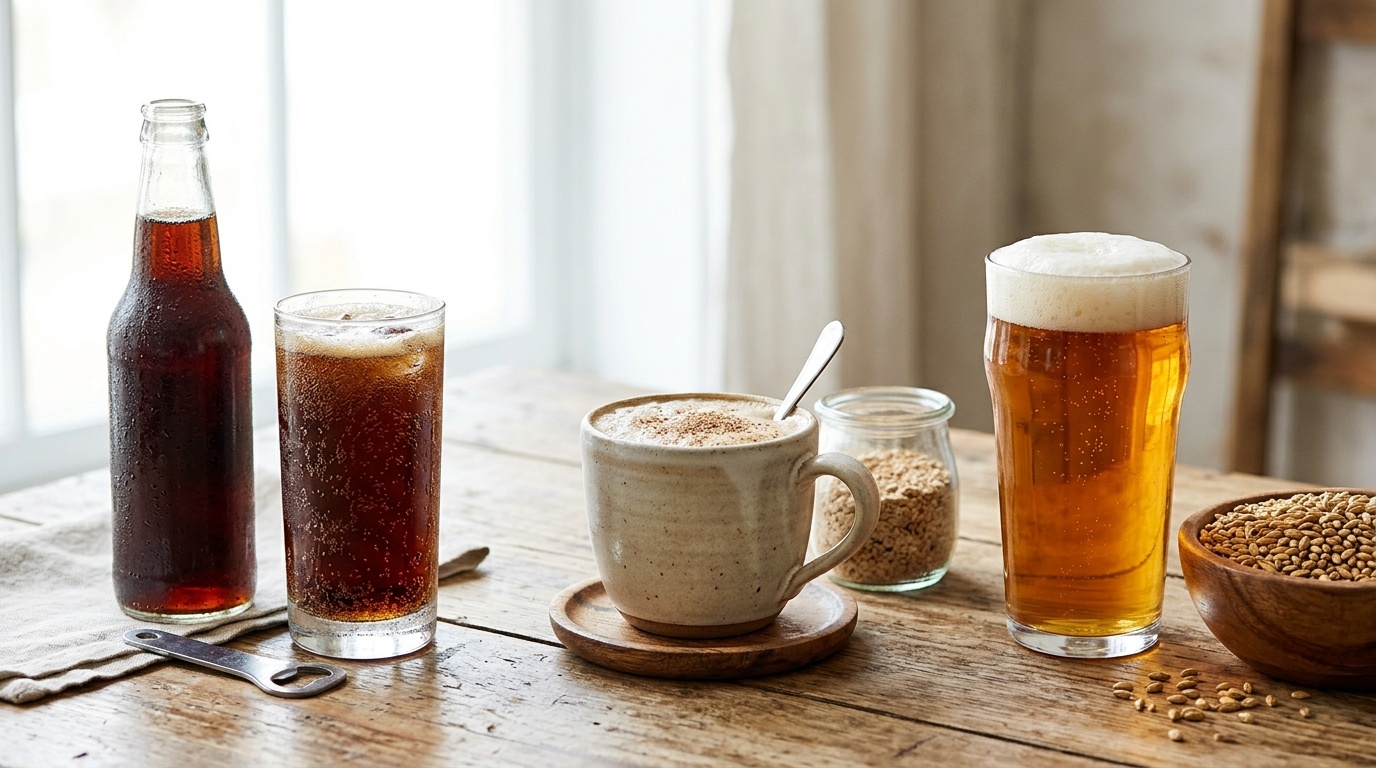
Some malt drinks undergo yeast fermentation and contain alcohol. Others are formulated and sold as sweet, non-alcoholic carbonated soft drinks. Powdered malt drinks form another distinct category, traditionally mixed with warm milk or cold water.
Quick Answer: What Is a Malt Drink?
A malt drink is a beverage made from or flavoured with malted grain, most commonly barley. Malt can add cereal, toast, biscuit, caramel, nutty, or roasted flavours. Most malt drinks fit into four categories: non-alcoholic Malta sodas, powdered malt drinks mixed with milk, fermented alcoholic beers, and flavoured malt beverages.
US regulatory note: The Alcohol and Tobacco Tax and Trade Bureau (TTB) defines malt beverage as a fermented beverage made using malted barley and hops, with permitted additional ingredients. That legal classification is narrower than the everyday consumer meaning of malt drink.
Health note: While malt drinks provide dietary energy, B vitamins, and essential minerals, many commercial Malta sodas and powdered mixes are calorically dense and high in sugar. Individuals monitoring blood sugar levels, gestational health, or dietary allergens should review nutrition labels carefully.
This comprehensive guide explains each malt drink type, how malt is produced through steeping and kilning, verified nutrition data, popular international brands, history, alcohol content, and everyday buying tips.
The Main Types of Malt Drink
1. Beer and Malt Liquor
Beer is the best-known alcoholic malt beverage. Brewers make malt from grain and extract fermentable sugars from it. Yeast then ferments those sugars, producing alcohol and carbon dioxide.
Beer can taste dry, bitter, fruity, roasted, sweet, or sour depending on its ingredients and brewing method. Malt liquor also sits on the alcoholic side of the category. The exact legal meaning varies by market, so the alcohol percentage on the label matters more than the product name alone.
2. Non-Alcoholic Malta and Malt Soda
Malta is a sweet, dark malt soft drink found widely across Caribbean, African, Latin American, and related diaspora food markets. Popular brands include Malta Goya, Supermalt, Maltina, Malta Guinness, and Vita Malt.
These drinks typically use barley malt and may include hops, sweeteners, caramel colour, carbonation, vitamins, or other ingredients.
Malta Goya currently describes its product as a non-alcoholic drink brewed from barley and hops, listing pale malt and caramel malt on its ingredient panel. Supermalt also describes its Original drink as non-alcoholic, using water and barley malt without adding the yeast used to turn sugar into alcohol during beer fermentation.
You may also see this style described as a barley-based soft drink, malt soda, non-alcoholic malt beverage, brewed malt drink, or fortified malt drink.
3. Powdered Malt Drinks
Horlicks, Ovaltine, and Milo sit in a distinct section of the malt category. Rather than drinking them straight from a bottle or can, people normally mix these products with milk or water.
Current Horlicks Original contains wheat, malted wheat, malted barley, dried whey, skimmed milk, sugar, vitamins, and minerals. Horlicks recommends mixing the Original powder with milk, while Horlicks Instant contains milk ingredients and is prepared directly with hot water.
Ovomaltine, known as Ovaltine in many markets, began as a malt-based drink in Switzerland and later combined malt with ingredients such as milk, egg, and cocoa.
4. Flavoured Malt Beverages
Flavoured malt beverages usually contain alcohol. US regulators describe them as products that begin with a fermented beer or malt base before producers add flavouring ingredients. Mike's Hard Lemonade currently identifies itself as a premium malt beverage with flavours. The informal term malternative also describes this category.
Malt Extract, Malt Powder and Malted Milk
These terms sound similar, but they describe different products:
Malt extract: Malt extract comes from malted grain. Producers extract soluble sugars and flavour compounds from the malt. It appears as a viscous liquid syrup or dried ingredient.
Malt powder: Malt powder is a broad term for dried malt ingredients used in drinks, baked goods, shakes, and confections.
Malted milk drink: A malted milk drink combines malt ingredients with dairy ingredients or is prepared directly with milk. Horlicks is a classic example, containing both malted grain and dairy components.
How Is Malt Made?
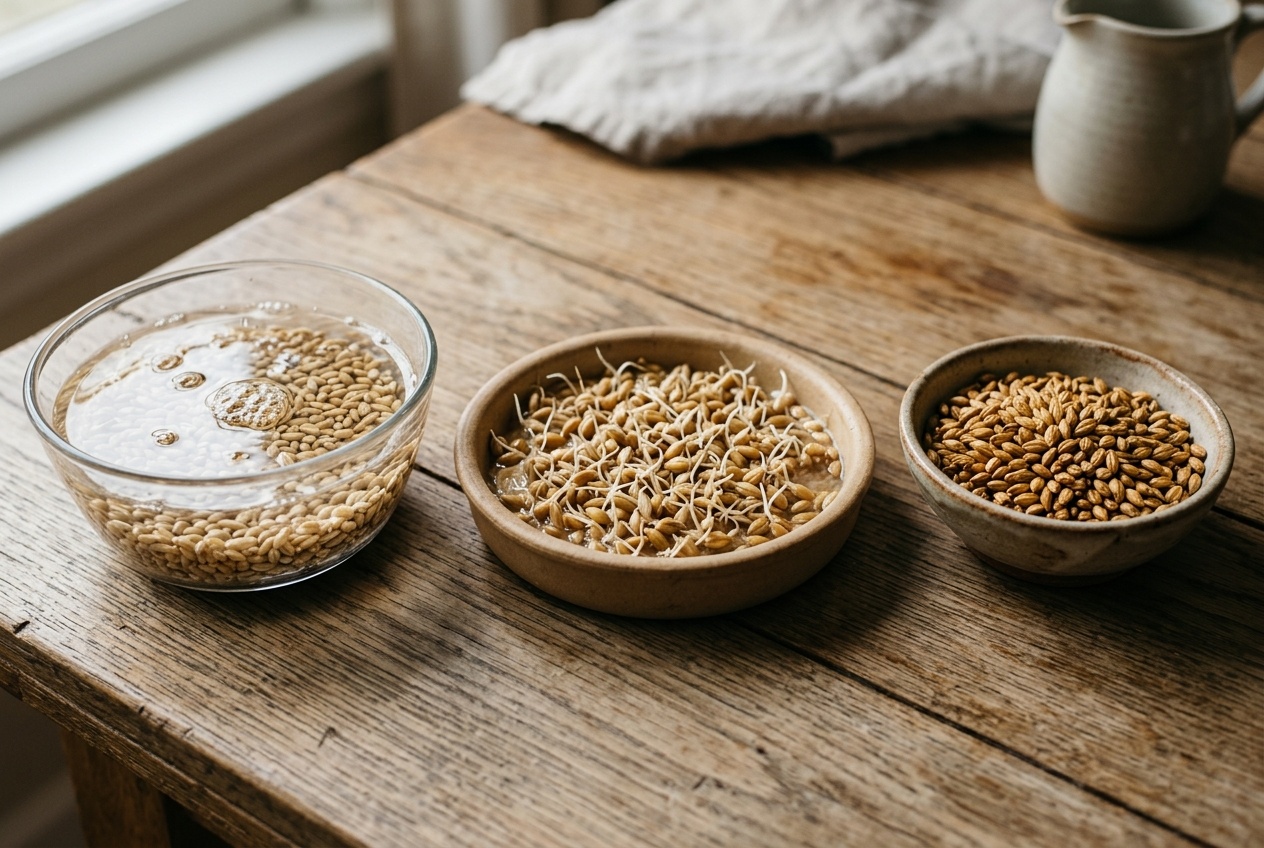
Malting transforms raw grain into malt through three fundamental stages:
- Steeping: Maltsters soak barley in water so the grain absorbs moisture and begins germinating. Typical steeping lasts 24 to 48 hours, reaching approximately 42% to 48% grain moisture.
- Germination: After steeping, the barley sprouts. Enzymes awaken inside the grain, breaking down cell walls and converting starches into fermentable sugars. This stage is known as green malt.
- Kilning: Maltsters gently dry the green malt with heated air to halt germination. Kilning preserves active enzymes while developing rich malt flavours, golden-to-dark colours, and toasty aromas.
Why Malting Changes Flavour
Malting dramatically affects sweetness, grain aroma, colour, toasted notes, enzyme activity, and available sugars. That explains why pale malt, caramel malt, and dark roasted malt create completely distinct flavour profiles across different beverages.
What Does a Malt Drink Taste Like?
There is no single malt drink flavour. Taste varies based on production style:
Malta soda: Malta usually tastes sweet, malty, toasted, cereal-like, caramel-like, and lightly fizzy. Darker versions exhibit deeper molasses and roasted notes. Malta Goya describes its drink as strong in flavour and aroma with a sweet, rich profile.
Powdered malt drinks: Horlicks offers a softer, creamier malt profile, blending malted wheat and barley. Ovaltine adds a pronounced cocoa character to its malt foundation.
Beer: Beer carries bread, cereal, toast, caramel, and biscuit notes, but fermentation and hops introduce bitterness, alcohol warmth, floral aromas, and crisp carbonation that sweet Malta sodas do not have.
Malt Drink vs. Beer
While Malta sodas and beers share barley malt as their foundation, they are entirely different drinks:
Is Malt Drink Alcoholic?
Sometimes. The word malt does not tell you whether a drink contains alcohol.
Standard beer and malt liquor contain alcohol, as do many flavoured malt beverages. By contrast, Malta Goya is sold as non-alcoholic, Supermalt calls itself non-alcoholic, Maltina is certified at 0% ABV, and Guinness Nigeria classifies Malta Guinness strictly within its non-alcoholic portfolio.
If avoiding alcohol matters to you for religious, health, pregnancy, or personal reasons, check the exact packaging label rather than relying on the broad category name.
Malt Drink Nutrition
There is no uniform nutritional profile across malt drinks. Serving sizes, formulas, sugar densities, vitamins, and calories vary substantially.
Malta Goya provides 140 calories and 22 g of sugar per 207 ml serving. Supermalt lists 205 kcal and 42 g sugar per bottle, fortified with niacin, thiamin, pantothenic acid, riboflavin, and vitamin B6. Horlicks Instant provides 115 kcal and 4.2 g protein per 32 g serving prior to adding milk.
Nigerian Breweries confirms that Maltina Classic contains malted barley and hops extract fortified with vitamins A, B1, B2, B3, B5, B6, C, and calcium.
Malt Drink Benefits: What Can It Provide?
A balanced health review separates verified nutritional content from exaggerated claims:
B Vitamins: Fortified brands like Supermalt, Maltina, and Horlicks provide essential B-complex vitamins (including thiamin, riboflavin, niacin, and B6), which assist normal cellular energy metabolism.
Carbohydrates: Sweet malt drinks provide easily accessible dietary carbohydrates, offering quick energy.
Protein & Minerals: Malted milk drinks prepared with dairy provide dietary protein and calcium for bone health.
Are Malt Drinks Healthy?
There is no single yes-or-no answer. While malt drinks supply micronutrients and energy, commercial malt sodas are high in simple sugars. Evaluate individual dietary needs, portion sizes, calories, and sugar limits before making them a regular beverage choice.
Is Malta Goya Healthy?
Malta Goya is a non-alcoholic malt beverage, but it is not a low-sugar drink. Its US label lists 140 calories, 34 g total carbohydrates, 22 g sugar, and 2 g protein per 207 ml serving. Whether it fits a diet depends on portion control and overall daily caloric and carbohydrate intake.
Is Malt Drink Safe During Pregnancy?
This question requires precision because malt drink can refer to both alcoholic and non-alcoholic beverages.
The US CDC advises that there is no known safe amount of alcohol during pregnancy. Anyone who is pregnant must confirm that a malt drink is certified 0.0% alcohol-free.
For non-alcoholic malt drinks, expectant mothers should still consider sugar content and potential allergens such as gluten (from barley or wheat) and dairy.
Popular Malt Drink Brands
Best Malt Drink Brands in the USA
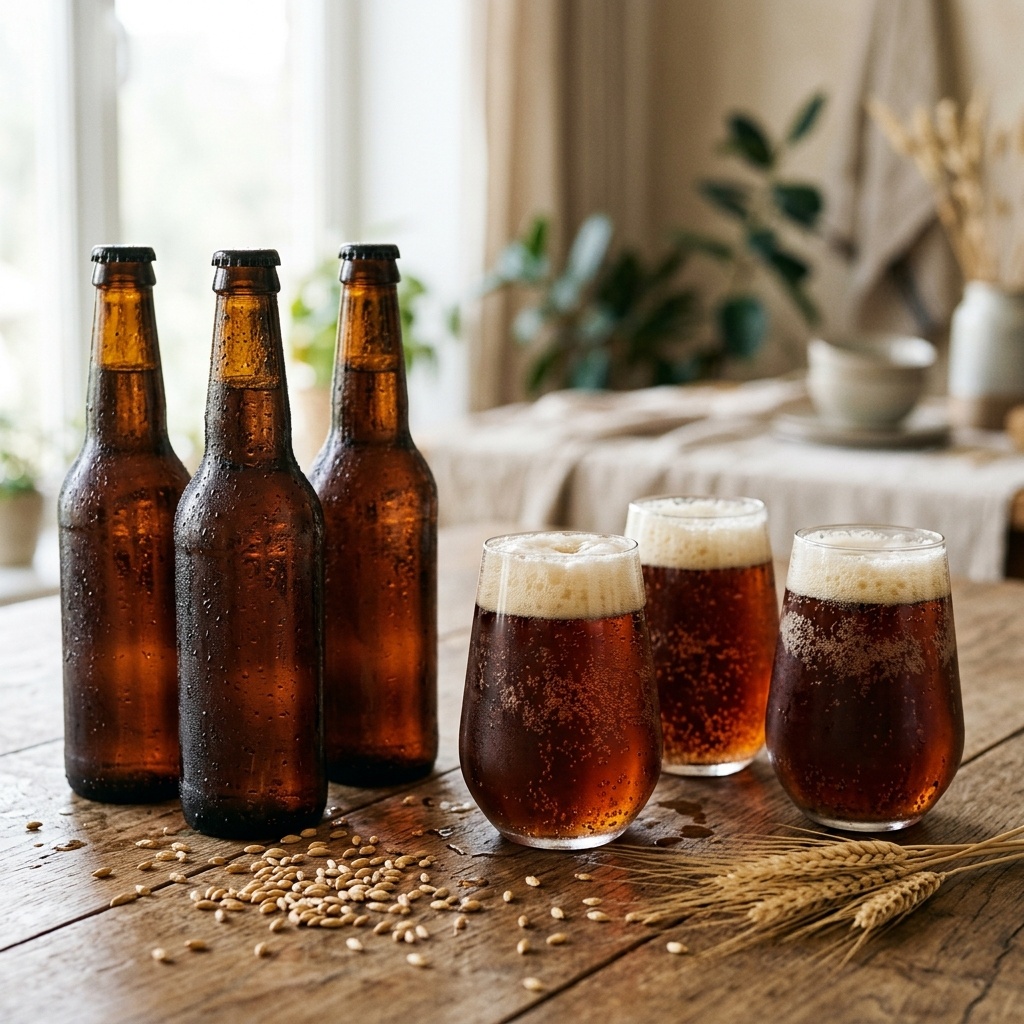
For sweet bottled Malta sodas, Malta Goya is widely available across US supermarkets. Supermalt, Malta Guinness, and Vita Malt cater strongly to African and Caribbean diaspora markets. For powdered malt beverages, Horlicks and Ovaltine remain the leading choices.
Horlicks vs. Ovaltine
While both are historic malt-based powdered drinks, they offer distinct experiences:
A Short History of Malt Drinks
Malted grain beverages date back thousands of years. Archaeological records and British Museum clay tablets from ancient Mesopotamia (c. 3100-3000 BC) document beer brewed from malted grain. Smithsonian archaeological research also documents beer as part of daily rations in ancient Egypt.
In 1873, James and William Horlick developed malted milk powder in the US, originally as an infant food that later accompanied polar explorers. In 1904, Albert Wander introduced Ovomaltine in Switzerland. In 1922, Walgreens popularized the malted milkshake by blending malt powder with vanilla ice cream.
In 1972, Supermalt was launched in Europe and exported to West Africa. Nigerian Breweries introduced Maltina in 1976, and Guinness Nigeria launched Malta Guinness in 1990, establishing Malta as a premier African beverage.
Malt Drinks in African and Caribbean Food Culture
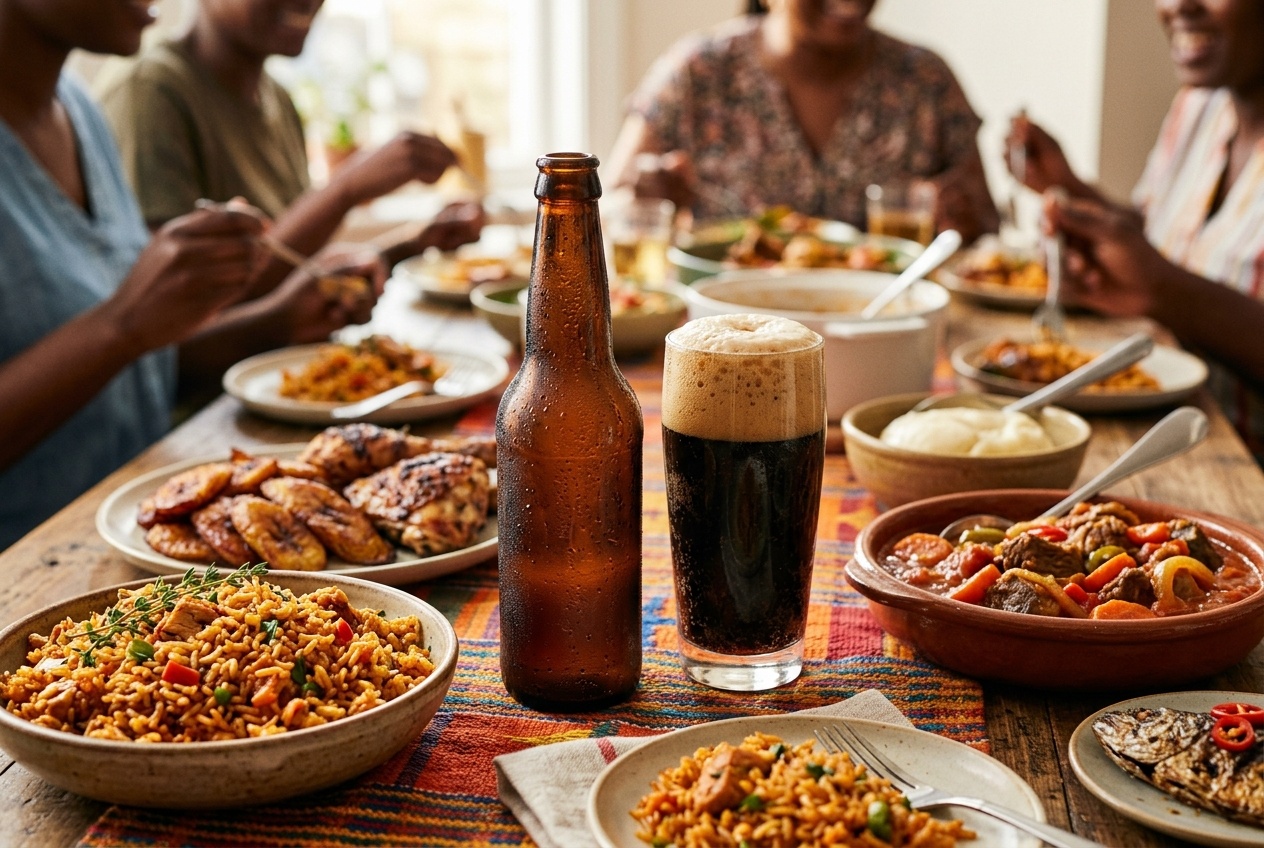
In West Africa and the Caribbean, Malta drinks occupy a central cultural space alongside traditional refreshments like fresh-pressed sugarcane guarapo and Caribbean sorrel. They are celebrated at family gatherings, holiday feasts, Sunday dinners, and weddings as rich, alcohol-free beverages suitable for all generations.
Brands like Supermalt, Malta Guinness, and Maltina are deeply associated with community celebrations and traditional cuisine, pairing naturally with savoury, spiced dishes.

How to Choose a Malt Drink
Select your malt drink based on flavour and occasion, whether comparing against fermented tepache, spicy ginger beer, or effervescent sparkling tea:
Choose Malta soda if you want a sweet, chilled, carbonated soft drink with dark toasted caramel flavours.
Choose a powdered malt drink if you want a comforting, creamy warm beverage blended with milk.
Choose beer or malt liquor if you are looking for a fermented alcoholic drink.
Frequently Asked Questions About Malt Drinks
What is a malt drink?
A malt drink is a beverage made from or flavoured with malted grain, usually barley. The broad category includes non-alcoholic Malta sodas, powdered malt drinks such as Horlicks and Ovaltine, and fermented beers.
Is malt drink alcoholic?
Some malt drinks contain alcohol and some do not. Beers and flavoured malt beverages are alcoholic. Bottled Malta sodas like Malta Goya, Supermalt, Maltina, and Malta Guinness are sold as non-alcoholic soft drinks. Always check the packaging label.
What does malt drink taste like?
Malta soda tastes sweet, toasted, cereal-like, and caramel-like with gentle fizz. Powdered malt drinks are creamier and milder, while beer carries fermented, bitter, and hoppy notes.
Is Malta the same as malt drink?
No. Malta is one specific type of non-alcoholic, carbonated malt drink. Beer, malt liquor, Horlicks, and Ovaltine also belong to the wider malt drink category.
Is malt drink safe during pregnancy?
Non-alcoholic malt drinks are safe if certified 0.0% ABV, but alcoholic malt drinks should be avoided during pregnancy according to CDC guidelines. Expectant mothers should also monitor sugar levels.
Is Horlicks a malt drink?
Yes. Horlicks is a malted powdered drink made with malted wheat and malted barley, fortified with dairy, vitamins, and minerals.
What is the difference between Horlicks and Ovaltine?
Both are malt-based powdered drinks. Horlicks has a creamy, cereal malt profile, while classic Ovaltine combines malt with cocoa.
Sources and References
- US Alcohol and Tobacco Tax and Trade Bureau (TTB) - Beer and Malt Beverage Definitions (27 CFR Part 7)
- Goya Foods - Malta Goya product page and verified nutrition panel
- Supermalt - Official brand history and Original product formulation
- Horlicks UK - Original product formulation and ingredient declarations
- Horlicks UK - Instant product information and preparation instructions
- Ovomaltine - Wander AG company history and development
- TTB - Flavoured Malt Beverage regulatory standards and compliance
- Mike's Hard Lemonade - Official website and product classification
- Truly Hard Seltzer - Formulation and sugar-source disclosures
- Journal of Cereal Science - Peer-reviewed review of the barley malting process
- Food Chemistry - Peer-reviewed research on barley germination and enzyme activation
- Journal of the Institute of Brewing - Kilning parameters and malt aroma development
- Brewing Science - Thermal processing conditions across brewing malts
- Nigerian Breweries Plc - Maltina Classic ingredients, vitamins, and 0% ABV certification
- U.S. Centers for Disease Control and Prevention (CDC) - Alcohol and Pregnancy Guidelines
- Horlicks Brand Archive - History of malted milk in travel and infant health
- Guinness Nigeria Plc - Malta Guinness launch records and brand archive
- Nigerian Breweries Plc - Maltina historical launch archive (1976)
- British Museum - Early Mesopotamian beer cuneiform tablet records (c. 3100 BC)
- Smithsonian Magazine - Archaeological evidence of beer in ancient Egyptian labour rations
- Walgreens Historical Archive - Ivar Coulson and the 1922 malted milkshake


Comments and reviews (0)