


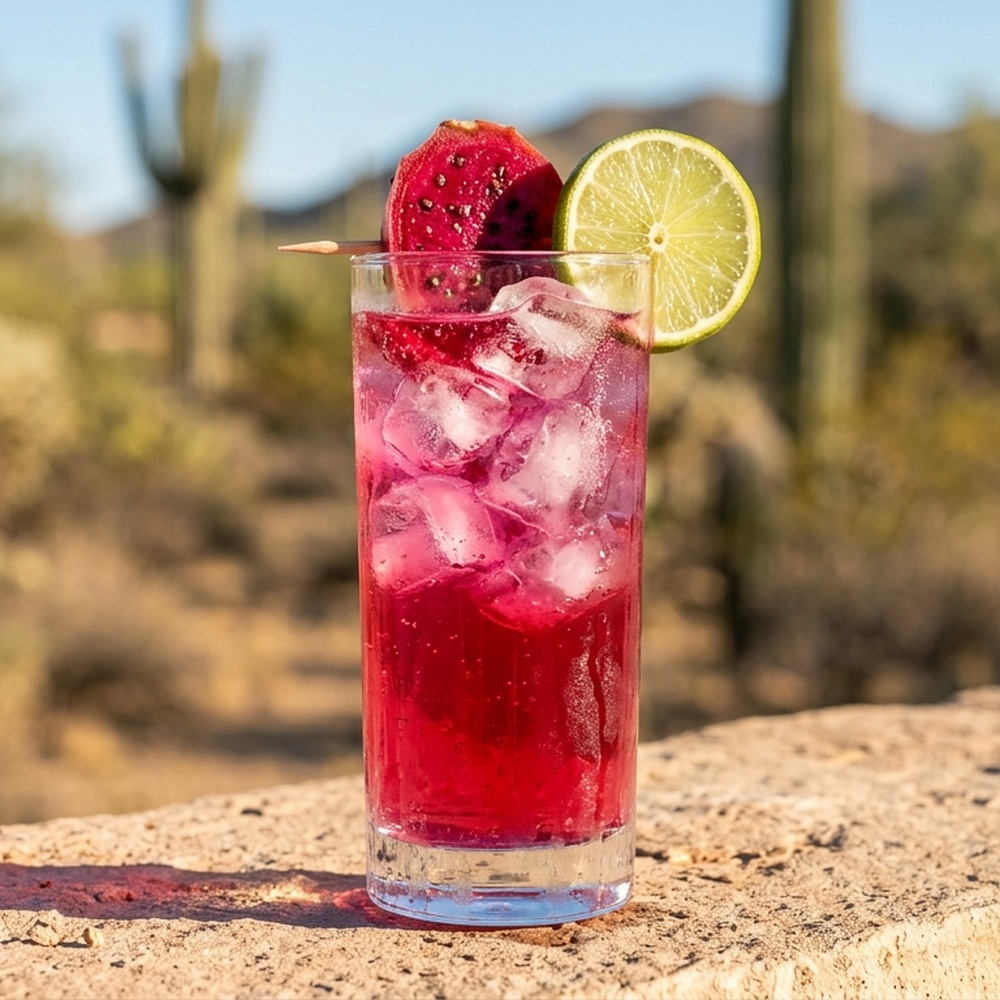
Bright magenta cans of cactus water have become a common sight in functional beverage coolers, accompanied by bold claims about hangover prevention and superior cellular hydration. That surge in popularity leaves many curious shoppers wondering what cactus water actually tastes like, how it is made, and whether the medical research validates the marketing hype.
What Is Cactus Water?
Cactus water is a refreshing plant beverage made by pureeing and diluting the edible ripe fruit of the prickly pear cactus (Opuntia ficus-indica) with filtered water and citrus. It delivers a crisp, mildly sweet taste with notes of watermelon and raspberry, contains roughly 18 to 25 calories per cup, and carries rare betalain antioxidants (indicaxanthin and betanin). While it supports everyday fluid intake and provides trace electrolytes, clinical evidence for guaranteed hangover cures or rapid cellular detoxification remains modest.
Critical Desert Survival Warning: Never slice open or drink fluid from wild desert cacti (such as barrel or saguaro cacti) during outdoor emergencies. The National Park Service cautions that wild cactus fluids contain caustic alkaloids, toxic oxalates, and extreme organic acidity that trigger acute nausea, severe vomiting, and rapid dehydration. Only consume food-grade prickly pear fruit sourced from reputable food purveyors.
This guide examines what cactus water is, explains its taste and distinct betalain pigments, evaluates scientific studies on hangovers and oxidative stress, compares its electrolyte metrics to coconut water, and provides an authentic homemade recipe.
What Is Cactus Water? Prickly Pear vs. Nopal Pads
Commercial cactus water is not tapped from trunk wood like maple or birch water. Instead, it is formulated using the edible oval fruit of the nopal cactus, scientifically designated as Opuntia ficus-indica. Native to Mexico and arid subtropical regions, the prickly pear cactus has sustained indigenous communities as both a staple food and traditional folk medicine for thousands of years.
Consumers should understand the anatomical distinction between the different culinary components of the prickly pear plant:
| Plant Structure | Spanish Common Name | Culinary Application | Beverage Function |
|---|---|---|---|
| Oval Fruit | Tuna / Prickly Pear | Sweet, juicy pulp used in beverages, sorbets, and jams | Primary ingredient in modern commercial cactus water |
| Flat Green Pad | Nopal / Nopales | Savory, tart vegetable sliced and grilled or simmered | Used in savory green vegetable juices; fibrous texture |
| Internal Pulp Tissue | Desert Stem Flesh | Spongy water-storage parenchyma cells | Unsuitable for human consumption due to caustic oxalates |
Producers blend cold-pressed prickly pear juice or fruit puree with purified water, balancing the earthy botanical finish with lemon, lime, or organic agave. When buying commercial cans, always inspect the ingredient panel to verify whether the product is 100 percent fruit-water or heavily cut with apple juice concentrate and cane sugar.
Taste Profile, Color & Betalain Pigments
The sensory experience of cactus water surprises most first-time drinkers. It does not taste green, chalky, or bitter like raw vegetable juice:
- Flavor Profile: Refreshingly light and subtly fruity, resembling a blend of crisp watermelon, ripe honeydew melon, and wild red raspberries, rounded out by a gentle citrus acidity.
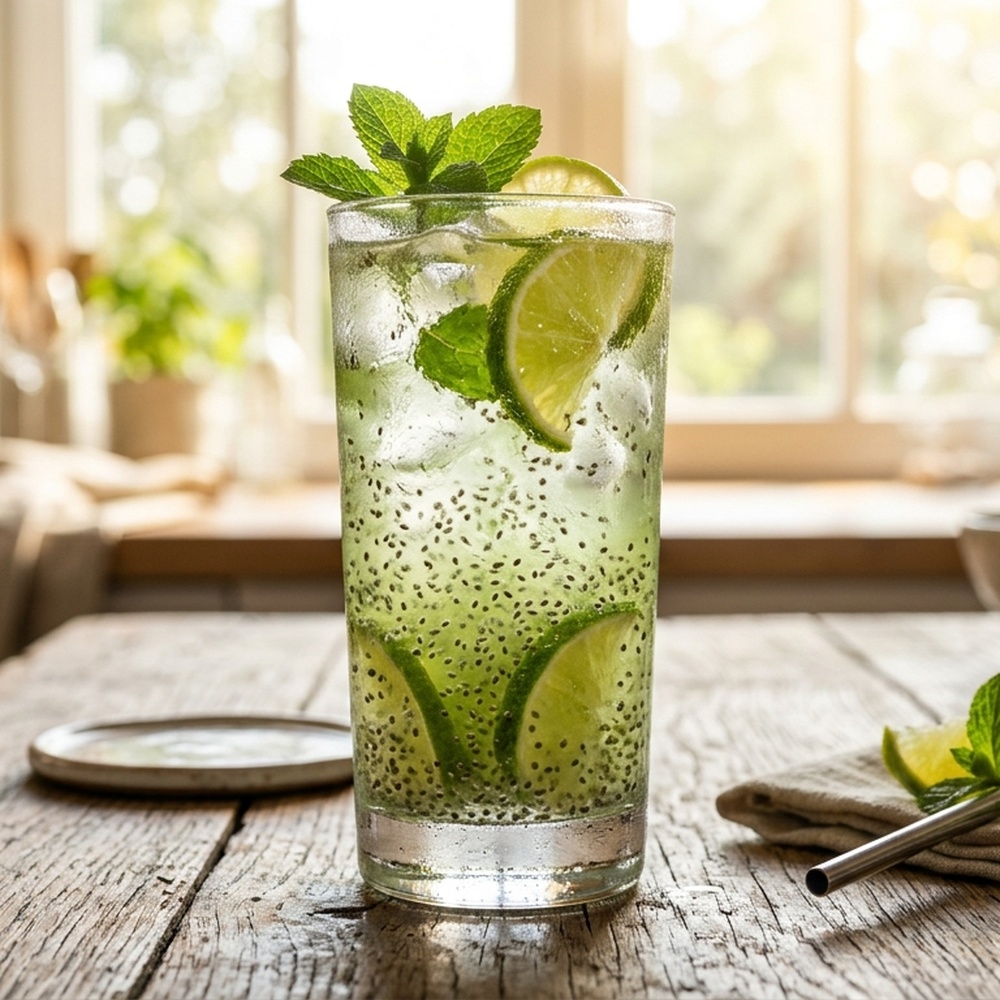
- Viscosity and Body: Thin and thirst-quenching like mountain spring water when properly strained, lacking the heavy lipid mouthfeel of coconut milk or the thick mucilage of chia drinks.
- Visual Color: Ranges from a delicate blush rose to an intense neon magenta, driven entirely by light-sensitive botanical betalain pigments.
Unlike most red fruits that derive color from anthocyanins, prickly pear fruit synthesizes rare betalain pigments. These include red-violet betanin and golden-yellow indicaxanthin. Food science research confirms that betalains remain stable across wider pH ranges than anthocyanins, giving cactus water its signature ruby-pink glow without artificial food colorings.
Nutritional Breakdown: Calories, Sugar & Minerals
Because commercial formulations vary between light fruit-infused waters and sweetened sparkling refreshments, nutrition depends on the dilution ratio. An eight-ounce serving of pure, unsweetened prickly pear cactus water averages the following nutritional metrics:
- Energy: 18 to 25 calories per 8-ounce cup (under half the calories of standard orange or apple juice).
- Total Carbohydrates: 4 to 6 grams, originating entirely from natural fruit sugars (fructose and glucose).
- Dietary Fiber: Under 0.5 grams per serving when commercially strained, though small amounts of soluble pectin remain suspended in the fluid.
- Key Electrolytes: Delivers roughly 150 to 200 mg of potassium, 15 to 25 mg of magnesium, and trace calcium.
- Vitamin C: Supplies 10 to 20 percent of the daily value, functioning as a natural synergistic antioxidant alongside fruit betalains.
Cactus Water vs. Coconut Water: Head-to-Head Comparison
Shoppers looking for healthy, low-sugar alternatives to sodas frequently weigh cactus water directly against coconut water. Here is how the two botanical beverages compare across clinical benchmarks:
| Nutritional Benchmark | Cactus Water (8 oz) | Pure Coconut Water (8 oz) | Practical Evaluation |
|---|---|---|---|
| Caloric Impact | 18 to 25 kcal | 45 to 55 kcal | Cactus water provides a lighter footprint for calorie-conscious diets |
| Natural Sugar Content | 3 to 5 g | 8 to 9 g | Cactus water has roughly half the sugar load of coconut water |
| Potassium Concentration | 150 to 200 mg | 450 to 600 mg | Coconut water delivers substantially higher intracellular potassium |
| Primary Antioxidants | Betalains (Indicaxanthin & Betanin) | Polyphenols & Vitamin C | Cactus water provides specialized nitrogenous betalain pigments |
| Dominant Taste Note | Watermelon, raspberry, tart lime | Nutty, sweet coconut, earthy finish | Cactus water appeals to consumers disliking coconut flavors |
| Endurance Athletic Role | Mild daily hydration refresher | Moderate workout fluid recovery | Neither drink provides adequate sodium for heavy marathon sweat |
For comprehensive data on cellular osmolarity across both categories, see our parent pillar guide to hydrating drinks, fluid retention, and science.
What Does Science Say About Hangover & Antioxidant Claims?
Marketing campaigns frequently tout cactus water as a clinically validated hangover remedy. To evaluate this claim objectively, consumers must look at the specific peer-reviewed trial from which these claims originated.
In a landmark 2004 randomized, double-blind, placebo-controlled crossover study led by Dr. Jeff Wiese at Tulane University, 55 healthy adult volunteers consumed an Opuntia ficus-indica extract five hours before consuming alcohol. The researchers discovered that the prickly pear extract significantly reduced three of the nine standard hangover symptoms: nausea, dry mouth, and loss of appetite. Furthermore, blood analysis demonstrated that the extract blunted the elevation of C-reactive protein (CRP), a key systemic inflammatory marker triggered by alcohol metabolism.
However, critical scientific caveats exist. First, the Tulane study administered a concentrated, standardized fruit extract five hours before alcohol ingestion, not a diluted commercial can of cactus water consumed the morning after. Second, the extract did not reduce overall hangover severity scores to statistical significance, nor did it alleviate headache or dizziness. Cactus water cannot reverse intoxication or accelerate liver ethanol clearance. For mindful social gatherings, explore our guide on what to drink instead of alcohol.
Regarding antioxidant dynamics, a human clinical trial published by Tesoriere and colleagues in the American Journal of Clinical Nutrition demonstrated that dietary indicaxanthin from prickly pear fruit is bioavailable, successfully binds to low-density lipoproteins (LDL), and significantly increases the resistance of human LDL particles to oxidative modification in vitro.
Authentic Homemade Prickly Pear Cactus Water Recipe
Making fresh cactus water at home allows you to control sweetness, eliminate industrial preservatives, and enjoy the pure natural flavor of fresh prickly pear fruit.
Authentic Homemade Prickly Pear Cactus Water
Key Ingredients
- ✓4 medium (approx. 400 g) Ripe red or purple prickly pear fruits (tunas), thoroughly washed
- ✓3 cups (720 ml) Cold filtered drinking water
- ✓2 tbsp (30 ml) Freshly squeezed lime juice (approx. 1 lime)
- ✓1 tbsp (15 ml) Organic blue agave nectar or raw clover honey (optional, to taste)
- ✓1 pinch Fine unrefined sea salt to activate mineral balance
- ✓2 cups Clean ice cubes
Preparation Steps
Even commercial supermarket prickly pears may carry microscopic spines called glochids. Always use kitchen tongs or wearing clean rubber gloves when peeling fruit to avoid skin irritation.
Frequently Asked Questions About Cactus Water
Q. What does cactus water taste like?
Q. Does cactus water actually cure hangovers?
Q. Why is cactus water bright pink or magenta?
Q. Can you drink water directly from a wild cactus in the desert?
Q. Is cactus water good for weight management?
Q. How does cactus water compare to coconut water?
Q. Are prickly pear seeds safe to consume in homemade cactus water?
Q. How long does fresh homemade cactus water last in the refrigerator?
Commercial Beverage Formulation & Bulk Prickly Pear Supply
For beverage manufacturers, functional mixer producers, and specialty juice companies seeking aseptic prickly pear puree, organic cactus water concentrates, or custom botanical formulations, verified purity and cold-chain stability are critical. Partner directly with our commercial team as an established wholesale exotic drinks supplier to access certified botanical extracts, bulk packaging options, and contract formulation support.
Editorial Fact-Checking and Evidence Standards
- Clinical Research Auditing: Tulane University hangover trial and Italian LDL antioxidant studies verified through original published manuscripts in peer-reviewed biomedical literature.
- Botanical Composition & Food Chemistry: Betalain pigment stability, indicaxanthin bioavailability, and fruit sugar metrics cross-referenced with food science journals and USDA databases.
- Public Safety & Outdoor Guidance: Desert survival safety advisories and wild cactus toxicity warnings sourced directly from the National Park Service and clinical emergency medicine publications.
Sources and References
- PubMed / Clinical Trial: Effect of Opuntia ficus-indica on Symptoms of the Alcohol Hangover (Wiese et al., 2004) - Archives of Internal Medicine
- PubMed / Clinical Study: Absorption, Excretion, and LDL-Antioxidant Effects of Indicaxanthin in Humans (Tesoriere et al., 2004) - American Journal of Clinical Nutrition
- USDA FoodData Central: Prickly Pears, Raw Nutrient Profile (FDC ID 169997) - U.S. Department of Agriculture
- CDC: Hydration and Electrolyte Management Guidelines for Prolonged Physical Activity - Centers for Disease Control and Prevention
- National Park Service: Desert Survival and Outdoor Safety Hazards - U.S. National Park Service


Comments and reviews (0)