


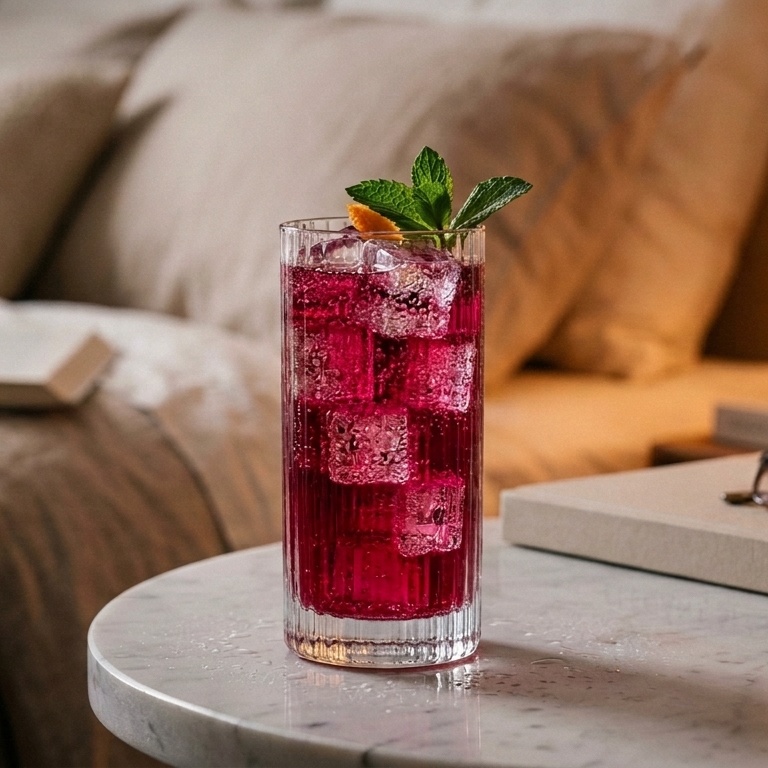
Socializing on a weekend evening used to revolve around drinking alcohol, and opting out usually meant sitting with a plain club soda while explaining your choice. The social beverage landscape has changed completely.
What Is the Alcohol-Free Trend?
The alcohol-free trend is a cultural and commercial shift driven by younger generations choosing physical wellness, mental clarity, and better sleep over hangovers. Popularized by social media movements like #SoberTok and the viral Sleepy Girl Mocktail, this shift centers on mindful drinking and damp lifestyles rather than strict lifetime abstinence. According to NielsenIQ retail data, 82 percent of non-alcoholic drink buyers still purchase standard alcohol, proving that modern consumers want flexible moderation, elevated craft mocktails, and functional adaptogenic drinks that fit their healthy routines.
This complete guide explores the cultural drivers of mindful moderation, wearable sleep data, viral mocktail recipes, and the modern non-alcoholic beverage ecosystem. If you want to explore other health-focused drinks, read our complete guide to non-alcoholic drinks, our review of soda alternatives, and our guide to restorative herbal tisanes.
Alcohol-Free Trends at a Glance
| Metric / Cultural Vector | Key Industry Specification |
|---|---|
| Primary Cultural Driver | Gen Z and Millennial wellness priorities: sleep quality, mental clarity, and daily cognitive performance. |
| Consumer Purchasing Reality | 82% of non-alcoholic drink buyers also purchase traditional alcoholic drinks (NielsenIQ retail data). |
| Dominant Lifestyle Models | Sober Curious (questioning habits) and Damp Lifestyle (intentional moderation / zebra striping). |
| Biometric Wearable Catalyst | Oura and Whoop data revealing overnight HRV drops of 30% to 50% following alcohol intake. |
| Most Viral Social Drink | Sleepy Girl Mocktail (Montmorency tart cherry juice, magnesium glycinate, prebiotic soda). |
| Fastest Growing Categories | Craft non-alcoholic beers, botanical distilled spirits, sparkling hop waters, and functional adaptogenic elixirs. |
| Legal Alcohol Thresholds | Non-Alcoholic: up to 0.5% ABV | Alcohol-Free: strictly 0.0% ABV. |
Why Alcohol-Free Is Trending: The Cultural Shift Toward Mindful Drinking
The rise of alcohol-free living is a structural shift driven by health data, generational values, and personal wellness goals.
1. Gen Z and the Rejection of Binge Culture
Gallup surveys show that adults under age 35 drink significantly less alcohol than previous generations at the same age. Younger adults prioritize emotional control, physical recovery, and waking up clear-headed. In an interconnected digital environment where social interactions are documented online, young adults place high value on authentic connection without the vulnerability of intoxication.
2. The Wearable Tech Effect: Biometrics Reveal Recovery Costs
Millions of adults wear smart rings, fitness trackers, and smartwatches. Devices like Oura, Whoop, and Apple Watch show immediate drops of 30 to 50 percent in overnight Heart Rate Variability (HRV), elevated resting heart rates, and fragmented REM sleep after drinking alcohol. When recovery data turns red the morning after two drinks, consumers see the measurable biological price of casual drinking.
3. Conquering Hangxiety: Protecting Neurochemical Balance
Alcohol disrupts GABA and glutamate balance in the central nervous system. When the body clears alcohol the next morning, glutamate surges, triggering nervous system rebound spikes known as hangxiety. Mindful drinkers seeking sustained emotional calm avoid this neurochemical swing, choosing calming evening rituals such as our recommended caffeine-free drinks and zero-proof botanical tonics.
The New Language of Moderation: Sober Curious vs. Damp Lifestyle
Modern alcohol-free trends avoid rigid labels in favor of flexible, sustainable moderation. Rather than viewing drinking through an all-or-nothing binary, consumers adopt personalized frameworks that fit their social schedules and wellness goals:
| Lifestyle Term | Core Philosophy & Practice |
|---|---|
| Sober Curious | Actively questioning and evaluating how alcohol affects your mental and physical health, coined by author Ruby Warrington. |
| Damp Lifestyle | Moderate, intentional drinking; cutting back total volume while enjoying occasional, mindful alcoholic drinks. |
| Zebra Striping | Alternating between one alcoholic drink and one non-alcoholic beverage during the same social event to stay hydrated and sharp. |
| 100% Alcohol-Free | Complete permanent abstinence from alcohol for personal wellness, health reasons, or clinical recovery. |
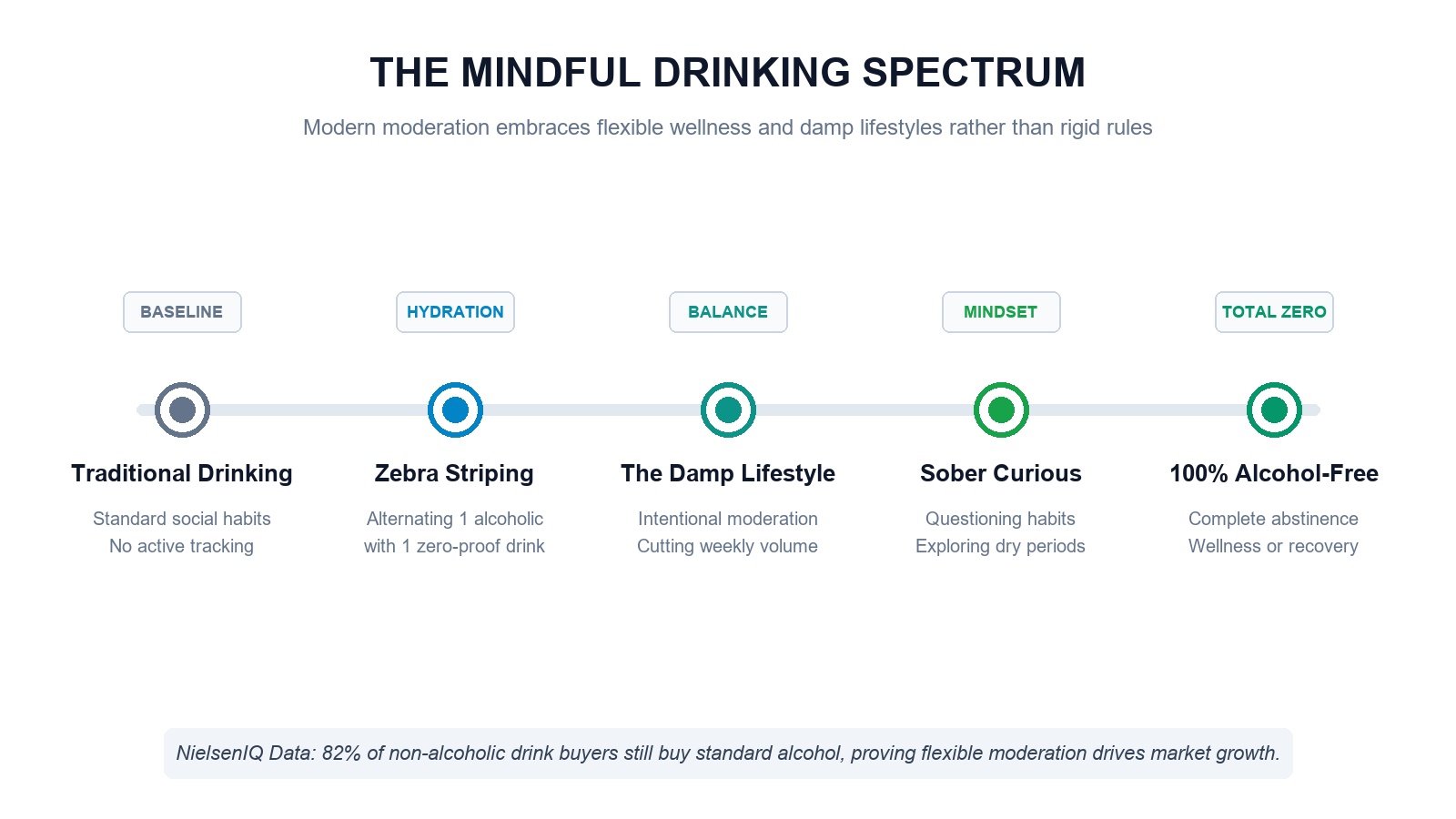
The modern alcohol-free movement embraces a spectrum of mindful moderation rather than rigid all-or-nothing rules.
Social Media and the Viral Mocktail Phenomenon
Platforms like TikTok, Instagram, and Pinterest have made zero-proof drinking an aspirational lifestyle. Under the #SoberTok hashtag, creators share drinks in ribbed glassware with clear artisan ice, smoked herbs, and functional ingredients. Mindful drinkers who want to substitute alcohol during social hours can explore targeted swaps in our guide on what to drink instead of alcohol.
Following international recipe creators, streaming sober-curious podcasts, and sharing lifestyle clips from shared workspaces or cafes has become part of daily online habits. When accessing region-restricted wellness media or browsing public Wi-Fi networks in coffee shops, many remote creators use the best VPN apps available to encrypt their connection and protect personal data.
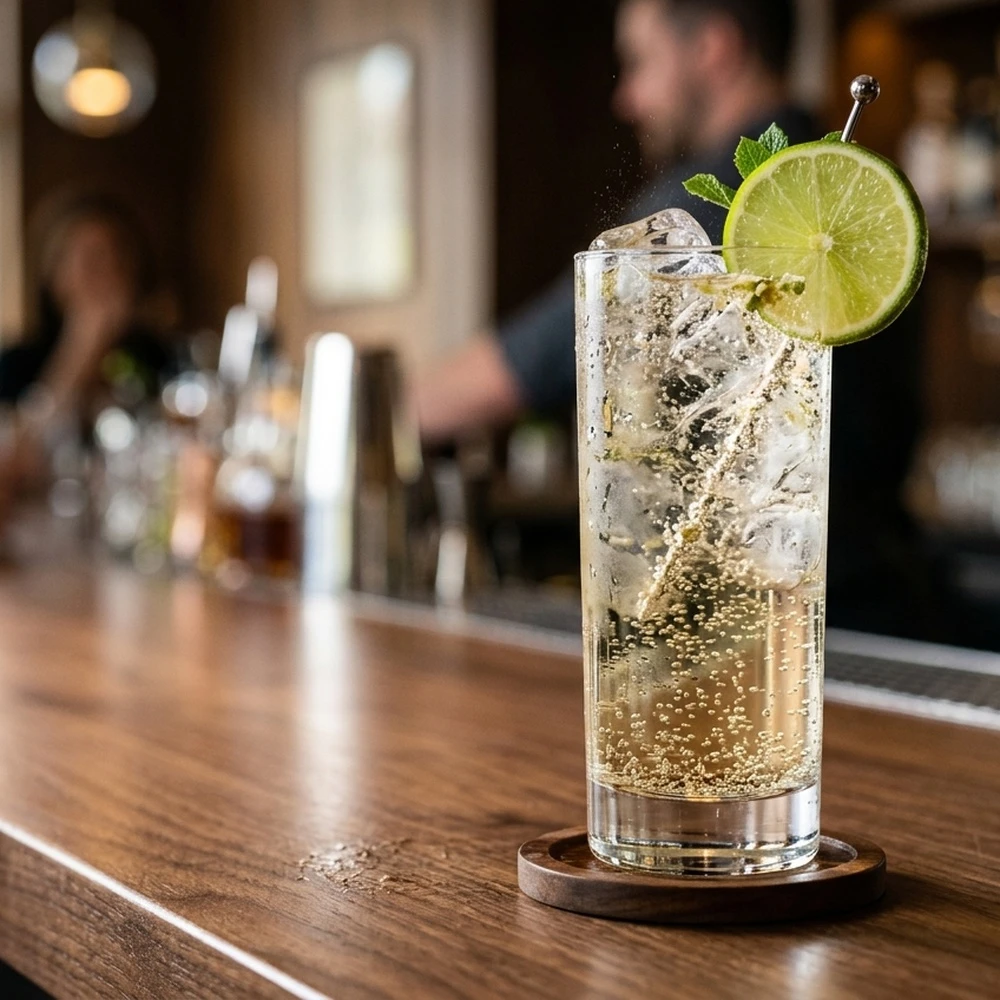
People enjoy the sensory ritual of an evening drink: the clink of glassware, the sound of shaking ice, and the citrus aroma over the rim. Modern mocktails recreate this complete sensory experience without ethanol.
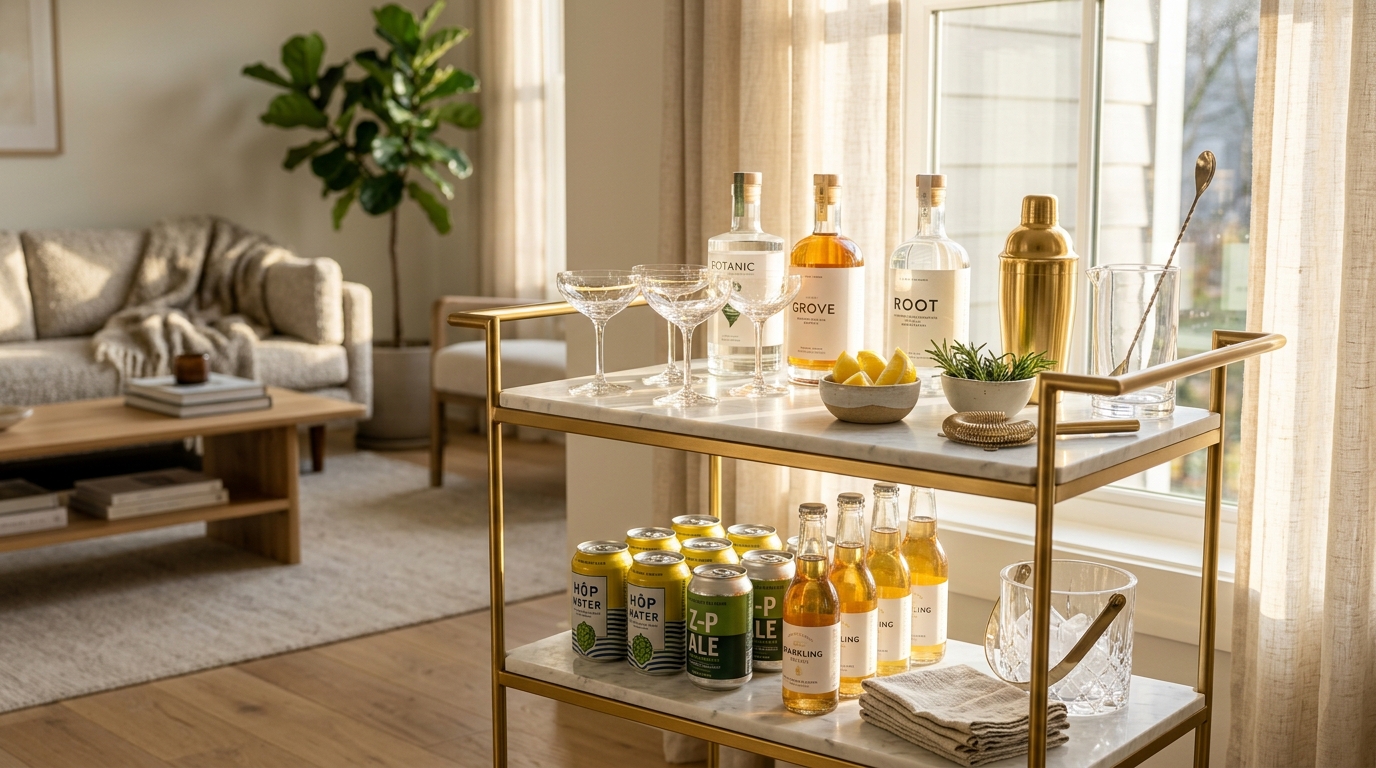
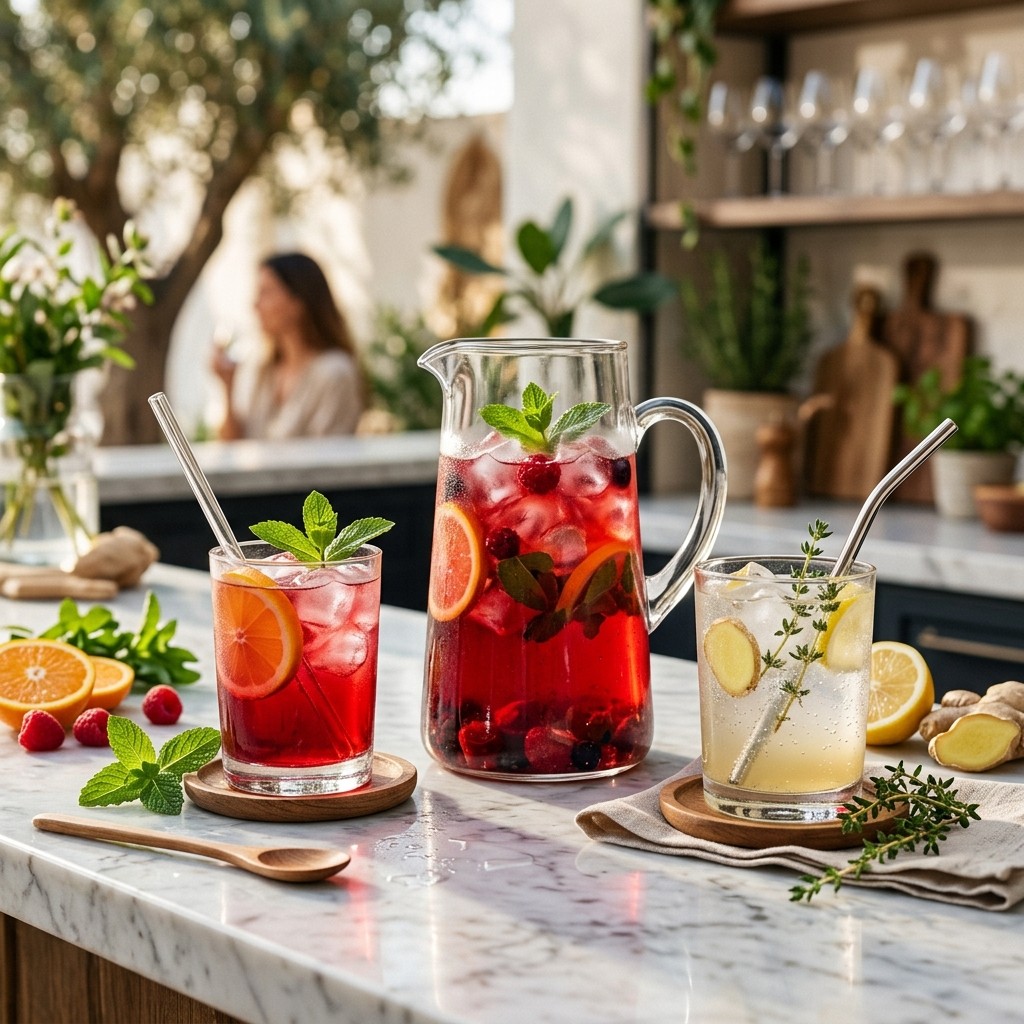
Modern home bar carts celebrate zero-proof botanical spirits and craft mixers as an elevated form of wellness.
Deconstructing the Viral Sleepy Girl Mocktail
The Sleepy Girl Mocktail swept social media as a functional evening nightcap. Its formula relies on verified nutritional biochemistry:
- Montmorency Tart Cherry Juice: Supplies natural phytochemical melatonin and proanthocyanidins. Proanthocyanidins inhibit the breakdown of tryptophan, an essential amino acid your brain converts into serotonin and melatonin.
- Magnesium Glycinate: Crosses the blood-brain barrier to bind inhibitory GABA-A receptors, calming motor neuron excitability and easing muscle tension.
- Prebiotic Soda or Sparkling Water: Adds gentle effervescence and pleasant citrus flavor while supporting gut microbiome diversity.
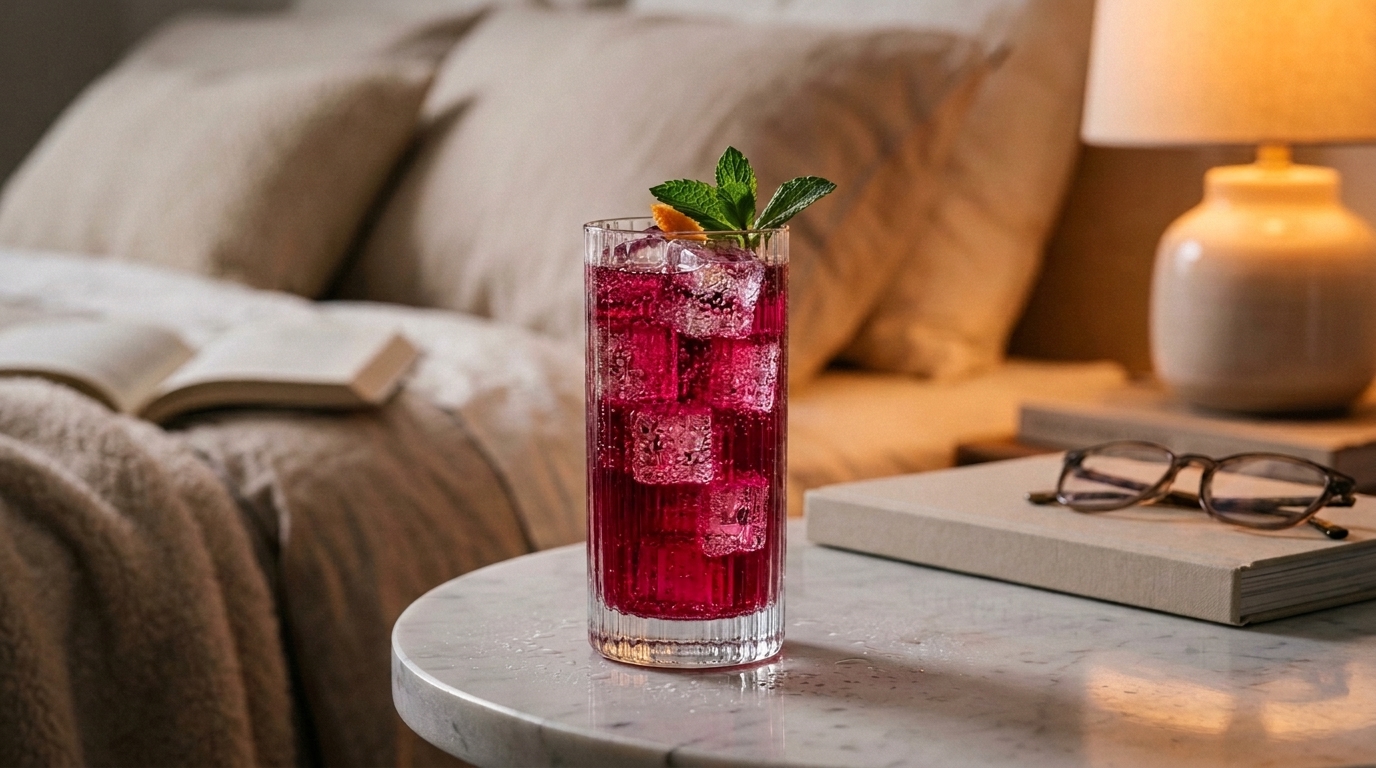
The viral Sleepy Girl Mocktail pairs melatonin-rich tart cherry juice with magnesium glycinate for deep, natural sleep.
The Modern Non-Alcoholic Beverage Ecosystem
Retail shelves now stock diverse zero-proof categories tailored to adult palates. For individuals managing celiac disease or gluten sensitivity, craft breweries offer dedicated options, as outlined in our guide to gluten-free non-alcoholic beer.
| Beverage Style | Core Ingredients | Flavor Profile | Notable Brands |
|---|---|---|---|
| Craft NA Beers | Malt, water, hops, specialty yeast | Crisp, hoppy, authentic beer body | Athletic Brewing, Untitled Art, Guinness 0.0 |
| Sparkling Hop Waters | Carbonated water, Citra/Mosaic hops | Piney, citrusy, zero calories, zero gluten | Hoplark, Lagunitas Hoppy Refresher |
| Botanical Spirits | Distilled herbs, oak extracts, spices | Complex, aromatic, light throat warmth | Seedlip, Ritual Zero Proof, Monday Gin |
| Bittersweet Aperitifs | Gentian root, rhubarb, orange peel | Tart, herbal, Italian spritz bitterness | Ghia, De Soi, Wilfred's |
| Dealcoholized Wines | Fermented wine grapes (vacuum stripped) | Tannic, acidic, dry finish, sparkling bubbles | French Bloom, Leitz Eins Zwei Zero, Proxies |
| Functional Elixirs | Adaptogens, L-theanine, ashwagandha | Botanical, earthy, relaxing finish | Kin Euphorics, Three Spirit, Sentia |
Functional Drinks: Why Adaptogens Are Replacing Alcohol
Today's consumers want beverages that actively support daily mood and stress resilience without intoxication. This demand has fueled rapid growth in functional botanical elixirs:
- L-Theanine: An amino acid found in green tea that stimulates alpha brain waves, creating a calm, focused mindset without daytime grogginess.
- Ashwagandha (Withania somnifera): An adaptogenic root that helps stabilize cortisol output during demanding workweeks.
- Functional Mushrooms (Reishi and Lion's Mane): Reishi supports evening parasympathetic tone, while Lion's Mane aids clear cognitive recall.
These plant extracts provide a noticeable unwinding ritual at the end of the day without impairing motor coordination or speech.
The Death of FOMO: Sober Bars and Modern Third Spaces
For decades, non-drinkers experienced isolation because evening socialization took place almost exclusively in alcohol-centric bars. That dynamic has changed.
Across major metropolitan areas, dedicated zero-proof bottle shops like Boisson and dry bars like Sans Bar and Hekate provide welcoming third spaces. These venues host live music, trivia nights, and social mixers where conversation and authentic connection take center stage.
Fine dining restaurants have also elevated their beverage programs. Multi-course tasting menus frequently feature dedicated zero-proof pairings designed by leading sommeliers, using cold-brewed specialty teas, botanical shrubs, and dealcoholized wine reductions that pair naturally with complex dishes.
3 Tested, Aesthetic Zero-Proof Recipes to Make at Home
These tested recipes bring the best of modern zero-proof culture into your kitchen:
The Viral Sleepy Girl Mocktail
Ingredients
- • 1/2 cup (4 oz) pure Montmorency tart cherry juice
- • 1 tsp magnesium glycinate powder
- • 4 oz chilled prebiotic lemon-lime soda or club soda
- • Clean artisan ice cubes
- • Fresh mint sprig for garnish
Equipment Needed
- • Handheld milk frother or small whisk
- • Highball or ribbed tumbler glass
Preparation Method
Choose magnesium glycinate rather than magnesium citrate to avoid digestive upset before bed. Pure tart cherry juice without added corn syrup provides optimal natural melatonin.
The Smoked Citrus Rosemary Spritz
Ingredients
- • 2 oz non-alcoholic bitter aperitif (such as Ghia or Wilfred's)
- • 2 oz fresh ruby red grapefruit juice
- • 4 oz cold club soda
- • 1 fresh rosemary sprig
- • Large clear ice cubes
Equipment Needed
- • Heat-safe plate or kitchen torch
- • Stemmed wine glass or spritz glass
Preparation Method
The gentian root in craft zero-proof aperitifs delivers genuine digestive bitter notes that replicate European spritz profiles without alcohol.
The Golden Hour Adaptogenic Elixir
Ingredients
- • 2 oz botanical zero-proof spirit (Seedlip Grove 42 or Monday Gin)
- • 1/2 oz fresh squeezed lemon juice
- • 1/2 oz raw clover honey or agave nectar
- • 1/4 tsp organic ashwagandha powder
- • 3 oz spicy craft ginger beer
Equipment Needed
- • Cocktail shaker and fine Hawthorne strainer
- • Highball glass
Preparation Method
Dissolving honey in lemon juice before adding ice prevents the honey from seizing up during shaking.
Frequently Asked Questions
Q. Why are Gen Z and Millennials drinking less alcohol?
Q. Does non-alcoholic beer still have alcohol?
Q. What is the difference between a mocktail and a zero-proof cocktail?
Q. What is a damp lifestyle?
Q. Can drinking non-alcoholic beverages improve sleep?
Q. Where can I buy craft non-alcoholic drinks?
The Bottom Line
Summary & Key Takeaways
The alcohol-free trend is a permanent cultural shift toward intentional living and mindful consumption. Consumers no longer choose between personal health goals and active social lives.
With craft zero-proof beers, botanical distilled spirits, and functional adaptogenic nightcaps widely available, individuals enjoy every celebratory ritual while waking up clear-headed, recovered, and energized.
Editorial Fact-Checking and Evidence Standards
- Retail Scanner Verification: Market percentages and purchasing crossover behaviors are verified through NielsenIQ point-of-sale scanner data reports across US grocery and specialty beverage channels.
- Generational Demographics: Age-based alcohol consumption trends reflect longitudinal polling published by Gallup annual consumption surveys.
- Sleep Neurochemistry: Statements on REM sleep architecture, GABA-A receptor kinetics, and glutamate rebound spikes align with clinical guidelines from the National Institute on Alcohol Abuse and Alcoholism (NIAAA).
- Biochemical Composition: Tart cherry phytochemical levels and magnesium elemental values are cross-checked against the USDA FoodData Central repository.
Sources and References
- NielsenIQ (NIQ) Retail Insights: The Non-Alcoholic Beverage Opportunity & Cross-Category Moderation
- Gallup Annual Consumption Habits Survey: Adults Under 35 Driving Decline in Alcohol Consumption
- National Institute on Alcohol Abuse and Alcoholism (NIAAA): Alcohol and Sleep Architecture Disruptions
- USDA FoodData Central: Montmorency Tart Cherry Nutrient Profile & Magnesium Glycinate Specifications
- PubMed: Effect of Tart Cherry Juice on Melatonin Levels and Sleep Quality (European Journal of Nutrition)


Comments and reviews (0)