


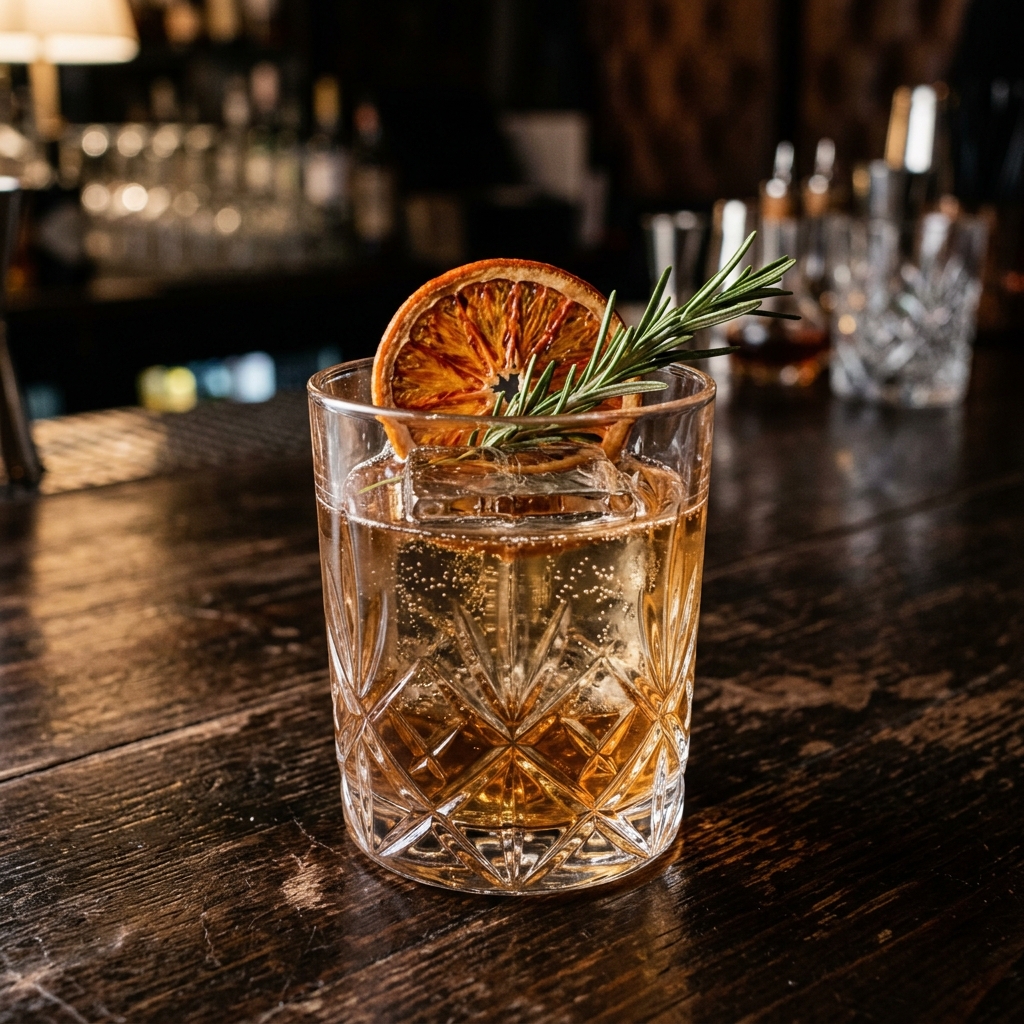
Alcohol alternatives are drinks chosen to replace alcohol at dinner, parties, or during a quiet evening at home. The right choice depends on what you miss most: bitterness, carbonated bubbles, a slow evening ritual, or a glass that fits the social occasion.
What Are the Best Alcohol Alternatives?
The main alcohol alternatives are non-alcoholic beer and wine, spirit alternatives for mixed drinks, ready-to-drink adult beverages, and functional tonics made with herbs or amino acids. Some products contain 0.0% alcohol, while others may contain less than 0.5% ABV. Functional ingredients may affect people differently and can interact with medicines, so read the full label before drinking them.
This guide focuses on adult non-alcoholic drinks that can stand in for alcohol at dinner, happy hour, parties, and quiet evenings.
Alcohol Alternatives at a Glance
| Type | What It Replaces | Typical Flavor | Main Label Check |
|---|---|---|---|
| Non-alcoholic beer | Lager, IPA, stout, or wheat beer | Malt, hops, bitterness, and foam | 0.0% or less than 0.5% ABV |
| Dealcoholized wine | Still or sparkling wine | Grape acidity, fruit, tannin, or bubbles | ABV, sugar, sulfites, and serving size |
| Spirit alternative | Gin, whiskey, rum, tequila, or aperitif | Botanicals, oak, spice, bitterness, or heat | ABV, ingredients, and mixing directions |
| Ready-to-drink adult beverage | Canned cocktail or spritz | Bitter, herbal, citrus, or lightly sweet | Sugar, caffeine, herbs, and serving count |
| Functional tonic | An evening or social drink | Fruit, tea, herbs, mushrooms, or botanicals | Active ingredients, dose, warnings, and interactions |
| DIY kitchen drink | Cocktail or nightcap ritual | Customizable tart, bitter, spicy, or fizzy profile | Added sugar and alcohol in bitters or extracts |
What Are Alcohol Alternatives?
Alcohol alternatives are drinks chosen in place of beer, wine, spirits, or cocktails. Some emulate a familiar flavor. Others replace the serving ritual without trying to taste like alcohol.
The category includes:
- Dealcoholized beer and wine
- Alcohol-free and non-alcoholic spirit alternatives
- Bitter aperitif-style drinks
- Adult sodas and sparkling teas
- Functional beverages with herbs, mushrooms, or amino acids
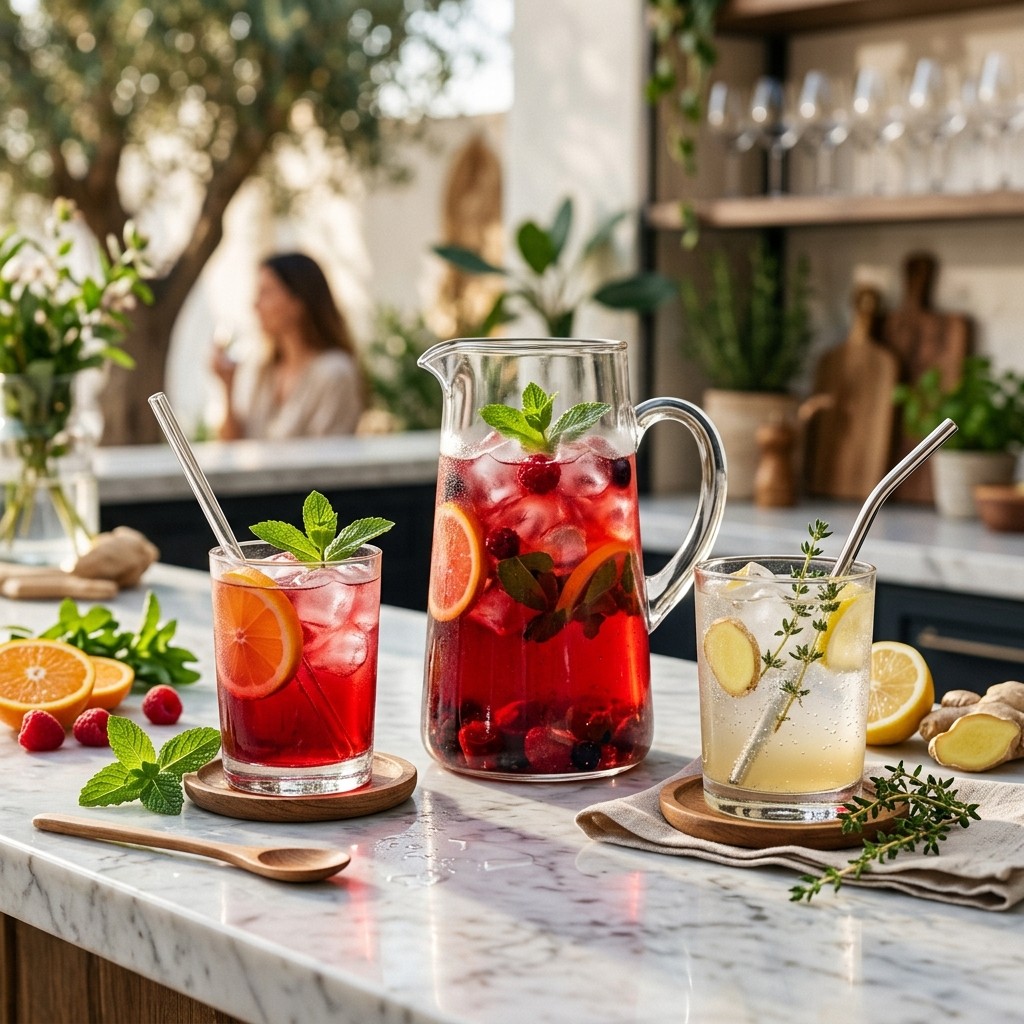
- Simple homemade drinks built with tea, juice, citrus, spice, and sparkling water
People choose these drinks for many reasons. Some are driving, pregnant, taking medication, training, sleeping better, or cutting calories. Others are sober, in recovery, or simply taking a night off. The sober-curious movement has also made non-alcoholic alternatives easier to find in restaurants, bars, and grocery stores.
One product will not suit every reason. A bottle below 0.5% ABV may work for a person who is cutting back. Someone avoiding every trace of alcohol may need a clear 0.0% label. A functional tonic may be unsuitable for a person taking prescription medicine.
Why Standard Mocktails Can Feel Unsatisfying
Many basic mocktails rely on juice, syrup, and soda. That mix can taste sweet and disappear quickly on the palate. Alcohol gives a drink body, aroma, bitterness, and warmth. It also encourages slow sipping. Better alcohol replacement drinks rebuild some of those features with acidity, tannin, carbonation, spice, and bitter botanicals.
How Alcohol Alternatives Create Warmth and Bite
Capsaicin from chili, ginger compounds, and black pepper can activate heat-sensitive receptors in the mouth. The feeling resembles some of the warmth associated with spirits, though it does not reproduce alcohol's effects on the brain.
Gentian, citrus peel, hops, tea, and other bitter ingredients add a longer finish. Oak flavor, smoke, and vanilla can suggest whiskey. Juniper, coriander, cardamom, and citrus can suggest gin. Texture matters too: carbonation adds lift, tannin creates grip, and ingredients such as xanthan gum can add body to a water-based spirit alternative.
The 3 Main Types of Modern Alcohol Alternatives
1. Functional Social Tonics
Functional beverages contain ingredients marketed for calm, focus, energy, or mood. They may be sold as adaptogenic drinks, nootropic drinks, social tonics, or sober-curious drinks. Common ingredients include L-theanine, ashwagandha, rhodiola, lion's mane, reishi, GABA, kanna, and kava.
These products do not follow one standard formula. A can may also contain caffeine, juice, sugar, vitamins, or several plant extracts. The effect can depend on the dose, the ingredient form, your health, and any medicines you take. Expect a flavored drink with effects that vary by person and formula. Some people notice mild relaxation or alertness, while others notice no clear effect.
2. Non-Alcoholic Spirit Alternatives
Spirit alternatives are made for cocktails. They may use distilled botanicals, natural flavors, acids, smoke, spice, capsaicin, sweeteners, or texture agents. Some producers suggest a 1-to-1 swap for gin, whiskey, rum, or tequila in a mixed drink. Others work best with tonic, soda, citrus, or an aperitif mixer. Many taste thin or intense when served neat, so check the serving directions.
Seedlip, Ritual, Lyre's, and similar brands take different approaches to booze-free cocktail alternatives. Compare the ingredient list, ABV, sweetness, and recommended serving method rather than expecting every bottle to work like a distilled spirit. The phrase "zero proof" does not always mean 0.0% ABV. For example, Ritual Zero Proof currently states that its spirit alternatives contain less than 0.5% ABV. The back label gives better information than the product category name.
3. Non-Alcoholic Beer and Dealcoholized Wine
Many non-alcoholic beers and wines begin with fermentation. Producers then limit or remove the alcohol while keeping some malt, hop, grape, or fermentation character. The final ABV can be 0.0% or below 0.5%. Check each package. People avoiding trace alcohol for pregnancy, recovery, medication, religion, or another reason should not assume every non-alcoholic product is 0.0%.
Alcohol Alternative Comparison
| Category | Common Ingredients | What to Expect | Typical Use | Nutrition Check | Main Caution |
|---|---|---|---|---|---|
| Functional tonic | Juice, tea, herbs, amino acids, mushrooms, or caffeine | Mild or no noticeable effect; flavor varies widely | Social events or evening routine | Calories and sugar vary; check serving count | Medicine interactions and unclear effective doses |
| Spirit alternative | Water, botanical flavors, acids, spice, sweetener, texture agents | Cocktail flavor, bitterness, smoke, or throat heat | Highballs, sours, spritzes, and mixed drinks | The mixer may supply most calories and sugar | "Zero proof" may still mean less than 0.5% ABV |
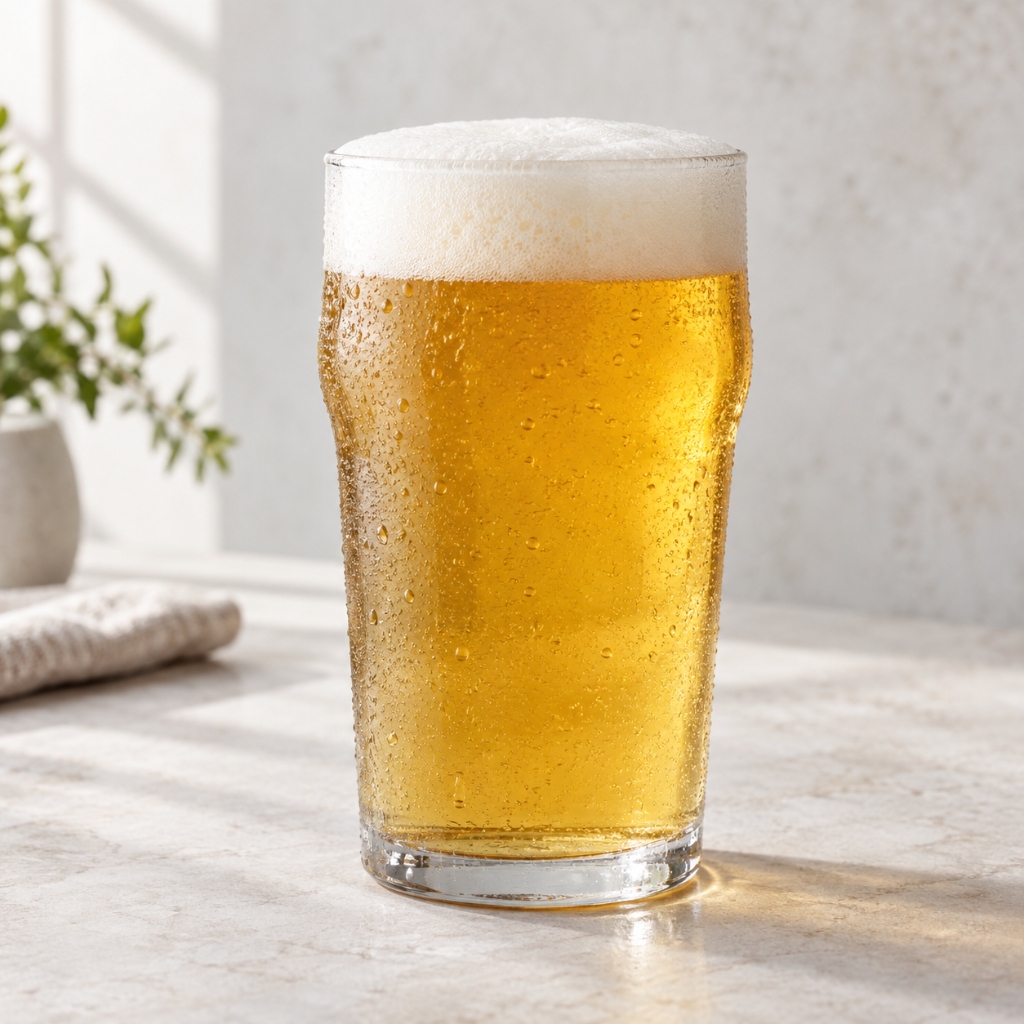
| Non-alcoholic beer | Water, malt, hops, yeast, and carbonation | Familiar beer aroma, foam, malt, and hop bitterness | Barbecues, sports, and casual meals | Compare calories and carbohydrates by can | Some bottles contain trace alcohol |
| Dealcoholized wine | Fermented grape wine with alcohol reduced or removed | Wine acidity and aroma with a lighter body | Dinner, weddings, and toasts | Compare sugar, calories, and serving size | ABV, sulfites, and pregnancy or recovery boundaries |
| Botanical sparkler | Tea, herbs, fruit, acid, and carbonation | Dry, bitter, floral, or fruity profile | Aperitif or meal pairing | Juice and sweeteners can raise sugar | May contain caffeine or active herbs |
| DIY drink | Tea, citrus, tart juice, spice, bitters, sparkling water | Low-cost flavor adjusted to your taste | Home evenings and parties | You control juice and added sugar | Standard bitters and extracts may contain alcohol |
How Common Functional Ingredients May Affect You
Research on many functional-drink ingredients is limited. Studies often test concentrated dietary supplements rather than canned beverages, and commercial formulas frequently vary doses and botanical extracts.
L-Theanine
L-theanine is an amino acid naturally found in tea. Research has examined possible effects on stress, attention, and relaxation. Results are mixed, and some products combine it with caffeine, which significantly alters the physical experience. A label should state the precise milligram amount per serving. Claims such as "calm focus" describe marketing intent, not a guaranteed biological response.
Ashwagandha
Ashwagandha (Withania somnifera) is often categorized as an adaptogen. Some short-term studies suggest that certain standardized extracts may help manage stress or insomnia, but the evidence does not apply equally to every botanical extract or beverage.
The National Center for Complementary and Integrative Health (NCCIH) notes that long-term safety remains unclear. Ashwagandha may interact with thyroid hormone, diabetes, blood pressure, immunosuppressants, seizure medications, and sedatives. It must be avoided during pregnancy and breastfeeding. People with thyroid or autoimmune disorders should avoid it unless approved by a physician. Rare cases of liver injury have also been associated with ashwagandha supplements.
Rhodiola, Reishi, Lion's Mane, and Damiana
Rhodiola is promoted for stress and fatigue; reishi for calm and sleep; lion's mane for focus and cognition; and damiana appears in botanical mood drinks. Clinical evidence for these uses varies and is often too limited to predict the real-world effect of a single canned beverage.
Mushrooms and botanicals can trigger allergies, digestive symptoms, or medicine interactions. Always check the exact milligram dose, extraction method, and manufacturer warnings rather than treating a long ingredient list as proof of effectiveness.
GABA
GABA (gamma-aminobutyric acid) is an inhibitory neurotransmitter synthesized naturally in the body. While it plays an essential role in nervous system regulation, evidence regarding oral GABA supplements and beverages is less conclusive. Scientists continue to debate how much dietary GABA successfully crosses the human blood-brain barrier. An over-the-counter drink containing GABA should never be treated as an equivalent to prescription anxiety therapies.
Kava
Kava originates from the root of Piper methysticum. Some studies suggest certain kava extracts can alleviate symptoms of anxiety over time, but it is not a predictable or instant alcohol substitute.
Kava products carry documented risks of rare, severe liver injury. The NCCIH strongly advises against combining kava with alcohol, benzodiazepines, or other central nervous system sedatives. Pregnancy and breastfeeding introduce additional hazards. Anyone with liver disease or taking prescription medications should consult a healthcare provider before trying kava drinks.
Kanna
Kanna (Sceletium tortuosum) may influence serotonin reuptake pathways. However, human clinical evidence and interaction data remain very limited. Combining serotonergic botanicals with SSRIs, SNRIs, MAOIs, or other medications that alter serotonin levels introduces serious risks, including serotonin syndrome. Speak with a prescribing clinician or pharmacist before consuming kanna drinks, and never discontinue prescribed medication in favor of a functional beverage.
Claims About Serotonin and GABA Support
Functional drink packaging often highlights phrases like "serotonin support" or "GABA enhancement." These marketing claims sound far more definitive than clinical reality supports. While an ingredient may participate in biological pathways, consuming it in a soda does not guarantee a predictable mood change. Digestive breakdown, metabolic clearance, and the blood-brain barrier all govern outcomes.
Do Adaptogenic Drinks Give You a Buzz?
Adaptogenic beverages do not cause the intoxication, impaired judgment, delayed reaction times, or loss of motor coordination associated with alcohol.
Some people report sensations of mild calm, warmth, or alertness. These physical responses typically stem from added caffeine, warming spices (like ginger or capsaicin), carbonation, sugar, active botanicals, or the psychological expectation of relaxation. Any drink that creates genuine physical or mental impairment is unsafe for driving, and products infused with THC or intoxicants belong to a completely separate, tightly regulated legal category.
Choosing a Drink by Occasion
For Happy Hour
Opt for a bitter aperitif spritz, a botanical spirit with premium tonic, or a craft non-alcoholic beer. These options mirror standard bar service, look festive in a cocktail glass, and encourage slow sipping. Remember that standard cocktail bitters often contain 35% to 45% alcohol; request non-alcoholic bitters or citrus peel instead.
For Dinner and Celebrations
Dealcoholized still or sparkling wine pairs naturally with meals that traditionally call for wine. Dry sparkling teas and hop waters also complement rich or savory dishes. Review residual sugar before pouring, as overly sweet non-alcoholic wines can overpower fine food.
For Parties and Social Gatherings
Ready-to-drink cans streamline entertaining and allow guests to check ABV labels directly. Provide plenty of plain sparkling water, citrus garnishes, and caffeine-free alternatives alongside functional tonics. Clearly separate verified 0.0% options from drinks labeled "less than 0.5% ABV" for guests with strict abstinence boundaries.
For Evening Relaxation
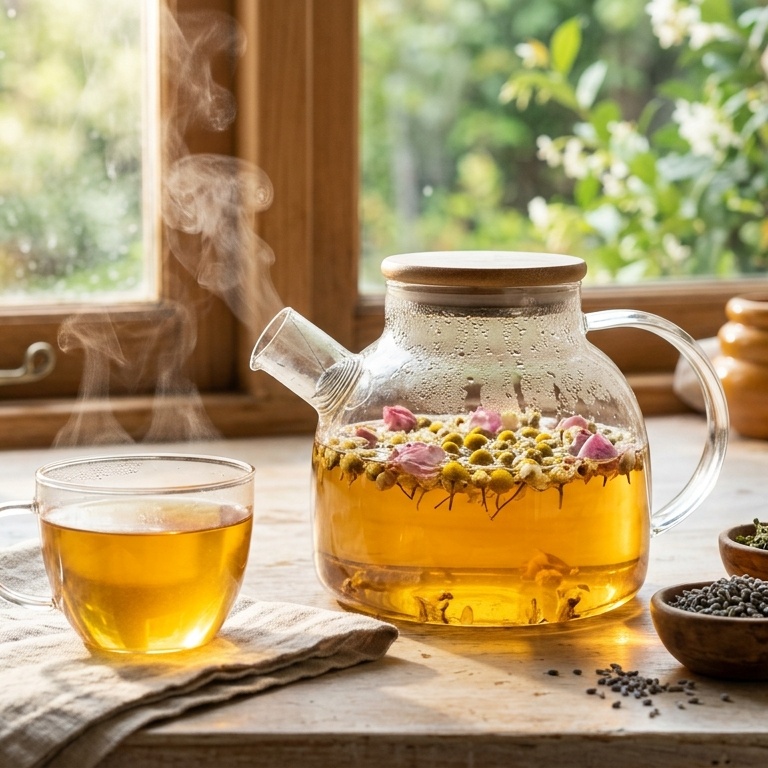
Warm chamomile or rooibos tea, a tart cherry spritz, or a caffeine-free botanical tonic provides a calming transition into nighttime. The deliberate sensory ritual of making and sipping a special drink offers psychological ease without relying on sedatives. Avoid using drinks to self-medicate persistent anxiety or insomnia.
Build a Simple Alcohol-Free Home Bar
You do not need a crowded bar cart to make satisfying booze-free drinks at home. A compact set of versatile staples covers dozens of cocktails:
- One quality spirit alternative: A botanical gin style or bitter Italian-style aperitif
- Quality mixers: Club soda, premium tonic water, and unflavored sparkling water
- Fresh citrus: Lemons, limes, and grapefruits for essential acidity and aromatic twists
- Warming agents: Fresh ginger root, whole black peppercorns, or fresh chili slices
- Brewed tea: Concentrated black, green, or herbal tea to provide mouthfeel, tannins, and structure
- Subtle sweeteners: Low-sugar simple syrup, real maple syrup, or 100% tart cherry juice
- Bar essentials: Plenty of clean, dense ice, a jigger, bar spoon, and proper glassware
Start with two parts mixer to one part non-alcoholic spirit, then adjust to taste. Add citrus juice for brightness and strong tea to replicate the dry finish of traditional spirits.
Brand Profiles: What the Labels Show
The following brand profiles illustrate how different producers formulate their beverages. Information is based on published label disclosures and manufacturer specifications reviewed on October 14, 2026.
Curious Elixirs
Curious No. 1 is a bitter pomegranate and citrus drink inspired by the Negroni Sbagliato. The label lists pomegranate juice, orange, lemon peel, bitter orange, gentian root, rhodiola extract, fennel, and botanicals. It delivers complex bitter-citrus complexity without replicating standard spirits. Rhodiola is highlighted for mood support, though this should be viewed as marketing rather than clinical therapy.
Kin Euphorics
Kin offers ready-to-drink cans tailored to specific occasions. For example, Kin Spritz contains approximately 50 mg of caffeine per 8 fl oz can, while Kin Lightwave is formulated as caffeine-free for evening use. Always check the individual can's Supplement Facts panel for caffeine, amino acids, and botanical extracts.
Hiyo
Hiyo crafts certified 0.0% ABV fruit-forward social tonics. Its formula blends ashwagandha, L-theanine, lion's mane, lemon balm, passion flower, and ginger, delivering roughly 30 calories and 1,700 mg of proprietary functional blend per can. The brand markets the sensation as "the float," which describes subjective relaxation rather than an approved medical outcome.
Athletic Brewing Company
Athletic Brewing specializes in non-alcoholic craft beers brewed to contain less than 0.5% ABV. Styles span IPAs, golden ales, and dark stouts. Beers retain authentic malt aroma, hop bitterness, and dense head retention. Drinkers with celiac disease or severe gluten intolerance must check specific releases, as standard craft NA beers contain barley and wheat.
Ritual Zero Proof
Ritual produces 1-to-1 cocktail spirit alternatives mimicking whiskey, gin, tequila, and rum. Formulations combine botanical extracts, natural flavors, xanthan gum for mouthfeel body, and capsaicin to simulate liquor throat burn. Ritual products contain less than 0.5% ABV, meaning consumers seeking strict 0.0% purity should verify the label before consumption.
A 2-Minute Tart Cherry Nightcap
Tart Cherry and Lime Nightcap
This crisp, tart nightcap satisfies the evening drink ritual without promoting morning grogginess or relying on sedating herbs.
- 3 oz 100% unsweetened tart cherry juice
- 3 oz chilled sparkling water or club soda
- 1/2 oz freshly squeezed lime juice
- Fresh ice cubes
- Fresh lime wheel garnish (optional)
- Fill a lowball glass with fresh ice.
- Pour in tart cherry juice and fresh lime juice.
- Top with chilled sparkling water.
- Stir gently once and garnish with a lime wheel.
Safety & Supplement Note: The viral "sleepy girl mocktail" often adds powdered magnesium to tart cherry juice. The NIH Office of Dietary Supplements warns that supplemental magnesium intake should not exceed 350 mg per day for adults unless directed by a clinician, as excess intake can cause digestive upset and interact with antibiotics, bisphosphonates, or diuretics.
Three Low-Cost Alcohol Replacement Drinks
Bitter Citrus Soda
Combine 4 oz sparkling water with 2 oz fresh ruby red grapefruit juice and a squeeze of lime. Garnish with an expressed grapefruit peel for aromatic bitter citrus oils.
Ginger Tea Highball
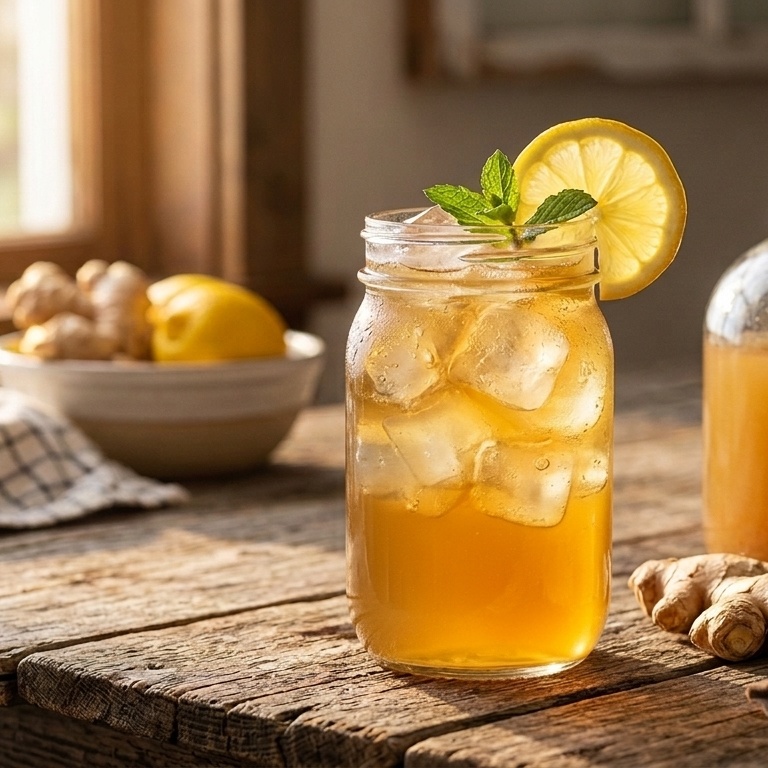
Brew a concentrated fresh ginger or black tea and chill thoroughly. Mix 3 oz cold tea with 3 oz club soda and 1/2 oz lemon juice over ice for spicy warmth and tannic grip.
Hop-Water Shandy
Mix equal parts commercial hop water with cloudy lemonade. Hop water provides floral IPA bitterness and zero calories, while the lemonade adds bright sweet-tart balance.
Safety Checklist for Functional Beverages
Always review the complete nutrition and ingredient panel on the back of the can. The front label frequently highlights appealing claims while omitting vital caveats.
- Exact dosage: Look for disclosed milligram amounts for active herbs, amino acids, and mushrooms rather than undisclosed proprietary blends.
- Serving size: Verify whether the can represents one serving or two. Drinking a full container of a two-serving beverage doubles your intake of active botanicals.
- True ABV statement: Check for a verified 0.0% statement if your boundary requires complete alcohol absence.
- Total sugars and calories: Ready-to-drink cans can carry unexpected sugar loads that affect metabolic goals.
- Pregnancy and breastfeeding contraindications: Many adaptogens (including ashwagandha and kava) are unsafe during pregnancy.
- Prescription medication interactions: Check active ingredients with a doctor or pharmacist if you manage liver, thyroid, blood pressure, or psychological conditions.
Alcohol Alternatives and Recovery
The sensory characteristics of dealcoholized beer, zero-proof wine, and spirit alternatives (smell, foam, bottle design, and ritual) can trigger intense cravings for some individuals in recovery. A 0.0% ABV label does not eliminate psychological associations.
Select drinks that comfortably align with your personal recovery plan. Many individuals prefer simple seltzers, teas, or fruit beverages that bear no visual or sensory resemblance to alcoholic drinks. Consult your sponsor, counselor, or support network when establishing comfortable boundaries.
Recognizing Alcohol Withdrawal
If reducing or stopping alcohol intake triggers shaking, profuse sweating, nausea, hallucinations, racing heart rate, severe confusion, or seizures, seek immediate emergency medical care. Alcohol withdrawal syndrome can be life-threatening and requires direct medical supervision.
Frequently Asked Questions About Alcohol Alternatives
Q. What is the healthiest alternative to alcohol?
Water, sparkling water, and unsweetened tea are simple choices with no alcohol and little or no sugar. The best social option depends on your health, medicines, caffeine limit, and reason for avoiding alcohol.
Q. What can I drink to relax instead of alcohol?
Try caffeine-free tea, hop water, a tart cherry spritz, or sparkling water with citrus and bitters made without alcohol. The ritual can support relaxation, though a drink should not replace treatment for anxiety or sleep problems.
Q. What non-alcoholic drinks relax you?
People often choose decaffeinated tea, tart cherry juice, hop water, or a caffeine-free botanical drink. Individual responses vary. Products with active herbs may interact with medicines, while simple tea or sparkling water avoids many of those concerns.
Q. What are the best alcohol alternatives for anxiety and stress relief?
No beverage should be used to treat an anxiety disorder. For an evening routine, choose a caffeine-free drink you enjoy and review active ingredients with a clinician if you take medicine. Persistent anxiety deserves proper medical or mental-health care.
Q. Do alcohol alternatives give you a buzz like alcohol?
No non-intoxicating alcohol alternative should reproduce alcohol impairment. Functional drinks may cause mild or inconsistent sensations. Products containing THC or another intoxicant are a separate category with different risks.
Q. Do adaptogenic drinks give you a buzz?
They should not make you drunk. Some people report mild calm, warmth, or alertness, while others notice nothing. Caffeine, spice, sugar, dose, and expectations can affect the experience.
Q. Do functional drinks actually work?
Evidence depends on the ingredient, dose, and purpose. Some ashwagandha or kava preparations have limited research for stress or anxiety, but those findings do not prove that every canned drink works. Safety and interactions also matter.
Q. Are adaptogenic drinks safe with medication?
Not always. Ashwagandha, kava, kanna, magnesium, caffeine, and other ingredients may interact with medicines or health conditions. Ask a clinician or pharmacist to review the exact product.
Q. Is non-alcoholic beer 100% alcohol-free?
Some beer is 0.0% ABV. Other products labeled non-alcoholic may contain less than 0.5% ABV. Read the ABV statement on each package.
Q. What is the difference between non-alcoholic spirits and functional tonics?
Spirit alternatives focus on cocktail flavor, such as juniper, oak, smoke, bitterness, or heat. Functional tonics contain ingredients marketed for calm, focus, energy, or mood. Some products combine both approaches.
Q. Can pregnant women drink alcohol alternatives?
Pregnancy changes the answer. ACOG says no amount of alcohol has been established as safe during pregnancy. Choose products with clear 0.0% labeling and ask your clinician to review any functional herbs, supplements, or unclear ingredients.
Q. Why are alcohol alternatives expensive?
Small production runs, specialist ingredients, dealcoholization equipment, packaging, and shipping can raise prices. DIY drinks made with tea, citrus, spice, juice, and sparkling water usually cost less.
Q. What is the best drink to replace alcohol at night?
A caffeine-free drink with little added sugar is a practical starting point. Try decaffeinated tea, a tart cherry spritz, or sparkling water with citrus and ginger. Choose by flavor and routine, not by promises of sedation. Check functional herbs against your medicines and health conditions.
Q. Do alcohol alternatives prevent a hangover?
A true 0.0% drink does not cause an alcohol hangover because it contains no ethanol. It can still cause a headache, poor sleep, stomach upset, or other symptoms if it contains a lot of sugar, caffeine, THC, or an ingredient that does not suit you. Check the complete label and serving size.
The Bottom Line
Choosing the Best Alcohol Substitutes for Your Needs
Start with the job the drink needs to do. Choose non-alcoholic beer when you miss hops and foam, dealcoholized wine for dinner or a celebration, and a spirit alternative for craft mixed drinks. Select a functional tonic only after checking the active ingredients and medical contraindications. For a low-cost evening ritual, kitchen drinks made with brewed tea, tart juice, citrus, ginger, or sparkling water deliver great taste without expensive bottles.
Sources and Review Standards
- National Center for Complementary and Integrative Health (NCCIH): Ashwagandha Usefulness and Safety
- National Center for Complementary and Integrative Health (NCCIH): Kava Usefulness and Safety
- NIH Office of Dietary Supplements: Magnesium Fact Sheet for Health Professionals
- American College of Obstetricians and Gynecologists (ACOG): Alcohol and Pregnancy FAQs
- U.S. Food and Drug Administration (FDA): Dealcoholized Wine and Beverage Labeling Guidance
- Curious Elixirs: Curious No. 1 Ingredients and Nutrition Disclosures
- Kin Euphorics: Kin Spritz Ingredients, Nutrition, and Caffeine Specifications
- Hiyo: Product Information, Functional Blend, and 0.0% ABV FAQs
- Ritual Zero Proof: Product FAQs and ABV Disclosures


Comments and reviews (0)