


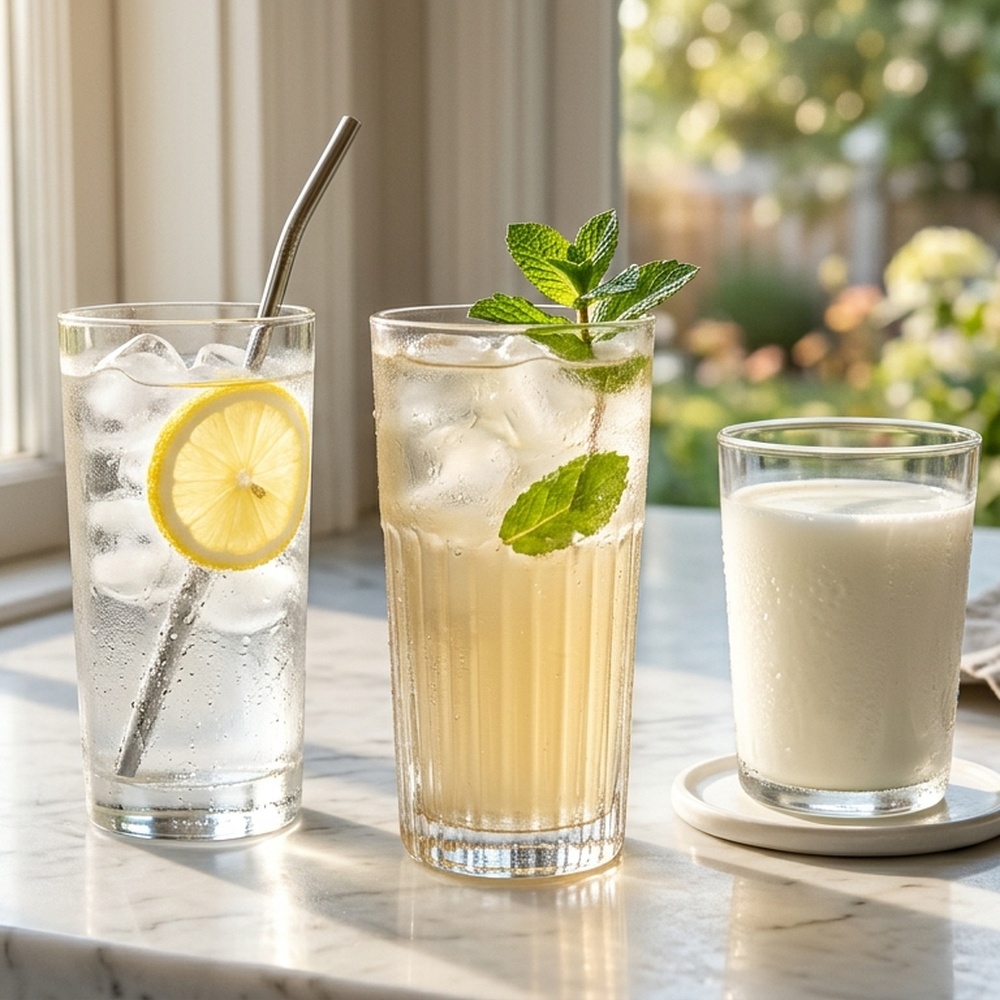
Many drinks claim to hydrate the body, but some pass straight through the kidneys or cause stomach cramps during physical exertion. True cellular hydration depends on osmotic retention rather than the simple volume of liquid swallowed.
What Drinks Hydrate You the Best?
Truly hydrating drinks supply fluid along with balanced electrolytes like sodium and potassium. They also provide small amounts of nutrients that slow gastric emptying. Based on the Beverage Hydration Index, drinks like skim milk, oral rehydration solutions, and coconut water hydrate the human body longer and more effectively than plain still water.
Clinical Hydration Boundary: Severe dehydration resulting from sustained vomiting, profuse diarrhea, or heatstroke represents a critical medical emergency. Commercial or homemade oral beverages support mild fluid replacement and workout recovery, but they cannot substitute for clinical intravenous fluid resuscitation in acute medical crises.
This guide outlines the biological mechanisms of cellular fluid retention, reviews the clinical Beverage Hydration Index rankings across nine common beverages, identifies drinks that trigger dehydration, and provides an easy two-minute kitchen electrolyte recipe.
What Makes a Drink Truly Hydrating?
True hydration depends on intestinal fluid absorption and cellular retention, rather than simply how much liquid you swallow. Fluid must travel from your digestive tract into your bloodstream and remain in your tissues to sustain cellular metabolism.
When you drink plain tap water on an empty stomach, it passes through the stomach rapidly. Plain water has no dissolved mineral salts. This quick fluid rush temporarily dilutes blood sodium concentrations. Your kidneys sense this osmotic shift immediately and produce urine to expel the excess water before muscle cells can absorb it.
To hold water in your body tissues, an effective beverage relies on two vital factors: electrolytes (minerals such as sodium and potassium that maintain osmotic pressure across cellular membranes) and macronutrients (modest quantities of carbohydrates, protein, or fat that moderate gastric release).
The Beverage Hydration Index (BHI) Explained
In 2016, researchers at Loughborough University published a landmark clinical trial in the American Journal of Clinical Nutrition. They tested 72 healthy male subjects across 13 common beverages to measure cumulative urine output over four hours post-consumption. Still water was designated as the baseline with a score of 1.00.
| Beverage Tested | BHI Score | Physiological Retention Mechanism |
|---|---|---|
| Skimmed Milk | 1.58 | Sodium, lactose, and protein slow gastric emptying and cut fluid loss |
| Oral Rehydration Solution (ORS) | 1.54 | Exact sodium-to-glucose ratio triggers rapid cellular absorption |
| Whole Milk | 1.50 | Milk fats and proteins slow digestion, giving steady fluid release |
| Orange Juice | 1.18 | Natural potassium and fruit sugars provide moderate fluid retention |
| Regular Cola | 1.14 | Sugar slows stomach emptying, though caffeine causes mild fluid loss |
| Coconut Water | 1.07 | Rich potassium content supports hydration, though low sodium limits retention |
| Plain Still Water | 1.00 | Standard clinical hydration baseline (zero electrolyte hold) |
| Sparkling Water | 0.99 | Hydrates identically to still water without affecting kidney filtration |
| Lager Beer (5% ABV) | 0.89 | Ethanol alcohol blocks antidiuretic hormone, causing net fluid loss |
How Sodium and Glucose Pull Fluid into Cells
The epithelial lining of the human small intestine contains specialised transport proteins known as sodium-glucose cotransporters (SGLT1). These microscopic carrier gates simultaneously bind two sodium ions and one glucose molecule from the intestinal lumen.
When both sodium and glucose attach, the SGLT1 gate shifts shape and pumps the nutrients across the apical cell membrane into the bloodstream. This movement creates a strong localized osmotic gradient. Through an effect termed solvent drag, water molecules follow the sodium ions across tight junctions directly into circulation. For those seeking botanical options, our guide to coconut water hydration explains how natural plant fluids behave under similar osmotic conditions.
Official Hydration Leaderboard: 7 Drinks Ranked
1. Skim Milk and Whole Milk (BHI 1.50 to 1.58): Milk acts like a steady time-release hydration beverage. Its natural density of sodium, potassium, calcium, lactose, and casein protein delays stomach release, allowing intestinal enterocytes to absorb moisture over extended periods while supporting muscular electrolyte replenishment.
2. Oral Rehydration Solutions (BHI 1.54): Formulated according to clinical standards, oral rehydration solutions deliver three times the sodium of commercial sports drinks with minimal sugar, accelerating SGLT1 cellular uptake during recovery from acute fluid loss. You can prepare a pure version at home using our homemade electrolyte drink recipe.
3. Pure Coconut Water (BHI 1.07): Pure coconut water supplies over 600 milligrams of potassium per cup with zero synthetic additives. Because it contains modest sodium levels, it does not retain blood volume as aggressively as milk, but comfortably matches plain water.
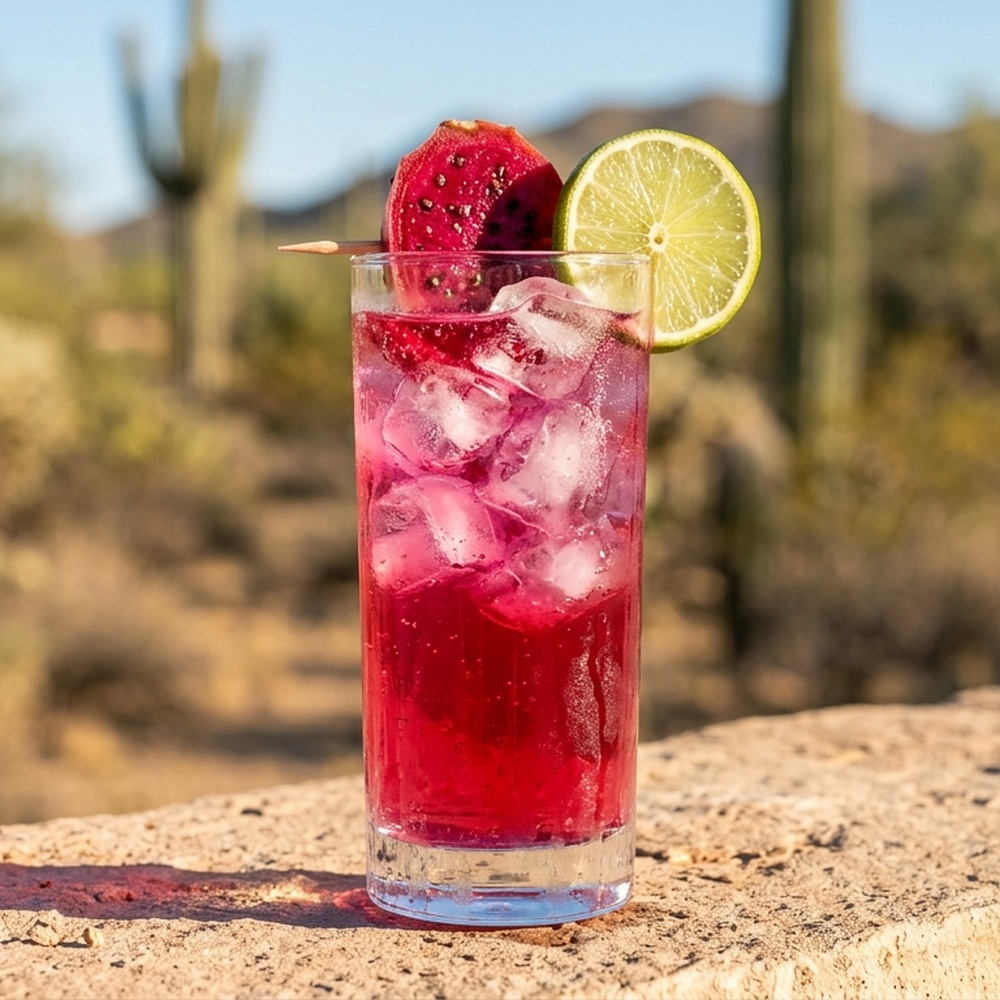
4. Cactus Water and Watermelon Juice: Cold-pressed watermelon juice provides potassium and L-citrulline to promote nitric oxide production, while prickly pear cactus water supplies betalain antioxidants. Explore our comprehensive cactus water benefits guide for complete nutritional breakdowns.
5. Unsweetened Herbal Infusions: Peppermint, chamomile, and hibiscus infusions deliver over 99 percent pure water alongside plant polyphenols with zero caffeine, preventing unwanted diuretic stimulation of the renal system.
6. Plain Filtered Water (BHI 1.00 Baseline): The gold standard beverage for sedentary office routines and light indoor tasks. It only falls short when heavy sweating, prolonged heat exposure, or illness depletes systemic mineral reserves.
7. Commercial Sports Drinks: Useful for endurance athletes undertaking strenuous training exceeding 60 minutes. However, their 30 to 35 grams of added sugars and petroleum-derived food dyes make them unsuitable for everyday sedentary desk hydration.
When Plain Water Is Not Enough
Under ordinary low-exertion conditions, plain water satisfies bodily needs. However, strenuous exercise, high ambient temperatures, and illness demand targeted electrolyte replacement.
| Physical Situation | Primary Fluid Loss Mechanism | Optimal Beverage Selection |
|---|---|---|
| Intense Exercise (>60 Min) | Heavy sweat depletion of sodium and chloride | Diluted electrolyte ORS or cold coconut water with sea salt |
| Summer Heat and Outdoor Work | High perspiration paired with elevated core heat | Chilled skim milk, cactus water, or citrus electrolyte water |
| Stomach Bug, Vomiting, Fever | Rapid loss of sodium, potassium, and digestive fluids | WHO Oral Rehydration Solution formula |
| Everyday Desk Work Routine | Baseline respiratory moisture loss and light perspiration | Plain still water, sparkling water, or herbal tea |
The Danger of Hyponatremia (Water Toxicity)
Chugging gallons of plain water during long-distance endurance events without replacing dietary salt can trigger exercise-associated hyponatremia. When serum sodium drops below 135 mmol/L, water rushes into intracellular compartments, causing cells to swell.
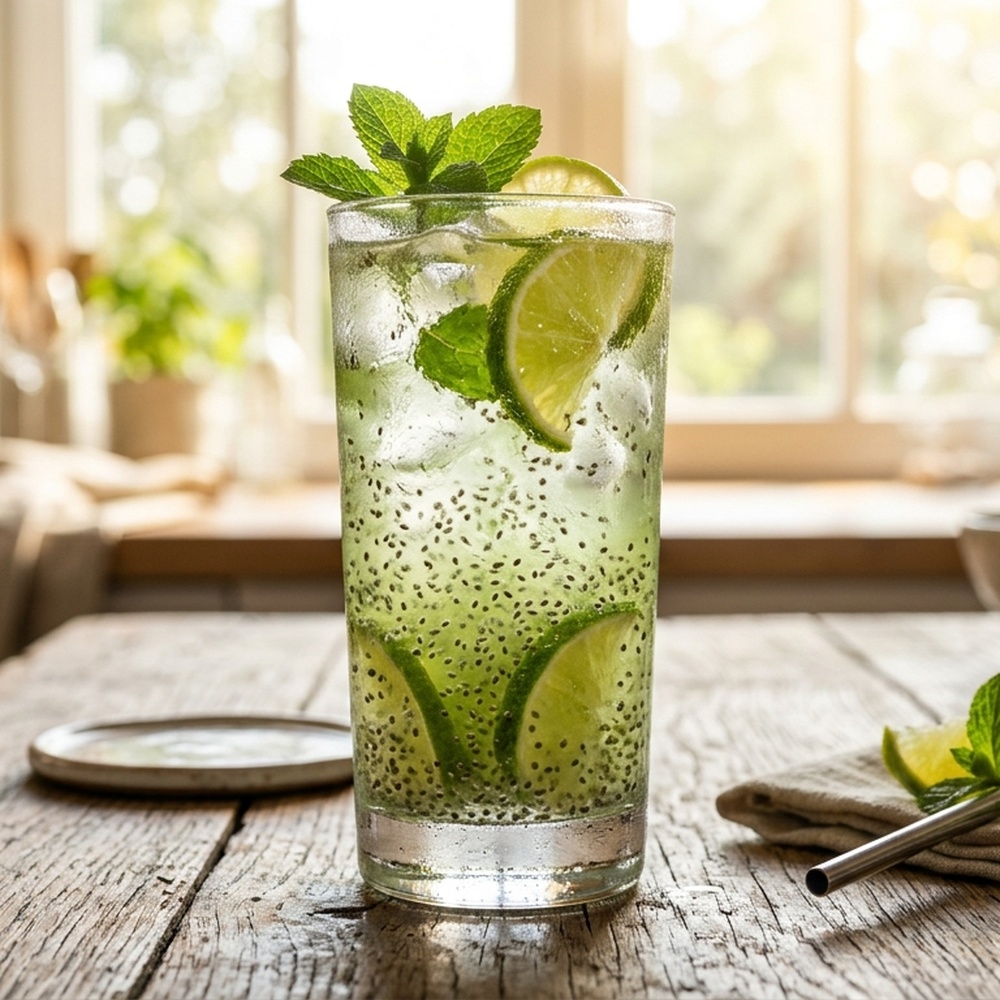
Swelling in delicate brain tissues produces confusion, throbbing headaches, seizures, and dangerous medical emergencies. Maintaining sodium balance is just as critical as drinking fluids when sweating heavily. Botanical options such as a refreshing basil seed drink or gelatinous fiber beverages like drinkable konjac jelly provide structured fluid delivery without diluting core minerals.
Drinks That Actually Dehydrate You
Certain popular convenience beverages actively pull moisture out of body tissues, worsening systemic dehydration through hormonal or osmotic actions.
| Beverage Category | Dehydrating Agent | Biological Dehydration Mechanism |
|---|---|---|
| High-Proof Alcohol | Ethanol compound | Inhibits vasopressin (ADH), forcing kidneys to excrete excess water |
| Sugary Sodas and Syrups | Hypertonic sugars (>10%) | Triggers reverse osmotic shift, drawing blood fluid into gut lumen |
| High-Caffeine Pre-Workouts | Heavy caffeine (>300 mg) | Exerts acute diuretic stimulation and accelerates renal mineral clearance |
Natural Electrolyte Hydrating Drink Recipe
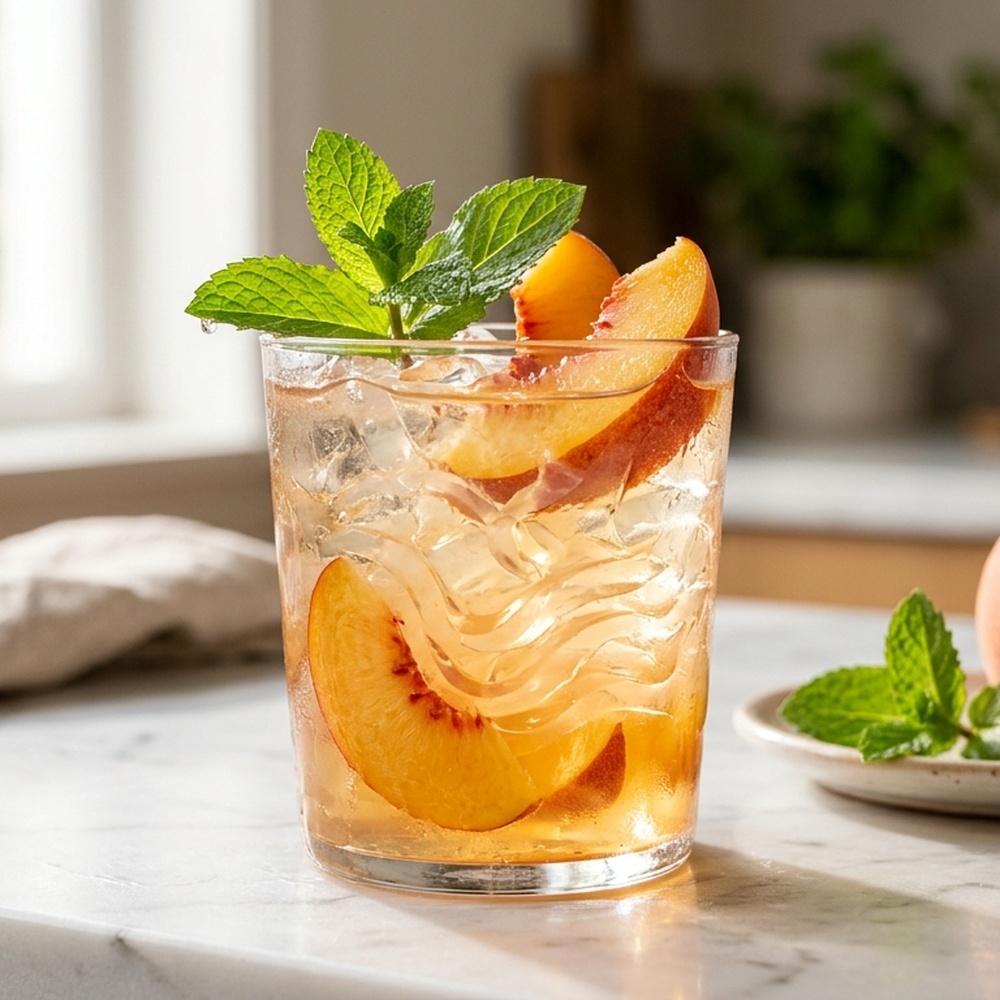
Natural 2-Minute Kitchen Electrolyte Drink
Key Ingredients
- ✓16 oz Filtered drinking water or pure unsweetened coconut water (supplies potassium)
- ✓1/8 tsp Fine Himalayan pink salt or unrefined sea salt (supplies 250-290 mg sodium)
- ✓2 tbsp Freshly squeezed lemon or lime juice (supplies citric acid and vitamin C)
- ✓1 tsp Raw honey or pure maple syrup (supplies 4g glucose for SGLT1 transport)
Preparation Steps
Never skip the tiny portion of honey or maple syrup. That small carbohydrate dose is not for sweetness; it provides the specific glucose molecules required to activate the SGLT1 cotransporters that drive rapid water absorption across your intestinal wall.
Commercial Beverage Formulation and Cafe Sourcing
For health bars, fitness studios, specialty grocers, and hospitality venues, formulating functional botanical hydration drinks requires consistent brix calibration, sterile cold-fill packaging, and strict quality assurance. Partnering with an established wholesale exotic drinks supplier ensures dependable access to premium raw botanical waters, cold-pressed fruit bases, and certified functional formulations.
Frequently Asked Questions About Hydrating Drinks
Q. What is the most hydrating drink other than water?
Q. Does milk hydrate better than water?
Q. Why is plain water sometimes not enough for hydration?
Q. Does coffee dehydrate you?
Q. What are the best hydrating drinks for sickness and fever?
Q. Can you drink too much plain water?
Q. Are commercial sports drinks healthy for everyday hydration?
Q. Is coconut water better than sports drinks?
Q. Does drinking cold water hydrate you faster than warm water?
Q. How do electrolytes help with hydration?
Balancing Osmotic Pressure for Cellular Recovery
Hydration is governed by intestinal absorption rates and cellular mineral balance rather than total liquid volume. Pairing clean water with unrefined sea salt, citrus potassium, and trace carbohydrates activates the SGLT1 transport pathway to sustain tissue hydration throughout athletic exertion and hot weather.
Editorial Fact-Checking and Evidence Standards
- Clinical Beverage Hydration Index: Grounded in peer-reviewed clinical research published in the American Journal of Clinical Nutrition evaluating multi-hour fluid balance across 72 human subjects.
- SGLT1 Intestinal Transport Biochemistry: Biochemical validation of sodium-glucose cotransport gates and paracellular solvent drag mechanisms from intestinal physiology literature.
- Electrolyte and Hyponatremia Guidelines: Clinical safety parameters on serum sodium concentration thresholds, exercise-associated fluid overload, and oral rehydration standards from the World Health Organization.
Sources and References
- A Randomized Trial to Assess the Potential of Different Beverages to Affect Hydration Status (BHI Study) - American Journal of Clinical Nutrition / PubMed
- Water, Hydration, and Health - Nutrition Reviews / NCBI PMC
- Oral Rehydration Salts (ORS) Clinical Formulation Standards - World Health Organization
- Exercise-Associated Hyponatremia: 2017 Updated Consensus Statement - British Journal of Sports Medicine / PubMed
- Beverage Consumption and Sweat Rate Dynamics in Physical Exertion - Centers for Disease Control and Prevention (CDC)


Comments and reviews (0)