


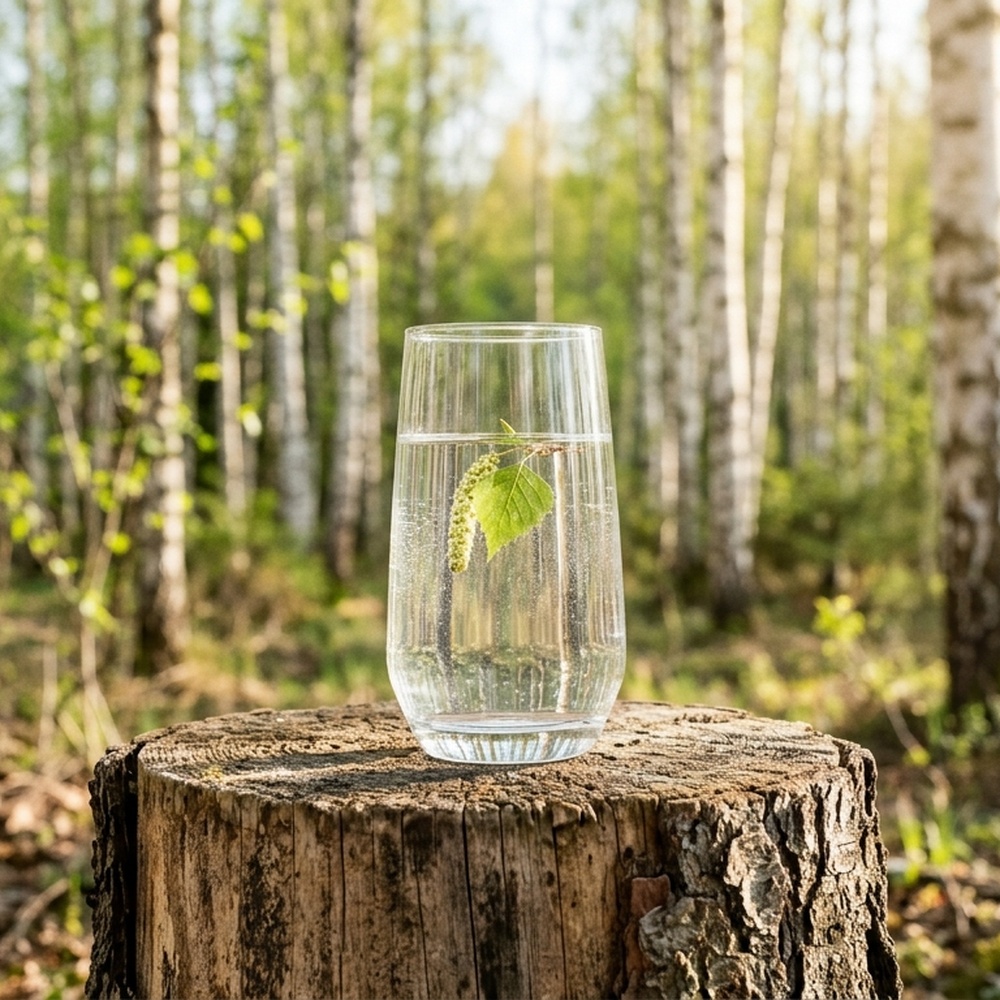
Many wellness seekers searching for plant-based hydration find coconut water too heavy, cloying, or high in carbohydrates. That curiosity frequently leads foragers and conscious consumers to birch water, an ancient northern forest beverage celebrated for its weightless, crisp mouthfeel and unusual trace mineral density.
What Is Birch Water (Birch Sap)?
Birch water, also known as birch sap, is the clear liquid tapped directly from silver birch trees (Betula pendula) during early spring thaw. It tastes like crisp, pristine spring water with a delicate hint of woodland sweetness. It contains only 10 to 18 calories per cup, supplies over 100 percent of your daily manganese intake, and carries naturally occurring xylitol to support oral health. Keep birch water strictly away from dogs, as natural xylitol causes rapid, fatal canine hypoglycemia.
Critical Canine Toxicity & Allergy Alert: Keep birch water away from household pets, particularly dogs. Birch sap naturally synthesizes xylitol, a sugar alcohol harmless to humans that causes catastrophic, life-threatening hypoglycemic shock and acute hepatic necrosis in canines. Individuals with severe birch pollen allergic rhinitis should also exercise caution due to potential oral allergy cross-reactivity.
This guide explains the nutritional biochemistry of birch water, compares its flavor profile to coconut water, details sustainable backyard tree-tapping instructions, outlines storage parameters, and shares a tested citrus botanical recipe.
What Is Birch Water (Birch Sap)?
Birch water is the clear, biological xylem sap circulating through silver birch trees (Betula pendula) and paper birch trees (Betula papyrifera). During sub-zero winter dormancy, mature birch trees store concentrated starches and mineral reserves deep within their root structures.
When early spring brings above-freezing daytime temperatures alongside freezing nights, strong hydraulic root pressure develops. The tree converts stored root starches into simple sugars and pumps water upward through trunk xylem vessels to awaken dormant leaf buds. Tapping the trunk during this narrow two-to-three-week window yields a crystalline fluid that looks like plain tap water but carries an array of dissolved electrolytes, amino acids, and antioxidant enzymes.
Harvesting birch sap has formed an integral part of rural folk medicine across Scandinavia, the Baltic region, and Eastern Europe for centuries. Known colloquially in Slavic cultures as berezovyi sok, rural families historically consumed the freshly tapped sap each spring as a restorative seasonal tonic after months of heavy winter root cellar dining.
What Does Birch Water Taste Like?
First-time consumers frequently anticipate birch water to taste thick and syrupy like pancake topping or medicinal like herbal bark tea. In reality, the sensory profile is exceptionally subtle and clean:
- The Fore-Palate: Incredibly light and refreshing, almost indistinguishable from high-altitude glacier spring water with zero tongue-coating viscosity.
- The Mid-Palate: A soft, whisper-thin touch of natural botanical sweetness registered by tongue papillae, supplied by low concentrations of natural fructose, glucose, and trace xylitol.
- The Finish: A crisp, mineral-forward finish carrying a faint, pleasant note of clean forest air and subtle green wood.
Consumers should distinguish botanical birch water from carbonated birch beer. Birch beer is an old-fashioned soda formulated by distilling essential oils (methyl salicylate) from the bark and twigs of black birch trees (Betula lenta), yielding an intense herbal wintergreen punch. In contrast, pure birch water tapped from living trunks contains zero wintergreen notes and carries no carbonation. For the history of botanical soft drinks, read our guide on what is birch beer.
Nutritional Profile: Manganese and Mineral Density
While coconut water derives its primary value from potassium, birch water stands out for its high concentration of manganese, an essential trace element vital for enzymatic antioxidant defense.
| Nutrient Metric | Amount (Per 8 oz Cup) | % Daily Value (% DV) | Biological Role |
|---|---|---|---|
| Energy / Calories | 10 to 18 kcal | 1% | Ultralight caloric profile suitable for fasting or low-carb diets |
| Total Carbohydrates | 2.5 to 4.0 g | 1% | Minimal carbohydrate density; rapidly metabolized |
| Natural Sugars | 1.0 to 2.0 g | None Added | Trace fructose, glucose, and non-fermentable xylitol |
| Manganese (Mn2+) | 2.5 to 3.2 mg | 110% to 140% | Primary cofactor for mitochondrial superoxide dismutase (MnSOD) |
| Potassium (K+) | 50 to 90 mg | 2% | Gentle background electrolyte support |
| Magnesium (Mg2+) | 10 to 15 mg | 3% | Supports cellular enzymatic stabilization and bone health |
| Calcium (Ca2+) | 20 to 30 mg | 2% | Natural organic plant calcium bound to botanical organic acids |
A single cup of birch water satisfies over 100 percent of the recommended dietary intake for manganese. Manganese functions as the mandatory mineral cofactor for manganese superoxide dismutase (MnSOD), the principal antioxidant enzyme neutralizing harmful reactive oxygen species inside human mitochondria. Furthermore, the trace presence of non-fermentable xylitol inhibits the growth of Streptococcus mutans bacteria in the oral cavity, protecting dental enamel.
Plant Water Showdown: Birch vs. Coconut vs. Maple vs. Cactus
The botanical water category features diverse tree saps and desert juices. Choosing the ideal plant water depends entirely on your specific caloric targets, mineral goals, and palate preferences.
| Botanical Water | Calories (8 oz) | Sugars (8 oz) | Dominant Mineral | Taste & Mouthfeel | Key Distinguishing Feature |
|---|---|---|---|---|---|
| Birch Water | 12 to 18 kcal | 1.5 g | Manganese (130% DV) | Crisp, thin, subtle woody sweetness | Extremely low calories; supplies cellular MnSOD cofactor |
| Coconut Water | 45 to 55 kcal | 8 to 9 g | Potassium (500 mg) | Nutty, sweet, moderate viscosity | High-potassium sports hydrator for athletic recovery |
| Maple Water | 20 to 30 kcal | 4 to 6 g | Manganese & Calcium | Mild maple aroma, light syrup finish | Contains over 40 distinct polyphenolic antioxidants |
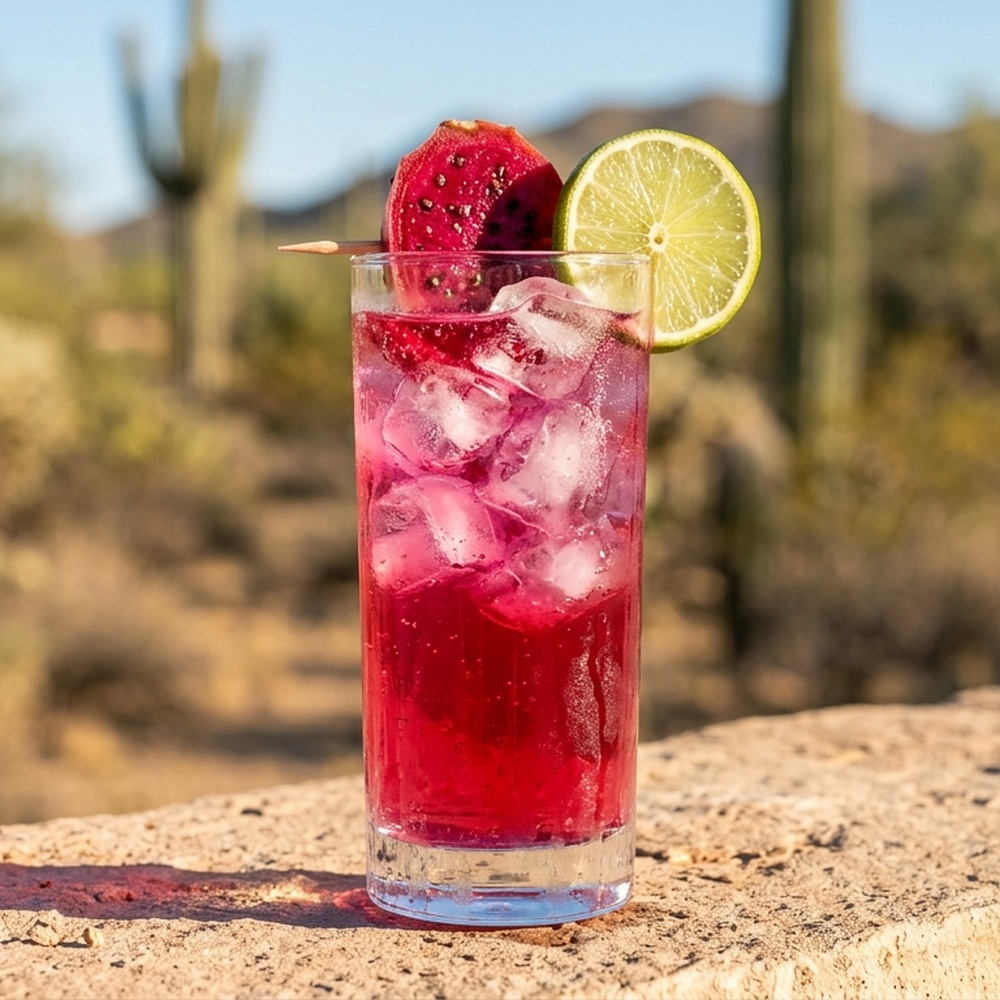
| Cactus Water | 18 to 25 kcal | 3 to 5 g | Magnesium & Betalains | Tart, fruity, melon-berry notes | Rich in naturally pigmented indicaxanthin and betanin compounds |
If you prefer higher electrolyte density after strenuous exercise, explore our clinical guide on coconut water electrolytes and science. If you seek an everyday hydrator with virtually zero caloric penalty, birch water provides an unmatched clear profile.
How to Tap a Birch Tree Sustainably at Home
Foragers and property owners can tap birch trees cleanly without harming forest ecology by following strict arboricultural protocols:
- Tree Selection & Trunk Diameter: Select only mature, healthy silver birch or paper birch trees with a minimum trunk diameter of 10 to 12 inches (measured 4 feet above the ground). Never tap saplings or damaged trees.
- Sanitize Equipment: Sterilize food-grade 5/16-inch plastic or stainless steel spiles (taps) and collection buckets using boiling water or food-grade sanitizing solution.
- Drill at a Slight Upward Angle: Drill a hole 1.5 inches deep into the south-facing side of the trunk at a slight upward angle (to facilitate downward drainage) using a sharp 5/16-inch drill bit.
- Insert Spile Gently: Tap the sanitized spile gently into the hole with a rubber mallet until seated snugly. Clear sap should begin dripping immediately. Connect tubing directly into a covered food-grade jug.
- Plug the Tap Hole: Limit collection to 1 to 2 gallons per tree per season. When finished, remove the spile immediately and tap a snug wooden dowel or breathable branch plug flush into the hole to seal the cambium from fungal pathogens.
Storage, Spoilage & Cold Chain Rules
Raw birch sap contains active wild yeasts, bacteria, and simple sugars that begin fermenting within 24 hours at room temperature. Follow these storage guidelines to preserve taste and safety:
- Refrigeration: Freshly collected raw birch water must be refrigerated immediately at 34°F to 38°F (1°C to 3°C) and consumed within three to five days. Cloudiness indicates active wild yeast fermentation.
- Freezing: Raw birch sap freezes exceptionally well. Stored in airtight food-grade containers with 10 percent headspace for expansion, birch sap retains its flavor and mineral profile for up to 12 months.
- Commercial Bottles: Shelf-stable bottled commercial birch water utilizes flash-pasteurization or a micro-dose of non-GMO citric acid to maintain shelf stability for up to 18 months unopened. Once opened, refrigerate and drink within 48 hours.
Signature Recipe: The Alpine Birch-Lime Refresher
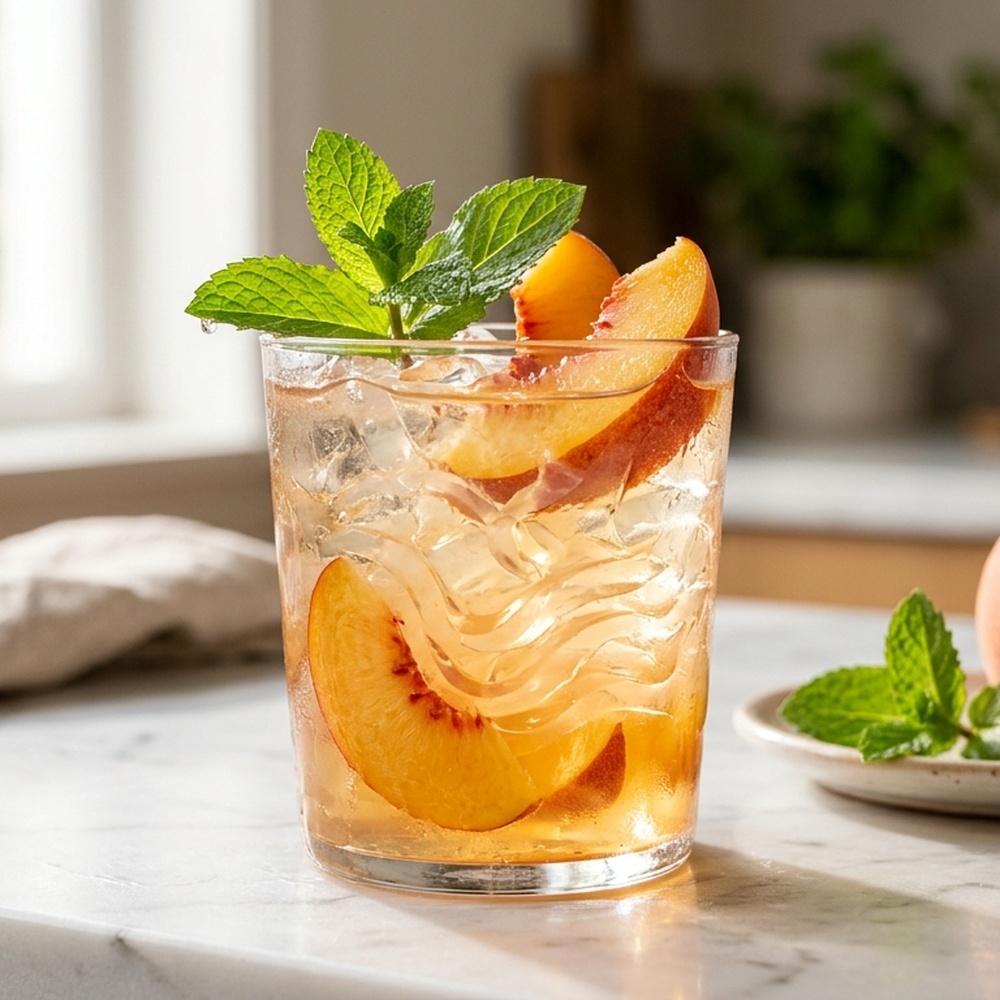
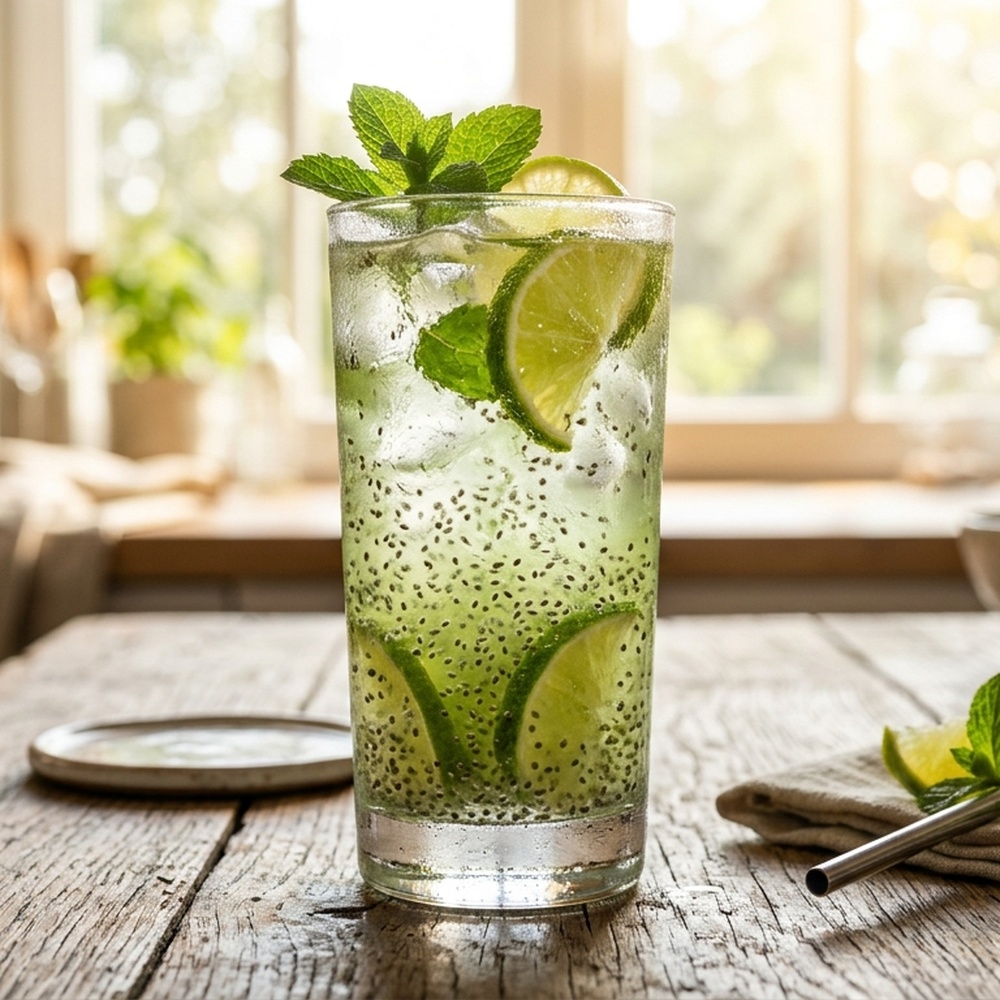
This simple three-minute botanical tonic elevates chilled birch water with fresh citrus acidity and cooling garden herbs without masking its subtle woodland notes.
The Alpine Birch-Lime Refresher
Key Ingredients
- ✓10 oz (300 ml) Cold pure birch water (freshly tapped or chilled commercial)
- ✓1 oz (30 ml) Fresh key lime or lemon juice
- ✓3 to 4 leaves Fresh lemon verbena or sweet basil, lightly slapped
- ✓1 thin slice Fresh organic lime wheel for garnish
- ✓4 cubes Pristine filtered water ice
Preparation Steps
Never boil birch water when preparing mixed drinks. Elevated heat destroys delicate heat-sensitive enzymes and evaporates subtle woodland aromatics.
Frequently Asked Questions About Birch Water
Q. What does birch water taste like?
Q. Does tapping birch trees hurt the tree?
Q. Does birch water taste like birch beer?
Q. Why is birch water toxic to dogs?
Q. Can you boil birch water down into birch syrup?
Q. How many calories are in an 8-ounce cup of birch water?
Q. Can people with birch pollen allergies drink birch water?
Q. How long does raw birch sap last after tapping?
Commercial Botanical Sourcing & Wholesale Supply
For specialty health food brands, boutique beverage bottlers, and premium cafes seeking certified organic botanical waters and tree saps, reliable cold-chain supply and rigorous microbiological testing are essential. Connect directly with our supply division as an experienced wholesale exotic drinks supplier to discuss bulk aseptic tote shipments, pasteurized retail packs, and specialty botanical extracts.
Editorial Fact-Checking and Evidence Standards
- Botanical Identification Standards: Tree species classifications, hydraulic root mechanisms, and sustainable forestry guidelines verified with academic forestry extension services.
- Biochemical Nutrient Profiling: Manganese superoxide dismutase enzymatic pathways and mineral quantification cross-referenced with peer-reviewed nutritional biochemistry literature.
- Toxicology & Pet Safety Protocols: Canine xylitol toxicosis and oral allergy syndrome warnings corroborated with ASPCA Animal Poison Control and veterinary clinical emergency literature.
Sources and References
- Finnish Forest Research Institute: Composition and Properties of Birch Sap (Betula pendula) - Luke Forest Bioeconomy
- American Dental Association (ADA): Non-Fermentable Sugar Alcohols and Dental Health - ADA Science Institute
- USDA FoodData Central: Botanical Waters and Tree Sap Mineral Profiling - U.S. Department of Agriculture
- ASPCA Animal Poison Control Center: Veterinary Warning on Xylitol Toxicosis in Canines - ASPCA Toxicology Advisory
- European Journal of Nutrition: Dietary Manganese and Mitochondrial Antioxidant Defense - Springer Nature


Comments and reviews (0)