



Browsing the menu at an upscale teahouse or shopping for loose-leaf blends often reveals a section labeled tisanes. Many tea drinkers in the United States wonder whether a tisane is simply an expensive French marketing term for herbal tea, whether it contains caffeine, or why purists insist that chamomile and peppermint are not technically "tea" at all. Ordering the wrong blend when looking for an afternoon caffeine boost or a calming bedtime drink can easily ruin your routine.
What Is a Tisane?
A tisane (pronounced tee-ZAHN) is any hot or cold beverage made by infusing herbs, flowers, barks, roots, seeds, or fruits in water, completely excluding the true tea plant (Camellia sinensis). While commonly called "herbal tea" in North America, true tea must contain leaves from the Camellia sinensis bush (such as black, green, or oolong tea). Because tisanes do not contain true tea leaves, almost all tisanes are naturally 100% caffeine-free.
Botanical Caffeine Boundary: Almost all tisanes are 100% naturally caffeine-free. The only exceptions are specific South American holly species—Yerba Mate (Ilex paraguariensis), Guayusa, and Yaupon—which synthesize natural caffeine despite not being true Camellia sinensis teas.
Here is a complete guide explaining what a tisane is, how it differs from traditional tea, the science of brewing roots versus flowers, and the rare herbal exceptions that actually contain caffeine.
What is a Tisane?
A tisane is a botanical beverage prepared by steeping dried or fresh plant parts in hot water.
Unlike black or green tea, which come from a single specific agricultural shrub, a tisane can be crafted from virtually any edible botanical in nature. When boiling water pours over dried botanicals, the water extracts water-soluble vitamins, volatile essential oils, flavonoids, and natural aromatics, creating a fragrant beverage tailored for relaxation, digestion, or flavor.
How to Pronounce Tisane
Because the word entered the English language directly from French, its spelling often confuses English speakers:
Phonetic Pronunciation: "tee-ZAHN"
The first syllable sounds like the word tea, and the second syllable rhymes with swan or gone. The emphasis sits gently on the second syllable (tee-ZAHN).
The Ancient Greek and French Origins
The word tisane traces back over two thousand years to the ancient Greek word ptisanē, which referred to a nourishing medicinal broth made from crushed pearl barley.
In medieval Europe and France, physicians prescribed warm barley broths infused with soothing wild herbs to nurse patients through fevers and stomach ailments. Over time, the French word tisane expanded to describe any soothing, non-medicinal infusion made from steeped herbs, wild flowers, and garden roots. In European countries like France, Italy, and Germany, calling an herbal infusion "tea" is technically improper; restaurant menus and grocery store boxes strictly use the term tisane.
Tisane vs. True Tea: The Crucial Botanical Difference
The boundary between true tea and a tisane comes down to a single botanical rule: the plant source.
| Feature | True Tea | Tisane (Herbal Infusion) |
|---|---|---|
| Botanical Plant Source | Camellia sinensis (Strictly 100%) | Any other plant (Herbs, roots, flowers, fruits) |
| Common Varieties | Black, Green, White, Oolong, Pu-erh, Matcha | Chamomile, Peppermint, Hibiscus, Ginger, Rooibos |
| Natural Caffeine Content | Contains Caffeine (25 mg to 90 mg per cup) | Naturally Caffeine-Free (0 mg per cup) |
| Tannin and Astringency | High (Drying sensation on tongue) | Generally low (Varies by bark or root) |
| Common American Term | "Tea" | "Herbal tea" or "Herbal infusion" |
| Best Time of Day | Morning and early afternoon | Evening, bedtime, or all-day hydration |
The One Rule: Camellia sinensis
To botanists and tea sommeliers, black tea, green tea, white tea, oolong tea, and dark pu-erh tea are all the exact same leaf. They simply undergo different levels of farm harvesting, oxidation, and rolling. If a drink contains even a single leaf from the Camellia sinensis plant, it is true tea. If it contains zero Camellia sinensis, it is a tisane.
Does a Tisane Contain Caffeine? (The South American Exceptions)
As a general rule, tisanes are naturally 100% caffeine-free because common herbs like mint, chamomile, and ginger do not synthesize caffeine molecules.
However, there are three notable botanical exceptions from South America that are technically tisanes (because they are not Camellia sinensis), yet contain powerful natural stimulants:
Master Herbalist Custom Tisane Blend & Infusion Guide
Ingredients
- • The Base (50%): 1 tablespoon neutral, body-building herbal leaf (Rooibos, Peppermint, or Lemon Verbena)
- • The Supporting Note (30%): 2 teaspoons functional botanical (Chamomile for relaxation, Ginger for digestion, or Hibiscus)
- • The Accent (20%): 1 teaspoon aromatic accent (Dried Lavender, crushed Cardamom, Cinnamon chips, or Orange peel)
- • 2 cups (16 oz) freshly boiled spring water (205°F to 212°F)
- • Optional: 1 teaspoon raw honey or fresh lemon wedge
Equipment Needed
- – Glass teapot with infuser or French press
- – Tight-fitting lid (crucial to trap volatile essential oils)
- – Fine mesh tea strainer
- – Ceramic teacups or mugs
Preparation Method
Always match your extraction method to botanical density. Delicate leaves and flowers (mint, chamomile, hibiscus) need gentle steeping in hot water off heat (infusion). Dense woody roots and barks (ginger, cinnamon, dandelion root) require active simmering on stove for 15 to 20 minutes (decoction) to extract deep medicinal compounds.
Frequently Asked Questions About Tisanes
Is all herbal tea a tisane?
Yes. "Herbal tea" and "tisane" are two different names for the exact same beverage category. "Herbal tea" is the popular informal term used in the United States, while "tisane" is the precise botanical and culinary term used worldwide.
Can tisanes go bad or expire?
Dried botanicals do not rot or spoil if kept dry, but their delicate volatile essential oils evaporate over time. After 12 to 18 months in your pantry, a tisane will lose its aroma, flavor, and beneficial antioxidant potency.
Can you brew tisanes as iced drinks?
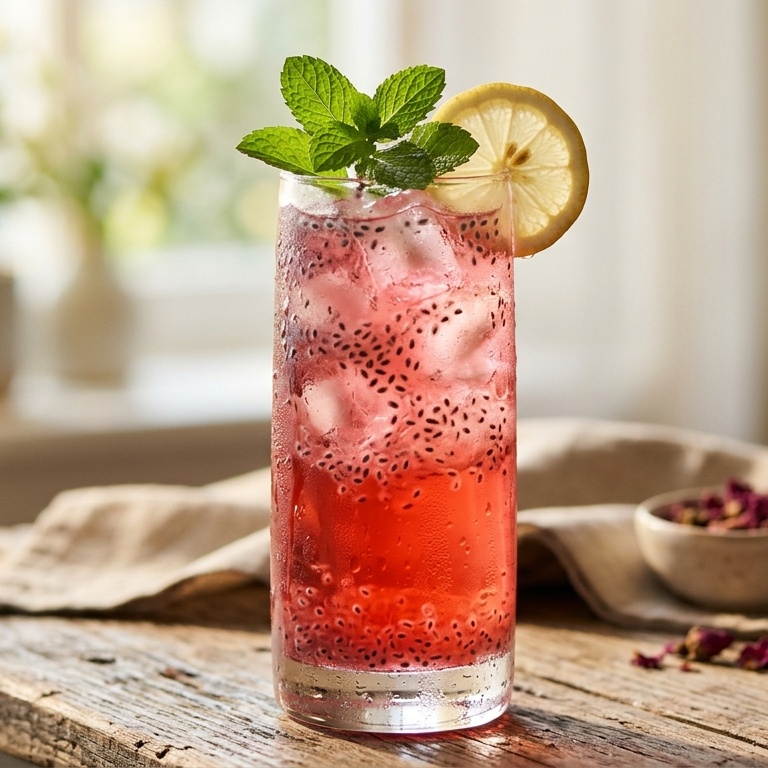
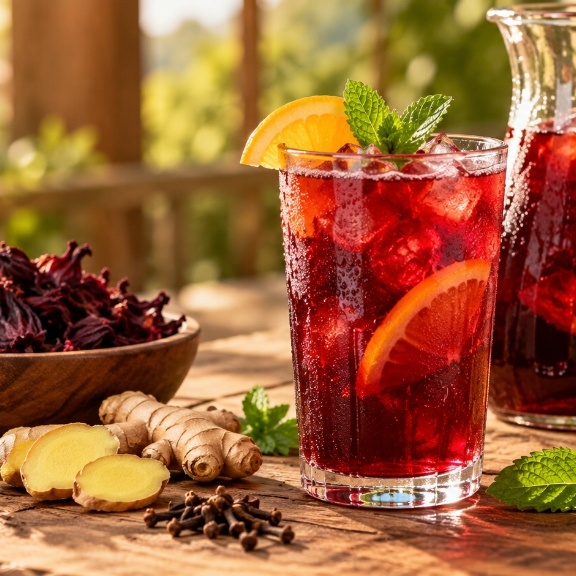
Yes. Tisanes make extraordinary iced beverages. Hibiscus, peppermint, and rooibos can be brewed double-strength with hot water, strained, and poured directly over pitchers of ice for refreshing, caffeine-free summer hydration.
Is it safe to drink tisanes every day?
Most common culinary tisanes—such as peppermint, chamomile, ginger, and rooibos—are completely safe for daily consumption by healthy adults. However, medicinal herbs like licorice root (which can raise blood pressure in excessive doses) or senna (a strong laxative) should only be consumed occasionally.
The Bottom Line
Summary and Practical Takeaways
Tisanes encompass all caffeine-free hot and cold water infusions made from botanicals, dried herbs, bark, flowers, and spices rather than the true Camellia sinensis tea plant.
- Zero Caffeine: Naturally devoid of caffeine, making tisanes suitable for evening consumption and pediatric or sensitive hydration.
- Infusion Categories: Spans delicate floral infusions (chamomile, lavender), leaves (peppermint, lemon verbena), roots (ginger, chicory), and bark (cinnamon).
- Water Temperature: Most floral and leaf tisanes bloom best with 200°F–212°F water steeped for 5 to 7 minutes.
- Decoction Technique: Dense roots, barks, and berries require simmering in a covered pot for 10 to 15 minutes to extract therapeutic polyphenols.
Sources and Review Standards
- U.S. Food and Drug Administration (FDA): Dietary Guidance on Herbal Teas and Botanical Food Ingredients
- European Medicines Agency (EMA): Committee on Herbal Medicinal Products (HMPC) Monographs on Chamomile and Peppermint
- American Botanical Council: HerbClip Research Reviews on Botanical Infusions and Caffeine-Free Phytotherapy
- National Institutes of Health (NIH) Office of Dietary Supplements: Botanical Dietary Supplements and Infusions Fact Sheet




Comments and reviews (0)