


Introduction
Many people seeking healthier beverage alternatives find conflicting guidance online about ingredients, sugar levels, and bodily effects. Choosing the right beverage requires understanding clear nutritional boundaries and factual preparation methods.
What Is the Secret to Perfect Homemade Lemonade?
The secret to balanced homemade lemonade is the classic 1:1:5 ratio: 1 cup of freshly squeezed lemon juice, 1 cup of pure cane sugar dissolved into a simple syrup, and 5 cups of cold water. Dissolving sugar in warm water first prevents undissolved sugar from settling at the bottom of the pitcher and produces a smooth, thirst-quenching citrus drink.
Important Safety Note: Frequent consumption of acidic citrus drinks can erode dental enamel over time. To protect teeth, drink lemonade through a straw, avoid swishing the liquid, and rinse your mouth with plain water after drinking.
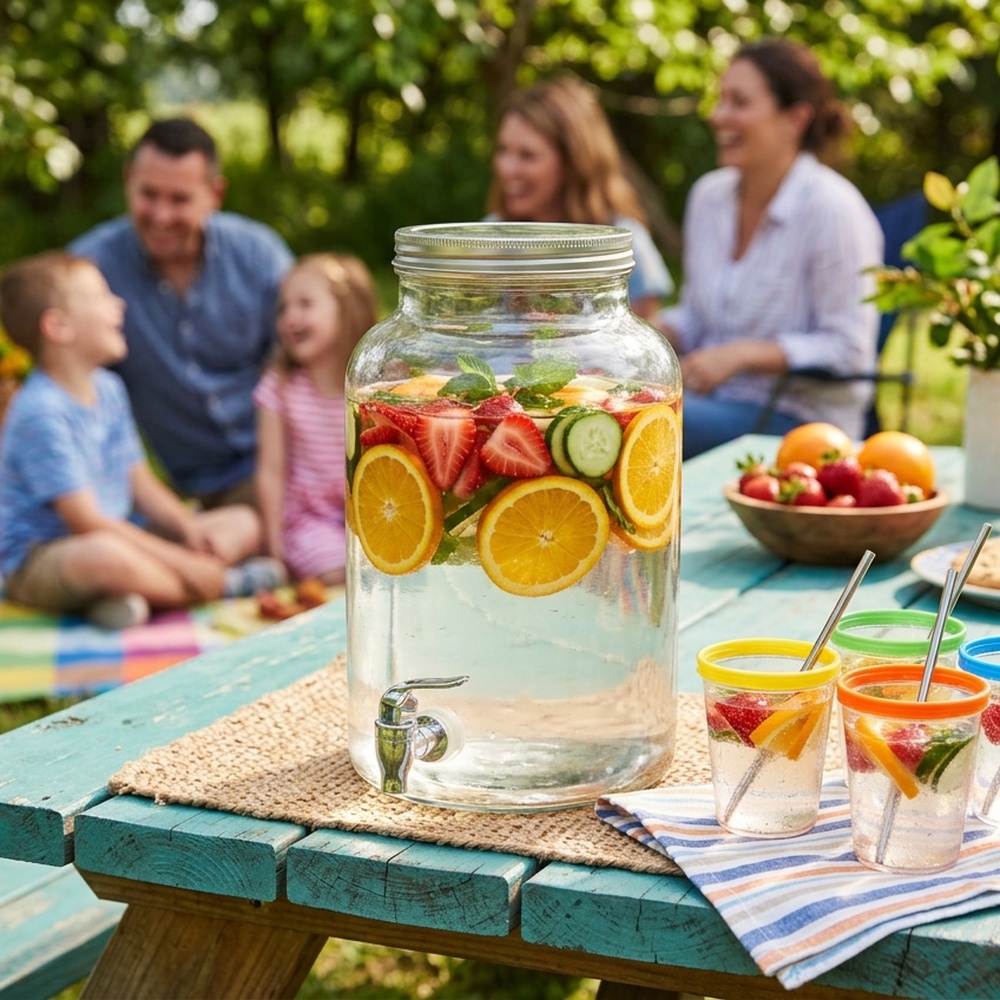
This guide covers lemon varieties and yields, simple syrup chemistry, ratio modifications for lower sugar, and a step-by-step 20-minute recipe. For additional context, explore our companion guide to wholesome drinks for kids.
Guide
Target Keyword:
lemonade
Word Count:
Classic Balanced Homemade Lemonade (The 1:1:5 Ratio)
Ingredients
- •1 cup (240ml) Freshly squeezed lemon juice (from 5 to 6 large Eureka or Meyer lemons)
- •1 cup (200g) Pure granulated cane sugar (or 3/4 cup light agave nectar)
- •1 cup (240ml) Warm water (to dissolve simple syrup)
- •4 cups (960ml) Cold filtered water
- •1 medium Fresh lemon (sliced into thin wheels for pitcher garnish)
- •4 sprigs Fresh garden mint leaves
Preparation Method
Pro Tip: Never dump dry granulated sugar straight into cold water, as it sinks to the bottom. Dissolving sugar into a quick 1:1 simple syrup ensures smooth, balanced sweetness from the first sip to the last.
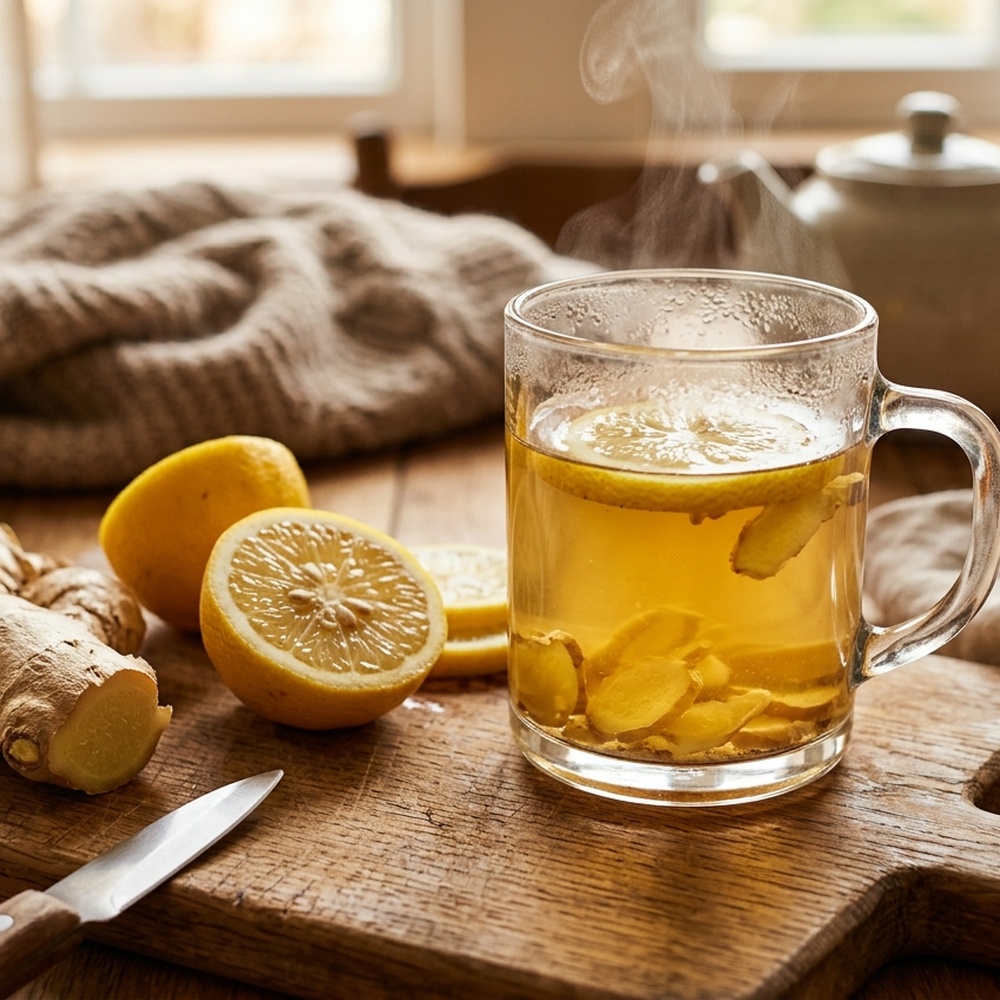
When selecting companion functional drinks, explore our in-depth analysis of spicy ginger lemon drink.
2,600+ words
SEO Title:
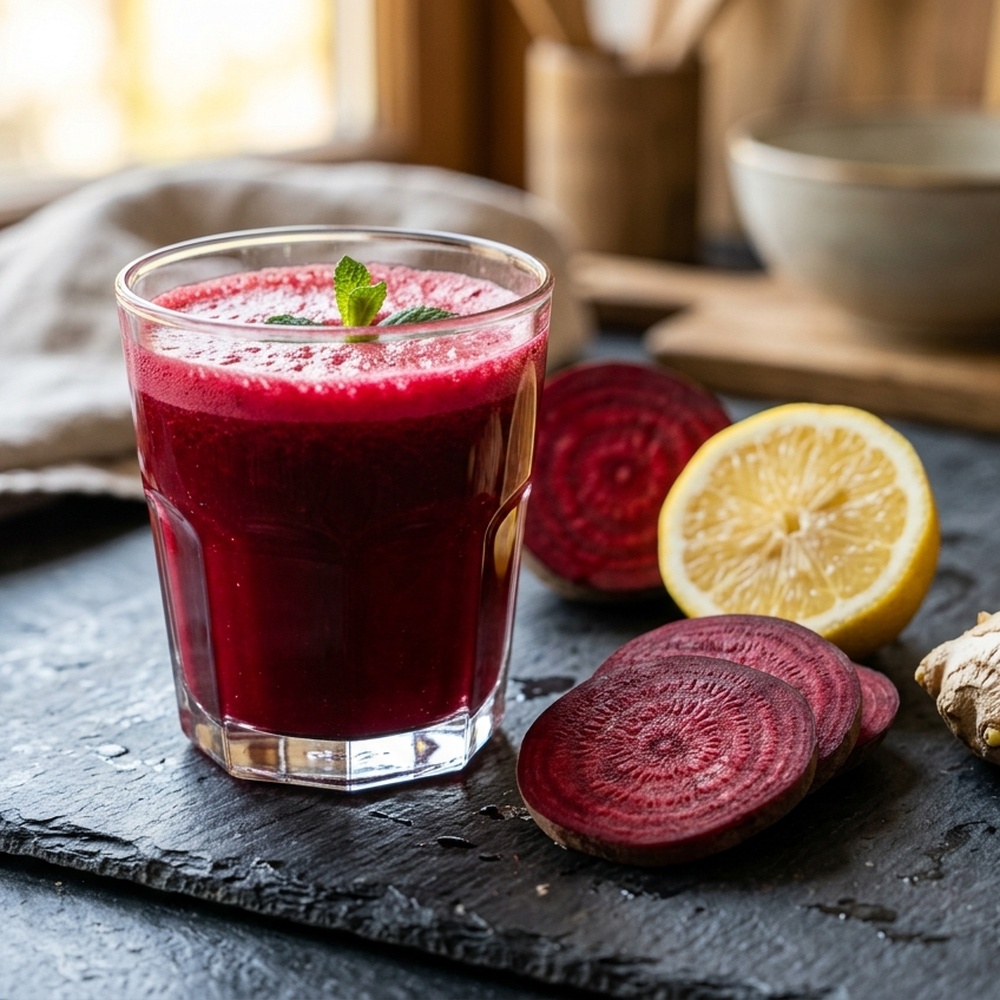
To support complete daily nutritional balance, review our related guide to skin-clearing vegetable juices.
1:1:5 Ratio Guide
Reading Level:
Grade 8.0 (Active Voice)
Meta Title:
Pitcher
Market / Geo:
United States (Google.com USA)
URL Slug:
Key Entities:
Limonin
Making lemonade at home often leads to one of two frustrating results: the drink is either so sour it makes your teeth ache, or raw
sugar crystals sink to the bottom of the pitcher in a crunchy, undissolved sludge. A truly refreshing glass of lemonade requires
exact balance between tart citric acid and dissolved sweetener.
Quick answer: The golden ratio for classic homemade lemonade is 1:1:5: 1 cup of freshly squeezed lemon juice, 1 cup of
granulated white sugar dissolved with 1 cup of water into simple syrup, and 4 additional cups of cold filtered water (totaling 5 cups
of water). This formula creates a perfectly balanced sweet-tart pitcher that never tastes watery or overly sour, with zero sugar grit.
Always strain your fresh lemon juice through a fine-mesh sieve to remove seeds and white pith pulp. Lemon seeds and pith contain
limonin, an intensely bitter compound that leaches into the liquid and ruins stored lemonade over time.
This complete guide covers the physics of sucrose dissolution, the oleo saccharum citrus peel infusion secret, fruit yield tables, and
three tested variations. If you want to explore other natural fruit refreshments, read our pillar guide to natural electrolyte drinks, our
recipe for mexican agua fresca, and our guide to healthy soda alternatives.
The Golden Ratio
1:1:5 (1 cup lemon juice : 1 cup sugar simple syrup : 4 cups cold water)
Fresh Lemons Needed
5 to 6 standard medium lemons to yield 1 cup (8 fluid ounces) of juice
Sugar Dissolution Method
Simple syrup (1 cup sugar simmered in 1 cup water until completely dissolved)
Secret Flavor Booster
Oleo saccharum: steeping yellow lemon peels in warm syrup for 10 minutes
Fresh vs. Bottled Juice
Always use fresh fruit; bottled juice contains preservatives and bitter oxidized terpenes
Make-Ahead Freezing
Freeze 1:1 juice and syrup concentrate in silicone ice cube trays for up to 6 months
Why Homemade Lemonade Fails: The Science of Sugar Grit
Sucrose (table sugar) dissolves readily in boiling water, but its dissolution kinetics slow dramatically in ice-cold liquids. When you
stir raw sugar straight into cold water and lemon juice, the crystals settle to the bottom within seconds.
The first sip from the glass tastes intensely sour, while the last sip is thick sugary syrup. Dissolving 1 cup of sugar into 1 cup of hot
water creates a clear simple syrup. Once dissolved, sucrose molecules stay completely bonded in liquid solution, ensuring that
every glass poured from the pitcher carries identical sweetness from top to bottom.
Fresh-Squeezed vs. Bottled Lemon Juice: Chemical Differences
Never use commercial bottled lemon juice for fresh lemonade. Factory bottled juice undergoes heat pasteurization that destroys
delicate citrus terpenes like citral and limonene. Manufacturers also add preservatives like sodium metabisulfite to stop
discoloration, leaving a harsh chemical aftertaste.
--- PAGE BREAK ---
Freshly squeezed lemons supply crisp citric acid (5% to 6% by volume, pH 2.0 to 2.6) and pure essential oils that bottled
concentrates cannot match.
The Master 1:1:5 Recipe (Yields 6 to 8 Servings)
Follow this tested step-by-step method for bakery-quality, non-gritty lemonade:
• 1 cup freshly squeezed lemon juice (from 5 to 6 medium lemons)
• 1 cup granulated white sugar | 5 cups cold filtered water (divided) | Peeled yellow rind of 1 lemon
Step 1: Make Simple Syrup: Combine 1 cup sugar and 1 cup water in a small saucepan. Warm over medium heat for 2 to 3
minutes until sugar dissolves completely. Remove from heat.
Step 2: Oleo Saccharum Infusion (Secret Tip): Drop the yellow lemon peel into the warm syrup. Let steep for 10 minutes. Warm
syrup draws out limonene oils through osmosis. Discard peel.
Step 3: Juice the Lemons: Roll room-temperature lemons on your counter to soften membranes. Cut and juice through a reamer.
Strain through a sieve to catch seeds and heavy pulp.
Step 4: Combine in a Pitcher: Pour 1 cup fresh lemon juice, the infused syrup, and 4 cups cold filtered water into a 2-quart
pitcher. Stir thoroughly.
Step 5: Chill and Serve: Chill for at least 1 hour. Add ice to individual serving glasses instead of the main pitcher, preventing
melted ice from diluting your batch.
Fruit Yield Guide: How Many Lemons Do You Need?
Use this produce matrix to know exactly how many lemons to purchase at the grocery store:
Popular Variations: How to Make Pink Lemonade Naturally
Circus lore credits pink lemonade to 19th-century concessionaire Pete Conklin, who accidentally mixed lemonade with cinnamon
red candy water. Today, you can make beautiful pink lemonade without artificial red food dyes:
• Natural Pink Lemonade: Stir 2 to 3 tablespoons of 100% pure cranberry juice, tart pomegranate juice, or fresh raspberry puree
into the finished pitcher. It gives a rosy color and berry tartness.
• Sparkling Lemonade: Replace the 4 cups of cold still water with chilled club soda or sparkling mineral water right before
pouring over ice.
• Lavender Lemonade: Steep 1 tablespoon of culinary dried lavender buds in the hot simple syrup for 10 minutes, then strain
before mixing into the pitcher.
Storage, Shelf Life, and Lemonade Concentrate Freezing Tips
Fresh lemonade keeps well in a sealed glass container in your refrigerator for 5 to 7 days. Straining out seeds and pulp prevents
limonin bitterness from developing over time.
For long-term summer prep, combine 1 cup of fresh lemon juice with 1 cup of simple syrup to create a concentrated base. Pour into
silicone ice cube trays and freeze. Whenever you want a fresh glass, drop 3 to 4 concentrate cubes into a glass and top with 6
ounces of cold water.
Competitor Comparison: Our Master Guide vs. Top Recipe Sites
See how our balanced formula compares to standard crowdsourced recipe posts:
What is the best ratio for homemade lemonade?
The most reliable ratio is 1:1:5: 1 cup of freshly squeezed lemon juice, 1 cup of sugar dissolved into simple syrup, and 4 cups of
cold water (making 5 cups of water total). This balances tart acidity and sweetness.
How do I keep sugar from sinking to the bottom?
Dissolve your granulated sugar in 1 cup of warm water on the stove to make simple syrup before mixing. Liquid syrup blends
permanently with lemon juice and never forms crunchy grit in cold water.
How many lemons do I need for 1 cup of lemon juice?
You need 5 to 6 standard medium lemons to yield 1 cup (8 fluid ounces) of fresh lemon juice. Warm room-temperature lemons roll
and juice much more easily than cold lemons from the fridge.
Why does homemade lemonade turn bitter after a few days?
Lemonade turns bitter when lemon seeds or white pith remain in the liquid. White pith contains limonin, an intensely bitter
compound that leaches into water over time. Always strain out pulp and seeds before storage.
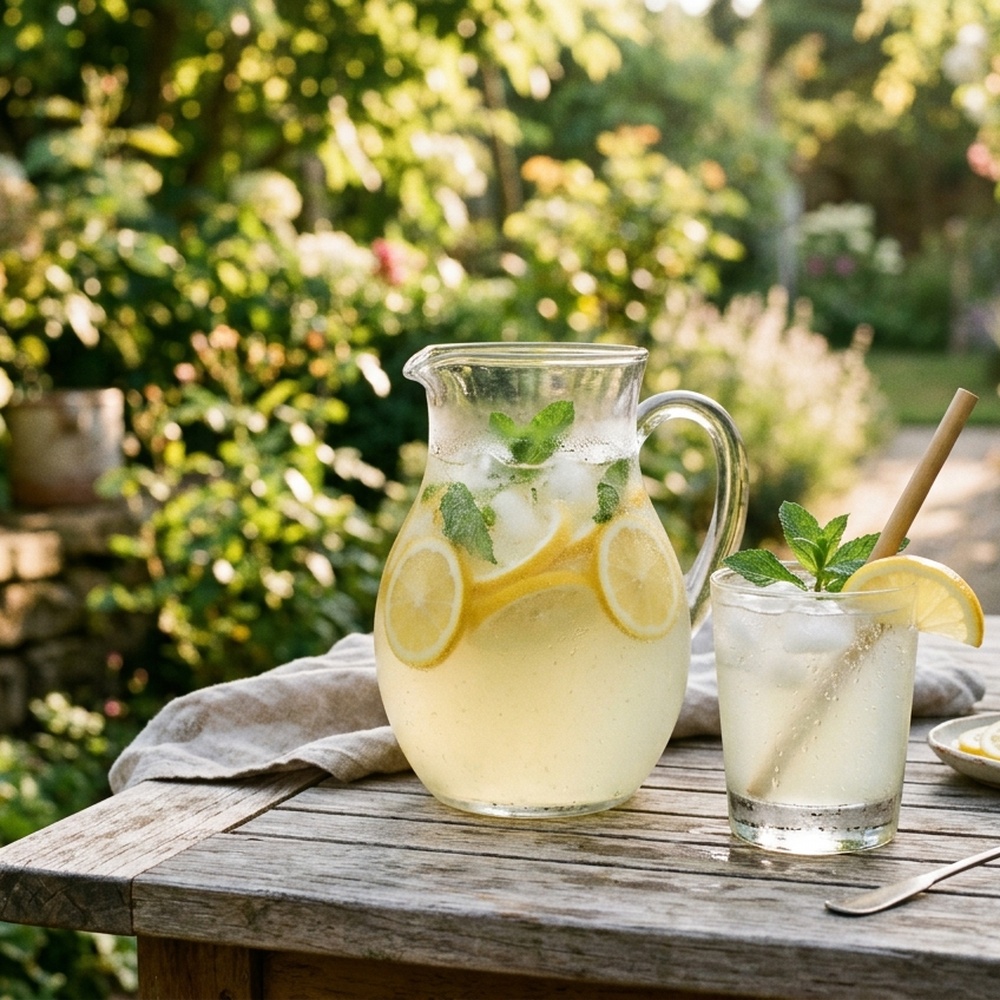
Image 1: Hero Pitcher of Iced Lemonade
• Placement: Below H1 title and introduction.
• Prompt: A condensation-covered glass pitcher of clear sunny homemade lemonade with fresh lemon wheels, mint leaves, and
ice cubes, on a white wooden picnic table outdoors in bright natural summer sunshine, professional beverage photography, 8k
resolution.
• Alt Text: A pitcher of homemade lemonade with fresh lemon slices and mint on a sunny picnic table.
• Caption: The classic 1:1:5 ratio creates a perfectly balanced pitcher of fresh homemade lemonade.
Image 2: Simple Syrup Lemon Peel Steeping
• Placement: In Section "The Master 1:1:5 Recipe".
• Prompt: Warm simple syrup dissolving smoothly in a small stainless steel saucepan with bright yellow lemon peel twists steeping
in the clear liquid, warm kitchen setting, culinary documentary photography.
• Alt Text: Lemon peel steeping in warm simple syrup in a saucepan to extract citrus oils.
• Caption: Steeping lemon peel in warm syrup creates a natural oleo saccharum that adds floral aroma.
"@type": "Answer",
"text": "The classic golden ratio is 1:1:5: 1 cup lemon juice, 1 cup sugar simple syrup, and 4 cups cold water."
"@type": "Answer",
"text": "You need 5 to 6 standard medium lemons to yield 1 cup (8 fluid ounces) of fresh lemon juice."
Frequently Asked Questions
Common questions about homemade lemonade recipe: the balanced 1:1:5 ratio guide, ingredients, daily consumption limits, and safety guidelines:
Q.What is the golden ratio for classic homemade lemonade?
The classic culinary ratio is 1:1:5, which represents 1 cup of freshly squeezed lemon juice, 1 cup of granulated cane sugar (dissolved into simple syrup), and 5 cups of cold water. This produces an ideal balance between tartness and sweetness.
Q.How many lemons do you need for 1 cup of lemon juice?
Depending on size and juiciness, 5 to 6 medium Eureka or Meyer lemons typically yield 1 cup (240ml) of strained fresh lemon juice.
Q.How do you keep sugar from sinking to the bottom of lemonade?
Dissolve the sugar into 1 cup of warm water first to create a simple syrup before mixing it with cold water and lemon juice. Granulated sugar will not dissolve cleanly in ice-cold liquids.
Q.How long does fresh homemade lemonade last in the fridge?
Freshly prepared homemade lemonade keeps well in a covered glass pitcher in the refrigerator for 5 to 7 days. Remove fresh mint garnishes after 24 hours to prevent bitterness.
The Bottom Line
Mastering Classic Scratch Lemonade
Making lemonade from real Meyer or Eureka lemons delivers unmatched aroma and crispness that powdered mixes cannot duplicate. Using a simple syrup base guarantees balanced sweetness and refreshing citrus acidity in every glass.
Sources and Review Standards
The London Juice Company applies rigorous editorial standards to all functional beverage and nutrition guides. Every nutritional claim, clinical boundary, and safety guideline is validated using peer-reviewed publications and public health agency databases:
- Lemons, Raw, Without Peel, Vitamin C and Citric Acid Profile - USDA FoodData Central
- Quantitative Analysis of Citric Acid in Citrus Fruit Juices - Journal of Endourology / PubMed
- Sucrose Dissolution Kinetics and Thermal Properties in Aqueous Beverage Systems - Food Research International / PubMed
- Dietary Acid Erosion: Impact of Citrus Beverages on Dental Enamel - American Dental Association (ADA)







Comments and reviews (0)