


Introduction
Many people seeking healthier beverage alternatives find conflicting guidance online about ingredients, sugar levels, and bodily effects. Choosing the right beverage requires understanding clear nutritional boundaries and factual preparation methods.
What Drinks Are Naturally Caffeine-Free?
Naturally caffeine-free drinks include herbal infusions such as chamomile, rooibos, and peppermint, roasted chicory and dandelion root brews, cold fruit-infused waters, and sparkling waters. Decaf coffee retains 2 to 15 milligrams of caffeine per cup, so individuals seeking zero caffeine should select herbs, roots, or fruit waters and check ingredient labels.
Important Safety Note: Herbal ingredients can interact with prescription medications or cause allergies. Chicory contains inulin fiber which may cause digestive gas in sensitive stomachs, and chamomile can trigger mild reactions in people allergic to ragweed. Ask a clinician about specific herbs if pregnant or taking blood thinners.
This guide covers naturally caffeine-free alternatives to coffee, afternoon refreshers, decaf beverage realities, daily routine schedules, and an easy roasted chicory latte recipe. For additional context, explore our companion guide to gluten-free drinks guide.
What does caffeine-free mean?
A naturally caffeine-free drink uses ingredients that do not naturally contain caffeine. Plain water, peppermint, chamomile, rooibos, chicory root, dandelion root, and carob are common examples.
Coffee beans, black tea, green tea, white tea, yerba mate, guarana, kola nut, cocoa, and cacao naturally contain caffeine or related stimulants. Removing some caffeine creates a decaffeinated product. It does not make the original ingredient naturally caffeine-free.
Packaged blends need an ingredient check. A tea labeled "herbal" may include green tea, matcha, yerba mate, guarana, or cacao. Cross-contact and rounding rules can also matter for people with extreme sensitivity.
The phrase "zero stimulants" needs care. A drink can have no caffeine and still contain other active ingredients, a large amount of sugar, or herbs that interact with medicines. Treat 0.0 mg caffeine as a label claim to verify, not a promise about every effect the drink may have.
For a wider look at drinks chosen for a specific purpose, visit our functional juices guide.
Decaf vs. caffeine-free drinks
The terms describe different products.
| Feature | Decaffeinated coffee or tea | Naturally caffeine-free drink |
|---|---|---|
| Starting ingredient |
Coffee or Camellia sinensis tea | Herb, root, flower, fruit, grain, or water | | Caffeine | Reduced, with some usually remaining | No caffeine expected from the base ingredient | | Examples | Decaf coffee, decaf black tea | Rooibos, chamomile, chicory, peppermint | | Best for | People reducing caffeine | People seeking to avoid caffeine | | Label check | Check caffeine amount when listed | Check blends for added tea, guarana, cacao, or caffeine |
FDA reports that decaf coffee typically has 2 to 15 milligrams of caffeine per 8 fluid ounces. The amount depends on the bean, process, brewing method, serving size, and brand.
"Caffeine-free" on a product label is more useful than color or drink type. Clear soda is not always caffeine-free, and dark soda is not always caffeinated.
When evaluating overall beverage quality and ingredient balance, you can also compare notes in our healthy drinks for kids.
How caffeine affects alertness and sleep
Caffeine blocks adenosine receptors in the brain. Adenosine builds during waking hours and contributes to sleep pressure. Blocking its signal can reduce drowsiness for a time.
The average caffeine half-life is about 5 hours, though it varies widely. Pregnancy, medicines, smoking, liver function, and individual metabolism can change how long it stays in the body.
A coffee at 3 p.m. can still leave caffeine in the bloodstream at bedtime. That does not mean every person will lose sleep, though people with insomnia or high sensitivity may notice an effect.
Caffeine can also raise alertness and may briefly increase stress-hormone activity, including cortisol. Responses vary by dose, timing, pregnancy, medicines, and caffeine tolerance. A caffeine-free label does not prove that a drink lowers cortisol or treats anxiety.
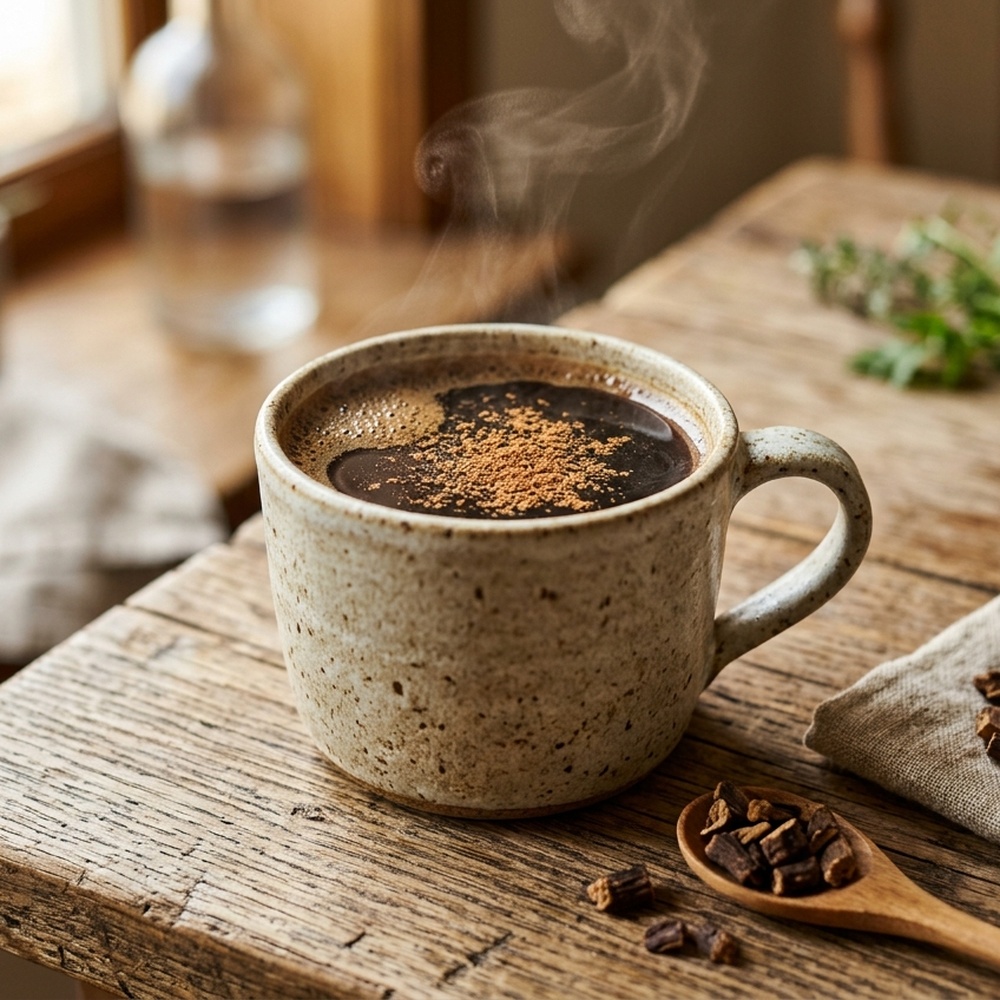
Roasted Chicory Latte (Caffeine-Free Morning Brew)
Ingredients
- •2 tbsp Roasted chicory root granules (Cichorium intybus)
- •1 cup (240ml) Boiling filtered water
- •1 cup (240ml) Unsweetened oat milk or almond milk, gently warmed
- •1/4 tsp Ground Ceylon cinnamon (canela)
- •1/2 tsp Pure vanilla extract
Preparation Method
Pro Tip: Roasted chicory contains inulin, a prebiotic fiber that supports digestive health. If you are new to inulin, start with a 1 tablespoon brew to let your digestion adjust smoothly.
A caffeine-free daily drink schedule
You do not need to drink at exact times. This schedule matches each drink to a common daily routine.
| Time | Drink idea | Practical purpose |
|---|---|---|
| On waking |
Plain water or unsweetened electrolyte water | Replaces fluid after sleep | | Breakfast | Chicory latte or golden milk | Keeps the warm-mug routine | | Lunch | Cold hibiscus tea or plain seltzer | Adds tart flavor without caffeine | | Afternoon | Cucumber-lime water or a tart cherry spritzer | Gives coldness, flavor, and carbonation | | Dinner | Ginger infusion or rooibos | Works with food without caffeine | | Evening | Chamomile, warm oat milk, or warm almond milk | Creates a quiet bedtime cue |
Choose unsweetened versions when you drink these often. Sweet soda, juice, honey, and syrups can add a large amount of sugar even when the drink contains no caffeine.
Morning caffeine-free hot drinks
The most useful coffee substitute matches the part of coffee you miss. Roasted roots copy bitterness. Warm milk drinks add body. Spices provide aroma.
1. Roasted chicory root drink
Chicory root, or Cichorium intybus, has a dark roasted flavor with earthy and nutty notes. It works in a French press, tea infuser, or small saucepan.
Chicory contains inulin, a fermentable soluble fiber. Some people find inulin useful in their diet, while others develop gas, bloating, or cramps. Start with a weak brew if you are sensitive to fermentable carbohydrates.
2. Roasted dandelion root tea
Dandelion root, or Taraxacum officinale, tastes roasted, slightly smoky, and mildly bitter. It has a lighter body than coffee unless you add milk.
Dandelion is related to ragweed and may cause an allergic reaction in some people. It can also interact with medicines. Culinary tea is not a liver detox treatment.
3. Golden milk
Golden milk combines warm dairy or plant milk with turmeric, cinnamon, ginger, and optional black pepper. Turmeric contains curcumin, which gives the drink its yellow color.
Evidence does not support treating golden milk as a cure for inflammation or insomnia. Turmeric in food amounts is different from concentrated supplements. Some supplements can interact with medicines or cause stomach and liver problems.
4. Roasted carob drink
Carob powder comes from the pods of Ceratonia siliqua. It has a naturally sweet, cocoa-like flavor and contains no caffeine.
Use carob instead of cacao shells when strict caffeine avoidance matters. Cacao and cocoa products can contain caffeine and theobromine.
5. Warm spiced oat or almond milk
Warm unsweetened milk with cinnamon, vanilla, and nutmeg provides the temperature and texture of a latte. Check plant-milk labels for added sugar.
This drink may support a relaxing routine, though it does not directly cause sleep. Choose a product that fits any nut allergy, gluten concern, or carbohydrate target.
Roasted barley and rye drinks are other coffee-style choices named in many culinary guides. They have a toasted aroma and fuller mouthfeel than most herbal teas. Barley and rye contain gluten, so they are unsuitable for people with celiac disease or a medically required gluten-free diet. Check blended products for coffee or added caffeine.
For readers interested in companion functional hydration options, review our dedicated guide to fresh ginger drinks.
Cold afternoon drinks without caffeine
Cold temperature, acidity, aroma, and carbonation can make an afternoon drink feel refreshing. These sensory effects are separate from stimulant energy.
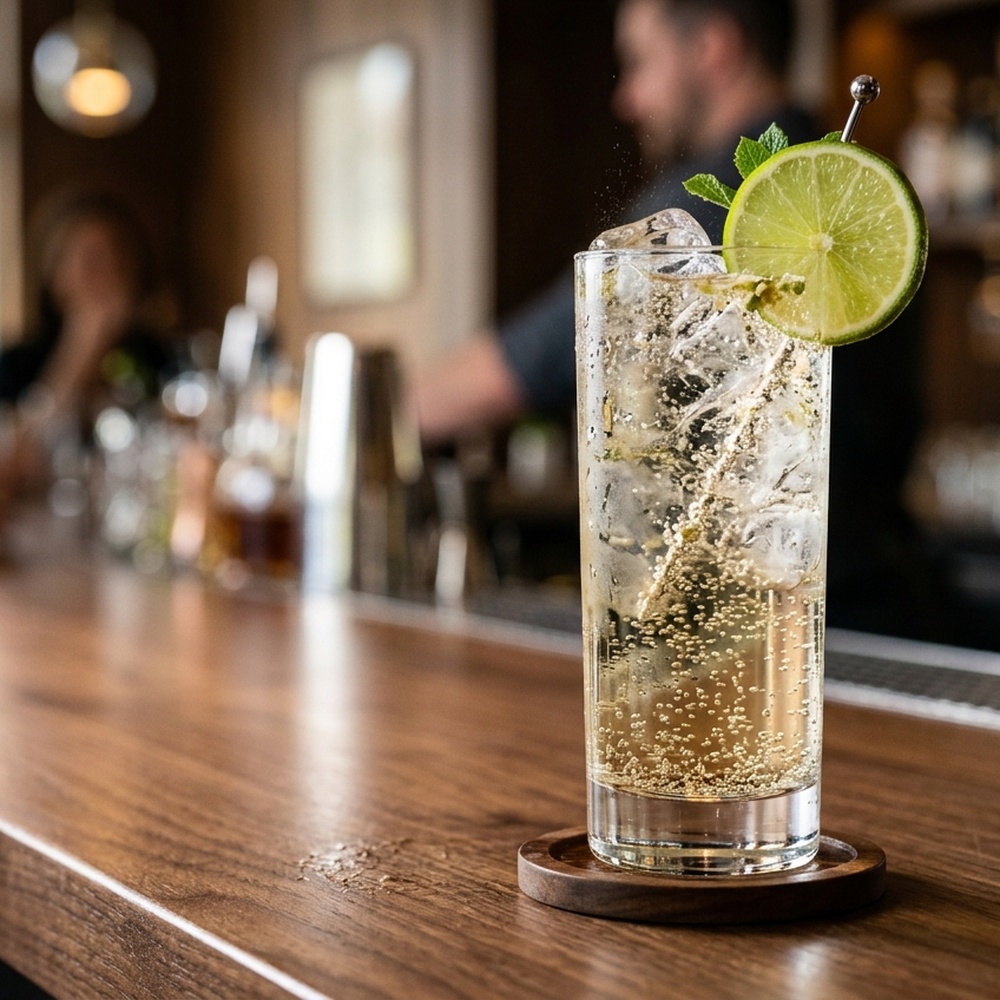
6. Plain or fruit-infused sparkling water
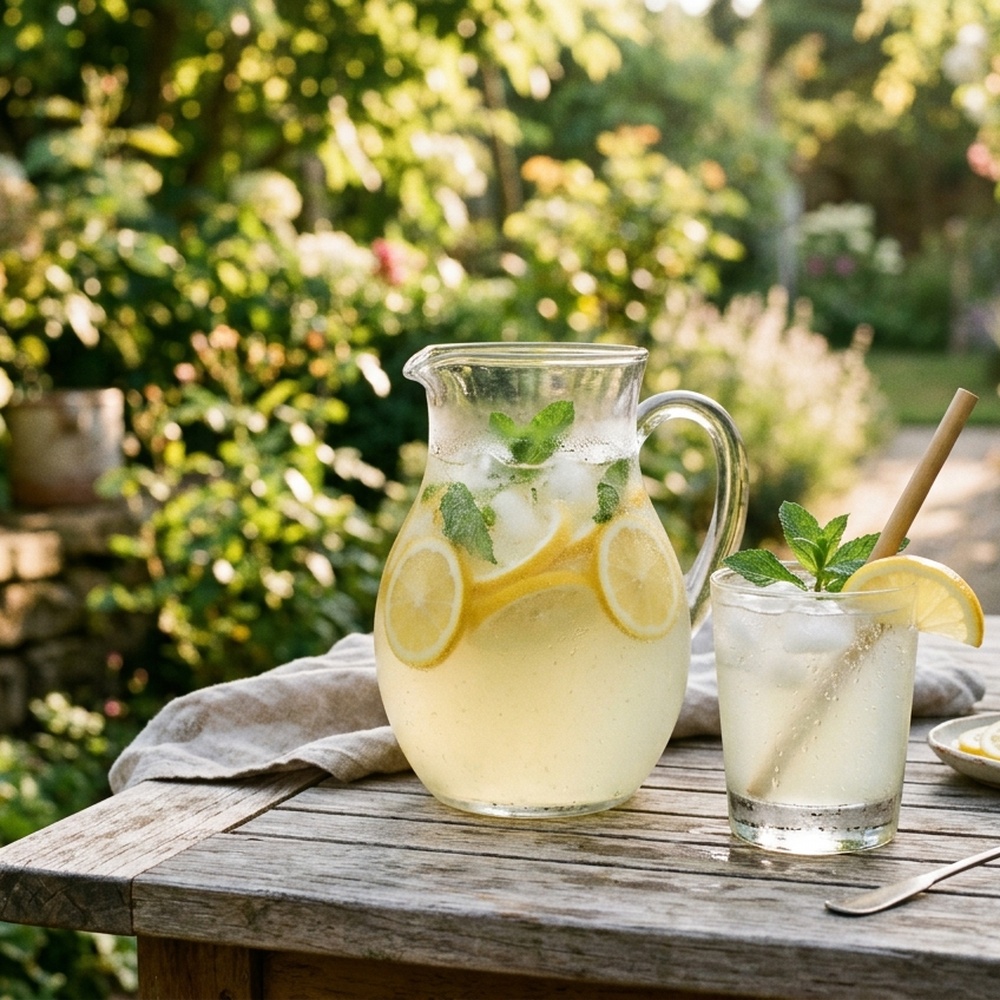
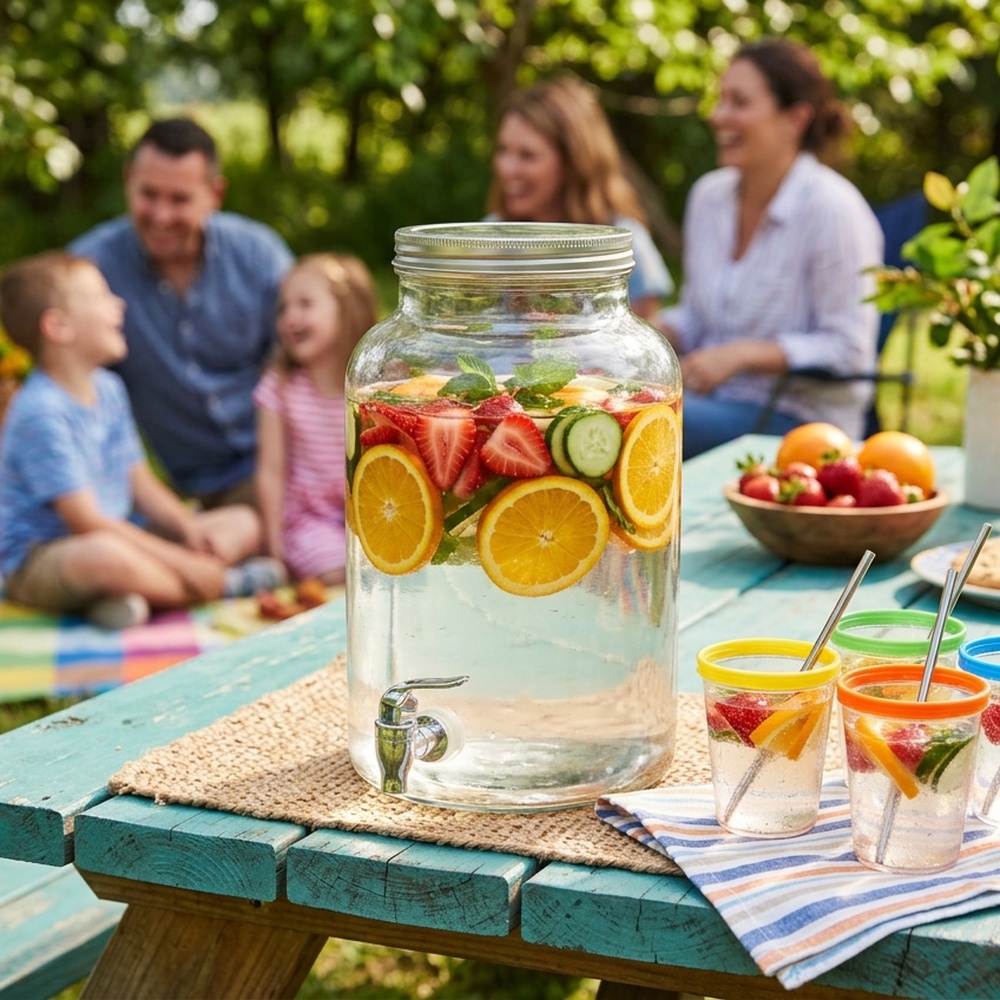
Plain seltzer has no caffeine, sugar, or calories unless the label says otherwise. Add cucumber, berries, citrus peel, or fresh herbs for flavor.
Some flavored waters include tea extracts, guarana, or added caffeine. Read the ingredient list instead of relying on the word "sparkling."
Brands such as Spindrift sell fruit-flavored sparkling waters, though ingredients differ by product. The brand name alone does not confirm caffeine content. Check the exact can.
7. Cold-brewed hibiscus tea
Hibiscus, or Hibiscus sabdariffa, makes a tart red tisane. Steep dried hibiscus in cold water in the refrigerator, then strain it.
Its sharp taste can lead people to add a lot of sugar. Use berries, mint, or a small amount of sweetener when needed. Hibiscus may affect blood pressure or medicines in some people, so regular concentrated use deserves a clinician's advice.
8. Tart cherry sparkling spritzer
Mix a small amount of 100% tart cherry juice with plain sparkling water. This keeps the fruit flavor while controlling the juice and sugar portion.
Tart cherries contain melatonin, and researchers have studied tart cherry products for sleep. A 2025 systematic review found limited and mixed evidence across 7 intervention studies. A small spritzer should be treated as a drink, not an insomnia treatment.
9. Cucumber, lime, and mint cooler
Add cucumber slices and lime peel to cold water. Mint gives a fresh aroma, though peppermint and spearmint can worsen reflux for some people.
Use citrus peel instead of a large amount of juice when acidity bothers your stomach. Remove the mint when it is a personal trigger.
10. Coconut water or electrolyte water
Plain coconut water is naturally caffeine-free and contains potassium and carbohydrate. It is not the same as plain water, so check the serving size and sugar.
Unsweetened electrolyte water may help replace fluids during prolonged sweating. Most desk work and ordinary daily activity do not require a special electrolyte drink. Kidney disease can change potassium and fluid needs.
11. Caffeine-free prebiotic soda
Some prebiotic sodas contain plant fibers and no caffeine. Others use tea extracts or caffeinated cola ingredients.
Olipop and Poppi show why flavor-level checks matter. Current Olipop information lists caffeine in Vintage Cola, Cherry Cola, Doctor Goodwin, and Citrus Rush. Current Poppi labels list caffeine in products such as Classic Cola and Doc Pop. Other flavors may use different formulas, so read the caffeine statement and ingredient list on the can.
Compare caffeine, total sugar, added sugar, fiber, and serving size. Inulin and other added fibers can cause gas or bloating. Brand recipes change, so check the current can.
Hop water can also fill the cold, bitter drink slot. Many versions contain no alcohol, sugar, or caffeine, though some include tea, adaptogens, or other active ingredients. Check the package and read our guide to hop water before choosing one.
Evening caffeine-free teas and drinks
An evening drink can mark the end of the day. The routine may help you slow down even when the ingredient has not been proved to treat insomnia.
12. Chamomile tea
German chamomile, Matricaria chamomilla, contains apigenin and is naturally caffeine-free. It has a light floral and apple-like flavor.
Apigenin has been studied for interactions with GABA-A receptors, which take part in the brain's calming signals. NCCIH reports that evidence for chamomile and insomnia remains inconclusive. Chamomile can cause allergic reactions, especially in people sensitive to ragweed, daisies, chrysanthemums, or marigolds. It may also interact with warfarin and sedatives.
Some blends pair German chamomile with lavender. Lavender adds a floral aroma. Evidence for a cup of lavender tea as an insomnia treatment is limited, and concentrated lavender products need separate safety checks.
13. Rooibos tea
Rooibos, or Aspalathus linearis, comes from South Africa. It brews red-brown with a mild woody and slightly sweet taste.
Rooibos is naturally caffeine-free and generally lower in tannins than black tea. It is not tannin-free. Plain rooibos works hot or iced and takes milk well.
14. Ginger infusion
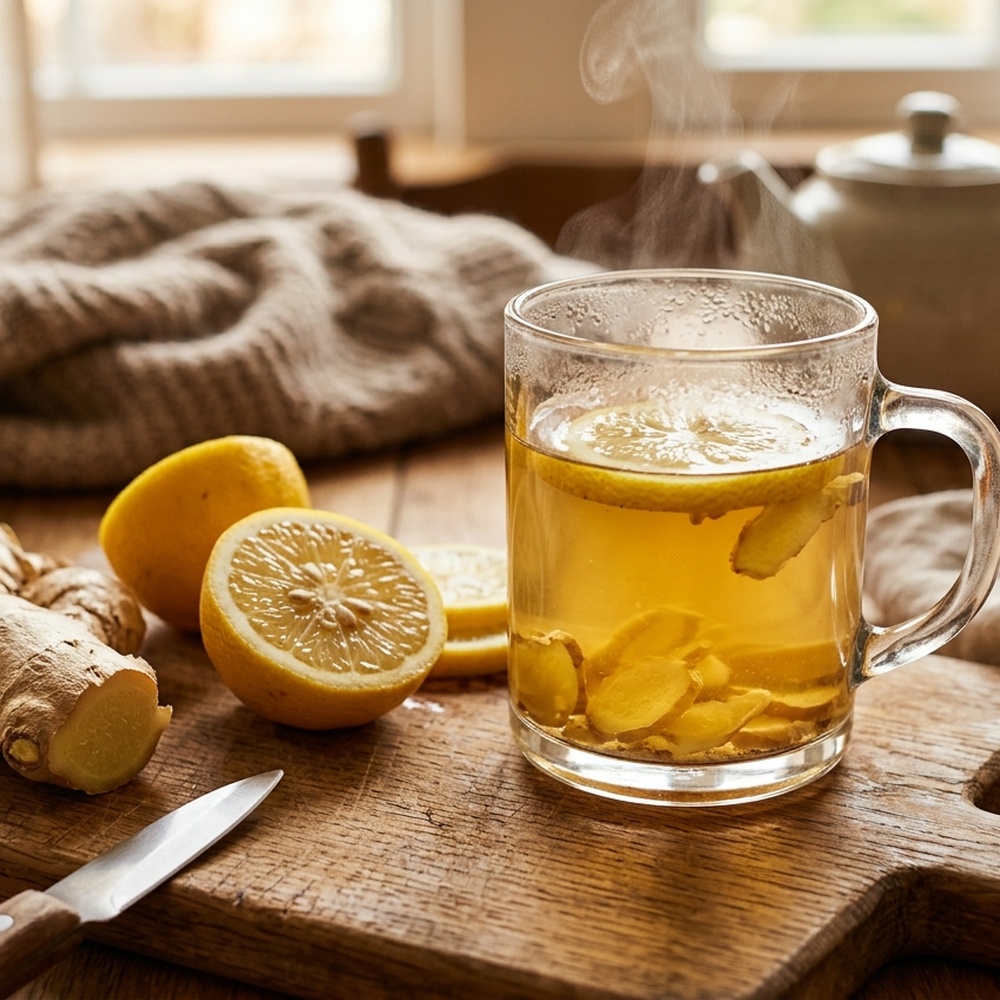
Fresh ginger steeped in hot water creates a warming, spicy drink. Lemon is optional.
Ginger can cause heartburn in some people and may interact with certain medicines at high supplemental amounts. Our ginger drink guide covers preparation and safety in more detail.
15. Peppermint tea
Peppermint tea contains no caffeine and has a cooling taste. Many people use it after meals.
Mint can worsen gastroesophageal reflux disease, or GERD, in some people. Choose rooibos, chamomile, or a tolerated warm milk drink when mint triggers symptoms.
Best caffeine-free drinks for energy
A caffeine-free drink does not create stimulant alertness. Water may improve how you feel when dehydration contributes to fatigue. A drink with carbohydrate provides calories, which the body can use for energy, though added sugar can also cause a rapid rise and fall in blood glucose.
B vitamins help the body use nutrients, but extra B vitamins do not reliably boost energy when you already get enough. Persistent fatigue can come from poor sleep, anemia, thyroid disease, medicine effects, depression, infection, or other conditions.
Use these options at work:
- Cold water with cucumber or citrus peel
- Unsweetened hibiscus or rooibos over ice
- Plain sparkling water
- A small tart cherry spritzer
- An unsweetened electrolyte drink after heavy sweating
For more everyday fluid choices, see our hydrating drinks guide.
See a clinician when fatigue is new, severe, or persistent.
Caffeine-free drinks for sleep
The best evening drink is one that does not add caffeine and does not cause reflux, frequent urination, or a large sugar load near bedtime.
Chamomile, rooibos, and warm milk drinks can fit a bedtime routine. Evidence does not show that these drinks reliably produce deep sleep or treat chronic insomnia.
Tart cherry juice contains melatonin, though it also contains sugar and acid. Research results differ by dose, product, study length, and population. Keep the serving small and avoid it when it worsens reflux or conflicts with a glucose plan.
Persistent insomnia deserves proper assessment. Sleep apnea, restless legs, medicine effects, pain, anxiety, and depression can all disrupt sleep.
Caffeine-free drinks for acid reflux
Reflux triggers differ from person to person. NIDDK lists coffee and other caffeine sources, acidic foods, chocolate, mint, alcohol, spicy food, and high-fat food as common triggers.
Plain water, tolerated non-mint herbal tea, and low-fat dairy or plant milk may be easier choices. Chicory, ginger, carbonation, citrus, and peppermint can still cause symptoms in some people.
Keep a short symptom record instead of assuming every caffeine-free drink is reflux-safe. Avoid eating or drinking a large amount within 3 hours of lying down when nighttime reflux is a problem.
Caffeine-free drinks during pregnancy
ACOG advises keeping caffeine below 200 milligrams per day during pregnancy. A caffeine-free routine can make that limit easier to manage, though complete avoidance is not required for most pregnancies.
Herbal does not mean pregnancy-safe. Safety data are limited for many concentrated herbs and supplements, including chamomile in pregnancy. Ask your obstetric clinician about regular herbal products.
Simple choices include water, sparkling water, pasteurized milk, and pasteurized juice in a measured amount. Check energy drinks and supplement powders for stimulants beyond caffeine.
Which sodas are caffeine-free?
Many lemon-lime sodas, ginger ales, fruit-flavored sodas, and root beers are sold without caffeine in the United States. Cola color does not tell you the answer.
| Product type or example | Current U.S. caffeine status | What to check |
|---|---|---|
| Sprite and Sprite Zero |
Caffeine-free according to Coca-Cola | Current package and fountain selection | | Fanta flavors | Listed as caffeine-free by Coca-Cola | Flavor and regional formula | | Seagram's ginger ale | Listed as caffeine-free by Coca-Cola | Current package | | Mug Root Beer | 0 mg on current PepsiCo product facts | Package size and formula | | A&W Root Beer | No caffeine source appears in the current U.S. ingredient list | Current package and fountain formula | | Regular Barq's Root Beer | 22 mg per 12 ounces on current U.S. label | Regular versus Zero Sugar | | Barq's Zero Sugar Root Beer | Caffeine-free on current U.S. label | Exact product name | | Caffeine-Free Coca-Cola products | Formulated without caffeine | Exact label |
Formulas vary by country, fountain machine, flavor, and date. Check the package each time caffeine avoidance matters.
Caffeine-free soda can still contain a large amount of added sugar or nonnutritive sweeteners. Caffeine status does not determine overall nutrition.
Three easy caffeine-free drink recipes
Chicory cafe au lait
Makes: 1 mug
Ingredients
- 1 tablespoon roasted ground chicory root
- 6 ounces hot water
- 4 ounces warm milk or unsweetened plant milk
- 1 teaspoon maple syrup, optional
1. Steep the chicory in a French press or covered cup for 4 minutes. 2. Strain or press it into a mug. 3. Add the warm milk. 4. Taste before adding the optional maple syrup.
Crimson tart cherry sparkler
Makes: 1 glass
Ingredients
- 2 ounces 100% tart cherry juice
- 6 ounces plain sparkling water
- 1 tablespoon fresh lime juice, optional
- Ice and fresh mint, optional
1. Fill a glass with ice. 2. Add the tart cherry juice and optional lime. 3. Top with sparkling water. 4. Add mint only if it does not trigger reflux.
Golden milk
Makes: 1 mug
Ingredients
- 8 ounces unsweetened milk or plant milk
- 1/2 teaspoon ground turmeric
- 1/4 teaspoon ground cinnamon
- A small pinch of black pepper, optional
- 1 teaspoon honey, optional
1. Whisk the milk, turmeric, cinnamon, and optional pepper in a small saucepan. 2. Warm over medium-low heat for about 3 minutes. Do not boil. 3. Pour into a mug. 4. Add honey after tasting.
For another festive caffeine-free option, see our dairy-free eggnog guide.
How to switch from coffee without a severe withdrawal headache
Stopping caffeine suddenly can cause headache, fatigue, drowsiness, irritability, nausea, and trouble concentrating. Symptoms often begin within 12 to 24 hours, peak after 1 to 2 days, and can last up to a week.
Gradual reduction is often easier than stopping in one day. One approach is to replace part of each coffee with decaf for several days, reduce the serving size, then replace the final decaf with chicory or another caffeine-free drink.
Keep meals and sleep times regular. Drink enough water for normal hydration. Chicory and herbal tea can replace the routine, though they do not medically treat withdrawal.
Seek medical advice for a severe or unusual headache, fainting, chest pain, a new irregular heartbeat, or symptoms that do not follow the expected pattern.
Choosing a caffeine-free drink
Start with the reason you want a replacement. Chicory or carob suits a roasted morning drink. Sparkling water and hibiscus suit a cold afternoon drink. Rooibos and warm milk work well in the evening.
Check the ingredient list whenever a package uses words such as energy, focus, herbal, botanical, or cola. Look for coffee, tea, matcha, guarana, yerba mate, cacao, kola nut, and added caffeine.
For adult alternatives with bitter or botanical flavors, read our non-alcoholic aperitif guide. Parents can also compare age-appropriate options in our drinks for kids guide.
Frequently Asked Questions
Common questions about caffeine-free drinks: 15 coffee swaps, teas, sodas, and evening drinks, ingredients, daily consumption limits, and safety guidelines:
Q.What drinks have zero caffeine?
Drinks with zero caffeine include herbal teas such as chamomile, peppermint, and rooibos; roasted chicory root; roasted dandelion root; fruit infusions; and sparkling water. Always check packaged ingredient labels, as some herbal blends contain green tea, yerba mate, or guarana.
Q.Is decaf coffee completely caffeine-free?
Decaf coffee is not completely caffeine-free. The U.S. Food and Drug Administration notes that an 8-ounce cup of decaf coffee typically contains 2 to 15 milligrams of residual caffeine depending on the bean variety, decaffeination method, and brewing time.
Q.What is the best coffee substitute for morning energy?
Roasted chicory root and roasted dandelion root provide the closest dark, nutty flavor and mouthfeel to morning coffee. Golden milk made with warm plant milk and spices provides warmth and comfort without caffeine.
Q.Can caffeine-free drinks cause side effects?
Certain herbal ingredients can interact with medications or cause digestive sensitivity. For instance, chicory root contains inulin fiber which can produce bloating in sensitive stomachs, and chamomile can trigger mild allergic reactions in people sensitive to ragweed.
The Bottom Line
Finding the Right Caffeine-Free Daily Rhythm
Living without caffeine does not mean giving up the comforting ritual of a warm morning mug or a chilled sparkling afternoon drink. By choosing naturally caffeine-free ingredients like roasted chicory, rooibos, and mineral waters, you maintain steady physical energy and protect deep sleep quality.
Sources and Review Standards
The London Juice Company applies rigorous editorial standards to all functional beverage and nutrition guides. Every nutritional claim, clinical boundary, and safety guideline is validated using peer-reviewed publications and public health agency databases:
- Spilling the Beans: How Much Caffeine is Too Much? - U.S. Food and Drug Administration (FDA)
- Chicory Root Inulin and Human Intestinal Microbiota - National Center for Biotechnology Information (NCBI / PubMed)
- Beverages, Tea, Herb, Chamomile, Brewed - USDA FoodData Central
- Caffeine and Sleep Disruptions: Timing and Dose Effects - Journal of Clinical Sleep Medicine / PubMed





Comments and reviews (0)