

Pick up a bottle of juice these days and there is a decent chance you will spot a small black and white square sitting next to the ingredients list. A QR code on a juice bottle label is no longer a novelty borrowed from restaurant menus during the pandemic. It has become a normal part of how drink brands talk to the people who actually buy their products.
For a brand like ours, that square is a way of saying more than the label has room for. A bottle can only carry so much printed text before it turns into a cluttered mess nobody wants to read. The code picks up where the label runs out of space, linking the bottle in your hand to whatever page, form, or offer the brand has decided sits behind it.
This article covers what that code actually does, why juice brands are bothering with them, and what is worth knowing before you scan one.
Quick answer: A QR code on a juice bottle label connects the physical bottle to a digital page. Depending on the brand, scanning it might bring up ingredient and sourcing details, a review or feedback form, recycling instructions, a loyalty offer, or a way to check the bottle is genuine. Most phone cameras read the code directly, with nothing to download.
The five most common reasons a juice brand adds one:
A QR code, short for Quick Response code, is a small square pattern of black and white pixels that stores information in a machine-readable format. Unlike the long thin barcode scanned at a supermarket till, a QR code can hold a full web address rather than just a product number. Point a phone camera at it and the phone reads the pattern, then opens whatever it points to.
On a juice bottle, that destination is almost always a web page. The brand decides what sits behind the code, which is why two bottles from two different companies can send you to entirely different places. One might lead to a thirty-second review form.
Another might open a page describing where the fruit was grown.
Retail more broadly is heading in this direction too. GS1, the organisation behind the standard barcode used at checkouts worldwide, has set an industry target for 2027 by which point-of-sale systems everywhere should be able to read these newer two-dimensional codes alongside the traditional barcode. Drinks brands adding a QR code to their labels now are, in a small way, ahead of where packaging is generally heading.
There is rarely one single reason a brand puts a code on a bottle. Most lean on a mix of the following, depending on what their customers actually care about.
A juice label has limited space, and claims like cold-pressed, natural, or no added sugar only mean much if a customer can dig a little deeper and check them. A QR code lets a brand show exactly where the fruit came from and what is or is not in the bottle, without cramming a wall of small print onto the label itself. Our own comparison of cold-press and regular juice covers the kind of detail that often sits behind a code like this.
Trust in a drink brand is built on more than taste, and shoppers increasingly want proof that a bottle labelled a certain way delivers on that claim. A QR code gives them a way to check without hunting down the brand's website separately, which ties into why many people choose natural drinks over sugary alternatives in the first place. Transparency about what is inside the bottle is part of that decision.
A line printed on a receipt asking for a review relies on a customer remembering to look it up later, and most people never do. A QR code removes that step almost entirely, since scanning it while still holding the empty bottle takes a few seconds.
That immediacy tends to produce better feedback too. Consumer research consistently finds that most shoppers read reviews before trying a business or product for the first time, and that feedback collected close to the moment of use is usually more detailed than something written from memory days later. For an independent drinks brand selling through farmers markets, independent grocers, or direct online orders, that kind of feedback also works as word of mouth that costs nothing to generate.
Reviews collected through a bottle's QR code often land on the same platforms a customer would have found anyway, such as a Google Business Profile. The difference is how many more people actually finish the step, and a steadier flow of reviews tends to help a small business show up whenever someone nearby searches for that kind of drink.
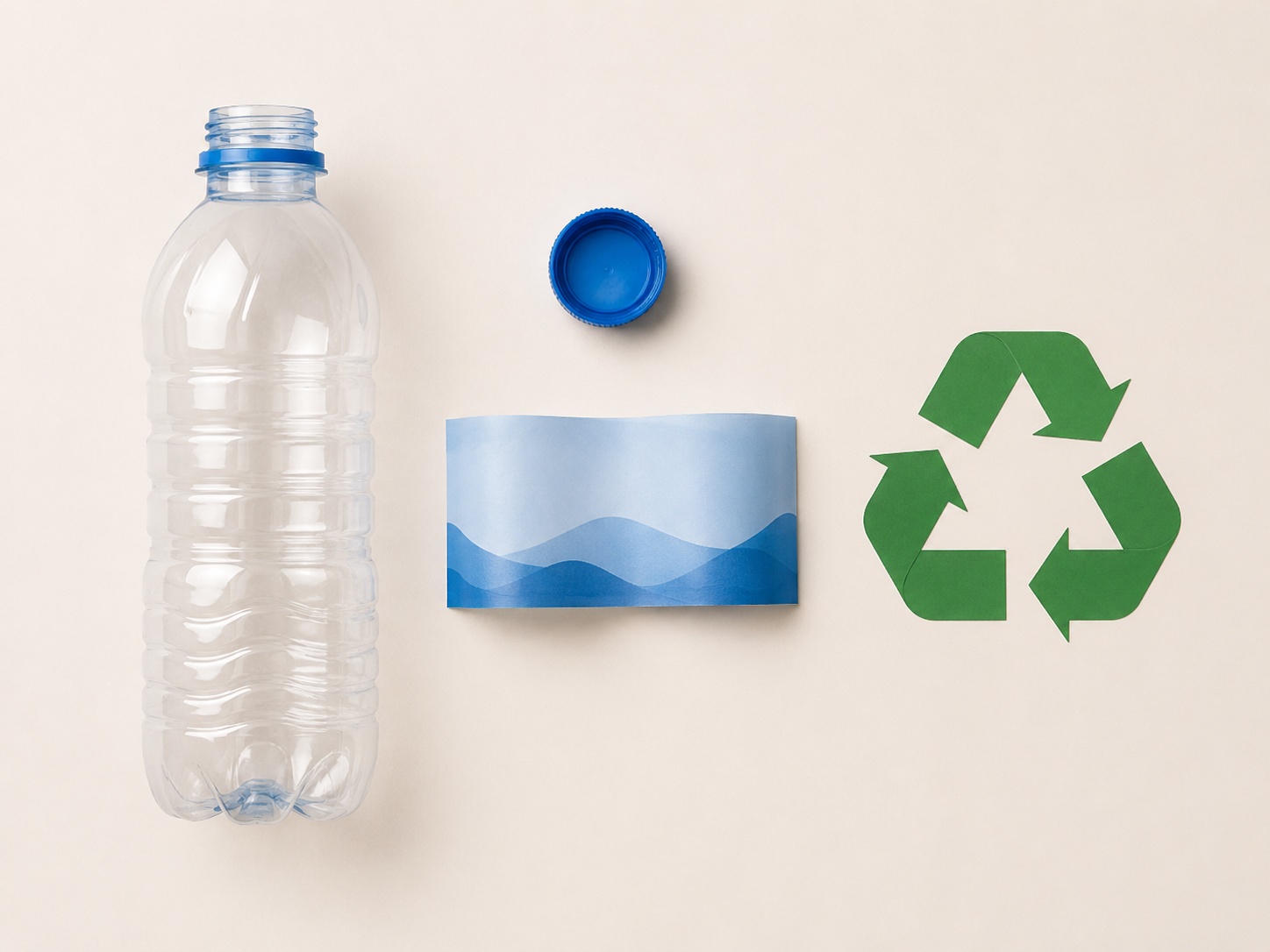
It is not always obvious from the printed symbols on a bottle how recyclable a product actually is, particularly when the label, cap, and bottle are made from three different materials. A QR code can link through to clearer instructions on how to prepare and dispose of each part correctly, sitting alongside the On-Pack Recycling Label scheme most UK shoppers will already recognise from the small "Recycle Now" style symbols found on supermarket packaging.
There is a bigger shift coming for drinks containers specifically. A UK-wide deposit return scheme for single-use plastic and metal drinks containers is due to launch on 1 October 2027, and QR codes are expected to play a role in how those containers are identified and processed through the system. A bottle carrying a code today may end up serving a recycling or deposit function tomorrow without the printed label needing to change at all.
Some brands use the code on a bottle to reward the customer directly, whether that is a small discount on the next order, entry into a giveaway, or a straightforward link back to reorder a favourite flavour. A single purchase becomes the start of a small loyalty loop rather than a one-off transaction, which works particularly well for drinks people buy on repeat. A bottle of something like Mr Basil is exactly the kind of regular purchase where a quick reorder link on the label saves someone the trouble of searching for it again.
Once a brand has built a name for itself, protecting that name becomes part of the job. A QR code that leads to a verification page, confirming a batch or bottle is genuine, is one way brands guard against imitation products or repackaged stock being sold as something they are not. This matters more for brands with certifications worth protecting, such as HACCP food safety accreditation, where a customer may want to confirm it applies to the specific bottle in front of them.
Adding a QR code does not mean redesigning the whole bottle, but a handful of practical decisions separate a code that scans first time from one that leaves customers giving up halfway through.
Placement comes first. The code needs enough plain space around it, often called a quiet zone, for a phone camera to pick it out from the rest of the design. Juice labels are frequently glossy, curved around a rounded bottle, and printed in a fairly tight space, which can make a poorly sized code genuinely difficult to scan.
Contrast and size matter just as much. A code that is too small, sits over a busy background image, or has too little contrast between the black and white sections leads to abandoned scans and irritated customers. For brands looking to make their packaging more visually engaging, 3D Text can also add depth and emphasis to important label elements without relying solely on the QR code. This becomes more relevant across the range of formats a juice brand might use, from a gourmet glass bottle to a simpler recyclable format, since each surface behaves differently under a phone camera.
A short line of instruction next to the code helps more than most brands expect. "Scan to leave a review" or "scan for ingredient details" performs far better than a bare code with no context, since people need to know what scanning will do before they bother doing it.
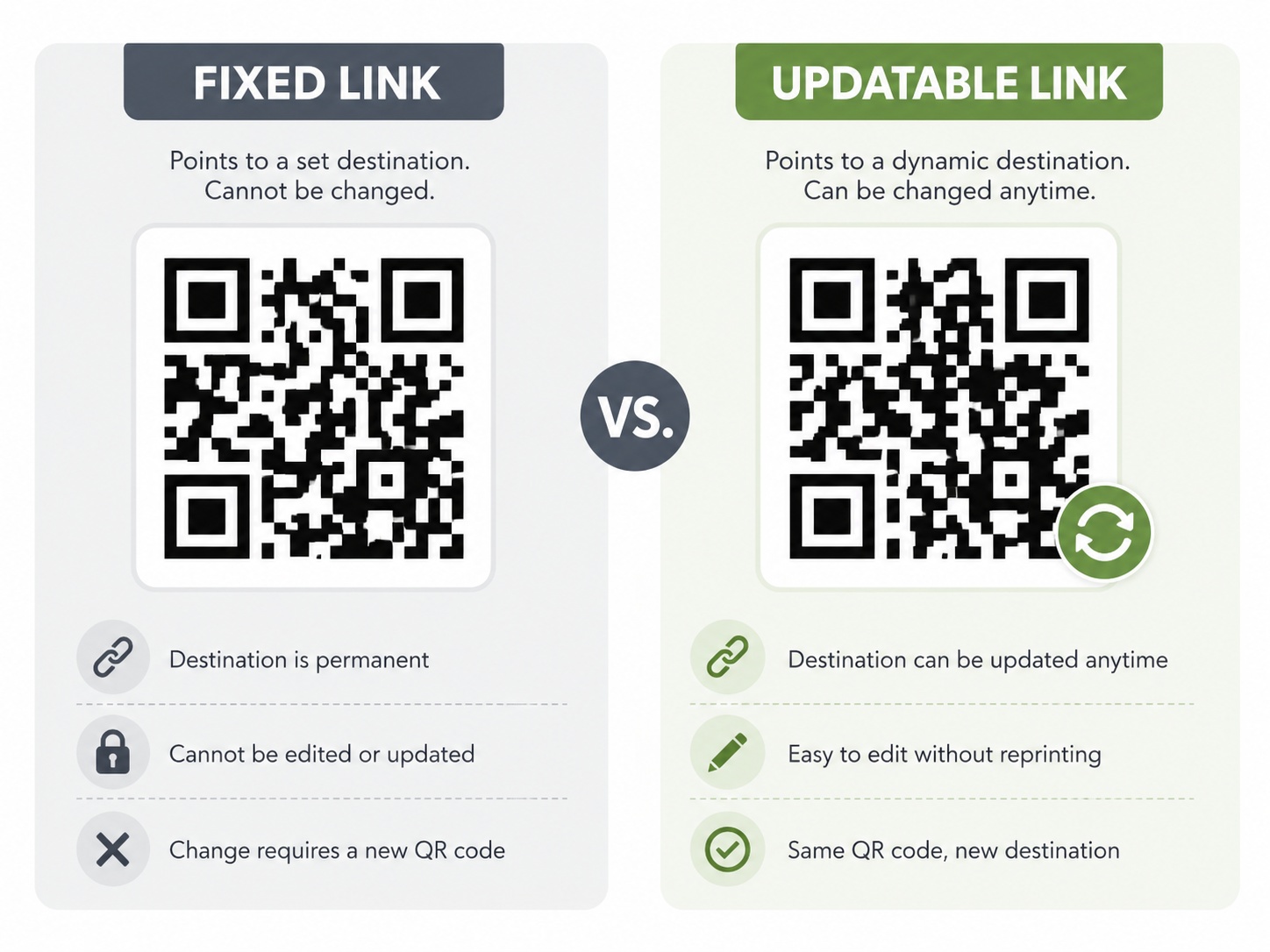
Not every QR code works the same way once it is printed. A static code has its destination baked permanently into the pattern itself, so whatever it links to can never change once the label goes to print.
A dynamic code instead points to a short redirect address the brand can update at any time, even after thousands of bottles are already on shelves. If a brand needs to switch review platforms, refresh a landing page, or swap a review request for a seasonal recycling message, a dynamic code allows that without a single label being reprinted. It can also be tracked, giving a brand a rough sense of how many scans a code receives and when, which a static code cannot offer.
The tradeoff is that dynamic codes depend on the provider's redirect service staying active indefinitely, so it pays to choose a reputable qr code generator rather than a free tool of uncertain lifespan. For most drinks brands running large print jobs, that flexibility is usually the better trade.
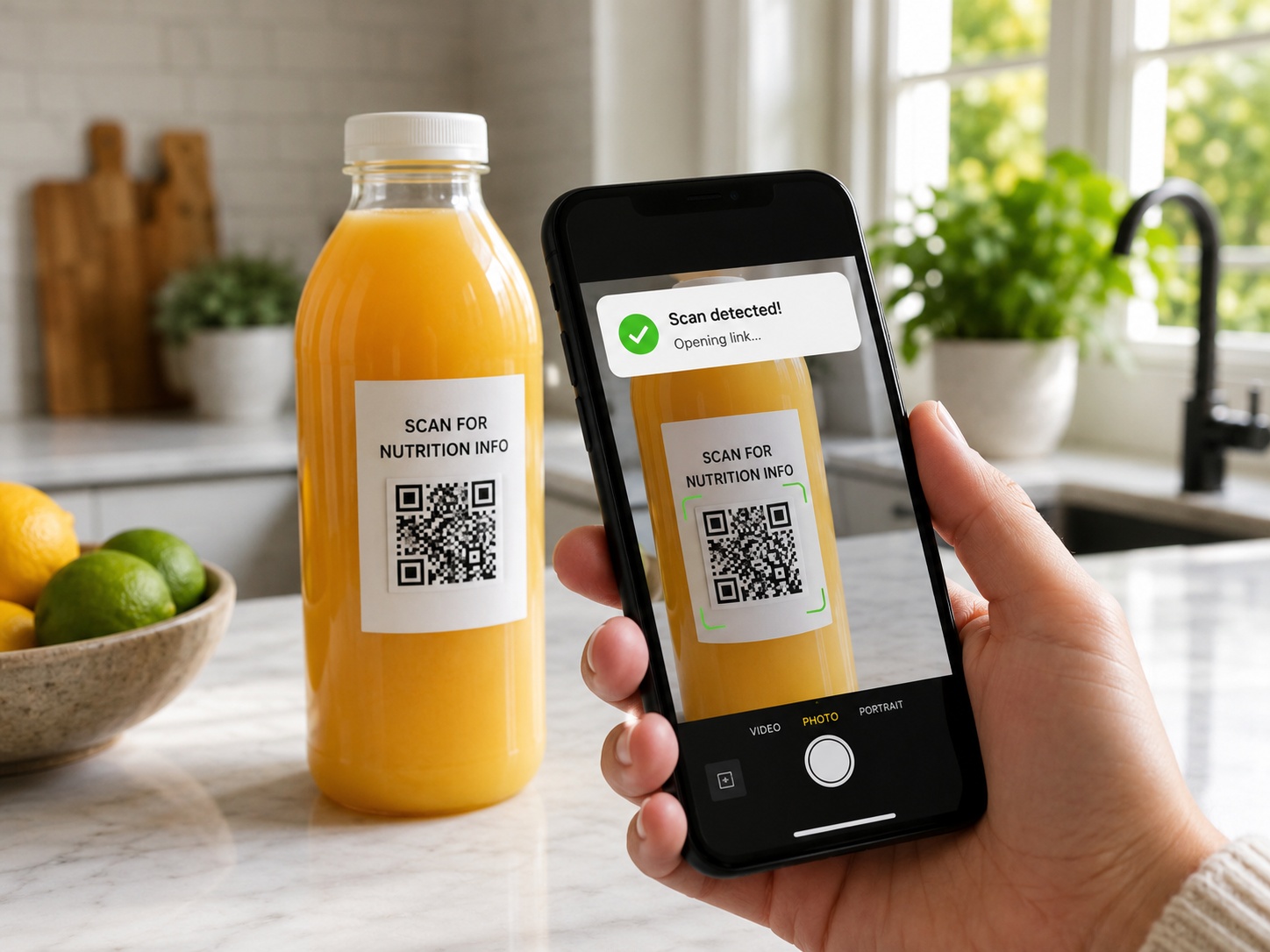
Scanning a code with a modern phone is about as simple as pointing the camera at it and tapping the notification that pops up. There is no app to download, since both iPhone and most Android phones now handle this through the default camera.
Before anything opens, the phone should show a preview of the web address behind the code. That preview is worth a glance, since it is the quickest way to confirm the code takes you somewhere that matches what the label promised. From there, depending on the brand, you might land on a review form, a sourcing page, a recycling guide, or a loyalty offer.
For the vast majority of codes on genuine, sealed packaging, yes. The code was printed by the brand as part of production and leads to a page the brand controls directly.
The picture changes with codes that turn up somewhere unexpected: a sticker placed over an existing code, one that arrived by email, or a loose code displayed in a public space rather than printed into sealed packaging. The UK's National Cyber Security Centre has flagged a rise in QR code scams, sometimes called quishing, where a genuine-looking code is swapped or overlaid with one that leads somewhere malicious. Most reported cases involve places like car parks and stations rather than sealed food and drink packaging, but the same basic caution applies everywhere.
A few habits keep the risk close to zero. Check the address preview your phone shows before it opens the page in full, and be wary of any code that asks for payment details or a login rather than simply showing information. A code that looks like it has been stuck over the top of another one deserves more suspicion than one printed directly into the original label artwork.
A juice label still has to carry certain information in print, without relying on anyone scanning anything. Legal requirements such as the ingredients list, allergen declarations, net volume, and best-before date must appear directly on the bottle, since not everyone will have a phone to hand or will want to scan a code before buying. UK food labelling rules recognise 14 major allergens, including tree nuts, milk, and sulphites, and these must be clearly identified on the printed label itself.
What the code adds is depth, not a replacement. It is the layer that expands on a claim already printed on the label, whether that is a halal certification a customer wants to read more about or a cold-pressed claim they want to verify. Some brands are also exploring codes that carry more detailed allergen breakdowns than fit on a label, which matters for customers managing serious allergies where a vague "may contain" warning offers little real reassurance.
A little awareness goes a long way with any QR code, food and drink packaging included. Look for a code printed cleanly as part of the label artwork itself, rather than one that looks like a separate sticker placed over the original design.
Check the address preview before continuing, and make sure it points to a domain that actually matches the brand on the bottle. If the page that opens asks for anything beyond a simple review, rating, or basic contact detail, particularly payment information, treat that as a reason to stop and verify the brand separately first.
Before you scan, it is worth a five-second check:
If any of those do not check out, it is safer to skip the scan and look the brand up separately instead.
If you like the flexibility a dynamic code on your favourite juice offers, know that scanning typically shares some information with the brand or provider, such as roughly when and where the scan happened. That is standard practice for measuring scan performance rather than anything unusual, and UK guidance on privacy information lists QR codes as one accepted way for a business to point customers toward fuller detail on how their data is used.
Next time you pick up a bottle from our range, whether that is the tang of Dr Chia or a classic basil seed drink, it is worth taking a moment to scan the label and see where it leads.
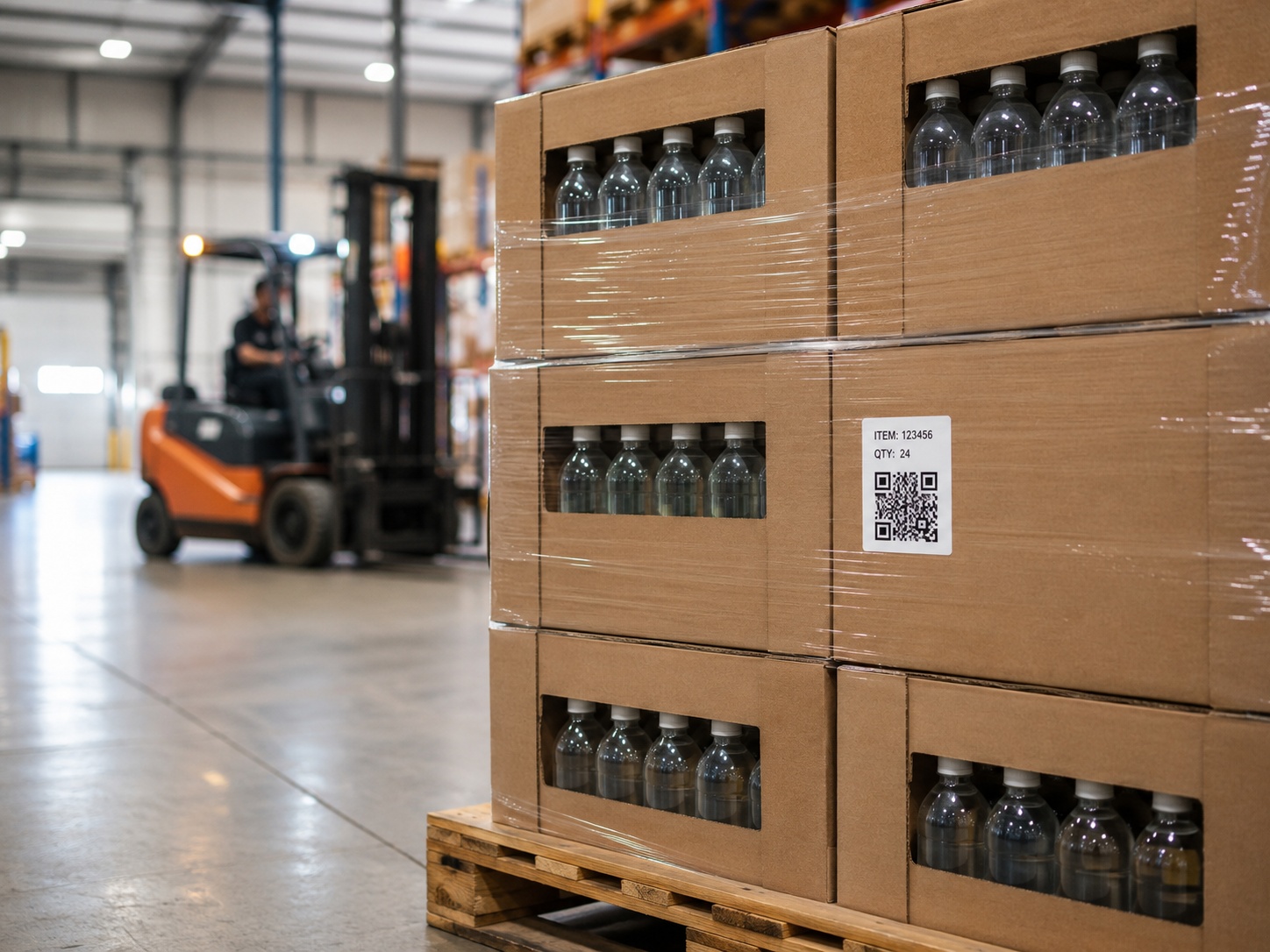
For retailers, cafes, and distributors, QR codes are not limited to individual bottles. The same idea applies to case labels and pallet documentation, linking straight through to a spec sheet, a certificate, or a reorder page instead of a printed catalogue that goes out of date the moment prices change. That saves time for a buyer checking a delivery against an order.
It also supports traceability further down the supply chain, since a code on a case can carry batch information that matches what is printed on the individual bottles inside. If you handle bulk orders and want to see how this could work for your account, our contact page is the quickest way to reach the trade team directly.
It links the physical bottle to a web page chosen by the brand. Depending on the product, this might be ingredient details, a review form, recycling instructions, or a loyalty offer.
No. Most modern phones read a QR code directly through the built-in camera app, without installing anything separate.
Generally yes, since the code was printed by the brand as part of production and leads to a page it controls. Extra caution is worth applying to codes that look like stickers placed over the original label rather than part of the printed design.
A static code has its destination fixed permanently at the point of printing. A dynamic code points to a redirect address the brand can update later without reprinting the label.
Because it is far easier than remembering to search for the brand later. Scanning while still holding the empty bottle also tends to produce more detailed, genuine feedback than a review left from memory days afterwards.
A dynamic QR code can typically show the brand general information about when and roughly where a scan happened, similar to standard website analytics. It does not usually track your precise, ongoing location once you leave the page.
Check the web address your phone previews before opening it fully, and avoid continuing if it asks for payment details or login credentials unrelated to a simple review or form. A code that looks stuck on top of the original label is also worth treating with more caution.
No. Legal requirements such as the ingredients list, allergen information, and best-before date must still be printed directly on the label, since not every customer will scan a code before buying.
This varies by product, but our bottles are produced with an 18-month shelf life from production when unopened and stored correctly. Always check the specific best-before date printed on your bottle, since this can vary between batches.
Yes, some brands link their code through to detailed recycling guidance covering the label, cap, and bottle separately, since these are often made from different materials. This sits alongside the printed on-pack recycling symbols already found on most UK packaging.
Retail is moving toward scanning both formats at the till, with an industry target of 2027 for checkout systems to read newer two-dimensional codes alongside the traditional barcode. Traditional barcodes are expected to stay in use alongside them for some time yet.
This usually comes down to size, contrast, or placement on a curved or glossy surface. A code that is too small, printed with low contrast, or wrapped too far around a rounded bottle can be hard for a phone camera to read clearly.
Some brands use a QR code specifically for this, linking to a verification page that confirms a batch or bottle is authentic. This is more common with brands that have had issues with imitation or repackaged products.
Static codes are typically free to generate with no ongoing cost. Dynamic codes usually involve a subscription to the provider hosting the redirect, since that service has to stay active for the code to keep working.
This depends on the specific form and brand, but any UK business collecting personal information through a QR code linked form has to handle it in line with UK data protection law. Reputable brands make clear what the information is used for on the form itself.
Yes, and this is an increasingly common use case for food and drink packaging, since a printed label has limited space for detailed allergen breakdowns. The core allergen declarations still have to appear in print by law, but a code can add further detail for customers who want it.
The same principles apply, though the content behind the code often differs, such as tasting notes or vineyard information rather than a review request. Placement and scannability considerations for curved, glossy bottles are largely the same across drink categories.
It is a low-cost way to punch above its weight on customer engagement, since a QR code costs little to generate and print compared to other marketing tools. For an independent brand without a large marketing budget, it is often one of the more efficient ways to collect reviews or share information that would otherwise need a much bigger label.
No. Everything legally required, including the full ingredients list and allergen information, must already be printed directly on the label. The QR code is there for anyone who wants to go further, not as a way to hide required information.
Not automatically. A code added as a separate sticker after the original label was printed is easier to tamper with or replace than one printed as part of the original artwork, so a little extra caution is worth it before scanning.

.webp)
Share this article


.webp)


.jpg)


.jpg)


.jpg)


.png)


