


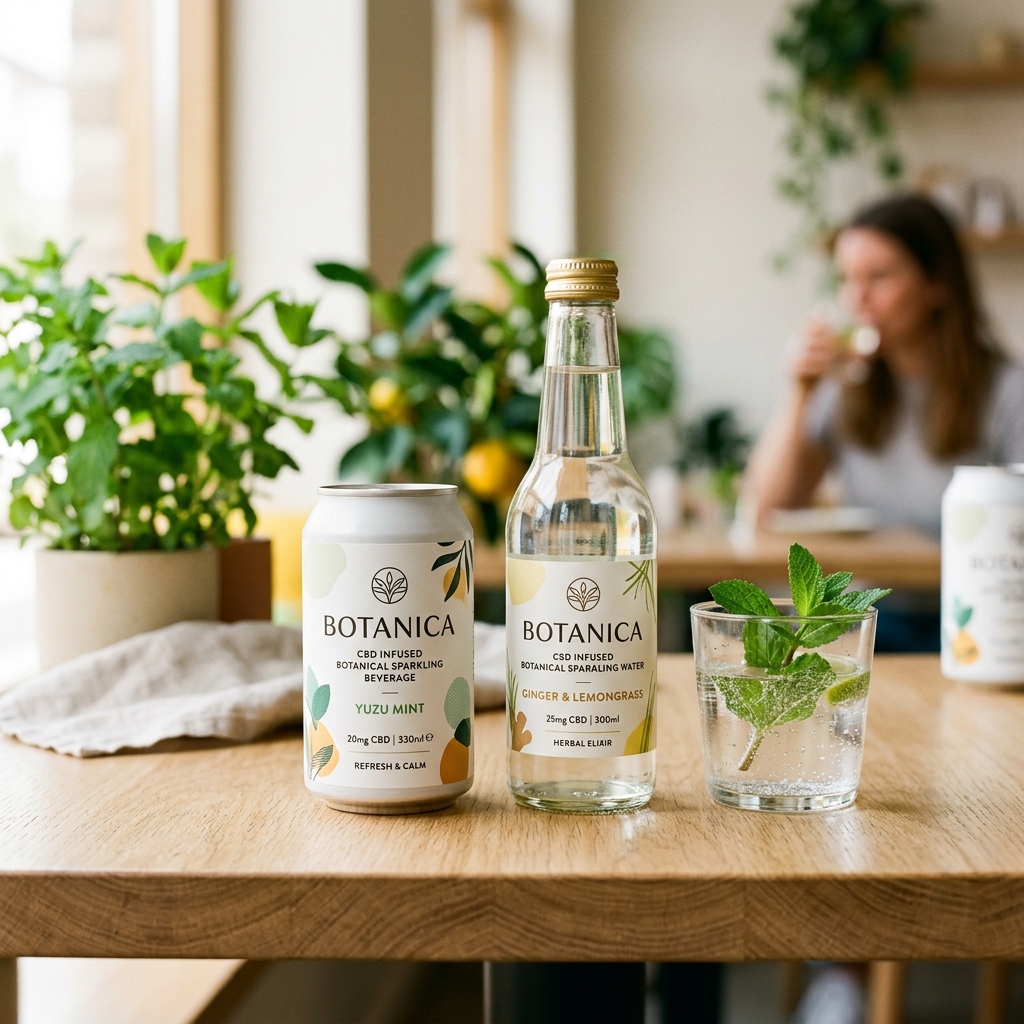
CBD drinks have moved from niche health shops into mainstream supermarkets and online stores over the past few years. For many people, the appeal is straightforward: a refreshing non-alcoholic beverage that may support relaxation and daytime focus without next-morning sluggishness. But with choices ranging from lightly flavoured sparkling waters to botanical infusions, knowing what each product delivers is essential before buying.
Quick answer: CBD infused drinks are non-alcoholic beverages containing cannabidiol, a non-intoxicating compound from industrial hemp. They do not produce a high. People use them to support relaxation, evening wind-down, and workout recovery. The UK Food Standards Agency (FSA) advises healthy adults to consume no more than 10mg per day.
Medical note: This article is for educational purposes only. It does not replace medical advice. Cannabidiol is a food supplement in the UK, not a medicine. If you take prescription medication or manage a chronic condition, speak with your GP before using these products.
This guide covers what these drinks are, how absorption compares to oils, extract types, the entourage effect, driving and drug testing rules, and practical buying criteria.
CBD Drink Types at a Glance
What Are CBD Infused Drinks?
These are ready-to-drink beverages that blend cannabidiol extract into a liquid base. Common formats include sparkling spring water, botanical teas, cold-pressed juice, and fruit-infused seltzers. The ingredient is extracted from Cannabis sativa L. — industrial hemp plants grown under licensed conditions.
Unlike tetrahydrocannabinol (THC), which causes intoxication in cannabis, cannabidiol has no psychoactive effect. Understanding what zero proof means on modern labels helps clarify this: a zero-proof, hemp-infused beverage delivers functional calm without altering cognition or motor skills.
In the UK, these products fall under Novel Foods regulation. They must be derived from approved hemp strains and contain no more than 1mg of controlled cannabinoids per finished container.
How Cannabidiol Works in the Body
After swallowing a hemp drink, cannabidiol enters the bloodstream through the digestive system. It then interacts with the endocannabinoid system (ECS). This is a regulatory network discovered in the early 1990s. It helps maintain balance across several bodily processes:
- Mood and stress response: Modulating neurotransmitter signalling to support emotional equilibrium.
- Sleep-wake cycles: Helping the transition from daily mental stimulation to restful evening states.
- Inflammation and discomfort: Interacting with TRPV1 and serotonin receptors involved in sensory signalling.
Unlike THC, cannabidiol does not bind directly to CB1 receptors in the brain. Instead, it inhibits the enzymes that break down natural endocannabinoids like anandamide. The result is subtle and calming — not a psychoactive shift.
CBD Drinks vs CBD Oil: Bioavailability and Onset Time
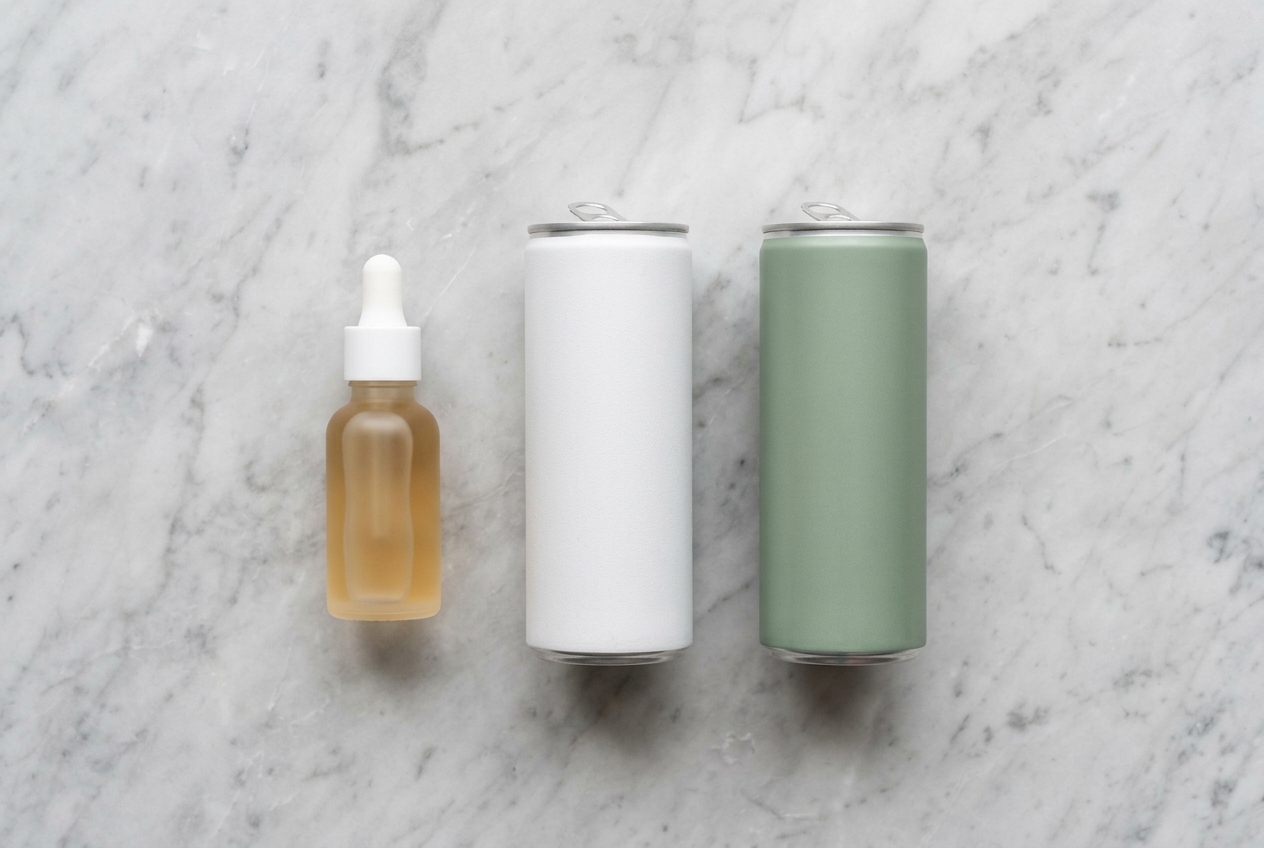
Sublingual oil (left) and ready-to-drink hemp beverages differ significantly in absorption speed and bioavailability.
One of the most common questions is whether a hemp drink delivers the same effect as sublingual oil drops. Both contain cannabidiol, but their metabolic pathways differ considerably.
Cannabidiol is lipophilic — it is fat-soluble by nature. Standard oil mixed into a drink undergoes first-pass metabolism in the liver. This reduces how much reaches the bloodstream. Modern manufacturers use nano-emulsion technology to counter this. They break droplets into particles under 100 nanometres and coat them in water-friendly carriers. The result is significantly faster and more consistent absorption.
What Do People Use These Drinks For?
While clinical research into oral cannabidiol continues, consumers use these beverages for several everyday wellness purposes:
Everyday stress management: Many professionals reach for a chilled botanical drink during the afternoon to ease tension. It does this without causing lethargy or loss of focus.
Evening relaxation and sleep preparation: The compound is not a sedative. But sipping an infused botanical drink as part of a wind-down ritual can quiet mental chatter and support natural sleep onset.
Post-workout recovery: Cannabidiol has shown anti-inflammatory potential in preliminary studies. Athletes and fitness enthusiasts often include these drinks in recovery routines alongside proper hydration.
Mindful social drinking: As more adults explore modern non-alcoholic drinks, hemp beverages offer a sophisticated adult alternative to sodas and alcohol at dinners, events, and gatherings.
Types and Extract Differences
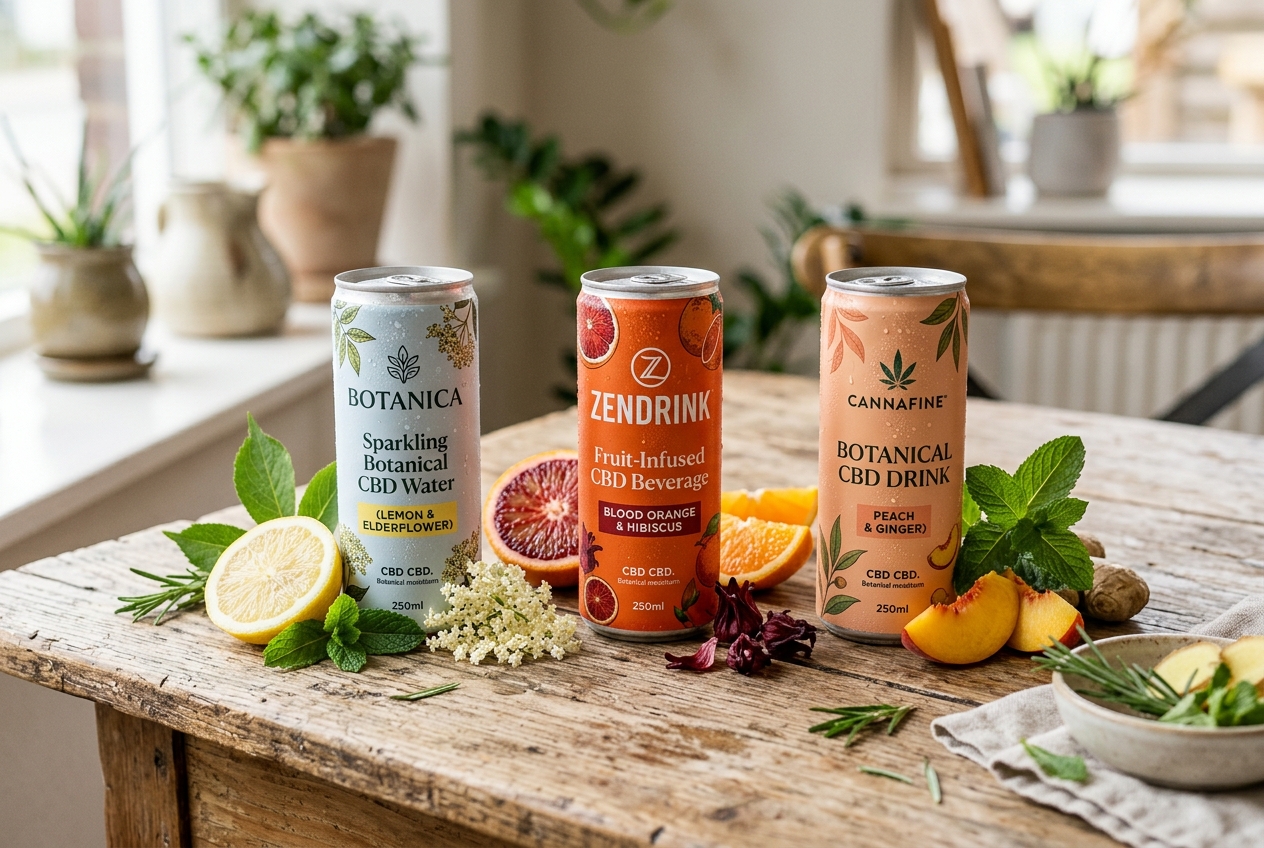
Different extract types — sparkling water, fruit-infused, and botanical tea — each suit different needs and taste preferences.
Much like selecting high-grade plant-based wellness drinks, the extraction method determines the quality and character of the finished beverage:
Broad-spectrum: Contains cannabidiol alongside terpenes and minor cannabinoids. THC is removed via chromatography to non-detectable levels. It delivers plant synergy without any THC.
Full-spectrum: Retains the natural hemp compound array including trace compliant THC. Botanical beverage enthusiasts favour full-spectrum CBD drinks made with genuine fruit juice because of the unrefined synergy between all plant compounds.
Isolate: Pure crystalline cannabidiol with no other hemp compounds. Completely flavourless and 0.0% THC. Common in lightly flavoured seltzers and clear sparkling waters.
What Is the Entourage Effect?
The entourage effect describes the combined synergy of all hemp plant compounds working together. This includes cannabidiol, minor cannabinoids like CBG and CBN, and aromatic terpenes such as myrcene, limonene, and beta-caryophyllene.
The theory holds that these compounds enhance each other's therapeutic potential beyond what any single compound achieves alone. This is why full-spectrum formulations are often preferred by experienced users over isolate products.
The concept was first described by Israeli researchers Raphael Mechoulam and Shimon Ben-Shabat in 1998 and remains an active area of cannabinoid research.
Driving and Workplace Drug Testing
Two areas often overlooked in general guides are road safety and occupational drug screening.
Can you drive after drinking one? In the UK, pure cannabidiol is completely legal and non-impairing. It does not legally impair your ability to operate a vehicle. However, if you feel unusually relaxed after a higher dose, wait until the sensation passes before driving.
Will it show on a drug test? Standard workplace and roadside tests screen for THC metabolites, not cannabidiol. Broad-spectrum and isolate drinks carry minimal risk. However, professionals subject to zero-tolerance testing should avoid full-spectrum options. High daily intake could theoretically allow trace THC to accumulate over time.
Tips for Buying and Using These Drinks
Stick to the FSA daily limit: The UK Food Standards Agency recommends a maximum of 10mg per day for healthy adults. If a can contains 20mg or 30mg, start with half a serving.
Request a Certificate of Analysis (CoA): Trustworthy brands publish third-party batch reports. These confirm the exact milligram cannabidiol content and verify compliant THC thresholds, pesticides, and heavy metals.
Check the sugar content: Some products add high sugar to mask hemp's earthy taste. Check the nutrition label if you prefer low-calorie or naturally sweetened options.
Look for nano-emulsified formulas: Water-soluble beverages absorb faster than oil-based alternatives. Look for "nano-emulsified", "water-soluble", or "liposomal" on the packaging.
Check medication interactions: Cannabidiol inhibits the cytochrome P450 enzyme family in the liver. These enzymes metabolise many pharmaceutical drugs including blood thinners, beta-blockers, and antidepressants. Consult your GP before using these drinks alongside regular medication.
References
- Food Standards Agency. Cannabidiol (CBD): Guidance for Consumers and Businesses. FSA, 2024.
- National Health Service. Medical Cannabis (Including CBD): What the Research Says. NHS, 2023.
- World Health Organization. Cannabidiol (CBD): Critical Review Report. WHO Expert Committee on Drug Dependence, 2018.
- Millar SA et al. A Systematic Review on the Pharmacokinetics of Cannabidiol in Humans. Frontiers in Pharmacology, 2018.
- Blessing EM et al. Cannabidiol as a Potential Treatment for Anxiety Disorders. Neurotherapeutics, 2015.


Comments and reviews (0)