


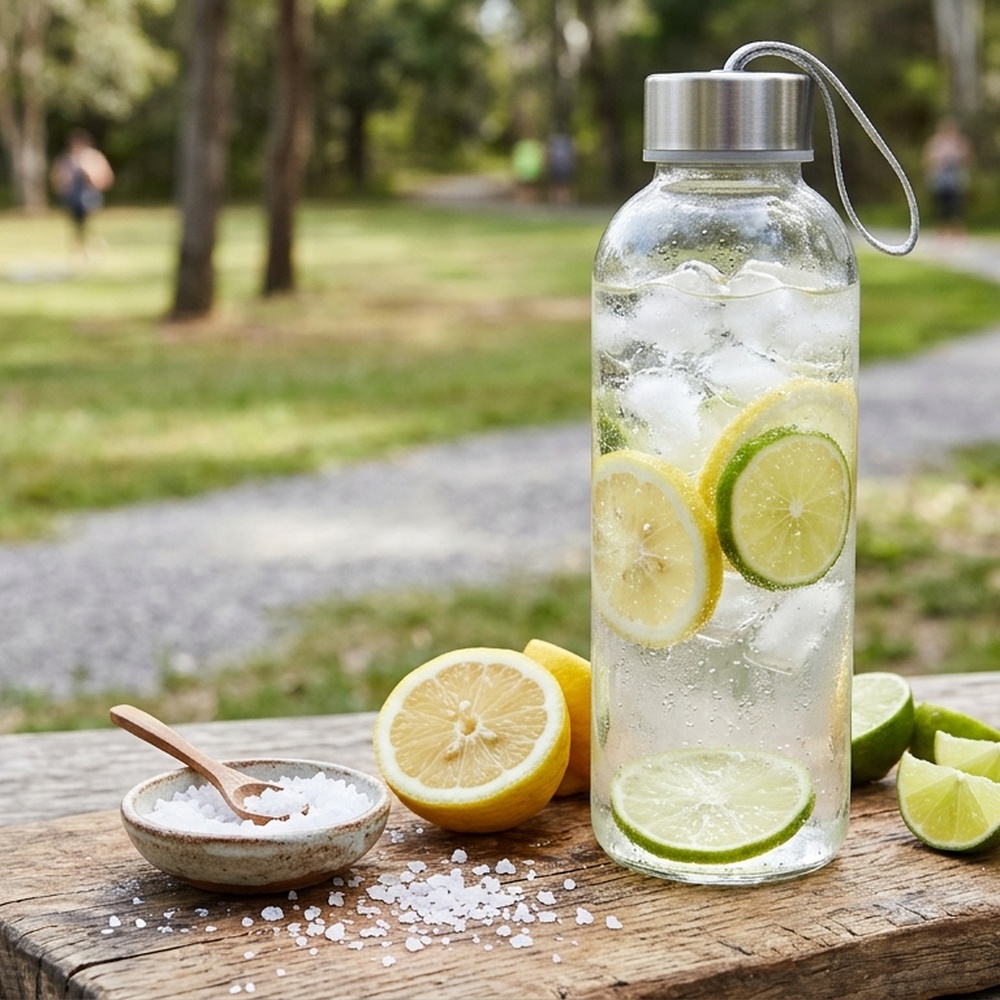
Commercial sports drinks promise fast hydration after tough workouts or seasonal sickness. Most store bottles contain synthetic food dyes, chemical preservatives, and over 30 grams of high-fructose corn syrup. Proper cellular rehydration does not require artificial ingredients.
Quick answer: You can make an effective homemade electrolyte drink by mixing 2 cups of filtered water (or pure coconut water) with 1/4 teaspoon of fine sea salt, 2 tablespoons of fresh lemon or lime juice, and 1 tablespoon of raw honey or pure maple syrup. This natural blend provides roughly 500 milligrams of sodium, 200 milligrams of potassium, and natural glucose to activate rapid intestinal water absorption without synthetic dyes or chemical preservatives.
Severe dehydration resulting from persistent vomiting, high fever, or dysentery requires immediate medical evaluation. A homemade electrolyte drink effectively supports recovery from routine workouts, hot weather exposure, and mild stomach bugs. Acute clinical dehydration always warrants physician supervision.
This guide explains the physiology of intestinal water transport, details the master four-ingredient recipe, compares homemade hydration to leading commercial brands, reviews the clinical WHO oral rehydration formula, and outlines a keto-friendly option.
The Science of Hydration: Why Plain Water Is Not Enough
Intense physical exertion and seasonal illness cause rapid fluid depletion. Your body expels water alongside essential mineral salts through perspiration and respiration. Sweat contains predominantly sodium and chloride, with smaller amounts of potassium, magnesium, and calcium.
Drinking large quantities of plain water during heavy sweating dilutes blood sodium levels. This osmotic dilution triggers the renal system to flush water out via urine rather than absorbing it into dehydrated muscle tissues. For a broader comparative analysis of bodily fluid balance, read our comprehensive guide to hydrating drinks science and rankings.
Sodium-Glucose Cotransport (SGLT1)
Your small intestine relies on sodium-glucose cotransporter (SGLT1) proteins for fast fluid uptake. These specialised carrier proteins embedded in the enterocyte membrane couple two sodium ions to one glucose molecule.
As sodium and glucose cross the intestinal membrane together, they create a powerful osmotic gradient. This gradient pulls hundreds of water molecules directly into your bloodstream via solvent drag. The modest amount of natural sugar in an electrolyte drink functions as essential transport fuel that actively drives cellular rehydration.
Hypotonic Solutions vs. Hypertonic Drinks
An optimal hydration beverage is hypotonic or mildly isotonic. The concentration of dissolved minerals and sugars matches or stays slightly below human blood plasma osmolarity (around 245 to 290 mOsm/L).
Commercial sodas, heavy fruit juices, and traditional syrups are hypertonic. They contain over 10 percent sugar concentration. When consumed during exertion, hypertonic liquids draw fluid out of blood vessels and into the bowel lumen, delaying rehydration and causing painful stomach cramps. A clean homemade sports drink maintains sugar below 6 percent, ensuring rapid gastric emptying.
The Master 4-Ingredient Recipe & Preparation Instructions
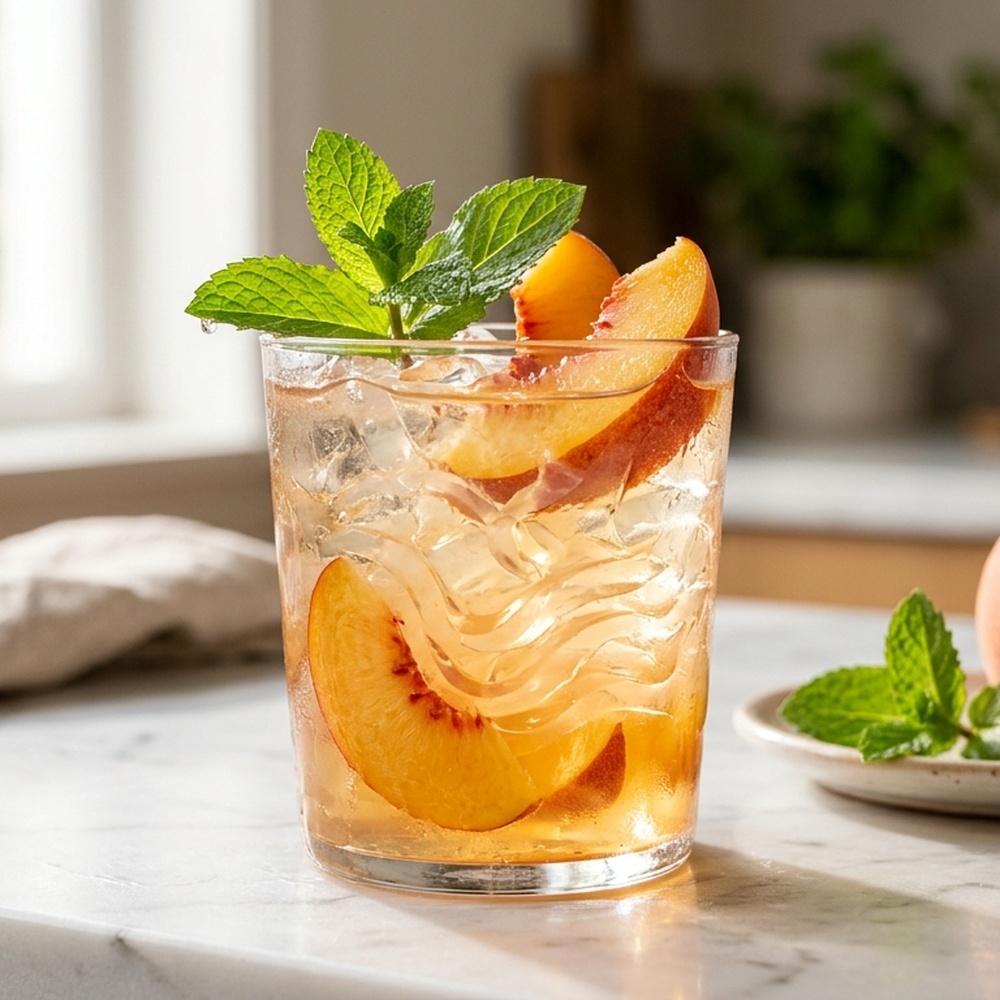
This balanced kitchen recipe yields one 16-ounce serving in under two minutes. It delivers bioavailable electrolytes using everyday wholesome pantry ingredients.
Natural Citrus Electrolyte Hydrator
Key Ingredients
- ✓2 cups Filtered water (or 1 cup water plus 1 cup pure coconut water for extra potassium)
- ✓1/4 tsp Fine sea salt or Himalayan pink salt (provides approximately 500 mg sodium)
- ✓2 tbsp Fresh lemon or lime juice (supplies natural potassium, citric acid, and flavor)
- ✓1 tbsp Raw honey or pure maple syrup (supplies 15 grams of glucose and fructose for SGLT1 transport)
Preparation Steps
If using raw honey, always dissolve it in slightly warm water first. Cold water causes raw honey to seize and stick to the bottom of the container, preventing uniform SGLT1 glucose distribution.
Side-by-Side Comparison: Homemade Drink vs. Commercial Alternatives
Making your own hydration beverage saves money, eliminates petroleum-derived colorings, and allows precise control over sodium content. Here is how our homemade recipe compares to leading commercial options:
| Hydration Metric | Our Homemade Blend | Gatorade Thirst Quencher | Liquid I.V. Hydration Multiplier |
|---|---|---|---|
| Serving Size | 16 oz (480 ml) | 16 oz (480 ml) | 16 oz (1 packet in water) |
| Sodium (mg) | ~500 mg (Clean sea salt) | 270 mg | 500 mg |
| Potassium (mg) | ~250 mg (Citrus + coconut) | 75 mg | 370 mg |
| Sugars / Carbs | 15 g (Raw honey or maple) | 28 g (High-fructose corn syrup) | 11 g (Cane sugar and dextrose) |
| Artificial Dyes | Zero (100% natural) | Yellow 5, Yellow 6, Red 40 | None |
| Cost Per Serving | ~$0.30 | ~$1.75 | ~$1.50 to $2.00 |
Clinical Variation: The WHO Oral Rehydration Solution (For Sickness)
During acute gastrointestinal illness involving severe diarrhea or vomiting, the World Health Organization (WHO) recommends an exact oral rehydration salts (ORS) formulation. This ratio matches intestinal osmolarity to prevent dangerous hypovolemic dehydration shock.
Ingredients: 1 Liter of clean drinking water (approx. 4.2 cups), 1/2 level teaspoon table salt (2.5 grams), and 6 level teaspoons granulated sugar (25 grams).
Administration: Stir until the water is completely clear. Sip small spoonfuls every 5 to 10 minutes. Do not boil the liquid after mixing, and never add extra sugar, which worsens osmotic diarrhea.
Keto Variation: Zero-Sugar Electrolyte Drink for Ketosis
Individuals on ketogenic or low-carbohydrate eating plans avoid honey and fruit syrups to maintain nutritional ketosis. During early carbohydrate restriction, declining insulin levels prompt the kidneys to rapidly excrete sodium, triggering fatigue and muscle cramps known as the keto flu.
Ingredients: 2 cups cold filtered water, 1/4 teaspoon Himalayan pink salt, 1/4 teaspoon potassium chloride (NoSalt, supplying 650 mg potassium), 2 tablespoons fresh lemon juice, and 5 to 10 drops liquid stevia or monk fruit extract.
Biological Mechanism: While zero-sugar drinks lack glucose for active SGLT1 transport, minerals enter circulation through passive paracellular diffusion across the intestinal wall without breaking ketosis. For natural whole-food mineral profiles, read how coconut water electrolytes compare to commercial mineral salts.
Common DIY Electrolyte Mistakes to Avoid
1. Adding Too Much Salt: Adding more than 1/2 teaspoon of salt per 16 ounces creates a hypertonic fluid. Concentrated salt irritates gastric tissue and draws moisture from blood into the intestine, triggering uncomfortable osmotic diarrhea.
2. Adding Excess Sweetener: Pouring several tablespoons of honey or agave into the mix increases carbohydrate concentration above 8 percent. Heavy sugars significantly slow gastric emptying rates, leaving fluid sloshing in your stomach during exercise.
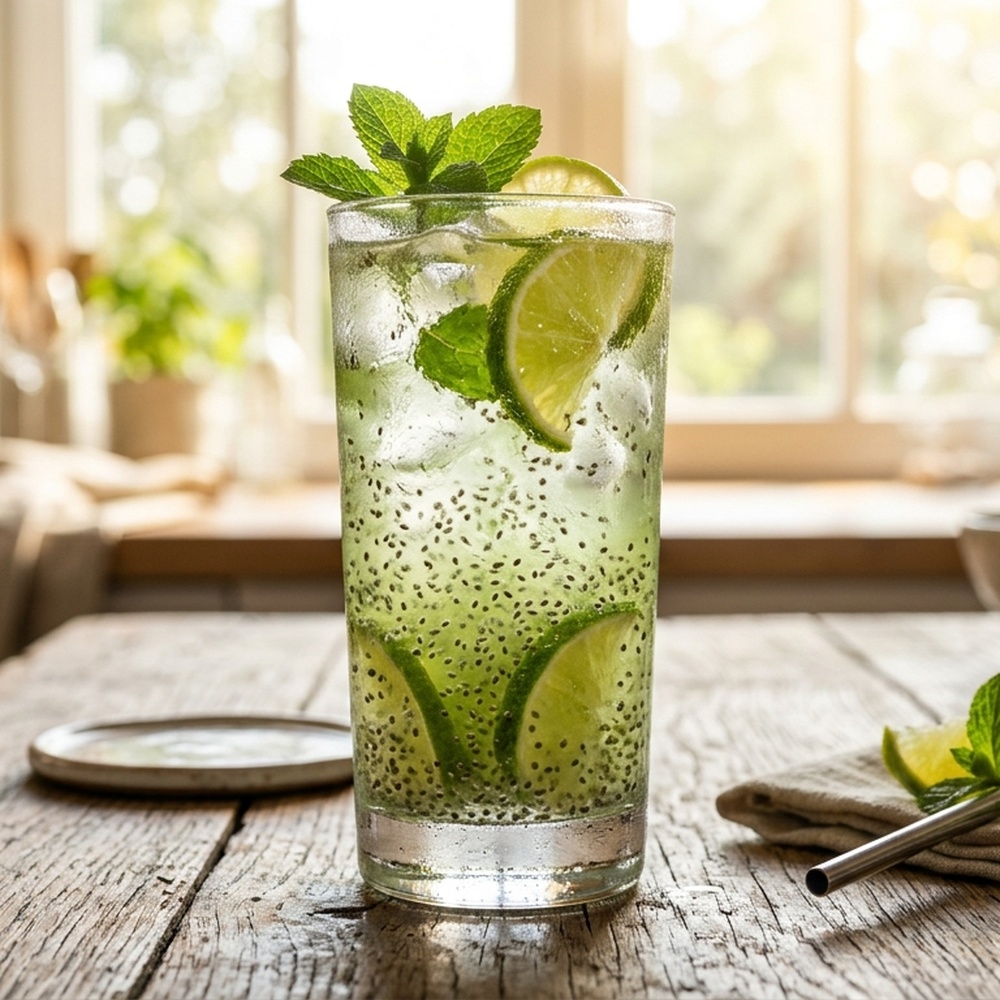
3. Leaving Drinks at Room Temperature: Fresh citrus juice and raw honey contain active enzymes and wild yeasts. Leaving open sports bottles on kitchen counters causes natural fermentation within 24 hours. Keep batches refrigerated and consume within 3 days. If you prefer seed-based hydration with natural mucilage, explore our easy chia seed drink guide.
Commercial Electrolyte Formulation and Bulk Supply
For sports nutrition brands, commercial gyms, and health food cafes looking to bottle clean-label hydration beverages, sourcing verified food-grade salts, pure citrus juices, and botanical bases is essential. Partnering with an authorized wholesale exotic drinks supplier guarantees certified ingredient purity, traceable batch logs, and consistent bulk pricing.
Frequently Asked Questions About Homemade Electrolyte Drinks
Q. Can salt and water replace electrolytes?
Q. Is it safe to drink homemade electrolyte water every day?
Q. Can I use regular table salt instead of sea salt?
Q. How long does homemade electrolyte drink keep in the fridge?
Q. Why do you need sugar in an electrolyte drink?
Q. How does homemade electrolyte drink compare to commercial sports drinks?
Q. What is the best electrolyte drink for sickness and stomach flu?
Q. Can I make an electrolyte drink for keto?
Cost-Effective Hydration with Zero Synthetic Additives
Mixing your own electrolyte drink at home delivers optimal cellular fluid absorption for approximately thirty cents per serving. Relying on the biological precision of sodium-glucose cotransport ensures rapid hydration while eliminating the high-fructose syrups and artificial colorants found in standard commercial bottles.
Editorial Fact-Checking and Evidence Standards
- Osmotic Rehydration Science: Formulation parameters aligned with peer-reviewed sports nutrition literature regarding gastric emptying rates, plasma osmolarity, and sodium-glucose cotransport.
- WHO Oral Rehydration Salt Standards: Direct citation of clinical oral rehydration protocols published by the World Health Organization for mild to moderate fluid deficit recovery.
- Ingredient Purity and Trace Mineral Integrity: Validation of elemental sodium and potassium levels via USDA FoodData Central nutritional references.
Sources and References
- The Science of Hydration in Physical Activity - American College of Sports Medicine / PubMed
- Oral Rehydration Therapy: Mechanisms and Guidelines - World Health Organization
- Sodium-Glucose Cotransporter SGLT1 Physiology - Physiological Reviews / NCBI
- Fluid and Electrolyte Requirements for Strenuous Exercise - International Journal of Sport Nutrition and Exercise Metabolism
- USDA FoodData Central: Lemon Juice and Honey Mineral Metrics - USDA Agricultural Research Service


Comments and reviews (0)