


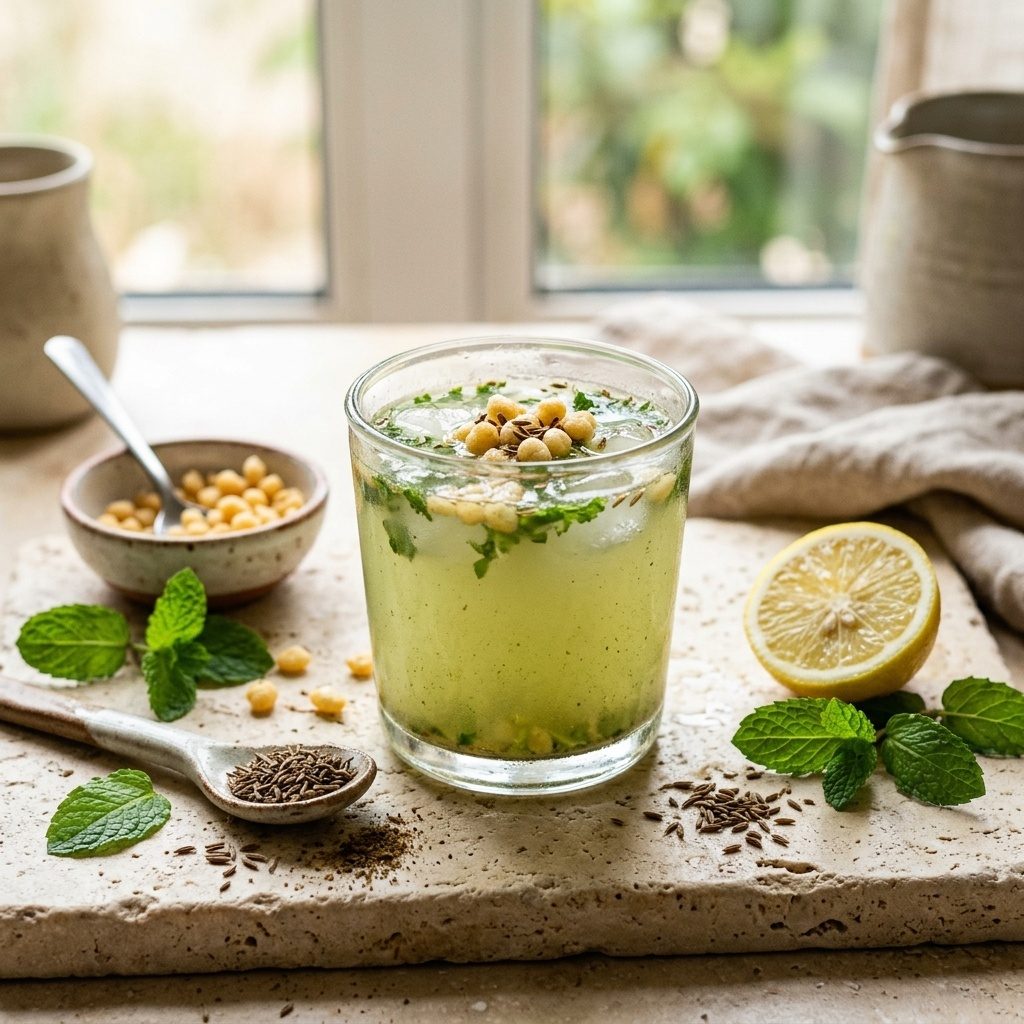
Jaljeera is a chilled Indian drink made with cumin, water, and a tangy mix of herbs and spices. Many versions include mint, cilantro, tamarind, ginger, and black salt, yielding a savory, sour, and earthy flavor with heat or sweetness adjusted to taste.
What Is Jaljeera?
Jaljeera is a traditional North Indian chilled beverage made by blending freshly toasted cumin seeds (jeera) with cold water, tart fruit acids (tamarind, lemon, or amchur), Himalayan black salt (kala namak), and fresh herbs. Unlike sweet fruit lemonades or heavy dairy coolers, authentic jaljeera is savory, tangy, and earthy, traditionally served before or after meals to stimulate appetite and soothe digestion.
Important Safety Note: Fact-checked October 23, 2026. While jaljeera supports routine digestion, it is not an antacid for acute acid reflux or gastritis. In sensitive individuals, concentrated citrus juices and warming spices on an empty stomach can trigger gastric burning. In addition, Himalayan black salt contains sodium chloride; individuals managing hypertension, kidney disease, or dietary sodium limits should measure salt portions carefully.
This comprehensive guide covers authentic jaljeera ingredients, flavor balance science, step-by-step home preparation, commercial powder blends, nutrition metrics, and clinical safety limits.
Jaljeera at a Glance
| Question | Short Answer |
|---|---|
| Main flavor | Roasted cumin with sour, salty, and herbal notes |
| Typical ingredients | Water, cumin, mint, black salt, and a sour fruit agent; recipes vary |
| Serving style | Chilled, sometimes garnished with crisp boondi or crushed ice |
| Alcohol & caffeine | Naturally 0.0% ABV and 100% caffeine-free in standard home preparation |
| Dairy & allergens | The basic drink contains zero dairy; check boondi and hing for gluten |
| Calories & sodium | Roughly 15 to 45 kcal per cup; sodium depends directly on salt weight |
| Digestive role | A traditional post-meal cooler, not an approved medical treatment |
What Is Jaljeera, and Where Is It From?
In Hindi, jal means water and jeera means cumin. Jaljeera is widely associated with North Indian culinary heritage and lively street-drink culture. Homes and vendors make distinct variations, so there is no single rigid formula that defines every glass.
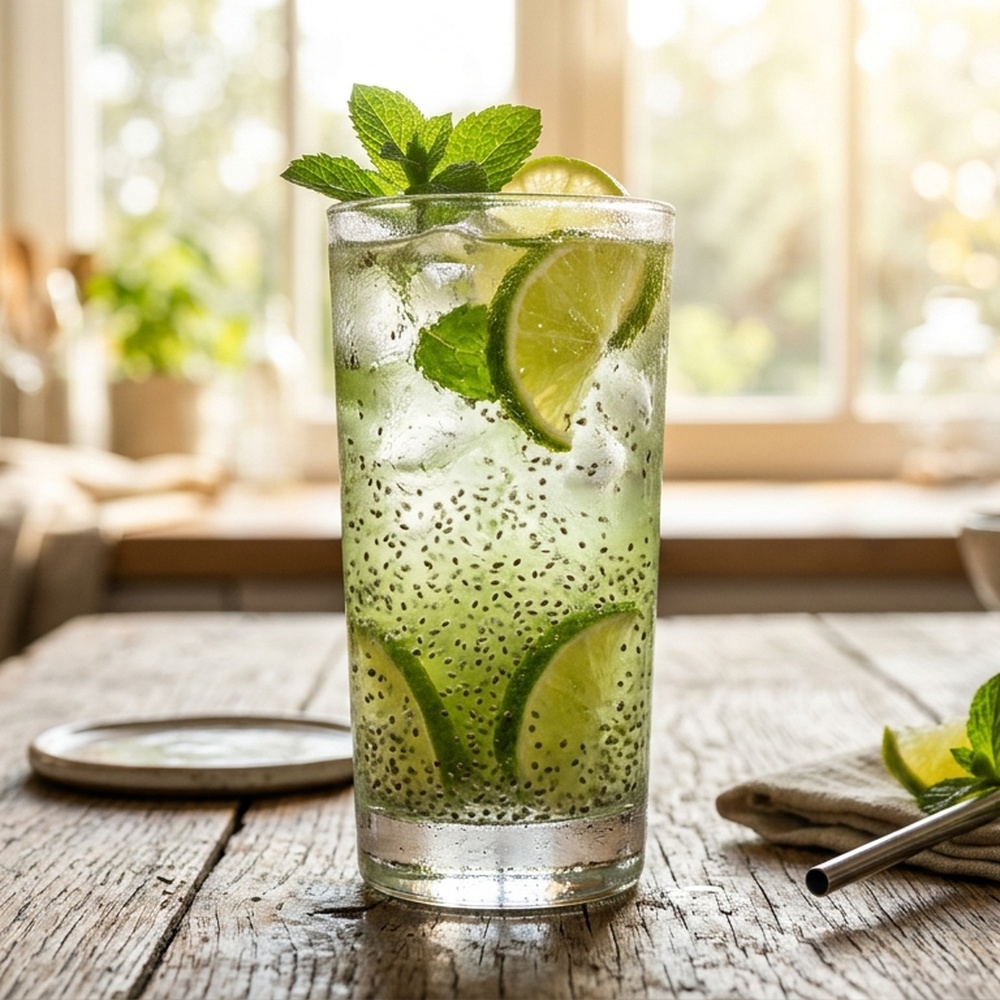
You may see it served from a matka, a porous earthenware clay pot that naturally chills the liquid through evaporative cooling, or poured from a chilled glass pitcher at home. Some versions appear bright green from freshly pulverized herbs, while others take on a deep amber or olive-brown hue from tamarind pulp and dry roasted spices.
Culinary documentation highlights jaljeera's street-food setting and close relationship with the spiced water used for pani puri (golgappa). Across global street beverage traditions, it shares the same bold botanical refreshment found in drinks like Peruvian chicha morada. Jaljeera also carries an ancient Ayurvedic reputation as an appetizer. In traditional terminology, it is said to stimulate agni, or digestive fire, though that cultural concept must be distinguished from measured clinical outcomes in modern medicine.
Jaljeera Ingredients and What Each One Does
The distinctive flavor of jaljeera relies on an exact balance between nutty roasted seeds, aromatic herbs, fruit sourness, and savory mineral salts. Always start with modest seasoning and adjust after chilling.
| Ingredient | Role in the Drink | Buying or Preparation Note |
|---|---|---|
| Cumin (Jeera) | Earthy, nutty roasted base note | Toast gently over low heat; charred seeds taste bitter |
| Fresh Mint (Pudina) | Cooling herbal aroma and lively green color | Use fresh spearmint leaves; strip away woody stems |
| Cilantro (Dhania) | Bright, citrus-herb freshness | Tender green stems provide intense flavor alongside leaves |
| Tamarind (Imli) | Rounded, deep fruity sourness | Diluted fresh pulp and dark concentrate have differing strengths |
| Amchur (Dry Mango) | Sharp, dry fruit acid punch | Add gradually; it cannot replace tamarind paste spoon-for-spoon |
| Ginger & Pepper | Warm throat finish and saliva stimulation | Use fresh grated ginger or a tiny pinch of sonth (dry ginger) |
| Kala Namak (Black Salt) | Sulfur-rich, savory umami depth | Essential for authentic taste, but still contributes sodium |
| Sugar or Jaggery | Optional roundness for sharp acids | Both supply caloric sugars; neither is strictly required |
Roasted Cumin Is the Foundation Note
Cumin seeds come from Cuminum cyminum. In their raw state, cumin's aroma is dominated by cuminaldehyde, which carries a sharp, slightly bitter herbal punch. Dry roasting whole seeds over gentle medium-low heat triggers thermal rearrangement, developing warm, nutty pyrazines and aromatic compounds that give jaljeera its comforting base.
Keep the seeds moving in a dry skillet. Stop immediately once they become fragrant and darken to a warm reddish-brown. If the seeds smoke or turn charcoal-black, they will impart an acrid bitterness that no amount of sweetener can mask.
Tamarind, Lemon, and Amchur Bring Distinct Acids
Traditional recipes rely on three distinct botanical souring agents, each contributing a different organic acid profile:
- Tamarind (Tamarindus indica): Rich in tartaric acid, tamarind brings a deep, fruity tang with natural caramel undertones. If you enjoy tart fruit drinks, explore our traditional tamarindo drink guide.
- Lemon or Lime: Dominated by citric acid, citrus juice provides an immediate, bright, palate-cleansing top note.
- Amchur (Mangifera indica): Made from sun-dried green unripe mangoes, amchur adds a sharp, concentrated astringency that gives store-bought spice powders their signature punch.
Fresh Mint and Cilantro Shape the Hue
Spearmint (Mentha spicata) and cilantro (Coriandrum sativum) provide the fresh green foundation in restaurant and home versions. Spearmint's essential oil profile is dominated by carvone rather than menthol, giving it a sweet, leafy herbal fragrance rather than a medicinal peppermint bite.
Blended fresh herbs produce a lively green color initially, but exposure to air and acidic liquids naturally shifts chlorophyll toward an earthy olive-green tone over several hours. Recipes made without fresh leaves rely on dry powders and naturally appear golden-brown.
Black Salt Supplies the Savory Finish
Kala namak is a kiln-fired rock salt mined in regional South Asia. Trace minerals, specifically iron sulfide and hydrogen sulfide compounds, give it a distinctive pungent aroma often compared to hard-boiled eggs. While essential for authentic flavor, black salt consists primarily of sodium chloride; it is not a salt alternative, an iron supplement, or an antacid.
Is Jaljeera Naturally Onion and Garlic Free? (Jain Dietary Compliance)
A frequent query among dietary searchers is whether jaljeera contains root alliums like onion or garlic. Traditional authentic jaljeera contains zero onion and zero garlic. It is naturally sattvic and completely compliant with strict Jain dietary rules. The savory, deep umami character comes entirely from Himalayan black salt (kala namak), toasted cumin, and fresh herbs, making it safe for those avoiding alliums.
What Does Jaljeera Taste Like?
A balanced glass of jaljeera offers a multi-layered sensory experience: it hits the tongue with sharp citrus and fruity tamarind sourness, transitions into a savory, sulfur-rich mid-palate from black salt, and finishes with the warm, earthy smokiness of roasted cumin and ginger. A modest teaspoon of sugar can soften harsh acid edges without making the beverage sweet.
Crisp boondi (tiny fried chickpea-flour pearls) is commonly floated on top immediately before serving. The pearls provide an initial crunch that softens as they soak, creating a delightful textural contrast against the cold, spiced liquid.
Jaljeera vs Jeera Water, Nimbu Pani, and Pani Puri Water
These four traditional beverages share overlapping spice components but serve distinct culinary roles across the Indian subcontinent:
| Drink Name | Usual Base and Flavor | Culinary Purpose |
|---|---|---|
| Jaljeera | Cumin, tamarind, herbs, black salt | Chilled appetizer drink or afternoon refresher |
| Jeera Water | Whole cumin steeped or boiled in water | Mild morning herbal infusion, served warm or cool |
| Nimbu Pani | Lemon or lime, water, sugar, and salt | Citrus hydration drink; see our nimbu pani guide |
| Pani Puri Water | Spiced mint-tamarind broth with high chili | Served inside crispy fried hollow puri shells with fillings |
Jaljeera Recipe: A Fresh-Herb Home Version
Fresh-Herb Masala Jaljeera
Balanced roasted cumin, garden spearmint, and tamarind elixir.
Ingredients
- ✓ 1 tbsp whole cumin seeds (jeera)
- ✓ 1 cup loosely packed fresh mint leaves
- ✓ 1/2 cup cilantro leaves and tender stems
- ✓ 1/2 inch fresh ginger root, peeled
- ✓ 1 tbsp ready-to-use tamarind pulp
- ✓ 1 tbsp fresh lemon or lime juice
- ✓ 1/2 tsp kala namak (black salt) to start
- ✓ 1/4 tsp ground black pepper
- ✓ Optional: 1 small green chili, seeded
- ✓ Optional: up to 12 g sugar (1 tbsp)
- ✓ Cold drinking water to reach 1 liter
- ✓ Garnish: 2 tbsp boondi, crushed ice
Kitchen Equipment
- Small dry skillet and spice grinder (or mortar)
- High-speed blender
- Fine-mesh strainer (optional, for smooth body)
- Marked 1-liter glass pitcher
Instructions
- 1 Clean and Prep Herbs: Rinse fresh mint and cilantro thoroughly under cold running water. Discard discolored leaves and thick woody stems.
- 2 Toast the Cumin: Toast whole cumin seeds in a dry skillet over medium-low heat for 1 to 2 minutes until fragrant and dark brown. Cool and grind into coarse powder.
- 3 Blend the Herb Base: Place mint, cilantro, ginger, optional chili, and 1/4 cup of measured cold water into a blender. Pulse until finely pureed.
- 4 Strain or Retain Fiber: For a silky drink, pour the herb puree through a fine sieve into your pitcher. Leave unstrained if you prefer rustic texture.
- 5 Combine and Dilute: Stir in ground cumin, tamarind pulp, lemon juice, kala namak, black pepper, and optional sugar. Add cold drinking water to reach 1 liter.
- 6 Taste and Balance: Taste your jaljeera. Add a splash of water for a lighter profile, extra lemon for acidity, or a tiny pinch of salt for savory punch.
- 7 Chill and Serve: Cover and chill for 30 minutes. Stir before pouring over ice, as ground spices naturally settle. Scatter crisp boondi over the top right before serving.
Always use ice-cold water when blending fresh mint and cilantro. Friction heat from blender blades degrades green chlorophyll rapidly, turning fresh herbs dark olive. Blending cold keeps your herb puree lively and aromatic.
Tamarind-Free and Sparkling Variations
If you do not have tamarind on hand, replace it with 1 teaspoon of amchur (dry mango powder) or increase lemon juice to 2 tablespoons. While these acids provide brightness, amchur is dryer and lacks tamarind's caramelized depth, so add it gradually.
For Sparkling Jaljeera (commonly sold as Jaljeera Soda on North Indian street carts), prepare the concentrated herb and spice base using only half the water. Fill glasses halfway with the spiced base, then top with chilled unflavored sparkling water right before drinking. Never shake or blend carbonated liquids.
How to Make Homemade Jaljeera Powder
When fresh mint and cilantro are unavailable, a dry spice mix allows you to stir up an instant glass of jaljeera in seconds. To make a starter batch of dry jaljeera masala, whisk together:
- 4 teaspoons roasted, cooled ground cumin
- 2 teaspoons amchur (dry mango powder)
- 1 teaspoon finely ground kala namak (black salt)
- 1/2 teaspoon culinary-grade dried mint powder
- 1/4 teaspoon ground dry ginger (sonth)
- 1/4 teaspoon freshly ground black pepper
- Optional: a tiny speck of asafoetida (hing); verify carrier starches if avoiding gluten
Store the powder in a clean, airtight glass jar away from moisture and direct sunlight. To serve, stir 1/2 teaspoon into a glass of ice water with a squeeze of fresh lemon.
Using Commercial Packaged Mixes
Commercial spice manufacturers like MDH (Jal Jeera Masala) and Everest (Jaljira Powder) offer ready-made dry blends. While convenient, always check their ingredient and nutrition labels before seasoning. Commercial brands vary substantially in sodium concentration, added citric acid, and wheat starch carriers used for anti-caking.
Troubleshooting Flavor, Texture, and Color
Because raw spices and fresh herbs vary in potency by season and origin, adjustments are frequently required:
| Issue Observed | Underlying Cause | Correction Strategy |
|---|---|---|
| Too salty | Over-measuring black salt | Dilute with extra cold water and lemon; sugar alone cannot mask excess sodium |
| Overly sour | Concentrated tamarind or excess lemon | Whisk in 1/2 teaspoon sugar or dilute with 100ml plain drinking water |
| Bitter aftertaste | Scorched cumin seeds or woody mint stems | Burnt spices must be remade; always strip mint leaves cleanly from stems |
| Gritty mouthfeel | Coarsely crushed spice granules | Grind cumin finely and pass the blended liquid through a fine metal sieve |
| Dull olive color | Natural chlorophyll acid degradation | Keep refrigerated below 40°F (4°C) and consume within 24 hours of blending |
Jaljeera Nutrition: Calories, Sugar, Sodium, and Boondi
Because jaljeera is a variable home formulation, nutritional values depend directly on whether sugar, retained fruit pulp, and fried boondi are included:
| Nutritional Component | Primary Recipe Factors | Health Context |
|---|---|---|
| Calories & Carbs | Added sugar, jaggery, tamarind pulp, boondi | Unsweetened jaljeera contains under 15 kcal per serving; 1 tbsp added sugar adds 12 kcal per glass |
| Sodium | Kala namak weight, commercial masala powders | A 1/2 tsp of salt across 4 servings delivers ~280-350mg sodium per serving |
| Dietary Fiber | Herb leaf solids and straining choices | Straining removes insoluble herb fiber; unstrained retains trace prebiotic matter |
| Dietary Fat | Deep-fried boondi garnish | The pure spiced drink is 100% fat-free; 2 tablespoons of boondi adds 2 to 4g oil |
According to the American Heart Association, ideal daily sodium intake is under 1,500 mg for most adults with cardiovascular risk. While black salt is revered in folklore, it must be tallied against total daily electrolyte limits.
Jaljeera Benefits: Cultural Tradition and Scientific Evidence
Digestion, Gas, and the Acidity Paradox
In Indian home traditions, jaljeera is widely served after heavy banquets to ease feelings of fullness. Animal laboratory studies have shown that dietary cumin and ginger stimulate pancreatic enzymes such as lipase, amylase, and trypsin (PMID: 10702999). However, an experimental animal enzyme response is not proof that drinking a glass of jaljeera relieves acute indigestion in humans.
Crucially, searchers frequently ask whether jaljeera cures or causes acidity. According to the National Institute of Diabetes and Digestive and Kidney Diseases (NIDDK), spearmint, black pepper, citrus juices, and acidic foods can relax the lower esophageal sphincter, provoking acid reflux in susceptible individuals. If jaljeera triggers retrosternal burning, discontinue consumption immediately.
Hydration, Summer Heat, and Electrolyte Limits
Jaljeera provides effective fluid replacement during scorching summer afternoons. However, it is an informal culinary drink, not a medically calibrated oral rehydration solution (ORS). For other traditional, stimulant-free afternoon refreshers, see our caffeine-free drinks guide and Colombian aguapanela. Clinical guidelines from the Centers for Disease Control and Prevention (CDC) note that heat stroke and severe dehydration require emergency medical care and precise electrolyte protocols, not spiced beverages.
How Jaljeera Compares with Other Indian Coolers
| Beverage | Liquid Base | Key Flavor Character | Fermentation Status |
|---|---|---|---|
| Jaljeera | Water & fruit acids | Savory, cumin-led, tart, pungent | Unfermented fresh infusion |
| Nimbu Pani | Water & fresh lime juice | Citrus forward, sweet-salted | Unfermented fresh citrus |
| Chaas | Diluted cultured yogurt (curd) | Tart lactic acidity, creamy, spiced | Cultured dairy (probiotic cultures); see chaas guide |
| Kanji | Water, black carrots or beets | Pungent mustard, tangy, sour | Wild lacto-fermented (several days) |
| Aam Panna | Water & boiled green mango | Sweet-sour fruit punch, minty | Cooked fruit puree infusion |
Serving, Storage, and Practical Precautions
Serve fresh jaljeera in small 150ml to 250ml tumblers alongside savory street snacks like samosas, pakoras, or chaat. Because fresh herbs are unpasteurized, adhere strictly to FDA Food Safety Guidelines: refrigerate at or below 40°F (4°C) and consume within 24 hours. Never leave fresh herb pitchers at room temperature for over two hours.
Acidic beverages can also temporarily soften tooth enamel. In line with American Dental Association advice, rinse your mouth with plain water after enjoying tangy drinks rather than brushing immediately.
Commercial Beverage Sourcing & Formulation
Hospitality groups, cafes, and specialty beverage brands looking to source authentic botanical purees, exotic fruit bases, and functional non-alcoholic formulations can partner with our team as a premier wholesale exotic drinks supplier for certified cold-pressed and shelf-stable beverage solutions.
Frequently Asked Questions About Jaljeera
Q. What is jaljeera?
Q. What does jaljeera taste like?
Q. Why is jaljeera green?
Q. Is jaljeera the same as jeera water?
Q. Is jaljeera the same as pani puri water?
Q. Does jaljeera help with gas and acidity?
Q. Can I make jaljeera without tamarind?
Q. Is jaljeera suitable during pregnancy?
Q. What are the small floating balls in jaljeera?
Q. Can I drink jaljeera every day?
Q. Does jaljeera help with weight loss?
Q. How long does homemade jaljeera last in the fridge?
Q. Is jaljeera gluten-free and vegan?
Q. Does jaljeera contain alcohol or caffeine?
Q. Is black salt healthier than regular salt?
Q. Can people with high blood pressure drink jaljeera?
Q. How do I use jaljeera powder?
Q. Why did my jaljeera turn bitter?
Q. Can I use sparkling water in jaljeera?
Q. Should I drink jaljeera on an empty stomach?
Editorial Fact-Checking and Evidence Standards
- All spice and herb botanical classifications were verified against the combined Taxonomic Information System (ITIS) and USDA botanical databases.
- Enzyme stimulation data is referenced directly from peer-reviewed primary animal research (PMID: 10702999) without claiming unproven human disease cure.
- Gastrointestinal reflux trigger warnings are aligned with clinical nutrition guidance from the National Institute of Diabetes and Digestive and Kidney Diseases (NIDDK).
- Sodium reference values and daily intake ceilings reflect official guidance from the American Heart Association (AHA).
- Perishable beverage refrigeration and produce washing protocols adhere to United States Food and Drug Administration (FDA) food safety standards.
Sources and References
- PubMed (PMID: 10702999): Influence of Dietary Spices and Their Active Principles on Pancreatic Digestive Enzymes in Experimental Models.
- National Institute of Diabetes and Digestive and Kidney Diseases (NIDDK): Acid Reflux (GER and GERD) in Adults: Diet and Nutrition Factors.
- American Heart Association (AHA): How Much Sodium Should I Eat Per Day? Understanding Daily Dietary Limits.
- Food and Drug Administration (FDA): Safe Food Handling: Produce Cleaning, Safe Storage, and Temperature Guidance.
- Centers for Disease Control and Prevention (CDC): Warning Signs and Symptoms of Heat-Related Illness.
- American Dental Association (ADA): Dietary Acids and Your Teeth: Managing Acidic Beverage Exposure.
- University of Illinois Extension: Vegetable Color and Texture: Chlorophyll to Pheophytin Chemical Transitions.
- USDA FoodData Central: Whole Cumin Seed, Fresh Mint, and Tamarind Nutrient Profiles.



Comments and reviews (0)