


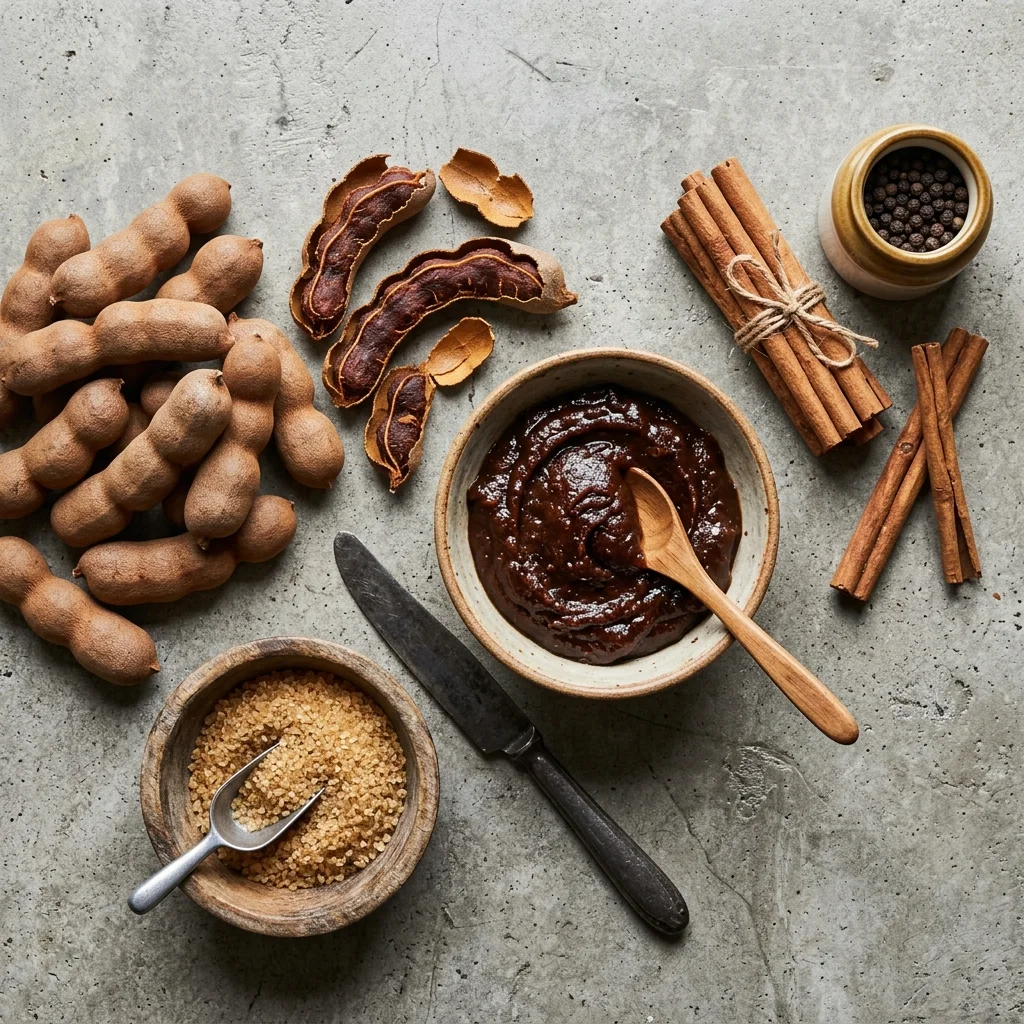
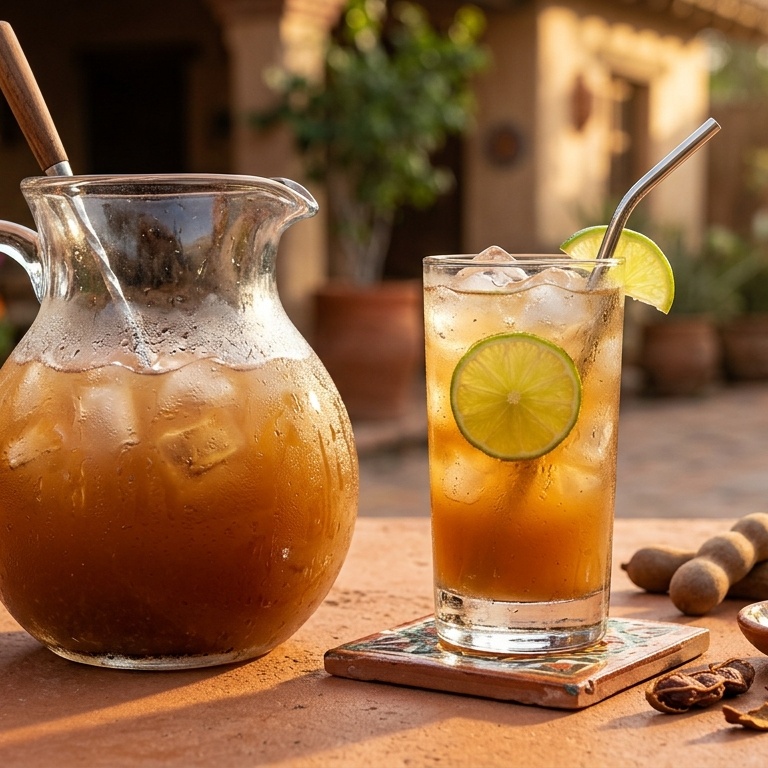
Tamarindo drink, also called agua de tamarindo, is a sweet-sour cooler made from tamarind pulp, water and sugar. It tastes tangy, fruity and slightly earthy, with a fuller texture than clear juice. For another traditional Mexican option, see our guide on Tepache fermented pineapple drink.
Quick answer: Tamarindo drink is a sweet-sour agua fresca made from tamarind pulp, water and sugar. It tastes tangy, fruity and slightly earthy, with a fuller texture than clear juice, and is usually served cold.
Serving note: Tamarindo is naturally tart and is often sweetened. If you are watching sugar intake or sensitive to acidic drinks, keep portions moderate and adjust sweetness to taste.
This guide covers how tamarind pods are processed, what tamarindo tastes like, a simple recipe, and creative mocktail pairings.
What Is Tamarindo Drink?
Tamarindo drink is the drink version of tamarind fruit pulp. The pulp is softened in water, strained, sweetened lightly and served cold.
The appeal is the sweet-sour balance: sharp enough to feel refreshing, but rounded enough to drink with spicy food. If you like tart drinks, compare it with our cranberry juice benefits guide.
Tamarindo also works as a zero-alcohol base for mixed drinks. For the wider drink category, see our mocktail vs cocktail guide.
Tamarindo Drink at a Glance
Why Tamarindo Works as a Sweet-Sour Drink
Making tamarind drink at home can feel like a lot of work. Peeling the brown shells and removing the sticky fibers takes time. Many people also get discouraged when their strained juice ends up too thick, stringy, or full of seeds. If you prefer ready-to-drink options or zero-proof bases for your cocktails, check out our non-alcoholic mocktail supplier options or try Mr. Mojito.
To avoid a messy kitchen, boil the peeled pods in water for 10 minutes first. This softens the pulp fully. After cooling, you can easily mash the pulp with a spoon and run it through a fine sieve to get a smooth, fiber-free concentrate.
If you are worried about sugar spikes, remember that raw tamarind is naturally sweet-sour. You do not need cups of refined white sugar. Balance the tart flavor with a pinch of sea salt and a light amount of organic cane sugar or natural agave nectar.
What Is Tamarind?
Tamarind is a hardwood tree native to tropical Africa but now widely cultivated across India, Southeast Asia, and Latin America. The tree produces long, brown, bean-like pods filled with a sticky, fibrous pulp surrounding shiny black seeds. As the fruit ripens on the branch, the pulp changes from extremely sour and green to sweet-tart and brown.
In Mexico and Central America, tamarind is a staple ingredient. It is used to make candies, sauces, and one of the most popular aguas frescas (literally "cool waters") found in local markets, taco stands, and home kitchens: agua de tamarindo.
What Does Tamarindo Drink Taste Like?
Tamarindo has a unique, multi-dimensional taste profile. It is primarily tangy and sour, balanced by sweetness from the sugar added during preparation. The flavor also carries deep, earthy notes, reminiscent of dried plums or dates, with a slight molasses undertone.
Because the drink is made from the fruit's pulp rather than clear juice, it has a slightly thicker body than a standard fruit juice. This gives it a pleasing, rustic mouthfeel. Serving it ice-cold helps crisp up the acidity, making it an excellent pairing for spicy foods like tacos or rich curries.
Processing Tamarind Pods and Botanical Profiles
Making tamarindo from scratch requires shell removing, boiling, and straining the sticky pulp to create a smooth concentrate:

- Tamarind (Tamarindus indica): The pod pulp supplies the primary sweet-sour taste and tartaric acid.
- Cane Sugar or Piloncillo: Feeds sweetness to balance the natural tartness of the fruit.
- Cinnamon (Cinnamomum): Sometimes boiled with the pulp to add a warm, woody spice note.
- Water: The liquid base used to dilute the thick, concentrated pulp.
Comparing Tamarind Drinks and Formats
Comparing these formats helps you find the right drink for your table. If you enjoy the tartness of tamarind, you might also like trying West African bissap or Caribbean sorrel, which offer a similar bold, fruity acidity.
Serving Guidelines and Safety Cautions
Essential Safety Guidelines
- Acidity and Digestion: Tamarind is rich in tartaric acid. While this organic acid can stimulate saliva and support general digestion, drinking large amounts on an empty stomach can cause acid reflux or stomach irritation.
- Blood Sugar Control: Raw tamarind contains natural carbohydrates, and preparing the drink traditionally requires adding extra sugar. Limit portions to 150ml to 200ml, and avoid sweet versions if you have diabetes.
- Lead Contamination Risk: Historically, some candy and chili-based tamarind products imported from certain regions showed lead levels. Always purchase tamarind pods or paste from reputable suppliers that verify quality standards.
- Dental Health: Due to its high acidity and sugar content, tamarindo can temporarily soften tooth enamel. Rinse your mouth with water after drinking, and avoid brushing your teeth immediately after.
Troubleshooting Common Preparation Problems
Popular Claim vs. Reality
Final takeaway: Tamarindo is a delicious, tangy traditional cooler that is great for refreshing hydration when portions and sweetness are controlled.
Best choice: Freshly peeled and strained tamarind pulp blended with filtered water and a modest sweetener level.
Main caution: Limit serving size to 200ml and consume alongside a meal to avoid digestive discomfort from acidity.
Next step: Read our guide on how to peel and prepare raw tamarind pods at home.
Tamarindo is one of several non-alcoholic world drinks built around fruit, acidity and refreshment. For the wider category map, use our non-alcoholic drinks guide.
References
- Bhadoriya, S. S., et al. (2011). Tamarindus indica: Agreement of traditional uses with scientific findings. Pharmacognosy Reviews, 5(9), 90-98. https://www.ncbi.nlm.nih.gov/pmc/articles/PMC3210002/
- USDA FoodData Central. Raw tamarind pods nutrient search and composition database. https://fdc.nal.usda.gov/
- Kuru, P. (2014). Tamarindus indica L. and its health related effects. Journal of Pharmacognosy and Phytochemistry, 3(1), 157-161. https://www.phytojournal.com/




Comments and reviews (0)