


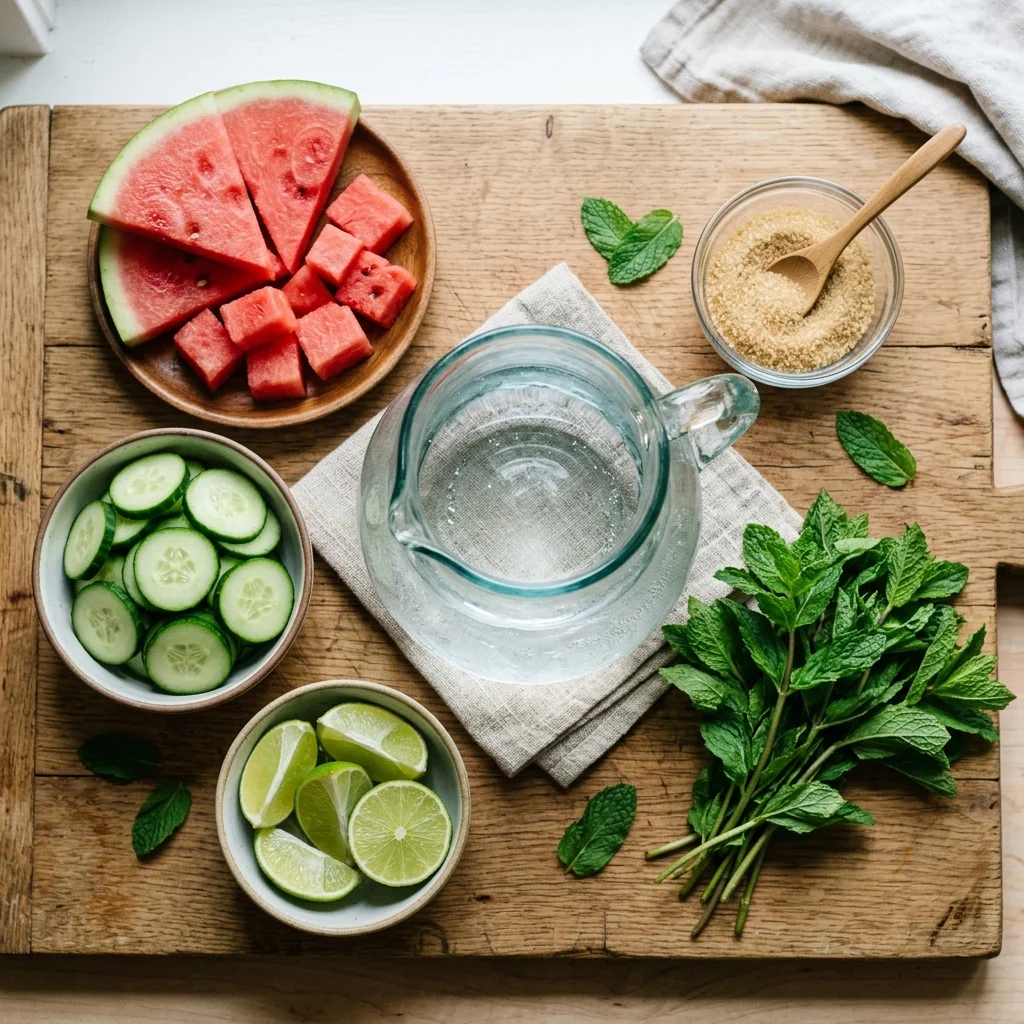
As summer temperatures rise, finding a drink that is genuinely refreshing without being heavy, syrupy, or packed with artificial colors can be a challenge. While sodas and processed juices are easily accessible, they often leave you feeling thirstier. Traditional Mexican coolers have long solved this problem, offering a refreshing Mexican fruit drink made with fresh, natural ingredients to create light, thirst-quenching beverages.
Quick answer: Agua fresca is a Mexican non-alcoholic drink made by blending fruit, water, lime, and a little sweetener, then serving it cold. It is lighter than juice because water is a main ingredient, and it works best as a refreshing fruit drink rather than a thick smoothie.
Serving note: Agua fresca is naturally lighter than pure fruit juice, but traditional recipes still contain added sugar. To keep it healthy, adjust the sweetness to taste or use a low-glycemic sweetener, and enjoy in moderate portions.
This guide covers the history of agua fresca, how to prepare it at home, troubleshooting tips, and how it compares to other regional drinks like tepache, bissap, and sorrel.
Agua Fresca at a Glance
Why Agua Fresca Can Taste Too Sweet or Separate
Making a balanced agua fresca at home is simple, but it is easy to make a few common mistakes. The most frequent issue is over-sweetening. Because fruits like watermelon, cantaloupe, and mango are already naturally high in fructose, adding cups of cane sugar can make the drink cloying and high in calories. To avoid this, blend the fruit first, taste it, and then add sweetener in small amounts.
Another challenge is the natural separation of the drink. Unlike filtered juices, agua fresca contains fine fruit pulp suspended in water. As it sits in a pitcher, this pulp naturally settles to the bottom, leaving a watery layer on top. This is fully normal and is a sign of a fresh, unprocessed drink. A simple stir with a long spoon before pouring immediately restores its uniform texture.
Straining the mixture is also a matter of preference. Straining watermelon or cucumber through a sieve creates a lighter, cleaner drink, while leaving the pulp preserves more dietary fiber but yields a thicker mouthfeel.
Where Agua Fresca Comes From
Agua fresca has a rich history that dates back to the Aztec empire. According to historical accounts, Aztec runners would harvest fresh fruits and seeds during their journeys and blend them with water to stay hydrated under the hot Mesoamerican sun. Over the centuries, these drinks evolved, incorporating new ingredients like cane sugar, citrus fruits, and spices brought by Spanish explorers.
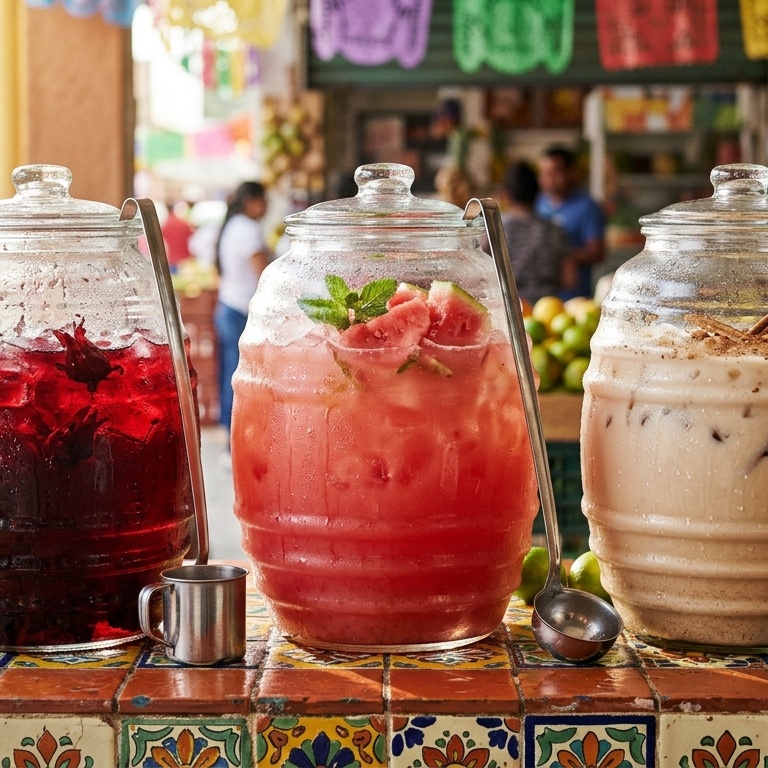
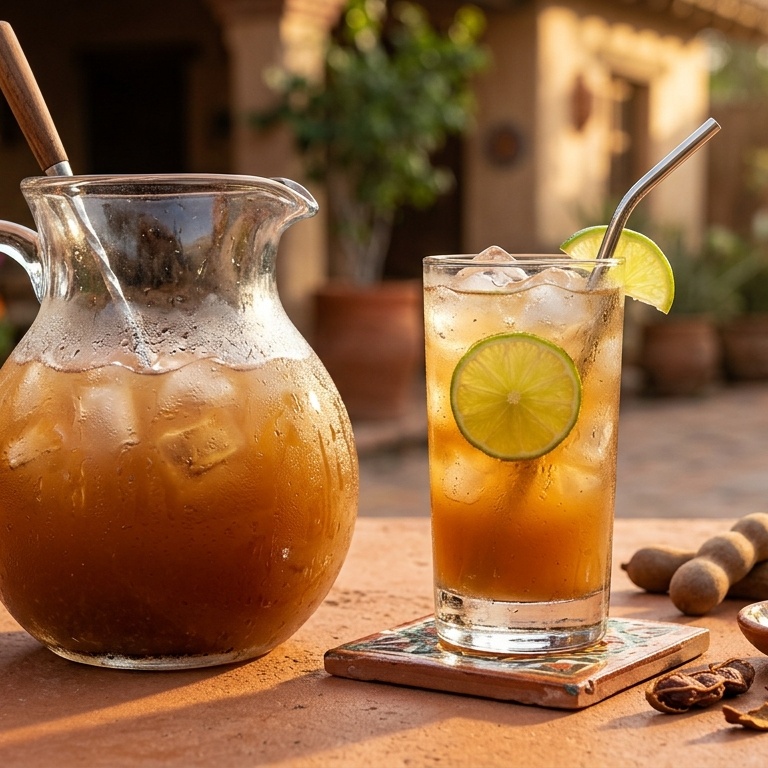
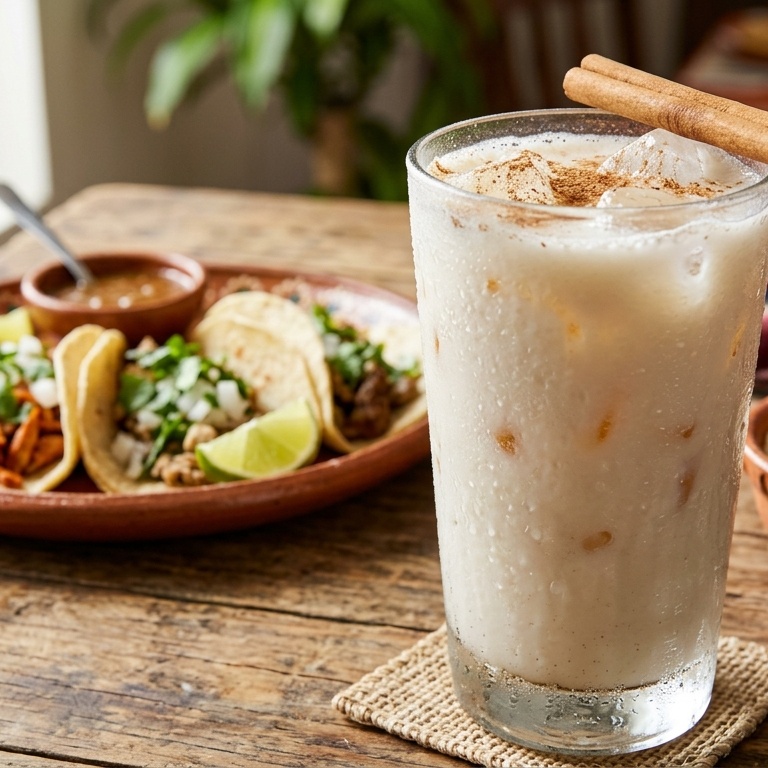
Today, aguas frescas are a staple of Mexican street food culture. In markets, street corners, and taquerias across Mexico, you will see large, barrel-shaped glass jars called vitroleros filled with colorful liquids and ice. They are served alongside spicy street tacos, as their cool, light sweetness balances the heat of salsas and rich meats. If you are looking to offer these authentic flavors to your customers, you can consult with a wholesale exotic drinks supplier to explore ready-to-serve tropical options.
What Does Agua Fresca Taste Like?
Unlike standard fruit juices which can be thick, sweet, and highly concentrated, agua fresca is light, watery, and incredibly clean-tasting. The primary flavor is the natural taste of the fruit, but it is diluted with water so it is not overwhelming. The addition of fresh lime juice adds a bright, zesty acidity that cuts through the sweetness, while a pinch of salt helps bring out the fruit's natural profile.
The mouthfeel is thin and fluid, making it much easier to drink in large quantities than a thick juice. When served ice-cold, it has a crispness that is highly refreshing, especially on hot summer days.
Common Agua Fresca Ingredients
Creating an authentic agua fresca involves blending a fresh botanical base with filtered water and balancing the flavor with bright citrus notes:

- Fruit Base: Watermelon (Citrullus lanatus), cantaloupe, strawberry, or cucumber (Cucumis sativus) are classic, water-rich options.
- Water: The primary liquid base used to dilute the fruit pulp to a refreshing, drinkable consistency.
- Lime (Citrus aurantiifolia): Freshly squeezed lime juice provides zesty acidity to balance the fruit sugars.
- Sweetener: Cane sugar, agave nectar, or honey, used in moderation.
Comparing Agua Fresca to Other World Drinks
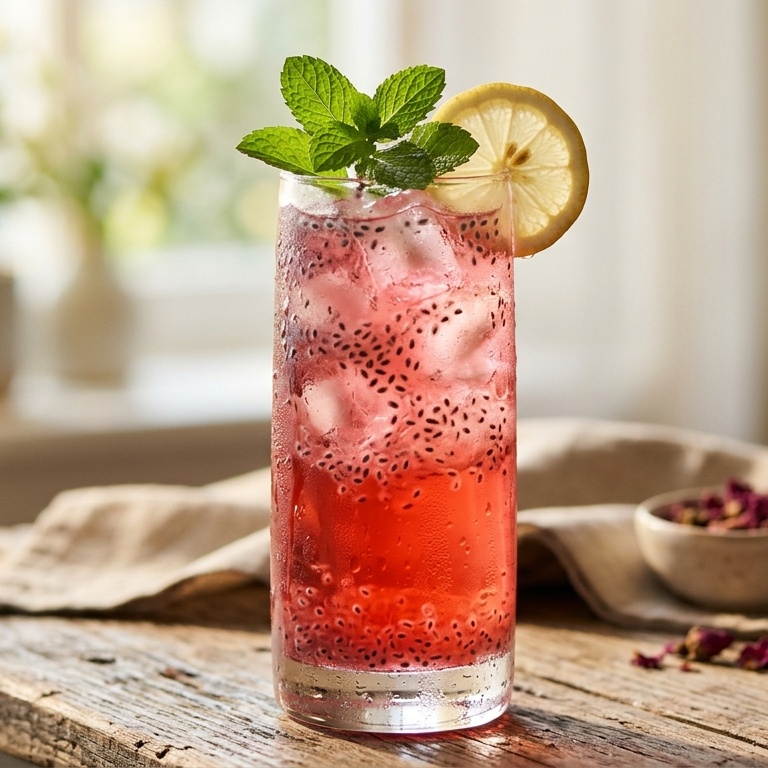
Understanding how agua fresca compares to other traditional non-alcoholic world drinks helps you choose the right beverage for your taste and dietary preferences. For example, if you prefer a lightly fermented, fizzy option, see our guide on Tepache fermented pineapple drink. If you like steeped hibiscus calyces, you can compare it with West African bissap or Caribbean sorrel. For a classic mocktail serve, you can read about ready-to-drink options like Mr. Mojito.
Serving Guidelines and Safety Cautions
Essential Safety Guidelines
- Sugar Intake: While agua fresca is diluted, it still contains fruit sugars and added sweeteners. Limit serving sizes to 250ml, especially if you are managing diabetes or blood sugar levels.
- Freshness and Storage: Because authentic agua fresca is unpasteurized and preservative-free, it can ferment or grow bacteria if left at room temperature. Always store it in the refrigerator and consume within 48 hours.
- Enamel Protection: The combination of fruit acids and citrus juice can temporarily soften tooth enamel. Avoid brushing your teeth immediately after drinking; instead, rinse your mouth with plain water.
Troubleshooting Common Preparation Problems
Popular Claim vs. Reality
Agua fresca sits inside the wider non-alcoholic world drinks category. For a broader comparison of fruit drinks, fermented drinks, botanical infusions and zero-proof options, see our non-alcoholic drinks guide.
Final Takeaway
Final takeaway: Agua fresca is a delicious, traditional Mexican fruit drink that is excellent for clean, refreshing hydration when prepared with moderate sweeteners.
Best choice: Watermelon or cucumber agua fresca made at home with ripe fruit, filtered water, fresh lime, and minimal sweetener.
Main caution: Limit daily serving size to 250ml to avoid excess calorie and sugar intake, and drink fresh within 48 hours.
Next step: Read our guide on selecting the ripest summer melons and how to strain fruit pulp cleanly.
References
- USDA FoodData Central. Nutritional profile and sugar composition of watermelon and cucumber. https://fdc.nal.usda.gov/
- Valenzuela, R., et al. (2015). Antioxidant capacity and vitamin content in traditional Mexican fruit-based beverages. Journal of Food Composition and Analysis, 40, 67-73.
- British Dietetic Association. Portion control, sugar swaps, and healthy hydration recommendations for fruit beverages. https://www.bda.uk.com/



Comments and reviews (0)