


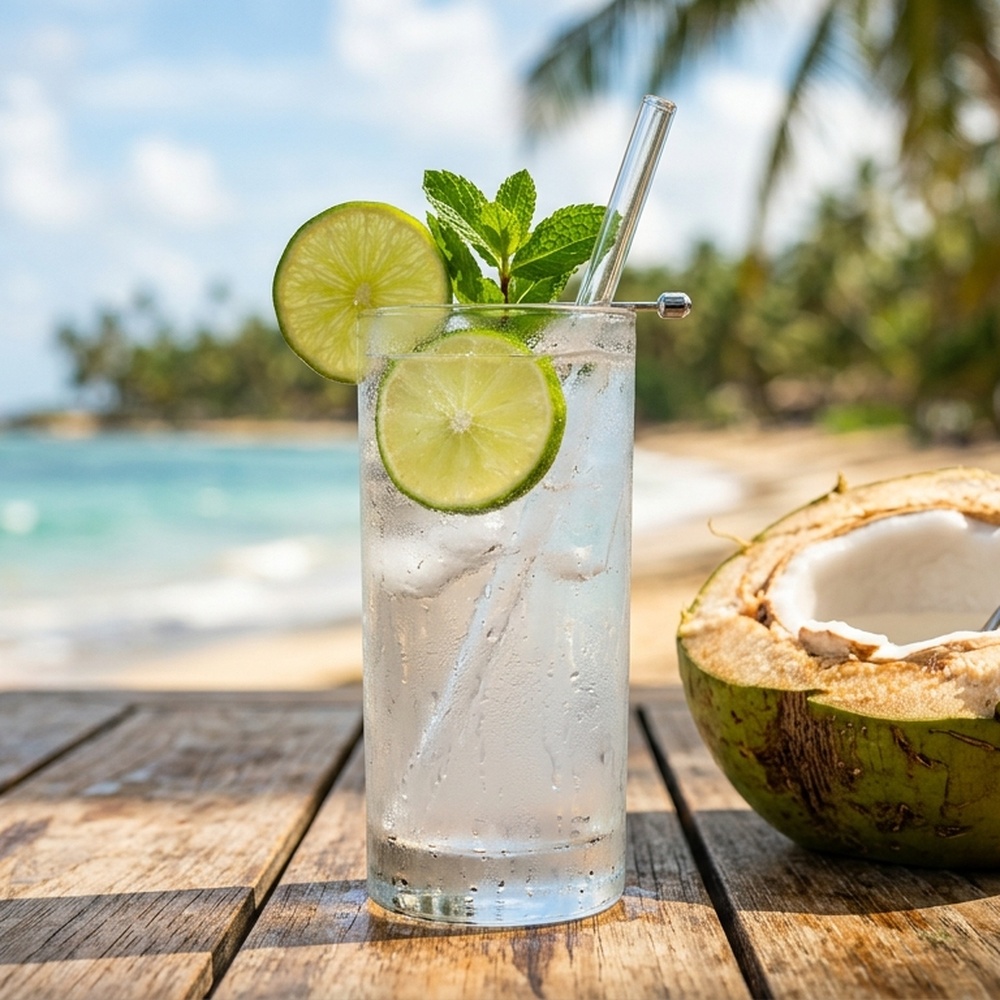
Walking down the grocery beverage aisle presents dozens of brightly colored sports drinks packed with synthetic dyes and refined sugars. Many active people turn to coconut water for cleaner everyday hydration, but questions remain about its true electrolyte ratios, potassium risks, and whether the drink can actually replace commercial fitness formulas.
What Is Coconut Water?
Coconut water is the clear liquid endosperm tapped inside young green coconuts (Cocos nucifera). It delivers natural electrolytes, especially potassium (450 to 600 mg per cup), along with magnesium, calcium, and trace sodium. It supports hydration after moderate exercise, helps prevent calcium oxalate kidney stones by elevating urinary citrate, and assists in vascular blood pressure balance. Endurance athletes sweating heavily require supplemental sodium, while individuals with chronic kidney disease must avoid its high potassium load.
Critical Renal & Hyperkalemia Warning: People with chronic kidney disease (CKD), renal impairment, or those prescribed potassium-sparing diuretics (such as spironolactone) or ACE inhibitors must strictly limit coconut water. Impaired kidneys cannot clear concentrated potassium, creating a serious risk of hyperkalemia, heart palpitations, and cardiac arrhythmias.
This guide explains the nutritional value of coconut water, compares its electrolytes to sports drinks, details the biochemistry of pink coconut water, reviews kidney stone research, outlines grocery buying tiers, and shares three kitchen-tested hydration recipes.
What Is Coconut Water? Nature's Liquid Endosperm
Coconut water is the clear biological fluid found inside the coconut palm fruit (Cocos nucifera). Botanically classified as liquid endosperm, this mineral-rich fluid fills the central cavity of the young coconut to nourish the developing seed embryo during its early growth across coastal tropical zones.
Young green coconuts are harvested between six and nine months of maturation. At this precise stage, the cavity holds up to 32 fluid ounces of sweet, translucent liquid with very little interior fat. Over 10 to 12 months of maturation, that clear fluid solidifies into the firm white meat known as solid endosperm, leaving whatever residual fluid remains thin, sour, and nutrient-depleted.
Shoppers frequently confuse coconut water with coconut milk. Coconut water is the naturally clear, virtually fat-free fluid extracted from young green fruit, containing roughly 45 calories per cup. In contrast, culinary coconut milk is a thick, calorie-dense emulsion produced by pressing grated mature white coconut meat with hot water, yielding 400 to 500 calories per cup and high concentrations of saturated plant lipids. For a detailed breakdown of culinary differences, explore our comprehensive coconut water vs coconut milk comparison.
Electrolyte Profile: What Is Actually in Your Glass?
An eight-ounce serving of pure, unsweetened coconut water offers a distinct mineral composition shaped by the volcanic soil and sea breezes of tropical coastlines. The beverage functions as an alkaline-forming hydrator driven primarily by intracellular minerals.
| Nutrient Metric | Amount (Per 8 oz Cup) | % Daily Value (% DV) | Physiological Mechanism |
|---|---|---|---|
| Energy / Calories | 45 to 55 kcal | 2.5% | Light carbohydrate fuel without concentrated fructose spikes |
| Total Carbohydrates | 9 to 11 g | 3.5% | Easily digested glucose and fructose matching human cellular osmolarity |
| Natural Fruit Sugars | 8 to 9 g | None Added | Naturally occurring plant sugars; zero corn syrup or synthetic sweeteners |
| Potassium (K+) | 450 to 600 mg | 13% to 15% | Relaxes arterial vascular smooth muscle and prompts urinary sodium excretion |
| Sodium (Na+) | 40 to 60 mg | 2% | Naturally low; requires salt supplementation for heavy endurance exercise |
| Magnesium (Mg2+) | 25 to 60 mg | 10% to 14% | Supports neuromuscular contraction, enzymatic reactions, and cellular energy |
| Calcium (Ca2+) | 40 to 58 mg | 4% | Maintains bone density and stabilizes muscle electrical signaling |
With more potassium per cup than a standard medium banana, coconut water helps offset high dietary sodium intakes common in modern western diets. Potassium functions as the chief intracellular cation in human physiology, promoting systemic vasodilation and counterbalancing arterial pressure.
Coconut Water vs. Commercial Sports Drinks
Fitness marketing frequently labels coconut water as nature's sports drink. While this claim holds true for routine workouts, endurance athletes training in extreme heat must understand the fundamental divergence in electrolyte ratios between whole botanical water and engineered isotonic formulas.
| Performance Metric | Pure Coconut Water (8 oz) | Commercial Sports Drink (8 oz) | Athlete Guidance |
|---|---|---|---|
| Potassium Concentration | 450 to 600 mg (Very High) | 40 to 75 mg (Low) | Coconut water excels at cellular potassium replenishment |
| Sodium Concentration | 40 to 60 mg (Low) | 150 to 250 mg (High) | Heavy sweaters must add sea salt to coconut water |
| Sugar Source | 8 to 9 g (Natural fruit sugars) | 14 to 22 g (Refined cane sugar / HFCS) | Coconut water prevents post-workout glycemic crashes |
| Artificial Additives | Zero synthetic colorings or gums | Synthetic petroleum dyes (Red 40, Blue 1) | Clean botanical formulation supports gut comfort |
| Ideal Athletic Use | Gym training, yoga, runs under 60 mins | Endurance racing exceeding 90 mins | Match beverage choice directly to workout sweat loss |
Human sweat consists primarily of sodium chloride, with losses ranging from 900 to 1,400 milligrams of sodium per liter of sweat during intense cardiovascular training. Because coconut water has an inverted mineral profile (high potassium, modest sodium), drinking plain coconut water during long marathons without supplementary salt elevates the risk of exercise-associated hyponatremia. For broader comparisons of cellular fluid retention, review our pillar research on hydrating drinks and biological fluid retention.
Why Is Some Coconut Water Pink? The Oxidation Science
Shoppers opening a refrigerated bottle of raw organic coconut water are occasionally surprised to discover an intense blush-pink color. While consumers often assume pink fluid indicates spoilage, food chemistry confirms the exact opposite.
Young green coconuts are rich in complex polyphenol antioxidants and contain natural endogenous plant enzymes called polyphenol oxidase (PPO). When raw coconut water is bottled without thermal heat or chemical stabilizers, exposure to ambient light and residual oxygen triggers enzymatic polyphenol oxidation. This natural reaction forms pink quinone compounds, an enzymatic process identical to a freshly cut organic apple turning golden-brown in open air.
Standard shelf-stable commercial brands prevent this discoloration by boiling the liquid through ultra-high-temperature (UHT) pasteurization or dosing the liquid with synthetic ascorbic acid. Consequently, a natural pink hue is visual proof of raw, unbleached, preservative-free coconut water processed under high-pressure processing (HPP) or cold filtration.
Clinical Health Benefits Grounded in Research
Medical literature documents several tangible health benefits associated with regular intake of pure coconut water when consumed as part of a balanced diet.
1. Kidney Stone Prevention and Urinary Citrate Elevation
Nephrolithiasis (kidney stone formation) occurs when insoluble mineral salts, primarily calcium oxalate, supersaturate urine and aggregate into crystalline deposits. Clinical nephrology studies indicate that regular intake of coconut water significantly elevates urinary excretion of potassium, chloride, and citrate. Citrate binds directly with free calcium in the urinary tract, forming soluble calcium citrate complexes and preventing crystals from aggregating into painful stones.
2. Arterial Vasodilation and Blood Pressure Modulation
High dietary sodium paired with low potassium intake promotes endothelial vascular tension and arterial stiffness. By supplying roughly 500 milligrams of bioavailable potassium per cup, coconut water stimulates renal sodium excretion and relaxes vascular smooth muscle tissues, assisting in systemic blood pressure management.
3. Rapid Osmolar Gastric Emptying
Pure coconut water exhibits an osmolarity of approximately 250 to 300 mOsm/L, aligning closely with human blood plasma osmolarity. This isotonic property allows fluid and dissolved mineral cations to pass through the gastric pylorus rapidly, facilitating efficient intestinal absorption through sodium-glucose co-transporters without triggering abdominal sloshing or digestive cramps.
Grocery Buyer's Guide: 3 Tiers of Quality
Not all coconut water on supermarket shelves delivers the same nutritional integrity. Use this three-tier classification to select clean, beneficial formulas:
- Tier 1: Raw Cold-Pressed / HPP (Best Quality): Located in refrigerated produce cases. Bottled without thermal pasteurization, retaining active enzymes and natural blush pink color. Zero added sugars, citric acid, or flavorings.
- Tier 2: 100% Pure Not-From-Concentrate (Good Standard): Found in center grocery aisles in shelf-stable Tetra Paks. Flash-pasteurized to ensure commercial stability, maintaining clear transparency and genuine coconut flavor without added corn syrups.
- Tier 3: Reconstituted Concentrates & Syrups (Avoid): Produced by evaporating coconut water into dense industrial syrup, shipping it overseas, and reconstituting it with tap water, cane sugar, artificial fruit juices, and chemical stabilizers.
If you enjoy the culinary versatility of coconuts in functional foods, read our guide on nata de coco coconut jelly to understand how fresh coconut water is fermented into chewy prebiotic dietary fiber.
3 Tested Homemade Coconut Water Hydration Recipes
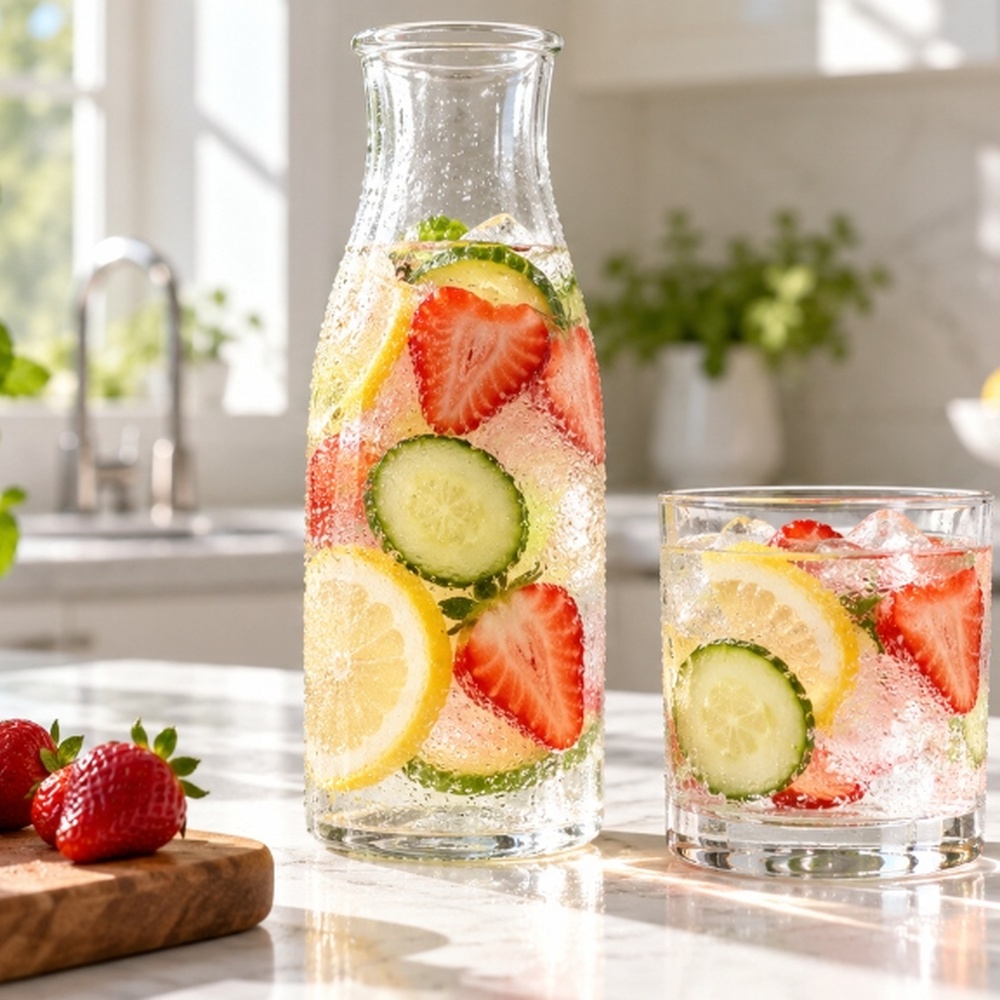
These three kitchen-tested beverage formulas leverage pure coconut water to address athletic recovery, digestive cooling, and botanical anti-inflammatory support.
The Natural Electrolyte Sport Hydrator
Key Ingredients
- ✓14 oz (415 ml) Pure cold coconut water (raw HPP or 100% not-from-concentrate)
- ✓2 oz (60 ml) Freshly squeezed lime juice (approx. 1 medium lime)
- ✓1/8 tsp (0.75 g) Unrefined coarse sea salt or pink Himalayan salt
- ✓1 tsp (5 ml) Raw clover honey or pure grade-A maple syrup
- ✓4 to 5 cubes Clean filtered ice
Preparation Steps
Adding unrefined sea salt supplies roughly 300 mg of sodium, correcting coconut water's natural sodium shortfall to create a true isotonic recovery beverage for distance runners.
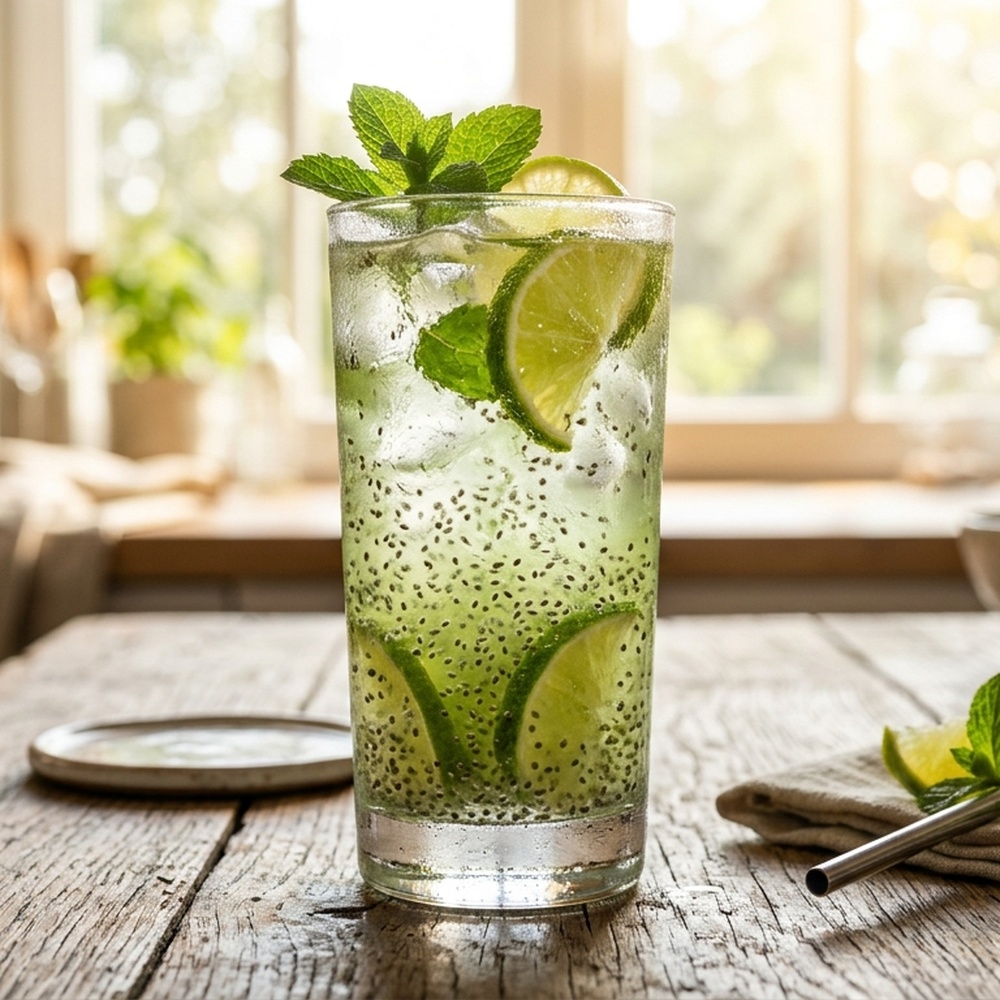
The Crisp Cucumber-Mint Cellular Cooler
Key Ingredients
- ✓1 cup (240 ml) Chilled pure coconut water
- ✓1/2 cup (120 ml) Unsweetened sparkling mineral water or club soda
- ✓1/2 medium English cucumber, shaved into thin longitudinal ribbons
- ✓4 large Fresh spearmint leaves, lightly bruised
- ✓1 cup Crushed ice
Preparation Steps
Lightly bruising the mint releases aromatic menthol, providing an invigorating cooling sensation that complements coconut water's subtle natural sweetness.
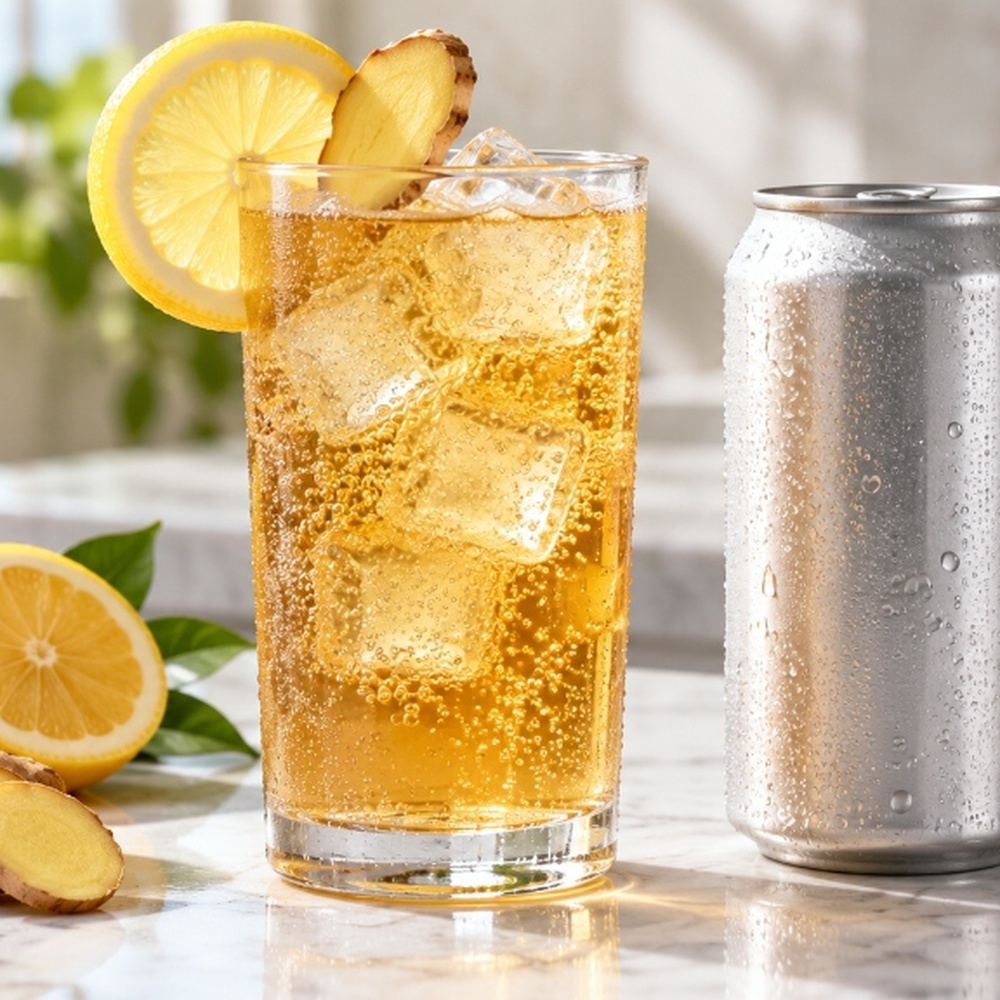
The Golden Turmeric Coconut Recovery Splash
Key Ingredients
- ✓1 cup (240 ml) Pure coconut water at room temperature
- ✓1/2 inch (1.5 cm) Fresh organic turmeric root, peeled and finely grated
- ✓1/2 inch (1.5 cm) Fresh ginger root, grated
- ✓1 tbsp (15 ml) Fresh lemon juice
- ✓1 tiny pinch Freshly cracked black pepper (delivering active piperine)
- ✓3 to 4 cubes Clean ice
Preparation Steps
For deeper insight into preparing curcumin tonics with black pepper, consult our dedicated clinical guide on turmeric water benefits and piperine absorption.
Frequently Asked Questions About Coconut Water
Q. Is drinking coconut water good for you every day?
Q. Why is some coconut water pink?
Q. Can coconut water completely replace commercial sports drinks?
Q. Does coconut water help prevent kidney stones?
Q. Who should strictly avoid drinking coconut water?
Q. Can you drink coconut water safely on an empty stomach?
Q. Does coconut water help relieve hangover symptoms?
Q. How long does opened coconut water stay fresh?
Commercial Beverage Formulation & Bulk Supply
For commercial beverage formulators, juice bars, specialty hospitality brands, and functional drink manufacturers seeking authentic raw botanical fluids, verified cold-chain logistics and sterile packaging are critical quality determinants. Connect directly with our team as a trusted wholesale exotic drinks supplier to explore certified organic coconut water, aseptic bulk packaging, and customized botanical formulations.
Editorial Fact-Checking and Evidence Standards
- Nutritional Data Verification: All biochemical mineral concentrations and nutrient values cross-referenced directly with USDA FoodData Central chemical database entries.
- Clinical Nephrology Trials: Nephrolithiasis and urinary citrate research validated via peer-reviewed clinical trials in biomedical nephrology journals.
- Cardiovascular Safety Guidelines: Cardiovascular potassium and hyperkalemia safety warnings reviewed against guidelines established by the National Kidney Foundation and American Heart Association.
Sources and References
- USDA FoodData Central: Coconut Water Nutrient Analysis (FDC ID 170174) - U.S. Department of Agriculture
- PubMed / Clinical Trial: Prophylactic effect of coconut water on urinary citrate and calcium oxalate stone crystallization - National Library of Medicine
- American Heart Association: How Potassium Can Help Control High Blood Pressure - AHA Guidelines
- National Kidney Foundation: Potassium and Chronic Kidney Disease / Hyperkalemia Guidelines - NKF Clinical Advisory
- International Society of Sports Nutrition (ISSN): Exercise and Fluid Replacement Standards - BioMed Central







Comments and reviews (0)