whatsapp email

What Is a Basil Seed Drink? Benefits, Taste, Safety and Recipes

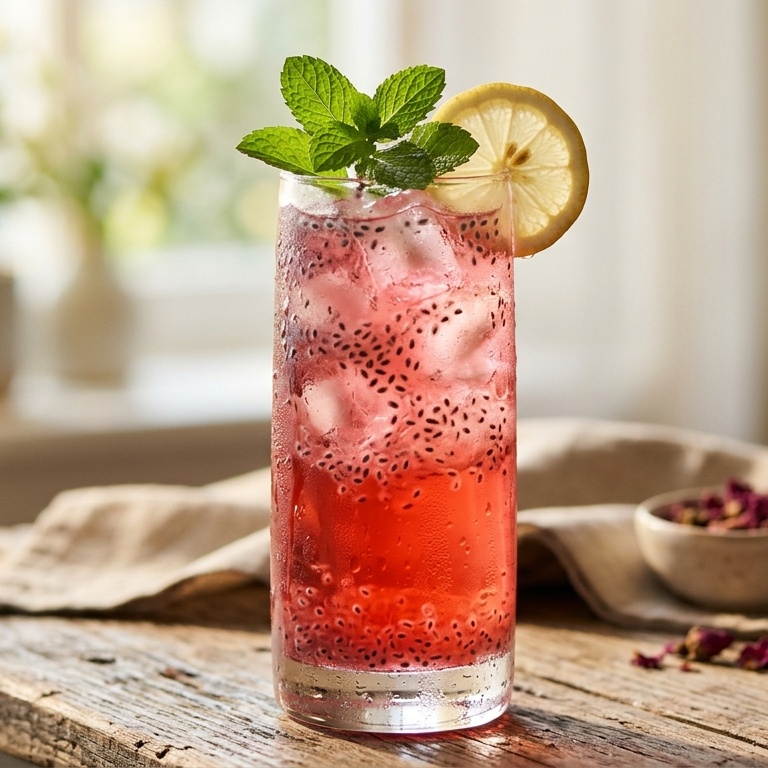
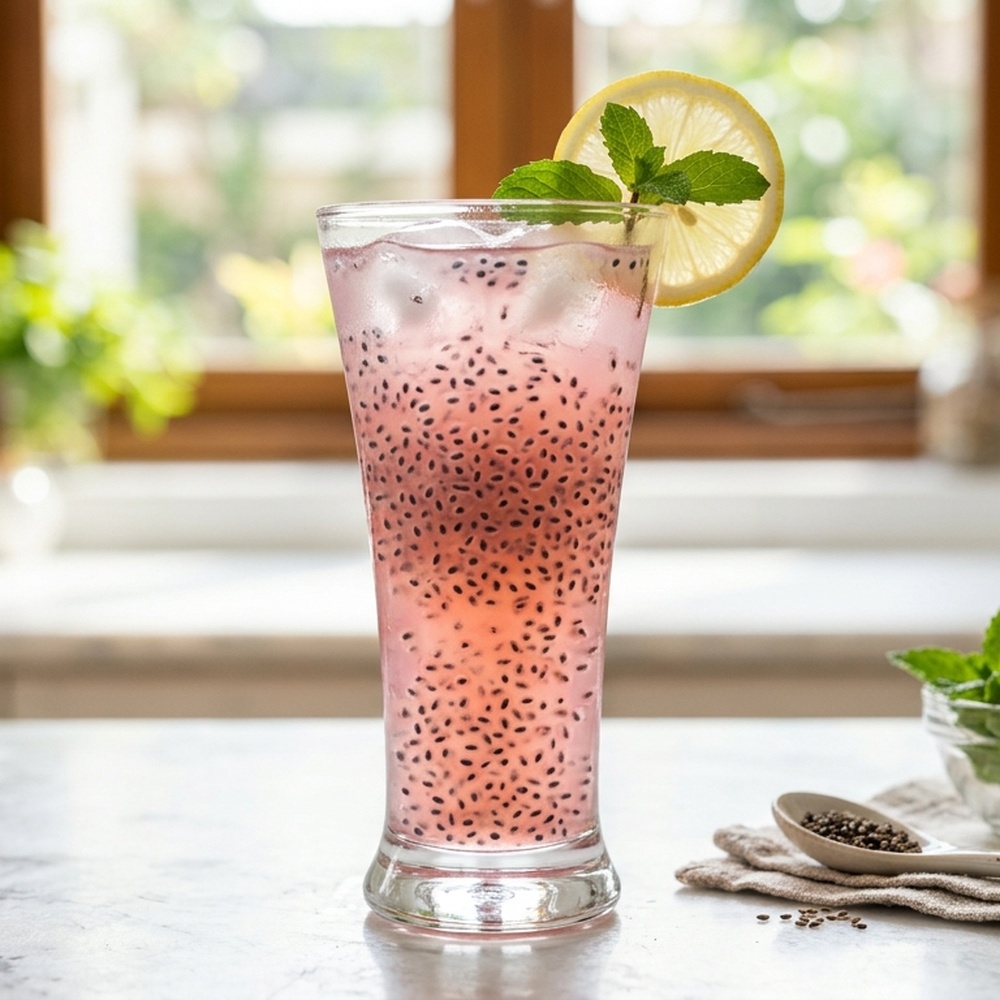
Glass of chilled lemon basil seed drink with ice cubes and fresh mint sprig

Introduction

A basil seed drink is a refreshing beverage made with edible sweet basil seeds that have been soaked in liquid until a soft, translucent gel forms around each seed. It is widely enjoyed across South Asia and Southeast Asia for its unique texture and cooling feel.

The seeds are often known as sabja, tukmaria, or tokhm-e sharbati, originating from sweet basil (Ocimum basilicum). Because soaked basil seeds develop a slippery outer gel coating while retaining a delicate inner crunch, they have become a staple across South Asian sharbats, Persian summer coolers, Southeast Asian street beverages, and modern bubble tea alternatives.

Quick Answer: What Is a Basil Seed Drink?

A basil seed drink is a refreshing beverage made with edible basil seeds that have been pre-soaked in water or juice. Upon contact with liquid, the seeds release a natural hydrocolloid mucilage, creating a translucent gel halo around a dark center. The drink delivers a light, cooling texture with a gentle crunch. The overall nutrition depends on the recipe—ranging from a virtually zero-calorie citrus cooler to an indulgent dessert drink like Falooda.

Editorial & Health Notice: This guide provides general food, botanical, and nutritional information based on peer-reviewed food science. Basil seeds provide valuable dietary fiber and hydration, but a basil seed drink is not a treatment for diabetes, obesity, or gastrointestinal disease. Always pre-soak seeds fully before consumption.

In this comprehensive guide, we cover what basil seeds are, why they swell, how they compare directly to chia seeds, evidence-based benefits, sugar and calorie facts, traditional cultural recipes (Falooda, Sharbat, Nam Manglak), and 3 simple homemade drink recipes.

Glasses of lemon and rose basil seed drinks with soaked basil seeds visible in the liquid
Basil seed drinks use soaked seeds that form a clear gel coating in liquid.

What Are Basil Seeds?

Basil seeds are small, tear-shaped black seeds harvested from plants in the Ocimum genus. The species most widely documented in commercial beverages and nutritional research is Ocimum basilicum L., commonly known as sweet basil.

A comprehensive 2021 review in Foods highlighted that basil seeds are rich in dietary fiber, plant-based protein, essential minerals, and polyphenolic antioxidants. Depending on agricultural cultivars and soil conditions, dry basil seeds naturally contain substantial soluble and insoluble fiber fractions.

In global markets, basil seeds are sold under various regional names, including sabja (India), tukmaria (Gujarat), and tokhm-e sharbati (Iran). Because regional nomenclature can occasionally cause confusion with other botanical seeds, checking for Ocimum basilicum on the ingredient list is the most reliable way to confirm genuine basil seeds.

Why Do Basil Seeds Swell in Water?

When dry basil seeds come into contact with water, the outer layer of the seed pericarp rapidly hydrates and secretes a thick, transparent mucilage. This mucilage is composed primarily of high-molecular-weight polysaccharides (glucomannan and xylan fractions) that function as a natural hydrocolloid, binding large quantities of water relative to seed weight.

Soaking typically requires only 5 to 10 minutes in room temperature or cold water. As hydration progresses, each tiny black seed develops a distinct, translucent spherical gel jacket, increasing significantly in volume. The visual check is straightforward: once every seed is enveloped in a clear gel halo with no dry cores remaining, they are ready to be added to drinks.

Dry black basil seeds beside fully soaked basil seeds with clear gel coatings
Basil seeds form a clear mucilage coating after they absorb water.

What Do Basil Seeds Taste Like?

Contrary to common expectations, basil seeds do not taste like fresh, pungent basil leaves. They have an extremely mild, virtually neutral botanical flavor. Almost all the flavor in a basil seed beverage comes from the base liquid—such as freshly squeezed lemon juice, floral rosewater, coconut water, or brewed tea.

The primary appeal of basil seeds is sensory texture: a silky, soft exterior gel coating that glides effortlessly through a straw, paired with a small, satisfyingly crisp seed center. This neutral flavour profile allows basil seeds to pair seamlessly with both light citrus coolers and rich, creamy milk desserts.

Basil Seeds vs Chia Seeds

While hydrated basil seeds and chia seeds look somewhat similar at first glance, they originate from entirely different botanical families and exhibit distinct culinary behaviors. Basil seeds come from sweet basil (Ocimum basilicum, Lamiaceae family), whereas chia seeds come from Salvia hispanica.

Two clear bowls showing soaked basil seeds beside soaked chia seeds for texture comparison
Basil seeds and chia seeds come from different plants and form different textures after soaking.
FeatureBasil Seeds (Sabja)Chia Seeds
Botanical sourceOcimum basilicum (Sweet Basil)Salvia hispanica
Dry appearanceUniformly tiny, jet black, tear-shapedMottled black, grey, brown, or white
Hydration timeRapid: 5 to 10 minutes in cold waterSlower: 20 to 30 minutes (or overnight)
Soaked textureDistinct individual seeds with clear gel halos; light crunchThick, cohesive gel matrix / pudding-like consistency
Primary culinary useChilled beverages, sharbats, lemonades, FaloodaPuddings, smoothies, oatmeal, baking egg-replacer
Nutritional focusSoluble mucilage fiber, plant protein, mineralsAlpha-linolenic acid (Omega-3), fiber, protein
Dry ingestion safetyMust be pre-soaked before adding to beveragesMust be hydrated; dry ingestion carries obstruction risk

Swallowing Safety Notice: The American College of Gastroenterology (ACG) has documented clinical cases of esophageal impaction caused by swallowing dry chia seeds followed by water, which formed an obstructive gel mass in the esophagus. To ensure complete safety, always pre-soak both basil seeds and chia seeds until fully expanded before consuming.

Basil Seed Nutrition at a Glance

The nutritional value of a basil seed drink is split between the raw seeds and the beverage liquid. Peer-reviewed analytical studies show that dry basil seeds are a dense source of prebiotic soluble fiber, insoluble fiber, and essential minerals including calcium, magnesium, and potassium.

Nutritional ComponentWhat Scientific Evidence SupportsFactors Affecting Finished Drink
Dietary FiberContains high fractions of soluble mucilage and insoluble plant fiber.Seed quantity used (typically 1–2 tbsp per glass).
Plant ProteinProvides vegetable protein and amino acid building blocks.Serving size and seed cultivar.
Minerals & MicronutrientsLaboratory assays identify calcium, magnesium, potassium, and iron.Agricultural soil conditions and seed processing.
Total CaloriesPlain soaked seeds contribute minimal calories (approx. 20–30 kcal/tbsp).Syrups, fruit juices, dairy milk, condensed milk, ice cream.
Sugar & CarbohydratesRaw basil seeds are naturally very low in simple sugars.Added sugar, honey, flavored cordial, or sweetened rose syrup.

While some marketing materials cite specific single fiber figures, peer-reviewed data show substantial natural variance depending on moisture content and seed origin. Consumers should always inspect the Nutrition Facts panel on packaged commercial products.

Basil Seed Drink Benefits: What the Evidence Can Support

1. Rich Source of Prebiotic Dietary Fiber

Dietary fiber is the best-documented nutritional characteristic of basil seeds. The polysaccharide mucilage acts as soluble dietary fiber, which absorbs water and increases stool bulk. Clinical gastrointestinal guidelines from the National Institute of Diabetes and Digestive and Kidney Diseases (NIDDK) highlight that adequate fluid intake paired with gradual dietary fiber increases supports healthy bowel regularity.

2. Gut Microbiota Fermentation

Soluble plant hydrocolloids can be fermented by commensal gut microbes in the large intestine, generating beneficial short-chain fatty acids (SCFAs) like acetate, propionate, and butyrate. While broader fiber research confirms these mechanisms, specific clinical trials examining basil seed drinks on individual human microbiome profiles remain limited.

3. Satiety and Appetite Nuances

Because soaked basil seeds expand and retain fluid, they increase beverage viscosity, which may help promote short-term feelings of fullness. However, systematic reviews in the Journal of the American College of Nutrition emphasize that fiber-induced satiety varies widely across individuals and does not automatically translate into long-term weight reduction unless supported by overall caloric balance.

4. Glycemic Response Considerations

Food science trials suggest that viscous seed mucilages can slow carbohydrate absorption in the digestive tract, potentially blunting post-meal glucose spikes. Nevertheless, basil seeds cannot counteract high volumes of refined sugar in heavily sweetened commercial beverages. For individuals managing blood glucose, unsweetened or lightly sweetened homemade recipes are essential.

5. Traditional Cooling Properties

In Ayurvedic and Unani wellness traditions, sabja seeds are classified as a natural cooling food (sheetal), traditionally consumed during hot summer months to soothe internal heat. While this cultural context has made basil seed drinks enduringly popular across warm climates, it represents a traditional dietary concept rather than a medical body-temperature regulator.

Are Basil Seed Drinks Healthy or Full of Sugar?

A basil seed beverage can be either a crisp, low-calorie hydrator or a calorie-dense dessert drink depending on how it is prepared. A homemade cooler made with water, fresh lime, mint, and soaked seeds contains under 30 calories and virtually no sugar. In contrast, bottled supermarket drinks or traditional dessert preparations like Falooda often contain 30 to 50 grams of added sugar per serving.

Under U.S. FDA food labeling regulations (21 CFR 101.9), packaged beverage manufacturers are required to clearly declare serving size, total calories, total sugars, and specifically Added Sugars. Checking the Nutrition Facts panel allows consumers to evaluate whether a ready-to-drink beverage fits their dietary objectives.

How Many Calories Are in a Basil Seed Drink?

Because raw basil seeds contribute very few calories, the calorie total is determined by the beverage foundation:

Drink StyleTypical IngredientsEstimated Calorie RangeSugar Profile
Lemon-Mint Basil Seed CoolerFiltered water, 2 tbsp soaked seeds, fresh lemon juice, 1 tsp honey35–55 kcalLow (approx. 5g natural sugar)
Iced Coconut Matcha Basil DrinkCoconut milk, matcha green tea, 2 tbsp soaked seeds, ice90–140 kcalLow to moderate
Persian Sharbat-e Tokhme SharbatiWater, rosewater, lime juice, bloomed saffron, 1 tbsp sugar/honey70–110 kcalModerate (approx. 15–20g sugar)
Commercial Bottled Basil Seed DrinkFlavored syrup, water, basil seeds, artificial flavoring, gellan gum120–190 kcalHigh (25–40g added sugars)
South Asian Royal FaloodaWhole milk, rose syrup, vermicelli noodles, basil seeds, kulfi/ice cream350–550+ kcalHigh dessert treat

Can You Eat Basil Seeds Without Soaking Them?

Edible basil seeds should always be pre-soaked in liquid before consumption. Because the mucilaginous outer layer absorbs liquid with great affinity, consuming dry seeds creates an unnecessary risk of clumping or swelling prematurely in the digestive tract.

For individuals with a history of swallowing difficulties (dysphagia) or esophageal motility disorders, pre-hydrating seeds into a smooth, liquid suspension is essential. Furthermore, when increasing dietary fiber intake, health authorities advise doing so gradually while maintaining generous daily water hydration to avoid temporary digestive discomfort.

Traditional Basil Seed Drinks Around the World

Basil seeds have an illustrious culinary heritage across South Asia, the Middle East, and Southeast Asia, featuring prominently in celebrated regional beverages:

Falooda, Persian basil seed sharbat, and Thai basil seed drink served side by side
Basil seeds appear in several drink traditions, with recipes that change by region and household.

Falooda (India, Pakistan & South Asia)

Falooda is a legendary layered dessert drink originating from Mughal courts and Persian culinary traditions. It combines soaked sabja seeds, fragrant rose syrup, chilled milk, thin cornstarch vermicelli noodles, and a rich scoop of kulfi or vanilla ice cream, topped with slivered pistachios and almonds.

Sharbat-e Tokhme Sharbati (Iran)

In Iranian culture, tokhme sharbati (literally 'drink seeds') is whisked into chilled water infused with distilled rosewater (golab), fresh lime or sour orange juice, and bloomed saffron syrup. It is traditionally served during warm afternoons and festive gatherings.

Nam Manglak (Thailand & Southeast Asia)

In Thailand, sweet basil seeds (met manglak) are hydrated in pure coconut water or pandan-infused light syrup with lime, creating a light, cooling street refresher often served over crushed ice.

How to Make a Basil Seed Drink at Home

Preparing fresh basil seed drinks at home is quick, versatile, and allows you to control the exact sweetener level:

  1. Measure dry seeds: Place 1 to 2 tablespoons of food-grade sweet basil seeds into a clean glass or bowl.
  2. Add room-temperature water: Pour in 1/2 cup to 3/4 cup of filtered water. Stir gently once to ensure all seeds are separated and submerged.
  3. Hydrate for 5–10 minutes: Let the seeds rest until each black seed develops a distinct, translucent gel halo.
  4. Drain excess water if necessary: Use a fine mesh strainer if you prefer concentrated seed pearls, or add the entire hydrated mixture directly into your drink.
  5. Combine with your beverage base: Stir the soaked seeds into freshly squeezed lemonade, fruit juice, iced herbal tea, coconut water, or milk.

3 Simple Basil Seed Drink Recipes

1. Lemon-Mint Basil Seed Cooler (Low Sugar)

A crisp, zesty refresher that showcases the delicate crunch of basil seeds without excess sugar:

  • 2 tablespoons soaked basil seeds
  • 1.5 cups chilled filtered water or sparkling water
  • Juice of 1 fresh unwaxed lemon
  • 1 teaspoon raw honey or pure maple syrup (optional)
  • 4 fresh spearmint leaves (lightly bruised)
  • Crushed ice cubes

Method: Whisk lemon juice and honey into cold water until dissolved. Stir in the soaked basil seeds and bruised mint leaves. Pour over crushed ice and enjoy immediately.

2. Rose and Saffron Basil Seed Sharbat

An aromatic Middle Eastern and Persian classic with floral depth and soothing notes:

  • 2 tablespoons soaked basil seeds
  • 1.5 cups chilled water
  • 1 tablespoon food-grade culinary rosewater
  • 1 tablespoon fresh lime juice
  • 1 tablespoon honey or light agave syrup
  • A pinch of bloomed saffron threads (steeped in 1 tbsp warm water)
  • Ice cubes

Method: In a tall glass, combine cold water, rosewater, lime juice, bloomed saffron liquid, and sweetener. Stir vigorously, add the soaked seeds and ice, and garnish with edible dried rose petals.

3. Iced Coconut Matcha with Basil Seeds

A creamy, energizing fusion of ceremonial Japanese green tea, rich coconut milk, and textured basil seeds:

  • 2 tablespoons soaked basil seeds
  • 6 oz light unsweetened coconut milk (or oat milk)
  • 2 oz hot water whisked with 1 tsp ceremonial matcha powder
  • 1/2 teaspoon pure vanilla extract
  • 1 teaspoon pure maple syrup (optional)
  • Handful of ice

Method: Add the soaked basil seeds to the bottom of a highball glass. Fill halfway with ice cubes and pour in the chilled coconut milk and vanilla. Gently pour the whisked matcha over the top for a two-toned visual presentation, and stir before sipping.

Basil Seed Drinks vs Bubble Tea

Both basil seed beverages and bubble tea feature textured suspensions, but their core components and nutritional profiles differ fundamentally:

Texture: Tapioca boba pearls are large, dense, and distinctly chewy, made from cassava root starch. Soaked basil seeds are minute, smooth, and encased in a delicate mucilage gel with a crisp center.
Nutrition: Traditional tapioca pearls are calorie-dense carbohydrates with negligible fiber. Basil seeds are whole botanical seeds delivering soluble dietary fiber, minerals, and zero added starches.
Calorie Trap Warning: Simply substituting basil seeds into a bubble tea recipe does not guarantee a low-calorie drink if the beverage still contains sweetened condensed milk, brown sugar syrup, or fruit purees.

How to Choose a Ready-to-Drink Basil Seed Beverage

When purchasing commercial bottled basil seed beverages at supermarkets or import grocers, use this practical evaluation checklist:

Label CheckWhat to Look ForWhy It Matters
Serving SizeCheck if bottle contains 1 or multiple servings.Multi-serving bottles can double or triple calorie intake.
Total CaloriesLook for beverages under 60–80 kcal per bottle.High calorie counts usually indicate heavy sugar syrups.
Added SugarsCheck line item under Total Carbohydrates.Differentiates naturally occurring fruit sugar from added cane sugar/corn syrup.
Dietary FiberLook for at least 2–4g fiber per serving.Confirms a meaningful concentration of genuine basil seeds.
Ingredient ListReal fruit juice, basil seeds (Ocimum basilicum), natural citrus.Avoid products dominated by artificial flavorings, preservatives, and excess food dyes.

How Should Soaked Basil Seeds Be Stored?

Once basil seeds are hydrated, they should be stored in an airtight glass container in the refrigerator. To maintain freshness and prevent microbial growth, prepare quantities you intend to consume within 24 to 48 hours.

Dry basil seeds, when kept in a cool, dark pantry in a sealed jar, have an extended shelf life of up to 2 years.

Frequently Asked Questions

What is a basil seed drink?

A basil seed drink is a cold beverage containing edible sweet basil seeds (Ocimum basilicum) that have been soaked in liquid until they form a translucent outer gel coating with a crunchy center.

Are basil seeds the same as chia seeds?

No. Basil seeds come from Ocimum basilicum (sweet basil) and soak within 5–10 minutes, forming individual gel halos. Chia seeds come from Salvia hispanica and take 20–30 minutes to form a thick, cohesive pudding-like gel.

Why do basil seeds swell in water?

The outer pericarp of the seed releases soluble polysaccharide mucilage upon contact with water, functioning as a natural hydrocolloid that rapidly binds liquid.

How long should basil seeds soak?

Basil seeds only need 5 to 10 minutes in cold or room-temperature water. They are fully ready when each seed has developed a clear gel halo with no dry center remaining.

What do basil seeds taste like?

Basil seeds have a neutral, very mild botanical taste and do not taste like fresh basil leaves. They readily absorb the flavors of the liquid they are steeped in.

Are basil seed drinks good for digestion?

Basil seeds provide soluble and insoluble dietary fiber that supports normal bowel regularity. However, they are not a clinical treatment for gastrointestinal disease.

Do basil seed drinks help with weight loss?

Basil seeds expand and may contribute to short-term feelings of fullness, but scientific trials show that fiber drinks alone do not cause weight loss without overall dietary caloric management.

Can basil seed drinks lower blood sugar?

While soluble fiber can slow carbohydrate breakdown, strong clinical evidence proving that basil seed drinks treat diabetes is lacking. Heavily sweetened recipes can still raise blood sugar.

Are basil seed drinks dairy-free?

The seeds themselves are 100% plant-based and dairy-free. However, traditional dessert drinks like Falooda often contain dairy milk and ice cream, so check the recipe or label.

Are basil seed drinks gluten-free?

Pure basil seeds are naturally gluten-free. In prepared beverages, verify manufacturer labels to rule out cross-contamination or gluten-containing additives.

Can basil seeds replace boba pearls?

Yes, basil seeds offer a lighter, fiber-rich textured topping for drinks, but they have a delicate crunch rather than the dense chewiness of tapioca pearls.

The Bottom Line

Summary & Key Takeaways

A basil seed drink is a simple, refreshing beverage made by soaking edible sweet basil seeds until they form a soft, hydrating gel coating. Basil seeds deliver beneficial dietary fiber, minerals, and an enjoyable textural experience. To maximize health benefits, prepare drinks at home with fresh citrus, herbal tea, or coconut water, and always check the Nutrition Facts panel for added sugars on commercial packaged brands.

Editorial Fact-Checking and Evidence Standards

  1. Fiber variance clarification: Acknowledged wide laboratory variation in seed fiber content rather than presenting fixed estimates as absolute universal metrics.
  2. Chia swallowing safety: Corrected claims regarding dry seed safety by citing American College of Gastroenterology clinical warnings on esophageal impaction.
  3. Choking distinction: Clarified that while rapid hydration requires pre-soaking, clinical records of basil-seed obstruction are rare compared to dry chia.
  4. Medical claim boundaries: Avoided unsubstantiated claims that basil seed drinks cure diabetes, promote rapid fat loss, or treat digestive disease, focusing on validated dietary fiber mechanisms.
  5. Storage guidance: Provided conservative refrigerated storage windows (24–48 hours) to ensure optimal food safety in domestic kitchens.
  6. Ingredient transparency: Highlighted the critical nutritional difference between low-sugar homemade citrus coolers and high-sugar commercial dessert drinks like Falooda.

Sources and References

  1. Calderon Bravo HM, Vera Cespedes N, Zura-Bravo L, Munoz LA. Basil Seeds as a Novel Food, Source of Nutrients and Functional Ingredients with Beneficial Properties: A Review. Foods. 2021;10(7):1467.
  2. Nazir S, Wani IA, Masoodi FA. Extraction optimization of mucilage from Basil (Ocimum basilicum L.) seeds using response surface methodology. Journal of Advanced Research. 2017;8(3):235-244.
  3. Makki K, Deehan EC, Walter J, Backhed F. Dietary fiber and prebiotics and the gastrointestinal microbiota. Gut Microbes. 2018.
  4. National Institute of Diabetes and Digestive and Kidney Diseases (NIDDK). Eating, Diet, & Nutrition for Constipation.
  5. Clark MJ, Slavin JL. The effect of fiber on satiety and food intake: a systematic review. Journal of the American College of Nutrition. 2013;32(3):200-211.
  6. PubMed: Study on soluble dietary fibre from sweet basil seed on human body composition (PMID 24323171).
  7. American College of Gastroenterology (ACG). Watch It Grow: Esophageal Impaction With Chia Seeds.
  8. U.S. Food and Drug Administration (FDA) / 21 CFR 101.9: Food Labeling Regulations on Total Sugars, Added Sugars, and Dietary Fiber.
  9. NDTV Food. The Story of Falooda: A Drink or Dessert?
  10. The Guardian / Alys Fowler: Basil Seeds and Soft Drinks.
  11. Turmeric & Saffron: Traditional Sharbat-e Tokhme Sharbati Botanical and Recipe Notes.
London Juice Company Logo
London Juice Company

About the Author

London Juice Company Editorial Team

The London Juice Company editorial team brings together years of expertise in juice nutrition, beverage formulation, food science, and healthy lifestyle guidance. Our content is researched against peer-reviewed studies, NHS guidelines, and recognised nutrition authorities
helping readers make informed choices, no matter the season.

In this article

Share this article

Juices Made on
International Standard

ISO 22000:2018 ISO 9001:2015 GMP Certified HACCP Certified HACCP Certified
Become a distributor
Juice Products
Ask Us

Here you can ask anything you want to ask us.

This title highlights certification, quality assurance, and brand credibility.
This title highlights the importance of certification in maintaining safety and quality standards.
This title emphasizes certification’s role in maintaining top-tier food safety and quality management.
This title highlights certification’s role in ensuring high-quality standards and excellence.