


Many plant milks claim to be creamy. However, watery almond milk often separates in hot coffee, and heavy oat milk can spike blood sugar. That leaves shoppers searching for a dairy-free alternative that froths well without excess carbohydrates.
What Is Pistachio Milk and What Does It Taste Like?
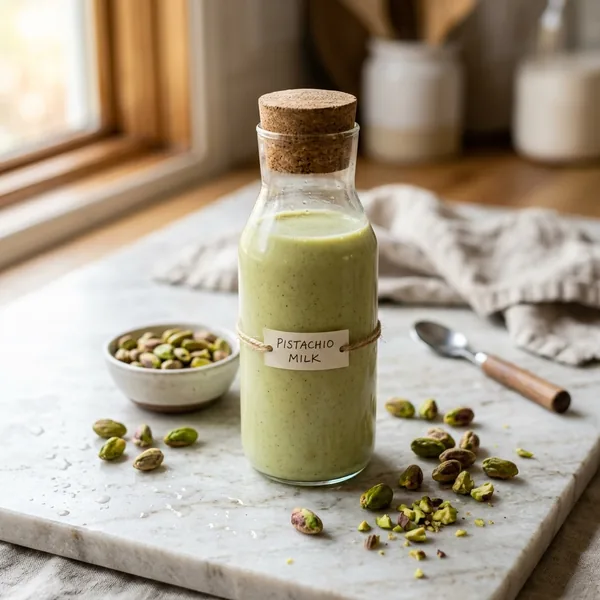
Pistachio milk is a creamy, plant-based beverage made by blending shelled pistachio nuts with filtered water and straining the solids. It has a naturally sweet, buttery flavor, a pale pastel green tint, and heart-healthy monounsaturated fats. While ideal for lattes and matcha, it is a tree nut and unsafe for anyone with nut allergies.
Severe Tree Nut Allergy Warning: Pistachios are botanical tree nuts belonging to the Anacardiaceae family. Ingestion can trigger severe IgE-mediated allergic reactions, including hives, swelling of the throat, wheezing, vomiting, and life-threatening anaphylactic shock. People allergic to cashews are especially at risk due to high protein cross-reactivity (>80%) from shared 2S albumin seed storage proteins (Pis v 1, Pis v 2, and Ana o 1).
Not an Infant Formula Substitute: Pistachio milk is not nutritionally complete for human infants. It lacks the essential fatty acid ratios, total calories, bioavailable iron, and protein concentrations required for infant organ development. Parents must never use pistachio milk as a replacement for human breast milk or approved commercial infant formula during the first 12 months of life.
Pistachio milk provides healthy fats, lutein antioxidants for eye health, and modest protein without the high starch loads of grain milks. This guide explains how pistachio milk is made, its nutritional facts, coffee performance, environmental footprint, and how to make a fresh batch at home.
What Is Pistachio Milk and How Is It Made?
Pistachio milk is a non-dairy beverage created from the edible seeds of the Pistacia vera tree. People have enjoyed pistachios as a whole food snack across the Mediterranean and Middle East for thousands of years. Turning these nuts into milk is a modern culinary innovation that has gained popularity in American specialty cafes, serving as an upscale entry in our comprehensive nut milk overview.
The production process begins with shelled, unroasted pistachio kernels. In a home kitchen, you soak raw pistachios in cool water to soften their cellular walls and hydrate the nut proteins. You then blend the soaked nuts with fresh filtered water at high speed. Straining the blended mixture through a fine nut milk bag removes the insoluble fibrous skins, leaving a smooth liquid behind.
Commercial beverage companies use two primary methods to produce pistachio milk at scale:
- 1. Whole Nut Hydro-Milling: Modern clean-label brands use high-pressure water milling. This mechanical process breaks the nuts down into microscopic particles without separating the natural fats from the water. It creates a smooth emulsion without added thickeners or industrial vegetable oils.
- 2. Reconstituted Nut Paste Blending: Other commercial brands blend concentrated pistachio paste with water, organic cane sugar, emulsifiers like sunflower lecithin, and mineral acidity regulators like dipotassium phosphate. This method ensures stable carton shelf life and prevents separation during shipping.
Unlike commercial dairy beverages, pure unsweetened pistachio milk contains no lactose, no whey, and no animal proteins. It provides a rich liquid base that works well for plant-based, vegan, and dairy-free diets, offering a creamier mouthfeel than hypoallergenic rice milk.
What Does Pistachio Milk Taste and Look Like?
Pistachio milk stands out from other plant beverages on the grocery shelf the moment you pour it into a clear glass.
The Flavor Profile
Pistachio milk has a mild, buttery, and naturally sweet taste. It does not carry the bitter finish common in raw walnut milk, nor does it have the heavy toasted grain profile of oat milk. Many people compare its taste to melted artisanal pistachio gelato or light sweet cream. Much like creamy macadamia nut milk, its high proportion of monounsaturated fatty acids gives it natural richness without synthetic thickeners.
Because pistachios have naturally occurring sugars and a high concentration of monounsaturated fatty acids, the milk tastes rich even when completely unsweetened. When lightly sweetened with a splash of pure vanilla or a date, it develops warm, pastry-like aroma notes.
Why Is Pistachio Milk Green?
Pistachio milk has a soft, pastel green or creamy sage tint. This color is natural when made from quality nuts. Two natural plant pigments create this unique shade:
- Chlorophyll: The green photosynthetic pigment concentrated in the outer layers of the pistachio kernel.
- Lutein and Zeaxanthin: Fat-soluble yellow-green carotenoid antioxidants stored inside the nut meat.
When water and nuts blend at high speeds, these natural pigments suspend evenly throughout the milky emulsion. Commercial brands do not need artificial food colorings or green dyes to produce this signature hue.
Pistachio Milk Nutrition Breakdown
Pistachio milk delivers a distinct macronutrient balance. It provides more natural lipids than skim or rice milk, but fewer carbohydrates than oat milk.
| Nutritional Metric | Amount per 1 Cup (240 ml) Unsweetened | Daily Value (% DV) | Nutritional Significance |
|---|---|---|---|
| Calories | 75 kcal | 4% | Moderate energy density from healthy fats |
| Total Fat | 4.5 g | 6% | Rich in heart-healthy monounsaturated oleic acid |
| Saturated Fat | 0.5 g | 3% | Naturally low saturated fat profile |
| Monounsaturated Fat | 2.8 g | * | Supports balanced cholesterol levels |
| Polyunsaturated Fat | 1.2 g | * | Essential linoleic fatty acids |
| Cholesterol | 0 mg | 0% | 100% plant-based and cholesterol-free |
| Sodium | 85 mg | 4% | Naturally low; commercial versions add sea salt |
| Total Carbohydrates | 4.0 g | 1% | Low glycemic impact for blood sugar management |
| Dietary Fiber | 1.2 g | 4% | Retained soluble fiber from gentle straining |
| Total Sugars | 1.5 g | * | Naturally occurring sugars; zero added sucrose |
| Protein | 3.0 g | 6% | Contains all 9 essential amino acids |
| Potassium | 210 mg | 4% | Supports muscle function and healthy blood pressure |
| Vitamin B6 | 0.2 mg | 12% | Supports energy metabolism and neurotransmitters |
| Copper | 0.15 mg | 17% | Supports iron absorption and connective tissue |
| Lutein & Zeaxanthin | 340 mcg | * | Potent carotenoids for retinal eye health |
| Phytosterols | 32 mg | * | Plant sterols that block dietary cholesterol absorption |
*Note: Daily Values (% DV) are based on a standard 2,000-calorie daily diet. Fortified commercial brands often add Calcium Carbonate (300 mg / 25% DV) and Vitamin D2 (2.5 mcg / 15% DV).
Evidence-Based Health Benefits
Incorporating pistachio milk into your regular diet offers several tangible wellness benefits supported by nutritional research:
1. Supports Cardiovascular Health
Pistachios contain high concentrations of monounsaturated oleic acid, the same heart-healthy fat found in extra virgin olive oil. Clinical studies indicate that replacing saturated animal fats with monounsaturated nut fats helps lower low-density lipoprotein (LDL) cholesterol while preserving high-density lipoprotein (HDL) cholesterol. Furthermore, phytosterols in pistachios compete with dietary cholesterol in the intestinal tract, reducing total cholesterol absorption into the bloodstream.
2. Protects Eye Health with Lutein and Zeaxanthin
Pistachio milk contains meaningful levels of lutein and zeaxanthin (340 mcg per cup). These two fat-soluble antioxidants accumulate selectively in the human retina and macula, acting as internal optical filters that absorb blue-light wavelengths from sunlight and digital screens. Because carotenoids dissolve in fats, the natural lipids in pistachio milk maximize their absorption.
3. Gentle on Blood Sugar and Insulin Levels
Unsweetened pistachio milk has an exceptionally low glycemic index. Unlike oat milk, which releases maltose and fast-digesting carbohydrates during digestion, pistachio milk contains only 4 grams of total carbohydrates per cup. The combination of healthy fats and modest protein slows gastric emptying, avoiding post-meal glucose spikes.
4. Digestive Comfort for Lactose-Intolerant Adults
Over 65% of the global adult population suffers from reduced lactase enzyme production after infancy. Pistachio milk is naturally free from lactose and bovine casein proteins, providing a comforting, creamy mouthfeel without triggering gastrointestinal distress. It pairs exceptionally well in caffeine-free drinks and evening lattes without creating sleep disturbances.
Pistachio Milk in Coffee and Barista Performance
The Physics of Microfoam
Pistachio milk contains a balanced ratio of monounsaturated lipids to plant proteins. When steam injects air into the milk, the nut proteins stretch around the air pockets while the fats stabilize the bubble walls. This produces a dense, glossy, velvety microfoam capable of pouring clean latte art hearts, tulips, and rosettas.
Acidity Buffering and Curdling Prevention
When hot espresso hits cold or unbuffered plant milk, the sudden drop in pH can cause nut proteins to coagulate, resulting in a separated appearance. Commercial barista editions of pistachio milk add small amounts of dipotassium phosphate, which acts as a thermal buffer, stabilizing the milk's pH when it meets acidic espresso.
For homemade pistachio milk without stabilizers, follow these barista rules:
- Warm your pistachio milk gently before combining it with coffee.
- Keep steaming temperatures between 130°F and 140°F (55°C to 60°C). Heating beyond 150°F scorches nut fats and degrades sweet aromatics.
- Pour the espresso slowly down the inside of the mug into the warm milk rather than splashing acidic coffee onto cold milk.
Flavor Pairing with Coffee and Matcha
Pistachio milk pairs naturally with dark roast espresso, cold brew concentrates, and Japanese green teas. In matcha lattes, the natural chlorophyll and sweet umami notes of ceremonial green tea combine cleanly with the pale green hue and buttery body of the pistachio base.
Environmental Footprint and Sustainability
Drought Resilience of Pistachio Trees
California produces over 99% of the commercial pistachio crop in the United States, concentrated in the arid San Joaquin Valley. The pistachio tree (Pistacia vera) is a desert-adapted species possessing deep taproot systems that penetrate into the subsoil to access moisture during dry seasons. Unlike almond trees, which suffer permanent tissue death if denied sufficient water during severe droughts, pistachio trees can survive dry spells through regulated deficit irrigation.
Orchard Longevity and Carbon Sequestration
Almond orchards reach the end of their productive economic lifespan after 20 to 25 years. In contrast, pistachio trees are long-lived perennials that remain productive for 80 to 100 years or longer. This extended lifecycle provides long-term soil conservation, reducing the fuel consumption and topsoil erosion associated with frequent orchard clearing and replanting.
How to Make Pistachio Milk at Home (Step-by-Step Recipe)
Making fresh pistachio milk at home requires only raw nuts, filtered water, a blender, and a nut milk bag. It produces an ultra-fresh, creamy green milk free from added gums, oils, or synthetic additives.
Creamy Homemade Pistachio Milk
10 mins
4 hrs
4 hrs 10 mins
4 Servings (1 Quart)
75 kcal / cup
Ingredients
- ✓ 1 cup (approx. 130 grams) raw, unsalted pistachio kernels
- ✓ 3.5 to 4 cups filtered water (3.5 cups for barista creaminess; 4 cups for everyday cereal milk)
- ✓ 1 Medjool date (pitted) or 1 tablespoon pure maple syrup (optional)
- ✓ 0.5 teaspoon pure vanilla extract (optional)
- ✓ 1 pinch fine sea salt
Instructions
- Soak the Pistachios: Place raw pistachios in a bowl, cover with cool water by two inches, and soak for 4 to 6 hours or overnight. Drain and rinse thoroughly under cold water.
- Blend on High Speed: Transfer pistachios to a high-speed blender. Add 3.5 to 4 cups filtered water, date, vanilla, and sea salt. Blend for 60 to 90 seconds until completely smooth and pale green.
- Strain the Liquid: Pour blended liquid into a nut milk bag placed over a bowl. Squeeze gently from top to bottom to extract smooth milk, leaving fine pulp behind.
- Bottle and Refrigerate: Transfer strained milk into an airtight glass jar. Store in the refrigerator for up to 5 days. Shake gently before pouring.
Spread remaining nut meal onto a parchment-lined baking sheet and dry in an oven at 200°F (95°C) for 2 hours. Once dry, pulse in a food processor to create gluten-free pistachio flour for pancakes, oatmeal, smoothies, or raw energy bites.
5-Way Plant Milk Comparison Table
To understand how pistachio milk compares to other dairy and non-dairy options on grocery shelves, review the nutritional metrics below. All values represent 1 cup (240 ml) of unsweetened versions:
| Beverage Type | Calories | Total Fat | Protein | Total Carbs | Sugars | Frothing | Allergens | Key Advantage | Notable Drawback |
|---|---|---|---|---|---|---|---|---|---|
| Pistachio Milk | 75 kcal | 4.5 g | 3.0 g | 4.0 g | 1.5 g | 9/10 | Tree Nuts | Lutein antioxidants, buttery flavor | Premium grocery price point |
| Oat Milk | 120 kcal | 5.0 g | 3.0 g | 16.0 g | 7.0 g | 9/10 | Gluten (cross-contact) | Extremely creamy hot drinks | High carbohydrate & glycemic load |
| Almond Milk | 35 kcal | 2.5 g | 1.0 g | 1.5 g | 0.5 g | 5/10 | Tree Nuts | Very low calorie profile | Watery body; curdles in coffee |
| Soy Milk | 80 kcal | 4.0 g | 7.0 g | 4.0 g | 1.0 g | 8/10 | Soy | Complete dairy-matching protein | Distinct beany flavor profile |
| Whole Cow's Milk | 150 kcal | 8.0 g | 8.0 g | 12.0 g | 12.0 g | 10/10 | Dairy / Lactose | High bioavailable calcium | Contains lactose & saturated fats |
Commercial Brand Buyer's Guide
If you prefer store-bought convenience, three established brands offer pistachio milk in supermarkets and natural food stores across the United States:
- Táche: Launched in New York City as the first dedicated US pistachio milk brand. Formulates Original, Unsweetened, and Barista blends. The Barista blend contains dipotassium phosphate to prevent separation in acidic coffee, creating a silky microfoam for espresso and cold brew.
- Elmhurst 1925: Uses their HydroRelease milling method to retain natural fats and proteins without added gums, carrageenan, or industrial oils. Features a thicker body suited for baking and tea lattes.
- Three Trees: Crafts clean organic plant milks without emulsifiers, gums, or added flavors. Made with only organic nuts, filtered water, and a pinch of salt.
What to Look for on the Nutrition Label: Choose unsweetened versions with 0 grams of added sugar, avoid brands listing canola or palm oils, and verify calcium and vitamin D2 fortification if replacing dairy milk daily. For commercial cafe managers and specialty coffee shops seeking premium plant milk cartons, consult a dedicated wholesale exotic drinks supplier for bulk logistics.
Frequently Asked Questions About Pistachio Milk
Q. What is pistachio milk made of?
Pistachio milk is made by blending shelled, unroasted pistachio nut kernels with fresh filtered water and straining out the insoluble fiber. Commercial varieties may add sea salt, natural vanilla, and dipotassium phosphate to prevent curdling in hot coffee.
Q. Does pistachio milk taste like real pistachios?
Yes. Pistachio milk has a mild, nutty, and buttery flavor with a natural sweetness that resembles fresh pistachios. It does not taste artificial or overly strong. When poured into coffee or matcha, it adds a smooth, creamy texture with a warm nut aroma.
Q. Why is pistachio milk naturally green?
Pistachio milk gets its pastel green color from two natural plant pigments found in pistachio nuts: green chlorophyll and yellow-green carotenoids called lutein and zeaxanthin. Quality pistachio milk contains no artificial green food dyes.
Q. Does pistachio milk froth well for lattes?
Yes. Pistachio milk froths exceptionally well because it contains an ideal natural balance of monounsaturated fats and plant proteins. Commercial barista editions create a dense, stable microfoam that holds clean latte art when steamed between 130°F and 140°F.
Q. Is pistachio milk healthy for daily drinking?
Yes. Unsweetened pistachio milk provides heart-healthy monounsaturated fats, dietary potassium, vitamin B6, and eye-protecting lutein antioxidants. It is naturally low in carbohydrates and contains no cholesterol, making it suitable for low-carb and heart-conscious diets.
Q. Can someone with a tree nut allergy drink pistachio milk?
No. Pistachio milk is made directly from botanical tree nuts (Pistacia vera). Anyone with a tree nut allergy must avoid it completely. People allergic to cashews are especially at risk due to high protein cross-reactivity between the two nuts.
Q. Is pistachio milk lower in calories than oat milk?
Yes. One cup of unsweetened pistachio milk contains approximately 75 calories, whereas a cup of standard oat milk contains 120 to 140 calories. Pistachio milk also contains far fewer carbohydrates than oat milk.
Q. Can you substitute pistachio milk for dairy milk in baking?
Yes. Pistachio milk substitutes for cow's milk at a 1:1 ratio in most baking recipes. It works well in cakes, muffins, sweet breads, puddings, and custards, imparting a subtle nutty moisture and tender crumb.
Q. Does homemade pistachio milk separate in the fridge?
Yes. Separation is completely natural for homemade nut milks because they contain no chemical emulsifiers, gums, or stabilizers. The natural nut fats float toward the top. Simply shake the container for a few seconds before serving.
Q. Can babies or toddlers drink pistachio milk instead of formula?
No. Pistachio milk is not nutritionally complete and must never replace breast milk or commercial infant formula for babies under 12 months. Young children over one year require pediatrician guidance before replacing whole cow's milk with unfortified plant milks.
Final Practical Takeaway
Pistachio milk solves a common problem in the plant-based dairy category. It delivers the luxurious frothing body of whole cow's milk and the clean glycemic profile of unsweetened almond milk, all with a delicate, naturally sweet flavor.
Whether you buy a carton of barista blend for morning lattes or blend a fresh batch from raw nuts at home, pistachio milk offers heart-healthy fats, rare eye antioxidants, and notable environmental advantages over California almonds. As long as tree nut allergies are not a concern, pistachio milk deserves a permanent place on your coffee bar and in your refrigerator.
Editorial Fact-Checking and Evidence Standards
- Macronutrient Verification: All pistachio nutritional figures cross-referenced directly with USDA FoodData Central (FDC ID: 170184).
- Allergen Profiling: Cashew-pistachio cross-reactivity and 2S albumin seed storage proteins verified through peer-reviewed immunological clinical literature.
- Pediatric Boundaries: Infant nutritional inadequacy guidelines confirmed through pediatric safety and WHO/AAP directives.
Sources and References
- U.S. Department of Agriculture (USDA) FoodData Central - Pistachio Nuts, Raw (FDC ID: 170184)
- National Center for Biotechnology Information (NCBI / PubMed) - Cross-Reactivity of Pistachio and Cashew Allergens (Pis v 1, Pis v 2, and Ana o 1)
- Nutrients Journal - Health Benefits of Nut Consumption: Focus on Lipids, Antioxidants, and Cardiometabolic Markers
- U.S. Food and Drug Administration (FDA) - Food Allergen Labeling and Consumer Protection Act Guidance








Comments and reviews (0)