


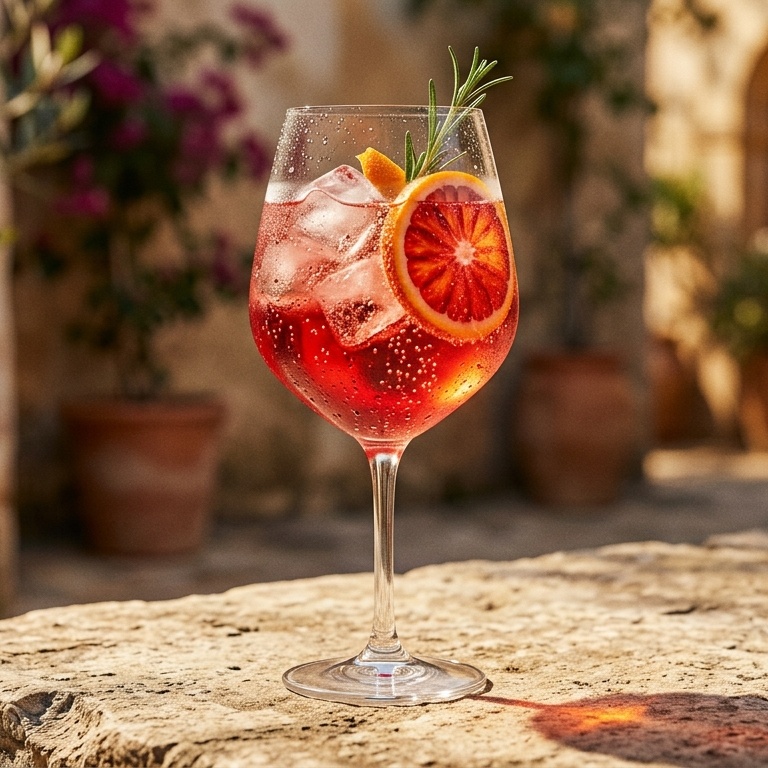
A non alcoholic aperitif is a bitter or bittersweet drink served before a meal. It uses citrus, roots, herbs, fruit, and spices to create the dry flavor of an aperitivo without the intoxicating effect of a standard alcoholic drink.
What Is a Non-Alcoholic Aperitif?
Most products in this category are botanical drinks made for mixing with sparkling water or tonic. Some state 0.0% alcohol, while drinks made from dealcoholized wine may contain a trace amount below 0.5% alcohol by volume (ABV). Check the exact label if you avoid all alcohol.
The appeal is practical. You get a grown-up pre-dinner drink without pouring a sweet fruit punch or a spirit-based cocktail.
For a broader view of alcohol-free beer, wine, soda, and bar mixers, see our comprehensive guide to non-alcoholic drinks.
Non-Alcoholic Aperitifs at a Glance
| Feature | What to Expect |
|---|---|
| Main flavors | Bitter citrus, herbs, roots, spice, tart fruit, and light sweetness |
| Common ingredients | Gentian, orange peel, rhubarb, rosemary, ginger, yuzu, grape juice, and botanicals |
| Alcohol content | Often 0.0%, though some dealcoholized bases can contain less than 0.5% ABV |
| Format | Concentrated bottle or ready-to-drink can |
| Usual serving style | Over ice, neat, or mixed with soda, tonic, or alcohol-free sparkling wine |
| Best time to serve | Before a meal or with salty, savory appetizers |
What Is an Aperitif?
An aperitif is a drink served before food. The name comes from the Latin aperire, meaning "to open." France uses the word aperitif, while Italy uses aperitivo for both the drink and the social hour around it.
The Italian aperitivo hour often pairs a bitter drink with olives, nuts, cheese, or small snacks. The ritual is social and culinary, so an alcohol-free version fits into the same setting.
Traditional examples include dry vermouth, Campari, Aperol, and bitter herbal wines. A non-alcoholic aperitivo keeps the citrus, herb, root, and spice profile while removing or avoiding intoxicating alcohol.
Labels may say alcohol free aperitif, non alcoholic aperitivo, or zero proof aperitif. These phrases describe the same broad category, though the ABV and production method can differ between products.
It is different from a general alcohol-free spirit. A zero-proof gin alternative tries to replace a base spirit in a cocktail. An aperitif already has bitter, sweet, acidic, and aromatic parts, so it often needs only ice and bubbles.
Does a Non-Alcoholic Aperitif Contain Alcohol?
The category includes both 0.0% drinks and products with possible trace alcohol.
Many botanical aperitifs start with water, juice, tea, or plant extracts and make a clear 0.0% claim. Ghia and Wilfred's currently state 0.0% alcohol on their official product pages.
Other products may use dealcoholized wine. Removing alcohol from wine can leave less than 0.5% ABV. The US Food and Drug Administration notes that some drinks described as non-alcoholic can contain trace alcohol from flavor extracts or natural fermentation.
Use these label checks:
- 0.0% alcohol: The producer states that the finished drink contains no alcohol at the declared level.
- Less than 0.5% ABV: A trace amount can remain from brewing, botanical extraction, or dealcoholization.
- Dealcoholized wine: Read the ABV statement carefully because dealcoholization processes may retain trace alcohol.
- Alcohol-free: Confirm what the term means on that specific product and in the country where it is sold.
People avoiding every trace for pregnancy, recovery, medication, testing, or religious practice should choose a product with a clear 0.0% statement and review the complete ingredient label.
What Does a Non-Alcoholic Aperitif Taste Like?
A good non-alcoholic aperitif is dry, aromatic, and bitter enough to invite another sip. It should not taste like ordinary fruit punch or soda.
The first taste often brings orange, grapefruit, yuzu, or lemon. Herbs and spice appear in the middle, followed by a dry root bitterness that stays briefly on the tongue.
Typical flavor notes include:
- Bitter orange and grapefruit peel
- Floral elderflower, rose, or chamomile
- Earthy gentian and rhubarb root
- Rosemary, thyme, or lemon balm
- Ginger, clove, and chili warmth
- Grape, fig, plum, or blackcurrant fruit
Alcohol adds warmth, aroma, and texture to a classic aperitivo. Alcohol-free makers use acidity, tannins, ginger, chili, tea, grape must, glycerin, or plant gums to give the drink more body. Capsaicin from chili can add a controlled warming sensation on the palate.
The Main Aperitif Botanicals
| Botanical | Scientific / Common Name | Flavor Contribution |
|---|---|---|
| Gentian root | Gentiana lutea | Firm, earthy, and long-lasting bitterness |
| Bitter orange | Citrus aurantium | Fragrant peel, citrus oils, and crisp dry bitterness |
| Rhubarb root | Rheum species | Tart, earthy, and lightly astringent undertones |
| Cinchona bark | Cinchona species | Strong quinine-like bitterness common in tonics |
| Rosemary | Salvia rosmarinus | Pine-like herbal aroma and fresh savory finish |
| Angelica | Angelica archangelica | Earthy, woody, and musky aromatic anchor |
| Wormwood | Artemisia absinthium | Strong herbal bitterness found in traditional vermouth formulas |
| Yuzu | Citrus junos | Sharp citrus acidity with delicate floral fragrance |
| Elderflower | Elder blossoms | Soft, honeyed floral sweetness balancing bitter notes |
Ingredients differ between brands. Botanical extracts can also interact with medicines or conflict with medical advice. Check with a clinician when a concentrated herb or adaptogen raises a personal health concern.
These bottled aperitifs are also different from digestive bitters sold as concentrated drops or dietary supplements. Similar herbs may appear in both products, but their serving sizes, formulas, and intended uses differ.
Do Bitter Aperitifs Stimulate Appetite or Digestion?
Bitter taste activates TAS2R bitter receptors on the tongue. Related receptors also exist throughout the gastrointestinal tract and take part in chemical sensing.
The traditional aperitif ritual is culturally associated with appetite and the start of a meal. However, scientific evidence does not support a promise that a bottled aperitif will improve digestion or increase hunger for every person. A 2023 systematic review found inconsistent human evidence for bitter compounds changing appetite, food intake, or gut hormones.
Treat digestive language on a bottle as a flavor and cultural tradition claim unless the company provides sound clinical evidence. A non-alcoholic aperitif is a flavorful beverage, not a treatment for indigestion, poor appetite, or any gastrointestinal condition.
Aperitif vs. Digestif vs. Non-Alcoholic Spirit
| Category | Typical Flavor | When Served | Common Use |
|---|---|---|---|
| Non-alcoholic aperitif | Bright, bitter, citrusy, and herbal | Before a meal | Spritz, tonic serve, or over ice |
| Non-alcoholic digestif or amaro | Darker, deeper, woody, roasted, or minty | After a meal | Sipped neat or over one large ice cube |
| Non-alcoholic spirit | Juniper, agave, oak, smoke, or neutral spice | Any cocktail occasion | Used in place of gin, tequila, rum, or whiskey |
| Ready-to-drink aperitivo | Fully mixed, balanced, and carbonated | Before food or social events | Chill, open, and pour directly over ice |
The boundary is not rigid. Some bottles work comfortably before or after dinner, and certain ready-to-drink cans borrow flavor cues from both classic aperitifs and stirred cocktails.
Concentrate vs. Ready-to-Drink Aperitif
| Feature | Concentrated Bottle | Ready-to-Drink Can or Bottle |
|---|---|---|
| Preparation | Mix with soda, tonic, or another bubbly mixer | Serve cold, often poured straight over ice |
| Flavor control | You choose strength, sweetness, and carbonation | Producer sets the fixed flavor balance |
| Cost per serve | Often lower when diluted into multiple drinks | Often higher due to single-serve packaging |
| Storage rules | Usually refrigerate after opening or follow label | Unopened cans are typically shelf stable |
| Best suited for | Home bars, dinner hosting, and custom spritzes | Picnics, outdoor gatherings, travel, and speed |
A concentrate is particularly useful when guests have varying flavor preferences. Use more bubbles for a lighter drink or less for a stronger, bolder bitter profile.
Top Non-Alcoholic Aperitif Brands
Formulas, bottle sizes, and availability can change. The table reflects producer information verified on October 15, 2026.
| Brand | Format | Current Alcohol Claim | Main Flavor Direction | Simple Serve |
|---|---|---|---|---|
| Ghia Original Aperitif | 500 ml concentrate | 0.0% ABV | Bitter citrus, gentian, yuzu, lemon balm, grape, and rhubarb | 1 part Ghia to 3 parts bubbles over ice |
| Figlia Fiore | Bottled aperitivo and sparkling cans | Booze-free / alcohol-free | Rose, bitter orange, and clove | Pour with sparkling water and fresh lemon |
| Wilfred's Bittersweet | 500 ml concentrate | 0.0% ABV | Bitter orange, rosemary, rhubarb, and clove | Serve with quality tonic over ice |
| De Soi | Ready-to-drink cans and 750 ml bottles | Non-alcoholic | Fruit, tea, herbs, and functional botanicals | Chill and pour straight over ice |
| St. Agrestis Phony Negroni | Ready-to-drink glass bottle | Non-alcoholic | Bitter orange, herbal bitterness, and Negroni spice | Serve cold with an orange twist |
| Martini & Rossi Floreale | Bottled aperitivo | Non-alcoholic (some market labels state | Roman chamomile and floral citrus | Mix 50/50 with tonic or soda |
Ghia Original Aperitif
Ghia's current ingredient list includes water, white grape juice concentrate, lemon balm, gentian, elderflower, date concentrate, rhubarb, orange, ginger, and yuzu extracts. The producer states 0.0% alcohol, 0 g added sugar, and 3 g total sugar per 1 fl oz serving.
It tastes bitter, citrusy, and bright. The company recommends 1 part Ghia with 3 parts sparkling water, tonic, or kombucha.
Figlia Fiore
Figlia describes Fiore with rose, bitter orange, and clove. It has a floral, spiced profile and a radiant ruby color.
The bottled aperitivo is designed for mixing, while Frizzante versions arrive pre-carbonated in cans. Check the exact format before planning a recipe.
Wilfred's Bittersweet
Wilfred's states 0.0% alcohol and uses rosemary, bitter orange, rhubarb, and clove. It is a useful choice for drinkers who want an orange-led spritz with a balanced herbal finish.
The brand recommends serving it over ice with quality tonic water or other chilled bubbles.
De Soi
De Soi sells non-alcoholic aperitifs with fruit, tea, herbs, mushrooms, amino acids, or other functional ingredients, depending on the flavor. Read the exact label if you avoid caffeine, adaptogens, or particular botanicals.
Wellness ingredients do not guarantee a calming or therapeutic effect. They can also be unsuitable for certain individuals or interact with prescription medicines.
St. Agrestis and Martini & Rossi Floreale
St. Agrestis Phony Negroni is a ready-to-drink option with juniper, citrus peel, and gentian. Martini & Rossi Floreale provides a lighter floral direction with Roman chamomile. An official Martini market page states that Floreale contains less than 0.5% ABV from botanical extract, so people requiring 0.0% should check the bottle sold in their specific market.
These products differ in base liquid, sweetness, package size, and alcohol statement. Check the current bottle rather than assuming that every non-alcoholic aperitif follows the exact same formula.
How to Choose the Best Non-Alcoholic Aperitif for a Spritz
Choose by flavor direction rather than brand popularity:
- For sharp bitterness: Try Ghia mixed with plain sparkling water.
- For an orange-led Aperol-style drink: Try Wilfred's paired with tonic.
- For floral spice: Try Figlia Fiore with soda water and a lemon wedge.
- For no mixing required: Choose a chilled ready-to-drink aperitivo can.
- For a Negroni-style profile: Choose a bitter ready-to-drink product such as Phony Negroni.
The best non alcoholic aperitif for a spritz depends on the target drink. Bitter orange fits an Aperol-style serve, gentian works in a drier tonic drink, and floral fruit suits a lighter soda spritz.
No alcohol-free bottle tastes exactly like Aperol or Campari. Alcohol changes aroma volatility, texture, heat, and finish. A close substitute should match the bitter orange direction and work in the same serving style.
How to Drink a Non-Alcoholic Aperitif
Start with the producer's directions. Concentrated aperitifs can taste harsh when poured neat like wine.
The 1:3 Spritz Ratio
Use this simple, reliable formula:
- 2 oz non-alcoholic aperitif
- 6 oz chilled sparkling water, club soda, or tonic
- Plenty of clear ice
- Orange, lemon, grapefruit, rosemary, or an olive for garnish
Fill a wine glass or highball with ice. Add the aperitif, top with bubbles, and stir once. Taste before adding any additional sweetener.
Club soda keeps the flavor dry. Tonic adds sweetness and quinine bitterness. Our club soda vs tonic water comparison explains how mixer choice alters the final drink.
Can You Drink It Straight?
Yes. Pour a small serving over ice and add a citrus twist. Concentrates taste stronger and significantly more bitter when served neat, so start with 1 to 2 oz.
Food Pairings
Serve bitter aperitifs with salty, fatty, or crisp foods. Good options include olives, roasted almonds, potato chips, hard cheeses like parmesan or pecorino, crostini, grilled vegetables, and citrus-marinated seafood.
Sweeter floral products can pair comfortably with soft cheeses, fresh berries, melon, or light desserts. Keep portions modest so the drink does not overpower the first course.
Three Non-Alcoholic Spritz Recipes
1. Classic Orange Spritz
Ingredients
- 2 oz Wilfred's Bittersweet or another orange-led aperitif
- 4 oz club soda
- 2 oz non-alcoholic sparkling wine
- Clear ice
- Fresh orange slice
Method
Fill a wine glass with ice. Add the aperitif and non-alcoholic sparkling wine, then top gently with club soda. Stir once and garnish with an orange slice. See our guide to non-alcoholic sparkling wine when choosing the bubbly wine component.
2. Mediterranean Bitter Tonic
Ingredients
- 2 oz Ghia Original Aperitif
- 5 oz quality tonic water
- Clear ice
- Fresh grapefruit twist and fresh rosemary sprig
Method
Build the drink over ice in a highball glass. Add tonic water slowly, stir once, and finish with a grapefruit twist and rosemary sprig. Check cocktail bitters before adding them; many traditional aromatic bitters contain alcohol, even when used in small dashes.
3. Ruby Ginger Spritz
Ingredients
- 2 oz Figlia Fiore or another floral red aperitif
- 4 oz non-alcoholic ginger beer or sparkling water
- 1/2 oz fresh lime juice
- Clear ice
- Fresh berries or lime wheel
Method
Add the aperitif and fresh lime juice to an ice-filled glass. Top with non-alcoholic ginger beer or soda and stir gently. Our guide to whether ginger beer is alcoholic explains what to verify on mixer labels.
How to Make a Homemade Non-Alcoholic Aperitif Syrup
This simple stovetop recipe creates a bitter citrus concentrate without fermentation. Use culinary ingredients sold specifically for food preparation.
Homemade Citrus Botanical Syrup
Ingredients
- 1 1/2 cups water
- 1/2 cup unsweetened cranberry or Concord grape juice
- 1/3 cup cane sugar or raw honey
- Peel of 1 whole orange (with minimal white pith)
- Peel of 1/2 grapefruit
- 1 small fresh rosemary sprig
- 2 whole cloves
- 1/4 teaspoon dried culinary gentian root (optional)
Gentian root is extremely bitter. Start with 1/4 teaspoon, or omit it entirely and use extra grapefruit peel. Never forage wild roots or use unidentified plant material.
Method
- Put the water, fruit juice, sweetener, citrus peels, rosemary, cloves, and optional gentian into a small saucepan.
- Bring the mixture to a gentle boil, then reduce heat to maintain a low simmer for 12 to 15 minutes.
- Remove the saucepan from heat and allow the botanicals to steep for 15 minutes.
- Strain the liquid through a fine-mesh sieve into a clean, heat-safe glass bottle or jar.
- Cool promptly, cover tightly, and refrigerate.
- To serve, mix 2 oz of chilled syrup with 6 oz of sparkling water over ice.
Safety & Storage: Use the homemade syrup within 7 days. Discard immediately if you observe mold, cloudiness, bubbling, gas release, an unusual sour aroma, or container distortion. Individuals who are pregnant, nursing, taking medications, or managing chronic conditions should consult a healthcare provider before consuming concentrated gentian or medicinal herbs.
Sugar, Calories, Caffeine, and Ingredients
Nutrition varies widely across brands. A bottle with no added sugar can still contain natural sugars from white grape juice, date concentrate, or fruit purees. High-sugar tonic water and ginger beer can also add more total sugar than the aperitif itself.
Read the Nutrition Facts label for serving size, total sugar, added sugar, calories, and sodium. Check also for caffeine in tea-based formulations and commercial mixers.
"Zero sugar" and "no added sugar" mean distinct things legally. Zero-sugar drinks contain a negligible amount of carbohydrates per serving. A no-added-sugar drink can still deliver 3 to 6 grams of naturally occurring sugars per fluid ounce from concentrated fruit juice.
An ingredient described as an "adaptogen" does not prove clinical therapeutic efficacy. Reishi mushroom, ashwagandha, L-theanine, and other functional additions require the same personal medical and pregnancy checks as any dietary supplement.
Pregnancy, Recovery, and Strict Alcohol Avoidance
A certified 0.0% botanical drink provides greater certainty than a dealcoholized product marked "less than 0.5% ABV."
Pregnancy also raises valid considerations regarding concentrated herbal extracts, adaptogens, quinine in tonic, caffeine, and sugar content. Ask a prenatal healthcare professional about specific ingredient lists rather than relying on category marketing claims.
For individuals in alcohol recovery, an aperitif ritual can be an enjoyable inclusion for some, while for others, bar-style glass bottles and cocktail garnishes can represent unnecessary sensory triggers. Select a beverage format that firmly supports your recovery plan and ensure that mixers, garnishes, and cocktail bitters contain zero ethanol.
For more non-alcoholic inspiration, consult our guide to alcohol alternatives.
Storage and Shelf Life
Always follow package directions. Concentrated botanical products may require refrigeration upon opening, but shelf-life protocols vary:
- Ghia: States that refrigeration is optional, though it advises storage in a cool place and consumption within 3 weeks of opening.
- Other brands: Many recommend strict refrigeration and consumption within 2 to 4 weeks.
- Ready-to-drink cans: Typically shelf stable until opened. Refrigerate any unfinished beverage promptly and finish within 24 to 48 hours.
Frequently Asked Questions
Q. What is a non-alcoholic aperitif?
It is a bitter or bittersweet pre-dinner drink made with citrus, roots, herbs, fruit, and spices. It is designed for sipping over ice or mixing into a spritz without the intoxicating effect of a standard aperitif.
Q. Does a non-alcoholic aperitif contain alcohol?
Some products state 0.0% alcohol. Dealcoholized wine bases and some botanical flavor systems may leave trace alcohol below 0.5% ABV. Check the exact label when avoiding all alcohol.
Q. What does a non-alcoholic aperitif taste like?
Expect bitter citrus first, followed by herbs, spice, tart fruit, and a dry root finish. Sweetness ranges from very dry to gently bittersweet depending on fruit juices or added sweeteners.
Q. How do you drink a non-alcoholic aperitif?
Mix 1 part concentrated aperitif with about 3 parts sparkling water, club soda, or tonic over ice. You can also sip a small serving neat over ice or choose a ready-to-drink chilled can.
Q. Can you mix a non-alcoholic aperitif with tonic water?
Yes. Tonic adds sweetness and quinine bitterness, so it works well with citrus and herbal concentrates. Use club soda when you prefer a drier profile with less sugar.
Q. Does a non-alcoholic aperitif stimulate appetite?
Bitter taste is linked to the aperitif tradition and activates bitter taste receptors. However, clinical research has not established a consistent appetite-stimulating effect from bitter beverages, so digestive benefits cannot be guaranteed.
Q. What is the best non-alcoholic substitute for Aperol?
Choose an orange-led product such as Wilfred's Bittersweet if you want a similar spritz direction. It will not copy Aperol exactly because alcohol changes mouthfeel, aroma release, and warmth.
Q. Is Ghia an aperitif?
Yes. Ghia Original is a concentrated non-alcoholic aperitif made specifically for mixing with sparkling water, tonic, kombucha, or other carbonated beverages.
Q. Can you drink a non-alcoholic aperitif straight?
Yes. Pour 1 to 2 oz over ice with a citrus twist. Concentrated botanical products taste notably more bitter and intense when undiluted.
Q. Do non-alcoholic aperitifs need refrigeration?
Storage rules differ by formulation. Ghia states that refrigeration is optional and suggests finishing an opened bottle within 3 weeks, whereas other brands require prompt refrigeration after opening.
Q. Can you drink a non-alcoholic aperitif during pregnancy?
Check both the alcohol declaration and botanical ingredients. Consult a healthcare provider before using products with concentrated herbs, adaptogens, caffeine, or quinine.
Q. Can a non-alcoholic aperitif cause a hangover?
A 0.0% drink will not cause an alcohol-induced hangover. However, high sugar content, dehydration, caffeine sensitivity, or herbal sensitivities can still result in headaches or digestive discomfort.
Q. Can you make a non-alcoholic aperitif at home?
Yes. Simmer fruit juice, citrus peels, fresh rosemary, cloves, and a tiny pinch of culinary gentian root, then strain and refrigerate the syrup. Use it within 7 days.
The Bottom Line
Summary and Practical Takeaways
A non alcoholic aperitif brings bitter citrus, roots, herbs, spice, and fruit to the pre-dinner hour without alcohol intoxication. Choose a certified 0.0% bottle when strict alcohol avoidance is required, or check ABV statements carefully when a drink uses a dealcoholized wine foundation.
- Alcohol clarity: Look for 0.0% ABV declarations versus dealcoholized bases that may retain trace ethanol up to 0.5% ABV.
- Distinct bitter profile: Powered by authentic culinary botanicals including gentian, bitter orange, rhubarb, and cinchona rather than artificial soda flavorings.
- Simple 1:3 mixing formula: Mix 1 part aperitif concentrate with 3 parts chilled sparkling water or tonic over ice for an instant pre-dinner spritz.
- Leading brand styles: Reach for Ghia for tart, dry gentian-yuzu complexity, Wilfred's for an Aperol-style orange spritz, or Figlia for floral clove notes.
Sources and Review Standards
- U.S. Food and Drug Administration (FDA): Beverage Labeling and Trace Alcohol Guidance (21 CFR 102.33)
- National Institutes of Health (PubMed): Systematic Review of Bitter Taste Sensing and TAS2R Physiology
- U.S. Department of Agriculture (USDA) FoodData Central: Fruit Juice and Botanical Sugar Profiles
- Ghia: Official Product Formulations, Botanical Ingredients, and Nutritional Declarations
- Wilfred's Drinks: Bittersweet Non-Alcoholic Aperitif Specifications and 0.0% ABV Lab Verification





Comments and reviews (0)