


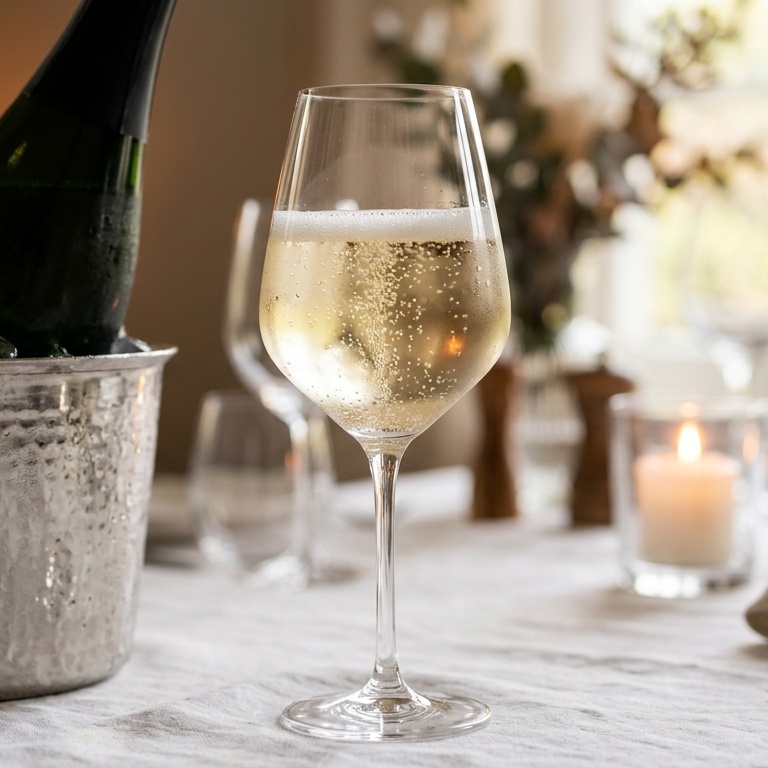
Non alcoholic sparkling wine gives adults a dry, bubbly option for wedding toasts, baby showers, brunches, and nights when alcohol is off the menu. The best bottles balance fresh acidity, fine bubbles, and moderate sweetness.
What Is Non Alcoholic Sparkling Wine?
Non alcoholic sparkling wine usually falls into 2 groups. Dealcoholized wine starts as fermented wine before most or all of the alcohol is removed. Alcohol-free sparkling drinks may use wine, grape juice, botanicals, or a blend. Labels range from 0.0% ABV to less than 0.5% ABV, so check the bottle when complete abstinence matters.
This guide explains how these drinks are made, how they taste, which labels matter, and how to choose a bottle that suits the occasion.
Non Alcoholic Sparkling Wine at a Glance
| Question | Short Answer |
|---|---|
| What is it? | A sparkling wine or wine-style drink with little or no alcohol |
| ABV | Usually 0.0% or less than 0.5% |
| Common grapes | Chardonnay, Pinot Noir, Glera, and other white wine grapes |
| Typical taste | Apple, pear, citrus, floral notes, and fresh acidity |
| Sweetness | Ranges from brut and dry to clearly sweet |
| Serving temperature | Follow the producer's label; many taste best around 38°F to 45°F |
| Best glass | A tulip glass or flute that holds carbonation |
| Open-bottle life | Often 1 to 3 days with a sparkling-wine stopper in the refrigerator |
What Is Non Alcoholic Sparkling Wine?
Several different products sit in this category and can look similar in the glass.
Dealcoholized sparkling wine begins with fermented wine. A producer makes a base wine from grapes such as Chardonnay, Pinot Noir, or Glera. The alcohol is then reduced through vacuum distillation, a spinning cone column, membrane filtration, or another specialized process.
Some 0.0% sparkling drinks follow a different path. They may combine unfermented grape juice, water, acidity, natural flavors, and carbonation. Botanical sparklers may use tea, herbs, fruit, or spices without any wine base.
These methods create different flavors. A dealcoholized Chardonnay can retain wine-like acidity and fermented aromas. An unfermented grape drink may taste fruitier and sweeter. A botanical sparkler can taste dry and complex without tasting like wine.
Non Alcoholic Champagne and Prosecco Terms
Searchers often use "non alcoholic champagne" for any pale sparkling drink. Champagne refers strictly to sparkling wine from the Champagne region of France under specific production rules. Most products in this category are more accurately described as non alcoholic sparkling wine or a Champagne-style alternative.
The same caution applies to non alcoholic prosecco. Look for the exact product name, grape source, production method, and ABV rather than relying on a broad search phrase.
How Is Non Alcoholic Sparkling Wine Made?
- Fermentation creates the base wine: For dealcoholized wine, production starts much like regular wine. Yeast converts grape sugar into alcohol and carbon dioxide. Fermentation also creates aroma and flavor compounds that plain grape juice does not have. The winemaker may blend grape varieties, adjust acidity, and age the base wine before alcohol removal.
-
The producer removes the alcohol: Alcohol removal can also remove delicate aromas, so gentle thermal and vacuum control are vital:
- Cold vacuum distillation: A vacuum lowers the temperature at which alcohol evaporates, allowing removal below standard boiling points to protect fresh fruit notes.
- Spinning cone column: A spinning cone system spreads wine into a thin film under vacuum. One pass separates volatile aroma compounds, while a second pass strips the ethanol. The producer then reintroduces the captured natural aromas.
- Reverse osmosis filtration: Semi-permeable membranes separate water and ethanol from larger flavor compounds, allowing selective alcohol reduction before recombining the core wine essence.
- The producer rebuilds balance and bubbles: Alcohol adds weight, warmth, and texture. Removing it makes wine feel lighter across the palate. Winemakers adjust acidity, sweetness, natural flavor, or carbonation before bottling under pressure.
Does Non Alcoholic Sparkling Wine Contain Alcohol?
Some bottles contain 0.0% ABV. Others contain a trace amount below 0.5% ABV.
In the United States, products labeled "non-alcoholic" can contain less than 0.5% alcohol by volume. A 0.0% statement gives a stricter number. "Zero proof" is widely used in marketing, so the printed ABV and ingredient list provide better guidance.
Regulatory Oversight: FDA vs. TTB
The Food and Drug Administration (FDA) regulates food-label requirements for wine below 7% ABV, including dealcoholized wine. FDA guidance specifies that "dealcoholized" or "alcohol-removed" wine should contain less than 0.5% ABV, while reserving "alcohol-free" strictly for beverages with no detectable alcohol.
0.0% ABV vs. Less Than 0.5% ABV
| Label Detail | What It Tells You | Best Next Step |
|---|---|---|
| 0.0% ABV | The producer declares zero alcohol at the stated precision | Confirm the current bottle label |
| Less than 0.5% ABV | A trace amount may remain after dealcoholization | Decide whether that fits your personal boundaries |
| Non-alcoholic | The product may contain less than 0.5% ABV under federal rules | Find the exact printed ABV statement nearby |
| Zero proof | A marketing phrase used across several drink types | Check numerical ABV rather than front title alone |
The American College of Obstetricians and Gynecologists (ACOG) states that no amount of alcohol has been established as safe during pregnancy. While products marked 0.0% ABV offer the clearest labeling for abstinence, pregnant readers should consult their healthcare provider when evaluating dealcoholized beverages.
What Does Non Alcoholic Sparkling Wine Taste Like?
A quality bottle can taste crisp, fruity, and dry. Common flavor notes include green apple, ripe pear, lemon zest, white floral blossoms, and light brioche or yeast aromas.
Without ethanol, wine can feel thinner across the palate and finish more briskly. Winemakers rely on brisk carbonation, lively natural acidity, and balanced residual sugar to rebuild mid-palate weight and mouthfeel.
Non Alcoholic Sparkling Wine vs. Sparkling Cider and Grape Juice
| Feature | Dealcoholized Sparkling Wine | Sparkling Apple Cider | Sparkling Grape Juice |
|---|---|---|---|
| Base | Wine grapes or wine-based blend | Apple juice or cider | Grape juice or concentrate |
| Fermentation | Fermented, then dealcoholized | Usually carbonated unfermented juice | Unfermented juice |
| Taste | Dry, tart, floral, or wine-like | Apple-led and usually sweet | Grape-led and intensely sweet |
| Body | Light, with acidity and fine bubbles | Juicy and round | Full and syrup-like |
| Best use | Adult toasts and dinner food pairing | Holiday meals and family celebrations | Dessert pairings and sweet occasions |
Four Non Alcoholic Sparkling Wine Brands to Compare
The following comparison examines producer information across leading market brands:
| Product | Production and ABV | Sweetness and Nutrition | Price Snapshot |
|---|---|---|---|
| French Bloom Le Blanc | Organic Chardonnay, dealcoholized wine blend; 0.0% ABV | 2.4 g sugar and 10 kcal per 100 ml | $39 per 750 ml bottle |
| Thomson & Scott Noughty | Organic wine, vacuum dealcoholization with aroma recovery; 0.0% ABV | 2.9 g sugar and 14 kcal per 100 ml | $23 per 750 ml bottle |
| Oddbird Blanc de Blancs | 100% Chardonnay wine released from alcohol; 0.0% ABV | Crisp brut style with low residual sugar | Varies by retailer |
| Grüvi Dry Secco | California Chardonnay grapes, unfermented; 0.0% ABV | 50 calories and 11 g sugar per 10 oz bottle | $36 per 8-pack |
How to Serve Non Alcoholic Sparkling Wine
- Chilling: Chill the bottle for several hours before serving. Temperatures between 38°F and 42°F keep bubbles tight and refreshing.
- Glassware: A tulip glass or Champagne flute preserves carbonation while allowing floral and orchard aromas to concentrate.
- Pouring: Tilt the glass and pour down the side in two stages to preserve delicate effervescence.
- Leftover storage: Seal immediately with a locking pressure stopper and refrigerate for up to 3 days. Standard wine corks will not hold carbonation.
Elderflower and Lemon Sparkler
Add 1 teaspoon elderflower cordial and 1/2 ounce fresh lemon juice to a champagne flute. Top with 4 ounces chilled non alcoholic sparkling wine and stir once gently. Garnish with a lemon twist for an elegant celebration aperitif.
Frequently Asked Questions
Q. Does non alcoholic sparkling wine contain alcohol?
It may. Bottles marked 0.0% ABV state zero alcohol at printed precision. Products labeled non-alcoholic can legally contain up to 0.5% ABV in the United States. Always inspect the back label if total avoidance is required.
Q. What is the difference between dealcoholized wine and sparkling grape juice?
Dealcoholized wine begins as fermented grape wine with natural wine acidity, tannins, and aroma before alcohol is removed. Sparkling grape juice is sweet, unfermented fruit juice carbonated under pressure.
Q. Does non alcoholic sparkling wine taste like Champagne?
Top-tier dealcoholized sparkling wines share crisp acidity, green apple notes, and fine effervescence with Champagne. However, because alcohol adds mouthfeel and warmth, non alcoholic wines feel lighter across the tongue.
Q. How long does an opened bottle last?
When sealed with an airtight, locking sparkling-wine stopper and stored in the refrigerator, carbonation and aroma last 1 to 3 days.
Q. Can non alcoholic sparkling wine cause a headache?
While removing ethanol eliminates alcohol-induced hangovers, headaches can still stem from dehydration, sugar sensitivity, or individual reactions to sulfites present in the base wine.
The Bottom Line
Summary and Practical Takeaways
Non alcoholic sparkling wine delivers an authentic celebratory toast without intoxication. For true wine character, select dealcoholized bottles made from fermented Chardonnay or Glera. Always verify whether the bottle states 0.0% ABV or less than 0.5% ABV when complete alcohol avoidance is necessary, chill to 38°F–42°F, and serve in flutes or tulip glasses to preserve effervescent bubbles.
Sources and Review Standards
- Alcohol and Tobacco Tax and Trade Bureau (TTB): Low- and No-Alcohol Beverage Labeling Guidance
- U.S. Food and Drug Administration (FDA): Dealcoholized Wine Labeling and Alcohol-Free Distinctions
- American College of Obstetricians and Gynecologists (ACOG): Alcohol and Pregnancy FAQs
- French Bloom: Organic Dealcoholized Sparkling Wine Technical Standards
- Thomson & Scott Noughty: Organic Sparkling Chardonnay Specifications and Aroma Recovery
- U.S. Department of Agriculture (USDA) FoodData Central: Dealcoholized Wine Nutrient Profile





Comments and reviews (0)