



Watching celebrations of Holi—the vibrant Indian festival of colors—often reveals revelers holding earthenware clay cups filled with a rich, ivory-tinted milk drink garnished with crushed pistachios, rose petals, and saffron threads. Known across India as thandai, this fragrant beverage looks like Western eggnog but delivers an entirely different experience: an invigorating, floral, spiced refreshment that cuts through hot weather.
What Is Thandai?
Thandai (derived from the Hindi word thanda, meaning "cool" or "cooling") is an ancient, non-alcoholic Indian spiced milk beverage made from a slow-ground paste of soaked almonds, melon seeds, poppy seeds, fennel, green cardamom, black peppercorns, dried rose petals, and saffron. Served chilled over ice, it is the signature refreshment of the spring festivals of Holi and Maha Shivaratri.
Festival & Non-Alcoholic Safety: Standard household thandai is 100% non-alcoholic, non-intoxicating, caffeine-free, and safe for children and entire families. While adults in certain cultural settings prepare a ceremonial cannabis-infused variant called bhang thandai during religious festivals, traditional thandai contains zero intoxicating ingredients.
Here is everything you need to know about what thandai is, its Ayurvedic cooling properties, how it differs from ceremonial bhang drinks, and how to prepare an authentic batch at home using everyday kitchen ingredients.
What is Thandai?
Thandai is an aromatic nut-and-spice infusion blended into cold, rich milk.
Rather than relying on artificial syrups, authentic thandai derives its creamy body and complex flavor from a thick wet paste made by grinding soaked raw nuts and botanicals. The paste is whisked into chilled whole milk, sweetened with unrefined cane sugar, infused with rose water, and allowed to steep for several hours so the essential oils marry into the dairy fats.
Taste, Texture, and Aroma
Flavor Profile: Thandai tastes rich, sweet, and nutty, layered with a refreshing licorice note from fennel seeds and an intoxicating floral perfume from dried rose petals and saffron. Right as the smooth sweetness coats your palate, a gentle, crackling warmth from freshly cracked black peppercorns catches the back of your throat, preventing the drink from feeling heavy.
Texture: It has a velvety, luxurious body thicker than standard milk but lighter than a milkshake. It is traditionally served in rustic unglazed clay cups called kulhads, which impart an earthy, mineral aroma.
Why It is Called a "Cooling Drink"
To Western drinkers, a milk drink loaded with black pepper and cardamom might sound like a warming winter beverage. In traditional Indian medicine (Ayurveda), however, thandai is classified as a premier sheeta virya (cooling) beverage.
During late spring in India, outside temperatures spike rapidly, creating internal body heat and digestive sluggishness. Botanicals like fennel seeds, poppy seeds, and rose petals possess documented natural refrigerant properties that soothe internal heat. The small inclusion of black pepper acts as an intelligent digestive counterweight: it stimulates digestive acids (Agni), ensuring your stomach digests the heavy nut fats easily without sluggish bloating.
The Cultural Connection: Holi and Maha Shivaratri
Thandai is deeply woven into northern Indian festival heritage, particularly during two major cultural events:
The Spring Shift of Holi
Holi marks the triumph of good over evil and celebrates the arrival of spring. Revelers spend hours dancing outdoors under the intense spring sun while dusting each other with vibrant colored powders (gulal). Pitchers of ice-cold thandai provide instant hydration, replenishing electrolytes and soothing parched throats.
Regular Thandai vs. Bhang Thandai
One of the most common questions from international travelers is whether thandai contains intoxicating cannabis:
- Standard Household Thandai: 100% non-alcoholic, non-intoxicating, and completely safe for children and entire families. This is the version served in 99% of homes, cafes, and restaurants.
- Bhang Thandai: In specific cultural and religious contexts during Holi and Maha Shivaratri, adults prepare a ceremonial version by blending a small amount of bhang (a freshly ground paste made from the leaves and female buds of the cannabis plant) directly into the nut paste. Because the milk contains natural lipids, the cannabinoid compounds dissolve into the beverage, creating an intoxicating ceremonial brew associated with Lord Shiva.
The Anatomy of Authentic Thandai Ingredients
An authentic batch of thandai relies on four complementary botanical clusters:
1. The Nut Foundation (Almonds, Cashews, Pistachios)
Raw blanched almonds provide smooth body, healthy monounsaturated fats, and natural vitamin E. Cashews and pistachios add buttery richness and a pale ivory-green tint.
2. The Cooling Seeds (Poppy Seeds and Melon Seeds)
- Poppy Seeds (Khus Khus): White Indian poppy seeds create a velvety, gel-like texture when soaked and ground. In Ayurveda, they are celebrated for calming the nervous system and easing gastrointestinal heat.
- Melon Seeds (Magaz): De-hulled watermelon or cantaloupe seeds add creaminess and essential fatty acids, functioning as a natural emulsifier.
3. The Fragrant Botanicals (Fennel, Rose, Saffron, Cardamom)
- Fennel Seeds (Saunf): Delivers a crisp, sweet, anise-like finish that soothes digestion and freshens the breath.
- Dried Rose Petals & Rose Water: Introduces an ethereal floral aroma that cuts through milk sweetness.
- Kashmiri Saffron (Kesar): Imparts a regal golden hue and an unmistakable earthy-sweet perfume.
- Green Cardamom Pods (Elaichi): Adds warm, citrusy herbal notes.
4. The Secret Balancer: Black Peppercorns (Kali Mirch)
Black pepper is the genius addition that makes thandai unique among global beverages. It cuts through the dense dairy fats, activates digestive enzymes, and leaves a clean, refreshing tingle in your throat.
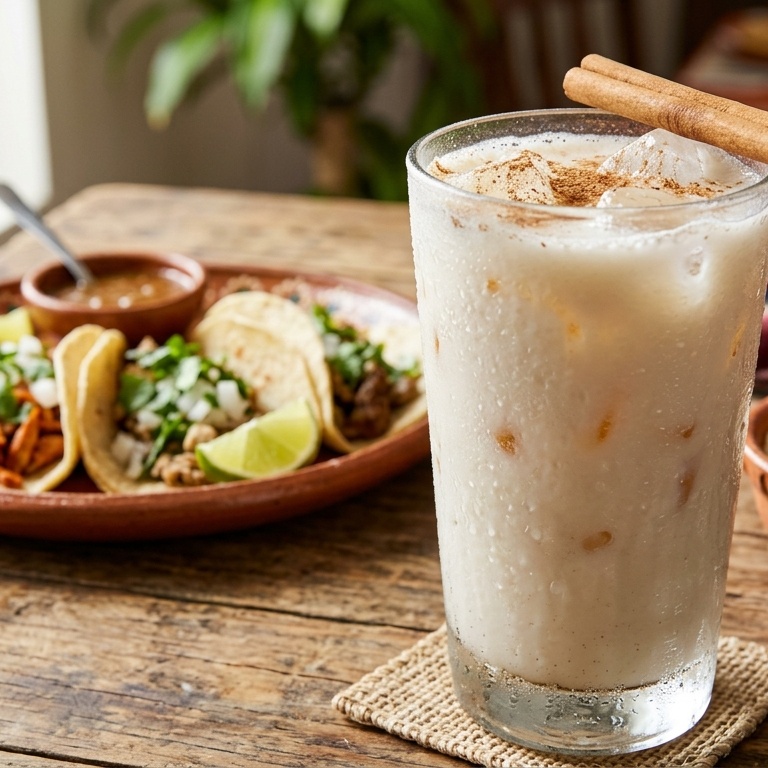
Thandai vs. Horchata vs. Golden Milk: Side-by-Side Comparison
Here is how thandai compares to other renowned global spiced milk and plant-based drinks:
| Feature | Authentic Thandai | Mexican Horchata | Indian Golden Milk (Haldi Doodh) |
|---|---|---|---|
| Origin | Northern India | Mexico / Spain | India |
| Serving Temperature | Ice-Cold | Ice-Cold | Warm / Hot |
| Primary Base | Whole milk + soaked nuts/seeds | Rice milk + water | Whole milk or plant milk |
| Key Botanicals | Fennel, rose petals, poppy seeds, saffron | Mexican cinnamon (canela), vanilla | Turmeric, black pepper, ginger |
| Heat / Spice Profile | Mild black pepper tingle, highly floral | Sweet cinnamon warmth | Earthy, pungent, spicy turmeric |
| Primary Cultural Use | Spring festivals (Holi, Shivaratri) | Everyday street refresher | Nighttime restorative remedy |
Science-Backed Health and Digestive Benefits
Beyond its festive celebration role, authentic thandai functions as an ancient functional wellness drink:
Sustained Energy Without Crashes
Unlike standard sugary sodas, thandai combines complex proteins, dietary fiber, and healthy fats from almonds and melon seeds, providing long-lasting energy.
Digestive Soothing
Fennel seeds contain anethole, a volatile oil that relaxes smooth muscle tissues in the digestive tract, preventing gas, cramping, and acid reflux after heavy holiday meals.
Cellular Antioxidants
Saffron and rose petals contain potent carotenoid antioxidants (crocin and crocetin) that combat cellular oxidative stress and support healthy mood balance.
Authentic Step-by-Step Thandai Recipe
This kitchen-tested recipe yields approximately 4 to 6 refreshing servings.
Authentic Royal Spiced Thandai (Traditional Holi Elixir)
Ingredients
- • 1/4 cup raw almonds (badam)
- • 2 tablespoons raw cashews (kaju) & 2 tbsp unsalted raw pistachios (pista)
- • 1 tablespoon white poppy seeds (khus khus) & 1 tbsp melon seeds (magaz)
- • 1.5 tablespoons fennel seeds (saunf) & 1/2 tsp whole black peppercorns (kali mirch)
- • 6 to 8 whole green cardamom pods, cracked open to use aromatic seeds
- • 2 tablespoons organic culinary dried rose petals & 1/4 tsp saffron threads
- • 4 cups whole milk (or rich barista oat/almond milk for vegan)
- • 1/3 cup raw cane sugar or crushed rock sugar (mishri)
- • 1 teaspoon pure culinary rose water
Equipment Needed
- – Glass bowl for soaking
- – High-speed blender
- – Fine-mesh strainer or cheesecloth
- – Traditional clay cups (kulhad) or glasses
Preparation Method
In Ayurvedic pharmacology, black peppercorns (kali mirch) are paired with heavy dairy and cooling nuts to kindle agni (digestive fire). Piperine improves the bioavailability of saffron carotenoids while preventing heaviness and balancing rich healthy fats.
The 5-Minute Instant Dry Thandai Powder Method
If you do not have time to soak raw nuts for six hours, you can create a shelf-stable dry thandai powder in advance:
- Blend the Spices and Nuts: Place dry raw almonds, pistachios, cashews, poppy seeds, fennel seeds, black pepper, cardamom, dried rose petals, and saffron into a clean spice grinder or blender.
- Pulse Gently: Pulse in short 5-second bursts until a fine dry powder forms. Do not over-blend, or the nuts will release their natural oils and turn into butter.
- Store Airtight: Store the dry powder in an airtight glass jar in your freezer for up to 3 months.
- To Serve: Whisk 2 tablespoons of dry powder and 1 tablespoon of sugar directly into 1 cup of cold milk. Let sit for 10 minutes, stir, and enjoy.
Frequently Asked Questions About Thandai
What does thandai taste like?
Thandai tastes like a luxurious, creamy spiced milk infused with sweet almonds, cool fennel, fragrant saffron, and fresh rose petals, finishing with a pleasant peppery kick.
Can you drink thandai hot?
While thandai is traditionally designed to be consumed ice-cold to cool the body, you can warm it gently during chilly spring mornings. Heating the milk amplifies the saffron and cardamom aromas.
Can you make vegan thandai?
Yes. Authentic thandai paste blends seamlessly into creamy barista-style oat milk, homemade almond milk, or cashew milk. Avoid watery milks like standard skim milk or rice milk, which lack the body needed to support the dense spices.
Is thandai safe for children?
Yes. Standard thandai made at home or purchased from commercial stores is completely non-alcoholic, caffeine-free, and safe for children. It is a nutritious, nutrient-rich festival beverage enjoyed by entire families.
The Bottom Line
Summary and Practical Takeaways
Thandai is an ancient North Indian cooling beverage traditionally enjoyed during Maha Shivratri and Holi, combining an aromatic paste of soaked nuts, seeds, and cooling botanicals with cold spiced milk.
- Nutrient-Dense Masala Paste: Ground from soaked almonds, cashews, poppy seeds (khus khus), and melon seeds (magaz) for natural body.
- Cooling Botanicals: Infused with green cardamom, fennel seeds, black peppercorns, dried rose petals, and saffron threads.
- Ayurvedic Pitta Balancing: Formulated to soothe internal digestive fire during the rapid onset of subcontinental summer heat.
- Modern Preparation: Blend soaked spices in a high-speed blender, whisk into chilled whole milk or oat milk, and chill for 2 hours before serving.
Sources and Review Standards
- Indian Council of Medical Research (ICMR): Nutritive Value of Indian Foods and Traditional Festive Beverages
- National Center for Biotechnology Information (NCBI): Phytochemical Profiling of Papaver somniferum Seeds and Cucurbitaceae Melon Kernels
- The Oxford Companion to Food: Historical Evolution of Festive Milk Tonics in Northern India
- Journal of Ayurveda and Integrative Medicine: Physiological Cooling Mechanisms of Rose Petals, Fennel, and Cardamom




Comments and reviews (0)