


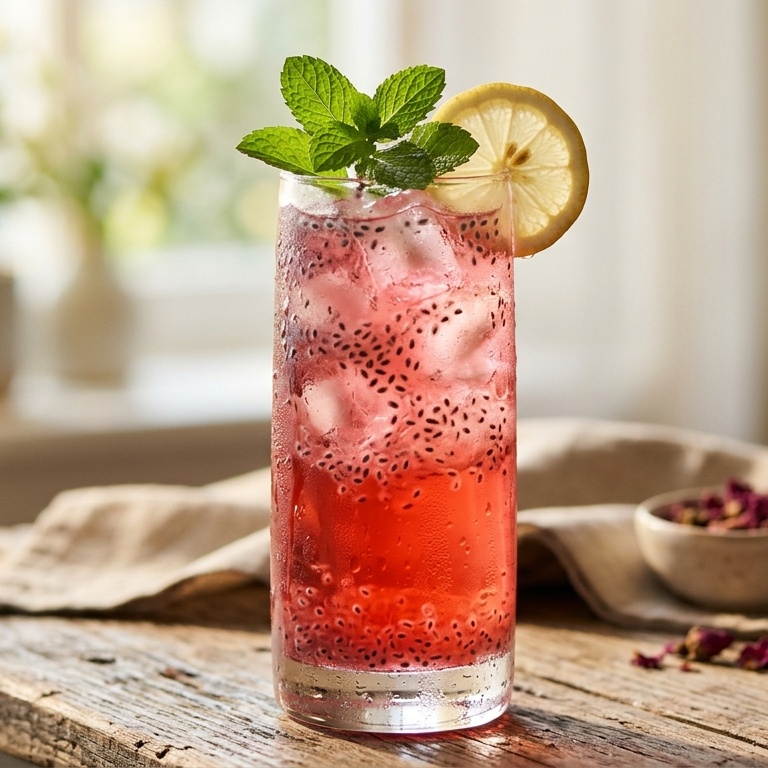
Walking into an international market or browsing summer drink recipes often leads to a sweet, brightly colored drink called sharbat. Many people in the United States confuse it with frozen fruit sherbet, while others wonder if it contains alcohol or unusual herbal medicines.
What Is Sharbat?
Sharbat is a chilled, non-alcoholic drink popular across the Middle East, Central Asia, and South Asia. It is prepared by mixing a concentrated syrup made from fruit juices, flower petals, or herbs with cold water, milk, or club soda. While Western frozen sherbet shares the same historical name, traditional sharbat is always a liquid beverage.
Alcohol & Safety Boundary: Sharbat is completely non-alcoholic, making it a staple family refreshment during summer celebrations and religious holidays like Ramadan.
This guide covers the history of sharbat, key botanical ingredients, global regional variations, and an easy 15-minute homemade rose sharbat recipe. If you want to explore other refreshing international drinks, read our guides to Middle Eastern drinks, basil seeds in drinks, and the difference between sherbet and sorbet.
What is Sharbat?
Sharbat is an aromatic, sweet beverage served cold over ice.
The base is a concentrated syrup simmered from sugar, water, and fragrant plant extracts. When serving, you pour a splash of this traditional Middle Eastern sharbat syrup into a tall glass, then dilute it with cold water, crushed ice, club soda, or cold milk.
The word sharbat comes from the Persian word sharbat, which traces back to the Arabic verb shariba, meaning "to drink." Historically, people drank it as a refreshing herbal infusion to stay hydrated in arid desert climates. Today, millions of families across Iran, Turkey, India, and Pakistan enjoy this sweet cordial during warm weather.
Taste, Texture, and Appearance
The flavor of a sharbat drink depends on the botanical ingredients used to brew the syrup:
- Floral styles: Rose and orange blossom sharbats offer a sweet perfume balanced by fresh lemon juice.
- Fruit styles: Pomegranate, sour cherry, and green raw mango sharbats deliver a crisp, tart flavor that cuts through summer heat.
- Herbal styles: Syrups made with mint or green khus (vetiver grass root) give the drink a cool, earthy finish.
When diluted with water, sharbat is a crisp, light summer refresher. When mixed with cold milk, it becomes a creamy cold milk and rose drink, resembling a light fruit shake.
Is Sharbat Non Alcoholic?
Sharbat is completely non-alcoholic. While the Arabic root word sharab evolved in some languages to describe intoxicating drinks, sharbat developed strictly as a family-friendly soft drink. Millions of Muslim families drink cold sharbat at sunset during Ramadan to rehydrate after a day of fasting.
Sharbat vs. Sherbet vs. Sorbet: What is the Difference?
The similarity between these three words creates confusion for American readers. While they share the same historical root, they refer to different foods today:
| Feature | Sharbat (Traditional) | Sherbet (American) | Sorbet (French) |
|---|---|---|---|
| Food category | Liquid chilled beverage | Frozen dessert | Frozen dessert |
| Main base | Concentrated fruit or floral syrup + water | Fruit puree, sugar, water, and milkfat | Fruit puree, sugar, and water |
| Dairy content | Optional (mixed with water or milk) | Contains 1% to 2% milkfat | 100% dairy-free |
| Texture | Crisp liquid or light milk drink | Scoopable, creamy frozen dessert | Scoopable, icy frozen dessert |
| Serving style | Poured into a glass over ice | Served in a bowl or cone with a spoon | Served in a bowl or cone with a spoon |
When European travelers visited the Ottoman Empire in the 16th century, they encountered chilled fruit sharbats. Italian cooks adapted the idea into fruit ices called sorbetto, which spread to France as sorbet. American commercial dairies later added milkfat to fruit ice, creating frozen sherbet.
The History of the World's First Soft Drink
Many food historians consider sharbat to be the world's first recorded soft drink. Long before bottled sodas existed, ancient cooks discovered that boiling seasonal fruits and edible flowers with sugar preserved delicate flavors for months.
Ancient Persian Origins and Medicinal Roots
The earliest documented recipes for sharbat appear in 11th-century Persian medical texts, including the writings of the physician Ibn Sina (known in the West as Avicenna). Ibn Sina prescribed floral and herbal syrups dissolved in cold water to lower body heat, aid digestion, and soothe emotional stress.
Spread Across the Ottoman and Mughal Empires
During the Ottoman Empire, palace kitchens in Istanbul employed specialized teams of syrup brewers called helvacı. Servants presented chilled carafes of rose, tamarind, and clove sharbat at royal banquets. The beverage achieved similar status in India under the Mughal Empire. Historical records describe royal supply runners carrying fresh snow and ice from the Himalayan mountains down to Delhi so emperors could enjoy iced fruit sharbat during the peak heat of summer.
Traditional Variations Around the World
Different cultures have adapted sharbat using native herbs, seeds, and flowers:
Persian Sharbat (Iran)
Offering cold Persian sharbat to houseguests is a standard sign of hospitality. Popular versions include:
- Sharbat-e Golab: Rose water, light syrup, and fresh lime juice.
- Sharbat-e Khakshir: Cooling flixweed seeds floating in lightly sweetened water.
- Sharbat-e Tokhm-e Sharbati: Bloomed wild sweet basil seeds in citrus and rose syrup.
South Asian Indian Sharbat (India and Pakistan)
South Asian families enjoy commercial concentrates alongside artisanal street creations:
- Rooh Afza: Formulated in 1907 by Hamdard, a legendary cooling concentrate blending rose, screwpine (kewra), and refreshing herbs.
- Mohabbat ka Sharbat: A famous Old Delhi street drink prepared with chilled whole milk, rose syrup, and crisp watermelon cubes.
- Sattu Sharbat: A savory and refreshing cooler made with roasted gram flour, cold water, roasted cumin, and fresh lemon.
- Aam Panna: Roasted green mango pulp sweetened with jaggery and seasoned with digestive black salt.
Turkish Şerbet (Turkey)
Turkish şerbet features spiced fruit cordials steeped from whole botanicals:
- Lohusa Şerbeti: A crimson ceremonial drink spiced with cinnamon, cloves, and red sugar crystals served during postpartum celebrations.
- Reyhan Şerbeti: Fragrant purple basil steeped with sugar and fresh lemon.
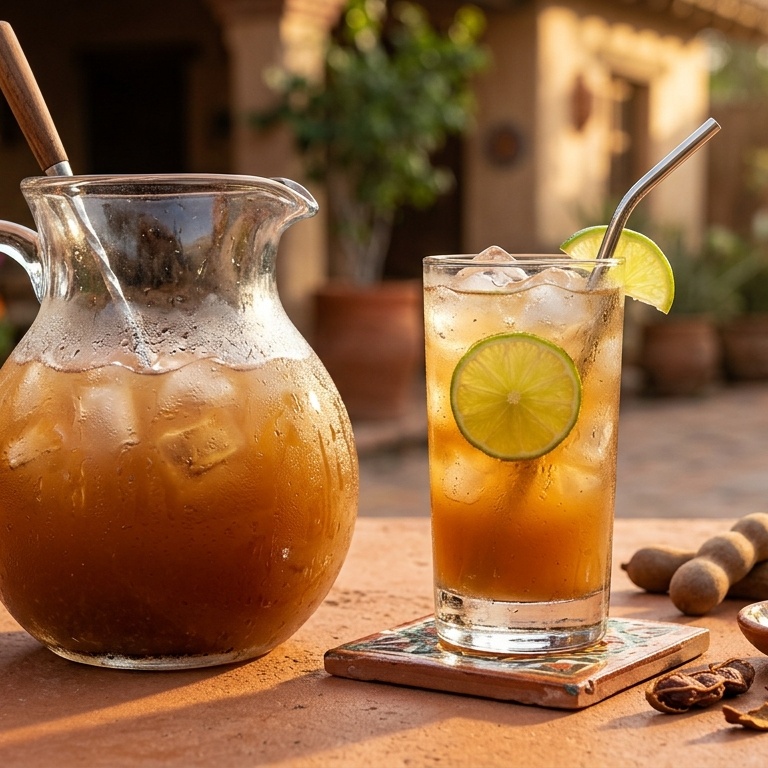
- Demirhindi Şerbeti: Sweet-tart tamarind sharbat simmered with warming spices.
Key Ingredients in Authentic Sharbat
You can make authentic sharbat at home with three basic components:
The Sweet Base
Traditional syrups rely on granulated cane sugar, honey, or unrefined raw jaggery. The sugar preserves the botanical extracts and allows the syrup to dissolve smoothly into ice-cold water.
Botanicals and Flower Petal Syrup
Pure distilled rose water (Rosa damascena), kewra screwpine water, emerald green khus (vetiver grass root syrup), and fresh citrus juice provide fragrance and natural acidity to balance the sweetness.
Cooling Seeds: Basil Seeds vs. Chia Seeds
Sweet basil seeds (known as sabja or tokhm-e sharbati) swell in cold water within 5 minutes, forming a soft translucent gel ring around a crunchy seed center. In Unani medicine, basil seeds cool internal body heat. While chia seeds work as an acceptable substitute in American kitchens, they take 20 to 30 minutes to swell and have a heavier gel texture.
How to Make Sharbat at Home with Basil Seeds (15-Minute Recipe)
This simple sharbat recipe lets you make authentic rose sharbat in under 15 minutes. It yields 4 refreshing servings.
Traditional Persian Rose Sharbat with Basil Seeds
Ingredients
- • 1/4 cup pure culinary distilled rose water
- • 1/2 cup granulated cane sugar or rock sugar (mishri)
- • 1/2 cup filtered water (for simple syrup)
- • 1 tablespoon sweet basil seeds (sabja / tukmaria)
- • 1 tablespoon freshly squeezed lemon juice
- • 3 cups ice-cold filtered water or chilled sparkling club soda
- • 1 cup crushed ice or clean ice cubes
- • Garnish: Fresh mint sprigs and edible organic rose petals
Equipment Needed
- – Small saucepan (for rose syrup)
- – Small bowl (for blooming basil seeds)
- – Fine-mesh strainer
- – 4 tall highball glasses and bar spoon
Preparation Method
Sweet basil seeds (sabja) swell in minutes into gelatinous pearls loaded with prebiotic soluble fiber. In Persian and Unani traditional wellness, sabja seeds are prized for their calming effect on the digestive tract and their ability to regulate internal heat during hot climates.
Nutritional Value and Health Considerations
Sharbat is an occasional refreshing treat rather than an everyday replacement for plain water:
Calories and Sugar Content
An 8-ounce glass of sharbat made with 2 tablespoons of syrup contains between 90 and 120 calories, coming entirely from simple carbohydrates. If you mix the syrup with whole milk instead of water, the calorie count reaches 200 to 250 calories per glass.
Hydration Benefits
When prepared with water and bloomed basil seeds, sharbat delivers rapid fluid replenishment. The soluble fiber in basil seed mucilage helps keep the digestive tract comfortable in hot weather.
Low-Sugar Adjustments
You can brew floral concentrates using monk fruit sweetener or stevia instead of cane sugar. Because sugar acts as a natural preservative, store sugar-free botanical syrups in the refrigerator and use them within 5 days.
Frequently Asked Questions About Sharbat
Is sharbat the same as sherbet?
No. Traditional sharbat is a chilled liquid drink served in a glass over ice. American sherbet is a frozen, scoopable dessert made with fruit juice, sugar, and milkfat.
Does sharbat have alcohol?
No. Authentic sharbat is completely non-alcoholic. It is made from fruit juices, flower waters, sugar, and herbs diluted with cold water or milk.
What is sharbat made of?
Sharbat is made from a concentrated syrup of sugar, water, and botanical flavorings like rose water, fruit juice, or herbs, which is then mixed with cold water, milk, or soda water. Bloomed basil seeds are often added for texture.
Why do people drink sharbat during Ramadan?
Muslim families drink sharbat at sunset during Ramadan because it provides immediate hydration, restores blood glucose levels after hours of fasting, and cools the body.
What are the health benefits of drinking sharbat?
Traditional herbal sharbats made with basil seeds, mint, or raw mango supply electrolytes, aid digestion, and reduce feelings of heat exhaustion. However, because most versions contain added sugars, enjoy them in moderation.
What does sharbat taste like?
Sharbat tastes sweet, floral, and lightly tangy. The most popular rose version tastes like crisp, refreshing lemonade infused with fragrant rose petals.
Can I make sharbat without sugar?
Yes. You can sweeten your botanical infusions with monk fruit sweetener, stevia, or raw honey. Keep sugar-free syrups refrigerated, as they lack the preservative properties of traditional sugar syrups.
Where can I buy sharbat syrup in the United States?
You can buy commercial sharbat syrups (such as Rooh Afza or Persian Golab syrup) in Middle Eastern, South Asian, and Mediterranean grocery stores, as well as from major online food retailers.
What is the difference between sabja seeds and chia seeds in sharbat?
Sabja (sweet basil) seeds swell in water within 5 minutes and maintain a crisp, crunchy center inside a soft gel ring. Chia seeds take 20 to 30 minutes to swell, absorb more liquid, and contain higher levels of omega-3 fats.
The Bottom Line
Summary and Practical Takeaways
Sharbat is the world's original soft drink—an aromatic, non-alcoholic botanical cordial steeped from floral waters, fruits, and herbs that has refreshed arid desert cultures for over a millennium.
- Floral Distillates: Steeped from natural botanical waters including Damascus rose (golab), kewra (screwpine), and orange blossom.
- Soothing Sabja Seeds: Bloomed sweet basil seeds create a natural cooling gel that aids digestive comfort and hydration.
- Versatile Refreshment: Dilute aromatic syrup with iced water, sparkling club soda, or cold whole milk for creamy Mohabbat ka Sharbat.
- Historical Lineage: Formulated by classical Persian physicians like Ibn Sina as the direct botanical ancestor of modern sherbet and sorbet.
Sources and Review Standards
- Ibn Sina (Avicenna). The Canon of Medicine (Al-Qanun fi al-Tibb): Materia Medica on Floral and Herbal Syrups
- The Oxford Companion to Food: History and Evolution of Sharbat, Sherbet, and Sorbet. Oxford University Press
- Hamdard Laboratories: Historical Formulation of Rooh Afza and Unani Cooling Botanical Principles (1907)
- Food and Agriculture Organization (FAO): Nutritional Profiles and Mucilage Properties of Ocimum basilicum (Sweet Basil) Seeds





Comments and reviews (0)