


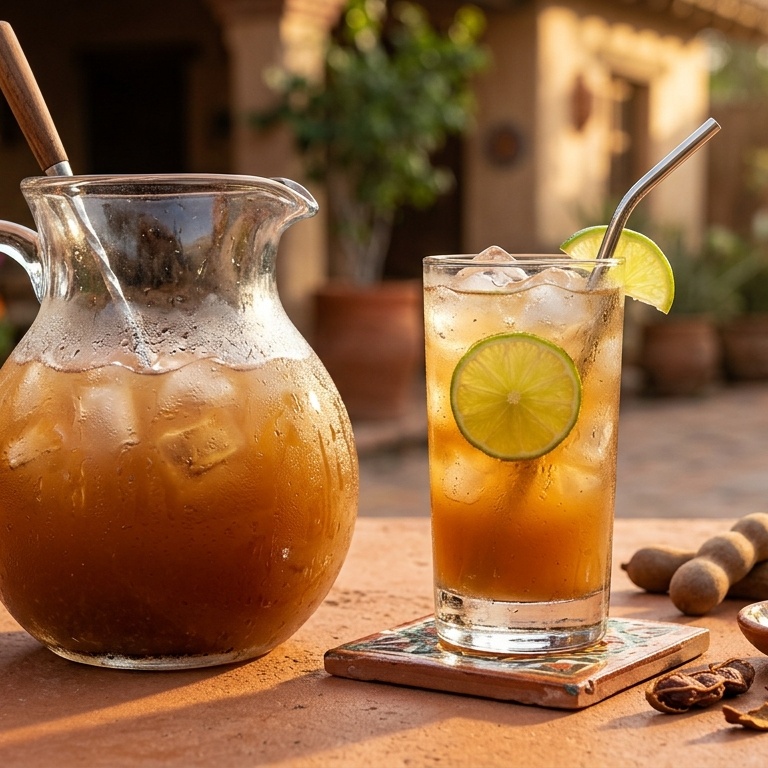
Many people first taste tamarind water at a neighborhood Mexican restaurant and wonder how a brown, wrinkly pod produces such a clean, thirst-quenching drink. That curiosity turns into confusion when you stand in the grocery aisle trying to figure out whether to buy brittle whole pods, compressed brown blocks, or dark jars of cooking paste.
What Is Tamarind Water (Agua de Tamarindo)?
Tamarind water, traditionally known in Mexico as agua de tamarindo, is a refreshing beverage made by simmering peeled tamarind pods, separating the tart pulp from the seeds, and blending the fruit puree with fresh water and sweetener. It delivers a bold sweet-and-sour flavor driven by natural tartaric acid. Tamarind water is caffeine-free, rich in potassium, and widely used to support gentle daily digestion.
Acid & Serving Safety: Because tamarind contains concentrated tartaric acid, limit your daily intake to one or two 8-ounce glasses to avoid digestive upset. Drink it through a straw or rinse your mouth with water afterward to protect your dental enamel.
This guide covers cultural origins, digestive biochemistry, a buying guide for grocery shoppers, a comparison with other aguas frescas, and two tested recipes. If you want to explore other mineral-rich drinks, check out our comprehensive pillar guide to natural electrolyte drinks, our traditional recipe for agua de horchata, and our guide to digestive wellness tonics.
Tamarind Water at a Glance
| Property | Specification |
|---|---|
| Traditional Name | Agua de Tamarindo (Mexican tamarind water) |
| Botanical Source | Tamarindus indica (Fabaceae / Legume family) |
| Flavor Profile | Sweet, tangy, sour, deep stone-fruit undertone |
| Caffeine Content | 0 mg (Naturally caffeine-free) |
| Key Active Acid | Tartaric acid (Natural digestive stimulant) |
| Primary Micronutrients | Potassium, magnesium, calcium, iron, thiamine |
| Traditional Sweeteners | Piloncillo (raw cane sugar cone), turbinado sugar, white sugar |
| Low-Sugar Sweeteners | Pure allulose, monk fruit extract, stevia, light agave |
| Serving Temperature | Ice-cold over cubed ice in tall glasses |
What Is Mexican Tamarind Water (Agua de Tamarindo)?
Mexican tamarind water is a staple agua fresca, a category of light, non-alcoholic fruit beverages served cold from large barrel-shaped glass dispensers called vitroleros.
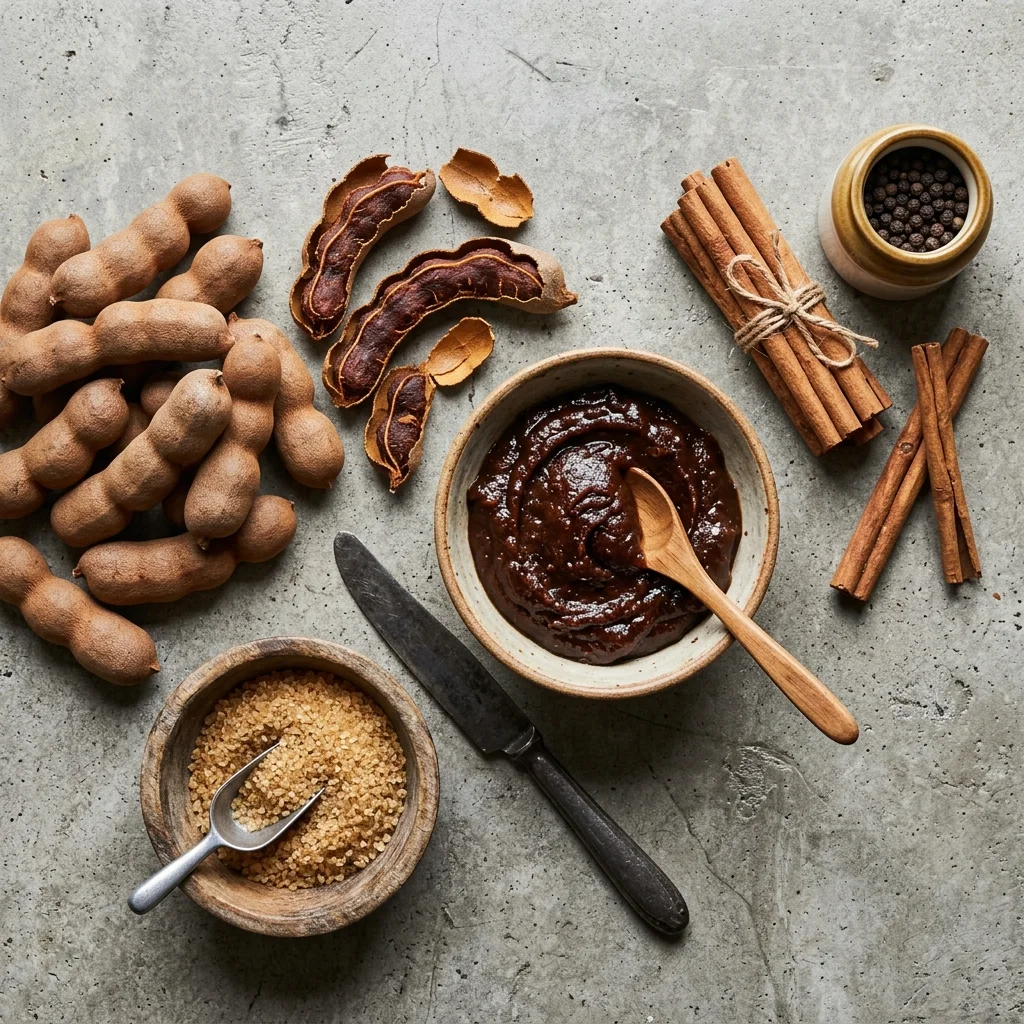
The tamarind tree (Tamarindus indica) produces long, brown bean-like pods. Inside each pod sits a sticky, dark brown fruit pulp that wraps tightly around hard, glossy seeds.
To create tamarind water, cooks soften this pulp in water, strain away the hard seeds and fibrous strings, and dilute the concentrated fruit puree with cold water and cane sugar.
The Flavor Profile: Sweet, Tangy, and Earthy
Tamarind does not taste like ordinary citrus fruits. Lemons and limes derive their sharp bite from citric acid, but tamarind contains high levels of tartaric acid and malic acid.
- The front taste: A bold, mouth-watering sourness that wakes up your salivary glands immediately.
- The middle taste: Deep, fruity notes reminiscent of dried apricots, Medjool dates, and dark raisins.
- The finish: A rounded sweetness with an earthy, slightly savory depth that pairs naturally with spicy foods.
The Cultural Tradition of Mexican Aguas Frescas
The tamarind tree originated in tropical Africa and spread across South Asia thousands of years ago. In the sixteenth century, Spanish trading ships known as the Manila galleons brought the plant to Mexico through the Pacific port of Acapulco.
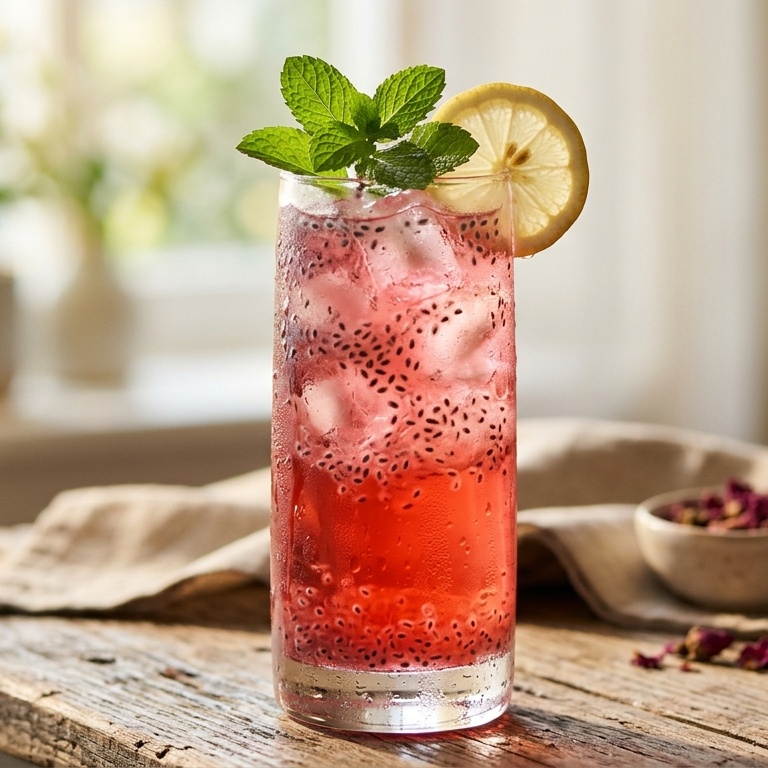
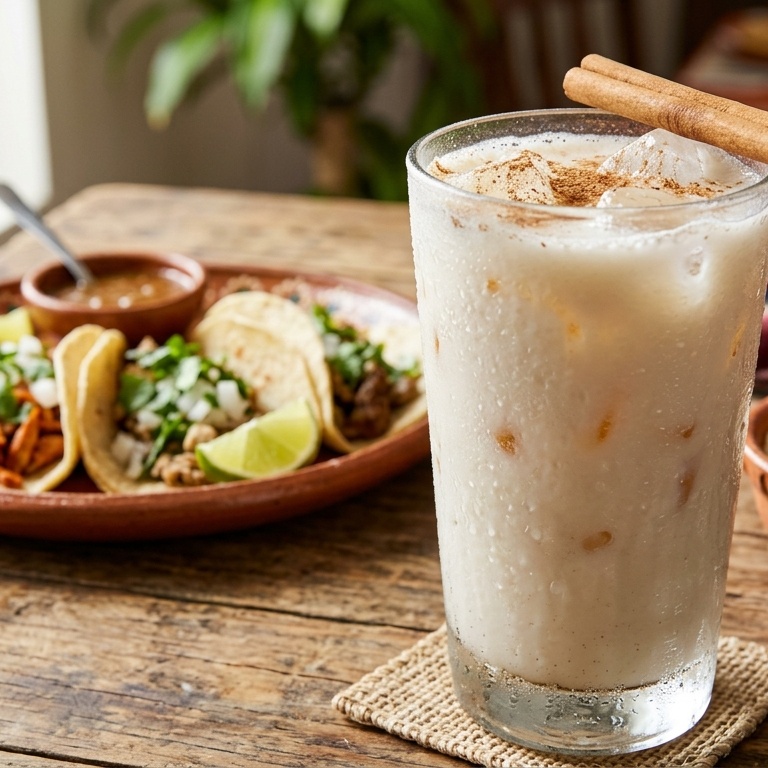
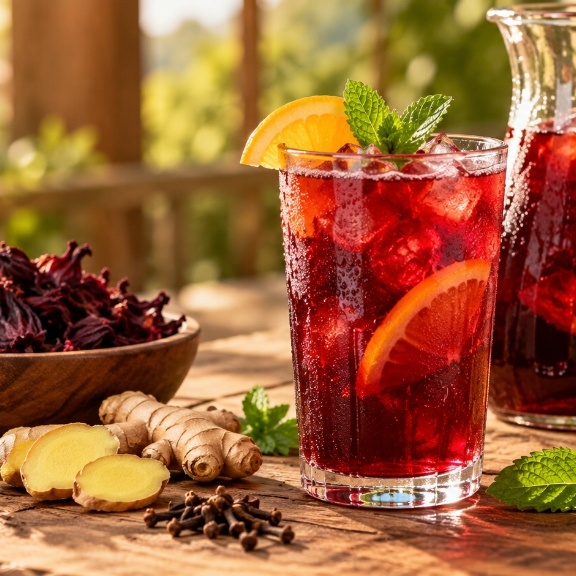
The fruit adapted quickly to Mexico's warm regional climate. Mexican cooks paired tamarind's intense acidity with native cane sugars, establishing agua de tamarindo as one of the three classic aguas frescas, alongside agua de horchata (sweet cinnamon rice milk) and agua de jamaica (tart hibiscus flower tea).
Today, street taquerias, local markets, and family restaurants across Mexico and the United States serve ladles of iced tamarind water from condensation-covered glass vitroleros.
Health Benefits of Tamarind Water
Beyond its popularity as a cooling summer refresher, tamarind water provides distinct nutritional benefits when prepared with moderate sweetness.
| Nutrient (Per 100g Raw Pulp) | Amount | Daily Value (DV) / Role |
|---|---|---|
| Calories | 239 kcal | Natural carbohydrate energy |
| Dietary Fiber | 5.1 g | 18% DV (Promotes bowel regularity) |
| Potassium | 628 mg | 13% DV (Intracellular fluid balance) |
| Magnesium | 92 mg | 22% DV (Muscle relaxation & nerves) |
| Calcium | 74 mg | 6% DV (Bone structural integrity) |
| Iron | 2.8 mg | 16% DV (Oxygen transport) |
| Thiamine (Vitamin B1) | 0.43 mg | 36% DV (Cellular energy metabolism) |
| Tartaric Acid | 8.0 g to 12.0 g | Natural organic digestive acid |
Natural Digestion and Gut Motility Support
Tamarind has a long history in traditional herbal wellness as a gentle digestive aid.
This digestive action relies on two active components: Tartaric acid stimulates salivary flow and gastric secretions, helping your stomach break down heavy proteins and fats. Potassium bitartrate and soluble pectin draw moisture into your intestinal tract, softening stool and encouraging smooth, regular bowel movements. Unlike synthetic laxatives, drinking a single glass of homemade tamarind water provides mild, natural support for sluggish digestion.
Rich in Potassium and Vital Electrolytes
A 100-gram portion of raw tamarind pulp delivers 628 milligrams of potassium. Potassium acts as an essential mineral electrolyte that balances cellular fluid levels after outdoor exercise, counters the hypertensive effects of dietary sodium to support healthy blood pressure, and prevents painful muscle cramps after heavy physical exertion.
Polyphenols and Cardiovascular Defense
The deep reddish-brown color of tamarind pulp comes from dense concentrations of plant polyphenols, including catechin, epicatechin, and proanthocyanidins. These antioxidant compounds scavenge free radicals throughout your cardiovascular system, shielding LDL cholesterol particles from oxidative damage and reducing systemic cellular inflammation.
Buying Guide: Fresh Tamarind Pods vs. Tamarind Paste and Pulp Blocks
Finding tamarind in American grocery stores can be confusing because the fruit appears in several distinct commercial forms:
| Product Form | Common Packaging | Prep Effort | Drink Quality | Best Kitchen Use |
|---|---|---|---|---|
| Whole Fresh Pods | Cardboard box or loose plastic bag | 20 min (cracking, deseeding) | Exceptional (Purest flavor) | Authentic weekend drinks, traditional recipes |
| Compressed Pulp Blocks | 14 oz pliable plastic brick | 5 min (warm water soak) | Excellent (Rich & fast) | Quick weeknight drinks, daily gut tonics |
| Asian Cooking Paste | Glass jar or plastic tub | Instant (dilute with water) | Poor to fair (Astringent/salty) | Pad thai, curries, savory sauces |
| Bottled Drink Syrups | Glass bottle or jug | Instant (dilute with water) | Low (Corn syrup & dyes) | Party punch (Not recommended) |
How to Clean and Prepare Tamarind Pods Without the Mess
Many first-time cooks ruin their preparation by trying to pry raw seeds out of dry pods with a knife. Follow this professional order of operations:
- Crack the outer shell: Press your thumbs into the center of each pod until the brittle shell fractures. Peel away the dry shell fragments and discard them.
- Remove the side veins: Pull off the stiff, fibrous veins running along the sides of the sticky fruit pulp, exactly like stringing a sugar snap pea.
- Do not cut out the seeds yet: The raw pulp sticks tenaciously to the hard seeds. Trying to scrape them raw wastes fruit and creates a sticky mess.
- Soften in hot water first: Simmer the peeled pods in hot water for 10 minutes. The hot liquid softens the pulp fibers into a loose slurry, allowing the slick seeds to slide out between your fingers with zero effort.
Traditional Mexican Tamarind Juice Recipe (From Scratch)
This classic method mirrors the way Mexican street vendors and home cooks prepare authentic agua de tamarindo.
Authentic Mexican Agua de Tamarindo (From Scratch)
Ingredients
- • 1/2 pound (15-20) fresh sweet-tart tamarind pods
- • 6 cups clean drinking water (divided: 3 cups hot, 3 cups cold)
- • 1/2 to 3/4 cup granulated cane sugar (or 1 small cone Mexican piloncillo, chopped)
- • 4 cups clean ice cubes
- • Optional Garnish: Fresh lime wheels or a light Tajin seasoning rim
Equipment Needed
- – Stainless steel saucepan (Never aluminum)
- – Blender
- – Fine-mesh wire strainer and silicone spatula
- – Large glass pitcher (vitrolero style)
Preparation Method
Tamarind contains exceptionally high concentrations of natural tartaric acid that chemically reacts with raw aluminum, pitting the metal and releasing a metallic taste into your drink. Always use stainless steel, enameled cast iron, or glass cookware.
How to Make Tamarind Water with Paste (5-Minute Method)
If you lack the time to peel and deseed whole pods, make tamarind water with a compressed seedless tamarind block.
Ingredients: 4 ounces seedless tamarind pulp block, 1 cup very hot water, 4 cups cold drinking water, 1/3 cup raw agave nectar or simple syrup, and 3 cups ice cubes.
- Step 1 (Soften): Cut a 4-ounce chunk from your compressed tamarind block. Place it in a heatproof ceramic bowl and pour 1 cup of boiling water over it. Let it stand for 3 minutes.
- Step 2 (Mash): Use a fork or potato masher to press and break apart the softened pulp until it dissolves into a uniform paste.
- Step 3 (Strain): Pour the paste through a fine-mesh wire strainer directly into your glass pitcher, scraping the bottom of the mesh to capture all fruit puree.
- Step 4 (Combine & Serve): Add 4 cups of cold water and 1/3 cup of agave nectar. Whisk until dissolved, add ice, and serve.
Tamarind Water Variations: Low-Sugar and Cold Brew
Tamarind Water Without Sugar (Keto and Diabetic Adaptations)
Traditional restaurant tamarind drinks carry significant amounts of dissolved cane sugar to balance tartaric acid. For individuals managing diabetes, insulin sensitivity, or following a ketogenic diet, you can prepare an unrefined, zero-sugar version at home:
- Liquid allulose: Dissolves completely in cold liquids without crystallizing and replicates the clean mouthfeel of cane sugar without impacting blood glucose. Use 1/2 cup liquid allulose per quart.
- Pure monk fruit extract: Adds high-intensity sweetness without bitterness. Use 1/4 teaspoon pure monk fruit powder per quart.
- Stevia glycerite: 8 to 12 drops of liquid stevia glycerite soften the sharp acidity of tartaric acid without an astringent aftertaste.
Cold Brew Tamarind Water (No-Boil Method)
If you prefer to avoid cooking, you can prepare tamarind water using an overnight cold-infusion process.
Pull 4 ounces of seedless tamarind pulp block into small marble-sized pieces. Place them into a 2-quart glass pitcher, add 5 cups of room-temperature filtered water, and refrigerate for 12 to 18 hours. In the morning, whisk the softened pulp into the liquid, strain through a fine-mesh sieve, stir in your preferred sweetener, and serve over ice. Cold brewing produces a lighter, cleaner flavor with slightly less acidity and preserves heat-sensitive botanical compounds.
Tamarind Water vs. Other Classic Aguas Frescas
Mexican cuisine relies on three classic drinks to refresh the palate against spicy food. Here is how tamarind compares to its companions:
| Characteristic | Agua de Tamarindo | Agua de Jamaica | Agua de Horchata |
|---|---|---|---|
| Primary Base | Whole tamarind fruit pulp | Dried hibiscus calyces | Long-grain white rice & cinnamon |
| Flavor Profile | Sweet, sour, tangy, caramel notes | Tart, floral, cranberry-like bite | Sweet, creamy, warm cinnamon spice |
| Primary Acid | Tartaric acid and malic acid | Citric acid and malic acid | None (Lactic notes if using dairy) |
| Dairy Content | 100% Dairy-Free (Vegan) | 100% Dairy-Free (Vegan) | Often contains condensed milk |
| Digestion Impact | Stimulates bowel motility | Mild natural diuretic action | Soothes stomach lining and spicy heat |
| Best Food Pairing | Carnitas, rich barbacoa, pork stews | Carne asada, grilled steak tacos | Fiery habanero salsas, enchiladas |
Common Mistakes, Safety Warnings, and Side Effects
To enjoy tamarind water without side effects, keep these practical safety points in mind:
- Seed Ingestion Hazard: Never blend whole tamarind pods without removing the seeds. Tamarind seeds are rock-hard, glossy stones that can crack blender blades, chip teeth, or cause serious choking hazards in young children. Always discard the seeds before blending or straining your pulp.
- The Laxative Boundary: Because tamarind contains natural tartaric acid, potassium bitartrate, and dietary fiber, drinking excessive quantities can produce loose stools or diarrhea. Stick to a healthy daily limit of one to two 8-ounce glasses. Drinking more than 3 or 4 large glasses in a single afternoon will likely trigger a laxative response.
- Tooth Enamel Protection: Tamarind water has an acidic pH comparable to fresh orange juice. Acid temporarily softens tooth enamel. Drink tamarind water through a straw to reduce contact with your front teeth, rinse your mouth with plain water after finishing, and wait at least 30 minutes before brushing your teeth.
- Medication Considerations: Clinical pharmacological studies note that high intakes of tamarind fruit can increase the bioavailability and absorption rate of certain over-the-counter medications, including ibuprofen and aspirin. If you regularly take non-steroidal anti-inflammatory drugs (NSAIDs), avoid drinking large amounts of tamarind water simultaneously.
Frequently Asked Questions About Tamarind Water
What does tamarind water taste like?
Tamarind water has a distinct sweet-and-sour flavor. The first sip brings a sharp, refreshing tang driven by tartaric acid, followed by deep fruit undertones similar to dried apricots, dates, and subtle caramel.
Is tamarind water good for digestion?
Yes. Tamarind contains natural tartaric acid, potassium bitartrate, and soluble pectin. These compounds stimulate salivary secretions and gently encourage regular bowel motility.
Can diabetics drink tamarind water?
Yes, provided it is prepared without refined cane sugar. Homemade tamarind water sweetened with allulose, stevia, or monk fruit allows diabetics to enjoy the drink's potassium and polyphenol benefits without blood sugar spikes.
How do you make tamarind water without sugar?
Dissolve 4 ounces of softened tamarind pulp in 4 cups of cold water, strain out the solids, and stir in zero-calorie sweeteners like liquid allulose, pure stevia drops, or monk fruit extract to taste.
Does tamarind water contain caffeine?
No. Tamarind water is 100% caffeine-free. You can enjoy it in the evening without disrupting your sleep schedule.
Are tamarind seeds edible?
Raw tamarind seeds are rock-hard and cannot be chewed or digested safely. While some traditional Asian cultures roast and boil them after peeling the outer testa, home cooks preparing beverages should always discard them.
Can pregnant women drink tamarind water?
In many traditional cultures, pregnant women drink small amounts of tamarind water to calm mild morning nausea. However, because excessive amounts can cause loose stools, pregnant individuals should consume it in moderation and check with their physician.
How long does homemade tamarind water last in the refrigerator?
Stored in an airtight glass jar or covered pitcher, fresh homemade tamarind water keeps well for up to 5 days in the refrigerator. Stir the liquid before pouring, as natural fruit pulp settles to the bottom over time.
The Bottom Line
Summary and Practical Takeaways
Tamarind water (Agua de Tamarindo) delivers an assertive balance of mouth-puckering tartness and rich caramel depth, driven by natural tartaric acid and essential electrolytes.
- Digestive Acid Profile: Natural tartaric and malic acids stimulate salivary flow and gastric enzymes for smooth post-meal digestion.
- Electrolyte Rich: Supplies natural potassium and magnesium, making it an effective clean post-workout rehydration tonic.
- Zero-Grit Extraction: Simmer whole fruit pulp, mash thoroughly, and strain through a stainless steel fine sieve for silky clarity.
- Enamel Protection: Drink through a straw or rinse your mouth with plain water afterward to safeguard tooth enamel from natural fruit acidity.
Sources and Review Standards
- U.S. Department of Agriculture (USDA) FoodData Central: Micronutrient and Organic Acid Breakdown of Tamarindus indica
- National Institutes of Health (PubMed): Evaluation of Organic Acids, Polyphenols, and Antioxidant Capacity in Tamarind Pulp
- Food and Agriculture Organization (FAO): Traditional Processing and Nutritional Values of Tropical Pod Fruits
- World Health Organization (WHO): Guidelines on Potassium Intake and Natural Dietary Sources






Comments and reviews (0)