


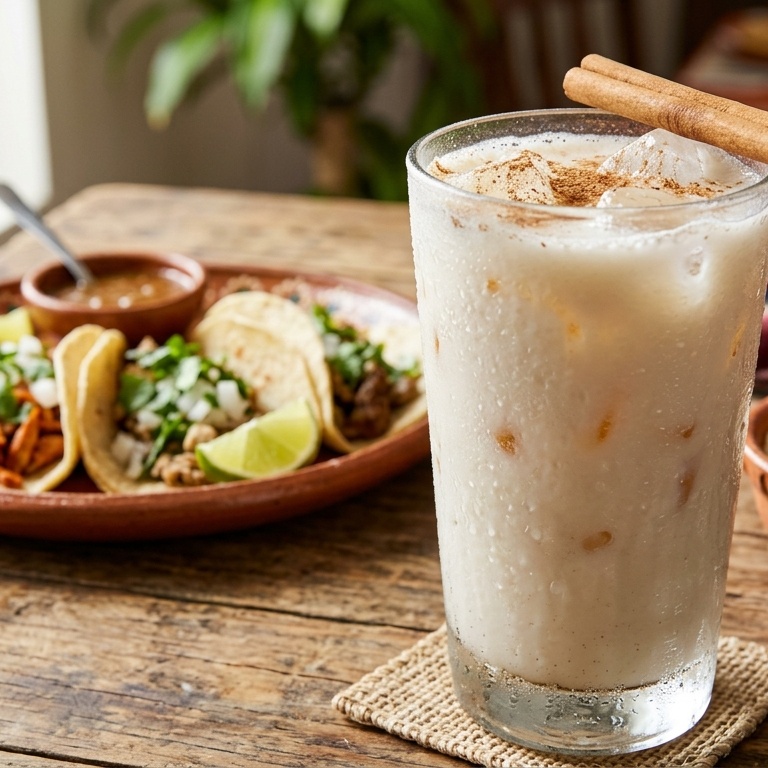
Walking up to a taco truck on a hot afternoon often brings you face to face with large glass barrel dispensers filled with an icy, milky white drink dusted with ground cinnamon. Many people wonder what it is made of, whether it contains dairy, and how it gets its creamy consistency without heavy cream.
What Is Horchata?
Horchata is a traditional sweet, spiced plant milk drink classified as an agua fresca (fresh fruit or grain water). In Mexico and the United States, horchata is made by soaking long-grain white rice and cinnamon sticks in water, blending the mixture into a fine slurry, straining out the grain solids, and sweetening the liquid with sugar, vanilla, and frequently evaporated or condensed milk. It has a light, creamy texture, 0.0 percent alcohol, and a comforting flavor resembling drinkable rice pudding.
Dietary Notice: While historic Mexican horchata is naturally dairy-free, modern American restaurants frequently add condensed milk. If you are vegan or lactose intolerant, ask about dairy ingredients before ordering.
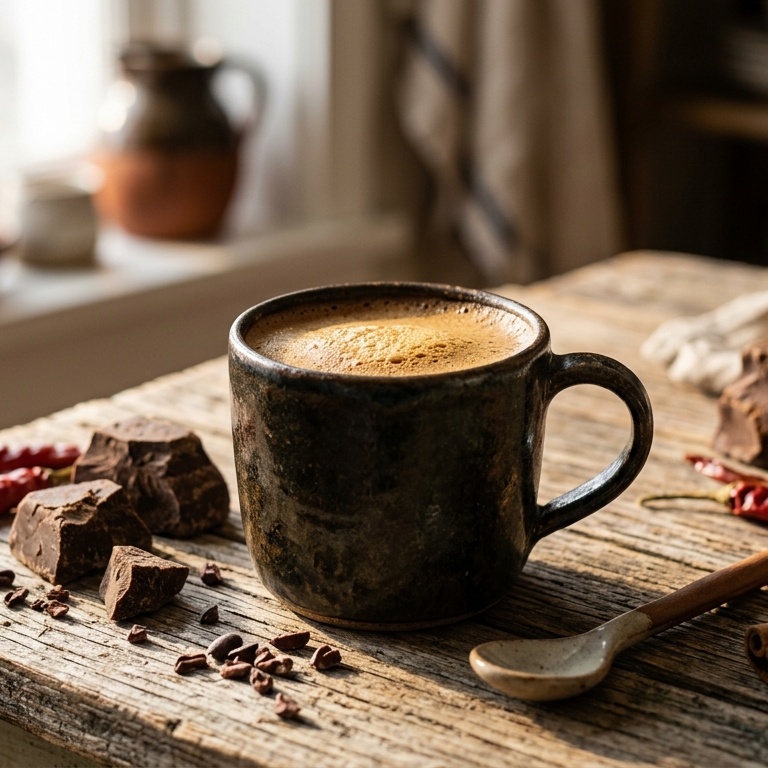
This guide covers horchata ingredients, grain science, dual-straining techniques to eliminate chalky grittiness, global regional variations, and an authentic restaurant-quality recipe. If you want to explore other refreshing beverages, read our guides to non-alcoholic drinks, traditional Mexican hot chocolate, and homemade almond milk.
What Does Horchata Taste Like?
Horchata tastes sweet, creamy, and gently spiced.
The dominant flavor is aromatic cinnamon balanced by sweet vanilla. The soaked rice releases natural starch that gives the drink body without feeling as heavy as a dairy milkshake.
When poured over ice, horchata delivers a cooling sensation that cleanses the palate, making it a refreshing pairing for warm weather and savory meals.
Core Ingredients: The Anatomy of Mexican Horchata
Traditional Mexican horchata (horchata de arroz) relies on a handful of pantry staples:
- Long-grain white rice (Oryza sativa): Standard long-grain white rice supplies the amylose starch that creates the drink's milky body. Long-grain rice contains roughly 19% to 23% amylose, which dissolves into a smooth suspension in water. Avoid short-grain sticky rice or sushi rice. Short-grain varieties contain high levels of branched amylopectin, which turns the blended mixture gummy.
- Mexican canela (Ceylon cinnamon): Authentic recipes require true Ceylon cinnamon bark (Cinnamomum verum). Canela bark is soft, paper-thin, and easy to crumble by hand. It contains only 0.004% coumarin, releasing sweet floral notes without the harsh, woody bitterness of common supermarket cassia cinnamon (Cinnamomum cassia), which contains up to 1% coumarin.
- Filtered water: Clean water extracts starches and aromatic oils from the rice and cinnamon during the soaking phase.
- Sweeteners: Granulated pure cane sugar, sweetened condensed milk, or unrefined piloncillo cane sugar provide sweetness.
- Dairy components (Optional): Traditional street-stall versions relied solely on rice starch and water, but modern recipes frequently incorporate evaporated milk or whole milk for added richness.
- Pure vanilla extract: A splash of real Mexican vanilla rounds out the cinnamon warmth.
Step-by-Step Authentic Horchata Recipe (Smooth and Gritty-Free)
The most common complaint from home cooks is chalky, gritty horchata. Follow this dual-straining method to create restaurant-quality horchata with a silky finish.
Authentic Silky Mexican Horchata
Ingredients
- • 1 cup uncooked long-grain white rice (rinsed)
- • 2 sticks Mexican canela (Ceylon cinnamon), roughly broken
- • 3 cups hot filtered water (for soaking)
- • 3 cups cold filtered water (for blending and dilution)
- • 1 can (12 oz) evaporated milk (or creamy coconut milk for vegan)
- • 1 can (14 oz) sweetened condensed milk (or sweetened condensed oat milk)
- • 1 teaspoon pure vanilla extract
- • Garnish: Ground Mexican canela for dusting
Equipment Needed
- – High-speed blender
- – Fine-mesh wire sieve
- – Multi-layer cheesecloth or nylon nut milk bag (essential for zero grit)
- – Large 2-quart glass pitcher
Preparation Method
Never skip the second fine strain through cheesecloth or a nut-milk bag. Standard kitchen sieves let microscopic starch granules through, creating a powdery chalkiness at the bottom of the glass. Straining twice gives you the velvety, ice-cold mouthfeel of traditional taqueria horchata.
Does Horchata Have Dairy? (Vegan Variations)
Historic Mexican horchata is naturally dairy-free and vegan. Traditional street vendors ground rice with water, canela, and raw cane sugar, creating a refreshing grain milk without animal products.
However, modern Mexican restaurants and food trucks across the United States commonly stir in evaporated milk and sweetened condensed milk to build a richer, dessert-like texture. If you have a dairy allergy or lactose intolerance, never assume restaurant horchata is dairy-free.
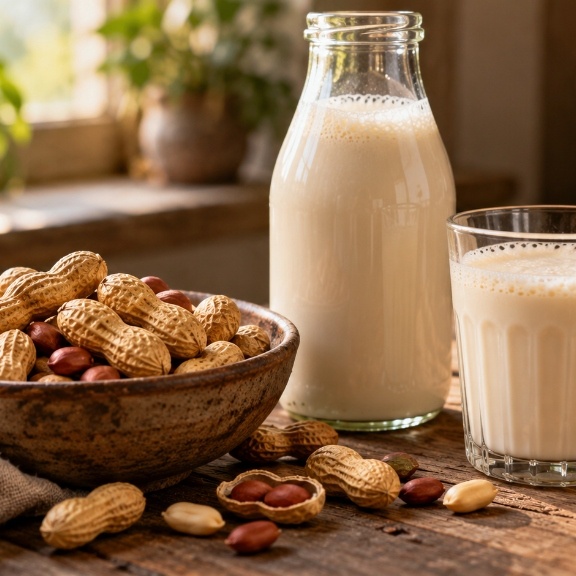
How to make dairy-free vegan horchata at home: You can make a completely plant-based horchata with equal richness by swapping two ingredients. Replace the evaporated milk with 1 cup of unsweetened almond milk or creamy oat milk. Replace the sweetened condensed milk with 3/4 cup of granulated cane sugar or pure agave nectar. Whisk until the sugar dissolves completely into the strained rice milk.
Global Variations: Mexican vs. Spanish vs. Salvadoran
While Americans associate horchata with Mexican cuisine, the beverage evolved across multiple continents over centuries.
| Regional Style | Primary Base Ingredient | Flavor Profile | Dairy Status |
|---|---|---|---|
| Mexican Horchata (Horchata de arroz) | Long-grain white rice and canela sticks | Sweet, milky, fragrant cinnamon and vanilla | Dairy-free historically; modern versions use canned milk |
| Spanish Horchata (Horchata de chufa) | Soaked tiger nuts (Cyperus esculentus) | Nutty, earthy, lightly sweet, naturally rich | 100% dairy-free natural plant tuber milk |
| Salvadoran Horchata (Horchata de morro) | Jícaro tree seeds (morro), sesame, cocoa | Deeply roasted, nutty, spiced with nutmeg | Mixed with water or dairy depending on region |
The origin of horchata traces back to ancient Rome, where soldiers drank hordeum, a cooling drink brewed from boiled barley. During the Moorish period, the drink traveled to Valencia, Spain, where locals replaced barley with soaked tiger nuts (chufas), creating horchata de chufa. Spanish colonists later brought the concept to the Americas. Because tiger nuts did not grow readily in the New World, Mexican cooks adapted the recipe using native white rice and canela, giving birth to modern horchata de arroz.
Why Horchata Pairs Perfectly With Spicy Food
Capsaicin is the chemical compound that gives hot chili peppers their fiery burn. Because capsaicin is an oil-based, hydrophobic molecule, drinking plain cold water does not relieve the burn. Water merely spreads the chili oil across your tongue.
Horchata neutralizes chili heat through two mechanisms:
- Casein protein binding: When prepared with dairy milk, the milk protein casein binds directly to capsaicin molecules. It pulls them away from your tongue's pain receptors (TRPV1 receptors) and washes them down your throat.
- Starch and sugar coating: In dairy-free builds, dissolved rice starches and cool cane sugar coat the oral mucosa, creating a physical shield that calms nerve endings.
This dual soothing action makes horchata an ideal pairing for spicy carnitas, tacos al pastor, and chili-heavy salsas.
Common Mistakes to Avoid
- Using boiling water to soak the rice: Pouring boiling water over raw white rice cooks the grain and activates starch gelatinization above 150°F. This turns your soaking liquid into a gluey, thick porridge that ruins the drink. Use warm water around 140°F, or cold water left overnight.
- Using hard cassia cinnamon: Standard supermarket cinnamon sticks are thick, hard cassia quills. They contain high levels of astringent coumarin, which makes horchata taste bitter. Seek out soft, flaky Mexican canela sticks in the international aisle.
- Skipping the second fine strain: Standard metal kitchen strainers have holes that are too wide. Without cheesecloth or a nut milk bag, microscopic rice particles pass into the pitcher, leaving a chalky residue on the back of your throat.
Frequently Asked Questions About Horchata
Q. What is horchata made of?
Authentic Mexican horchata is made from long-grain white rice, water, Mexican canela sticks (Ceylon cinnamon), pure vanilla extract, and sugar. Many modern recipes add evaporated milk and sweetened condensed milk for extra richness.
Q. Does horchata have milk in it?
Traditional historic horchata uses zero dairy milk. However, modern Mexican restaurants in the United States frequently add evaporated milk and sweetened condensed cow's milk. Always ask restaurant staff if you avoid dairy.
Q. Can you drink horchata if you are lactose intolerant?
You can safely drink traditional historic horchata or homemade dairy-free versions made without canned cow's milk. If dining at a restaurant, verify whether they use condensed milk before ordering.
Q. Is horchata healthy?
Horchata made from scratch contains natural minerals from rice and cinnamon, and Ceylon cinnamon provides antioxidant benefits. However, commercial and restaurant horchatas often contain significant added sugars and calories from condensed milk. It is best enjoyed as a sweet treat.
Q. Is horchata alcoholic?
No. Traditional horchata contains 0.0 percent alcohol by volume and is classified as an agua fresca. However, some cocktail bars mix horchata with dark rum or bourbon, and commercial brands manufacture horchata-flavored cream liqueurs like RumChata.
Q. Does horchata have caffeine?
No. Authentic horchata contains zero caffeine. It is made from rice, water, cinnamon, sugar, and milk, none of which contain stimulants. Some specialty coffee shops pour an espresso shot over iced horchata to make a 'dirty horchata.'
Q. How long does homemade horchata last in the fridge?
Stored in an airtight glass bottle or pitcher in the refrigerator, homemade horchata keeps well for 4 to 5 days. Natural separation is normal as the fine rice starch settles over time. Stir or shake the container before pouring.
Q. Can people with diabetes drink horchata?
Traditional horchata is high in carbohydrates from rice starch and contains significant added sugars from condensed milk. People managing blood glucose should make a homemade low-carb version by substituting unsweetened almond milk for cow's milk and sweetening with liquid monk fruit or stevia.
The Bottom Line
Summary and Practical Takeaways
Authentic Mexican horchata is a celebrated grain-based agua fresca that delivers creamy cinnamon comfort without heavy cream.
- Choose Long-Grain Rice: High-amylose long-grain white rice dissolves into a smooth suspension, avoiding the gummy texture of short-grain rice.
- True Ceylon Canela: Soft Mexican canela sticks deliver sweet floral aroma with minimal bitter coumarin compared to cassia bark.
- Master Dual Straining: Sieve the large grain pieces first, then pass through cheesecloth or a nut milk bag to trap microscopic chalky grit.
- Cooling Spice Neutralizer: Milk proteins and smooth rice starches physically shield tongue receptors from spicy chili heat.
Sources and Review Standards
- U.S. Department of Agriculture (USDA) FoodData Central: Amylose and Starch Fractions in Long-Grain White Rice
- U.S. Food and Drug Administration (FDA): Food Safety Guidelines for Soaked Grains and Milk Beverages
- National Institutes of Health (PubMed): Capsaicin Neutralization Mechanisms via Dairy Proteins and Carbohydrate Solutions
- Journal of Agricultural and Food Chemistry: Coumarin Content and Flavor Compounds in Cinnamomum verum vs. Cinnamomum cassia





Comments and reviews (0)