


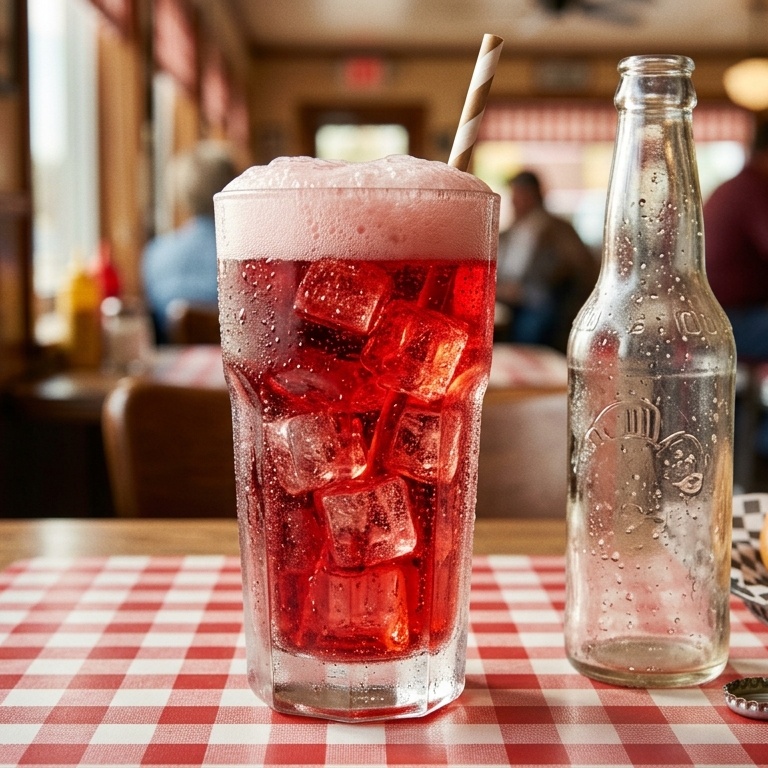
Birch beer sounds like an alcoholic drink, but the bottles and fountain sodas sold today are almost always non-alcoholic soft drinks.
What Is Birch Beer?
Birch beer is a sweet, carbonated soft drink with a crisp wintergreen flavor linked to the sweet birch tree (Betula lenta). Most commercial birch beer is 100% non-alcoholic. It tastes sharper and more herbal than root beer and is traditionally produced in clear (white), red, and dark brown styles.
Birch beer has deep cultural roots in the northeastern United States, particularly across Pennsylvania Dutch country, New Jersey, New York, and New England. You will frequently find it served in diners, pizza shops, country fairs, and farm stands that celebrate regional botanical sodas.
It belongs to the historic American family of botanical beverages that use aromatic barks, roots, and herbs rather than alcohol to build complex, refreshing flavor.
Birch Beer at a Glance
| Question | Short Answer |
|---|---|
| What is it? | A carbonated soft drink with a sweet wintergreen and herbal flavor |
| Traditional botanical | Sweet birch (Betula lenta), also known as black birch or cherry birch |
| Key flavor compound | Methyl salicylate (natural wintergreen aromatic oil) |
| Does it contain alcohol? | Most commercial products are 0.0% alcohol, but always check craft labels |
| Does it contain caffeine? | Standard commercial formulas are caffeine-free, though recipes vary |
| Common colors | Clear (white), bright red, and dark amber-brown |
| Regional heartland | Pennsylvania, New Jersey, New York, and New England |
What Does Birch Beer Taste Like?
Birch beer tastes sweet, cooling, and subtly woody. Its dominant aroma closely resembles wintergreen mints or wintergreen chewing gum. Crisp carbonation delivers a brisk bite, while cane sugar or corn syrup softens the botanical edge.
The precise flavor changes across styles. Clear white birch beer often tastes sharp, piney, and bright. Red birch beer offers a rounder, candy-like finish with creamy undertones. Brown birch beer tastes deeper and earthier because caramel color and vanilla accents add body.
People sometimes compare birch beer to mint or medicated lozenges. That sensation comes from methyl salicylate, the primary organic aromatic compound in birch twigs. In carbonated soda, sweetness and bubbles balance that intensity into a refreshing drink.
Birch beer is noticeably lighter and less creamy than root beer. It lacks the heavy vanilla, sassafras, licorice, and molasses notes that characterize root beer, delivering a cleaner, more focused herbal punch.
What Is Birch Beer Made From?
Traditional historic birch beer relied directly on boiled birch twigs, stripped inner bark, and fermented sap. Modern commercially bottled sodas utilize standard soda formulations:
- Carbonated water: Highly effervescent water providing brisk fizz.
- Sweeteners: Pure cane sugar, high-fructose corn syrup, or low-calorie sweeteners.
- Flavorings: Natural sweet birch oil, food-grade wintergreen extract, or synthetic methyl salicylate.
- Citric acid: Provides crisp acidity to balance sweetness.
- Colorants: Uncolored for white birch beer, red food dye for red styles, and caramel color for brown varieties.
- Preservatives: Sodium benzoate or potassium sorbate for shelf stability.
The Sweet Birch Tree Behind the Flavor
Sweet birch, botanically classified as Betula lenta, is also known as black birch or cherry birch. Native to eastern North America, the U.S. Forest Service identifies its range extending through the Appalachian Mountains from Maine down to northern Georgia.
Crushing the twigs and inner bark releases an unmistakable wintergreen aroma. Historically, sweet birch was the primary commercial source of natural wintergreen oil before laboratory synthesis became economical.
From Tree to Birch Flavor: Bark vs. Sap
A common misconception is that birch beer is simply tapped tree sap. In reality, the bold wintergreen flavor resides in the inner bark and young twigs, not the sap.
Birch sap collected during spring tapping is thin, clear, and only mildly sweet, measuring between 0.8% and 1.5% sugar according to university agricultural extension research. Tapping a birch tree yields a delicate hydration fluid, while birch beer requires aromatic bark distillates or food-grade wintergreen oil.
What Is Methyl Salicylate and Wintergreen Safety?
Methyl salicylate (C₈H₈O₃) is the organic ester responsible for wintergreen flavor. The U.S. Food and Drug Administration (FDA) authorizes food-grade methyl salicylate as a safe flavoring agent when used in strictly regulated, minute concentrations.
Toxicity Boundary: Never ingest topical wintergreen oil, aromatherapy oils, or massage liniments. Concentrated methyl salicylate is extremely toxic and can cause fatal salicylate poisoning, particularly in children. For beverage recipes, only use food-grade extracts and follow manufacturer dosage limits strictly.
Birch Flavor and the Historic Sassafras Rule
In 1960, the FDA prohibited safrole, the primary compound in traditional sassafras root, after research demonstrated liver toxicity and carcinogenic risks. This forced root beer manufacturers to switch to safrole-free extracts.
Birch beer, however, contains methyl salicylate rather than safrole and was never banned. It retains its genuine botanical heritage without requiring artificial substitutions.
Why Is It Called Birch Beer?
The word "beer" reflects seventeenth-century brewing traditions. Colonial settlers and Indigenous communities brewed "small beers" by fermenting birch bark, sap, molasses, and wild yeast into low-alcohol effervescent table drinks.
With the invention of commercial carbonation in the nineteenth century, bottlers replaced alcoholic fermentation with pressurized carbon dioxide. The historical name remained, just as it did for root beer and ginger beer.
Is Birch Beer Alcoholic?
Standard canned, bottled, and fountain birch beer sold in grocery stores and diners is non-alcoholic (0.0% ABV). The term "beer" describes its botanical history, not its alcohol content. However, specialty craft breweries occasionally produce fermented alcoholic versions, so always inspect retail labels if complete alcohol avoidance is required.
Does Birch Beer Contain Caffeine?
Virtually all commercial birch beers, including Boylan and Kutztown, are completely caffeine-free. However, because formulas can change, always check the Nutrition Facts panel on unfamiliar craft sodas or fountain dispensers.
White, Red, and Brown Birch Beer
Birch beer is produced in three primary regional styles:
| Style | Appearance | Common Flavor Impression | Color Sourcing |
|---|---|---|---|
| White Birch Beer | Crystal clear or translucent | Crisp, bright, wintergreen-forward, refreshing bite | No added dyes or colorants |
| Red Birch Beer | Amber-red to vivid crimson | Sweet, rounded, subtle cream-soda finish | Certified food coloring (e.g. Red 40) |
| Brown Birch Beer | Deep amber to dark cola brown | Robust, smooth, molasses and vanilla undertones | Caramel coloring |
Birch Beer vs. Root Beer vs. Sarsaparilla
While often grouped together on diner menus, these three heritage American sodas draw from distinct botanical traditions:
| Feature | Birch Beer | Root Beer | Sarsaparilla |
|---|---|---|---|
| Botanical Source | Sweet birch (Betula lenta) | Sassafras and root blend | Sarsaparilla vine (Smilax) |
| Flavor Core | Crisp wintergreen, piney, sharp | Vanilla, licorice, caramel, anise | Earthy, bittersweet, herbal |
| Mouthfeel | Light, crisp, brisk bite | Creamy, frothy, heavy body | Dry, mineral, tannic |
| Typical Colors | Clear, red, or brown | Dark brown | Dark reddish-brown |
| Regional Association | Mid-Atlantic & Northeast | Nationwide United States | American West & Australia |
Why Is Birch Beer Popular in Pennsylvania?
Pennsylvania sits at the center of sweet birch's native Appalachian habitat and possesses strong German-immigrant (Pennsylvania Dutch) brewing heritage. Independent regional bottlers established deep local loyalty that shielded birch beer from being displaced by national cola conglomerates.
Birch beer's crisp herbal acidity provides ideal contrast against rich, savory Mid-Atlantic comfort foods. Iconic pairings include coal-fired pizza, Philadelphia cheesesteaks, salty soft pretzels, grilled hot dogs, smoked pork, and classic vanilla ice cream floats.
Established Birch Beer Brands
| Brand | Location | Styles Offered | Key Feature |
|---|---|---|---|
| Boylan Bottling Co. | New Jersey (Est. 1891) | Original & Creamy Red | Pure cane sugar in embossed glass bottles |
| Pennsylvania Dutch | Mid-Atlantic Region | Classic Red | Iconic fountain and supermarket staple |
| Kutztown Soda Works | Kutztown, PA | White, Regular, and Diet | Made with cane sugar and pure birch oil |
| Polar Beverages | Worcester, MA | Heritage Birch Beer | New England heritage recipe |
How to Make Birch Beer at Home
This safe, unfermented kitchen method creates genuine birch-style soda in ten minutes using food-grade wintergreen flavoring and chilled seltzer, avoiding all alcohol and bottle-pressure explosion hazards.
Simple Homemade Birch Beer Soda
Ingredients
- 1 cup filtered water
- 1 cup pure granulated cane sugar
- Food-grade wintergreen extract (measure strictly per label instructions)
- ½ tsp pure vanilla extract (optional, for brown/creamy style)
- Red or caramel food coloring (optional)
- 24 to 32 oz ice-cold plain seltzer or club soda
Preparation Method
Dissolve Sugar: Combine filtered water and cane sugar in a small saucepan over medium-low heat. Stir gently until completely dissolved.
Cool Syrup: Remove from heat and allow simple syrup to cool to room temperature before adding aromatics.
Add Food-Grade Flavoring: Carefully add the exact stated drops of food-grade wintergreen extract and optional vanilla. Funnel into a clean bottle and refrigerate.
Assemble Soda: Pour 2 tablespoons of birch syrup over ice in a tall glass. Top with 6 to 8 ounces of chilled seltzer and stir gently once.
Never attempt to carbonate sugar syrup directly inside a countertop home carbonator like a SodaStream unless the model specifically permits flavored liquids. Carbonate cold water first, then stir in the birch syrup.
Frequently Asked Questions About Birch Beer
Q. What is birch beer?
Birch beer is a sweet, carbonated soft drink with a crisp wintergreen flavor linked to the sweet birch tree (Betula lenta). Commercial brands use natural or food-grade flavorings.
Q. Does birch beer have alcohol?
Standard commercial birch beer is 100% non-alcoholic soda. Some small craft breweries produce fermented alcoholic versions, so always check the product label if avoiding alcohol.
Q. Why is birch beer called beer?
The name reflects colonial small-beer brewing traditions, where birch bark and sugar were fermented with yeast. Modern sodas use pressurized carbon dioxide rather than alcohol fermentation.
Q. What is the difference between birch beer and root beer?
Birch beer has a sharper, cooler wintergreen and woody taste. Root beer is creamier, heavier in mouthfeel, and combines vanilla, licorice, caramel, and spice notes.
Q. Why is some birch beer red and some clear?
Clear (white) birch beer contains no added food coloring. Red birch beer uses certified red food dye for a Pennsylvania Dutch diner appearance, while brown styles use caramel coloring.
Q. Does birch beer contain caffeine?
Major commercial brands like Boylan and Kutztown are caffeine-free. Always check the label on unfamiliar craft brands or fountain mixes.
Q. Can children drink birch beer?
Standard non-alcoholic birch soda is suitable for children in moderation, subject to household guidelines on sugar. Concentrated wintergreen essential oil must never be given to children.
Q. Can you tap a birch tree to make birch beer?
You can tap a birch tree for sap, but the sap is very mild and will not yield wintergreen flavor on its own. Authentic birch beer flavor comes from steeping inner bark or using food-grade extracts.
The Bottom Line
Summary and Practical Takeaways
Birch beer is an iconic regional American botanical soda celebrated for its brisk wintergreen bite and refreshing effervescence. Whether you prefer New England clear birch beer, sweet Pennsylvania Dutch red soda, or rich caramel-brown varieties, always check back panels for sweetener types and alcohol confirmation. When making birch soda at home, use only food-grade wintergreen extract at the maker's stated dosage and avoid essential oils.
Sources and Review Standards
- U.S. Forest Service: Sweet Birch (Betula lenta) Botanical Distribution and Range
- U.S. Food and Drug Administration (FDA): Methyl Salicylate in Food Substances Database
- Electronic Code of Federal Regulations (21 CFR 189.180): Food Prohibitions on Safrole
- Poison Control: Oil of Wintergreen Toxicity and Methyl Salicylate Safety
- University of Alaska Fairbanks Extension: Birch Tree Tapping and Syrup Basics





Comments and reviews (0)