


Introduction
Many people seeking healthier beverage alternatives find conflicting guidance online about ingredients, sugar levels, and bodily effects. Choosing the right beverage requires understanding clear nutritional boundaries and factual preparation methods.
What Are the Healthiest Daily Drinks for Children?
The American Academy of Pediatrics recommends plain water and plain pasteurized cow's milk (or fortified unsweetened soy milk) as the best everyday drinks for children over 12 months. Limit 100% juice to 4 ounces daily for toddlers and avoid sugary sodas, sports drinks, and artificially sweetened beverages entirely.
Important Safety Note: Infants under 6 months should receive only breast milk or iron-fortified formula, with no plain water unless directed by a pediatrician. Children with lactose intolerance, milk allergies, or kidney conditions need individualized clinical beverage guidance.
This guide covers age-by-age fluid requirements, whole milk transitions, 100% juice limits, dental enamel protection, and fun fruit-infused water recipes. For additional context, explore our companion guide to classic homemade lemonade recipe.
Healthy drinks for kids at a glance
| Drink | Everyday role | Main points |
|---|---|---|
| Plain water |
First-choice drink after about 6 months | No sugar or calories; fluoridated tap water can support dental health | | Breast milk or infant formula | Main drink during the first 12 months | Cow's milk and plant drinks should not replace breast milk or formula before age 1 | | Plain pasteurized cow's milk | Common option from 12 months | Supplies protein, calcium, vitamin D, vitamin A, potassium, and other nutrients | | Fortified unsweetened soy beverage | Main plant-based alternative recognized as a dairy equivalent | Check protein, calcium, vitamin D, vitamin B12, iodine, and added sugar | | 100% fruit or vegetable juice | Limited drink, not a daily need | Whole fruit gives more fiber and takes longer to eat | | Smoothie | Food or snack instead of free-flowing hydration | Nutrition depends on ingredients and serving size |
Water and milk meet most children's beverage needs. Other drinks can add variety, but sweet taste, calories, acidity, caffeine, and nutrient balance still matter.
The simplest choice among drinks for kids without sugar is plain water. Plain milk contains natural lactose but no added sugar. Check labels on flavored water, plant beverages, electrolyte products, and drink mixes because “zero sugar” products may contain non-sugar sweeteners.
How much should children drink by age?
Fluid needs vary. Hot weather, fever, vomiting, diarrhea, sports, pregnancy in older teens, medications, and medical conditions can change them.
The numbers below are practical population guides, not a prescription for every child. “Total beverages” includes water and milk. Water in fruit, vegetables, soup, yogurt, and other foods also contributes to hydration.
Use these kids hydration guidelines as starting points, then adjust for the child's circumstances and clinical advice.
| Age | Main drinks | Practical beverage guidance | 100% juice limit |
|---|---|---|---|
| Birth to 6 months |
Breast milk or iron-fortified formula | No extra water for healthy infants unless a clinician gives specific instructions | No juice unless medically indicated | | About 6 to 12 months | Breast milk or formula, plus water with solid foods | Offer about 4 to 8 ounces of water per day in a cup; milk feeds remain primary | No juice unless medically indicated | | 12 to 24 months | Water and plain whole cow's milk, or a clinician-approved alternative | About 4 cups of total beverages per day is a common guide; around 16 ounces of milk is typical | Up to 4 ounces, though juice is not necessary | | Ages 2 to 3 | Water and plain milk | About 4 cups of total beverages; milk commonly stays near 16 ounces | Up to 4 ounces | | Ages 4 to 5 | Water and plain milk | Roughly 5 cups of total beverages; common milk guidance is 16 to 24 ounces | Up to 4 to 6 ounces | | Ages 6 to 8 | Water and plain milk | Around 5 cups of fluids is a starting point; activity and heat raise needs | Up to 8 ounces | | Ages 9 to 13 | Water and plain milk | Many children need roughly 7 to 8 cups of fluids, with individual variation | Up to 8 ounces | | Ages 14 to 18 | Water and plain milk | Many teens need roughly 8 to 11 cups of fluids, with individual variation | Up to 8 ounces |
Do not force a child to finish a fixed water target. Encourage regular drinking, watch activity and weather, and use urine output, thirst, energy, and other signs as context.
Children with kidney, heart, endocrine, feeding, or swallowing conditions may need individualized advice.
When evaluating overall beverage quality and ingredient balance, you can also compare notes in our caffeine-free drinks for families.
Drinks for babies under 12 months
Birth to about 6 months
Healthy infants usually need only breast milk or properly prepared iron-fortified formula. Extra water can displace nutrition and, in large amounts, disturb sodium balance.
Never dilute formula beyond the package or clinician instructions. Incorrect mixing can provide too little nutrition or create dangerous electrolyte problems.
About 6 to 12 months
Offer small amounts of plain water when solid foods begin. An open cup or straw cup lets the baby practice drinking skills.
Breast milk or formula remains the main drink. Do not use cow's milk, goat's milk, almond drink, oat drink, coconut drink, or homemade plant milk as the main beverage before 12 months.
Juice and honey in infancy
The American Academy of Pediatrics advises no juice before age 1 unless a clinician recommends it for a medical reason.
Do not give honey to an infant under 12 months, including honey stirred into tea or another drink. Honey can contain spores that cause infant botulism.
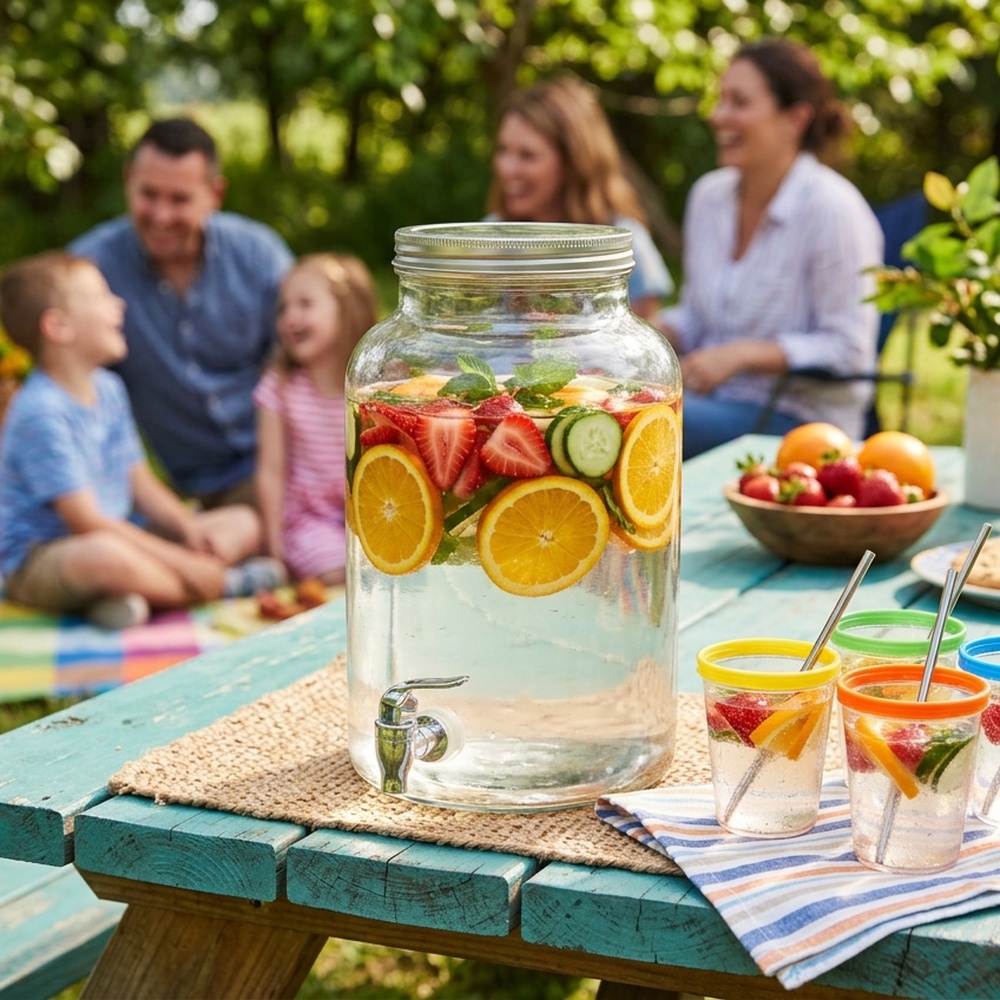
Naturally Flavored Strawberry Citrus Splash for Kids
Ingredients
- •3 cups (720ml) Cold filtered drinking water
- •4 large Ripe organic strawberries (hulled and sliced)
- •1/2 medium Sweet orange (sliced into thin wheels)
- •6 rounds Fresh English cucumber (for cooling crispness)
- •2 sprigs Fresh sweet mint (gently bruised)
Preparation Method
Pro Tip: The American Academy of Pediatrics advises avoiding sugary sodas, energy drinks, and excessive juice for children. Infused fruit water builds lifelong healthy hydration habits without sugar.
Best drinks for toddlers ages 1 to 3
The best drinks for toddlers are water and age-appropriate plain milk. Offer milk with meals and water between meals. This pattern supports hydration without allowing juice or milk to replace solid food.
For a child ages 1 to 3, about 4 cups of total beverages per day is a common starting point. That total includes water and milk, so it is not a 4-cup plain-water requirement. Heat, activity, illness, and the water in food change the amount a child needs.
Keep 100% juice at or below 4 ounces per day, if you serve it at all. Avoid bottles or spill-proof cups filled with juice or milk throughout the day because frequent sipping can reduce appetite and increase the risk of dental caries.
Water: the first-choice drink
Plain water hydrates without sugar. Fluoridated tap water can also help protect teeth.
Make water easy to reach. Send a clean refillable bottle to school, place a cup at meals, and offer water before and after outdoor play.
Helping a child accept water
- Serve it cold, cool, or room temperature and see which the child prefers.
- Let the child choose a reusable cup or bottle.
- Use safe ice shapes for older children who can manage them without choking.
- Add a slice of strawberry, cucumber, orange, or mint for aroma, then remove choking-size pieces for young children.
- Model the habit by drinking water at family meals.
For more options suited to daily fluid intake, see our hydrating drinks guide.
For readers interested in companion functional hydration options, review our dedicated guide to celiac-safe gluten-free drinks.
Milk for toddlers and children
Plain pasteurized milk gives protein, calcium, vitamin D, vitamin A, potassium, phosphorus, and iodine. Exact amounts vary with the rest of the diet.
Whole milk from 12 to 24 months
Whole cow's milk is the usual recommendation from ages 1 to 2 because young children need dietary fat and energy for growth. A pediatrician may suggest reduced-fat milk for a child with specific family or medical risk factors.
Milk after age 2
Children age 2 and older commonly move to low-fat or fat-free milk. The best choice can depend on growth, appetite, the overall diet, and clinical advice.
Lactose-free cow's milk has a similar protein and mineral profile to regular milk and can suit many children with lactose intolerance. A milk-protein allergy is different and needs separate guidance.
Milk portions and appetite
Toddlers who sip milk all day may arrive at meals without an appetite. Large amounts can displace iron-rich foods such as meat, beans, lentils, eggs, and fortified cereals.
Cow's milk is low in iron. Heavy intake is associated with iron-deficiency anemia in young children, mainly because it replaces iron-rich foods and can contribute to small intestinal blood loss in some toddlers. Saying that calcium simply “blocks iron absorption” misses the larger feeding pattern.
Offer milk with meals and water between meals. Ask a pediatrician about pallor, fatigue, slow growth, unusual cravings such as ice or dirt, or a diet dominated by milk.
Plant-based milk for kids
Plant drinks vary widely. The front of the carton does not tell you whether a product can replace cow's milk.
When comparing dairy-free milk for kids, look beyond the base ingredient. Protein, calories, fat, fortification, and serving size can differ sharply between brands.
For children ages 1 to 5, fortified unsweetened soy beverage is the plant option most consistently recognized as nutritionally comparable to dairy milk. An older child may use another fortified plant beverage, such as a pea-protein product. Its nutrient profile should be close to cow's milk, and the child should need an alternative.
Compare the Nutrition Facts panel for:
- Protein per cup
- Calories and total fat
- Calcium and vitamin D
- Vitamin B12 and iodine
- Potassium
- Added sugar and non-sugar sweeteners
| Beverage type | Typical protein pattern | Main concern |
|---|---|---|
| Fortified soy beverage |
Often close to cow's milk | Choose unsweetened and check fortification | | Pea-protein beverage | Can provide protein similar to cow's milk | Formulas vary, and guidance differs by age | | Almond beverage | Often low in protein and calories | May not support the same nutrition as milk | | Oat beverage | Usually lower in protein and higher in carbohydrate | Added oils, sugar, and fortification vary | | Rice beverage | Low in protein | Not a close nutritional substitute for cow's milk | | Coconut beverage | Usually low in protein | Coconut drink is not the same as canned coconut milk |
Homemade plant milk is not a safe nutritional replacement for infant formula or a reliable milk substitute for a young child. It is not consistently fortified, and straining removes nutrients.
Families avoiding dairy should review protein, fat, calcium, vitamin D, vitamin B12, iodine, and total energy with a pediatrician or registered dietitian. Our coconut water vs. coconut milk guide explains why similar names can describe very different products.
How much juice can kids drink?
The AAP sets these upper limits for 100% fruit juice:
- Under 12 months: none unless medically indicated
- Ages 1 to 3: no more than 4 ounces per day
- Ages 4 to 6: no more than 4 to 6 ounces per day
- Ages 7 to 18: no more than 8 ounces per day
Juice has less dietary fiber than whole fruit. Frequent sipping also exposes teeth to sugar and acid for longer periods, which can contribute to pediatric dental caries, commonly called cavities. Serve a small portion with a meal instead of in a bottle, at bedtime, or in a cup carried all day.
Apple and pear juice contain fructose and sorbitol that can contribute to loose stools when children drink large amounts. A pediatrician may sometimes recommend a specific juice amount for constipation, but routine treatment should be individualized.
Diluting juice reduces sugar and acid per sip, but it does not erase the child's juice portion. Count the amount of juice poured before adding water.
Six healthy and fun drinks for kids
These ideas use no added sugar. Age, allergies, choking risk, dental health, and serving size still apply.
1. Strawberry cucumber water
Ingredients: 4 sliced strawberries, 4 thin cucumber slices, and 4 cups cold water.
Method: Chill for 30 to 60 minutes. Pour through a strainer for toddlers so loose fruit pieces do not enter the cup.
This drink adds aroma and color while keeping water as the base.
2. Apple seltzer spritzer
Ingredients: 2 ounces of 100% apple juice and 4 ounces of plain seltzer.
Method: Stir in an open cup and serve with a meal. Count the 2 ounces toward the child's daily juice limit.
Carbonation can cause gas, and frequent acidic drinks can affect enamel. Keep this as an occasional option instead of an all-day drink.
3. Berry banana yogurt smoothie
Ingredients: Half a banana, half a cup of berries, half a cup of plain yogurt, and enough plain milk or fortified unsweetened soy beverage to blend.
Method: Blend until smooth. Serve a child-size portion with breakfast or as a snack.
A smoothie keeps more fiber than extracted juice. It also contains calories, so treat it as food instead of water. Use pasteurized dairy products and choose textures that match the child's feeding skills.
4. Warm cinnamon milk
Ingredients: 6 ounces of plain pasteurized milk or fortified unsweetened soy beverage and a light pinch of cinnamon.
Method: Warm gently, stir, and check the temperature before serving.
This avoids the honey and herbal-tea concerns in recipes intended for a wide age range. Never microwave a drink in a way that creates hidden hot spots for a young child.
5. Cucumber lime water
Ingredients: 4 cucumber slices, a small squeeze of lime, and 4 cups of water.
Method: Chill briefly and strain before pouring for a young child.
Use only a little lime. Acidic drinks should not be sipped throughout the day.
6. Orange coconut-water splash
Ingredients: 1 ounce of 100% orange juice, 3 ounces of plain coconut water, and ice for an older child.
Method: Stir and serve with a meal. Count the orange juice toward the daily juice limit.
Coconut water contains potassium and natural sugar. It is not a routine substitute for water, milk, infant formula, or a medical oral rehydration solution.
Drinks children should avoid or limit
Sugar-sweetened drinks
Soda, sweet tea, lemonade, fruit drinks, punches, sweetened waters, and many bottled smoothies contain added sugar. Frequent use raises the risk of cavities and can add excess calories.
The word “fruit” on a label does not mean 100% juice. Check the percentage of juice and the Added Sugars line.
Energy drinks and pre-workout products
Children and teens should avoid energy drinks. They can contain caffeine, guarana, other stimulants, sugar, and poorly disclosed blends.
Caffeine can disturb sleep and may cause anxiety, headache, rapid heartbeat, or higher blood pressure. Current expert beverage guidance for ages 5 to 18 recommends avoiding caffeinated drinks.
Our caffeine-free drinks guide covers alternatives and explains why decaffeinated does not always mean caffeine-free.
Sports drinks
Most children need water for routine play and standard practices. Sports drinks may have a role during prolonged, vigorous activity or exercise in high heat and humidity.
The decision depends on duration, intensity, sweat loss, weather, and the child's medical history. Coaches and families should follow a pediatric sports-medicine plan instead of a fixed 60-minute rule.
Oral rehydration solutions used during vomiting or diarrhea are different from sports drinks. Follow pediatric medical advice for illness, especially in infants and young children.
Drinks with non-sugar sweeteners
Current expert guidance recommends avoiding drinks with non-sugar sweeteners for children and teens. Examples include aspartame, sucralose, acesulfame potassium, saccharin, stevia, and monk fruit.
Long-term evidence in children remains limited. Claims that one drink permanently changes the gut microbiome or causes intense cravings go beyond the evidence.
Flavored milk
Chocolate and strawberry milk contain the nutrients in milk plus added sugar or, in some products, non-sugar sweeteners. Plain milk is the everyday choice.
If a child refuses plain milk, yogurt, cheese, lactose-free dairy, or a suitable fortified alternative may meet the nutritional need without making flavored milk a daily habit.
Herbal tea
Herbal does not guarantee child-safe. Some herbs interact with medicines, trigger allergies, or lack pediatric dosing data.
Avoid “detox,” slimming, laxative, and sleep teas for children. Ask a pediatrician or pharmacist before serving a medicinal herbal tea, especially to a toddler or a child with a health condition.
There is no single list of safe herbal teas for every child. Product strength, ingredients, allergies, medicines, and age all matter. Choose a single-ingredient, caffeine-free product only after checking that it is appropriate for the child, and never use tea to treat an illness without clinical advice.
What can kids drink during sports?
Water fits most practices, games, and playground activity. Send a labeled bottle and schedule drink breaks in hot weather.
Long, vigorous exercise in heat may require carbohydrate and electrolytes. A pediatrician, sports dietitian, or athletic trainer can advise children who train for endurance events, have heavy sweat losses, or take medicines that affect hydration.
Electrolyte balance matters, but more electrolytes are not always better. For a closer look at the difference between sports hydration and illness care, read our homemade electrolyte drinks guide.
Seek care for confusion, fainting, severe weakness, repeated vomiting, hot dry skin, or altered behavior. These may signal serious heat illness.
Healthy school lunchbox drinks
An insulated water bottle is the simplest choice. Wash the lid, straw, and seal every day, and allow every part to dry.
Plain shelf-stable milk or fortified unsweetened soy beverage can work when the sealed carton does not need refrigeration. Follow the label and discard leftovers that have been open too long.
Use a leak-tested bottle if sending infused water or a diluted juice drink. Check the school's allergy and food-safety rules before packing smoothies or dairy.
A frozen water bottle can thaw through the morning, but make sure freezing does not damage the bottle. Do not freeze a full rigid container that can crack or deform.
A healthy alternative to juice boxes for school is a leak-tested bottle of cold water. Plain shelf-stable milk or fortified unsweetened soy beverage can add protein when storage and allergy rules permit.
Drinks at birthday parties, holidays, and restaurants
Water and plain milk can stay available even when sweet drinks are part of a celebration. A child can choose a small serving, drink it with food, and return to water instead of carrying a refillable cup of punch for hours.
At restaurants, ask for water first and order milk when it fits the meal. Share a small sweet drink or skip free refills if the portion is large.
For a dairy-free seasonal option, our dairy-free eggnog guide explains ingredients, allergens, and product labels. Treat sweetened holiday drinks as occasional foods instead of everyday hydration.
Cups, bottles, and dental health
Offer an open cup or straw cup as drinking skills develop. Carrying juice or milk all day keeps teeth in contact with carbohydrate and can reduce appetite.
Do not put a child to bed with a bottle or cup of milk, formula, juice, sweet tea, or another sugary drink. Plain water is the safer bedtime drink once water is age-appropriate.
Clean reusable bottles thoroughly. Moist valves and straws can retain residue and grow mold.
Signs that a child may be dehydrated
Watch for:
- Dry mouth or tongue
- Fewer wet diapers or less urination
- Darker urine
- No tears when crying
- Unusual sleepiness, irritability, or weakness
- Sunken eyes or a sunken soft spot in an infant
- Fast breathing or heartbeat
Frequently asked questions about drinks for kids
What are the healthiest drinks for kids?
Plain water and plain pasteurized milk are the main recommended drinks after infancy. Babies under 12 months rely mainly on breast milk or iron-fortified formula.
When can babies start drinking water?
Small amounts can begin around 6 months when solid foods start. About 4 to 8 ounces a day is a common guide from 6 to 12 months, while breast milk or formula remains the main drink.
How much water should a toddler drink each day?
Children ages 1 to 3 often need about 4 cups of total beverages per day, including water and milk. Food also supplies water, and needs rise with heat, activity, fever, vomiting, or diarrhea.
How much water should a 5-year-old drink?
About 5 cups of total beverages per day is a useful starting point for many 4- to 5-year-olds. This includes water and milk, while food supplies additional water. A very active child or one in hot weather may need more.
How much 100% fruit juice can kids drink?
The AAP advises no juice under age 1, no more than 4 ounces for ages 1 to 3, 4 to 6 ounces for ages 4 to 6, and no more than 8 ounces for ages 7 to 18.
What can kids drink besides water and milk?
Occasional options include fruit-infused water, a child-size smoothie served as a snack, or a small juice-and-seltzer spritzer counted within the daily juice limit. These add variety but do not need to replace water and milk as the everyday choices.
What can kids drink instead of juice?
Offer plain water, fruit-infused water, or plain milk. A child-size smoothie can work as a snack, and a small diluted juice drink can fit within the daily juice limit.
Which plant-based milk is best for kids?
Fortified unsweetened soy beverage is the closest widely recognized dairy equivalent for young children. Some pea-protein drinks may suit older children when the nutrition is comparable. Review the choice with a pediatrician or dietitian.
Why can too much milk be a problem for toddlers?
Milk can fill a small stomach and replace iron-rich foods. Cow's milk is low in iron, and heavy intake is associated with iron-deficiency anemia in young children.
Can kids drink sports drinks such as Gatorade?
Water is enough for most routine activity. A sports drink may be useful during prolonged vigorous exercise or high heat, but it should follow an individualized sports-hydration plan.
Are electrolyte powders safe for kids?
Formulas vary widely. Routine powders may contain excess sodium, sugar, caffeine, stimulants, or high vitamin doses. Use a pediatric oral rehydration product for illness only as directed by a clinician or label.
Is chocolate milk healthy for kids?
Chocolate milk supplies protein and minerals but also contains added sugar or a non-sugar sweetener. Plain milk is the everyday choice, and flavored milk is best limited.
Can kids drink sparkling water?
Plain sparkling water can fit in limited amounts for an older child. Carbonation may cause gas, and acidity can affect teeth when it is sipped often. Avoid products with caffeine, sugar, or non-sugar sweeteners.
Can children drink herbal tea?
Some caffeine-free teas may be suitable in small amounts, but herbs can interact with medicines or trigger allergies. Avoid detox, slimming, laxative, and concentrated medicinal teas unless a pediatric clinician recommends them.
What is the healthiest drink box for school?
Water in a clean insulated bottle is the simplest choice. Plain shelf-stable milk or fortified unsweetened soy beverage can also work when the package and school storage conditions allow it.
How can I get a picky child to drink more water?
Offer water regularly without pressure, test different temperatures and cups, let the child choose a bottle, and model drinking water. A small fruit or cucumber infusion can add aroma without added sugar.
Practical takeaway
Build the routine around water and age-appropriate plain milk. Keep juice within the AAP limits, use smoothies as food, and save sweet or fizzy drinks for limited occasions.
Read labels for caffeine, added sugar, non-sugar sweeteners, protein, and fortification. Ask a pediatrician or registered dietitian for help with allergies, plant-based diets, poor growth, feeding problems, anemia risk, medical hydration needs, or restrictive eating.
How this guide was reviewed
This article was checked against guidance from the American Academy of Pediatrics, CDC, American Heart Association, and Academy of Nutrition and Dietetics. We also reviewed Healthy Eating Research and the Dietary Guidelines for Americans. The fact check was completed on October 16, 2026.
This is general education, not personal medical advice. A child's clinician should guide fluid restrictions, illness care, allergy management, growth concerns, and specialized sports hydration.
Frequently Asked Questions
Common questions about drinks for kids: healthy choices, age guidelines, and recipes, ingredients, daily consumption limits, and safety guidelines:
Q.What are the healthiest everyday drinks for kids?
According to the American Academy of Pediatrics, the best everyday drinks for children over 12 months are plain drinking water and plain pasteurized cow's milk (or fortified unsweetened soy milk).
Q.When can babies start drinking water?
Infants under 6 months should receive only breast milk or infant formula. Starting around 6 months, babies can practice sipping 4 to 8 ounces of plain water per day alongside solid foods.
Q.How much 100% fruit juice is safe for children?
The AAP recommends no juice before age 1, a maximum of 4 ounces (120ml) per day for children ages 1 to 3, 4 to 6 ounces for ages 4 to 6, and no more than 8 ounces (240ml) for older kids and teens.
Q.Why should kids avoid diet sodas and artificially sweetened drinks?
Diet sodas contain acidic flavorings that erode tooth enamel and habituate children's taste palates to intense sweetness, which can reduce preference for plain water and nutritious foods.
The Bottom Line
Building Lifelong Healthy Beverage Habits in Children
Encouraging plain water and milk while reserving sweet drinks for rare occasions protects developing teeth and prevents excess calorie consumption. Infusing water with fresh strawberries or cucumber creates exciting hydration without sugar.
Sources and Review Standards
The London Juice Company applies rigorous editorial standards to all functional beverage and nutrition guides. Every nutritional claim, clinical boundary, and safety guideline is validated using peer-reviewed publications and public health agency databases:
- Healthy Beverage Consumption in Early Childhood: Recommendations from Leading Health Authorities - American Academy of Pediatrics (AAP)
- Fruit Juice in Infants, Children, and Adolescents: Current Recommendations - AAP Council on Nutrition
- Dietary Guidelines for Americans 2020-2025: Beverage Guidelines for Infants and Children - U.S. Department of Agriculture & HHS
- Added Sugars and Cardiovascular Disease Risk in Children - American Heart Association (AHA)





Comments and reviews (0)