


Introduction
Many people seeking healthier beverage alternatives find conflicting guidance online about ingredients, sugar levels, and bodily effects. Choosing the right beverage requires understanding clear nutritional boundaries and factual preparation methods.
What Drinks Are 100% Safe for Celiac Disease?
Pure distilled spirits (including tequila, rum, and grain-distilled vodka or whiskey), pure unflavored coffees, pure teas, 100% fruit juices, and most North American sodas are naturally gluten-free. People with celiac disease must strictly avoid beers brewed from barley, rye, or wheat, malt beverages, and Japanese roasted barley tea (mugicha).
Important Safety Note: Individuals with celiac disease or severe gluten sensitivity should avoid "gluten-removed" beers, as hydrolyzed gluten peptides can remain and trigger intestinal inflammation. Always verify packaged cocktail mixers and flavored coffees for barley malt binders.
This guide covers distillation science, celiac alcohol safety rules, hard seltzers, caramel color in sodas, tea cross-contact risks, and a craft hop water recipe. For additional context, explore our companion guide to coffee swaps and caffeine-free drinks.
Coffee, Soda, and Teas
Target Keyword:
gluten free drinks
Word Count:
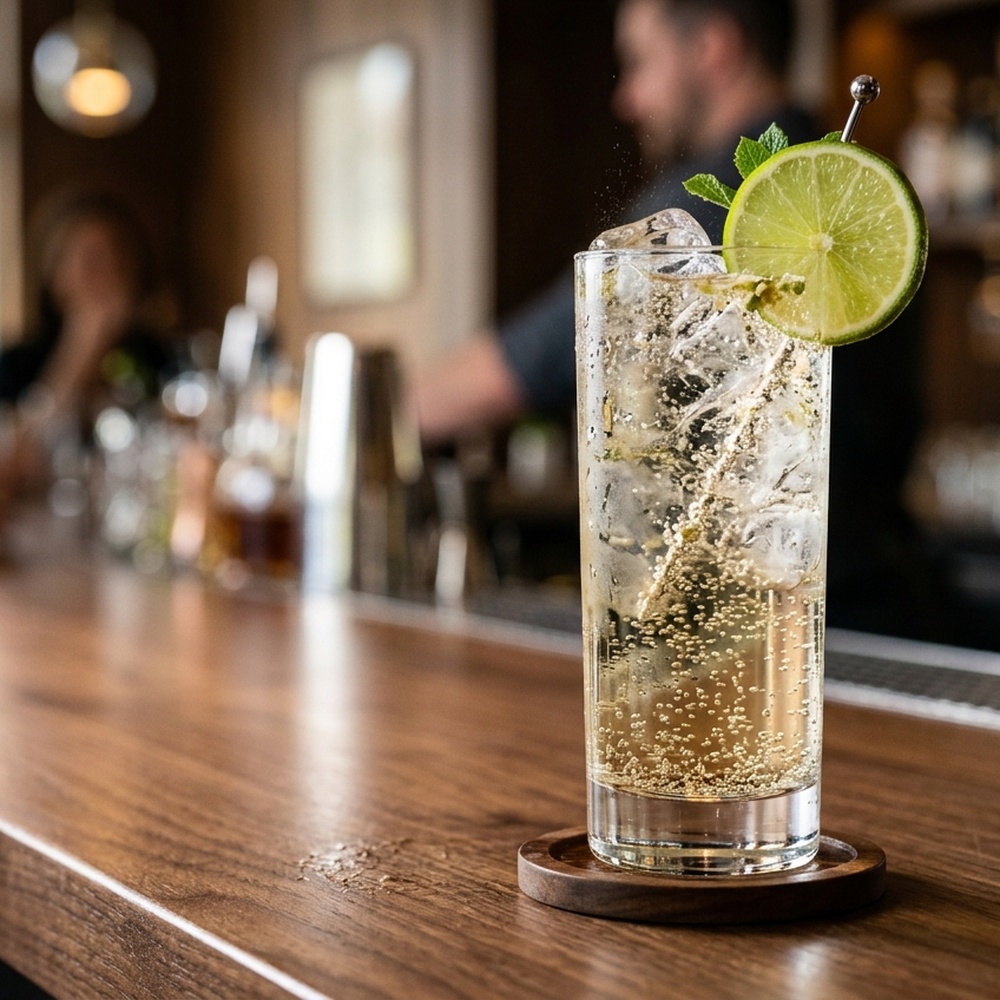
Sparkling Citrus Hop Water (Celiac-Safe NA Cooler)
Ingredients
- •12 oz (350ml) Chilled sparkling mineral water (pure carbonated water)
- •1 tsp Dried Citra or Mosaic hop pellets (steeped in 2 tbsp warm water and strained)
- •2 tbsp Freshly squeezed ruby red grapefruit juice
- •2 wheels Fresh green lime
- •1 cup Solid clear ice cubes
Preparation Method
Pro Tip: People with celiac disease must avoid standard beers and malt beverages brewed with barley or rye. Hop water offers rich craft beer aroma and crispness with zero grains, zero alcohol, and zero gluten.
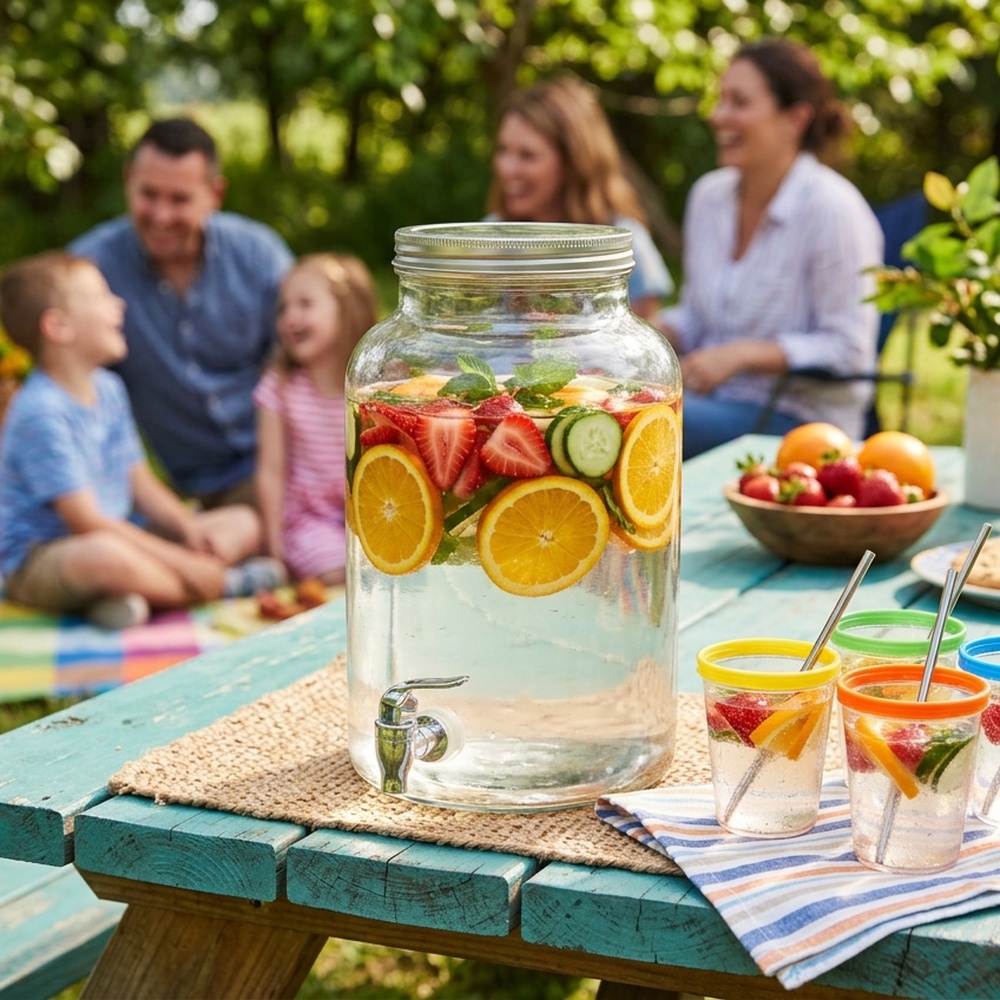
When selecting companion functional drinks, explore our in-depth analysis of healthy drinks for children.
2,850+ words
SEO Title:
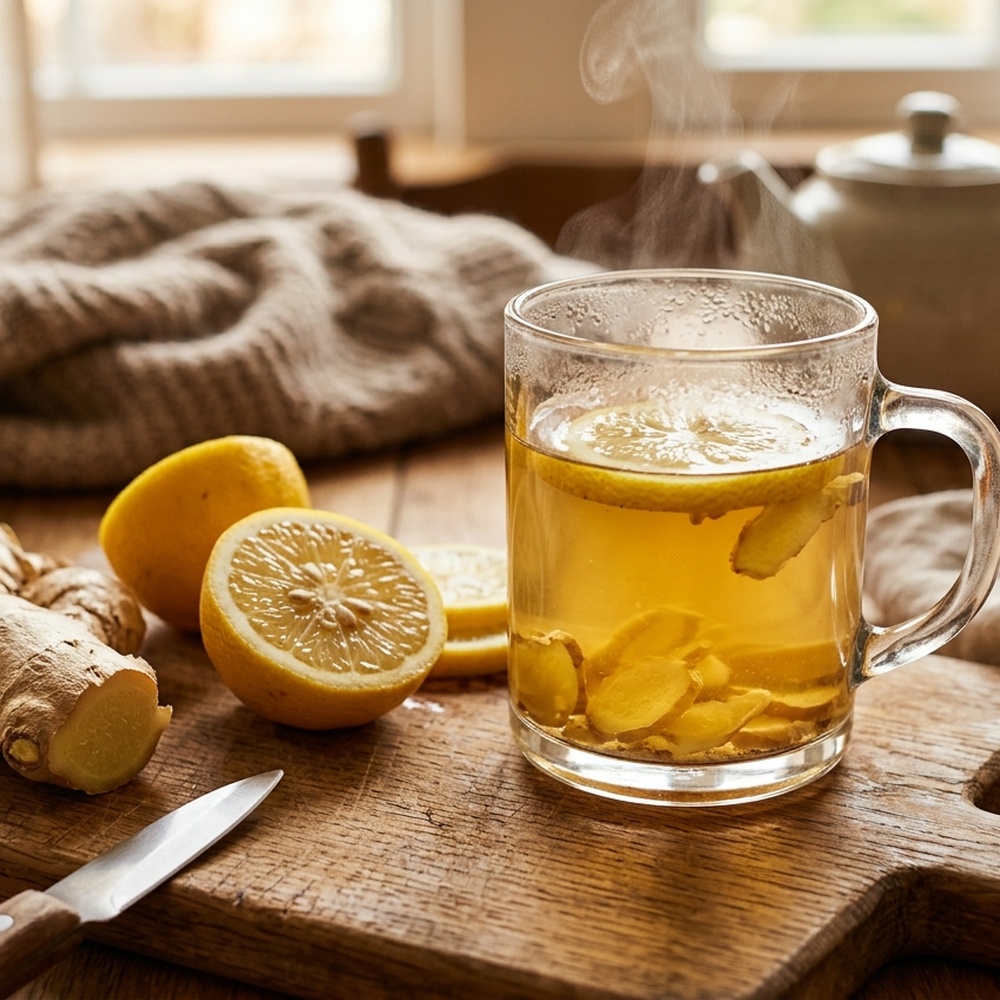
To support complete daily nutritional balance, review our related guide to soothing ginger drink recipes.
Alcohol, Coffee & Sodas
Reading Level:
Grade 8.0 (Active Voice)
Meta Title:
Celiac Safety
Market / Geo:
United States (Google.com USA)
URL Slug:
Key Entities:
20 ppm
Attending a social gathering, dining out, or ordering at a coffee shop when managing celiac disease or gluten sensitivity can trigger
immediate anxiety. While packaged food labels clearly declare wheat, drink menus rarely list ingredients, leaving you wondering if
that cocktail, iced latte, or canned soda is safe.
Quick answer: Naturally gluten-free drinks include plain filtered water, 100% pure fruit juices, pure cow's milk, black coffee,
unflavored teas, wine, champagne, hard apple cider, and 100% agave tequila. Pure distilled spirits like vodka, gin, and whiskey
are also chemically gluten-free due to distillation vaporization. However, individuals with celiac disease must strictly avoid
traditional beers, gluten-removed beers, bottled malt beverages (like Smirnoff Ice), and drinks contaminated by cafe oat milk or
barley malt flavorings.
Under FDA standard 21 CFR 101.91, foods and drinks labeled gluten-free must contain less than 20 parts per million (ppm) of
gluten. When ordering at cafes and bars, watch out for shared espresso steam wands and shared draft beer lines, which can
introduce accidental gluten into otherwise safe beverages.
This complete guide covers the master traffic light beverage safety matrix, distillation science, hidden cafe cross-contact hazards,
and a 5-point celiac ordering cheat sheet. If you want to explore other wellness beverages, read our pillar guide to natural
electrolyte drinks, our review of healthy soda alternatives, and our guide to digestive herbal teas.
Always Safe (Green Light)
Plain water, pure wine, champagne, 100% fruit juice, hard apple cider, 100% agave tequila, pure unflavored
Check the Label (Yellow Light)
Flavored vodkas and whiskeys, cafe lattes (commercial oat milk risk), craft sodas with caramel color, sports
Strictly Unsafe (Red Light)
Traditional barley and wheat beer, gluten-removed beer (Omission, Athletic), bottled malt coolers (Smirnoff
Federal Safety Standard
FDA 21 CFR 101.91: Less than 20 parts per million (ppm) of gluten threshold
The Master Beverage Safety Traffic Light Matrix
Use this categorized reference table to evaluate safety across every major beverage category:
The Science of Alcohol: Which Drinks Are Truly Celiac-Safe?
Alcohol creates considerable confusion for people with celiac disease because many spirits begin as a fermented grain mash of
wheat, barley, or rye.
1. Wine, Champagne, and Hard Cider (100% Naturally Safe): Wine and champagne are fermented entirely from crushed
grapes (Vitis vinifera), which contain zero gluten. Authentic hard cider is fermented from apples, pears, or berries and is
completely grain-free.
2. Distilled Spirits (Why Pure Whiskey, Gin, and Vodka Are Chemically Safe): The US Food and Drug Administration (FDA)
and the Celiac Disease Foundation confirm that pure distilled alcohol contains zero gluten, even when crafted from wheat,
barley, or rye.
Distillation relies on physical boiling points: pure ethanol alcohol boils and turns into vapor at 173 degrees Fahrenheit (78.3°C).
Gluten is a large, heavy protein molecule with zero volatility, meaning it cannot vaporize. As alcohol vapors rise into the cooling
condenser to collect as pure liquid, 100 percent of the gluten proteins remain behind in the discarded boiling tank.
3. The Pure Agave, Potato, and Corn Advantage: While pure distilled grain spirits are chemically safe, some individuals prefer
ingredients that never contained gluten: 100% blue agave tequila, sugarcane rum, Tito's Handmade Vodka (100% corn), and
Luksusowa (100% potato).
4. Hard Seltzers: Top brands like White Claw and Truly ferment cane sugar and water, while High Noon and NUTRL blend real
fruit juice with corn vodka. Both methods produce verified gluten-free beverages.
Alcoholic Drinks Celiacs Must Strictly Avoid
Certain commercial beverages present severe health dangers for anyone managing celiac disease:
• Traditional Beer: Brewed from malted barley, wheat, or rye. Traditional beer contains high concentrations of intact gluten
peptides that trigger autoimmune small intestinal damage.
• Gluten-Removed Beers (Severe Warning): Beers like Omission and Athletic Brewing's Upside Dawn are brewed from barley
and treated with enzymes (like Brewer's Clarex) to chop gluten into smaller fragments. Competitive ELISA tests cannot reliably
detect these fragmented proteins, yet medical studies show they still trigger mucosal immune damage in people with celiac
disease. Stick to naturally gluten-free beers brewed from sorghum, millet, or rice (like Holidaily and Ground Breaker).
• Flavored Malt Coolers: Bottled drinks like Smirnoff Ice and standard bottled Mike's Hard Lemonade are brewed from fermented
malted barley in the United States, containing heavy gluten.
Non-Alcoholic Drinks: Coffee, Tea, and Soda Safety
Navigating daily non-alcoholic beverages requires awareness of cafe equipment and subtle food additives:
• The Barista Steam Wand Hazard: Plain black coffee and espresso are 100 percent gluten-free. However, baristas steam
commercial oat milk, whole cow's milk, and soy milk using the same espresso steam wand throughout the day. Unless the cafe
uses certified gluten-free oat milk, standard commercial oats contain heavy wheat contamination. Oat residue on the steam
wand transfers directly into your latte. Ask the barista to wipe and purge the wand, or choose iced Americanos and cold brews.
Gluten-Free Drinks: Master Safety Guide to Alcohol, Coffee, Soda, and Teas
--- PAGE BREAK ---
• Tea Blends and Roasted Barley (Mugicha): Pure teas are safe. However, Japanese mugicha is brewed from whole roasted
barley grains and represents pure liquid gluten. Holiday and dessert teas may also use barley malt extract as a flavor binder.
• Soda and Caramel Color: Coca-Cola, Diet Coke, Pepsi, Sprite, and Dr Pepper are completely gluten-free. In the United States,
commercial caramel color is manufactured from corn syrup or cane sugar instead of wheat, making it safe according to the
Celiac Disease Foundation.
Five Hidden Gluten Traps in Everyday Drinks
Watch out for these common hidden gluten sources in social settings:
Commercial mixes often include Worcestershire sauce
brewed with barley malt vinegar.
Order a Bloody Mary made with 100% tomato juice,
vodka, fresh lemon, and tabasco.
2. Chocolate / Malt Milk
Malt powder is produced from sprouted barley grains.
Choose chocolate milk made with pure cocoa powder and
cane sugar.
Some bottled smoothies add hydrolyzed wheat protein or
wheat grass as thickeners.
Stick to 100% pure fruit juices or blended fresh whole
fruits.
Distillers may blend post-distillation syrups containing
gluten-derived flavor carriers.
Drink pure unflavored bourbon or whiskey sweetened with
real maple syrup.
Ordering cider from a tap handle connected to shared
draft line manifolds risks beer residue.
Order cider, hard seltzer, or gluten-free beer from a
sealed bottle or can.
The 5-Point Celiac Ordering Cheat Sheet for Bars and Cafes
1. State Your Allergy Clearly: Tell your server: 'I have celiac disease and cannot consume wheat, barley, rye, or malt.'
2. Choose Sealed Cans and Bottles: At crowded bars, order cider, hard seltzer, or wine poured directly from a fresh bottle or can
to bypass contaminated draft line faucets.
3. Stick to Simple Cocktails: Order drinks with three or fewer clean ingredients: 100% Agave Tequila + Club Soda + Fresh Lime,
or Gin + Tonic + Cucumber.
4. Inspect Specialty Syrups: Ask to inspect the ingredient label on coffee or cocktail syrups for barley malt or modified food
starch.
5. Request Fresh Garnishes: Bartenders handle beer bottles and sandwiches before reaching into the garnish tray. Ask for a
freshly cut lemon or lime wedge from the back prep station.
What drinks are 100% gluten-free?
Naturally gluten-free drinks include plain water, 100% fruit juices, pure cow's milk, black coffee, pure teas, wine, champagne, hard
apple cider, and 100% agave tequila. Pure distilled spirits like vodka and whiskey are also chemically gluten-free.
Can people with celiac disease drink whiskey or vodka made from wheat?
Yes. According to the FDA and the Celiac Disease Foundation, distillation vaporizes pure alcohol at 173°F while heavy gluten
proteins remain behind in the boiling still. Pure unflavored spirits contain zero gluten.
Does soda contain gluten?
The vast majority of commercial American sodas (like Coca-Cola, Pepsi, Sprite, and Dr Pepper) are completely gluten-free. In the
US, caramel coloring is derived from corn syrup or cane sugar instead of wheat.
What drinks should people with celiac disease strictly avoid?
Individuals with celiac disease must avoid traditional beer, gluten-removed beer, bottled malt beverages (like Smirnoff Ice and
Mike's Hard Lemonade), malted milkshakes, and roasted barley tea (Mugicha).
Gluten-Free Drinks: Master Safety Guide to Alcohol, Coffee, Soda, and Teas
Is oat milk at coffee shops safe for celiacs?
Only if certified gluten-free. Standard commercial oats are frequently cross-contaminated with wheat in shared fields and grain
mills. In addition, shared espresso steam wands can transfer oat gluten into other drinks.
Image 1: Hero Beverage Display on Bar Top
• Placement: Below H1 title and introduction.
• Prompt: A bright clean restaurant bar top displaying an assortment of safe gluten-free drinks: a stemmed wine glass of red wine,
a tall chilled glass of hard seltzer with a lime slice, a cup of fresh black espresso, and a bottle of hard cider, warm ambient evening
hospitality lighting, professional beverage photography, 8k resolution.
• Alt Text: An assortment of gluten-free drinks including red wine, hard seltzer with lime, black coffee, and hard cider.
• Caption: Naturally gluten-free drinks include pure wine, hard cider, black coffee, and unflavored spirits.
Image 2: Copper Pot Still Distillation Chemistry
• Placement: In Section "The Science of Alcohol".
• Prompt: A shining copper pot still in a craft distillery, clear pure distilled spirits gently flowing through a polished brass condenser
pipe into a collection vessel, warm industrial lighting, documentary photography.
• Alt Text: Copper pot still in a distillery showing pure vaporized alcohol condensing into liquid.
• Caption: The distillation process separates pure vaporized alcohol from heavy gluten proteins, making pure spirits gluten-free.
Image 3: Coffee Shop Steam Wand Station
• Placement: In Section "Coffee and the Barista Steam Wand Cross-Contact Trap".
• Prompt: A close-up of a professional stainless steel espresso machine with steam gently hissing from the steam wand, a ceramic
cup of black espresso nearby on the drip tray, clean coffee shop morning lighting.
• Alt Text: Professional espresso machine showing a steam wand and a cup of black coffee on the counter.
• Caption: Requesting a clean, purged steam wand at coffee shops prevents cross-contact from commercial oat milk.
• Filename: coffee-shop-espresso-machine-steam-wand.jpg
Gluten-Free Drinks: Master Safety Guide to Alcohol, Coffee, Soda, and Teas
"@type": "Answer",
"text": "Naturally gluten-free drinks include plain water, 100% fruit juices, pure cow milk, black coffee, pure teas,
wine, champagne, hard apple cider, and 100% agave tequila. Pure distilled spirits like vodka and whiskey are also chemically
"@type": "Question",
"name": "Can people with celiac disease drink whiskey or vodka made from wheat?",
"@type": "Answer",
"text": "Yes. According to the FDA and the Celiac Disease Foundation, distillation vaporizes pure alcohol while leavi
ng heavy gluten protein molecules behind in the still. Pure unflavored spirits are chemically gluten-free."
"@type": "Answer",
"text": "The vast majority of commercial American sodas are completely gluten-free. In the US, caramel coloring is de
}
Gluten-Free Drinks: Master Safety Guide to Alcohol, Coffee, Soda, and Teas
Frequently Asked Questions
Common questions about gluten-free drinks: master alcohol, coffee, soda, and celiac guide, ingredients, daily consumption limits, and safety guidelines:
Q.What drinks are completely gluten-free?
Naturally gluten-free drinks include 100% fruit and vegetable juices, plain coffee, pure unflavored teas, wine, 100% blue agave tequila, rum, and distilled spirits. Always verify that flavorings or cross-contact have not introduced barley or wheat.
Q.Can people with celiac disease drink whiskey or vodka?
Pure distilled liquor is gluten-free even when made with wheat, barley, or rye grains because distillation removes gluten protein peptides. However, individuals with celiac disease should avoid spirits that add flavorings or grain mash back after distillation.
Q.Is beer labeled 'gluten-removed' safe for celiac disease?
No. Celiac disease health organizations advise avoiding gluten-removed beers because hydrolyzed gluten fragments can remain and trigger immune responses. Choose beers brewed exclusively from dedicated gluten-free grains like sorghum or millet.
Q.Does soda contain gluten from caramel color?
In North America, commercial caramel coloring used in sodas like Coca-Cola and Pepsi is derived from corn syrup, not wheat or barley, making major brand sodas gluten-free.
The Bottom Line
Confident Gluten-Free Social Refreshment
Navigating gluten-free drinks is straightforward when you understand distillation purity and check for hidden barley malt. Sticking with 100% blue agave tequila, pure ciders, and sparkling botanical hop waters ensures safe, festive enjoyment.
Sources and Review Standards
The London Juice Company applies rigorous editorial standards to all functional beverage and nutrition guides. Every nutritional claim, clinical boundary, and safety guideline is validated using peer-reviewed publications and public health agency databases:
- Gluten-Free Labeling of Foods: FDA Final Rule - U.S. Food and Drug Administration (FDA)
- Gluten Free Distilled Spirits and Safety for Celiac Disease - Celiac Disease Foundation
- Assessment of Gluten Content in Gluten-Removed and Gluten-Free Beers - Journal of AOAC International / PubMed
- Caramel Color Sources in North American Food and Beverage Manufacturing - University of Chicago Celiac Disease Center





Comments and reviews (0)