


Introduction
Many people seeking healthier beverage alternatives find conflicting guidance online about ingredients, sugar levels, and bodily effects. Choosing the right beverage requires understanding clear nutritional boundaries and factual preparation methods.
How Do You Make Delicious Beet Juice at Home?
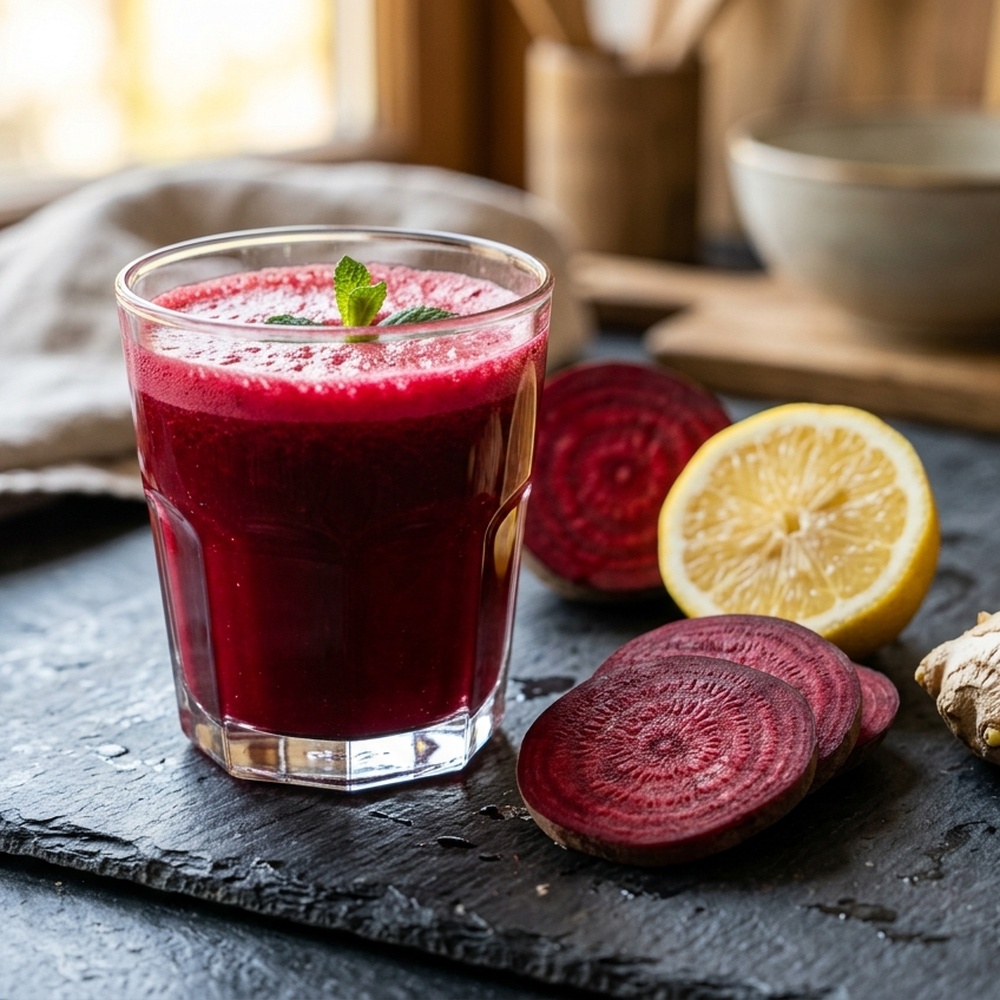
Combine 2 medium raw red beets with 1 Granny Smith green apple, 2 carrots, 1 peeled lemon, and a knob of fresh ginger. Run the produce through an extractor or blend with 1/2 cup cold water and strain through a nut milk bag. The citrus and green apple balance earthy geosmin notes, creating a crisp, delicious tonic rich in dietary nitrates.
Important Safety Note: Dietary nitrates from beets can naturally reduce blood pressure. If taking antihypertensive medications or prone to calcium oxalate kidney stones, moderate your intake. Beet consumption can also cause beeturia (harmless pink or red urine).
This guide covers produce selection, scrubbing techniques, juicer vs blender steps, nitrate timing for exercise, and flavor balancing. For additional context, explore our companion guide to liver cleanse juice drink recipe.
Why this beet juice recipe works
Pure beet juice can taste intensely earthy. The flavor comes partly from geosmin, a natural aroma compound also linked to the smell of damp soil after rain.
Lemon adds acidity and a clean finish. Green apple brings tart sweetness. Carrot softens the beet flavor, while ginger adds heat that keeps the juice from tasting flat.
The recipe works with 2 common preparation methods. A juicer produces a thin, smooth drink. A blender leaves more pulp unless you strain the mixture.
For an overview of how drinks like this fit into a wider routine, visit our guide to functional juices.
Beet juice ingredients
Red beets
Use 2 medium raw red beets. Beetroot is the edible root of Beta vulgaris. It supplies the main flavor, color, and dietary nitrates.
Choose firm roots with smooth skin and no soft, wet, or moldy areas. Small and medium beets are easier to cut and often taste less woody than very large roots.
Granny Smith apple
A green apple adds malic acid and moderate sweetness. Its tart flavor balances the beet without making the juice taste like dessert.
Remove the stem, damaged spots, and seeds before blending or juicing. You can leave clean edible skin in place.
Carrots
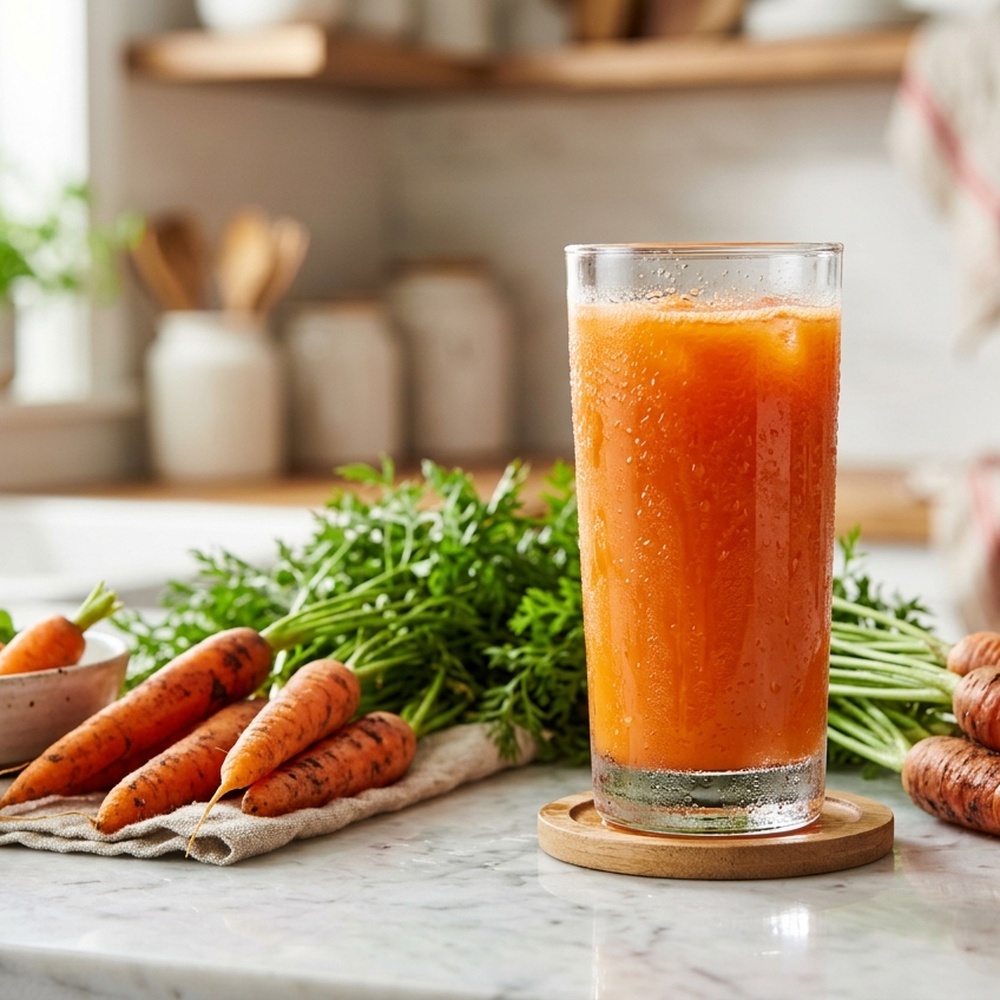
Two carrots add sweetness and a smoother vegetable flavor. They also make the juice easier for first-time beet drinkers.
Our guide to carrot juice benefits explains how carrot juice differs from eating whole carrots.
Lemon
Lemon sharpens the flavor and reduces the perception of earthiness. Acid can degrade geosmin under some conditions, though the immediate kitchen effect also comes from flavor contrast.
Remove the yellow peel, seeds, and most of the white pith before putting a lemon through a juicer. A simpler option is to squeeze fresh lemon juice into the finished drink.
Fresh ginger
Ginger gives the juice a clean, spicy finish. One inch is enough for a moderate kick.
Use less for a mild drink or more if you already enjoy strong ginger beverages. See our ginger drink guide for other ways to use fresh ginger.
When evaluating overall beverage quality and ingredient balance, you can also compare notes in our carrot juice nutrition benefits.
Do you need to peel beets before juicing?
Peeling is optional when the beets are fresh and thoroughly scrubbed. The skin is edible.
Wash your hands first. Rinse each beet under running water and scrub it with a clean vegetable brush. Trim the leafy top, thin root tail, and any damaged areas.
Peel beets when the skin is very rough, the roots have been waxed, or you prefer a milder texture in a blender. Peeling may also reduce visible soil trapped in deep creases.
Raw produce can carry harmful bacteria. The U.S. Food and Drug Administration advises washing produce under running water before cutting because a knife can transfer surface contamination into the flesh.
Ruby Beet and Crisp Apple Stamina Tonic
Ingredients
- •2 medium Raw red beetroots (Beta vulgaris, scrubbed and trimmed)
- •1 large Granny Smith green apple (cored and quartered)
- •2 medium Sweet orange carrots (scrubbed)
- •1 whole Fresh lemon (peeled, seeds removed)
- •1 inch Fresh spicy ginger rhizome
Preparation Method
Pro Tip: Dietary nitrates from beets convert into nitric oxide in the body, promoting healthy blood flow. Never use mouthwash immediately after drinking, as oral bacteria are required to start nitrate conversion.
How to make beet juice with a juicer
A centrifugal or masticating juicer can handle this recipe. Follow your machine's instructions for ingredient size and hard produce.
Juicer ingredients
- 2 medium red beets, scrubbed and trimmed
- 1 Granny Smith apple, cored
- 2 medium carrots, scrubbed and trimmed
- 1 lemon, peeled and seeded, or 2 tablespoons fresh lemon juice
- 1-inch piece fresh ginger, scrubbed
Instructions
1. Cut the beets, apple, and carrots into pieces that fit the feed chute. 2. Place a clean container under the juice spout. 3. Feed the produce through slowly. Alternate firm beet and carrot pieces with apple and ginger. 4. Add the peeled lemon through the machine, or stir fresh lemon juice into the finished drink. 5. Stir well because the juice can separate into layers. 6. Taste and add a small splash of cold water if the flavor is too concentrated. 7. Serve at once or refrigerate promptly in a clean covered container.
Centrifugal vs. masticating juicers
| Feature | Centrifugal juicer | Masticating juicer |
|---|---|---|
| Method |
Fast-spinning blade and strainer | Slow crushing and pressing action | | Speed | Faster preparation | Slower preparation | | Noise | Usually louder | Often quieter | | Pulp | May feel wetter | Often comes out drier | | Juice texture | Light and sometimes foamy | Often less foamy | | Cleanup | Depends on the basket and screen | Depends on the auger and screen |
Machine design and produce quality affect yield more than the category name alone. A well-designed centrifugal juicer may outperform a poor masticating model.
If you are comparing extraction methods, read our guide to cold-pressed juice versus regular juice.
How to make beet juice in a blender
A standard blender can turn the produce into a thick puree. Drink it with the pulp for more fiber, or strain it for a thinner juice.
Blender ingredients
Use the same produce as the juicer recipe, plus 1/2 to 3/4 cup of cold water.
Instructions
1. Cut the beets, apple, and carrots into 1/2-inch pieces. Smaller pieces reduce strain on the blender. 2. Add the water to the blender first. 3. Add the beet pieces, carrots, apple, ginger, and peeled lemon. 4. Secure the lid and blend for 60 to 90 seconds. Stop and scrape the sides if needed. 5. Add another splash of water if the blades cannot move the mixture. 6. For a smoothie-like drink, pour it without straining. 7. For juice, place a nut milk bag, fine cheesecloth, or fine-mesh strainer over a large bowl. 8. Pour in the puree and let it drain. Squeeze gently with clean hands. 9. Stir, taste, and chill or serve over ice.
How to strain beet juice without a nut milk bag
Line a fine-mesh strainer with 2 layers of clean cheesecloth. A clean thin cotton kitchen towel can work, though beet pigment may stain it permanently.
Let gravity remove most of the liquid before pressing. Hard twisting can force fine pulp through the cloth.
What to do with beet pulp
Juicing removes much of the fiber and leaves a colorful pulp. Use fresh pulp quickly or freeze it in small portions.
You can stir it into vegetable soup, lentil patties, savory muffins, pasta sauce, or quick bread. The mixed pulp contains beet, carrot, apple, lemon, and ginger, so its flavor will not suit every recipe.
For readers interested in companion functional hydration options, review our dedicated guide to low-sugar juices for diabetes.
How to make beet juice taste less earthy
Geosmin contributes to the earthy smell and flavor of beets. People detect it at very low levels, and sensitivity differs.
Acid can degrade geosmin under some conditions. A quick squeeze of lemon may reduce the earthy taste through acidity and flavor contrast, though it may not remove all the geosmin. Apple, carrot, and ginger soften the remaining earthy note.
Try these adjustments:
- Add 1 extra tablespoon of lemon juice.
- Use a tart green apple instead of a very sweet red apple.
- Increase ginger a little at a time.
- Dilute the finished drink with cold water.
- Chill the juice before serving.
- Try golden beets for a different, often milder flavor.
Beet juice benefits, nutrition, and fiber
The nutrition in a glass depends on the produce, yield, water, and whether you strain it.
Raw beet juice contains water, natural sugars, potassium, folate, plant pigments, and dietary nitrate. Straining removes much of the insoluble fiber found in whole produce. An unstrained blender drink retains more pulp and usually feels thicker.
A juice made from 2 beets, an apple, and 2 carrots contains more carbohydrate than a small serving of plain beet juice. People who track carbohydrate or blood glucose should count the full recipe and divide it by the number of servings.
For a closer look at juice choices and glucose, read our guide to the best juice for type 2 diabetes.
How dietary nitrate becomes nitric oxide
Beets contain inorganic nitrate, written as NO3-. After you drink beet juice, nitrate enters the saliva. Nitrate-reducing bacteria in the mouth convert part of it to nitrite, written as NO2-. The body then uses several pathways to form nitric oxide.
This conversion depends partly on bacteria on the back of the tongue. Research has identified nitrate-reducing groups that include Veillonella and Actinomyces. They are part of a wider oral community, so no single species controls the full process.
Nitric oxide is a signaling molecule. It can relax smooth muscle in blood-vessel walls, which supports vasodilation and blood flow.
Strong antibacterial mouthwash can reduce oral nitrate-to-nitrite conversion. Keep following medically necessary oral care, and ask a dentist or clinician before changing your routine because of a juice or supplement.
Beet juice and blood pressure
Research suggests nitrate-rich beetroot juice may lower systolic blood pressure in some people with hypertension. A 2024 meta-analysis of 11 trials found an average clinical systolic reduction of about 5.3 mmHg compared with control. It found no significant effect on diastolic or 24-hour blood pressure, and the certainty of evidence was low.
The studies often used products with measured nitrate doses. A homemade beet juice recipe has an unknown and variable nitrate level, so an exact clinical effect cannot be predicted from ounces alone.
Beet juice does not replace blood-pressure medicine. Do not stop, skip, or change a prescription without the clinician who manages it.
People who already have low blood pressure or take antihypertensive medicine should ask a clinician before drinking concentrated beet juice every day. Watch for dizziness, faintness, or unusual weakness.
When to drink beet juice before a workout
Some studies of nitrate-rich beetroot juice report small improvements in exercise economy, endurance, or power. Results vary with the dose, sport, training status, and study design. Responses can also differ between elite athletes and recreational exercisers.
Plasma nitrite often peaks around 2 to 3 hours after a measured nitrate dose. This is why many sports studies give beetroot juice 2 to 3 hours before exercise.
Homemade juice may not match the nitrate dose used in research. Anyone testing it before training should start with a modest serving on an ordinary practice day, not before a race. The juice can cause stomach discomfort in some people.
Beet juice side effects, red urine, and safety
Food amounts are tolerated by many adults, though concentrated or frequent intake is not right for everyone.
| Concern | What it means | Practical guidance |
|---|---|---|
| Beeturia |
Pink or red urine after eating beets | Usually harmless and temporary | | Red stool | Beet pigment can also color stool | Consider recent food intake, but seek care when bleeding is possible | | Low blood pressure | Nitrate-rich juice may lower pressure | Use caution with hypotension or blood-pressure medicine | | Kidney stones | Beets are a higher-oxalate food | Stone formers should seek individual advice instead of using a blanket restriction | | Stomach symptoms | Large servings may cause nausea, cramping, or loose stool | Start with a small serving and assess tolerance | | Natural sugar | Apple, carrot, and beet contribute carbohydrate | Adjust the recipe and serving when monitoring glucose |
Why beet juice can turn urine red
Beeturia is pink or red urine after eating beetroot. Betacyanin pigments cause the color. Reviews estimate that it occurs in about 10% to 14% of people, though prevalence varies.
It is usually harmless and fades after the pigments leave the body. Red urine can also signal blood, medication effects, or another condition. Seek medical care if the color appears without recent beet intake, persists, comes with pain or clots, or concerns you.
Beet juice and kidney stones
Beets contain oxalate, which matters for some people who form calcium oxalate stones. Stone prevention is more complex than avoiding one food.
The National Kidney Foundation advises people with kidney stones or hyperoxaluria to get individualized guidance. Adequate fluids and eating calcium with meals can matter, depending on the stone type and medical history.
Do not start daily concentrated beet juice after a calcium oxalate stone without asking a clinician or kidney dietitian.
Pregnancy, children, and reduced immunity
Fresh homemade beet juice is unpasteurized. Raw produce can carry bacteria into juice even when it looks clean.
Pregnant people, young children, older adults, and anyone with a weakened immune system face a higher risk from untreated juice. FDA advises choosing pasteurized or otherwise treated juice for people at higher risk of foodborne illness.
Is it safe to drink beet juice every day?
There is no single daily amount that fits everyone. Recipe strength, nitrate content, medications, blood pressure, kidney-stone history, blood-glucose goals, and digestive tolerance all matter.
A small 4- to 8-ounce serving is a cautious starting point for a healthy adult who tolerates beets. This is practical guidance, not a medically established daily limit.
Daily use deserves extra caution for people with low blood pressure, calcium oxalate stones, kidney disease, diabetes, or medicines that affect blood pressure. Discuss regular concentrated intake with a clinician.
How to store fresh beet juice
Fresh beet juice loses quality as it sits and can support bacterial growth because it is unpasteurized.
Put it in a clean airtight container and refrigerate it promptly at 40 degrees F (4 degrees C) or below. Use it within 24 to 48 hours as a cautious quality and safety rule.
Fill the container close to the top to reduce air exposure. Appearance and smell cannot confirm that juice is safe. Discard juice left at room temperature for more than 2 hours, or 1 hour when the temperature is above 90 degrees F (32 degrees C).
Freeze extra juice in a food-safe container or ice-cube tray. Leave room for expansion. Thaw it in the refrigerator and stir after thawing.
Recipe variations
Beet carrot apple juice recipe
The main recipe already follows this popular combination. Increase the carrot to 3 for a sweeter, milder drink, or use half an apple to reduce total sugar.
Beet cucumber juice
Replace 1 carrot with half a cucumber. The juice will taste lighter and less sweet.
Beet orange juice
Replace the apple and lemon with 1 peeled orange. This version is sweeter and has less sharp acidity.
Beet celery juice
Replace 1 carrot with 2 celery stalks. The result is more savory and may taste saltier because celery has a distinct mineral flavor.
Beet lemon ginger shot
Use 1 small beet, 1 lemon, and a small piece of ginger. This makes a concentrated drink instead of a research-standard nitrate shot. Serve a small portion and dilute it if needed.
Frequently asked questions about beet juice
What is the best beet juice recipe for beginners?
Blend or juice 2 medium beets, 1 green apple, 2 carrots, 1 peeled lemon, and 1 inch of ginger. Apple, carrot, lemon, and ginger soften the earthy beet flavor.
Can you make beet juice without a juicer?
Yes. Blend chopped produce with 1/2 to 3/4 cup of water. Drink the puree for more fiber or strain it through a nut milk bag or cheesecloth.
Do you peel beets before juicing?
Peeling is optional. Scrub the beets thoroughly under running water, trim damaged areas, and peel them when the skin is rough or you prefer a smoother blender texture.
Can you juice raw beets?
Yes. Wash and scrub raw beets before cutting. Raw juice is unpasteurized, so people at higher risk of foodborne illness should choose pasteurized or otherwise treated juice.
What happens if you drink raw beet juice?
Most healthy adults can drink a modest serving of properly washed, freshly prepared raw beet juice. It may cause pink or red urine, looser stools, stomach discomfort, or lightheadedness in some people. Raw homemade juice is unpasteurized, so safe handling and prompt refrigeration matter.
Why does beet juice taste like dirt?
Geosmin contributes to the earthy aroma. Lemon, green apple, carrot, ginger, dilution, and chilling can make the flavor more pleasant.
Does lemon neutralize geosmin in beet juice?
Acid can degrade geosmin under some conditions. In a freshly made drink, lemon also works through flavor contrast, so it reduces the perception of earthiness without guaranteeing complete chemical removal.
Does beet juice lower blood pressure?
Studies suggest measured nitrate-rich beetroot juice can modestly reduce systolic blood pressure in some adults. Homemade juice varies and cannot replace prescribed treatment.
What is the best beet juice recipe for blood pressure?
Clinical studies usually use beetroot products with measured nitrate amounts. Homemade juice cannot guarantee the same dose or effect. Treat this recipe as food, not blood-pressure therapy.
When should you drink beet juice before a workout?
Many studies use nitrate-rich beetroot juice 2 to 3 hours before exercise because plasma nitrite often peaks in that window. Homemade juice may not provide the studied nitrate dose.
What is the best time of day to drink beet juice?
There is no proven best clock time for everyone. Choose a time that suits your goal and digestion. For exercise, research often uses beetroot juice 2 to 3 hours beforehand. For regular food use, consistency and tolerance matter more than drinking it in the morning or evening.
Is beet juice good for runners?
It may slightly improve exercise economy or endurance for some people. Results vary, and a runner should test tolerance during training before using it on race day.
Why does beet juice turn urine red?
Beet pigments can cause harmless pink or red urine called beeturia. Seek medical care if discoloration appears without beet intake, persists, or comes with pain, clots, or other symptoms.
Is beet juice high in oxalates?
Beets are a higher-oxalate food. People with calcium oxalate stones or hyperoxaluria should ask a clinician or kidney dietitian how beet juice fits their diet.
How much beet juice should you drink per day?
No universal daily dose exists. A 4- to 8-ounce serving is a cautious practical starting point for a healthy adult, but medicines, blood pressure, stones, glucose goals, and tolerance can change that advice.
Can beet juice replace blood-pressure medication?
No. Do not stop or change prescribed medicine because of a juice or supplement. Discuss regular concentrated beet juice with the clinician managing your blood pressure.
How long does fresh beet juice last?
Refrigerate homemade juice promptly and use it within 24 to 48 hours. Freeze extra portions and thaw them in the refrigerator.
Can you freeze beet juice?
Yes. Freeze it in a food-safe container with space for expansion or in ice-cube trays. Stir after thawing because separation is normal.
Is unstrained beet juice healthier?
An unstrained blender drink retains more pulp and fiber. Strained juice is thinner and easier to drink, though much of the insoluble fiber remains in the pulp.
Frequently Asked Questions
Common questions about beet juice recipe: juicer and blender methods, ingredients, daily consumption limits, and safety guidelines:
Q.What is the best beet juice recipe for beginners?
The most approachable recipe pairs 2 small red beets with 1 Granny Smith apple, 2 carrots, 1 peeled lemon, and a slice of fresh ginger. The tart green apple and citrus counteract the earthy geosmin flavor of pure beetroot.
Q.Do you need to peel beets before juicing?
Peeling is optional if the beets are thoroughly scrubbed with a firm vegetable brush under cold water to remove soil. Peeling is recommended if the outer skin is thick, dry, or waxed, or if you are preparing juice in a blender instead of an extractor.
Q.Can you make beet juice in a blender without a juicer?
Yes. Chop beets into small chunks, place them in a high-speed blender with 1/2 cup of cold filtered water, blend on high until smooth, and pour the purée through a fine nut milk bag or cheesecloth to strain the pulp.
Q.Why does beet juice turn urine or stool pink or red?
This harmless condition is known as beeturia. It occurs when natural betalain pigments in beets pass through the digestive tract and kidneys without being fully broken down by stomach acid.
The Bottom Line
Beet Juice for Natural Energy and Circulation
Beet juice delivers concentrated dietary nitrates that convert into nitric oxide in the bloodstream, supporting endurance and vascular flexibility. Pairing beets with lemon and ginger transforms an earthy root into a refreshing daily tonic.
Sources and Review Standards
The London Juice Company applies rigorous editorial standards to all functional beverage and nutrition guides. Every nutritional claim, clinical boundary, and safety guideline is validated using peer-reviewed publications and public health agency databases:
- Dietary Nitrate from Beetroot Juice and Blood Pressure Regulation - Hypertension / American Heart Association / PubMed
- Beets, Raw, Nutrition and Betalain Profile - USDA FoodData Central
- The Effects of Beetroot Juice Supplementation on Exercise Economy and Stamina - Sports Medicine / PubMed
- Mechanisms of Geosmin Volatilization and Acidity Degradation in Vegetable Beverages - Journal of Agricultural and Food Chemistry / PubMed






Comments and reviews (0)