


Introduction
Many people seeking healthier beverage alternatives find conflicting guidance online about ingredients, sugar levels, and bodily effects. Choosing the right beverage requires understanding clear nutritional boundaries and factual preparation methods.
What Are the Evidence-Based Benefits of Fresh Ginger Drinks?
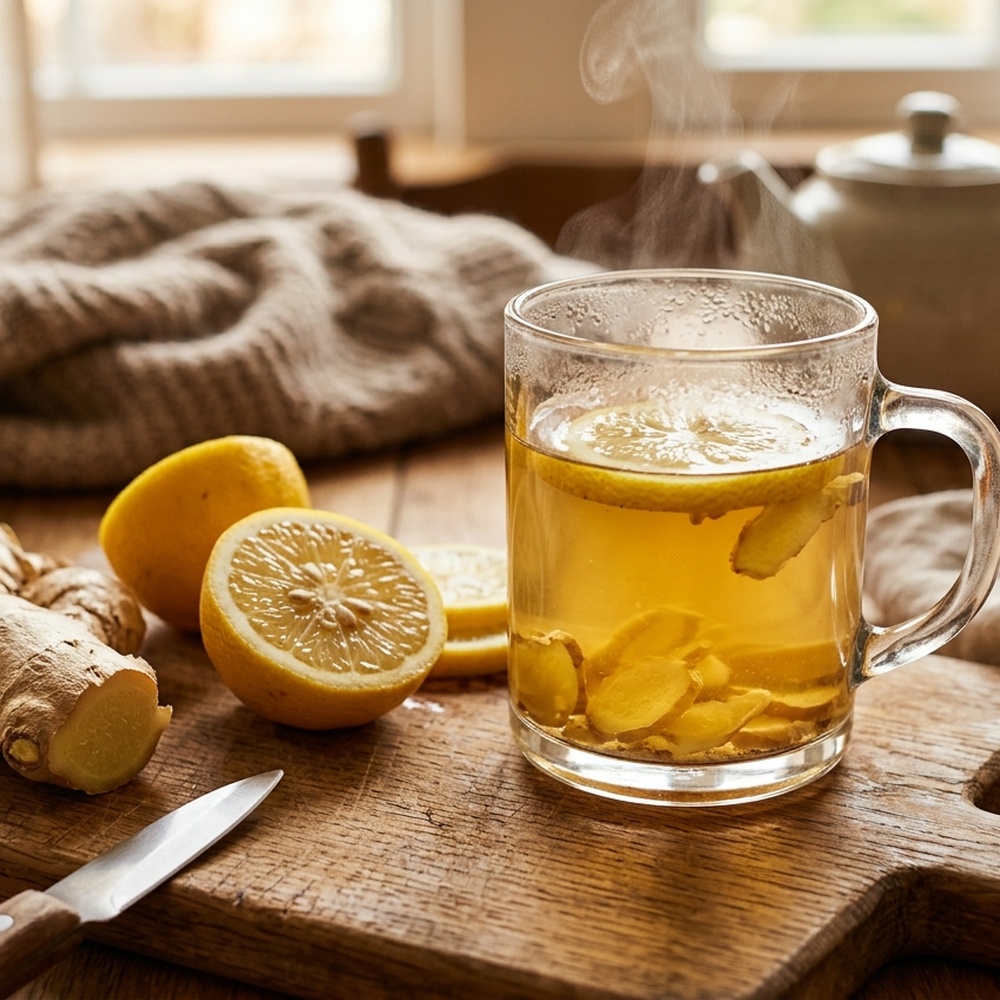
Fresh ginger rhizome contains bioactive gingerols and shogaols that clinically reduce mild nausea, including pregnancy-related morning sickness and motion sickness. Ginger also speeds gastric emptying and provides gentle circulatory warmth. Simmering sliced ginger in water for 15 minutes creates a soothing decoction that can be enjoyed hot or chilled.
Important Safety Note: Ginger can exert mild anticoagulant (blood-thinning) effects. If you take blood-thinning medications or have gallbladder disease, consult your healthcare provider before consuming concentrated ginger drinks. Limit intake to 1 to 2 grams of dried ginger equivalent daily.
This guide covers fresh vs dried ginger differences, gastric motility research, tea vs ginger beer distinctions, and a soothing homemade lemon ginger tonic recipe. For additional context, explore our companion guide to detox headache causes and relief.
What is a ginger drink?
“Ginger drink” is a broad name instead of one fixed recipe. It may describe ginger water, ginger tea, a ginger and lemon infusion, a strong wellness shot, ginger ale, or ginger beer.
The homemade version in this guide uses fresh ginger rhizome, the underground stem of the ginger plant, Zingiber officinale. The root-like piece sold in grocery stores contains aromatic oils and pungent compounds that create ginger's warm taste.
What does a fresh ginger drink taste like?
Fresh ginger tastes bright, peppery, citrus-like, and slightly sweet. A weak infusion has gentle warmth. Grated or blended ginger releases more juice and creates a sharper drink.
The heat should feel warming, not painful. If a drink burns the throat or causes heartburn, use less ginger, add more water, reduce the simmering time, or drink it with food.
Lemon adds acidity and aroma. Honey or maple syrup softens the heat but also adds sugar. Neither is required.
Fresh ginger versus ground ginger
Fresh and ground ginger are different, but one is not always better.
Fresh ginger gives a clean aroma and is easy to slice, grate, or blend. Ground ginger is convenient and disperses quickly, though it can make a drink cloudy or gritty.
Drying and heating change ginger's chemical profile. Fresh ginger contains more gingerols, while dried ginger contains relatively more shogaols. Both groups of compounds are being studied. The change does not prove that fresh ginger has stronger health effects in every use.
For one mug, start with 1/4 teaspoon of ground ginger or 1 to 2 teaspoons of thinly sliced fresh ginger. Adjust after tasting.
Benefits of ginger drink: what the evidence shows
Most clinical studies test ginger capsules, powders, or standardized extracts. A homemade drink may contain a smaller and less predictable dose.
That difference matters. Evidence about a measured supplement cannot be applied directly to every cup of ginger water.
Nausea and morning sickness
Ginger has its clearest evidence for nausea and vomiting during pregnancy. The National Center for Complementary and Integrative Health, or NCCIH, says research suggests that ginger may help.
The American College of Obstetricians and Gynecologists also lists ginger tea made from fresh-grated ginger as one option that may settle the stomach. NCCIH is part of the National Institutes of Health. Pregnancy nausea can still require medical care, especially when vomiting causes dehydration, weight loss, faintness, or an inability to keep fluids down.
Evidence is less certain for other types of nausea. NCCIH reports that most motion-sickness studies have not found ginger helpful. Research on nausea after surgery or during chemotherapy remains mixed.
Do not replace prescribed anti-nausea medicine with a ginger drink. A person receiving cancer treatment should discuss ginger supplements and concentrated drinks with the oncology team.
Digestion, stomach emptying, and bloating
A small randomized trial in 24 healthy adults found that 1.2 grams of ginger in capsule form sped gastric emptying after a test meal. It did not improve the participants' digestive symptoms in that study.
This finding may explain why ginger is studied for fullness and indigestion. It does not prove that a homemade ginger drink will relieve bloating or trapped gas.
Ginger is also said to stimulate digestive enzymes, but evidence for that claim is not strong enough to promise a clinical benefit from a drink.
Bloating has many causes, including constipation, lactose intolerance, celiac disease, irritable bowel syndrome, and other conditions. Persistent swelling, pain, vomiting, blood in the stool, fever, or weight loss needs medical assessment.
Inflammation, menstrual cramps, and joint symptoms
Laboratory research shows that ginger compounds can affect inflammatory pathways. Human studies have focused mainly on measured supplements instead of drinks. Ginger is often marketed as an anti-inflammatory beverage, but the label is stronger than the evidence for a homemade infusion.
NCCIH says ginger supplements might reduce the severity of menstrual cramps. They may also help some symptoms of knee osteoarthritis, but much of the osteoarthritis research has been low quality.
A ginger drink should not be described as working like an anti-inflammatory drug. It is also not a substitute for arthritis treatment, pain assessment, or physical therapy.
Colds and sore throats
A warm ginger lemon drink can feel soothing and can add fluid when someone has a mild cold. Honey may ease coughing in adults and children over age 1.
Ginger has not been shown to cure a cold, kill a respiratory virus, or shorten every illness. Seek medical advice for breathing difficulty, dehydration, chest pain, confusion, a severe sore throat, or symptoms that are worsening.
Never give honey to a baby under 12 months because of the risk of infant botulism.
Weight management
A low-sugar ginger drink may support a weight-management plan when it replaces soda, sweet tea, or another high-calorie drink. The main benefit in that case comes from the swap.
Ginger water does not melt belly fat or produce meaningful weight loss on its own. Be cautious with products marketed as detox, fat-burning, or metabolism-boosting ginger drinks.
How to make a fresh ginger drink for weight loss
Use the basic recipe without honey, maple syrup, juice, or another caloric sweetener. Serve it as a hot ginger infusion or an iced ginger refresher in place of a sugary drink.
This substitution can lower beverage calories. Adding ginger does not create a special fat-loss effect, and a balanced eating pattern still matters.
When evaluating overall beverage quality and ingredient balance, you can also compare notes in our gluten-free beverage options.
Nutrition in a homemade ginger drink
Plain ginger and water make a low-calorie drink, but no single nutrition number applies to every recipe. Slices left behind in a strainer contribute less carbohydrate and fiber than ginger that is blended and consumed.
Lemon adds a small amount of vitamin C. Honey, maple syrup, apple juice, and other sweeteners add sugar and calories. A concentrated homemade ginger wellness shot may contain much more ginger per ounce than a mild infusion.
Ginger contains small amounts of nutrients, including potassium and magnesium, but a typical strained drink is not a major source. Its main nutritional advantage may be replacing a more heavily sweetened beverage.
Fresh Simmered Ginger and Lemon Soothing Tonic
Ingredients
- •2 inches (50g) Fresh unpeeled ginger rhizome (washed, sliced into thin coins)
- •3 cups (720ml) Pure filtered water
- •1 large Fresh juicy lemon (halved)
- •1 tbsp Pure raw honey or maple syrup (optional, to taste)
- •1 sprig Fresh garden mint or small cinnamon quill (optional)
Preparation Method
Pro Tip: Simmering ginger (decoction) extracts deeper gingerols and shogaols than quick steeping in a teapot. For an extra spicy throat kick, muddle the ginger coins before simmering.
Ginger tea vs. ginger drink, ginger ale, and ginger beer
These names overlap, so the label and recipe matter more than the category name.
| Beverage | How it is usually made | Sugar and carbonation | Main use |
|---|---|---|---|
| Fresh ginger drink |
Fresh ginger steeped, simmered, or blended with water; citrus or sweetener may be added | Customizable; usually still | Everyday beverage or recipe | | Ginger tea | Fresh ginger, dried ginger, or a tea bag steeped in hot water | Usually unsweetened unless sugar or honey is added; still | Hot caffeine-free drink | | Ginger ale | Carbonated soft drink with ginger flavor, extract, or real ginger, depending on the product | Often sweetened and fizzy; diet versions may use non-sugar sweeteners | Soft drink or mixer | | Ginger beer | Traditionally fermented ginger drink; many modern products are force-carbonated | Often sweetened and fizzy; alcohol content varies | Strong-flavored soft drink or cocktail mixer | | Ginger shot | Blended or pressed ginger with a small amount of water or juice | Concentrated; sugar depends on the product | Small, intense serving |
Fresh ginger drink and ginger tea may be nearly identical. “Tea” usually suggests a hot steeped drink, while “ginger drink” can include hot, cold, still, or blended recipes.
Commercial ginger ale does not have one standard amount of real ginger or sugar. Some products use ginger extract or real ginger, while others rely mainly on flavoring. Read the ingredient list and Nutrition Facts panel.
Ginger beer may be non-alcoholic or contain alcohol. Our guide to whether ginger beer is alcoholic explains fermentation, labeling, and alcohol by volume.
Easy fresh ginger drink recipe with lemon
This recipe makes a mild drink first. You can increase the strength after tasting.
Yield: About 4 cups
Preparation time: 5 minutes
Cooking time: 10 minutes
Ingredients
- 1 piece fresh ginger, about 1 to 2 inches long
- 4 cups water
- 1 to 2 tablespoons fresh lemon juice
- 1 to 2 teaspoons honey or maple syrup, optional
- 4 mint leaves, optional
Instructions
1. Wash the ginger under running water and scrub away any dirt. 2. Peel it if you prefer, then cut it into thin slices. 3. Add the ginger and water to a saucepan. 4. Bring the water just to a boil. Lower the heat, cover, and simmer for 5 to 10 minutes. 5. Remove the pan from the heat and strain the liquid. 6. Add lemon juice after the drink cools slightly. Stir in a small amount of sweetener if needed. 7. Taste carefully. Add warm water if the ginger is too strong.
This simmered version may also be called boiled ginger root water. A gentle simmer gives better flavor control than a long, hard boil.
How to serve it hot
Pour the strained drink into mugs. Let it cool to a safe temperature before drinking.
For a caffeine-free evening drink, keep the flavor mild and skip large amounts close to bedtime if ginger causes reflux. Our caffeine-free drinks guide has more options.
How to serve it cold
Cool the drink promptly, transfer it to a clean covered container, and refrigerate it. Serve it over ice with mint or a lemon slice.
Use refrigerated homemade ginger drink within 3 to 4 days. Discard it sooner if it develops an unusual smell, fizz, cloudiness, mold, or a changed taste.
How to prevent throat burn
- Start with less ginger.
- Use slices instead of grated or blended root.
- Simmer for 5 minutes instead of 15 or 20.
- Add more water after straining.
- Sip it with food if an empty stomach causes discomfort.
- Reduce or skip lemon if acid worsens reflux.
For readers interested in companion functional hydration options, review our dedicated guide to refreshing homemade lemonade.
How to peel and prepare fresh ginger
Young ginger has thin skin and may only need a good wash. Older ginger can have dry, tougher skin that some cooks prefer to remove.
The spoon method
Hold the washed ginger firmly on a cutting board. Scrape the skin with the edge of a teaspoon, working around the knobs.
A spoon follows the uneven surface and usually removes less flesh than a knife. A vegetable peeler also works on broad, smooth pieces. There is no need to remove every trace of clean skin for a strained drink.
Slicing, grating, or blending
Choose the method based on the result you want:
- **Thin slices:** Mild to medium flavor and a clear drink that is easy to strain.
- **Grated ginger:** Faster extraction, stronger heat, and more sediment.
- **Blended ginger:** The strongest drink, with pulp that needs fine straining.
- **Crushed ginger:** Medium strength with less work than grating.
Five ginger drink variations
Each variation begins with the basic recipe. Keep added sugar modest and dilute concentrated drinks before serving.
1. Ginger lime refresher
Replace lemon juice with fresh lime juice. Chill the drink and serve it over ice.
2. Ginger mint water
Add fresh mint after removing the pan from the heat. Steep for 3 to 5 minutes, then strain.
3. Apple ginger drink
Mix 3 parts cooled ginger drink with 1 part 100% apple juice. This tastes sweeter, so serve a smaller glass with a meal.
4. Sparkling ginger lemon drink
Combine equal parts cold ginger infusion and plain sparkling water just before serving. Add a squeeze of lemon.
5. Mild ginger shot
Blend a small piece of ginger with water and a little lemon juice, then strain it well. Start with a small serving and dilute it if it irritates the mouth, throat, or stomach.
A concentrated shot is not automatically healthier than a full glass of diluted ginger drink. Concentration mainly changes taste, dose, and the risk of irritation.
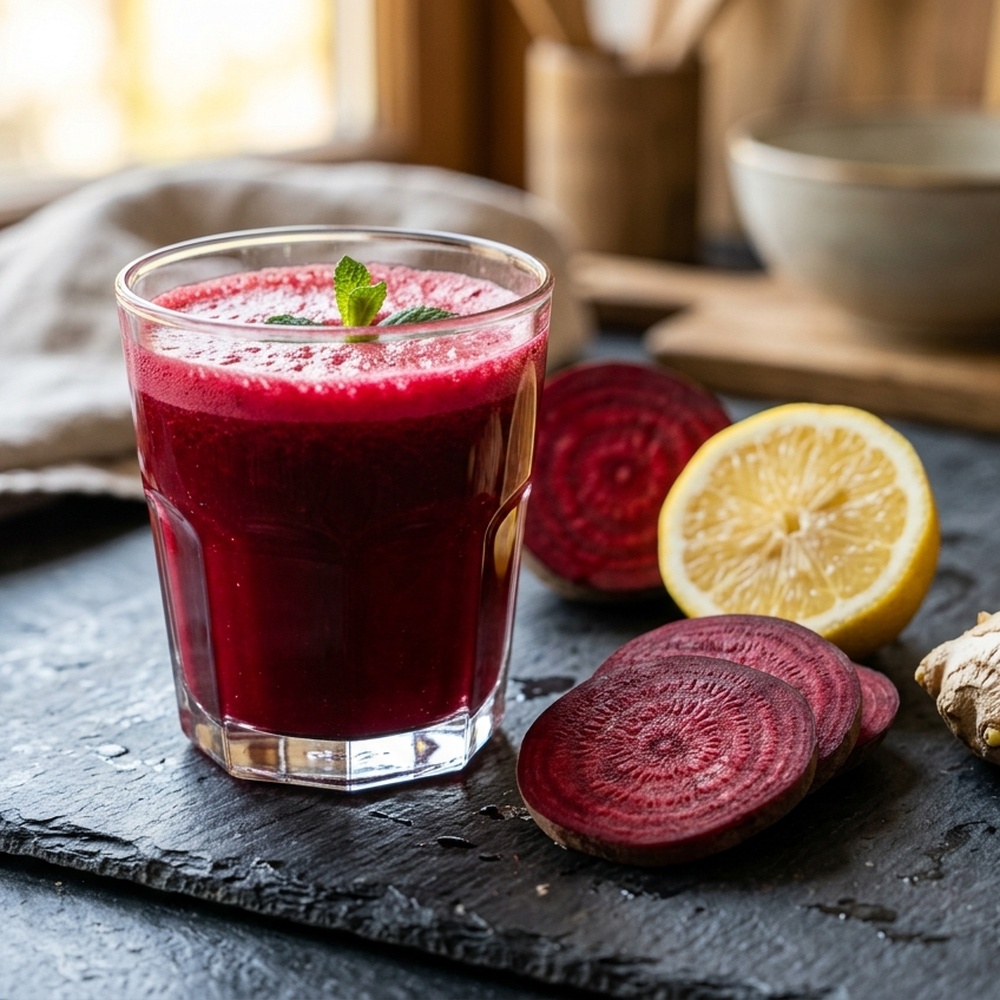
For another way to use ginger with a root vegetable, see our beet juice recipe. Ginger can sharpen the earthy flavor, but a small amount is usually enough.
Is it better to boil, simmer, or steep ginger?
Each method works. The best choice depends on the flavor you want.
| Method | Typical result | Best for |
|---|---|---|
| Steep sliced ginger in hot water |
Mild and aromatic | A quick mug with less heat | | Simmer sliced ginger for 5 to 10 minutes | Fuller flavor and more warmth | A pitcher served hot or cold | | Boil hard for a long time | Strong, sharp, and sometimes bitter | A concentrate that will be diluted | | Blend raw ginger with water | Very hot, cloudy, and pulpy | Small shots or recipe bases |
A longer simmer makes a stronger drink, but home recipes vary too much to promise a health advantage over steeping. Choose the method for flavor and tolerance.
How much ginger drink can you drink in a day?
There is no universal number of cups because recipes differ. One cup may contain two thin slices, while another may contain a large blended piece.
Some clinical reviews discuss adult ginger intakes up to about 4 grams per day. That figure is not a personal target or a universal limit, and it does not translate neatly into inches, tablespoons, tea bags, extracts, or finished drinks.
Use food-sized amounts, begin with a mild drink, and stop if it causes heartburn, diarrhea, stomach pain, or mouth and throat irritation. Ask a clinician or pharmacist about regular use when you have a medical condition or take medicine.
Supplements and concentrated shots require more care than a mild culinary drink because they can deliver a larger dose quickly.
Ginger drink during pregnancy and breastfeeding
Research suggests that ginger may help nausea and vomiting during pregnancy. ACOG includes fresh-grated ginger tea among options that may settle the stomach.
Studies often use about 1 gram of ginger per day, but that is a study dose instead of a universal personal limit. Products also differ in strength.
Speak with an obstetric clinician before using ginger capsules, extracts, frequent concentrated shots, or large daily amounts. Severe vomiting, reduced urination, dizziness, weight loss, or an inability to keep fluids down needs prompt care.
Little is known about the safety of ginger supplements during breastfeeding. Culinary amounts in food and mild drinks are different from concentrated products, so discuss regular supplement use with a clinician.
Side effects and medication concerns
Ginger can cause:
- Heartburn or abdominal discomfort
- Diarrhea or gas
- Mouth and throat irritation
- An unpleasant burning sensation in strong drinks
- Take anticoagulant or antiplatelet medicine
- Take medicine for diabetes or blood pressure
- Have a bleeding disorder
- Have gallbladder disease
- Are preparing for surgery
- Are pregnant or breastfeeding
- Are receiving cancer treatment
Do not stop, reduce, or replace prescribed medicine because of a ginger drink.
Does ginger drink help acid reflux?
Ginger is sometimes promoted as a reflux remedy, but strong evidence is lacking. It can cause heartburn in some people.
Lemon, large servings, concentrated ginger, and drinking close to bedtime can also aggravate symptoms. Try a mild, non-citrus version with food if your clinician says ginger is appropriate.
Frequent reflux, trouble swallowing, vomiting, black stool, chest pain, anemia, or unexplained weight loss needs medical evaluation.
How to choose a bottled ginger drink
The words “natural,” “wellness,” and “real ginger” do not show how much ginger or sugar a product contains.
Check:
- Serving size
- Added Sugars on the Nutrition Facts panel
- Ginger's position in the ingredient list
- Juice percentage
- Caffeine
- Non-sugar sweeteners
- Alcohol by volume for fermented products
- Storage directions after opening
Frequently asked questions about ginger drinks
What are the main benefits of a ginger drink?
Ginger may help nausea and vomiting during pregnancy. Small studies also show effects on gastric motility, while evidence for menstrual cramps and knee osteoarthritis mainly involves supplements. A homemade drink should not be presented as a cure.
What does drinking ginger water every day do to your body?
Daily use may provide a low-sugar alternative to sweet drinks, and some people find the flavor settles their stomach. It may also cause heartburn, diarrhea, or irritation. Research does not show that daily ginger water detoxes the body or prevents disease.
Is it better to boil or steep fresh ginger?
Steeping makes a mild drink. Simmering sliced ginger for 5 to 10 minutes creates a stronger flavor. Neither method has been proven best for every health goal.
What is the difference between ginger drink and ginger ale?
A fresh ginger drink is usually a still infusion made from ginger and water. Ginger ale is a carbonated soft drink. Its ginger content, sugar, and sweeteners depend on the brand.
What is the difference between ginger ale and ginger beer?
Ginger ale is usually a mild carbonated soda. Ginger beer tends to taste stronger and may be brewed, fermented, or force-carbonated. Either can be non-alcoholic, so check the label.
How much ginger drink can you safely drink in a day?
There is no universal cup limit because recipes vary. Start with a mild serving and account for ginger from food, supplements, shots, and other drinks. Ask a clinician about regular concentrated use.
Can I drink ginger every day?
Many adults tolerate culinary amounts of ginger. Daily concentrated drinks or supplements deserve more caution, especially during pregnancy, before surgery, or when taking medicine.
Does drinking ginger help with stomach bloating?
Ginger has affected gastric emptying in small studies, but that does not prove that ginger water treats bloating. Ongoing or painful bloating needs assessment for its cause.
Does ginger drink help with weight loss?
It does not burn fat by itself. An unsweetened ginger drink can reduce calorie intake when it replaces a sugary drink.
Can ginger drink cure a cold or sore throat?
No. A warm drink may feel soothing and provide fluid, but ginger does not cure a viral infection. Honey may ease a cough for people over age 1.
Can pregnant people drink ginger tea?
Ginger may help pregnancy-related nausea, and ACOG lists ginger tea as one option. Discuss supplements, extracts, concentrated shots, and persistent vomiting with an obstetric clinician.
Can children drink ginger drinks?
A mild culinary ginger drink can be suitable for some older children, but strong shots may irritate the mouth or stomach. Avoid honey under 12 months and ask a pediatrician about medicinal use, supplements, or use during illness.
How long does homemade ginger drink last?
Cool it promptly, keep it in a clean covered container, and refrigerate it for up to 3 to 4 days. Discard it sooner if its smell, taste, appearance, or carbonation changes.
Can you make ginger drink with ground ginger?
Yes. Start with about 1/4 teaspoon per mug, whisk well, and strain if needed. Ground ginger tastes different and creates more sediment than sliced fresh ginger.
Should you peel ginger before making a drink?
Peeling is optional when the ginger is fresh, clean, and well scrubbed. Remove dry, damaged, or moldy areas. A teaspoon works well on uneven pieces.
Practical takeaway
A useful ginger drink begins with a mild recipe, real ginger, enough water, and optional lemon or sweetener. Slices give the easiest control over heat, while grated or blended ginger makes a stronger drink.
The best-supported health use is pregnancy-related nausea, though the evidence often comes from supplements instead of homemade drinks. Claims about detoxing, fat burning, reflux cures, cold cures, or guaranteed anti-inflammatory effects go beyond the evidence.
Read commercial labels, dilute strong drinks, and review concentrated use with a clinician when medicines, pregnancy, surgery, cancer treatment, or chronic illness are involved.
How this guide was reviewed
This article was checked against information from NCCIH, ACOG, the National Cancer Institute, and a randomized clinical trial indexed by PubMed. The fact check was completed on October 16, 2026.
This article provides general education and cooking guidance. It does not replace personal medical care.
Frequently Asked Questions
Common questions about ginger drink: benefits, easy recipe, types, and safety, ingredients, daily consumption limits, and safety guidelines:
Q.What are the proven benefits of a fresh ginger drink?
Clinical studies show that ginger compounds (gingerols and shogaols) help reduce mild nausea, particularly morning sickness during pregnancy and postoperative nausea. Ginger also aids gastric motility and stomach emptying.
Q.Is it better to boil or steep fresh ginger?
Simmering (decoction) in a covered pot for 10 to 15 minutes extracts more pungent active gingerols and deeper warmth than quick steeping in a cup. A gentle steep yields a milder, lighter tea.
Q.Can you drink ginger tea every day?
Yes. Most adults can safely consume ginger tea daily in dietary amounts (equivalent to 1 to 2 grams of dried ginger or up to 2 tablespoons of fresh sliced rhizome). Check with a doctor if taking blood thinners.
Q.What is the difference between ginger beer and a ginger drink?
A ginger drink is an unfermented infusion of fresh ginger and water. Traditional ginger beer is naturally brewed with yeast or a ginger bug, creating natural carbonation and slight organic acids.
The Bottom Line
Fresh Ginger as a Daily Digestive Companion
Fresh ginger offers genuine digestive comfort and warming flavor without artificial additives. Simmering fresh rhizome slices on low heat unlocks aromatic oils that soothe the stomach and support daily wellness.
Sources and Review Standards
The London Juice Company applies rigorous editorial standards to all functional beverage and nutrition guides. Every nutritional claim, clinical boundary, and safety guideline is validated using peer-reviewed publications and public health agency databases:
- Ginger: Use in Nausea, Vomiting, and Gastrointestinal Motility - National Center for Complementary and Integrative Health (NCCIH / NIH)
- ACOG Practice Bulletin No. 189: Nausea and Vomiting of Pregnancy - Obstetrics & Gynecology / PubMed
- Effects of Ginger on Gastric Emptying and Motility in Healthy Humans - European Journal of Gastroenterology & Hepatology / PubMed
- Ginger Root, Raw, Essential Oils and Gingerol Content - USDA FoodData Central





Comments and reviews (0)