


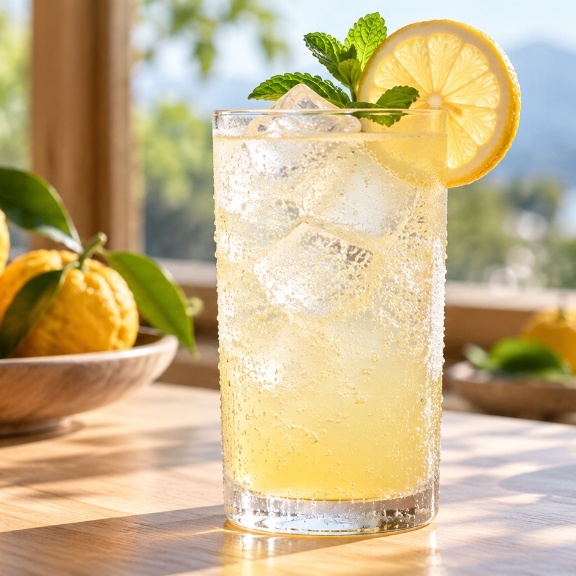
Many grocery shoppers spot canned yuzu drinks on supermarket shelves and wonder how this Japanese citrus differs from ordinary lemonade. That confusion grows when you see tiny bottles of yuzu juice selling for premium prices in specialty markets.
What Is a Yuzu Drink?
A yuzu drink is a refreshing beverage made from the juice, zest, or fruit marmalade of the yuzu citrus (Citrus junos), combined with still water, sparkling water, or tea. It delivers a tart, intensely floral flavor that tastes like a blend of Meyer lemon, sweet mandarin, and crisp grapefruit. Yuzu drinks are naturally caffeine-free and pack more than twice the vitamin C of standard lemons.
| Yuzu Drink at a Glance | |
|---|---|
| Primary Flavor | Tart citrus with floral, herbal, and pine notes |
| Origin | East Asia (Japan, Korea, China) |
| Caffeine Level | 0 mg (Naturally caffeine-free unless mixed w/ tea) |
| Vitamin C Level | ~40 mg to 90 mg per 100 g of fresh juice |
| Common Forms | Canned sparkling soda, hot honey tea, mocktails |
| Best Substitutes | Meyer lemon juice mixed with mandarin zest |
What Is a Yuzu Drink?
Yuzu is a cold-hardy citrus fruit native to East Asia. It grows on thorny trees in regions like Shikoku Island in Japan. The fruit looks like a small, bumpy grapefruit with thick yellow skin and large seeds inside.
Because yuzu fruit contains very little pulp and many large seeds, a single fruit yields only about 1 to 2 tablespoons of liquid. The true culinary magic lives in the bumpy outer peel, which is packed with aromatic essential oils.
A yuzu drink takes this tart juice and aromatic oil, blending it into carbonated water, brewed tea, or warm water sweetened with honey.
The Flavor Profile: Lemon, Mandarin, and Grapefruit
Ordinary lemons offer a sharp, straightforward sourness. Yuzu produces a much more complex sensory experience:
- The Front Note: Bright, crisp acidity similar to a wild lime or lemon.
- The Middle Note: Sweet, floral perfume reminiscent of a ripe mandarin orange.
- The Finish: A gentle, pleasant bitterness that echoes yellow grapefruit and green pine.
This complex aroma comes from high concentrations of aromatic compounds like yuzunone and thymol. These natural plant terpenes give yuzu drinks their unmistakable perfume.
Why Fresh Yuzu Is Rare in the United States
If you visit an American supermarket, you will almost never find fresh yuzu fruit imported from Japan. The United States Department of Agriculture (USDA) strictly regulates fresh Asian citrus imports to protect domestic orchards from foreign citrus cankers and pests.
American beverage companies and home cooks rely on two primary sources:
- Bottled 100% Pure Yuzu Juice: Flash-pasteurized juice imported directly from prefectures like Kochi, Japan.
- Domestic US Orchards: Small-scale specialty citrus farms in California and Oregon that grow fresh yuzu trees for seasonal autumn harvest.
Health Benefits and Nutritional Facts
Drinking yuzu beverages provides functional nutritional value, especially when you choose unsweetened or lightly sweetened options.
| Nutritional Profile (Per 100 ml Pure Yuzu Juice) | |
|---|---|
| Calories | 21 kcal |
| Total Carbohydrates | 7.0 g |
| Natural Sugars | 2.5 g |
| Vitamin C (Ascorbic Acid) | 40 mg to 90 mg (Up to 100% Daily Value) |
| Potassium | 210 mg |
| Calcium | 18 mg |
| Citric Acid | 4.5 g to 5.0 g |
Vitamin C and Immune Defense
Pure yuzu juice contains significantly higher levels of ascorbic acid (vitamin C) than standard Persian limes or supermarket lemons.
Vitamin C works in your body to:
- Support white blood cell production for daily immune defense.
- Assist in collagen synthesis, which keeps skin, joints, and blood vessels resilient.
- Protect cells from oxidative stress caused by environmental pollutants and poor diet.
A single glass of homemade sparkling yuzu soda made with 2 tablespoons of real juice can supply over 30% of your daily recommended vitamin C intake.
Protective Plant Compounds: Limonoids and Flavonoids
The thick rind of the yuzu fruit is dense with bioactive phytochemicals. When producers press whole fruits, these compounds transfer into the juice:
- Limonin and Nomilin: Natural citrus limonoids that give yuzu its subtle bitter undertone and offer cellular antioxidant protection.
- Hesperidin and Naringin: Flavonoids that support capillary circulation and promote healthy arterial blood flow.
Natural Energy Without Caffeine
Pure yuzu fruit contains zero caffeine.
If you drink a yuzu soda in the afternoon, the refreshing lift you feel comes from sensory olfactory stimulation and natural citric acid. Citric acid plays a direct role in the Krebs cycle, the metabolic pathway your cells use to convert nutrients into cellular energy.
Common Types of Yuzu Drinks
You can enjoy yuzu in several distinct formats depending on the time of day and the season.
| Drink Style | Base Liquid | Best Occasion |
|---|---|---|
| Sparkling Yuzu Soda | Carbonated Water | Afternoon refresher / lunch |
| Yuzucha (Citron Tea) | Hot Water | Evening relaxation / winter |
| Yuzu Iced Green Tea | Chilled Sencha | Warm weather hydration |
| Yuzu Citrus Mocktail | Tonic or Ginger Ale | Dinner parties / gatherings |
- Sparkling Yuzu Soda and Flavored Waters: This is the most common style sold in American grocery stores. Brands blend carbonated spring water with 2% to 10% real yuzu juice and a small amount of cane sugar or honey. The fine bubbles lift the citrus oils straight to your nose.
- Traditional Hot Yuzu Honey Tea (Yuzucha): In Japan and Korea (where it is known as yujacha), families preserve sliced yuzu peel in raw honey or cane sugar. Spooning 1 or 2 tablespoons of this marmalade into a mug of boiling water creates a sweet, soothing tea that calms sore throats in cold winter months.
- Yuzu Iced Green Tea and Matcha: Japanese green teas like Sencha and Hojicha pair naturally with citrus acidity. Adding a splash of yuzu juice to chilled green tea cuts through the earthy tannins, creating a crisp, energizing beverage.
- Craft Mocktails and Citrus Highballs: Bartenders prize yuzu because its acidity holds up against bold flavors. You can replace lemon juice with yuzu in non-alcoholic sours, or mix it with club soda, crushed ice, and fresh mint for a Japanese-style virgin mojito.
Popular Store-Bought Yuzu Drink Brands in the US
If you prefer ready-to-drink cans, several brands have earned national distribution across American supermarkets like Whole Foods, Trader Joe's, and local Asian markets.
| Brand | Product Style | Sugar Level | Juice Content |
|---|---|---|---|
| Kimino | Sparkling Yuzu Can | 12 g per can | Hand-picked juice |
| Moshi | Sparkling Yuzu Bottle | 18 g per btl | 100% Japanese juice |
| Moshi Zero | Unsweetened Sparkling | 0 g | Zero added sugar |
| Sanzo | Yuzu Sparkling Water | 0 g | Real fruit extract |
| Trader Joe's | Sparkling Yuzu Water | 0 g | Seasonal citrus can |
- Kimino Yuzu Sparkling: Produced in Japan using spring water from the Hyogo mountains, hand-picked Shikoku yuzu, and organic cane sugar. It has a delicate, gentle fizz and a balanced sweetness that never overpowers the fruit.
- Moshi Sparkling Yuzu: Moshi imports real Japanese juice and bottles their sparkling beverages in Brooklyn, New York. They offer multiple variations, including Original Yuzu, Yuzu White Peach, Yuzu Red Shiso, and an Unsweetened zero-calorie version.
- Sanzo Yuzu Sparkling Water: Sanzo focuses on zero-sugar, zero-calorie Asian fruit waters. Their yuzu edition uses real pressed fruit without artificial flavorings, offering a bone-dry, crisp finish for keto and low-carb drinkers.
How to Make a Refreshing Yuzu Drink at Home
Making a handcrafted yuzu drink at home requires only a few minutes. Because 100% bottled yuzu juice is intensely concentrated, a little goes a very long way.
Sparkling Japanese Yuzu Soda (3-Minute Refreshment)
Ingredients
- • 2 tablespoons (1 fl oz) 100% pure bottled Japanese yuzu juice
- • 1.5 tablespoons raw clover honey, agave, or simple cane syrup
- • 8 ounces cold sparkling water or club soda
- • 1 cup clean solid ice cubes
- • Garnish: 1 thin wheel of fresh lemon or yuzu and a smacked mint sprig
Equipment Needed
- – Tall highball or Collins glass
- – Bar spoon for gentle stirring
- – Measuring jigger or tablespoon
Preparation Method
Always ensure your imported Japanese yuzu juice is 100% pure unsalted juice intended for beverages. In Japanese grocery stores, some bottles contain 1.5% to 2% added sea salt to preserve it as a culinary seasoning vinegar, which makes drinks unpleasantly salty.
Recipe 2: The Soothing Warm Honey Yuzu Tea
Ingredients
- 2 tablespoons yuzu marmalade (Yuzucha citron paste) OR 1.5 tablespoons pure yuzu juice plus 1 tablespoon raw clover honey
- 8 ounces hot water (heated to 190 degrees Fahrenheit, not boiling)
- Optional: 1 thin slice of fresh ginger
Step-by-Step Instructions
- Warm the Mug: Swirl hot water in your mug for 20 seconds, then pour it out.
- Combine Ingredients: Add the yuzu marmalade (or yuzu juice and honey) into the warm mug.
- Add Hot Water: Pour 8 ounces of hot water into the mug.
- Stir and Steep: Stir for 30 seconds until the paste dissolves. If using fresh ginger, let it steep for 2 minutes before drinking. Sip slowly.
Yuzu vs Other Citrus Drinks: A Clear Comparison
Understanding how yuzu compares to other global citrus beverages helps you decide which ingredient best fits your kitchen pantry.
| Characteristic | Yuzu Drink | Traditional Lemonade | Calamansi Juice |
|---|---|---|---|
| Botanical Origin | Citrus junos (Japan/Korea) | Citrus limon (Mediterranean) | Citrofortunella microcarpa |
| Flavor Character | Floral, mandarin, pine, tart | Direct sour, clean acid | Tart orange, musky lime |
| Aroma Intensity | Very High | Moderate | High |
| Seed-to-Pulp Ratio | High seed count | Low seed count | Moderate |
| Peel Oil Profile | Rich in yuzunone and thymol | Rich in d-limonene | Rich in linalool |
| Average Price | High / Premium | Low / Budget | Moderate |
Common Mistakes When Preparing Yuzu Drinks
- Using Boiling Water on Raw Yuzu Juice: Scorching temperatures above 200 degrees Fahrenheit degrade fragile ascorbic acid and volatilize delicate peel oils. Keep hot water below 190 degrees Fahrenheit.
- Over-Sweetening the Beverage: Yuzu possesses a distinctive pine and floral finish. Pouring excessive amounts of heavy sugar syrup drowns out the subtle aromatic terpenes.
- Confusing Citron Marmalade with Pure Juice: Jars of Korean yujacha contain roughly 50% sugar by volume. If you use citron marmalade, eliminate any extra syrups from your recipe.
- Buying Artificially Flavored Yuzu Drinks: Many cheap commercial sodas contain "yuzu flavor" made from synthetic esters with zero actual fruit juice. Look for bottles that list 100% yuzu juice on the ingredient label.
Frequently Asked Questions About Yuzu Drinks
Does a yuzu drink contain caffeine?
Pure yuzu juice contains zero caffeine. A yuzu drink only has caffeine if you mix the juice with caffeinated tea bases like green tea, matcha, or black tea.
Can you drink yuzu juice straight?
Drinking pure, undiluted yuzu juice is not recommended. It has an intense citric acid concentration (over 4.5 grams per 100 ml), which can irritate your stomach lining and erode tooth enamel. Always dilute yuzu juice with water, tea, or soda.
Is yuzu juice alcoholic?
Yuzu drinks are naturally non-alcoholic. In Japan, distillers produce a sweet liqueur called Yuzushu by infusing whole yuzu fruit into sake or shochu, but standard canned yuzu sodas and teas are completely alcohol-free.
How long does a bottle of 100% yuzu juice last after opening?
Keep opened bottles of pure yuzu juice tightly sealed in your refrigerator. Because the juice is highly acidic, it remains fresh for 3 to 4 months. You can also freeze leftover juice in clean silicone ice cube trays for up to 12 months.
The Bottom Line
Summary and Practical Takeaways
Yuzu drinks deliver a rare combination of intense floral perfume, lively acidity, and functional vitamin C that easily surpasses everyday lemonade.
- Floral Pine Terpenes: Rich in yuzunone and thymol, creating an aromatic bouquet unlike standard supermarket lemons.
- Potent Vitamin C: Packs more than double the ascorbic acid of common limes to support immune and vascular resilience.
- 3-Minute Home Soda: Whisk 2 tablespoons of 100% bottled Japanese yuzu juice with raw honey, pour over ice, and top with sparkling water.
- Winter Comfort Tea: Dissolve yuzu marmalade or juice into 190°F water with ginger for soothing, caffeine-free warmth.
Sources and Review Standards
- USDA Foreign Agricultural Service: Plant Health Regulations on Fresh Asian Citrus Cultivars
- National Center for Biotechnology Information (NCBI / PubMed): Bioactive Limonoids and Antioxidant Terpenes in Citrus junos
- Japan National Tourism Organization (JNTO): Agricultural Heritage and Processing of Kochi Prefecture Yuzu
- U.S. Department of Agriculture (USDA) FoodData Central: Ascorbic Acid and Micronutrient Profiles of Asian Citrus Juices







Comments and reviews (0)