


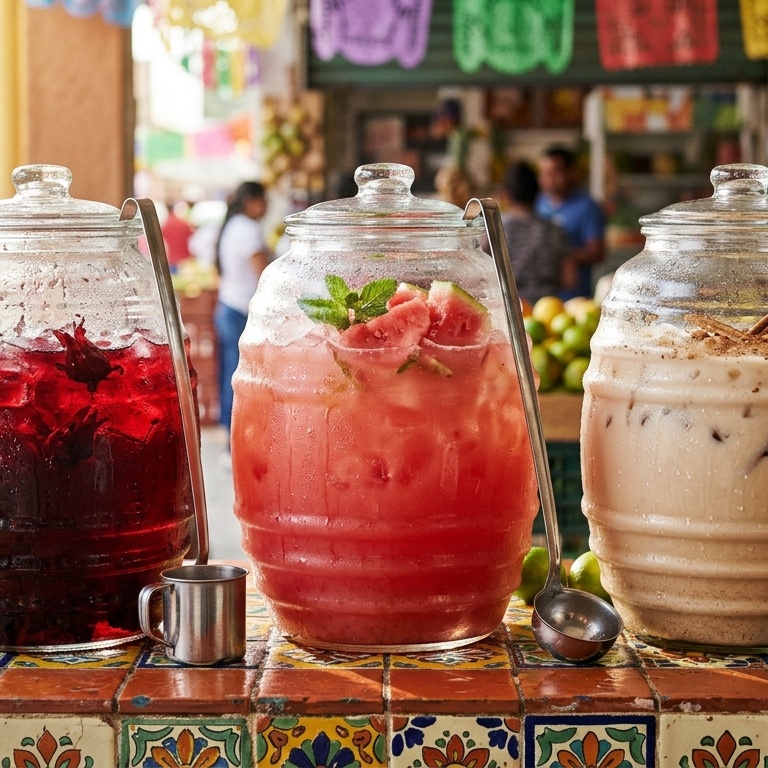
Walking into a lively Mexican taqueria or open-air market (mercado) often treats your eyes to a colorful display: large, barrel-shaped glass jars filled with vibrant red, pastel green, and creamy white drinks ladled over mountains of crushed ice. Many people wonder what these drinks are called and how they differ from standard fruit juice.
What Is Agua Fresca?
Agua fresca (literally translating from Spanish as "fresh water" or "cool water") is a traditional Mexican non-alcoholic beverage made by blending fresh fruit, flowers, seeds, or grains with water, fresh lime, and a touch of sweetener. Unlike heavy fruit purees or 100 percent extracted juices, aguas frescas are light, intensely hydrating, and balanced. The most famous varieties include watermelon (sandía), steeped hibiscus flower (jamaica), and spiced rice milk (horchata).
Hydration & Refreshment Standard: Authentic aguas frescas are naturally 100% non-alcoholic and provide clean, fruit-derived electrolytes with far lower sugar concentrations than commercial sodas or bottled juices.
What Does Agua Fresca Mean? Origins and Street Food Culture
Aguas frescas are deeply woven into daily life across Mexico and Central America, serving as an everyday celebration of ripe, seasonal produce.
The Literal Translation: "Fresh, Cool Waters"
In Spanish, agua means water and fresca means fresh or cool. The plural form is aguas frescas. The name perfectly captures the drink's primary purpose: providing crisp, thirst-quenching hydration during hot afternoons.
Aztec Origins: Volcanic Snow and Floating Gardens
The roots of agua fresca date back to pre-Hispanic Tenochtitlan (modern-day Mexico City). Aztec boatmen navigated canoes through the chinampas (floating agricultural islands), gathering wild fruits, flowers, and maize. Runners traveled up into the nearby volcanic peaks of Popocatépetl and Iztaccíhuatl, bringing down fresh glacier ice and packed snow. Aztecs crushed the volcanic ice, mashing it with native fruits and wild honey to create the first ancestral fresh waters.
The Vitrolero Tradition: The Iconic Glass Barrels
When Spanish settlers introduced sugar cane, rice, and citrus fruits to Mexico, modern varieties evolved. Today, aguas frescas are traditionally served from large, beehive-shaped glass barrels called vitroleros. Street vendors (paleteros and puestos) line up half a dozen vitroleros along their counters. Each barrel showcases a different natural color: ruby-red hibiscus, sunshine-yellow pineapple, pale-green cucumber, and creamy-ivory horchata. The vendor uses a long-handled plastic ladle (cucharón) to plunge deep into the ice, pouring refreshing streams into tall cups.
The Three Traditional Families of Aguas Frescas
While most Americans associate agua fresca with pureed summer fruit, authentic Mexican culinary tradition divides these beverages into three distinct families:
1. Fruit-Based (De Frutas)
These are made by blending whole ripe fruit with water, straining out excess fiber, and balancing with fresh lime juice:
- Agua de Sandía (Watermelon): The most popular summer variety. Watermelon contains 92 percent water and natural sugars, requiring little to no added sweetener.
- Agua de Melón (Cantaloupe): Fragrant, delicate, and velvety. In Mexico, whole cantaloupe seeds are often blended with the fruit and strained, adding rich nutty body.
- Agua de Pepino con Limón (Cucumber & Lime): Crisp, herbaceous, and intensely cooling. Often served with a salted or spiced rim.
- Agua de Piña (Pineapple): Bright, tropical, and sweet-tart. Vendors sometimes infuse the water with a stick of cinnamon for added warmth.
2. Flower & Botanical-Based (De Flores y Hierbas)
Rather than raw blended fruit, these drinks rely on steeped flowers or boiled fruit pods:
- Agua de Jamaica (Hibiscus): Made by steeping dried calyces of the hibiscus plant (Hibiscus sabdariffa) in hot water. It yields a deep crimson, tart drink reminiscent of unsweetened cranberry or pomegranate juice.
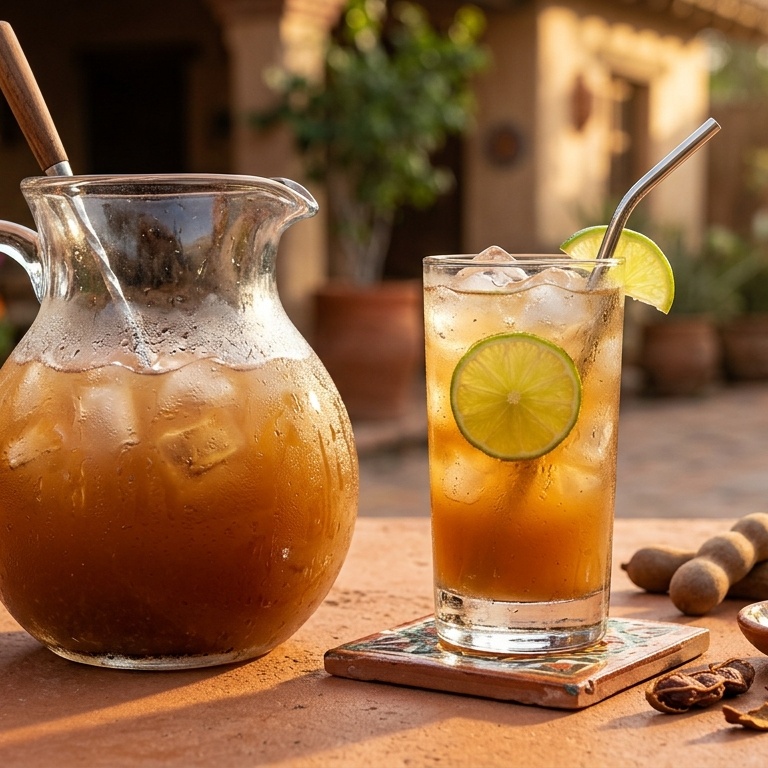
- Agua de Tamarindo (Tamarind): Made by boiling sticky tamarind pods to release their rich pulp. It delivers an unforgettable sweet, tangy, and sour flavor profile.
3. Seed & Grain-Based (De Semillas y Granos)
These beverages rely on grains or gelatinous seeds for body and texture:
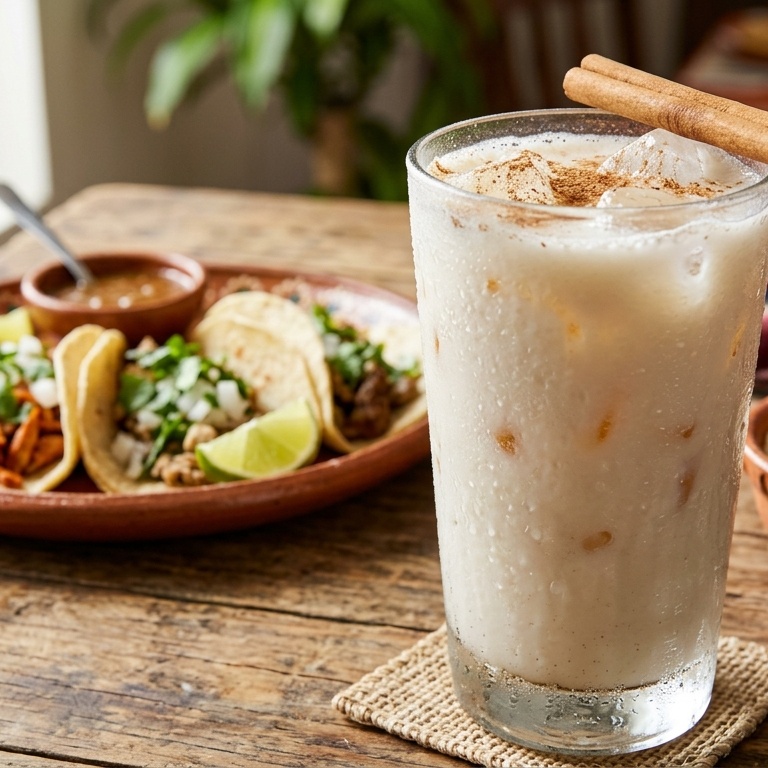
- Agua de Horchata: A silky, creamy drink made by soaking long-grain white rice and authentic Mexican cinnamon (canela) overnight. The mixture is blended until milky, strained, and seasoned with vanilla and light milk.
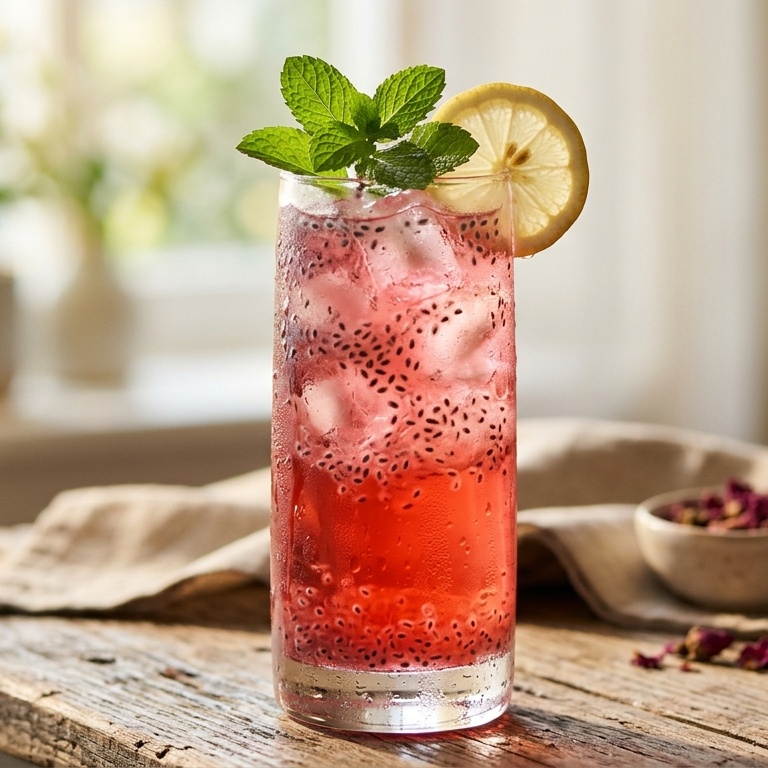
- Agua de Limón con Chía: A traditional street lemonade packed with soaked chia seeds. The chia seeds swell in the tart lime juice, creating a playful, jelly-like texture similar to basil seeds.
Why Aguas Frescas Are the Perfect Match for Spicy Food
Visit any authentic street taqueria, and you will notice that almost everyone drinks an agua fresca alongside their tacos al pastor, carnitas, or birria. This pairing is grounded in food science.
Spicy chili peppers contain an active chemical compound called capsaicin. Capsaicin binds tightly to heat receptors (TRPV1) on your tongue and throat, sending burning pain signals to your brain. Capsaicin is a hydrophobic chemical, meaning it does not dissolve in plain water. Drinking plain tap water or fizzy carbonated soda merely spreads the capsaicin oil around your mouth, intensifying the burning sensation.
Cold aguas frescas soothe spicy heat in two distinct ways:
- Temperature Gating: The ice-cold liquid numbs burning pain receptors immediately.
- Fat and Sugar Binding: Sugars in fruit waters absorb capsaicin molecules, while the milk fats and starch proteins in creamy horchata bind to capsaicin and rinse it off your tastebuds.
Agua Fresca vs. Fruit Juice vs. Fruit Punch
Understanding what makes agua fresca special requires comparing it against other common beverages:
| Feature | Authentic Agua Fresca | 100% Extracted Fruit Juice | Commercial Fruit Punch |
|---|---|---|---|
| Preparation Method | Whole fruit blended with water | Extracted through a juicer | Water mixed with high-fructose syrup |
| Fruit Content | Real fresh fruit (30% to 50%) | 100% pure fruit liquid | 0% to 5% artificial juice concentrate |
| Added Water | Yes (50% to 70% cold water) | None (Zero water added) | Yes (Water is the main ingredient) |
| Texture & Body | Light, crisp, thirst-quenching | Thick, concentrated, heavy | Watery, syrupy, artificial |
| Sugar Concentration | Low to Moderate (6g to 14g) | Very High (24g to 35g) | Extremely High (30g to 45g) |
| Contains Alcohol? | No (100% Non-Alcoholic) | No | No |
Nutritional Profile: Is Agua Fresca Healthy?
Because aguas frescas use real whole produce diluted with pure water, they generally provide healthier hydration than commercially processed sodas or energy drinks.
Natural Hydration and Micronutrients
Fruit-based aguas frescas deliver natural electrolytes (potassium and magnesium) along with vitamins A and C. Hibiscus-based agua de jamaica is packed with anthocyanin antioxidants, which clinical studies link to supporting healthy blood pressure.
The Sugar Factor: How to Cut Calories at Home
The only nutritional drawback of restaurant-style agua fresca is added cane sugar. Traditional Mexican street vendors often add generous scoops of white sugar to balance tart limes and tamarind.
When making aguas frescas at home, you have complete control over sweetener. Ripe in-season watermelon, cantaloupe, and strawberries are naturally sweet enough that you can make delicious drinks with zero added sugar, or use light natural sweeteners like raw agave nectar or monk fruit.
3 Authentic and Refreshing Agua Fresca Recipes
These three classic recipes represent the best of traditional Mexican beverage culture. They require simple equipment: a home blender, a fine-mesh strainer, and a pitcher.
Classic Agua de Sandia (Fresh Watermelon & Lime)
Ingredients
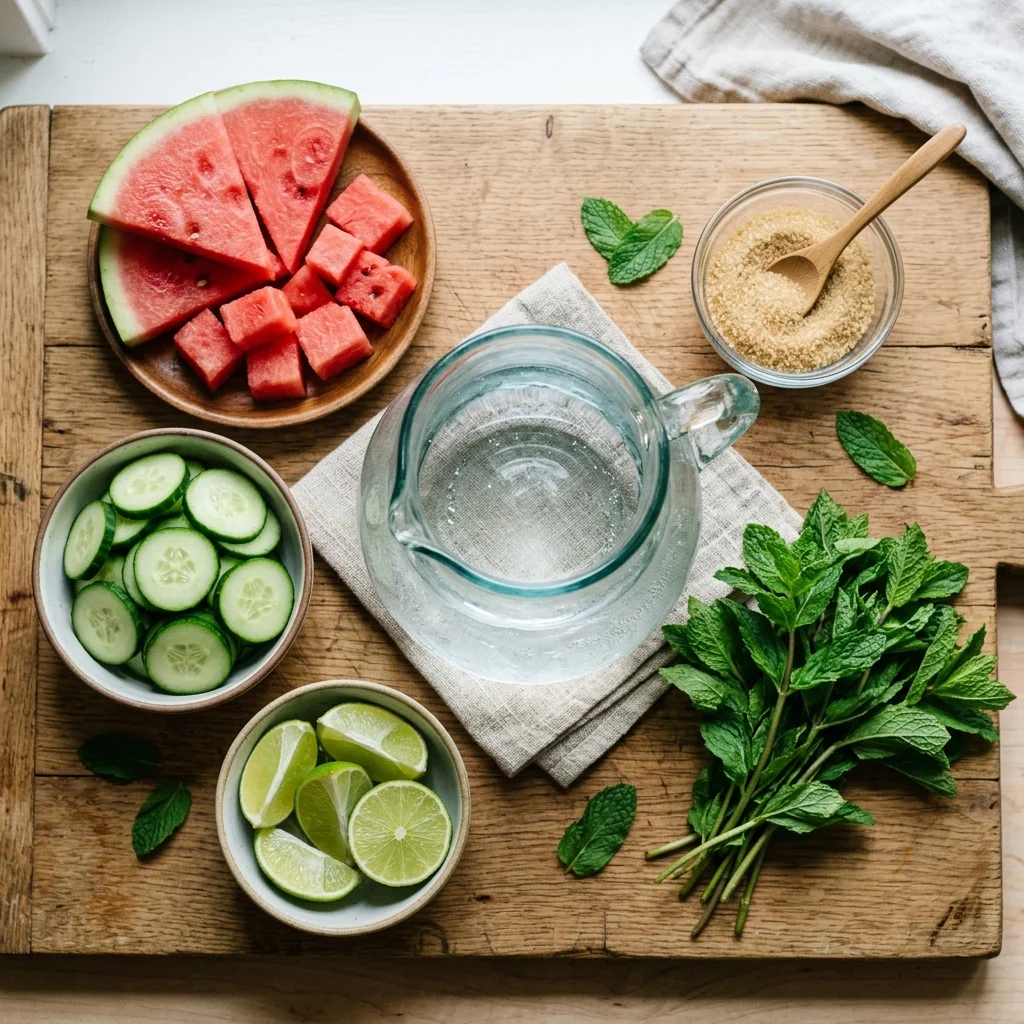
- • 4 cups seedless watermelon, cubed and chilled
- • 2 cups cold filtered water (divided)
- • 2 tablespoons fresh lime juice (about 1 whole juicy lime)
- • 1 tablespoon raw agave nectar or pure cane sugar (optional)
- • 4 cups clean ice cubes
- • Garnish: Fresh mint sprigs and thin lime wheels
Equipment Needed
- – High-speed blender
- – Fine wire mesh strainer (optional, for ultra-clear juice)
- – Large glass pitcher or vitrolero
- – Tall highball glasses
Preparation Method
When using ripe summer watermelon with a deep yellow field mark, the natural fructose is abundant enough that you do not need added sugar. Always taste the blended fruit before stirring in agave or simple syrup.
Recipe 2: Traditional Agua de Jamaica (Steeped Hibiscus & Canela)
Category: De Flores | Yield: 6 Servings (48 oz) | Total Time: 20 minutes + Chilling
Ingredients:
- 1 cup dried Mexican hibiscus flowers (flor de jamaica)
- 1 whole Mexican cinnamon stick (canela)
- 5 cups water (divided: 2 cups hot, 3 cups cold)
- 1/4 cup cane sugar, raw honey, or agave nectar
- 2 tablespoons fresh lime juice
Instructions:
- In a small pot, bring 2 cups of water and the cinnamon stick to a boil.
- Remove from heat, stir in the dried hibiscus flowers, and cover with a lid. Let steep for 15 minutes.
- Strain the deep-red concentrate into a pitcher, discarding the spent flowers and cinnamon stick.
- Stir in your sweetener while the liquid is warm until dissolved.
- Add 3 cups of cold water and lime juice. Chill in the refrigerator and serve over ice.
Recipe 3: Authentic Agua de Horchata (Soaked Rice & Vanilla)
Category: De Semillas | Yield: 6 Servings (48 oz) | Total Time: Overnight Soak + 10 minutes
Ingredients:
- 1 cup long-grain white rice (rinsed)
- 1 whole Mexican cinnamon stick (canela), broken into pieces
- 4 cups warm water (for soaking)
- 1 can (12 oz) evaporated milk (or unsweetened almond milk for vegan)
- 1/3 cup condensed milk or cane sugar
- 1 teaspoon pure Mexican vanilla extract
- Ground cinnamon for dusting
Instructions:
- In a bowl, combine rinsed white rice, broken cinnamon stick, and 4 cups of warm water. Cover and let soak for at least 4 hours (overnight works best).
- Pour the soaked rice, cinnamon, and soaking water into a blender. Blend on high for 2 full minutes until the rice is finely pulverized.
- Pour the liquid through a fine-mesh strainer or cheesecloth into a pitcher, pressing out all liquid and discarding the gritty rice sediment.
- Whisk in the evaporated milk, condensed milk, and vanilla extract.
- Serve over ice with a light dusting of ground cinnamon on top.
Frequently Asked Questions About Agua Fresca
Does agua fresca contain alcohol?
No. Traditional Mexican agua fresca is strictly non-alcoholic. It is an everyday beverage enjoyed by children, adults, and families alike. However, some modern cocktail bars use agua fresca as a flavorful base for tequila or mezcal cocktails.
How long does homemade agua fresca last in the fridge?
Fresh fruit-based agua fresca remains fresh for 2 to 3 days when stored in a covered glass pitcher in your refrigerator. Because it contains fresh unpasteurized fruit puree, it will begin fermenting slightly after day three. Hibiscus-based agua de jamaica stays fresh for up to 5 days.
Can I make agua fresca with frozen fruit?
Yes. Thawed frozen strawberries, mangoes, or pineapple work wonderfully for fruit aguas frescas. Frozen fruit breaks down easily in a blender, creating a smooth, velvety texture.
Why do some recipes leave the pulp while others strain it?
Straining depends on the fruit and personal preference. Watermelon and cantaloupe have very tender fibers that many people prefer leaving in for natural body and fiber. Fibrous fruits like pineapple or passionfruit are usually strained through a mesh sieve to remove stringy bits and tough seeds.
Is horchata considered an agua fresca?
Yes. Horchata belongs to the De Semillas y Granos (seed and grain) family of traditional Mexican aguas frescas.
The Bottom Line
Summary and Practical Takeaways
Aguas frescas are light, fruit- and seed-forward refreshments originating across Mexico, crafted by blending seasonal produce with cold water, lime juice, and minimal cane sugar.
- Whole Fruit Balance: Relies on high fruit-to-water ratios rather than heavy syrups, retaining natural vitamins, enzymes, and thirst-quenching lightness.
- Three Major Families: Encompasses juicy fruit waters (sandía, melón, piña), tart floral infusions (jamaica), and creamy grain/seed horchatas.
- No Heat Required: Fresh fruit varieties preserve volatile fruit terpenes and raw ascorbic acid by blending cold without pasteurization.
- Serving Tradition: Traditionally kept ice-cold in large rounded glass barrels (vitroleros) and ladled over fresh ice cubes.
Sources and Review Standards
- U.S. Department of Agriculture (USDA) FoodData Central: Hydration Indices and Vitamin Retention in Fresh Fruit Waters
- Universidad Nacional Autónoma de México (UNAM): Culinary History and Traditional Preparation of Mexican Aguas Frescas
- Food and Agriculture Organization (FAO): Tropical Fruits and Traditional Refreshments in Mesoamerican Food Systems
- Centers for Disease Control and Prevention (CDC): Rethink Your Drink – Healthier Beverage Alternatives to Commercial Sodas





Comments and reviews (0)