


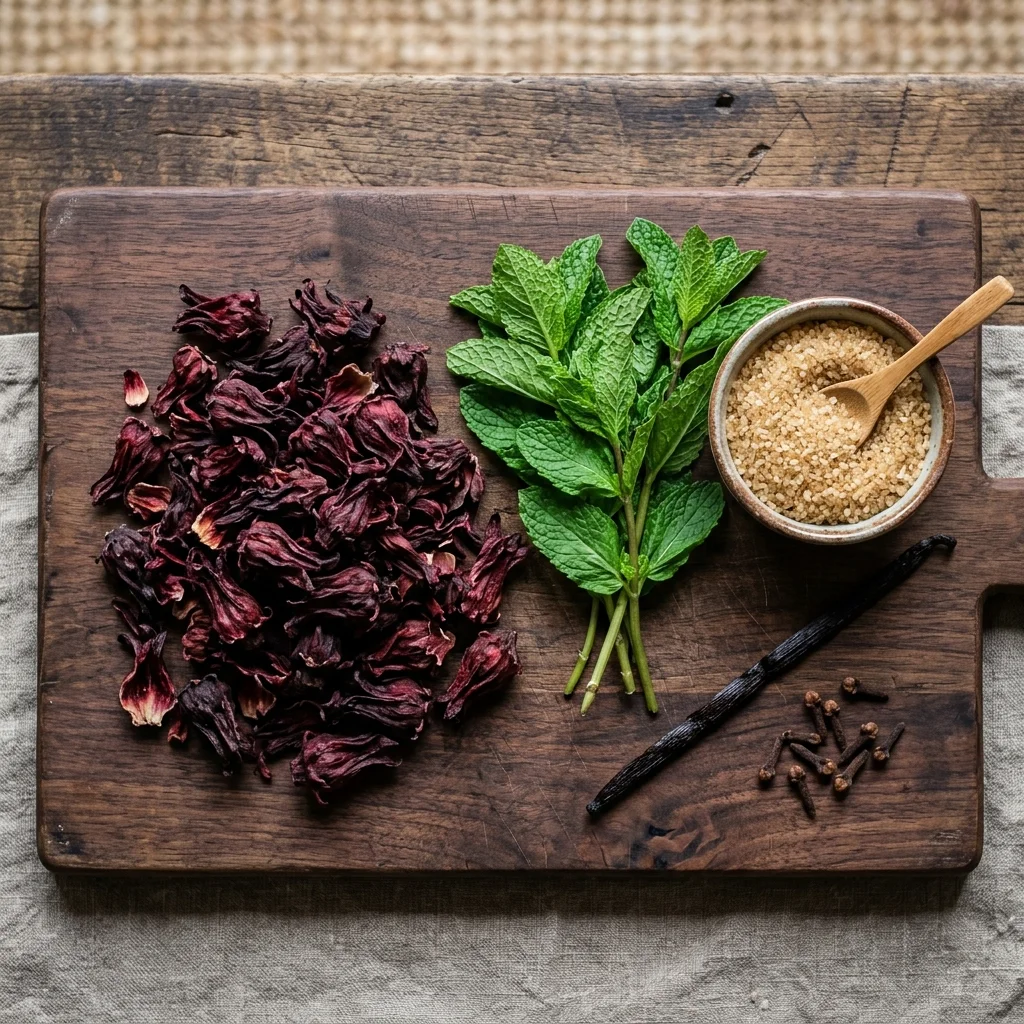
Across West Africa, street markets and cafes are filled with bottles of a deep red, ice-cold drink known as bissap. While it looks like a simple fruit juice, it is actually brewed from dried hibiscus flowers and spiced with local ingredients, offering a refreshing and culturally rich flavor.
Quick answer: Bissap is a West African hibiscus drink made from dried roselle petals, water, sugar, and sometimes mint, ginger, or citrus. It tastes tart, floral, berry-like, and refreshing when served cold.
Dietary note: Bissap is made from hibiscus and spices. If pregnant, nursing, or taking blood pressure medication, check with a clinician before drinking concentrated hibiscus regularly.
This guide covers the cultural origin of bissap, its key ingredients, how it compares to other regional hibiscus drinks like zobo and sorrel, and a traditional brewing method.
Bissap at a Glance
Brewing Strength, Sweetness and Serving Style
Many people want to try bissap but worry about the sugar content. Because raw hibiscus is very sour, traditional recipes use a lot of sugar to make it taste good. If you are watching your sugar intake, this can feel like a trade-off between flavor and health. If you prefer ready-to-drink options with a balanced sweet-tart profile, you might enjoy products like Tropical Dream or Fruitti Me.
Another common issue is getting a bitter taste when brewing at home. This usually happens when the flowers are boiled for too long or steeped in boiling water. We can solve this easily by removing the water from the heat before adding the flowers.
You can also use healthier sweeteners. A small amount of raw sugar, honey, or a natural sweetener like stevia can balance the tartness without causing blood sugar spikes.
Historical and Cultural Significance in West Africa
Bissap holds a central place in the hospitality traditions of West Africa, particularly in Senegal, Mali, and Guinea. It is often referred to as the "drink of hospitality" because it is the first beverage offered to guests entering a home. Brewed in large batches, it is served during family gatherings, religious festivals, and street markets. The drink represents community and welcoming comfort, making it more than a simple thirst quencher.
In Senegal, street vendors sell homemade bissap in recycled bottles or small plastic bags, kept ice-cold in large cooler boxes. Its popularity has spread globally, and it can now be found on the menus of African restaurants and specialty health food stores across Europe and North America. If you want to offer authentic regional beverages, you can partner with a wholesale exotic drinks supplier to source high-quality ingredients.
What Does Bissap Taste Like?
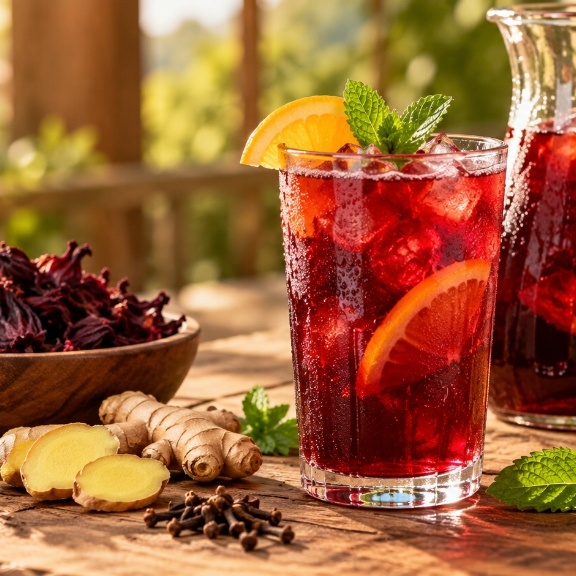
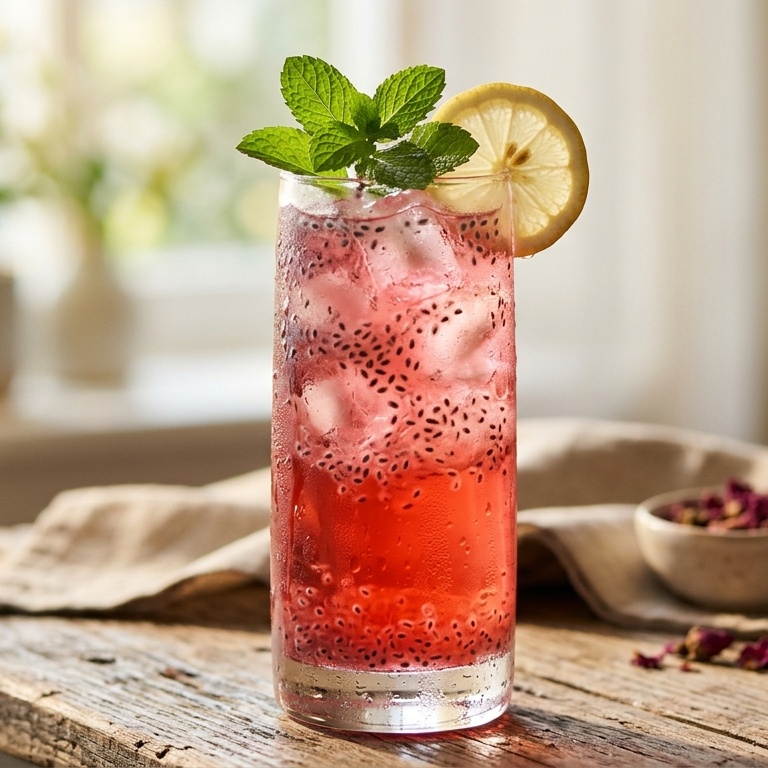
The flavor of bissap is characterized by a bold, fruity tartness that resembles unsweetened cranberry juice or pomegranate juice. It has a natural astringency and sharp acidity due to its organic acid content. When prepared traditionally, this tartness is balanced by adding cane sugar and aromatic flavorings.
The most common addition is fresh mint, which introduces a cool, crisp note to the warm, herbal base. Other versions incorporate vanilla extract for sweetness, strawberry flavoring, or ginger for a spicy kick. The result is a complex, sweet-tart drink that is highly refreshing when served over ice.
Bissap Ingredients and Botanical Profiles
Brewing a traditional batch of bissap requires selecting high-quality botanicals and letting them steep to extract their nutrients:

- Hibiscus (Hibiscus sabdariffa): The dried red calyces supply the deep crimson color, tangy flavor, and plant anthocyanins (antioxidants).
- Mint (Mentha): Provides a cooling contrast to the acidity and supports digestive comfort.
- Ginger (Zingiber officinale): Adds a warming spice element and provides gingerols.
- Vanilla or Orange Blossom Water: Rounds out the tartness with a sweet, floral aroma.
How Bissap Compares to Other Regional Hibiscus Beverages
Understanding these differences helps when choosing or preparing a drink. For instance, you can read our guide on Caribbean sorrel drink to see how its warm holiday spices differ, or try Mexican tamarindo drink for a fully different sweet-sour taste profile.
Serving Guidelines and Safety Cautions
Essential Safety Guidelines
- Blood Pressure Notes: Hibiscus has natural diuretic effects and contains organic compounds that can affect blood pressure. If you are taking antihypertensive drugs, consult a physician to avoid blood pressure drops.
- Pregnancy and Nursing: Some studies suggest that high consumption of hibiscus extract can stimulate menstruation or affect estrogen levels. Pregnant and nursing women should avoid drinking concentrated hibiscus beverages like bissap.
- Sugar Intake: Traditional West African recipes call for significant amounts of sugar to balance the flower's natural sourness. If you are managing blood sugar, consider using a natural sweetener or diluting the drink.
- Kidney Stones: Hibiscus calyces contain oxalates. Individuals with a history of calcium oxalate kidney stones should consume hibiscus drinks with caution and maintain high water intake.
Troubleshooting Common Brewing Problems
Popular Claim vs. Reality
Final takeaway: Bissap is a traditional African hibiscus drink that offers a refreshing, low-sugar option when brewed with moderate sweetness.
Best choice: Pure hibiscus calyces brewed with fresh mint and a light touch of raw sugar or natural sweetener.
Main caution: Avoid if taking antihypertensive drugs or during pregnancy, and rinse your mouth after drinking to protect enamel.
Next step: Check our guide on traditional brewing times and organic sugar alternatives.
Bissap belongs in the same non-alcoholic world drinks cluster as sorrel, tamarindo, agua fresca and tepache. For a wider comparison, start with our non-alcoholic drinks guide.
References
- Da-Costa-Rocha, I., et al. (2014). Hibiscus sabdariffa L. - a phytochemical and pharmacological review. Food Chemistry, 165, 424-443. https://pubmed.ncbi.nlm.nih.gov/25038983/
- Hopkins, A. L., et al. (2013). Effects of Hibiscus sabdariffa L. on systemic hypertension and lipid profiles in humans. Fitoterapia, 85, 84-94. https://pubmed.ncbi.nlm.nih.gov/23159971/
- USDA FoodData Central. Hibiscus tea nutrient composition and sugar profile search. https://fdc.nal.usda.gov/
- British Dietetic Association. Portion sizes and hydration guidelines for fruit/herbal infusions. https://www.bda.uk.com/


Comments and reviews (0)