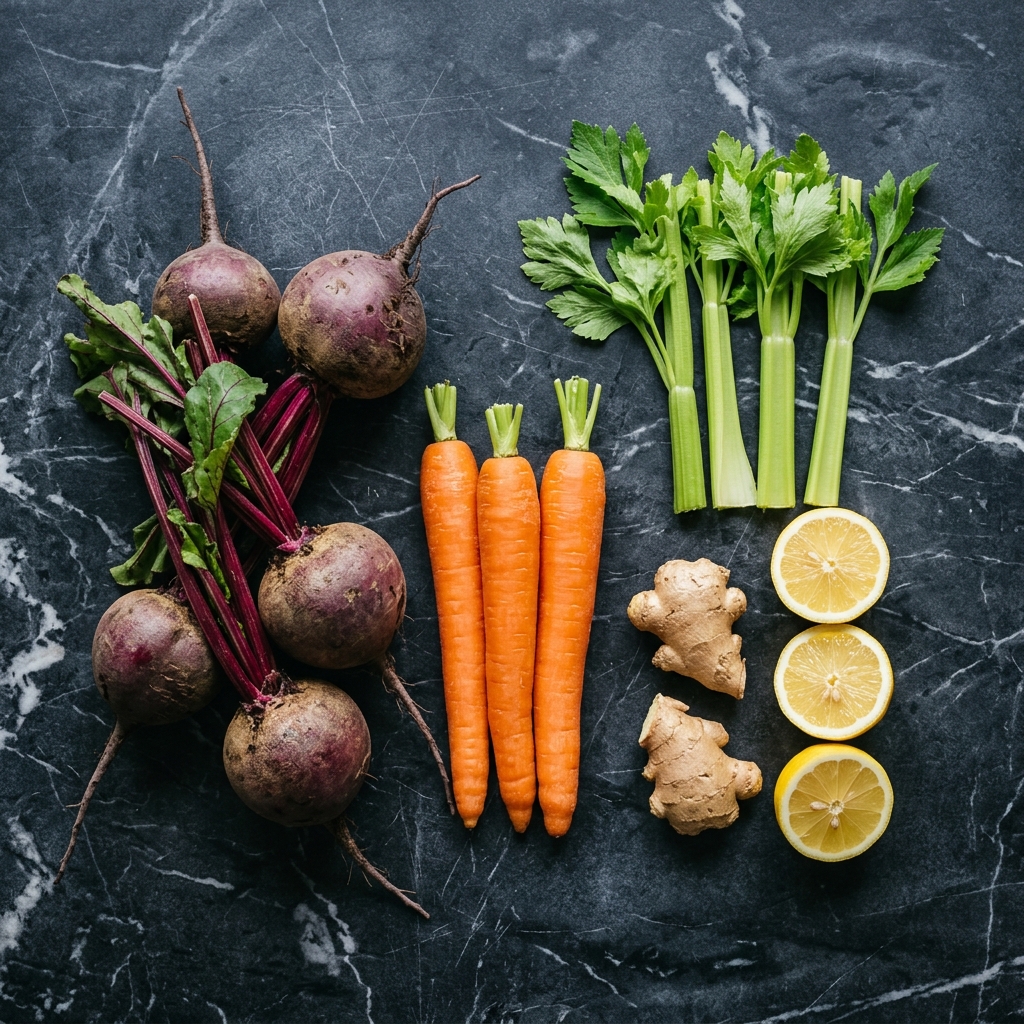
A good liver cleansing juice drink recipe does more than taste fresh. It gives your liver the specific nutrients it needs to do its job properly. Your liver filters around 1.4 litres of blood every minute, breaks down toxins, produces bile, and regulates blood sugar, all at the same time.
When it is under strain from poor diet, alcohol, medication, or processed foods, the right juice can provide meaningful nutritional support.
This guide covers ten liver cleansing juice recipes, including specific recipes for fatty liver repair, a practical 3-day liver detox juice plan, morning liver detox drinks, and kidney-supporting blends. You will also find clear answers to the questions people ask most about liver detox drinks, what actually works, what the evidence says, and how long results take to show.
Quick Answer: What Is the Best Liver Cleansing Juice?
The best liver cleansing juice combines beetroot, carrot, ginger, and lemon. Beetroot provides betalains that support detox enzymes, carrots deliver beta-carotene for liver cell protection, ginger reduces inflammation, and lemon boosts glutathione production. This combination supports both Phase 1 and Phase 2 liver detoxification and is backed by nutritional research.
Why Your Liver Needs Nutritional Support
Your liver performs over 500 functions daily. It filters blood, converts nutrients, stores vitamins and minerals, produces bile for digestion, and breaks down hormones and medications. Poor diet, alcohol, environmental pollutants, and even some supplements place ongoing strain on this organ.
Fresh juices support the liver by providing concentrated vitamins, minerals, and plant compounds in a highly bioavailable form. The key is choosing the right ingredients, not drinking large quantities of sweet fruit juice, which can actually worsen fatty liver by increasing fructose load.
The conditions most commonly searched by people looking for liver detox drinks include non-alcoholic fatty liver disease (NAFLD), general liver strain from alcohol or diet, and sluggish digestion linked to poor liver bile production. Each condition benefits from slightly different ingredients, which is why this guide covers multiple recipe types rather than a single one-size approach.
10 Liver Cleansing Juice Recipes
Recipe 1: Classic Beetroot, Carrot, Ginger and Lemon
This is the most evidence-supported liver cleansing combination available. Beetroot contains betalains, natural pigments with antioxidant and anti-inflammatory properties that support Phase 2 liver detoxification pathways. Carrots provide beta-carotene, which converts to vitamin A for liver cell protection.
Ginger reduces liver inflammation, and lemon stimulates glutathione, the liver's primary antioxidant.
Ingredients:
- 1 medium raw beetroot, peeled and chopped
- 2 medium carrots, scrubbed
- 1-inch piece fresh ginger root
- Half a lemon, peeled
- Half a cucumber, optional for hydration
Method: Pass all ingredients through a juicer. If blending, add 100ml of water and strain through a fine mesh sieve. Drink immediately. Serve over ice if preferred.
Best time: First thing in the morning on an empty stomach.
Serving size: 150–200ml
For more on the specific benefits of beetroot in concentrated form, our beetroot concentrate guide covers the nutritional detail thoroughly.
Recipe 2: Best Juice for Fatty Liver Repair
Fatty liver disease, particularly non-alcoholic fatty liver disease (NAFLD), responds well to juices that are low in fructose, high in antioxidants, and rich in compounds that support fat metabolism in liver cells. This recipe is specifically designed for that purpose.
Ingredients:
- 2 large celery stalks
- 1 small green apple (lower sugar than red)
- Half a lemon, peeled
- 1-inch piece fresh turmeric root, or half a teaspoon turmeric powder
- Small pinch of black pepper (activates curcumin absorption significantly)
- Half a cucumber
Method: Juice all ingredients together. Add black pepper directly to the glass after juicing. Stir and drink fresh.
Why this works for fatty liver: Celery contains apigenin, a compound studied for its role in reducing liver fat accumulation. Turmeric's active compound curcumin has been shown in multiple studies to reduce liver inflammation and may protect against the progression of fatty liver disease. Green apple contributes quercetin and malic acid with a relatively low sugar load, and a pinch of black pepper increases curcumin bioavailability considerably.
Best time: Morning before food, or mid-morning.
Serving size: 150–200ml
Recipe 3: Green Liver Flush Juice
Green vegetable juices are particularly effective for Phase 2 liver detoxification because cruciferous vegetables contain sulforaphane, a compound that activates detoxification enzymes in liver cells. This recipe combines cleansing greens with hydrating cucumber and alkalising lemon.
Ingredients:
- 1 cup fresh spinach
- Half a cup of kale, stems removed
- Half a large cucumber
- 1 small bunch fresh parsley
- 1 lime, peeled
- 1 small green apple, optional
Method: Rinse all greens thoroughly. Juice cucumber first, then alternate greens with apple to improve extraction. Pour into a chilled glass and drink within 15 minutes.
Best time: Morning or early afternoon.
Serving size: 150–200ml
Parsley deserves a specific mention here. It is rich in vitamins A, C, and K, and has mild diuretic properties that support kidney function alongside liver cleansing. This makes it particularly relevant for people looking at juicing recipes for liver and kidneys together.
Recipe 4: Liver Flush Recipe With Dandelion and Lemon
Dandelion root is one of the oldest traditional liver tonics and is now supported by early clinical research suggesting it may help stimulate bile flow, which the liver uses to carry toxins out of the body. Combined with lemon and ginger, this makes a concentrated liver flush drink.
Ingredients:
- 1 tablespoon dandelion root tea (brewed and cooled), or 1 teaspoon dandelion root powder
- Juice of 1 whole lemon
- 1-inch piece fresh ginger, juiced or grated and strained
- 250ml filtered water
- Half a teaspoon raw honey, optional
Method: Brew dandelion root tea and allow to cool. Combine with lemon juice, ginger juice, and water. Stir well. Drink first thing in the morning.
Why this works: Lemon juice supports glutathione production, the liver's master antioxidant. Ginger reduces oxidative stress in liver tissue. Dandelion root may stimulate bile production, supporting the natural transport of waste products out of liver cells.
Best time: Morning, before food.
Note: Those with ragweed allergy or on diuretic medication should check with a GP before using dandelion regularly.
Recipe 5: Morning Liver Detox Drink (3-Ingredient)
If you want something quick, practical, and easy to maintain daily, this three-ingredient morning liver detox drink is the one to start with. It takes under two minutes to prepare and delivers meaningful liver support without complicated equipment.
Ingredients:
- Juice of half a lemon
- 1-inch piece fresh ginger, grated and strained, or juiced
- 300ml warm (not boiling) water
Method: Squeeze lemon into warm water. Add ginger juice or strained grated ginger. Stir and drink immediately.
Why this works: Warm water first thing activates the digestive system. Lemon provides vitamin C and citric acid that support glutathione synthesis and gentle bile stimulation. Ginger reduces inflammation in the gut and liver simultaneously.
This is the simplest entry point for anyone who has never tried a liver detox drink. Build from here once the habit is established.
Recipe 6: Beetroot Carrot Ginger Lemon Juice, Expanded
This is a longer version of Recipe 1 for anyone who wants the full nutritional picture alongside the method. People searching for beetroot carrot ginger lemon juice benefits for liver are typically looking for both the recipe and the reasoning behind each ingredient. This version covers both.
Ingredients:
- 1 medium raw beetroot, peeled
- 3 medium carrots, scrubbed
- 1-inch piece fresh ginger root
- Half a lemon, peeled
- Half a teaspoon apple cider vinegar, optional
- 200ml cold water if blending
Method: Juice all ingredients. If using a blender, add water and strain. Drink fresh. For storage, refrigerate in a sealed glass jar for up to 24 hours.
Specific benefits by ingredient:
Beetroot contains betalains and nitrates. Nitrates improve blood flow to liver cells, which supports both detoxification and healing. Betalains specifically support Phase 2 detoxification, where the liver converts processed toxins into water-soluble compounds the body can eliminate.
Carrot juice contains retinoic acid, a form of vitamin A that research has identified as relevant to liver cell repair. It also provides beta-carotene, which the liver converts to vitamin A as needed.
Ginger contains gingerols and shogaols, compounds that reduce inflammatory markers in liver tissue. Some studies have shown ginger supplementation reduces liver enzyme levels in people with fatty liver.
Lemon stimulates bile production and provides vitamin C for glutathione synthesis. Glutathione is the primary antioxidant produced inside liver cells.
Apple cider vinegar (if used) may support acetic acid metabolism in the liver, though evidence here is limited. Use sparingly and diluted only.
For a broader look at cold-pressed versus standard juicing methods and why it matters for nutrient retention, see our cold press drinks vs regular juice guide.
Recipe 7: Apple Celery Detox Juice
Clean, mild, and easy to drink daily. This recipe works well for people who find stronger vegetable juices difficult to tolerate initially.
Ingredients:
- 2 large celery stalks
- 1 green apple, cored
- Half a cucumber
- Half a lemon, peeled
Method: Juice all ingredients. Drink fresh on an empty stomach.
Best time: Morning before breakfast.
Serving size: 150–200ml
Recipe 8: Carrot Orange Turmeric Juice
This warming juice works particularly well in colder months and for people with fatty liver who need strong anti-inflammatory support.
Ingredients:
- 2 medium carrots
- 1 large orange, peeled
- 1-inch fresh turmeric root, or half a teaspoon turmeric powder
- Half-inch fresh ginger root
- Pinch of black pepper
Method: Juice carrots, orange, turmeric, and ginger together. Add pinch of black pepper to the glass. Stir and drink fresh.
Best time: Morning with light breakfast.
Serving size: 150ml
Our winter juices collection includes similar warming combinations that complement this recipe through the cooler months.
Recipe 9: Pomegranate and Blueberry Antioxidant Juice
Both pomegranate and blueberries are among the highest antioxidant foods studied in relation to liver health. Blueberries in particular have been shown in animal studies to reduce liver inflammation and fat accumulation associated with fatty liver disease.
Ingredients:
- Half a cup fresh pomegranate seeds
- Half a cup fresh or frozen blueberries
- Half a cucumber
- Half a lemon, peeled
Method: Blend all ingredients with a splash of water. Strain through a fine mesh sieve. Serve chilled over ice.
Best time: Afternoon or post-exercise.
Serving size: 150–200ml
Recipe 10: Juicing Recipe for Liver and Kidneys
The liver and kidneys work together in detoxification. The liver processes toxins and the kidneys eliminate them through urine. This juice is designed to support both organs simultaneously, using ingredients with specific diuretic and cleansing properties.
Ingredients:
- 1 small bunch fresh parsley (approximately 1 cup packed)
- 2 large celery stalks
- Half a cucumber
- Half a lemon, peeled
- 1-inch piece fresh ginger root
- 1 small green apple
Method: Juice cucumber and apple first. Add parsley, celery, lemon, and ginger. Stir and drink fresh.
Why this works for liver and kidneys: Parsley has natural diuretic properties that support kidney filtration and urinary elimination, while celery supports both organs through its high water content and natural cleansing compounds. Lemon provides vitamin C that supports glutathione in the liver and helps prevent kidney stones by increasing urinary citrate levels. Ginger reduces inflammation across both organs simultaneously.
Best time: Morning or early afternoon.
Serving size: 150–200ml
For immune-boosting combinations that also support detoxification, our juicing for sickness guide covers overlapping ingredients with similar benefits.
Best Juice for Fatty Liver Repair: What the Evidence Actually Says
Fatty liver disease affects a significant proportion of adults in the UK and globally. The non-alcoholic form (NAFLD) is now the most common liver condition worldwide, largely driven by high-sugar diets, sedentary lifestyles, and obesity.
The most relevant juicing ingredients for fatty liver, based on current nutritional research, are as follows.
Beetroot juice contains nitrates that improve blood flow and betalains that support detoxification pathways. Studies have shown beetroot supplementation can reduce oxidative stress markers in people with fatty liver.
Blueberry juice is rich in anthocyanins, which have been shown in animal studies to reduce liver fat accumulation and inflammation in NAFLD. Human trials are limited but promising.
Grapefruit juice contains naringenin and naringin, antioxidants that activate enzymes responsible for breaking down fatty acids in the liver. Worth noting: grapefruit interacts with several common medications including statins and some blood pressure drugs. Always check with a GP if you take prescription medication.
Green vegetable juices containing kale, broccoli, or Brussels sprouts provide sulforaphane, which activates Nrf2 pathways, a key cellular defence mechanism against oxidative liver damage. This makes dark leafy green juices particularly useful for people whose liver damage is driven by oxidative stress rather than fat accumulation alone.
Lemon juice in warm water increases glutathione production. Glutathione is depleted in people with fatty liver disease, making this one of the most cost-effective and accessible daily habits for liver support.
What to avoid with fatty liver: High-fructose fruit juices such as apple juice, grape juice, and mango juice consumed in large quantities. Fructose is metabolised almost exclusively in the liver, and excess intake is directly linked to fat accumulation in liver cells.
The key principle with fatty liver is low sugar, high antioxidant, high anti-inflammatory. Recipes 2, 3, 5, and 6 in this guide are most appropriate for this condition.
How to Make Beetroot Juice for Fatty Liver
This is one of the most-searched specific queries around liver juicing and deserves a dedicated section.
What you need: A juicer (cold press is best for nutrient retention) or a high-speed blender and fine mesh sieve.
Best beetroot juice recipe for fatty liver:
- 1 medium raw beetroot, peeled and chopped
- 1 medium carrot
- Half a lemon, peeled
- 1-inch piece fresh ginger
- Optional: half a green apple for palatability
Step-by-step:
- Peel and chop the beetroot into pieces that fit your juicer chute.
- Scrub the carrot and trim the ends.
- Juice the carrot first, then beetroot, then ginger, then lemon.
- Pour into a glass. Add apple if you prefer a slightly sweeter flavour.
- Drink immediately for maximum betalain retention.
Storage: If making in advance, store in a sealed glass jar in the fridge for no more than 24 hours. Betalains degrade with light exposure, so use an opaque or dark jar if possible.
Dosage: 100–150ml daily is sufficient. More is not necessarily better, and beetroot is high in natural sugars compared to green vegetables, so keep portions moderate when managing fatty liver.
3-Day Liver Cleanse Juice Plan
Many people searching for liver detox information want a structured plan rather than individual recipes. Here is a practical 3-day framework using the recipes in this guide.
Before you start: This is a support plan, not a fast. Continue eating regular meals alongside these juices. Eat whole foods, vegetables, lean protein, and healthy fats. Avoid alcohol, processed foods, and high-sugar drinks during the three days.
Day 1
Morning (before breakfast): Morning Liver Detox Drink, Recipe 5 (lemon, ginger, warm water) Mid-morning: Beetroot Carrot Ginger Lemon Juice, Recipe 6 (150ml) Afternoon: Apple Celery Detox Juice, Recipe 7 (150ml)
Day 2
Morning (before breakfast): Green Liver Flush Juice, Recipe 3 (150ml) Mid-morning: Liver Flush Recipe with Dandelion, Recipe 4 Afternoon: Pomegranate Blueberry Antioxidant Juice, Recipe 9 (150ml)
Day 3
Morning (before breakfast): Morning Liver Detox Drink, Recipe 5 Mid-morning: Best Juice for Fatty Liver Repair, Recipe 2 (150ml) Afternoon: Juicing Recipe for Liver and Kidneys, Recipe 10 (150ml)
What to expect: Most people notice reduced bloating, improved energy, and slightly clearer skin within the first 72 hours. These are signs of reduced digestive load and improved hydration, not necessarily direct liver changes, which take longer. For information on what to do if you experience headaches during a cleanse, our headache during cleanse guide explains the causes and how to manage them.
What Fruit Repairs the Liver?
No single fruit repairs liver tissue directly, but several fruits provide compounds that support liver health, reduce inflammation, and may slow or reverse early-stage fatty liver disease.
Blueberries and cranberries are the most studied. Their anthocyanin content has been linked to reduced liver inflammation and fat accumulation in research settings. Cranberry juice also has specific benefits for urinary health, making it useful alongside liver support. Our organic cranberry juice guide covers the nutritional profile in more detail.
Grapefruit contains naringenin, which activates enzymes that break down fatty acids in liver cells. This makes it particularly relevant for fatty liver, though the medication interaction point above applies.
Grapes (especially red or purple) provide resveratrol, which reduces liver inflammation and may protect against liver cell damage.
Avocado is technically a fruit and is one of the most beneficial foods for liver health. It provides glutathione precursors and healthy monounsaturated fats that reduce liver fat accumulation.
Lemon remains one of the most practical and accessible liver-supporting fruits. Daily lemon water costs very little and provides consistent vitamin C for glutathione synthesis.
The principle across all of these: choose whole fruit or cold-pressed juice over pasteurised commercial versions where possible, as heat processing degrades polyphenols and vitamin C significantly.
How to Flush Your Liver at Home: Evidence-Based Strategies
The term "liver flush" is widely misused online to describe extreme protocols involving olive oil, Epsom salts, and grapefruit juice in large quantities. These have no credible scientific backing and can cause harm, including nausea, vomiting, and electrolyte disturbance.
Your liver does not require flushing. It is self-cleaning by design. What it needs is nutritional support, adequate hydration, and reduced toxin exposure.
Evidence-based strategies for home liver support:
Drink 2–3 litres of water daily. The liver uses water to convert fat-soluble toxins into water-soluble compounds for elimination via urine and bile. Dehydration slows this process.
Eat cruciferous vegetables regularly. Broccoli, Brussels sprouts, cauliflower, and kale all contain sulforaphane and indole-3-carbinol, compounds that activate Phase 2 liver detoxification enzymes.
Reduce alcohol intake. Even moderate alcohol consumption places significant strain on liver enzymes. Abstaining for 2–4 weeks allows liver enzyme levels to normalise in most healthy adults.
Limit processed fructose. High-fructose corn syrup, found in many commercial soft drinks and processed foods, is metabolised exclusively in the liver and directly drives fat accumulation in liver cells.
Exercise regularly. Physical activity reduces liver fat independently of diet. Aim for 150 minutes of moderate activity weekly.
Get adequate sleep. The liver performs its most significant detoxification work during sleep. Consistently poor sleep impairs liver regeneration.
Consider milk thistle. Silymarin, the active compound in milk thistle, has the most substantial evidence base of any herbal supplement for liver support. It is available in capsule or liquid form and is generally well-tolerated.
For those comparing juice-based approaches with water fasting, our juice fast vs water fast guide provides a balanced comparison of both approaches.
How Long Does Liver Detoxification Take?
Recovery timelines depend heavily on the nature and duration of liver strain. Here is a realistic breakdown based on common scenarios.
Mild dietary strain (processed food, low alcohol): Liver enzyme levels can normalise within 2–4 weeks of dietary improvement and adequate hydration. Energy and digestion typically improve within the first week.
Moderate alcohol-related strain: Most healthy livers show measurable enzyme improvement within 4–8 weeks of abstinence. Blood tests typically confirm this change. Physical symptoms such as bloating and fatigue may improve within 2–3 weeks.
Non-alcoholic fatty liver disease (NAFLD), early stage: Research suggests significant liver fat reduction is achievable within 12–16 weeks of sustained dietary change, regular exercise, and appropriate supplementation. Weight loss of 5–10% of body weight is consistently associated with meaningful reduction in liver fat.
Cirrhosis or severe fibrosis: These conditions require medical management. Juices and dietary changes alone are not sufficient. Always work with a hepatologist for advanced liver disease.
The most important point: improvement is measurable but not instant. A 3-day cleanse supports liver function but does not reverse weeks or months of damage in that timeframe. Consistent daily habits over weeks and months produce lasting change.
Tips for Getting the Most From Liver Cleansing Juices
Use a cold press juicer where possible. Cold pressing extracts juice without heat, preserving more of the enzymes, vitamin C, and polyphenols that make liver-supportive ingredients effective. Standard centrifugal juicers work but deliver slightly lower nutrient retention.
Drink immediately. Vitamin C oxidises rapidly once exposed to air. For maximum liver-supportive benefit, drink juice within 15 minutes of preparation.
Keep portions modest. 100–200ml per serving is enough. Larger quantities, particularly of fruit-based juices, can spike blood sugar and increase fructose load on the liver.
Do not use juice as a meal replacement for more than one or two meals. Adequate protein is essential for liver cell repair and regeneration. Juicing alongside whole food meals is significantly more effective than replacing meals with juice.
Rotate recipes. Different ingredients provide different phytonutrients. Rotating between the recipes in this guide ensures your liver receives a broader spectrum of supportive compounds.
Choose organic for the highest-risk produce. Beetroot, celery, spinach, kale, and apples consistently appear on higher-pesticide produce lists. Pesticide residues add to the liver's detox burden. Choose organic for these specifically if budget allows.
FAQs:
What is the best homemade liver cleanse juice?
The most effective homemade liver cleanse juice combines raw beetroot, carrot, fresh ginger, and lemon. This combination targets both Phase 1 and Phase 2 liver detoxification, provides betalains, beta-carotene, and vitamin C, and is supported by nutritional research. Drink 150ml on an empty stomach in the morning for best results.
What is the best juice for fatty liver repair?
For fatty liver specifically, the best juice is low in fructose and high in anti-inflammatory compounds. A blend of celery, green apple, turmeric, ginger, and lemon with a pinch of black pepper targets liver fat accumulation and inflammation more directly than sweet fruit juices. Blueberry juice is also highly relevant for fatty liver due to its anthocyanin content.
How do I make beetroot juice for fatty liver?
Juice one medium raw beetroot with one carrot, half a lemon, and one inch of fresh ginger root. Drink 100–150ml daily. Use a cold press juicer if available for better nutrient retention. Store in a sealed glass jar in the fridge for no more than 24 hours if preparing in advance.
How long does a 3-day liver cleanse actually take to work?
A 3-day cleanse can reduce bloating and improve energy within 72 hours, primarily through reduced digestive load and improved hydration. However, meaningful liver enzyme changes and fat reduction in fatty liver cases require 4–16 weeks of consistent dietary improvement, not three days. Think of a 3-day plan as a starting point, not a complete solution.
Can you juice for both liver and kidney health at the same time?
Yes. Parsley, celery, cucumber, and lemon all support both organs simultaneously. Parsley has natural diuretic properties that aid kidney filtration. Celery supports both liver and kidney cleansing. Lemon supports glutathione production in the liver while reducing kidney stone risk through urinary citrate increase.
What is the best morning liver detox drink?
The simplest and most effective morning liver detox drink is warm water with the juice of half a lemon and freshly grated ginger. It takes under two minutes to prepare, stimulates bile production, supports glutathione synthesis, and activates digestion before the first meal of the day.
Does beetroot juice actually help the liver?
Yes, with caveats. Raw beetroot juice contains betalains, which support Phase 2 liver detoxification, and nitrates, which improve blood flow to liver cells. Multiple studies have shown beetroot supplementation reduces oxidative stress markers relevant to liver health. It is not a cure for liver disease but is a genuinely useful nutritional support tool.
What fruits are best for liver health?
Blueberries and cranberries are the most studied, with their anthocyanin content linked to reduced liver inflammation and fat accumulation. Grapefruit contains naringenin that supports fat-breaking enzymes, while lemon provides vitamin C for glutathione synthesis. Avocado is technically a fruit and provides glutathione precursors alongside healthy fats that actively reduce liver fat accumulation.
How much juice should I drink per day for liver health?
150–200ml once or twice daily alongside whole food meals is appropriate. More is not better. Excessive juice, particularly sweet fruit juice, increases fructose load on the liver, which can worsen fatty liver over time. Quality and ingredient selection matter more than quantity.
Is green juice or beetroot juice better for the liver?
They serve different purposes. Beetroot juice is stronger for Phase 2 detoxification and blood flow to liver cells. Green juice, particularly with kale and broccoli, provides sulforaphane for enzyme activation and is generally lower in sugar. For fatty liver, green juice is preferable. For general liver support and detoxification, beetroot-based juice is typically more potent.
What should you not juice if you have fatty liver?
Avoid high-fructose juice combinations: large quantities of mango, pineapple, grape, or pure apple juice are particularly problematic. Fructose is metabolised almost entirely in the liver and directly drives fat accumulation in liver cells. Stick to low-sugar, vegetable-forward recipes when managing fatty liver.
Can liver cleansing juice replace medication for liver disease?
No. Liver cleansing juices are nutritional support tools, not medical treatments. They can complement a healthy lifestyle and support liver function in people with mild dietary strain. For diagnosed liver conditions such as NAFLD, hepatitis, or cirrhosis confirmed by a doctor, always follow medical advice and never replace prescribed treatment with juice alone.
How does ginger help the liver?
Ginger contains gingerols and shogaols, bioactive compounds that reduce inflammatory markers in liver tissue. Studies involving ginger supplementation in people with non-alcoholic fatty liver disease have shown reductions in liver enzyme levels (ALT and AST) and inflammatory markers. It also aids digestion and reduces nausea, which can be a symptom of liver strain.
What is a liver flush recipe?
A liver flush recipe typically refers to a drink designed to stimulate bile flow and support the liver's natural elimination of processed toxins. A safe and evidence-supported version combines dandelion root tea, lemon juice, ginger, and warm water. Avoid the extreme olive oil and Epsom salt protocols circulated online, as these have no credible scientific backing and can cause significant discomfort and harm.
Does turmeric juice help with fatty liver?
Yes. Turmeric's active compound, curcumin, has been studied extensively for its anti-inflammatory and hepatoprotective effects. Research has shown curcumin reduces liver enzyme levels, decreases liver fat, and reduces inflammation markers in people with NAFLD. Add a pinch of black pepper to any turmeric-based juice as this increases curcumin absorption significantly.
How do I know if my liver needs support?
Common signs of liver strain include persistent fatigue not explained by sleep, bloating and digestive discomfort after fatty or rich foods, skin issues such as adult acne or dullness, dark urine, and sensitivity to alcohol that is worse than usual. These are non-specific signs and should be confirmed with a GP and blood test (liver function test) before assuming liver disease.
Is cold-pressed juice better for liver detox?
Cold pressing preserves more of the heat-sensitive nutrients, particularly vitamin C and enzymes, that make liver-supportive ingredients effective. Standard centrifugal juicing introduces heat through friction, which degrades some of these compounds. Cold-pressed juice is preferable but standard juicing still delivers meaningful nutritional benefit.
Can I drink liver cleansing juice every day?
Yes, as part of a balanced diet. A daily 150ml serving of a vegetable-forward liver support juice is safe and beneficial for most healthy adults. Avoid daily high-dose beetroot juice if you have kidney stones (beetroot is high in oxalates) or if you are on blood thinning medication. If you have any existing liver condition, check with your GP before starting a daily juice programme.
Conclusion
Liver cleansing juice is most effective when it is part of a consistent daily habit rather than an occasional cleanse. The recipes in this guide cover everything from a quick 2-minute morning detox drink to specific fatty liver repair blends and a full 3-day plan.
Start with the Classic Beetroot Carrot Ginger Lemon recipe or the simple morning lemon and ginger water. Build from there. Rotate recipes across the week to ensure varied nutrient input. Combine your juice habit with whole food meals, adequate hydration, regular exercise, and reduced alcohol and processed food intake.
The liver is remarkably resilient. Given the right nutritional environment, it has exceptional capacity to recover, regenerate, and return to efficient function.
Explore more from London Juice Company:
References
- Clifford, T., et al. (2015). The potential benefits of red beetroot supplementation in health and disease. Nutrients. https://www.ncbi.nlm.nih.gov/pmc/articles/PMC4425174/
- Serafini, M., et al. (2022). Dietary antioxidants and liver health. Antioxidants (Basel). https://www.ncbi.nlm.nih.gov/pmc/articles/PMC9268442/
- Sharifi-Rad, J., et al. (2020). Turmeric and its major compound curcumin on health: Bioactive effects and safety profiles for food, pharmaceutical, biotechnological and medicinal applications. Frontiers in Pharmacology. https://www.ncbi.nlm.nih.gov/pmc/articles/PMC7522354/
- Hodges, R.E., & Minich, D.M. (2015). Modulation of metabolic detoxification pathways using foods and food-derived components: A scientific review with clinical application. Journal of Nutrition and Metabolism. https://www.ncbi.nlm.nih.gov/pmc/articles/PMC4488002/
- NHS. (2023). Non-alcoholic fatty liver disease (NAFLD). https://www.nhs.uk/conditions/non-alcoholic-fatty-liver-disease/
- Krishnakumar, I.M., et al. (2015). The comparative bioavailability of curcumin and its combinations. Nutrition Journal. https://www.ncbi.nlm.nih.gov/pmc/articles/PMC4517022/
- Mullen, W., et al. (2011). Polyphenols in the diet: Their role in the health properties of fruits and vegetables. International Journal of Molecular Sciences. https://pubmed.ncbi.nlm.nih.gov/21931295/
- British Liver Trust. (2024). Diet and liver disease. https://britishlivertrust.org.uk/information-and-support/living-with-a-liver-condition/diet-and-liver-disease/
- Healthline. (2023). 11 foods that are good for your liver. https://www.healthline.com/nutrition/11-foods-for-your-liver
- PubMed. Purohit, V., et al. (2009). Role of drinking pattern and type of alcohol consumed in coronary heart disease mortality. Alcoholism: Clinical and Experimental Research. https://pubmed.ncbi.nlm.nih.gov/19302100/