

Many people search for weight loss juice or belly fat burning juice recipes, but juice cannot target belly fat. It can still help if it replaces higher-calorie drinks, stays vegetable-led, and fits around meals with protein and fibre.
Quick answer: Juicing can support weight loss only when it helps you reduce overall calories without cutting out meals. Use vegetable-led juices in small portions, keep protein and fibre in your food, and avoid treating any juice as a fat burner.
Medical note: This article is for general information only and does not replace medical advice. Speak with a healthcare professional or registered dietitian before changing your diet if you are managing a medical condition or taking medication.
This guide covers low-sugar recipe ideas, portion sizes, ingredient choices, and practical guidelines for balanced weight management.
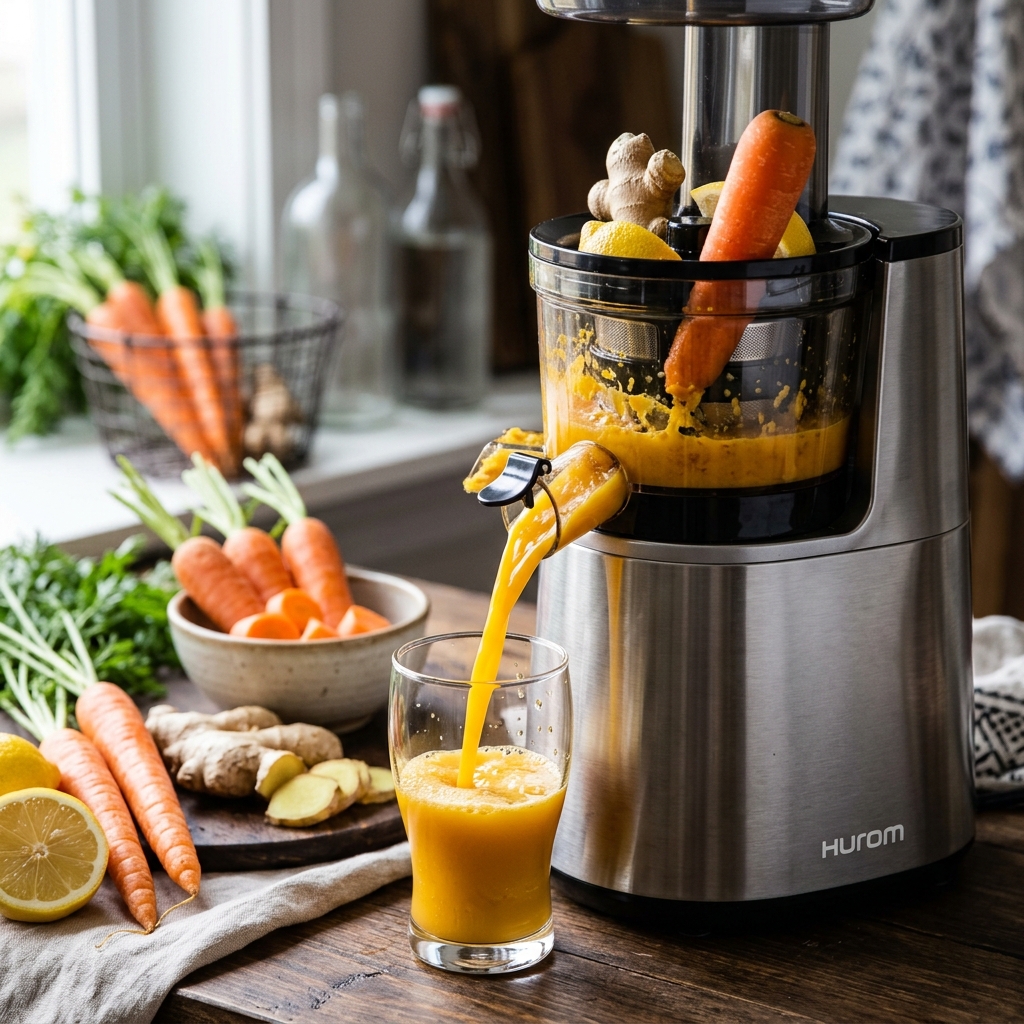
Juicing removes insoluble fiber but concentrates vitamins, minerals, and phytonutrients in an easily absorbable liquid form. When integrated into a calorie-controlled lifestyle, it supports weight management in specific ways.
Fresh vegetable juice is highly nutrient-dense yet low in calories. A 200ml glass of cucumber, spinach, celery, and lemon juice contains roughly 40 to 60 calories, delivers meaningful potassium, magnesium, vitamin C, and chlorophyll, and helps manage appetite far better than simply drinking water.
Ingredients like ginger, cayenne pepper, and green tea catechins contain active compounds that support a minor thermogenic effect, slightly increasing temporary metabolic rate. While these effects are modest, they can support the calorie deficit necessary for fat loss when combined with a balanced diet and regular exercise.
Juicing also supports liver function, which is essential for general metabolic health and fat processing. When the body is well-hydrated and supplied with key micronutrients, liver pathways operate more efficiently. Ingredients like lemon, beetroot, and leafy greens support natural natural elimination pathways.
Our liver support guide covers this connection in more detail.
Many people use "juicing" and "blending" interchangeably, but they have very different physiological effects on weight management. Understanding these differences will help you choose the right tool for your goals.
No juice can burn belly fat directly. Fat loss comes from a sustained calorie deficit, enough protein, movement, sleep and time.
That does not make weight loss juice useless. A small green juice can replace a sugary drink, add freshness to your morning, and make vegetables easier to include.
If you prefer a sharper fruit drink, use a small serving and compare sugar levels with our unsweetened cranberry juice guide.
This is the most reliable everyday vegetable juice. It is low in calories, high in nutrients, and the ginger gives it a refreshing spice that supports morning digestion.
Ingredients:
Method: Rinse all ingredients thoroughly. Juice the cucumber and celery first, then spinach, then ginger. Add lemon juice and stir.
Serve over ice.
Calories: Approximately 50 to 60 per 200ml serving. Best time: First thing in the morning before breakfast.
Spinach provides iron and magnesium, both of which support energy metabolism. Celery is almost calorie-free and contributes natural sodium and potassium for electrolyte balance. Ginger's active compounds, gingerols and shogaols, stimulate digestion and support mild metabolic activation.
Bloating and water retention account for a significant part of abdominal discomfort. This recipe addresses both directly through hydrating, diuretic, and anti-inflammatory ingredients.
Ingredients:
Method: Juice the cucumber and apple first. Add celery, parsley, and ginger. Finish with lemon juice.
Stir and drink fresh.
Calories: Approximately 55 to 70 per 200ml serving. Best time: Morning before breakfast, or mid-afternoon when bloating tends to peak.
Parsley has natural diuretic properties that help the kidneys eliminate excess fluid. Celery contains phthalides that relax blood vessel walls and support fluid balance. Lemon stimulates digestive enzymes, which aids digestion and reduces the digestive sluggishness that contributes to bloating.
This combination works on fluid retention immediately, helping the stomach look and feel flatter.
This recipe is designed to support circulation and liver health. The combination of beets and celery targets inflammation and improves blood flow during physical activity.
Ingredients:
Method: Juice the cucumber and celery first. Add beetroot and ginger. Pour into a glass and add lemon juice.
Stir in a very small pinch of cayenne. Drink immediately.
Calories: Approximately 70 to 80 per 200ml serving. Best time: Mid-morning or 30 minutes before exercise.
Beetroot's nitrates improve nitric oxide levels and support blood flow, while ginger and lemon support liver metabolic pathways. Cayenne contains capsaicin, which provides a minor thermogenic response. Start with a very small amount of cayenne, around one eighth of a teaspoon, and increase gradually as your tolerance builds.
A dedicated morning juice routine is one of the most consistent habits in successful long-term weight management. This recipe is designed to be drunk before food to activate digestion and set up better appetite control.
Ingredients:
Method: Juice the apple and celery. Add lemon juice and ginger juice. Mix with cold water in a large glass.
Drink immediately before eating.
Calories: Approximately 30 to 40 per serving. Best time: First thing in the morning, before food or coffee.
Lemon water before food can help slow carbohydrate absorption when the first meal is eaten, which reduces the post-meal blood sugar spike that drives mid-morning hunger. Ginger before food improves gastric transit time. The apple and celery add minimal calories but make the drink pleasant to consume daily.
Many people use juicing for sustained energy throughout the day. This recipe provides iron-rich greens alongside vitamin C for iron absorption, and natural sugars from green apple for an energy boost without the crash of refined sugar.
Ingredients:
Method: Juice the cucumber and apple first. Alternate kale and spinach to improve extraction efficiency. Add ginger and lime juice.
Stir and serve chilled.
Calories: Approximately 60 to 75 per 200ml serving. Best time: Mid-morning or early afternoon for sustained energy.
Kale and spinach provide vitamin K, iron, and magnesium. The vitamin C from lime significantly improves the body's ability to absorb non-heme iron from leafy greens. For people reducing calories, this nutrient density is essential for preventing fatigue.
Grapefruit contains naringenin, a flavonoid that research has linked to fat metabolism pathways. Consuming grapefruit juice in moderation can support a calorie-controlled plan.
Ingredients:
Method: Juice the cucumber first, then leafy greens, then grapefruit. Add lime juice. Stir well and drink fresh.
Calories: Approximately 80 to 90 per 200ml serving. Best time: 20 to 30 minutes before the main meal of the day.
Note: Grapefruit interacts with several common prescription medications (e.g., statins, certain medications). If you take regular medication, consult your doctor before consuming grapefruit juice regularly.
Cold pressing extracts juice without heat, preserving more of the enzymes, vitamin C, and polyphenols that make weight-loss ingredients effective. Our cold press drinks vs regular juice guide explains the nutritional difference in detail.
Ingredients:
Method: Process all ingredients through a cold press juicer. Drink within 20 minutes of pressing for maximum enzyme activity.
Calories: Approximately 50 to 60 per 200ml serving. Best time: Morning, before food.
Storage: Cold-pressed juice can be stored in a sealed glass jar in the fridge for up to 48 hours. Fill the jar to the very top to minimize air exposure, which accelerates nutrient oxidation.
An anti-inflammatory and digestion-supporting blend for those who enjoy heat and want a strong metabolic boost.
Ingredients:
Method: Juice celery, cucumber, turmeric, and ginger together. Pour into a glass and stir in lemon juice, cayenne, and black pepper. Drink slowly.
Calories: Approximately 30 to 40 per 150ml serving. Best time: Before exercise, or mid-morning.
Turmeric's curcumin supports a healthy inflammatory response, which is closely linked to metabolic health. Black pepper increases curcumin absorption by up to 2,000% and should not be skipped. Cayenne raises resting metabolic rate slightly through capsaicin-induced thermogenesis.
This recipe is designed to provide adequate nutrients while giving the digestive system a lighter workload. It works best as a short 1- to 3-day dietary reset.
Ingredients:
Method: Juice the cucumber and apple first. Add celery, spinach, beetroot, and ginger. Finish with lemon juice.
This makes approximately 250 to 300ml per batch.
Calories: Approximately 80 to 95 per 250ml serving. Frequency during reset: Three to four servings across the day, alongside water and herbal teas.
During a juice diet change, mild headaches are common in the first 24 hours due to caffeine or sugar reduction. Our headache during diet changes guide explains how to manage these symptoms safely. For a comparison of juice fasting versus water fasting, our juice fast vs water fast guide covers the trade-offs.
A delicious, low-sugar option for afternoons that satisfies sweet cravings without refined sugar.
Ingredients:
Method: Juice cucumber first, then berries. Add mint and lime juice last. Serve over ice immediately.
Calories: Approximately 65 to 80 per 200ml serving. Best time: Afternoon, when sweet cravings are strongest.
Blueberries are low in sugar and high in anthocyanins, which support insulin sensitivity. Mint aids digestion and adds natural freshness. For more mint-based recipes, our fresh mint juicing recipes guide offers excellent summer combinations.
A structured plan removes daily decision-making. Follow this practical 7-day framework using the recipes in this guide. Note: Continue eating balanced, protein-rich solid meals alongside these juices.
Do not use this plan as a complete food replacement.
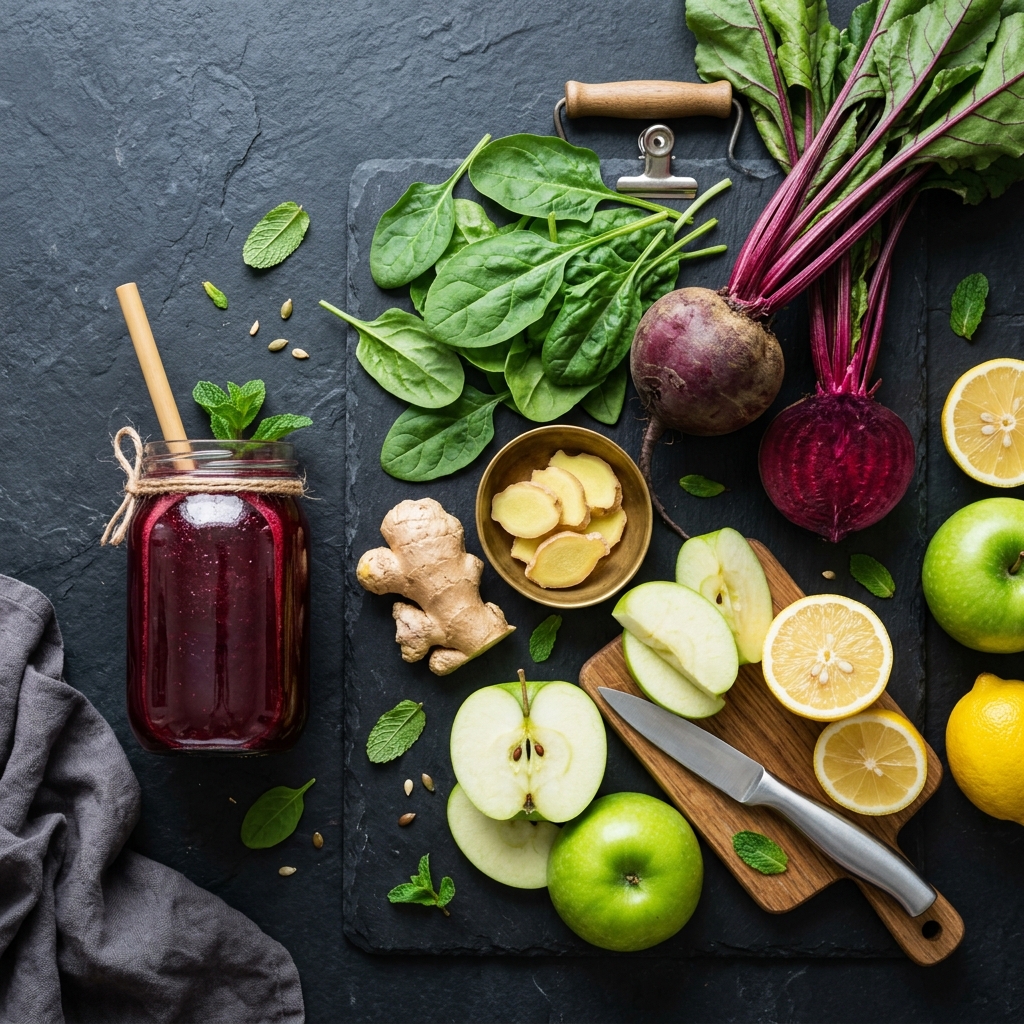
Searches for weight loss juice, juice recipes for weight loss and juice cleanse recipes often point to different needs. A weight loss juice should be a small part of a normal meal plan, while a cleanse usually means replacing meals, which carries more risk.
If you want a sharper low-sugar fruit option, compare the sugar notes in our unsweetened cranberry juice guide.
| Search intent | Safer answer | What to avoid |
|---|---|---|
| Weight loss juice | Vegetable-led juice in a 150ml to 250ml serving. | Large fruit-only juices with added sugar. |
| Juice recipes for weight loss | Green juice, beetroot blends and cucumber drinks alongside meals. | Replacing balanced meals for quick results. |
| Juice cleanse recipes | Use as a short recipe list, not a medical cleanse. | Long juice-only fasts without protein or fibre. |
| Best juice for weight loss | The best choice is low in added sugar and easy to keep consistent. | Any recipe claiming to burn belly fat directly. |
Relying exclusively on juice for weight management is highly discouraged by nutritionists and healthcare professionals. While juice fasting restricts calories severely-creating a rapid drop in scale weight-this weight loss is predominantly water weight and muscle tissue, not body fat.
Because juices contain no protein, the body must break down muscle mass to meet its amino acid requirements. Since muscle is metabolically active tissue, losing it slows down your resting metabolic rate. Consequently, once you resume eating solid food, your body burns fewer calories than before, leading to rapid weight regain (often referred to as the "yo-yo effect").
Furthermore, juice-only diets lack healthy fats, which are essential for absorbing fat-soluble vitamins (A, D, E, and K) and maintaining hormone production. Extreme fasting can also lead to electrolyte imbalances, fatigue, dizziness, and gastrointestinal stress.
To get the benefits of juicing without the physiological risks, use it as a supplement to a balanced, whole-food diet:
Adjusting your diet can sometimes yield unexpected physical responses. Use this reference guide to identify and resolve common issues:
While vegetable juicing is highly beneficial for most adults, specific groups need to take caution:
The most practical choice is a low-sugar green vegetable blend such as cucumber, spinach, celery, ginger and lemon. It is not a fat-burning drink, but it can replace a higher-calorie option and add freshness to a balanced meal plan. Keep the serving modest, around 150ml to 250ml.
No juice burns fat by itself. Ingredients such as ginger or chilli may feel warming, but the effect is small compared with overall diet, movement and portion size. Treat these recipes as lower-calorie drink swaps, not metabolism hacks.
Start with warm lemon water on waking, then follow with a 150 to 200ml green juice of cucumber, celery, spinach, ginger, and lemon about 20 minutes before breakfast. This sequence activates digestion and supports hydration.
Yes, a vegetable-based juice before breakfast is safe. Avoid high-sugar fruit juices on an empty stomach as these cause rapid glucose spikes. Always follow a morning juice with a proper meal containing protein and fat within 30 to 60 minutes.
Two to three different recipes across the week is sufficient. Rotating greens prevents ingredient monotony and ensures a broader range of nutrients.
A 7-day plan using juices alongside healthy, whole food meals can support a caloric deficit, leading to modest fat loss and reduced bloating. Complete juice fasts (liquid-only) are not recommended due to muscle loss and metabolic slowing.
Avoid high-fructose fruits such as mango, pineapple, grapes, and large quantities of apples. These raise blood sugar quickly and can contribute to liver fat accumulation. Keep fruit content minimal.
You may feel less bloated within a few days if you reduce salty or sugary drinks, but visible fat loss takes longer. Most people need several weeks of consistent calorie control, protein, activity and sleep before weight changes are meaningful.
A juice reset involves drinking juice alongside light, whole food meals to reduce processed food intake. A juice fast replaces all solid food with juice. Cleanses are far more sustainable and carry less nutritional risk.
Cold-pressed juice retains more heat-sensitive enzymes, vitamin C, and polyphenols because no heat is introduced during extraction. At equivalent serving sizes, it delivers more of the nutrients that support metabolic health, though standard juices are still beneficial. Popular Claim vs.
Reality Popular ClaimMore Accurate Take"Juice cleanses cause permanent weight loss"They cause temporary water/muscle loss; sustainable weight management requires balanced whole foods Final takeaway:Juicing works best as a way to add nutrients to a balanced lifestyle, not as a meal replacement. Best choice:An 80/20 blend of green vegetables to low-sugar fruits in small serving sizes. Main caution:Avoid extreme juice-only fasts which can lead to muscle loss and nutrient deficiencies.
Next step:Download our 7-day weight management juice recipes PDF and consult a dietitian. Conclusion Juicing for weight management is most effective when it is consistent, vegetable-forward, and used as a supplement to proper nutrition rather than a replacement for it. The recipes in this guide cover every major use case: morning routines, bloating reduction, energy support, reset protocols, and cold-pressed options.
Start with Recipe 1, the Classic Green Metabolism-Support Juice, and make it daily for one week. Then add a second recipe based on your specific goal, whether that is reducing bloating, boosting morning energy, or supporting a more structured routine. Build from there.
The 7-day plan gives you a framework. The printable structure makes it practical. The consistent daily habit is what produces results over time.
Explore more from London Juice Company: liver-friendly juice recipes and safety notesLow-sugar juice recipes for individuals managing sugar levelsHeart-healthy juice recipesContact our team
No. Juice cannot target belly fat or choose where your body loses fat. A vegetable-led juice can only support weight management if it helps you reduce total calories without replacing proper meals.
A weight loss juice is usually a lower-sugar vegetable-led drink used alongside normal meals. It does not cause fat loss by itself, but it may help if it replaces higher-calorie drinks and you keep portions sensible.
Not exactly. Juice cleanse recipes often imply replacing meals, while weight loss juice recipes can simply be low-sugar drinks used within a balanced diet. For most people, the second approach is safer and easier to maintain.

.webp)
Share this article


.webp)


.jpg)


.jpg)


.jpg)


.png)


