Posted by London juice company team
On January 06, 2026
Introduction
What Juices Are Good for High Blood Pressure?
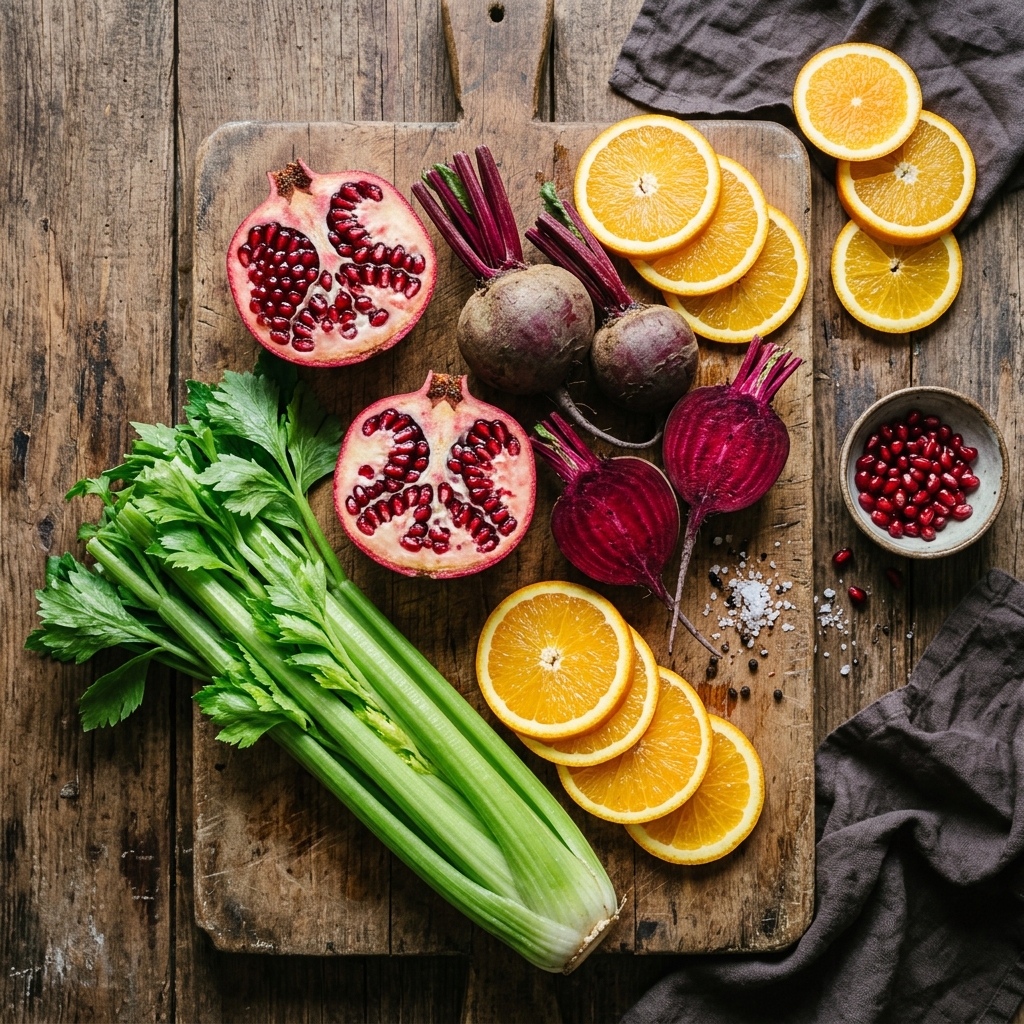
Juices good for high blood pressure include beetroot juice (high in nitrates that relax blood vessels), celery juice (contains phthalides for vessel relaxation), pomegranate juice (antioxidants protect arteries), green vegetable juices with spinach and kale (potassium balances sodium), and citrus juices (vitamin C supports vascular health). These heart healthy juice recipes deliver concentrated nutrients that support cardiovascular function when consumed alongside balanced diet and medical guidance.
Managing high blood pressure is one of the most important steps in protecting long-term heart health. While medication and lifestyle changes are often necessary, your diet can also play a crucial role. One natural way to support healthy blood pressure levels is through juicing recipes for high blood pressure that provide hydration, potassium, antioxidants, and plant compounds.
The key isn't just drinking any juice—it's choosing the right blend of vegetables and fruits that are naturally heart-friendly and backed by research.
How Juicing Supports Blood Pressure
Quick Answer: Juicing supports blood pressure by delivering concentrated nutrients quickly: hydration reduces strain on heart, potassium-rich ingredients balance excess sodium, natural nitrates from beets and greens relax blood vessels improving circulation, and antioxidants protect vessels from oxidative damage. These combined effects support healthy cardiovascular function naturally.
Understanding High Blood Pressure
High blood pressure, or hypertension, is often influenced by:
- High sodium intake
- Chronic stress
- Obesity and inactivity
- Poor dietary choices
- Dehydration
- Genetic factors
Juicing can help address several of these factors by delivering concentrated nutrients in a form that's quick to absorb and easy to enjoy.
1. Hydration Matters for Heart Health
Why It's Important: Dehydration can contribute to increased blood pressure. When your body lacks fluids, blood becomes more concentrated and harder to pump, increasing pressure on vessel walls.
How Juices Help: Juices made with water-rich vegetables like cucumber (95% water) and celery (95% water) help restore fluid balance, which reduces strain on the heart and supports healthy blood flow.
Best Hydrating Ingredients:
- Cucumber
- Celery
- Watermelon
- Citrus fruits
- Leafy greens
2. Potassium vs. Sodium Balance
The Relationship: Potassium-rich foods help the body balance excess sodium—a key contributor to hypertension. When potassium intake increases, the body excretes more sodium through urine, reducing blood volume and pressure.
Potassium-Rich Juice Ingredients:
- Spinach (540mg per cup)
- Beets (442mg per cup)
- Citrus fruits (oranges: 237mg each)
- Carrots (410mg per cup)
- Celery (263mg per cup)
Regularly consuming juices with these ingredients can support more stable blood pressure levels over time.
For more potassium-rich juice options, explore our carrot celery juice recipe guide.
3. Circulation-Boosting Nitrates
How Nitrates Work: Beetroot and leafy greens are high in natural nitrates. Once inside the body, these convert to nitric oxide, which:
- Relaxes blood vessel walls
- Improves circulation
- Lowers blood pressure naturally
- Enhances oxygen delivery to tissues
Research Evidence: Studies show beetroot juice can reduce systolic blood pressure by 4-10 mmHg within 2-3 hours of consumption, with effects lasting up to 24 hours.
Best Nitrate Sources:
- Beetroot (highest concentration)
- Spinach
- Kale
- Celery
- Arugula
Learn more about beetroot's powerful effects in our beetroot concentrate guide.
4. Antioxidant Protection for Vessels
Why Antioxidants Matter: Oxidative stress damages blood vessels and contributes to cardiovascular problems. Free radicals attack vessel walls, causing inflammation and reducing elasticity.
How Antioxidants Help: Antioxidants from fruits like pomegranate, blueberries, and oranges:
- Neutralize free radicals
- Protect cells from damage
- Reduce arterial inflammation
- Support overall vascular health
- Improve endothelial function
Together, hydration, potassium, nitrates, and antioxidants make fresh juices a powerful addition to a heart-healthy lifestyle.
For comprehensive natural healing approaches, read our juice cure guide.
Ready to support heart health naturally? Explore our cold-pressed juice collection for convenient cardiovascular nutrition.
5 Heart Healthy Juice Recipes
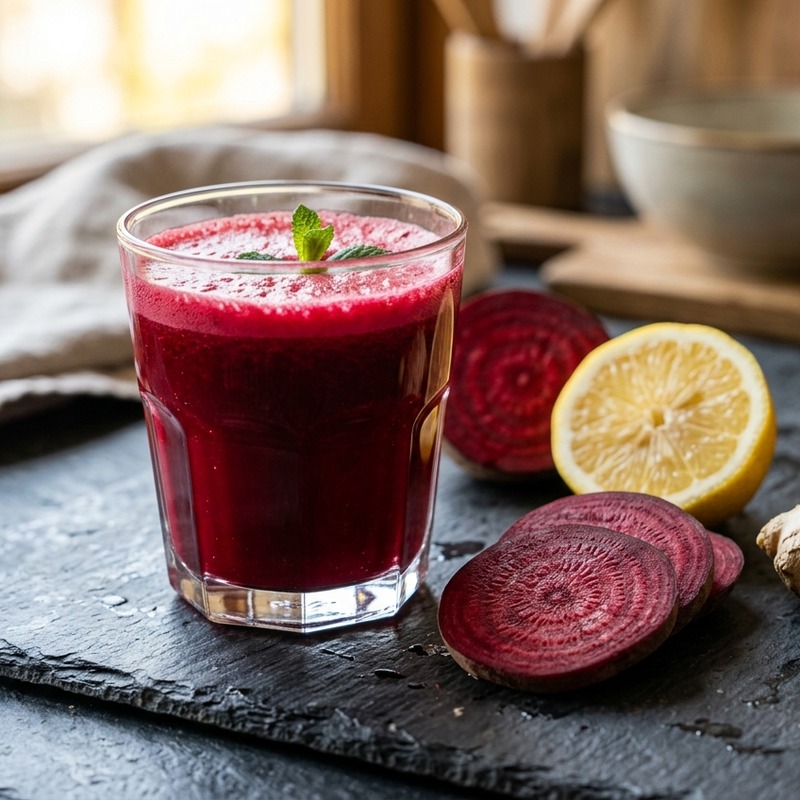
Recipe 1: Beetroot Carrot Apple Juice
Why It Works: Beetroot is one of the most studied foods for blood pressure support due to its exceptional nitrate content. Carrots add beta-carotene supporting heart and eye health, while apple provides natural sweetness and additional antioxidants. Lemon brightens the flavor and adds vitamin C that enhances nutrient absorption.
Ingredients:
- 1 medium beetroot (peeled and chopped)
- 2 medium carrots (peeled)
- 1 apple (cored, any variety)
- ½ lemon (peeled, seeds removed)
Method:
- Wash and prepare all ingredients thoroughly
- Pass through juicer, or blend with small amount of water and strain for smoother texture
- Serve immediately over ice for refreshing, vibrant juice
- Consume within 15 minutes for maximum nutrient retention
Health Benefits:
- Nitrates from beetroot help widen blood vessels naturally
- Carrots contribute fiber (if unstrained) and beta-carotene antioxidants
- Apple balances earthy beet flavor with natural sweetness
- Lemon boosts vitamin C and enhances iron absorption
Serving Size: 200-250ml | Best Time: Morning or pre-workout
Nutritional Info: ~140 calories, 33g carbs, 4g fiber, 400mg+ nitrates
This juice is not only beneficial for heart health but also energizing, making it a great option to start your day or fuel exercise.
Recipe 2: Green Vitality Juice
Why It Works: Leafy greens are among the best foods for lowering blood pressure. They're exceptionally rich in potassium, magnesium, and chlorophyll—all of which support circulation and reduce sodium's negative effects. Combined with hydrating cucumber and celery, this juice is deeply refreshing and therapeutic.
Ingredients:
- 1 cup fresh spinach leaves
- 1 cup kale (stems removed, chopped)
- ½ large cucumber
- 2 celery stalks
- ½ green apple (optional, for sweetness)
- ½ lime (peeled)
Method:
- Wash greens thoroughly to remove any grit or soil
- Juice kale, spinach, cucumber, celery, apple, and lime together
- Stir well to combine all ingredients
- Enjoy chilled immediately
Health Benefits:
- High in potassium (540mg+ per serving) and magnesium, helping balance sodium in body
- Chlorophyll from greens supports natural detoxification and circulation
- Cucumber and celery provide hydration and cooling effect
- Lime adds vitamin C, tanginess, and alkalizing properties
Serving Size: 200-250ml | Best Time: Any time, especially warm weather
Nutritional Info: ~90 calories, 20g carbs, 4g fiber, 540mg+ potassium
This juice is a heart-friendly powerhouse that can be enjoyed any time of day, especially during warmer months when hydration is extra important.
For more green juice benefits, see our liver cleansing juice recipes featuring detoxifying greens.
Recipe 3: Citrus Ginger Circulation Booster
Why It Works: Citrus fruits like oranges, grapefruits, and lemons are rich in vitamin C and flavonoids, which help protect blood vessels and support healthy circulation. Ginger adds powerful anti-inflammatory properties and improves blood flow, making this juice both refreshing and therapeutic.
Ingredients:
- 2 large oranges (peeled)
- 1 grapefruit (peeled, preferably pink/red)
- 1 lemon (peeled)
- 1-inch piece fresh ginger
Method:
- Peel all citrus fruits, removing seeds
- Juice citrus fruits and ginger together
- Stir well and pour into chilled glass
- Drink immediately for maximum vitamin C content
Health Benefits:
- High vitamin C supports vascular health and collagen in vessel walls
- Flavonoids improve endothelial function (blood vessel lining)
- Ginger aids circulation and provides anti-inflammatory compounds
- Bright, tangy flavor that feels energizing and uplifting
Serving Size: 200ml | Best Time: Morning on empty stomach
Nutritional Info: ~150 calories, 36g carbs, 150mg+ vitamin C
Caution: Grapefruit can interact with certain blood pressure medications. Consult your doctor if taking prescription drugs.
For more citrus-based wellness drinks, explore our winter juices collection with immunity-boosting recipes.
Recipe 4: Pomegranate Berry Antioxidant Juice
Why It Works: Pomegranate is scientifically proven for its heart-protective antioxidants, while blueberries add anthocyanins that fight oxidative stress affecting blood vessels. This combination creates a vibrant, tangy juice that directly supports cardiovascular health and blood vessel integrity.
Ingredients:
- ½ cup fresh pomegranate seeds (arils)
- ½ cup blueberries (fresh or frozen)
- ½ cucumber (for hydration and mild flavor)
- ½ lemon (peeled)
Method:
- If using blender: Combine all ingredients, blend until smooth, strain through fine mesh sieve
- If using juicer: Process pomegranate, blueberries, cucumber, and lemon
- Stir well to distribute antioxidants
- Serve fresh and enjoy chilled
Health Benefits:
- Pomegranate helps reduce oxidative stress in arteries and may lower blood pressure
- Blueberries provide anthocyanins that support healthy blood pressure regulation
- Hydrating from cucumber without diluting flavor
- Naturally sweet without any added sugar needed
Serving Size: 150-200ml | Best Time: Afternoon or post-meal
Nutritional Info: ~130 calories, 31g carbs, 5g fiber, extremely high ORAC (antioxidant value)
For more antioxidant benefits, read our organic cranberry juice guide.
Recipe 5: Celery Cucumber Blood Pressure Cooler
Why It Works: Celery has been specifically linked to blood pressure regulation thanks to its phthalide compounds, which may help relax blood vessel walls and reduce stress hormones. Cucumber adds superior hydration, while lime and parsley boost flavor and provide additional cardiovascular-supporting nutrients.
Ingredients:
- 3 large celery stalks
- ½ large cucumber
- ½ lime (peeled)
- Small handful fresh parsley (about ¼ cup)
Method:
- Wash all ingredients thoroughly
- Juice celery, cucumber, lime, and parsley together
- Stir well to combine flavors
- Serve over ice for maximum refreshment
Health Benefits:
- Celery helps balance blood pressure naturally through phthalide compounds
- Cucumber provides cooling hydration (95% water)
- Parsley adds chlorophyll, vitamin K, and fresh flavor
- Lime offers vitamin C and alkalizing properties
Serving Size: 200-250ml | Best Time: Any time, perfect for hot days
Nutritional Info: ~50 calories, 12g carbs, 3g fiber, 260mg+ potassium
Refreshing and hydrating—perfect for hot days when blood pressure can fluctuate due to dehydration.
Want ready-made heart health support? Try our Aqua Vous hydration blend for convenient cardiovascular wellness.
Practical Tips for Juicing & Blood Pressure Health
1. Control Portion Sizes
Recommended Amount: 100-200ml (½ to 1 cup) per day is sufficient
Why It Matters:
- Too much fruit juice increases sugar intake
- Excessive beet juice can cause digestive upset
- Moderation prevents blood sugar spikes
- Smaller servings maintain benefits without side effects
2. Balance with Whole Foods
Important Principle: Juices should complement, not replace, a diet rich in:
- Fiber from whole grains and vegetables
- Lean protein (fish, poultry, legumes)
- Healthy fats (olive oil, avocado, nuts)
- Whole fruits and vegetables
Why: Juicing removes fiber, which is important for heart health, cholesterol management, and satiety.
3. Avoid Added Sugars
Golden Rule: Always use natural ingredients without sweeteners
Watch Out For:
- Honey or agave (adds unnecessary sugar)
- Sweetened fruit juices
- Processed juice blends
- Artificial sweeteners
Natural fruit provides sufficient sweetness without need for additions.
4. Be Consistent for Results
Timing Matters:
- Regular daily consumption more effective than occasional use
- Benefits accumulate over weeks, not hours
- Consistency supports sustained blood pressure improvements
- Make juicing part of daily routine
5. Choose Fresh, Quality Produce
Best Practices:
- Organic produce reduces pesticide exposure
- Seasonal fruits and vegetables provide peak nutrition
- Local produce offers maximum freshness
- Wash all ingredients thoroughly
6. Time Your Juices Strategically
Optimal Timing:
- Morning: Beetroot or citrus juices on empty stomach
- Pre-workout: Beet juice 2-3 hours before exercise
- Afternoon: Green vegetable juices
- Avoid evening: Fruit-heavy juices may disrupt sleep
7. Monitor Your Response
Pay Attention To:
- Blood pressure readings (track changes)
- How you feel after drinking juice
- Any digestive sensitivities
- Interactions with medications
Important: Always consult healthcare provider before making dietary changes for blood pressure management.
For safe cleansing practices, read about headache prevention during cleanses.
Important Medical Disclaimer
Critical Information About Blood Pressure Management:
Juicing Does NOT Replace Medical Care
While these heart healthy juice recipes can support cardiovascular health, they are not a substitute for:
- Prescribed blood pressure medications
- Regular doctor visits and monitoring
- Professional medical advice
- Emergency care for hypertensive crisis
When to Seek Immediate Medical Attention
Call emergency services if you experience:
- Blood pressure above 180/120 mmHg
- Severe headache with BP elevation
- Vision changes or blurred vision
- Chest pain or pressure
- Difficulty breathing
- Severe anxiety or confusion
- Nosebleeds with high BP
- Severe dizziness or fainting
Medication Interactions
Important Warnings:
Grapefruit Juice: Can interact with many blood pressure medications (calcium channel blockers, statins). Avoid if taking prescription drugs unless doctor approves.
Vitamin K (from greens): Can interfere with blood thinners like warfarin. Maintain consistent intake and inform doctor.
Natural Diuretics (celery, cucumber): May enhance effects of diuretic medications. Monitor with healthcare provider.
Safe Juicing Practices
Always:
- Consult doctor before starting juice regimen
- Continue taking prescribed medications
- Monitor blood pressure regularly at home
- Report significant changes to healthcare provider
- Maintain balanced diet alongside juicing
Never:
- Stop or reduce medication without doctor approval
- Rely solely on juice for BP control
- Ignore warning symptoms
- Exceed recommended juice portions (100-200ml daily)
For comprehensive natural health approaches, read our juice fast vs water fast guide with safety considerations.
Conclusion: Natural Support for Heart Health
Supporting your heart health doesn't have to be complicated. With these 5 heart healthy juice recipes to help lower blood pressure, you can enjoy refreshing drinks that deliver:
✓ Potassium to balance sodium ✓ Nitrates that relax blood vessels ✓ Antioxidants protecting cardiovascular system ✓ Hydration reducing heart strain ✓ Vitamins and minerals supporting overall wellness
From the earthy Beetroot Carrot Apple Juice to the crisp Celery Cucumber Cooler, each recipe is simple, natural, and designed to complement a heart-healthy lifestyle.
Remember: These juices work best when combined with:
- Prescribed medications (if applicable)
- Balanced, low-sodium diet
- Regular physical activity
- Stress management techniques
- Adequate sleep (7-8 hours)
- Maintaining healthy weight
- Regular medical monitoring
Experience Premium Heart-Healthy Nutrition
Don't feel like juicing daily? London Juice Company offers professionally crafted cold-pressed juices perfect for cardiovascular support and convenience.
Featured Heart-Supporting Products:
🥕 Fruitti Me – Antioxidant-rich fruit blend
💧 Aqua Vous – Superior hydration for circulation
🥥 RAW Coco Burst – Natural electrolyte balance
🌴 Tropical Dream – Vitamin C and potassium fusion
Take Action Now:
👉 Shop All Products – Browse complete wellness collection
👉 Download Catalogue – View detailed nutritional information
👉 Contact Us – Get personalized heart health recommendations
Support your cardiovascular wellness naturally with London Juice Company's premium cold-pressed nutrition.
FAQs
What juices are good for high blood pressure?
Beetroot juice (nitrates relax vessels), celery juice (phthalides reduce pressure), pomegranate juice (antioxidants protect arteries), green vegetable juices with spinach/kale (potassium balances sodium), and citrus juices (vitamin C supports vessels) are best for high blood pressure when consumed regularly as part of heart-healthy diet.
What BP is too high in pregnancy?
Blood pressure above 140/90 mmHg is considered high during pregnancy and requires immediate medical attention. Severe hypertension (160/110+) poses serious risks to mother and baby. Pregnant women should monitor BP regularly and consult healthcare provider about any elevation above normal range.
How to lower high blood pressure in a child?
Lower child's blood pressure through healthy diet rich in fruits/vegetables, regular physical activity (60 minutes daily), maintaining healthy weight, limiting sodium and processed foods, adequate sleep, and reducing screen time stress. Always consult pediatrician before dietary changes. Juice should be limited to 4-6 oz daily for children.
What fruit brings down blood pressure fast?
Bananas (potassium), berries (anthocyanins), citrus fruits (vitamin C), pomegranate (polyphenols), and watermelon (L-citrulline) help lower blood pressure. However, no fruit works "fast"—effects develop over hours to weeks with consistent consumption. Beetroot juice shows quickest effects (2-3 hours) but isn't technically fruit.
What drinks to avoid with high BP?
Avoid with high blood pressure: alcohol (raises BP), caffeinated energy drinks (spike pressure), high-sodium vegetable juices, sweetened beverages (contribute to obesity), and excessive coffee (temporary BP increase). Also limit diet sodas with artificial sweeteners and any drinks with added salt or sugar.
What is the best drink in the morning for high blood pressure?
The best morning drink for high blood pressure is beetroot juice (nitrates lower BP within hours), followed by celery juice (phthalides relax vessels), lemon water (hydration and vitamin C), green vegetable juice (potassium-rich), or pomegranate juice (antioxidants). Drink on empty stomach for maximum absorption.
How do I get my BP down asap?
To lower BP quickly (within hours): drink beetroot juice (400mg nitrates), practice deep breathing exercises, take prescribed medication as directed, rest in quiet environment, stay hydrated with water, and avoid caffeine/stress. For sustained reduction: exercise regularly, eat heart-healthy diet, maintain healthy weight, reduce sodium, and manage stress. Always consult doctor for persistent high BP.
What fruit keeps your blood pressure down?
Bananas (potassium balances sodium), berries especially blueberries (anthocyanins), kiwi (vitamin C and potassium), citrus fruits (flavonoids), watermelon (L-citrulline converts to nitric oxide), and pomegranate (polyphenols) help maintain healthy blood pressure when eaten regularly as part of balanced diet.
Can high blood pressure cause vomiting?
Yes, very high blood pressure (hypertensive crisis: 180/120+) can cause vomiting, severe headache, vision changes, chest pain, and confusion. This is medical emergency requiring immediate attention. Mild to moderate hypertension typically causes no symptoms. Vomiting with high BP warrants immediate medical evaluation.
What not to drink with high blood pressure?
Avoid alcohol (raises BP), energy drinks (caffeine and stimulants), high-sodium tomato/vegetable juices, sweetened sodas (obesity link), excessive coffee (temporary spikes), grapefruit juice if on BP medication (drug interactions), and sports drinks high in sodium. Stick to water, herbal tea, and low-sodium vegetable juices.
What is the best time of day to take blood pressure?
Best time to measure blood pressure is morning (before eating or taking medication) and evening (before dinner), always at same times daily for consistency. Avoid measuring immediately after waking, eating, exercising, or stressful events. Take multiple readings 1-2 minutes apart and average them.
What can I drink to lower my blood pressure quickly?
For relatively quick BP reduction (within hours): beetroot juice (400-500mg nitrates shows effects in 2-3 hours), hibiscus tea (lowers BP within 2-6 weeks with regular use), pomegranate juice (daily consumption), or water (immediate hydration). No drink lowers BP instantly—consistent healthy habits provide lasting control. Always follow medical advice.
Can celery reduce high blood pressure?
Yes, celery may help reduce high blood pressure. It contains phthalide compounds that relax blood vessel walls and reduce stress hormones. Studies suggest 4 celery stalks daily or equivalent juice (150-200ml) may lower BP modestly. Works best as part of comprehensive heart-healthy diet, not standalone treatment.
How to bring down blood pressure in 15 minutes?
To reduce BP within 15 minutes: practice deep breathing (5-second inhale, 5-second exhale), sit or lie in quiet space, relax muscles progressively, listen to calming music, and stay hydrated. These provide temporary reduction. For sustained control: medication, diet changes, exercise, and stress management are essential. Consult doctor for persistent high BP.
What drink calms the heart?
Drinks that calm heart include chamomile tea (relaxing properties), green tea (L-theanine reduces stress), warm lemon water (hydrating and alkalizing), beetroot juice (improves circulation), and magnesium-rich coconut water (electrolyte balance). Avoid caffeine, alcohol, and sugary drinks that can increase heart rate and stress cardiovascular system.
Should I drink lemon water if my blood pressure is high?
Yes, lemon water is safe and potentially beneficial for high blood pressure. It provides hydration, vitamin C (supports blood vessel health), and alkalizing effect. Drink warm lemon water in morning on empty stomach. However, lemon water alone won't control hypertension—use alongside prescribed treatment, healthy diet, and lifestyle changes.
Which drink is best for high blood pressure?
Best drinks for high blood pressure are beetroot juice (nitrates relax vessels), celery juice (phthalides lower pressure), pomegranate juice (antioxidants), hibiscus tea (studied for BP reduction), green vegetable juices (potassium-rich), and plain water (essential hydration). Consistency matters—drink daily as part of heart-healthy lifestyle with medical guidance.
What is a home remedy for high blood pressure?
Home remedies for high blood pressure include beetroot juice daily, celery juice or stalks, garlic (raw or supplement), hibiscus tea, regular exercise (30 minutes daily), stress reduction (meditation, yoga), adequate sleep (7-8 hours), maintaining healthy weight, reducing sodium, and increasing potassium-rich foods. Always combine with medical treatment and doctor supervision.
What is a home remedy to bring BP down quickly?
For relatively quick BP reduction: drink beetroot juice (works within 2-3 hours), practice deep breathing exercises, rest in quiet environment, drink water for hydration, and take prescribed medication. Long-term control requires consistent healthy habits: daily exercise, heart-healthy diet, stress management, adequate sleep, and maintaining healthy weight. Consult doctor before relying solely on home remedies.
References
- https://pmc.ncbi.nlm.nih.gov/articles/PMC6316347/
- https://www.frontiersin.org/journals/nutrition/articles/10.3389/fnut.2022.823039/full
- https://www.heart.org/en/health-topics/high-blood-pressure/changes-you-can-make-to-manage-high-blood-pressure/how-potassium-can-help-control-high-blood-pressure
- https://www.ahajournals.org/doi/10.1161/hypertensionaha.114.04675
- https://pmc.ncbi.nlm.nih.gov/articles/PMC3833247/
About the Author
The London Juice Company
team brings together years of expertise in the juice and beverage industry, combining a passion for
health and flavour with global distribution knowledge. Our content is crafted to inspire both juice enthusiasts and business
owners, offering trusted insights, flavour combinations, and industry trends. We’re dedicated to sharing our love for fresh,
natural juices and helping you enjoy the benefits of a vibrant, healthy lifestyle, no matter the season.